


PETG filament has become one of the most popular materials in desktop 3D printing, especially for users who want stronger and more durable parts than PLA without the complexity of ABS. It is widely used for functional prints, household items, and light outdoor applications.
New to PETG or thinking of making the transition from PLA? We'll guide you through what PETG is, what to expect, what it takes to print PETG successfully, and when to use PETG.
What Is PETG?
PETG stands for Polyethylene Terephthalate Glycol-modified. It is a modified version of PET, the plastic commonly used in water bottles and food containers. PETG has better clarity, durability, and printability due to glycol-modified characteristics. Thus, it's used for FDM 3D printing.
In simple terms, PETG is designed to sit between PLA and ABS:
-
Easier to print than ABS
-
Stronger and more heat-resistant than PLA
-
Less brittle than PLA
-
More forgiving than many engineering filaments
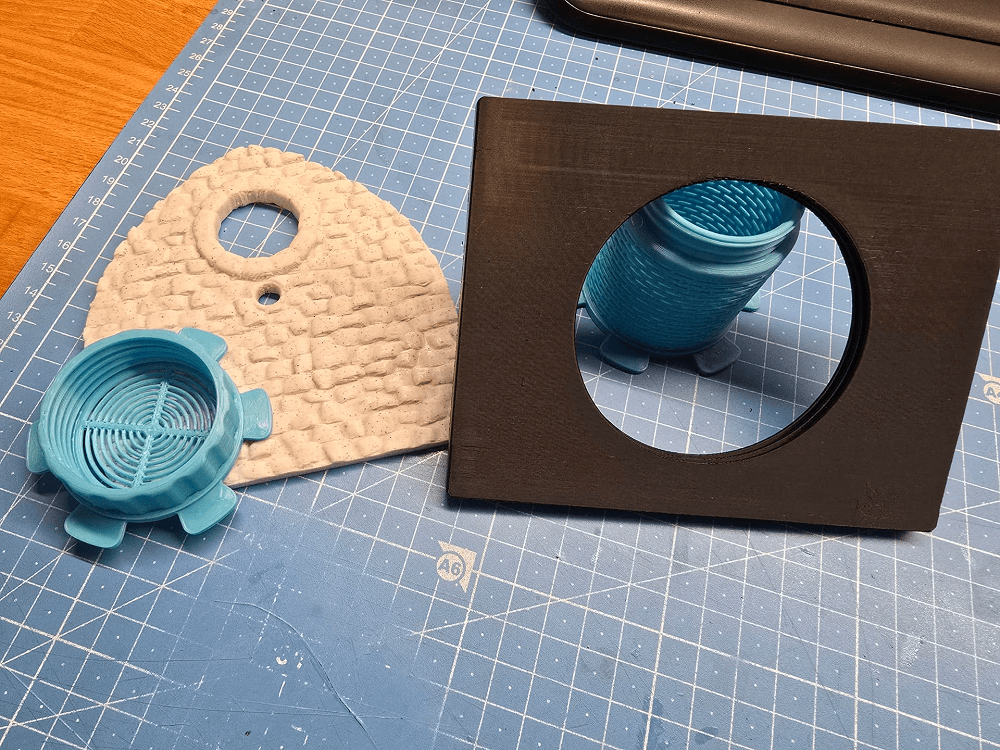
Typical applications of PETG include functional parts like brackets, clips, and enclosures in which light mechanical and moisture stresses are likely to be encountered.
PETG Properties & Technical Specs
Knowing the basic material properties of PETG will help you choose the right applications and avoid common mistakes.
Melting Point
PETG has a melting range from 230 to 250 degrees °C, depending on the manufacturer and type. The range of the melting points also contributes to the smooth flow of PETG; however, it causes "stringing" if the temperature is too high.
Glass Transition
PETG has a glass transition temperature of 80-85 degrees °C. At a temperature above 85 degrees °C, PETG will begin to soften and become less rigid, even though melting will not have occurred.
From a practical perspective, PETG should not be considered for parts that are subjected to prolonged periods of heat in excess of 70-80 degrees °C.
Heat Deflection
The heat deflection temperature of PETG is usually in the range of 65 to 75 °C. This is the temperature which can cause deformation of the printed piece.
PETG is better than PLA in a heat environment but not for high-temperature usage.
Water and Moisture Resistance
PETG is water resistant and can tolerate humid environments and occasional water exposure. However, like all FDM materials, water may seep between layer lines with sufficient pressure if layer wall size and print quality have not been optimized.
PETG Printing Settings
PETG can be printed reliably once the fundamental parameters are well understood and adjusted with great care. This all comes down to a delicate balance of heat and layer adhesion without the material becoming unmanageable.
Nozzle Temperature
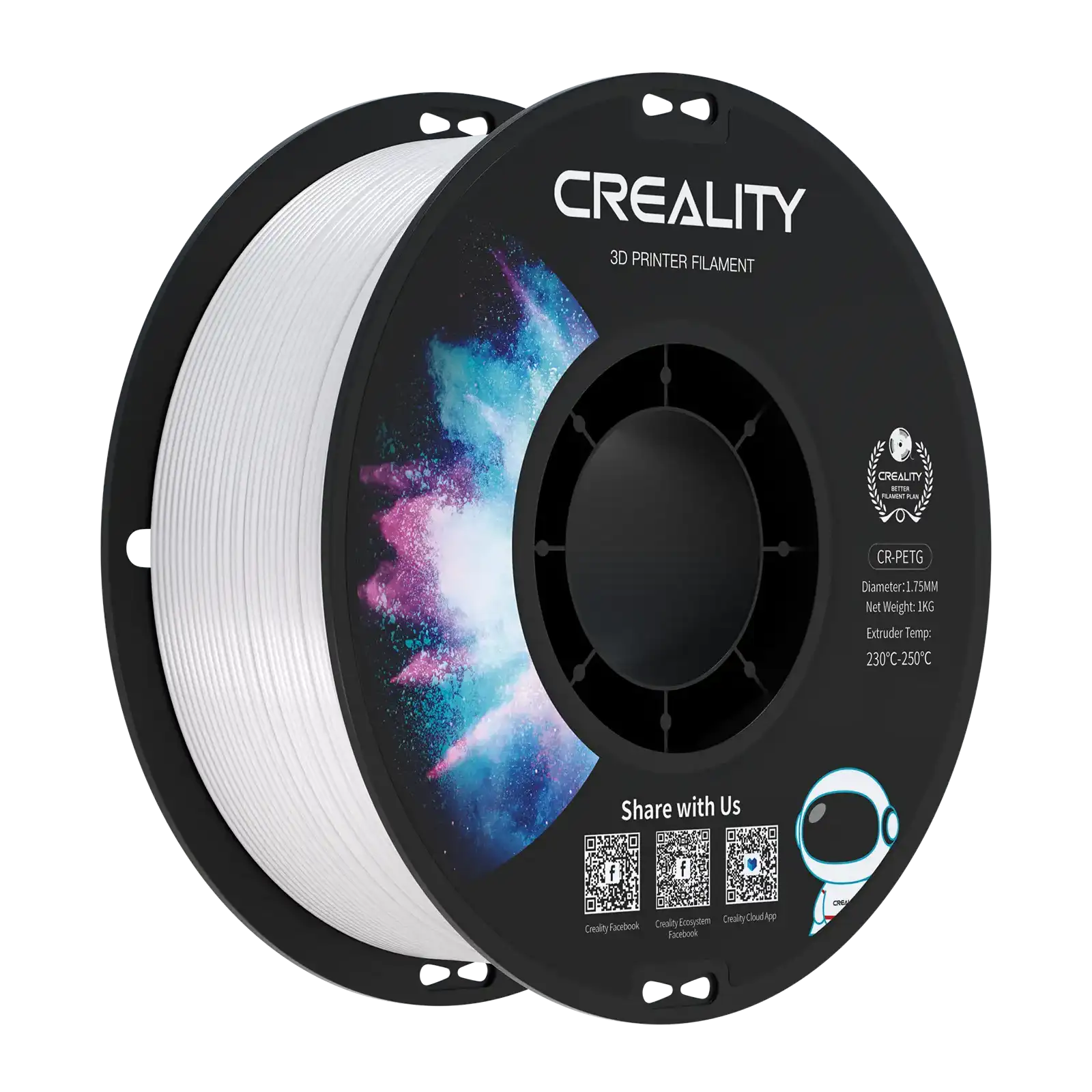
Most PETG filaments print well between 230–250 °C.
-
Lower temperatures reduce stringing but may weaken layer adhesion
-
Higher temperatures improve strength but increase oozing
A good starting point for beginners is 240 °C, followed by small adjustments based on print results.
Bed Temperature
Recommended bed temperatures range from 70–90 °C.
-
70–80 °C works well for most prints
-
Larger or functional parts may benefit from higher bed temperatures
PETG adheres strongly, so care should be taken when printing on glass or smooth PEI surfaces.
Drying Temperature and Time
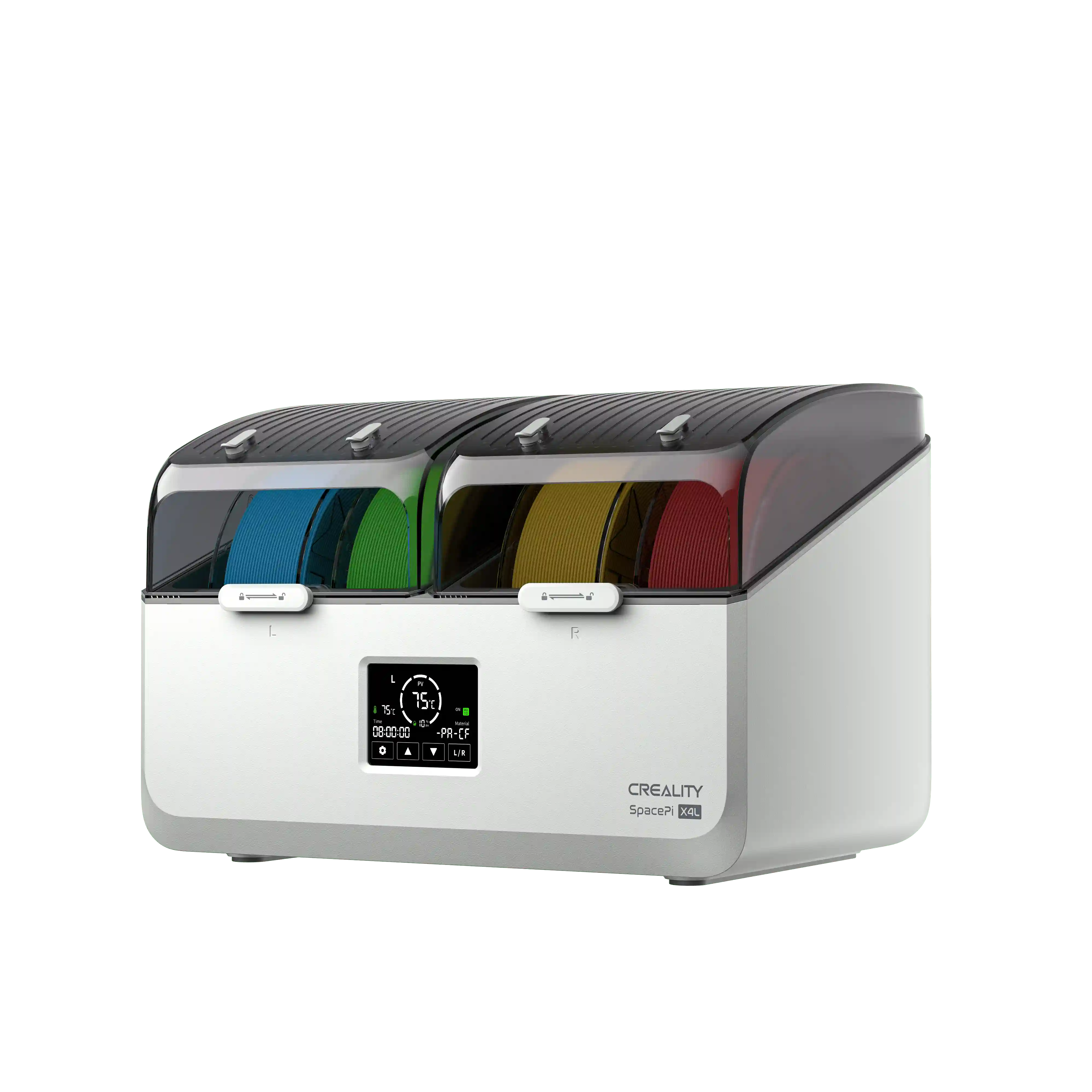
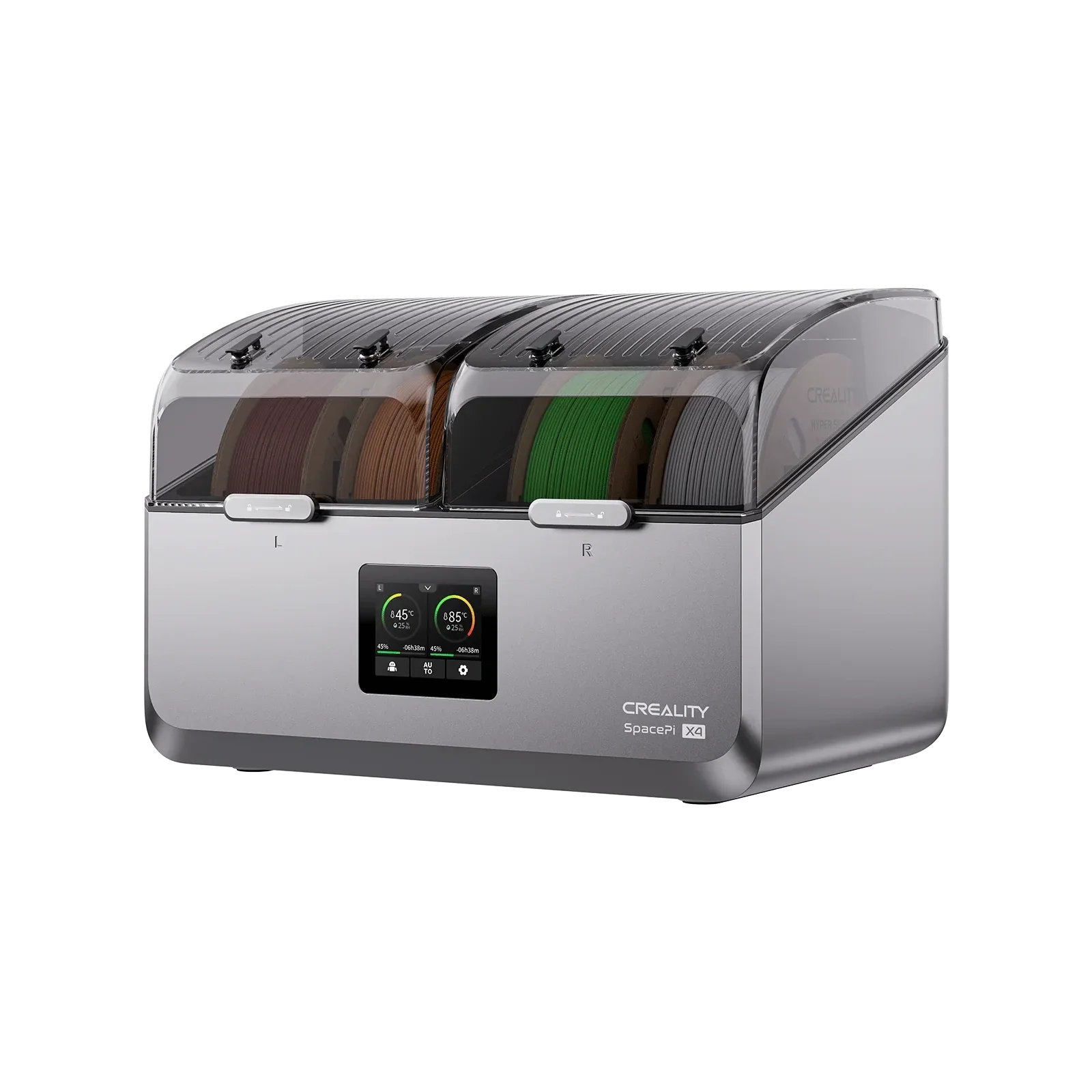
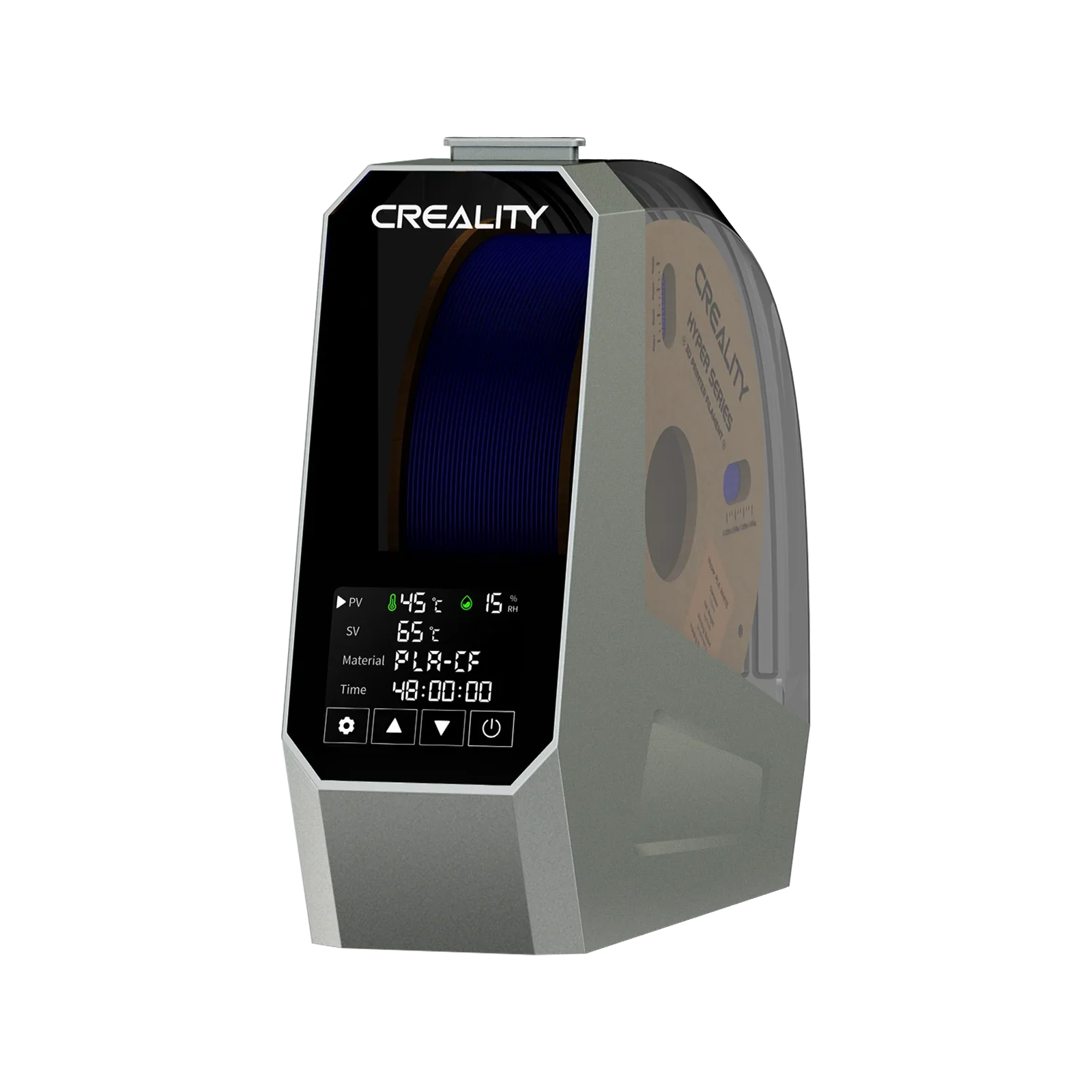
PETG is moderately hygroscopic, meaning it absorbs moisture from the air over time. Excess moisture can cause stringing, bubbling, surface roughness, and weakened layer bonding during printing.
Recommended drying temperature: 55–65 °C Typical drying time: 4–6 hours (For heavily moisture-exposed filament, drying up to 8 hours may be necessary.)
-
Lower temperatures (around 55 °C) are safer for long drying cycles and help prevent spool deformation.
-
Higher temperatures (up to 65 °C) can dry filament faster but should be monitored carefully.
Cooling Fan Settings
PETG does not require aggressive cooling.
-
Start with low to moderate fan speed
-
Increase cooling for bridges and overhangs
-
Avoid full fan speed unless necessary
Too much cooling can weaken layer bonding.
Retraction Behavior
PETG is more prone to stringing than PLA.
-
Retraction should be shorter and slower than PLA
-
Excessive retraction often makes stringing worse
Good temperature control and dry filament are just as important as retraction settings.
Bed Adhesion Considerations
PETG sticks very well, sometimes too well.
-
Use a release layer (glue stick or spray) on smooth surfaces
-
Avoid printing PETG directly on bare glass
-
Allow the bed to cool before removing prints
This prevents damage to both the print surface and the part.
PETG Strength, Limitations, and Practical Considerations
This section answers a critical question: Is PETG suitable for your intended use?
Functional Parts
PETG is tougher than PLA and less brittle under stress. It handles impacts and repeated use better, making it suitable for functional components such as clips, mounts, and housings.
However, PETG is slightly more flexible than PLA, which may not be ideal for highly rigid or dimension-critical parts.
Outdoor Use and Longevity
PETG performs reasonably well outdoors.
-
Resistant to moisture and humidity
-
Moderate UV resistance
-
Better outdoor stability than PLA
Over time, prolonged UV exposure may cause discoloration or reduced strength. PETG is suitable for short- to medium-term outdoor use but not for extreme environments.
Common Challenges
PETG has a few well-known challenges:
-
Stringing: Caused by high temperatures and slow travel moves
-
Moisture sensitivity: Wet filament leads to bubbling and poor surface quality
-
Surface finish: PETG tends to be glossy and can show imperfections more clearly
FAQs
Is PETG safe to drink from?
PETG as a material is commonly used in food and beverage packaging, however, 3D-printed items with PETG are usually not good to go with drinks. This is because bacteria trapped within layer lines would be an issue, and practically none of the home printers are ever food-safe certified. In regular use, a food-safe coating or a certified container is recommended.
Is PETG better than PLA?
PETG is no better than PLA, strictly speaking; it's better for different uses. PETG provides higher durability, impact resistance, and resistance to moisture, while PLA is easier to print and makes more rigid, detailed parts. Which one is better depends on the application.
Why is printing PETG so hard?
PETG can be challenging: it remains molten for longer and is thus highly susceptible to stringing and surface blemishes. It adheres extremely well to build plates, and it is also very sensitive to moisture. Once properly managed, that is, temperature and adhesion are taken into consideration, PETG turns out to be way easier to print.
Final Words
PETG is a very solid material for those users who would like to upgrade from PLA without moving into some of the more complicated filaments. It offers great strength, nice printability, and excellent environmental resistance.
PETG is a material that requires patience and a little more careful temperature control from a beginner, but once dialed in, it will be a trusted workhorse for functional and everyday prints.
If one requires strength, resistance to moisture, and performance that is somewhat dependable, without excessive complications in processing, one normally chooses PETG.