












Do you remember how homes were built a decade ago? Do you think that in 2026, architecture and construction experts are using the same methods?
Then you might be wrong.
Because of 3D printing, these industries have experienced a 180-degree change. Building houses, modular shades and custom furniture with 3D printing seemed futuristic.
But not anymore.
That's why you might have noticed a boom in 3D printed home designs, which offer new levels of creativity and sustainability to designers.
In this guide, we'll discuss how 3D printing is shaping the future of living spaces, especially your home. Not only will we discuss the materials used, the step-by-step workflow behind printing, and the best printers for home projects. At Creality, we design advanced printers for creators globally.
What is 3D Printed Home Design?

You might think, what is a 3D printed home? How is 3d printing used in home construction?
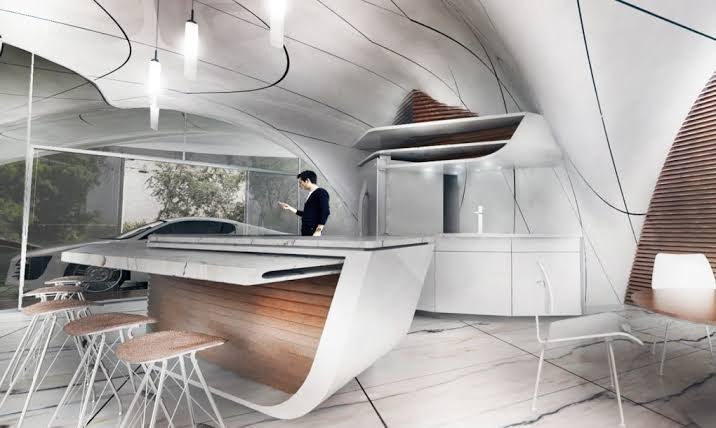
Basically, 3D printed home design refers to using 3D printing technology to create houses, furniture, and interior elements directly from digital models. So you are not relying on traditional construction methods but constructing the home layer by layer.
You can do it with the help of specialized printers and materials such as concrete, polymers, or resins.
With this approach, construction becomes faster, more customizable, and often more cost-efficient.
Several printing techniques are commonly applied in 3D printing construction. Some of these are:
-
Fused Deposition Modelling (FDM): A versatile method for furniture and smaller 3D printing interior design, where melted filament is layered to form an object.
-
Concrete Printing: Large-scale printers extrude layers of concrete to build walls and structures for entire houses.
-
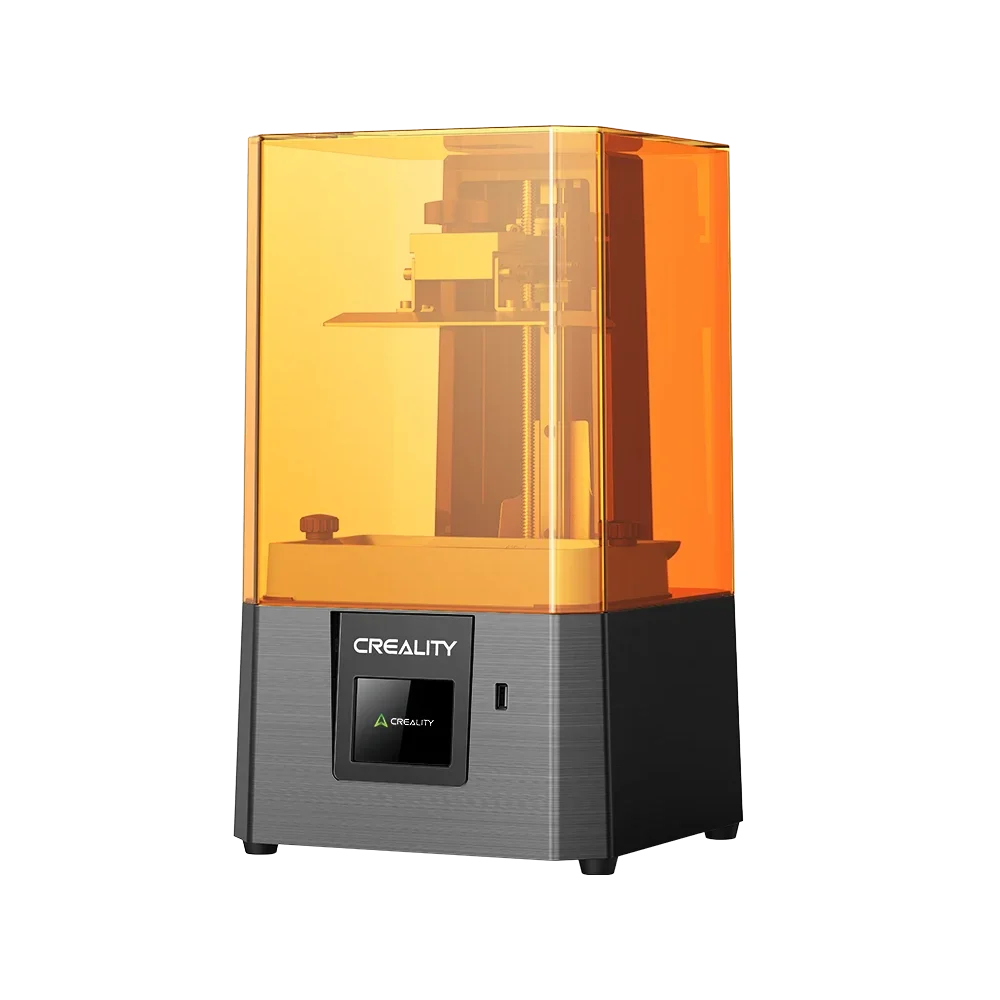
Resin Printing: Used mainly for intricate architectural models or detailed interior design elements, producing smooth, highly accurate results.
Common 3D Printed Home Designs
Initially, 3D printing was limited to small prototypes. But now it's expanding and shaping the way we build and furnish our living spaces. Here are some of the most common applications of 3D printed home designs.
Full 3D Printed Houses
It's undeniably the biggest breakthrough in 3D printing. It has the ability to construct entire homes.
But how's this possible?
By using large concrete printers, walls and structures are built layer by layer. They reduce both time and labour costs. They are efficiently providing a promising solution for housing shortages.
Modular 3D Printed Homes
Don't want to print a whole house onsite?
Then opt for modular houses, which are created in sections.
Here's how it works:
Walls, rooms, or structural components are printed separately, then transported and assembled at the construction site. This method offers maximum flexibility, making it easier to customize layouts with expansion in mind.
Furniture & Interior Décor
Do you want a unique piece of 3D printed furniture that no one has ever owned? Or maybe you want to customize the décor.
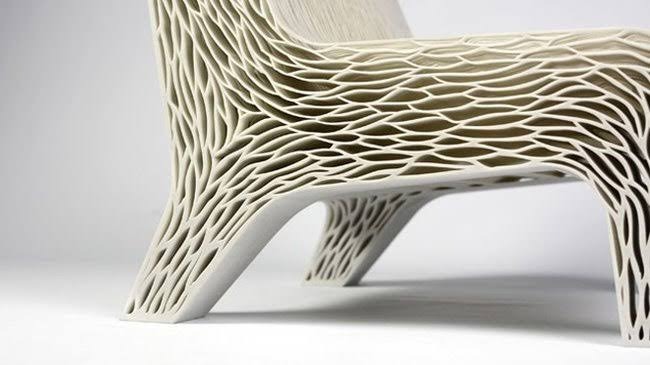
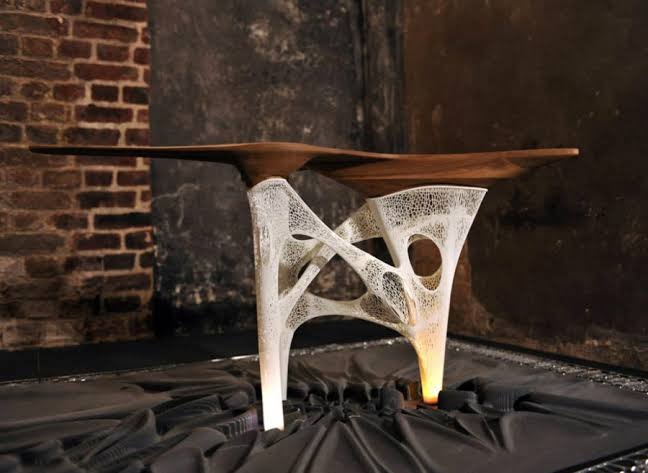
3D printing allows for truly unique furniture and décor. From chairs and tables to cabinets, lamps, and even decorative wall panels, designers can experiment with shapes and styles. So nothing is impossible anymore.
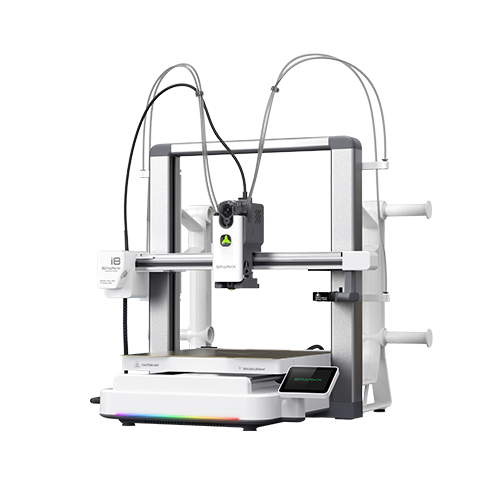
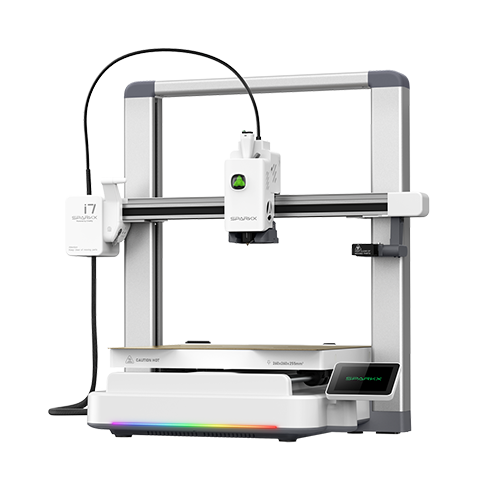
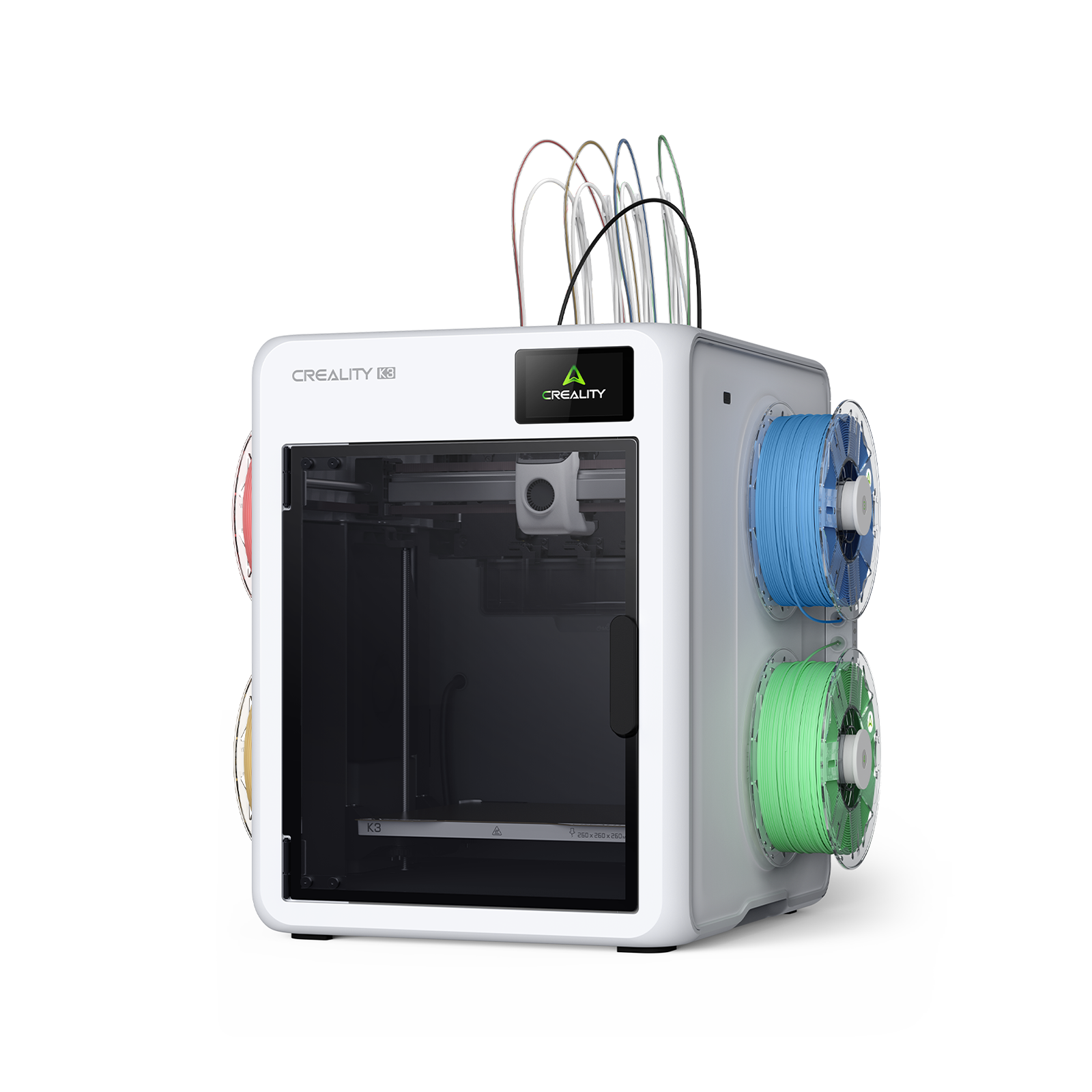
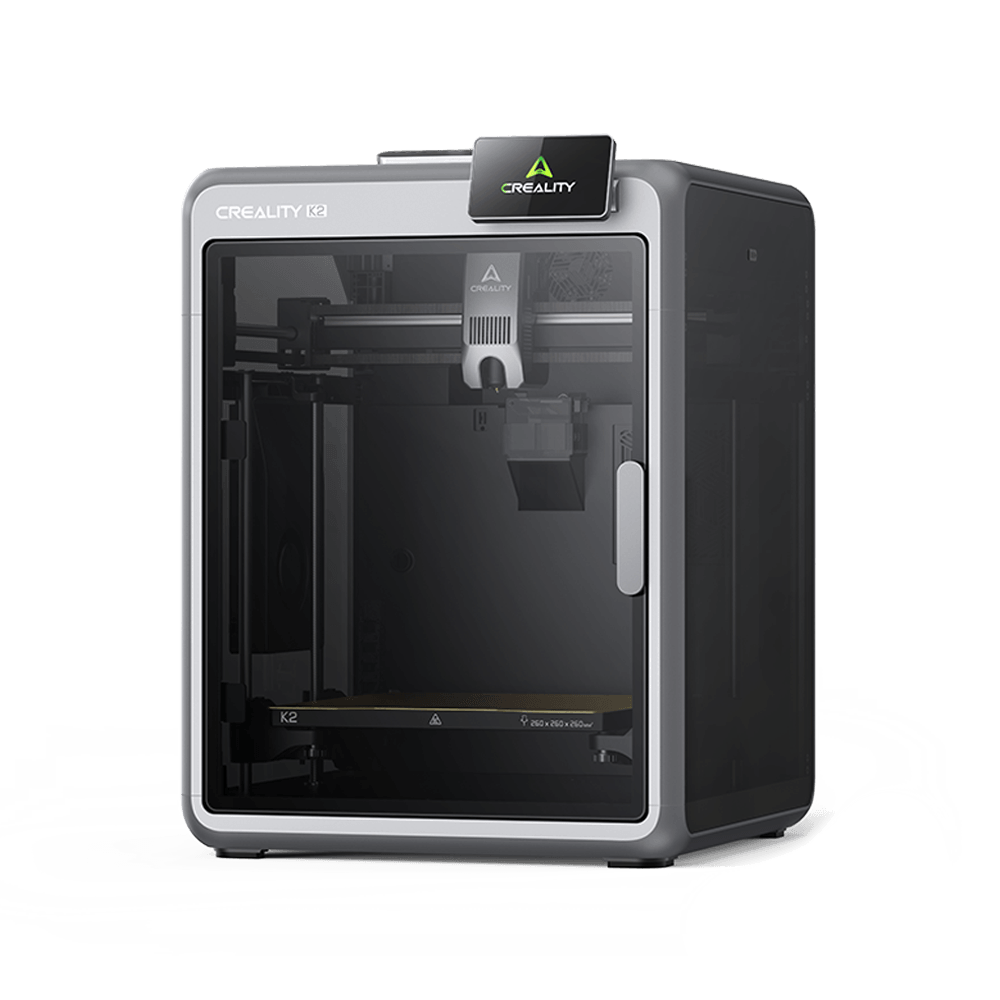
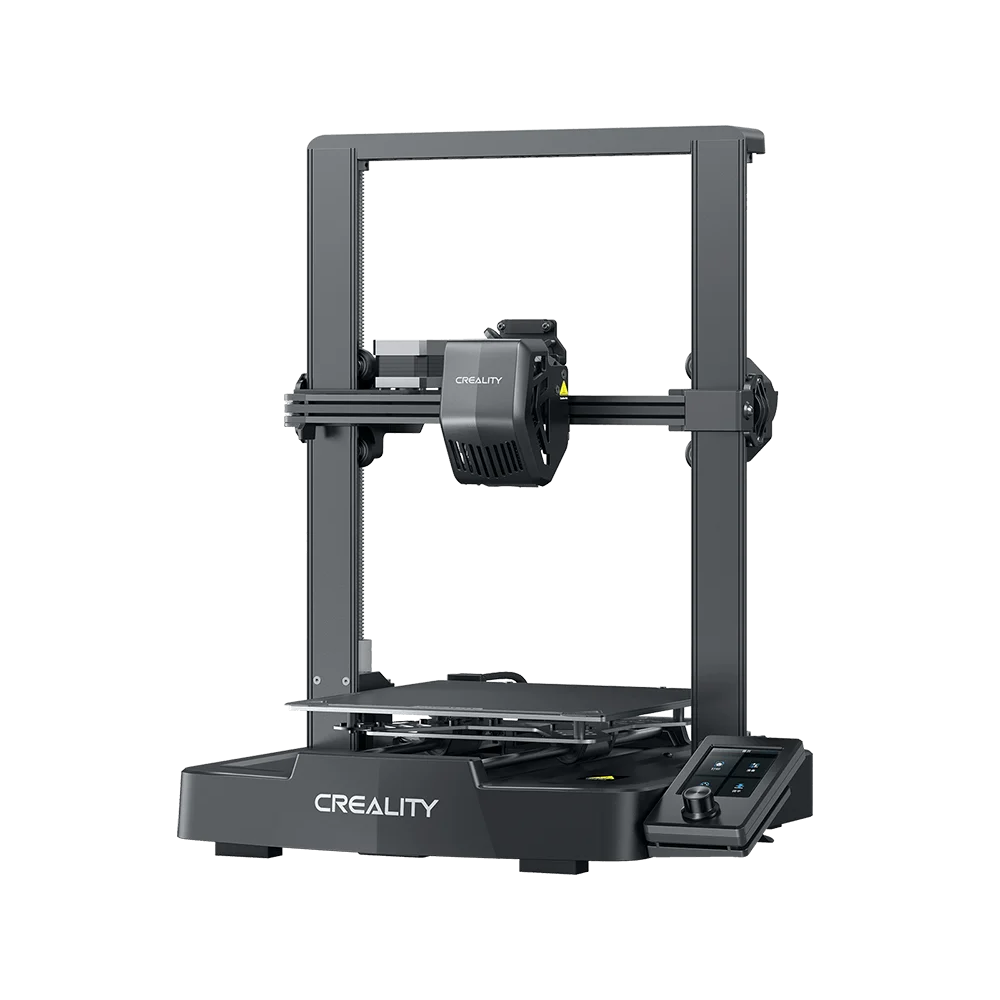
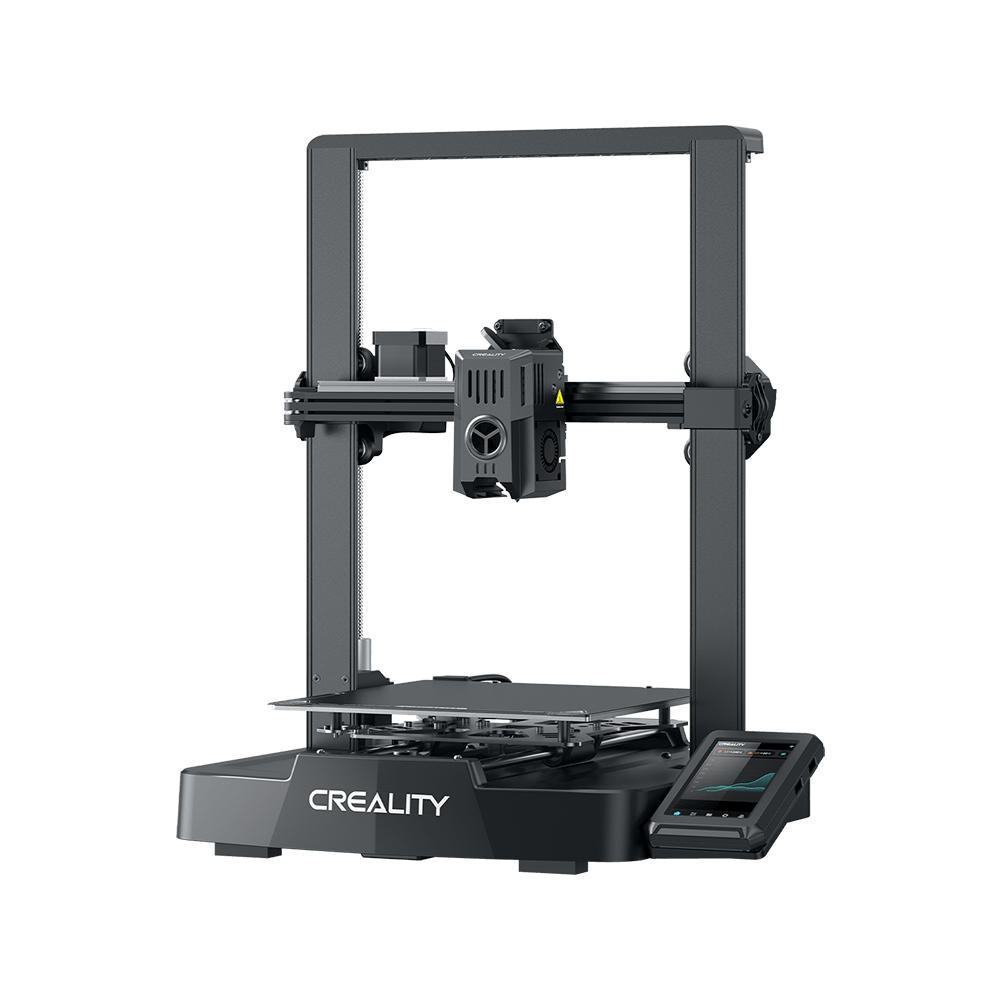
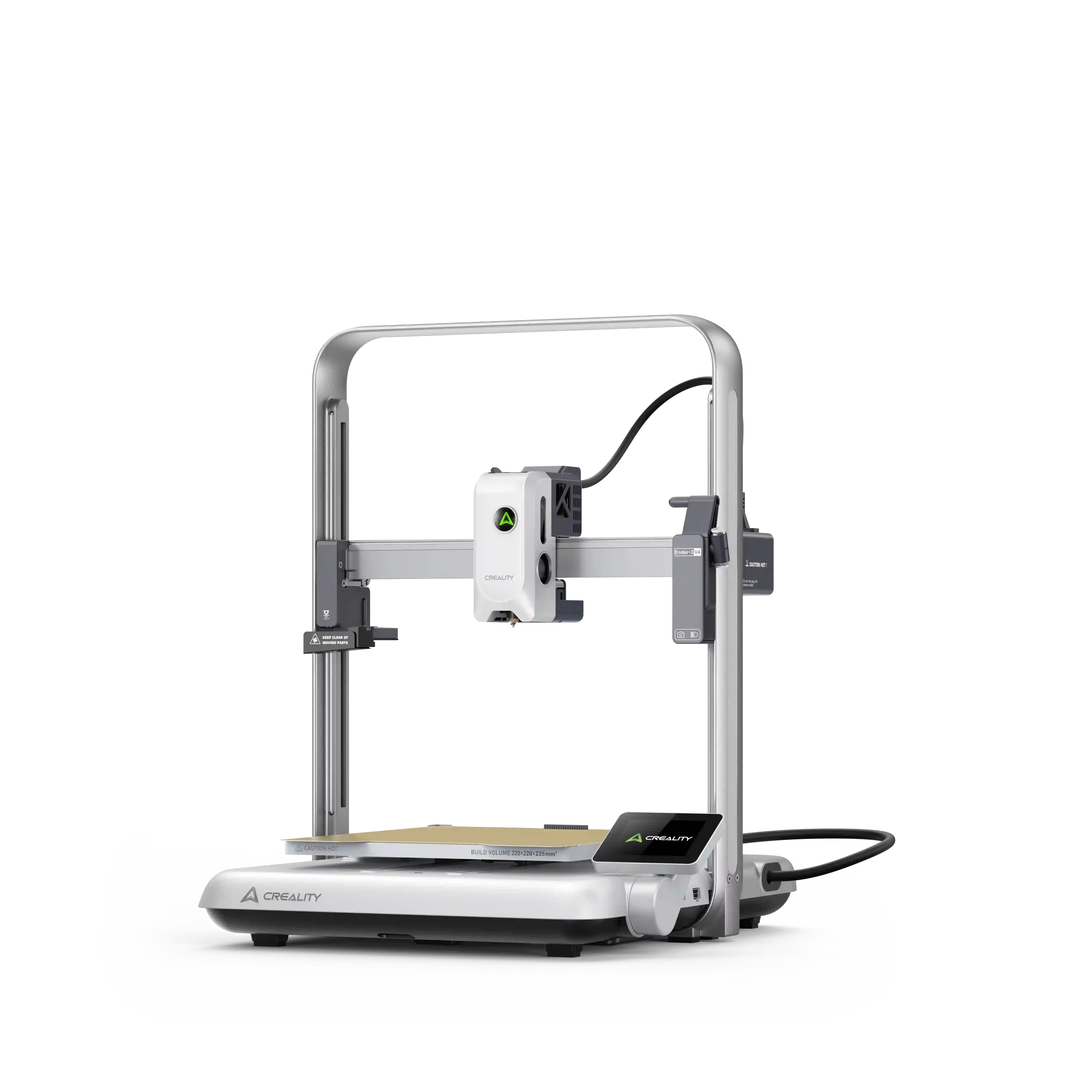
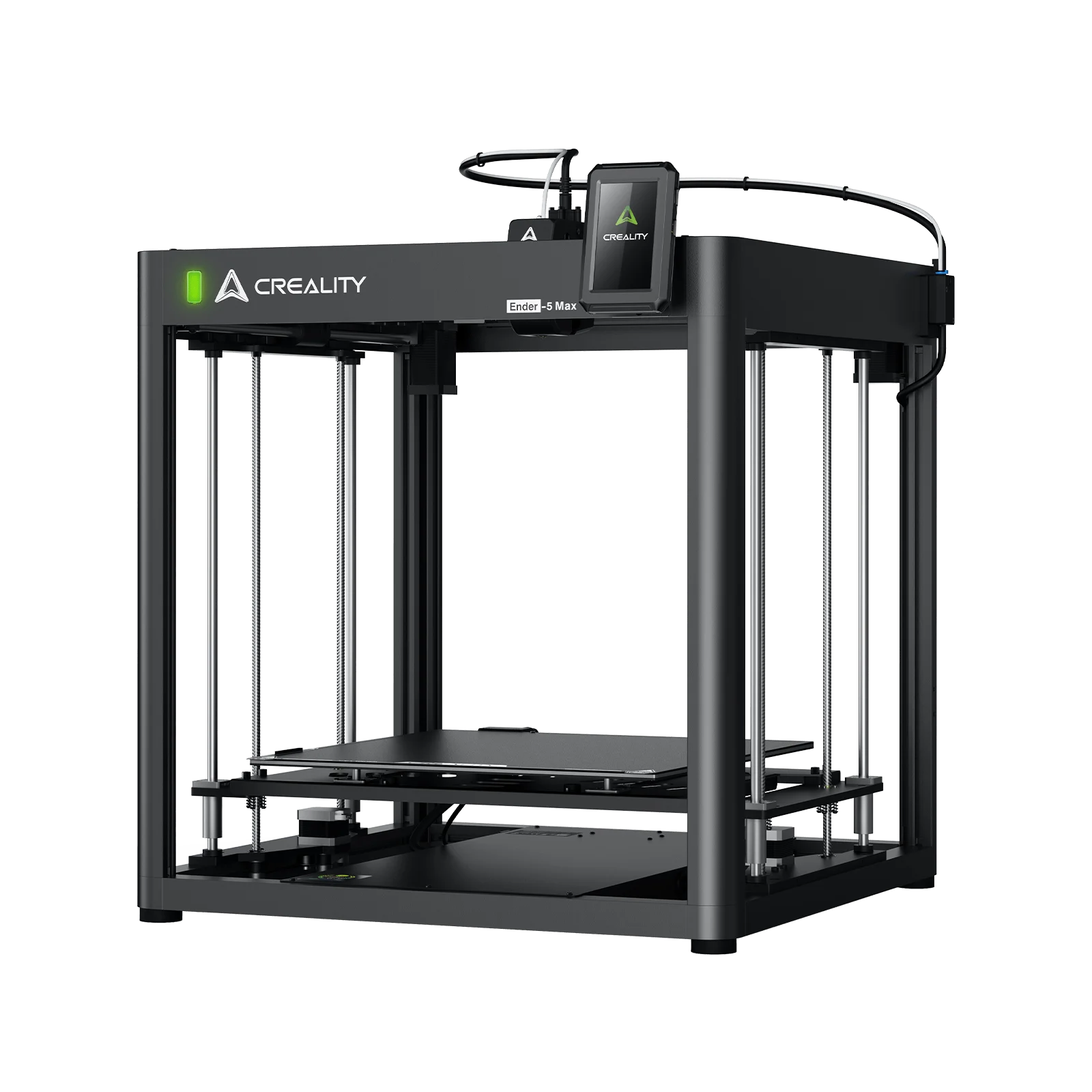
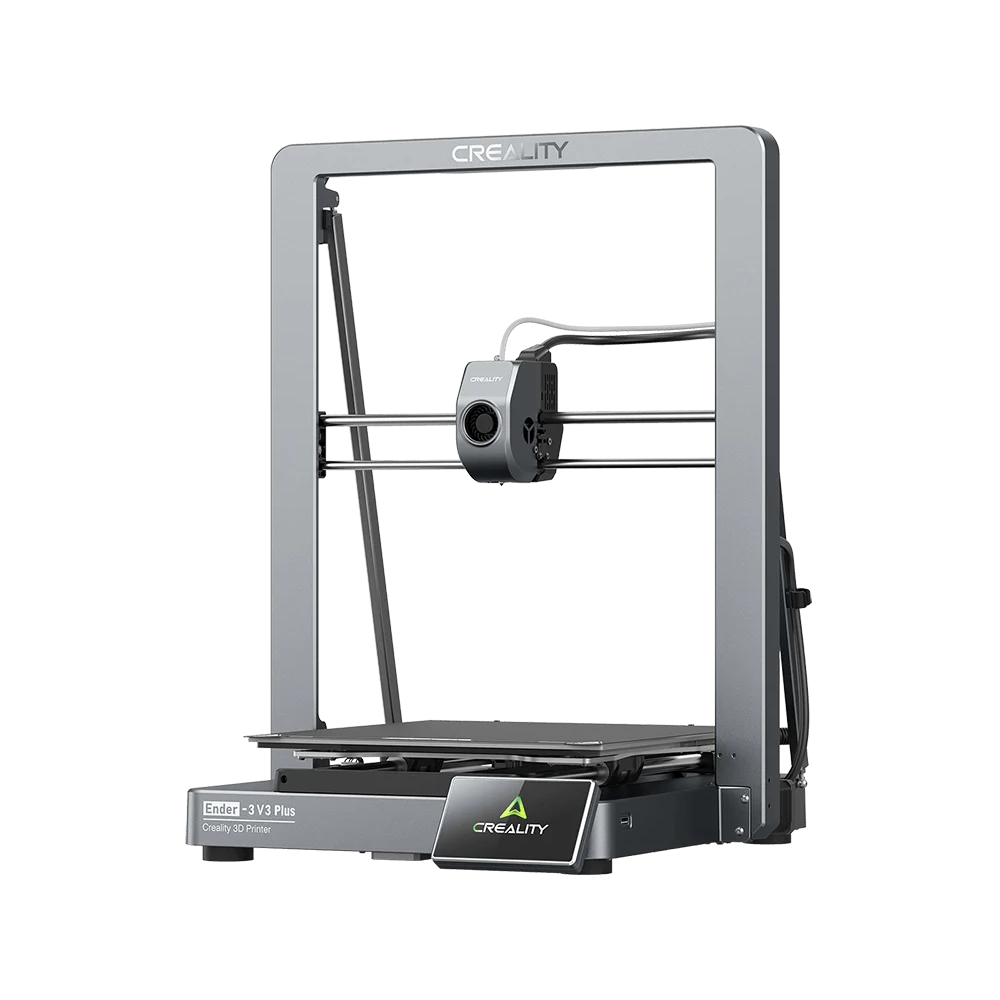
You can use printers like Creality 3D printers for home design such as the Ender series. It allows you to create custom furniture pieces that fit your personal taste and space perfectly.
Architectural Models
Architectural models are no longer presented traditionally. Instead, architects and designers often use scaled-down 3D printed models to visualize projects, test designs, or present concepts to clients.
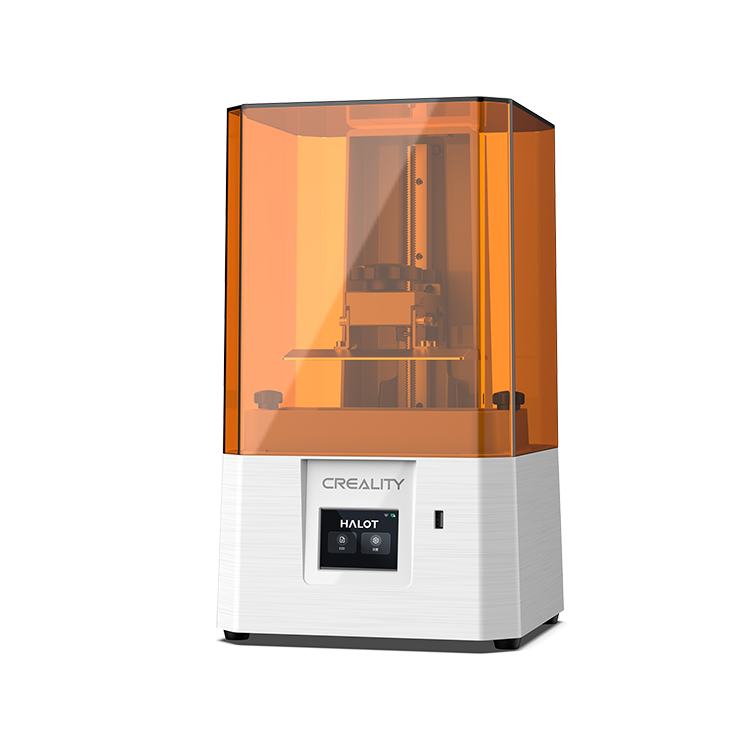
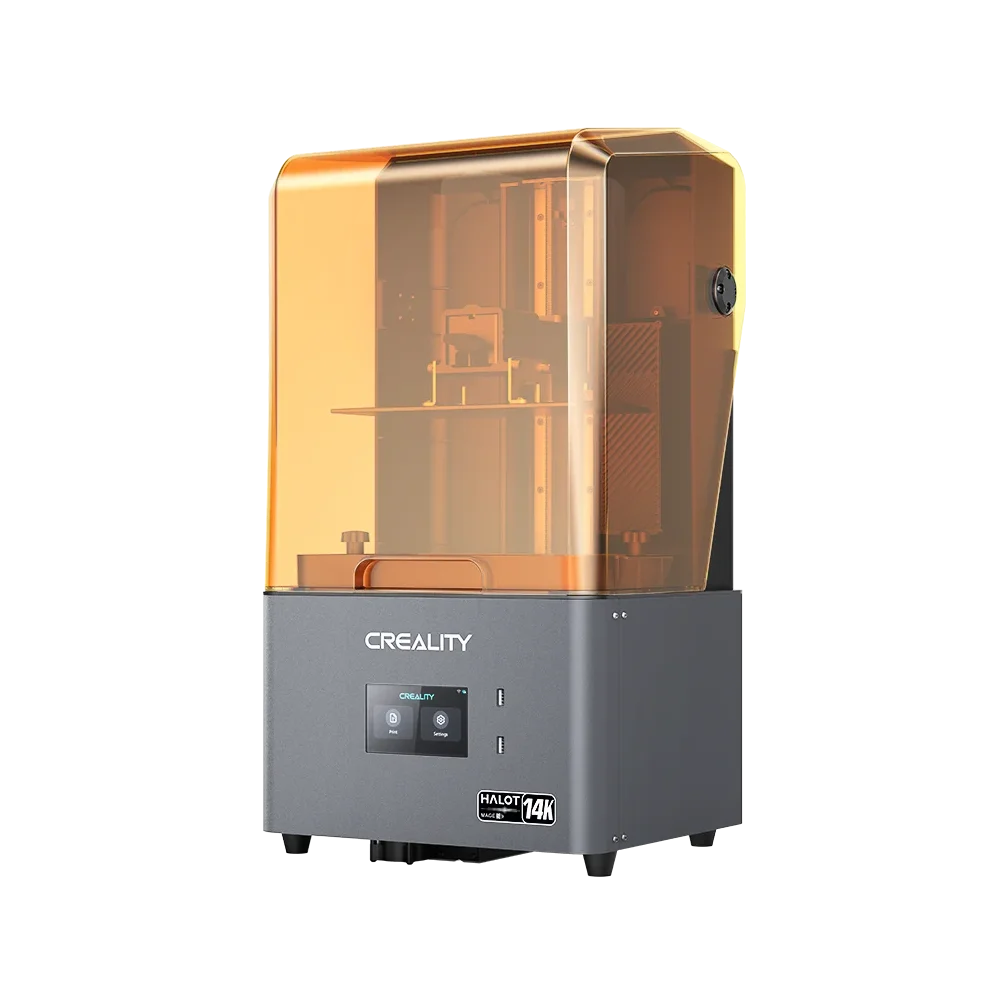
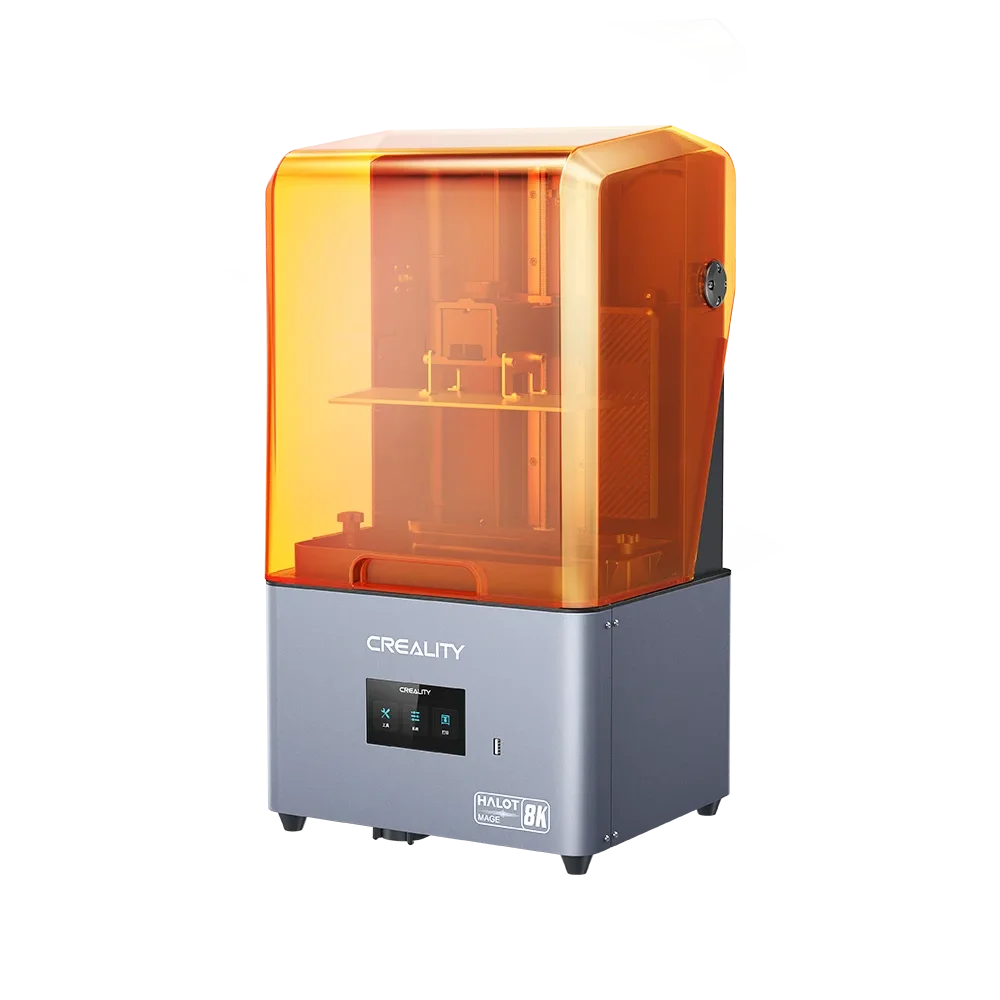
Often resin printers such as Creality HALOT-MAGE are used for this purpose. They produce high-detail models that capture intricate features of a planned home or interior.
Real Case Examples Around the World
3D printing is extremely versatile, and it's reshaping the future of living spaces worldwide. Here are a few examples you need to know.
-
Ender 3 S1 Pro: Great for custom furniture parts and everyday décor like shelves or organisers.
-
K1 Max: Large build volume makes it ideal for printing bigger items such as lamp stands, chair legs, or tabletops.
-
CR-10 Smart Pro: Popular for creative décor projects, from light fixtures to artistic wall panels.
Materials Needed For 3D Printing For Homes
You might have a wonderful home idea, but if you choose the wrong materials, then it'll turn into a disaster. Because in 3D printing, different materials serve different purposes.
Construction Materials
When you're building walls and structures, use strong and durable materials. Concrete is the standard of 3D printing houses, which offers maximum strength. Meanwhile, reinforced polymers are used for lighter, structural components.
If you're looking for an eco-friendly option, then choose bioplastics & composites.
Furniture & Interior Materials
For furniture and décor, use plastic-based filaments and resins. PLA is easy to print and biodegradable. Meanwhile, PETG is stronger and heat-resistant, suitable for tables, cabinets, or storage.
For soft-touch elements, use TPU because it's flexible and durable.
Sustainability Focus
Are you an eco-conscious consumer? Are sustainable 3D printing homes possible?
Absolutely.
You should opt for eco-friendly options like recycled plastics, bio-based filaments, and low-carbon concrete. These materials not only reduce waste but also make 3D printing a greener choice for modern housing.
Creality Materials
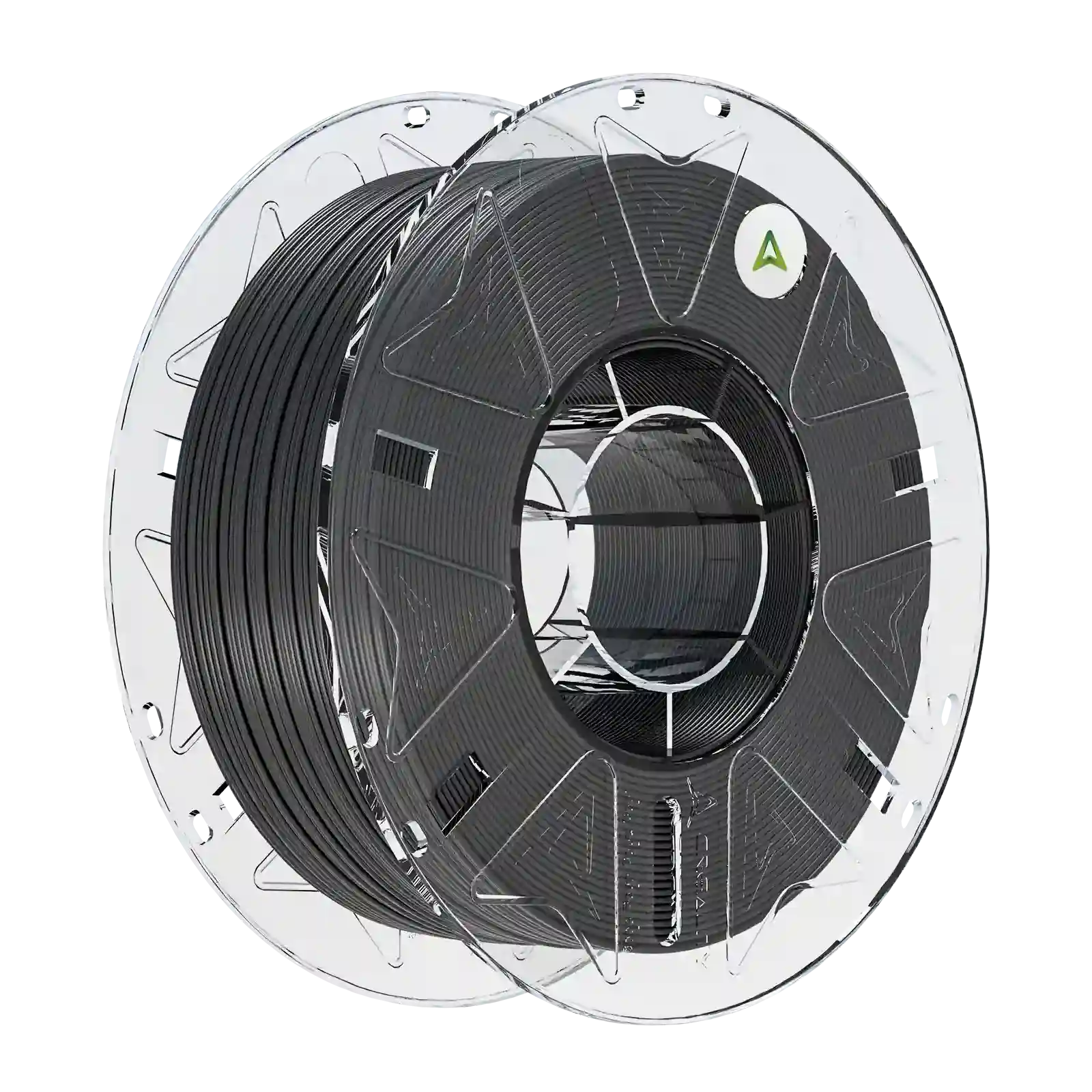
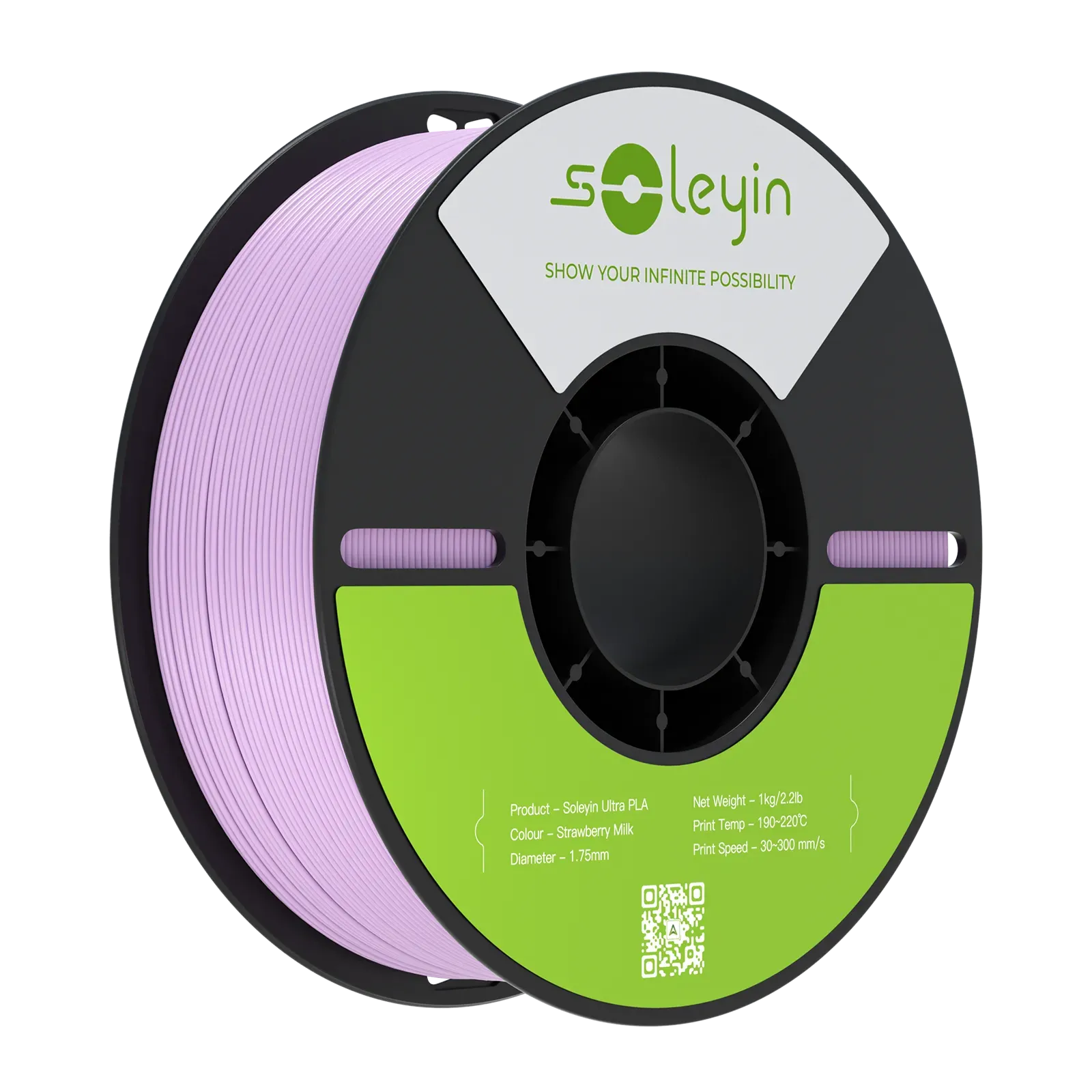
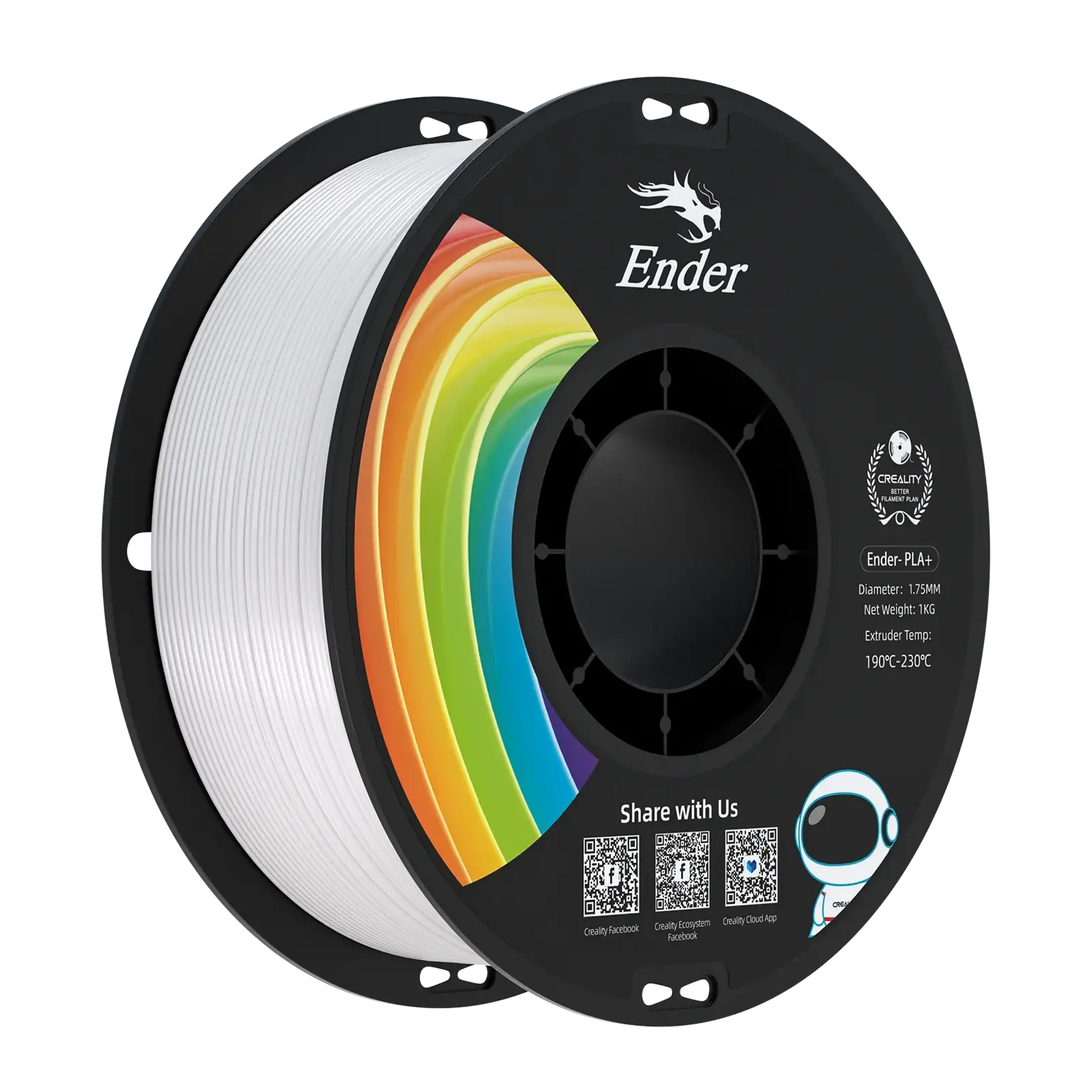
Creality supports a wide range of filaments and resins that fit perfectly into home design. PLA & PLA+ are ideal for decorative items, organizers, and light furniture. You should opt for PETG if you want to make stronger furniture parts and functional accessories.
Meanwhile, TPU is often used in flexible décor and design accents.
However, Creality Resins are different.
They are used in high-detail architectural models and interior prototypes. So what should you do?
Match the right material with the right printer. It'll help you create visually striking 3D printed home designs.
Choosing the Right 3D Printer for Home Projects
Every 3D printer has a unique purpose. You need to choose the right print carefully. When selecting a printer for 3D printed home designs, keep these factors in mind:
-
Print Volume: A larger build area allows you to create bigger items such as tabletops, shelves, or modular furniture parts.
-
Resolution & Detail: Higher resolution is key for printing fine architectural models or decorative elements.
-
Durability: A sturdy, reliable printer ensures consistent performance for long prints.
-
Ease of Use: Features like auto-levelling, touchscreen controls, and Wi-Fi connectivity make the process more beginner-friendly.
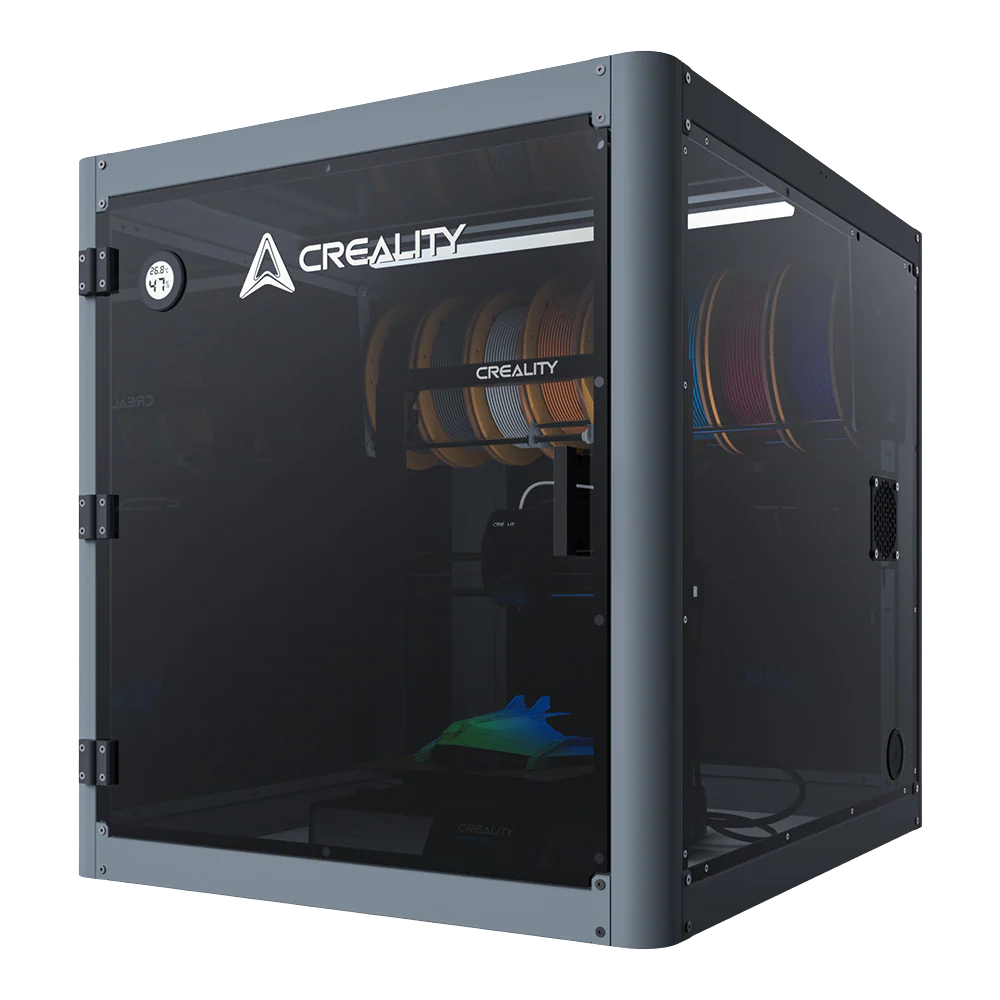
FDM Printers like Ender 3 S1 Pro, K1 Max are ideal for furniture and décor. Meanwhile, resin printers, e.g., HALOT-MAGE, are perfect for detailed architectural models.
How to 3D Print Home Designs Step-by-Step
A lot of people think 3D printed home designs are complex. But the reality is that the process follows a simple workflow. With the right tools and printers, anyone can move from an idea to a finished product in just a few steps
CAD Modeling
Every project starts with a digital model. So why are we using CAD?
With CAD (Computer-Aided Design) software, you design the house structure, furniture piece, or décor element. If you're a beginner, then download ready-made STL files from online libraries. This way, you don't have to start from scratch.
Preparing for Slicing Software
Now that your model is ready, it's time to convert it into printable instructions using a slicer. To make the process easier, you can use a Creality Slicer.
They are specially optimized for Creality printers.
Key settings include layer height, infill density, and print speed. For large furniture parts, higher infill ensures strength. But for decorative pieces, thinner layers improve surface details.
Printing Process
Now load your chosen filament or resin. Then level the build plate, and start the print. But how much time will it take to print?
It depends on the size.
It may take just a few hours for the décor. However, if you're printing larger components, then it may require several days.
Post-Processing
Once printing is completed, finishing touches give the design its final look and strength:
-
FDM Print: Sanding, painting, or assembling multiple parts.
-
Resin Prints: Washing, curing, and polishing for a smooth finish.
Larger projects may also require assembly, where separately printed parts are joined together.
Every project teaches something new, and challenges like warping or layer shifting are common. For practical tips, guides, and troubleshooting, the Creality Wiki offers step-by-step support.
Conclusion
3D printed home designs are becoming a reality. They offer innovation, limitless customization, and greater accessibility than ever before.
But doing it alone can be difficult. You need guidance at every step. That's why Creality is here to help you.
Creality’s range of reliable FDM and resin printers, supported materials, and helpful resources. You can bring your unique home design ideas to life.
If you’re ready to explore what’s possible, start experimenting with Creality printers today.