



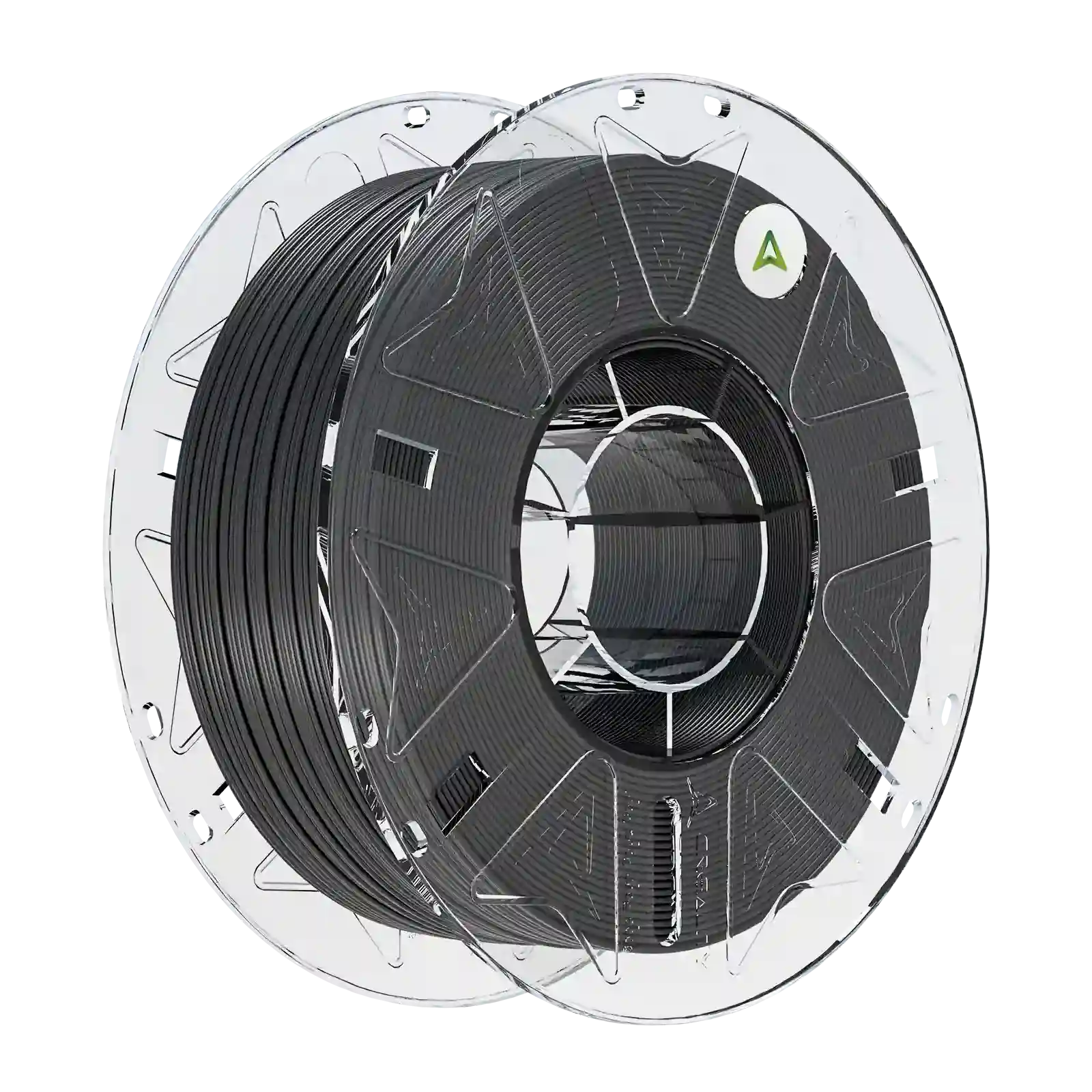
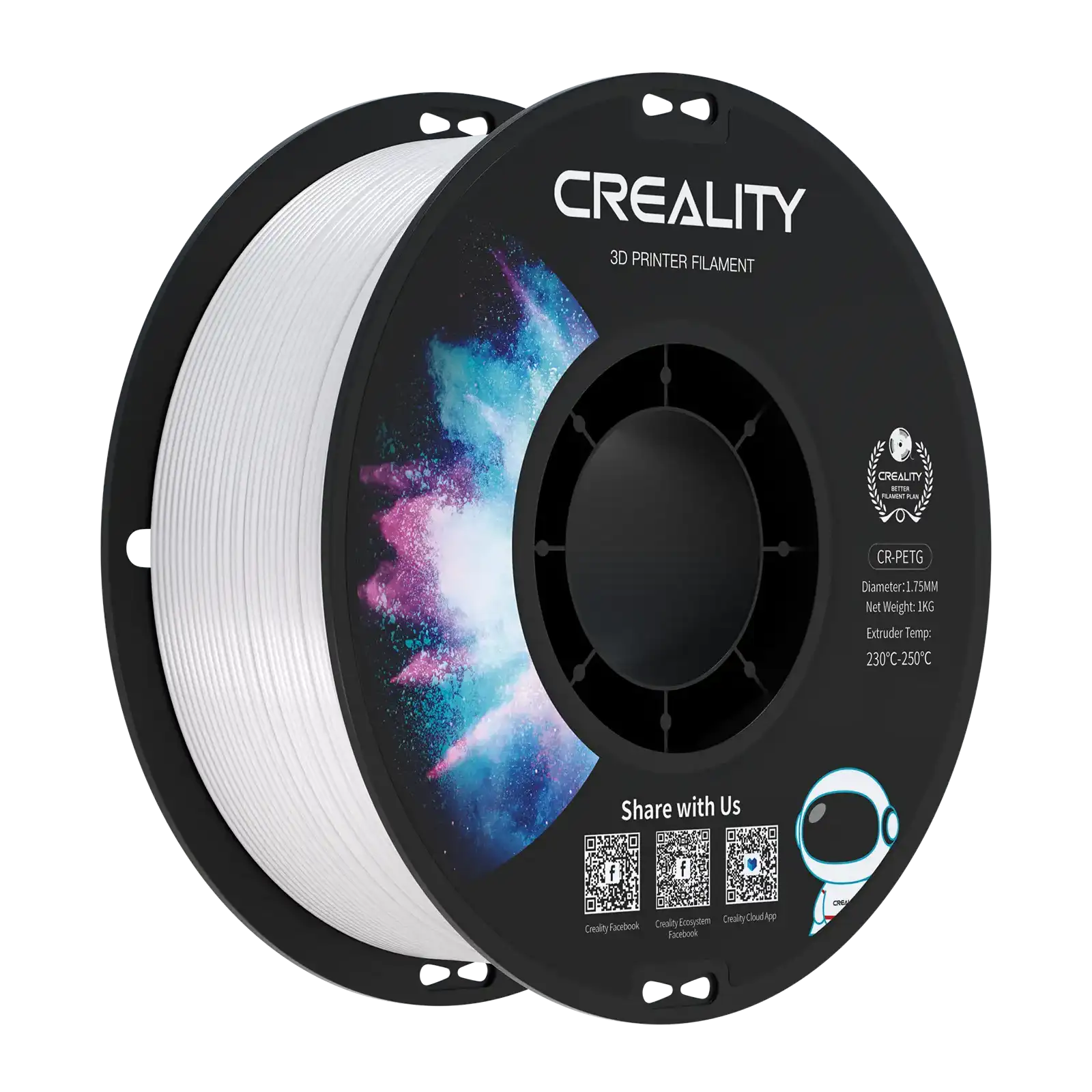



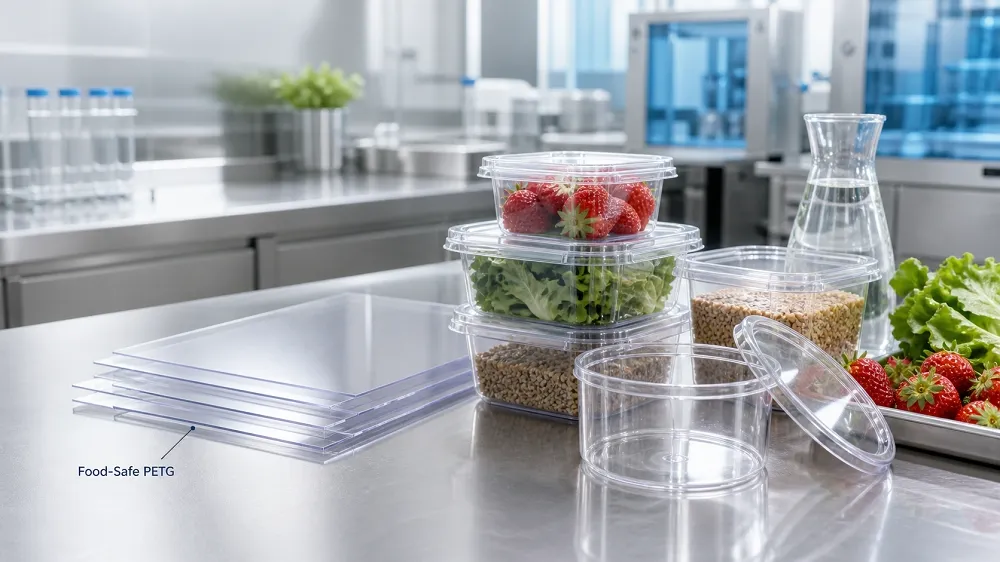
PETG is a famous choice for hobbyists, recognized for its adaptability, stability, and user-friendliness. You can print electronic enclosures, cosplay pieces, and toys, etc. But how about printing parts for kitchen or food-related uses? Is PETG filament food safe? Not exactly. PETG as a raw material and 3D-printed PETG as a finished object are two very different things. This gap between them is where the actual food safety question lives. Today’s guide provides you with the honest answer, factors that make PETG seem food safe, what actually makes it risky, and post-processing best practices for PETG safety.
What Is PETG and Why Do People Think It's Food Safe?
The food-safe theory about PETG comes with a logical origin. PETG represents Polyethylene Terephthalate Glycol-modified - a modified form of PET, the plastic utilized in billions of food containers, water bottles, and beverage packaging globally.
PET is approved for food contact by the FDA and equivalent regulatory bodies in most countries. It is among the most tested, most commonly used food-contact plastics in existence.
Therefore, most makers follow the reasoning that: PET is food safe → PETG is based on PET, so PETG prints are food safe. This is understandable, but it’s wrong.
One thing PETG does get right: it is BPA-free. PETG carries no bisphenol A, a chemical of concern in older plastics. This is a real safety benefit over some alternatives.
However, BPA-free does not imply food-safe. The difference that actually matters is not about the raw material at all. It’s about what happens when the material gets processed through an FDM printer and deposited layer by layer onto a build plate.
The core point: PETG as a material can be food-safe. A 3D-printed PETG object is a different matter entirely.
The Real Problem: Why FDM-Printed PETG Isn't Inherently Food Safe
Although you begin with a perfectly food-grade PETG filament, approved additives, certified colorants, and documented safety data, the FDM printing procedure introduces three separate food safety issues that the filament choice alone cannot solve.
Layer Lines and Porosity
FDM printing operates by depositing melted filament in layers, one on top of the other. Those layers stick together; however, they never blend completely. Between each layer, microscopic gaps remain. The surface looks solid to the naked eye. Under a microscope, it looks like a sponge.
This is the porosity issue, and it’s the most important food safety risk in 3D-printed articles.
Below is what occurs in reality:
-
Liquids, food particles, and bacteria enter the microscopic gaps during normal usage
-
When inside those gaps, bacteria locate a warm, humid, nutrient-rich atmosphere, perfect for conditions for growth
-
No cleansing process reaches the interior of those gaps, not hand washing, not dishwasher cycles, not surface sprays
-
Over repetitive uses, pollution builds up in a layered structure that physically cannot be cleaned.
The surface of a 3D-printed food container looks clean. The interior of its layer structure may not be, and there's no way to verify or address that without sealing the surface entirely.
Filament Additives and Colorants
PETG filament is not pure PETG. Every spool includes a mixture of the base polymer, colorants, stabilizers, release agents, and processing additives that vary notably between manufacturers.
The base polymer might be food-grade. The additives are a separate question completely, and one that most filament manufacturers do not answer with the same level of documentation.
-
A vibrant red or blue filament might use synthetic pigments with no food-contact certification
-
A white or natural PETG filament might use titanium dioxide as a colorant, typically considered safe
-
Stabilizers and processing aids added for printability might not appear in any consumer-facing documentation
The only way to know: look for filament that carries explicit food-safe certification covering both the base polymer and all additives. Not a general claim of "food-safe PETG" on a product listing, but actual material safety documentation from the manufacturer.
The Nozzle and Print Path
The third issue is irrelevant to the filament itself; it’s about what the filament travels through on its way to the build plate. Most standard FDM printers ship with a brass nozzle. Brass is an alloy, and it contains lead.
At print temperatures of 230–250°C, filament passing through a brass nozzle picks up trace metal pollution from the nozzle walls.
The practical consequence: even a perfectly certified, fully documented food-safe PETG filament is no longer food safe once it exits a standard brass nozzle. The food safety of the filament is weakened by the hardware it passes through.
The fix: a stainless steel nozzle eliminates this contamination pathway. Stainless steel is inert at FDM print temperatures and doesn't leach into the passing filament.
The catch: stainless steel nozzles aren't included as standard on most consumer FDM printers. They need to be sourced and installed separately, one more step in a process that requires getting every variable right simultaneously.
PETG vs Other Filaments for Food Safety
PETG is not the only filament makers reach for when food contact comes up. Below is how it compares to the most common alternatives, and what everyone actually offers in a food-contact context:
|
Filament
|
Food Safe 3d Print Filament?
|
Printing Challenges
|
Verdict
|
|
PETG
|
Base material yes, additives vary by manufacturer
|
Porosity, layer lines, brass nozzle risk
|
Conditional, requires certified filament + stainless nozzle + coating
|
|
PLA
|
Base material yes, corn-based polymer
|
Same porosity issues, very low heat tolerance (~60°C)
|
Not recommended, too porous, deforms with warm food
|
|
ABS
|
No
|
Styrene emissions during printing, poor food safety profile
|
Avoid entirely for food contact
|
|
PP (Polypropylene)
|
Yes, FDA approved for food contact
|
Difficult to print, warps significantly, poor bed adhesion
|
Best base material if printed correctly
|
|
Nylon
|
Base material yes
|
Highly hygroscopic, absorbs moisture and bacteria rapidly
|
Not recommended, absorption behavior undermines food safety
|
The key point: No FDM filament is food safe by default. The porosity issue impacts each material in this table. PETG is among the more practical choices when combined with the correct hardware and post-processing; it’s just not food safe on its own.
The Post-Processing Solution: How to Make PETG Prints Food Safe
If food-contact printing is truly your goal, here’s the particular path that makes it achievable with PETG:
Step 1: Use certified food-safe PETG filament
Do not depend on marketing language. Look for a manufacturer that offers real material safety documentation. If possible, a safety data sheet (SDS) or food-contact certification that covers both the base polymer and all additives. If the manufacturer can't provide this, the filament isn't a safe choice for food contact regardless of how it's labeled.
Step 2: Switch to a stainless steel nozzle
Take off the standard brass nozzle before printing any food-contact item. Install a stainless steel nozzle and clean the hotend fully; residual material from previous prints pollutes the new nozzle path until it’s fully purged.
Step 3: Print at the finest layer height possible
Make sure the layer height is 0.1mm. Thinner layers mean smaller gaps between deposited lines, which directly lowers surface porosity. It won’t remove porosity completely, but it lowers the surface area where pollution can get in.
Step 4: Apply a food-safe epoxy coating
This is the transformative step. A food-contact-rated epoxy coating is applied evenly across the entire food-contact surface and allowed to cure fully (24–72 hours depending on the product), sealing the layer structure and removing the porosity issue. A correctly coated print is safer than an uncoated print with the ideal possible filament.
Step 5: Limit to cold food contact only
PETG softens above 80°C. Hot liquids, food, and dishwasher cycles all exceed this threshold. Keep food-contact PETG prints away from heat, cold storage, dry goods, and surrounding temperature objects only.
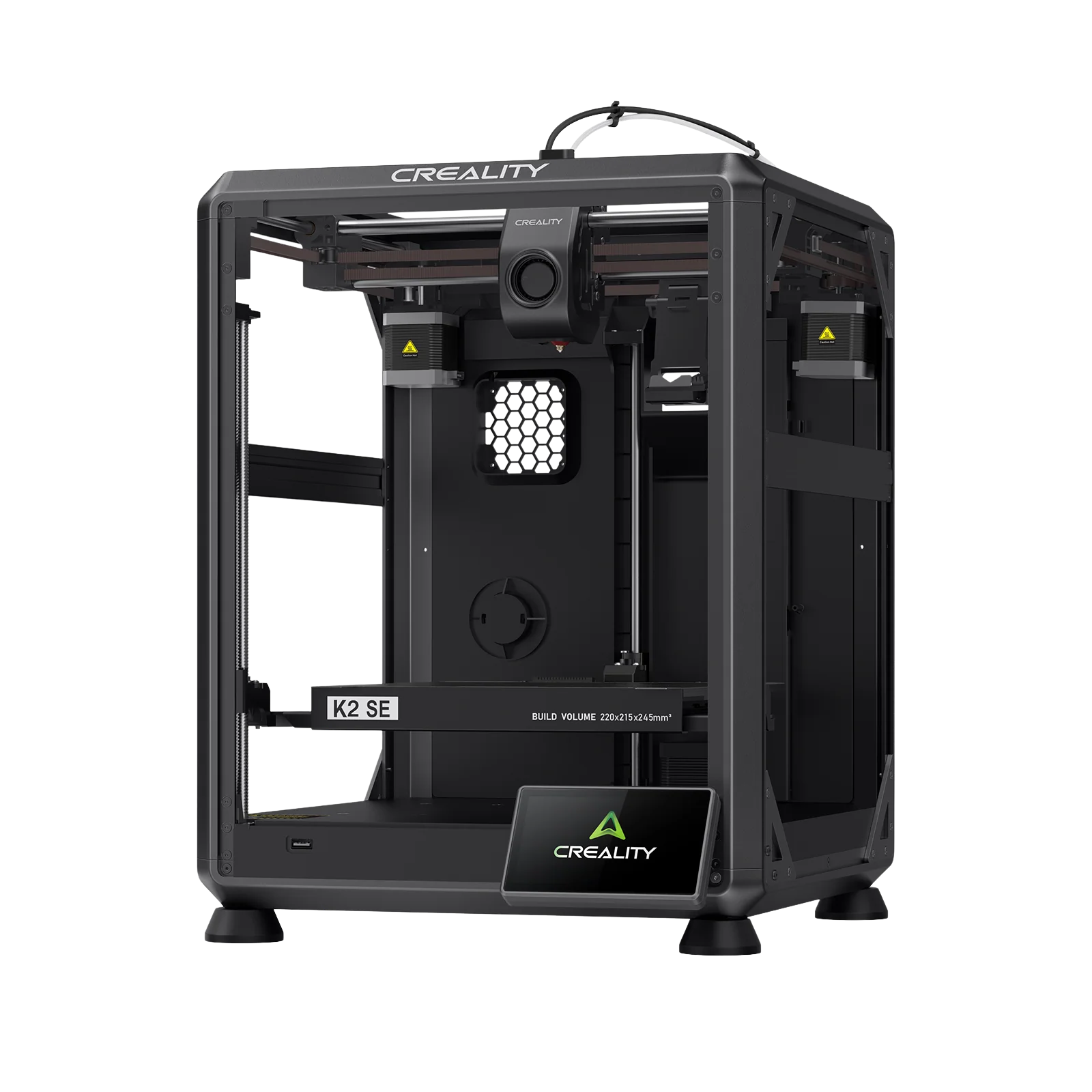
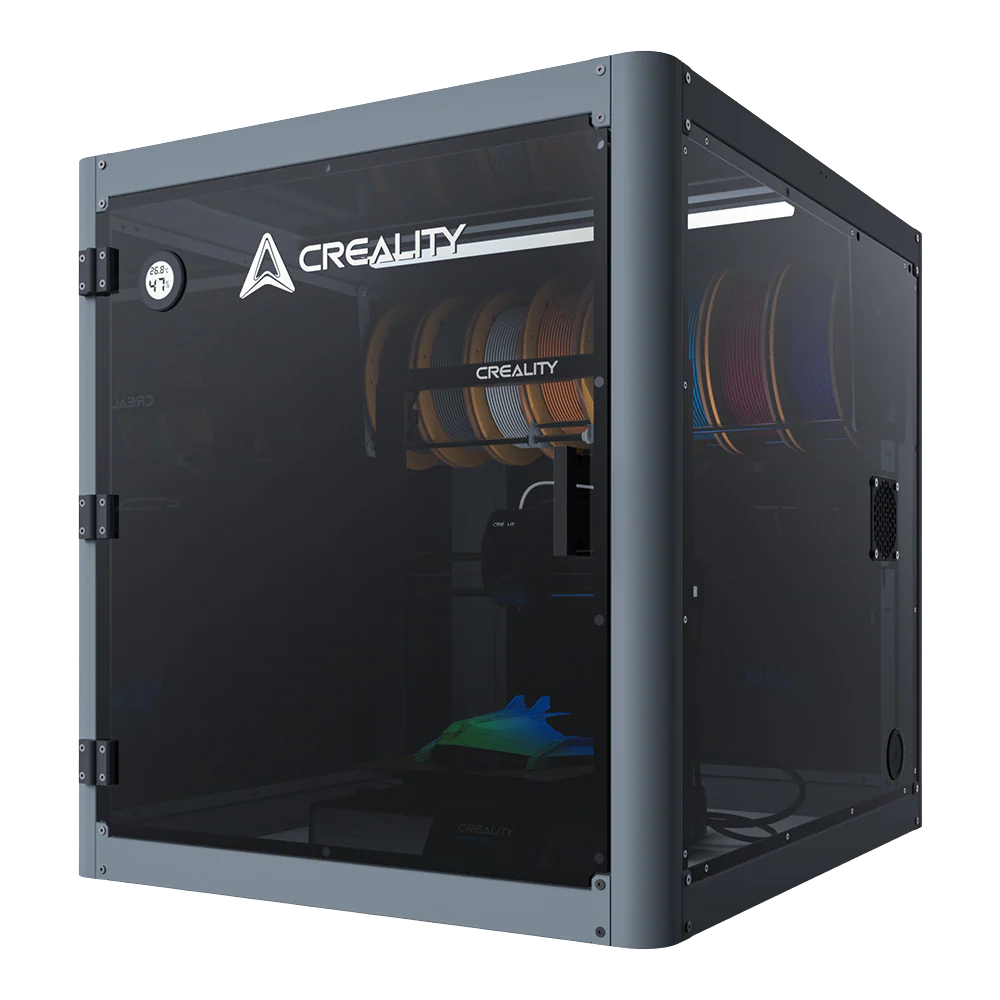
For those who want to print with PETG reliably and consistently, including for the wide range of non-food-contact applications, the Creality K2 SE handles PETG well out of the box. Its direct-drive extruder maintains consistent filament flow at the fine layer heights (0.1mm).
This reduces surface porosity, and its quick-swap nozzle makes switching from a standard brass nozzle to stainless steel fast and straightforward, a practical step for anyone serious about food-adjacent printing.
What to Use PETG For: Applications Where It Genuinely Excels
PETG isn't the wrong filament. It's the wrong filament for direct, repeated, wet food contact without the right preparation. For everything besides food use, it's one of the best options available.
Where PETG performs reliably in and around the kitchen:
-
Food storage lids and covers
-
Kitchen tool handles (grips, spatula handles, ladle hooks, utensil holders).
-
Countertop organizers (storage containers for packaged food, spice racks, condiment holders).
-
Display pieces and decorative kitchen items
-
Dry food contact (items that touch crackers, bread, or other dry goods with no moisture or grease)
Conclusion
So, is PETG filament food safe? PETG as a raw material is safe for food contact. 3D-printed PETG as a finished item is not without certified filament, a stainless steel nozzle, fine layer heights, and a food-safe surface coating applied and fully cured.
Explore PETG-compatible printers, filament guides, and food-adjacent project ideas at Creality.