
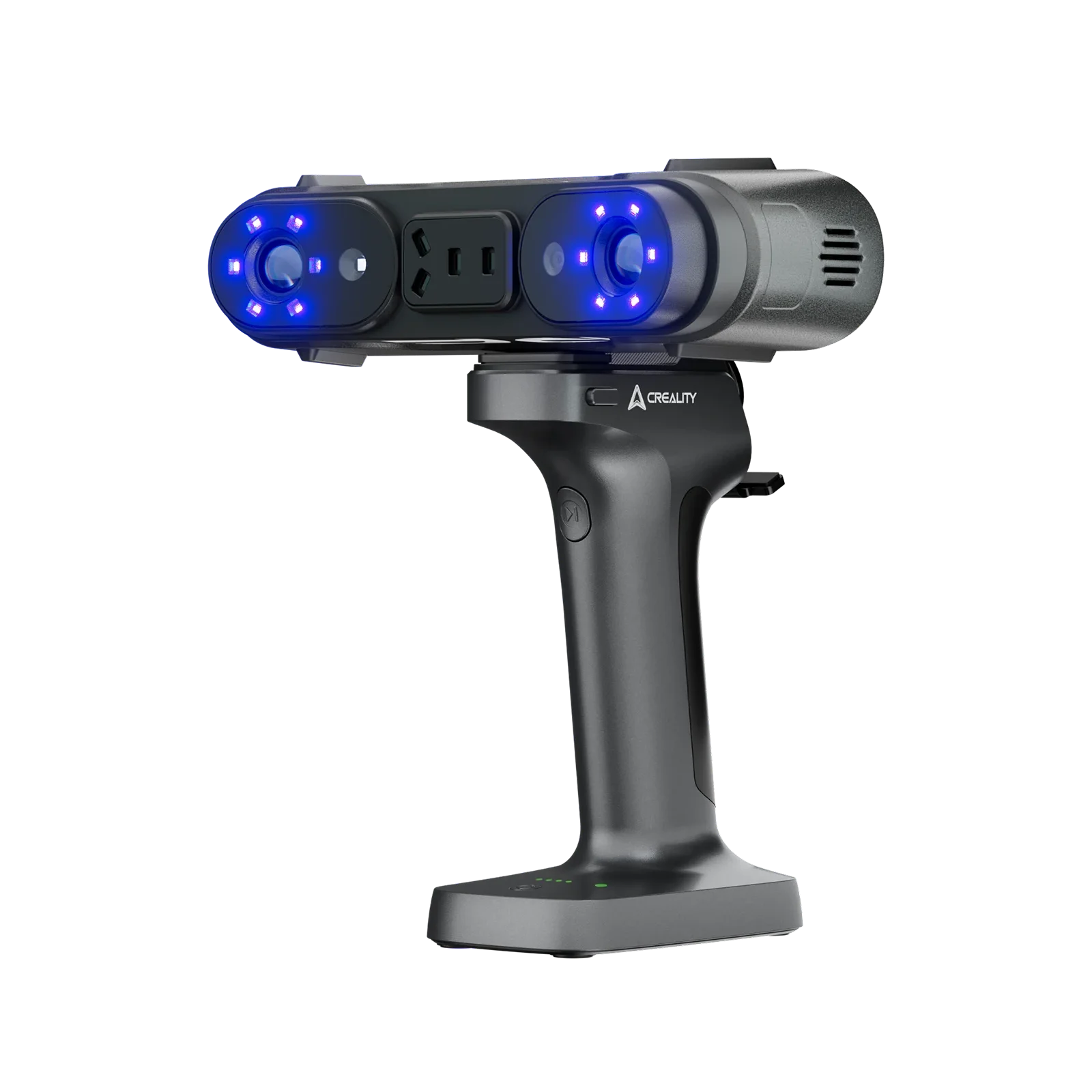
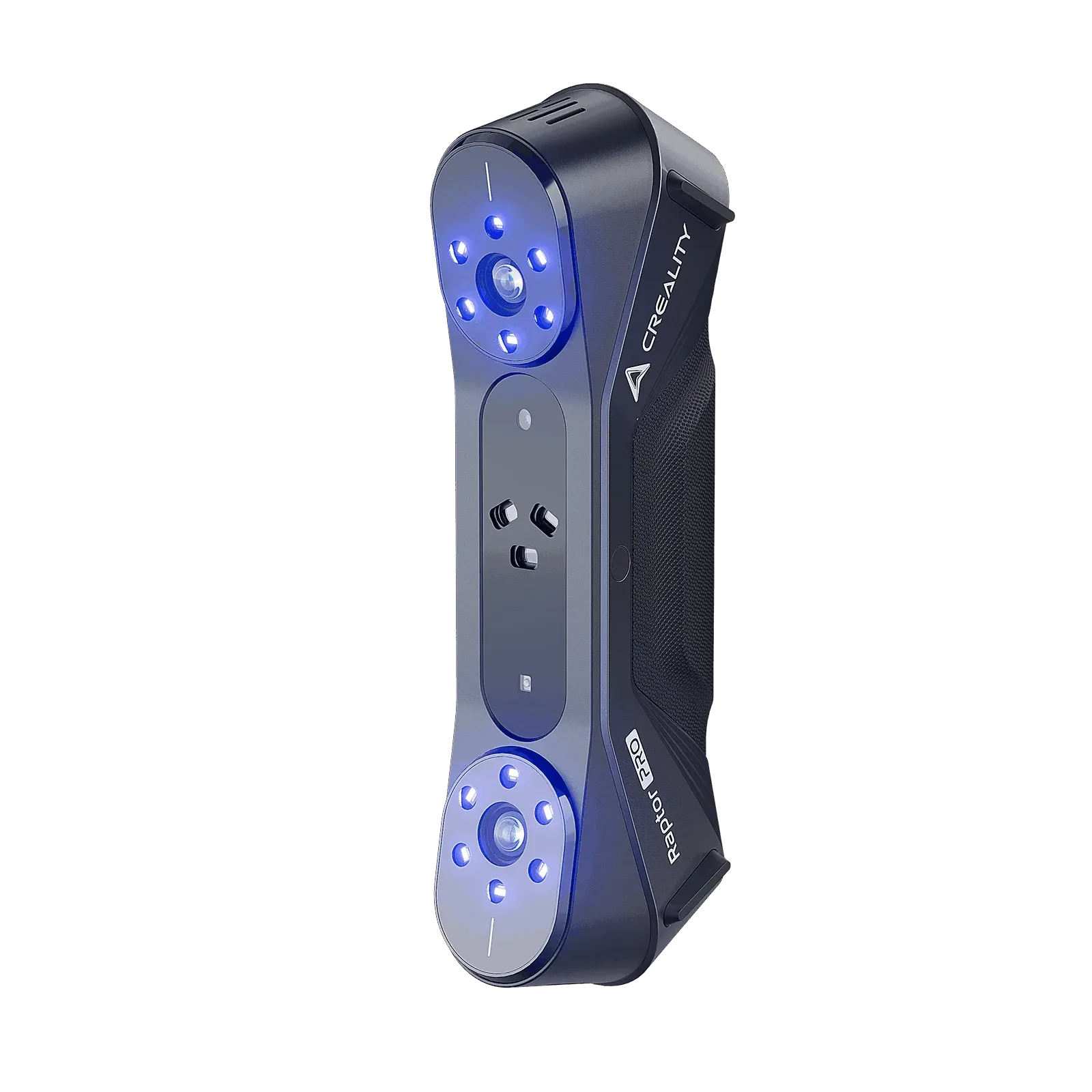
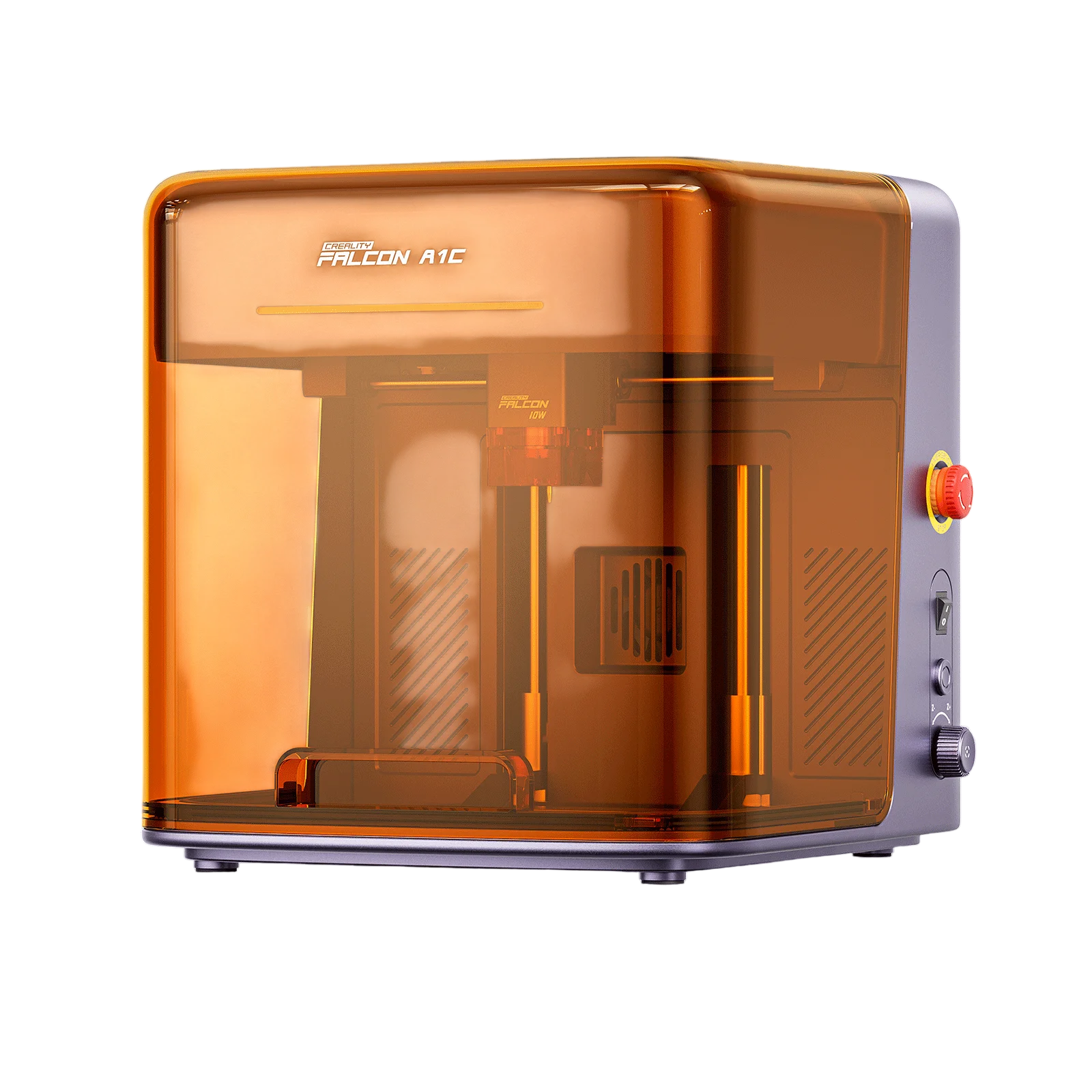

3D printing is one of the best ways for creatives to bring their designs to life. But what is 3D printing technology, and why is it so popular? 3D printing or additive manufacturing is the process of creating a three-dimensional item from a CAD digital model by layering specific materials. It allows users to create fully customized rapid prototypes and complex geometries with less waste than traditional subtractive methods.
While subtractive manufacturing, which involves carving away from a solid block to create a product (think turning or milling), was once the most popular way to create models, it’s highly limited and doesn’t allow the user to build intricate and complex models. It’s also extremely wasteful, with 50 to 90% of the raw materials being discarded. Additive manufacturing is gaining global momentum because it allows for unmatched customization, exceptional complexity, and produces products at speeds previously unheard of.
In this article, we’ll compare six of the top mainstream 3D printing techniques and processes, their workflows and characteristics, and provide use cases. We’ll clearly outline which technology best aligns with specific project requirements so you can choose the best 3D printer and software to bring your creations to life.
Overview of 3D Printing Principles
Before we can discuss 3D printing in process, it’s important to understand the basic principles of how it works. Have you ever wondered how 3D printers turn a CAD digital image into a physical product? It’s interpreted by slicing software. Slicing software converts the 3D model into a code that breaks down each step for the printer. It optimizes the print, adjusting for speed, thickness, cooling, and temperature. It also sets up infill density and patterns that balance the strength and materials used and generate a temporary structure for any overhanging parts. The slicing software then provides a print preview with layer-by-layer paths, necessary materials, and an estimated time.
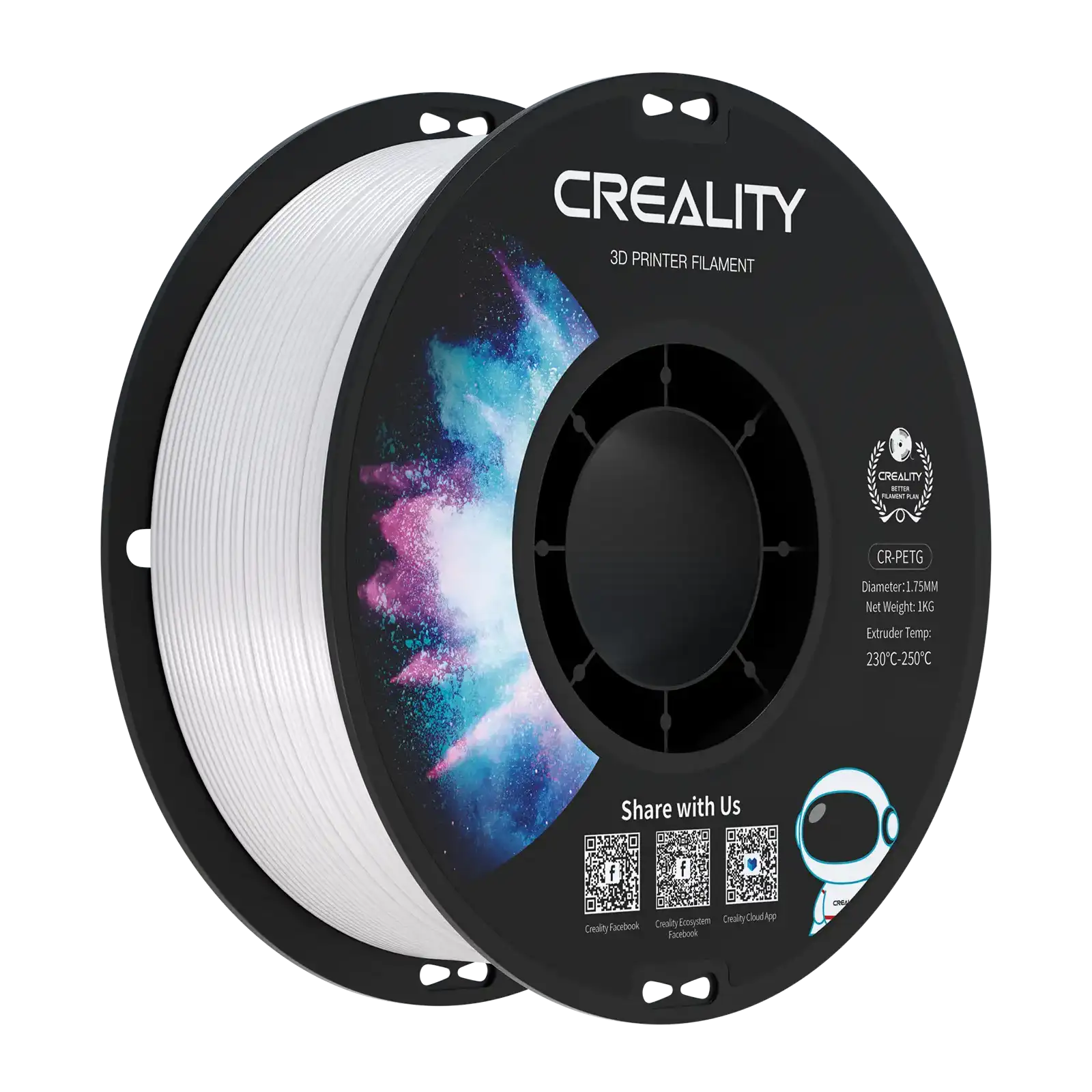
The materials you choose for your models depend on the types of 3D printers used. Filament is by far the most popular, since there are many options for different types of projects. PETG and PLA plastic filaments are popular for their durability, ease of use, and versatility. Nylon, TPU, and ABS are used for engineering-grade models since they’re extremely strong. Liquid resins allow for precision detailing and flexibility. Powders can be either thermoplastics like nylon or metals like Inconel, titanium, aluminum, and stainless steel. When choosing which method to use for your 3D prints, there’s a few considerations to keep in mind.
We can’t cover 3D printing materials without quickly discussing the different types of printers. What types of 3D printers are there, and how do you know which one to use? 3D printers are classified by the technology they use. The most common are SLS (powder-based), SLA/DLP (resin-based), and FDM (filament extrusion).
Support structures
If you’re creating complex or intricate prints with overhangs, having the correct support structures is essential to avoid breakage.
Precision
Precision prints require a printer that can create highly detailed models. There are numerous kinds of 3D printers, so choosing one that caters to your unique needs is key.
Material properties
The property of the materials you use directly impacts your 3D printer's speed, functionality, and even the feasibility of the print. Choosing the right materials ensures the structure's integrity and safeguards your printer.
Deep Dive into the 6 Mainstream Technologies
Here is an overview of the most popular 3D printing types, including a workflow breakdown and the pros and cons.
1. Fused Deposition Modeling (FDM)
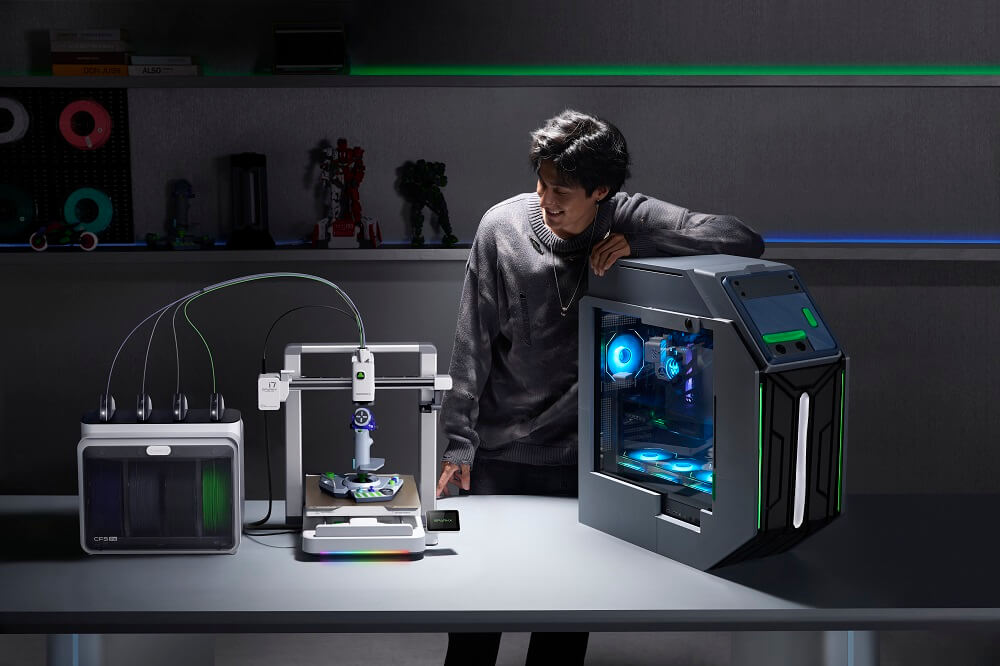
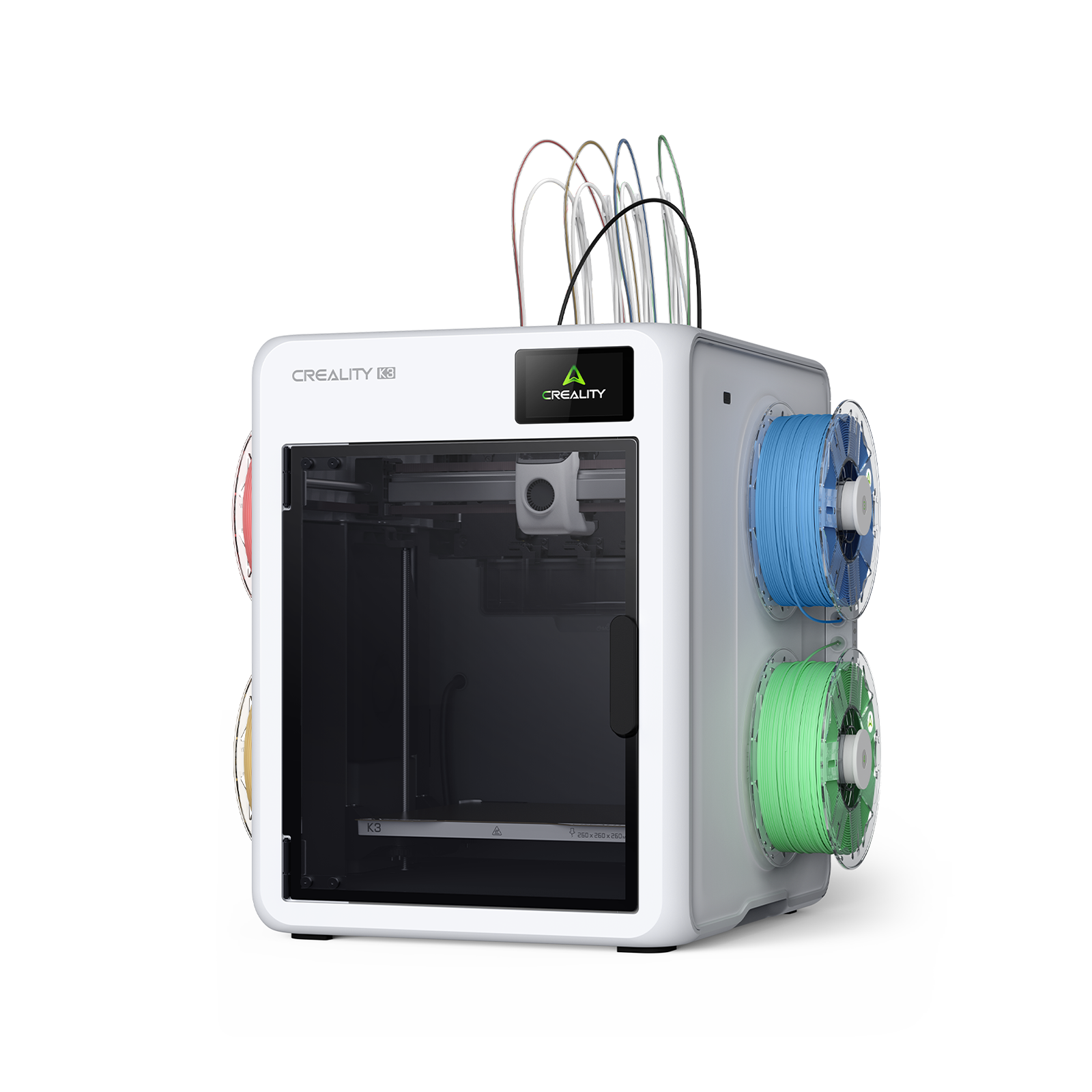
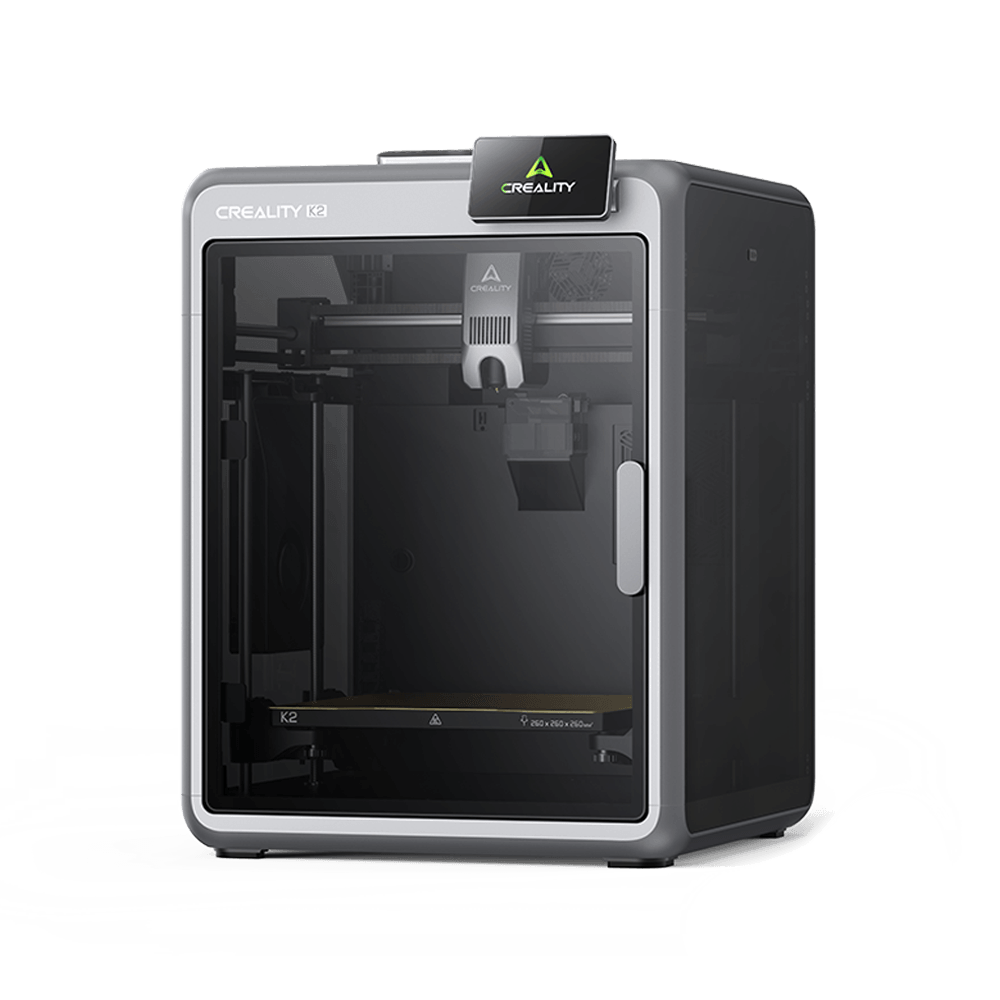
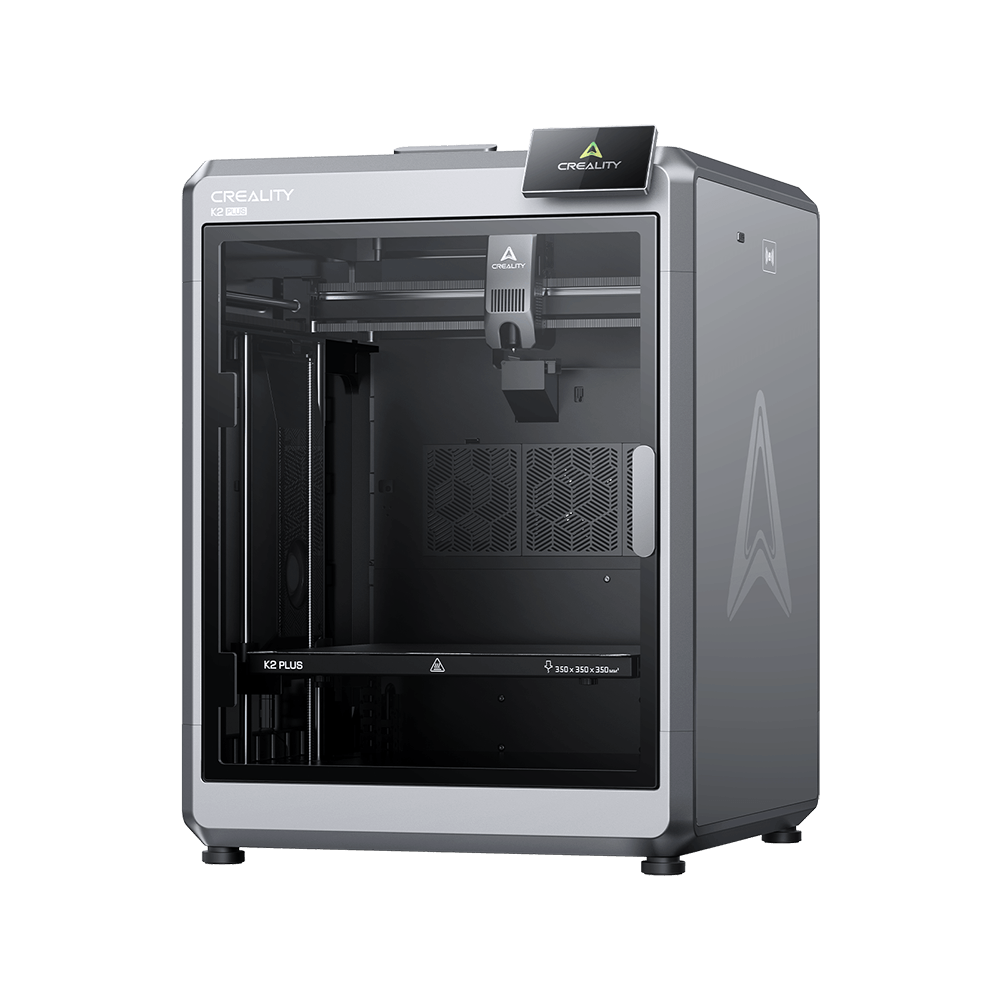
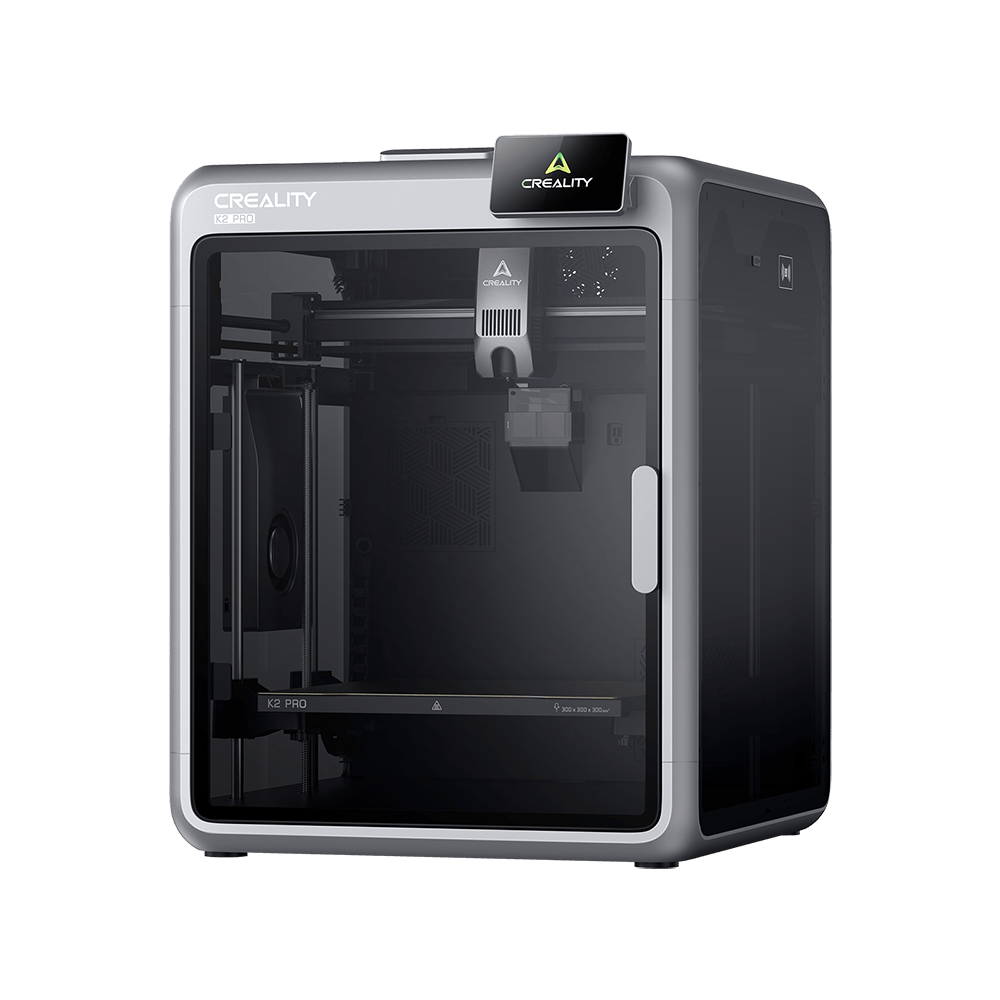
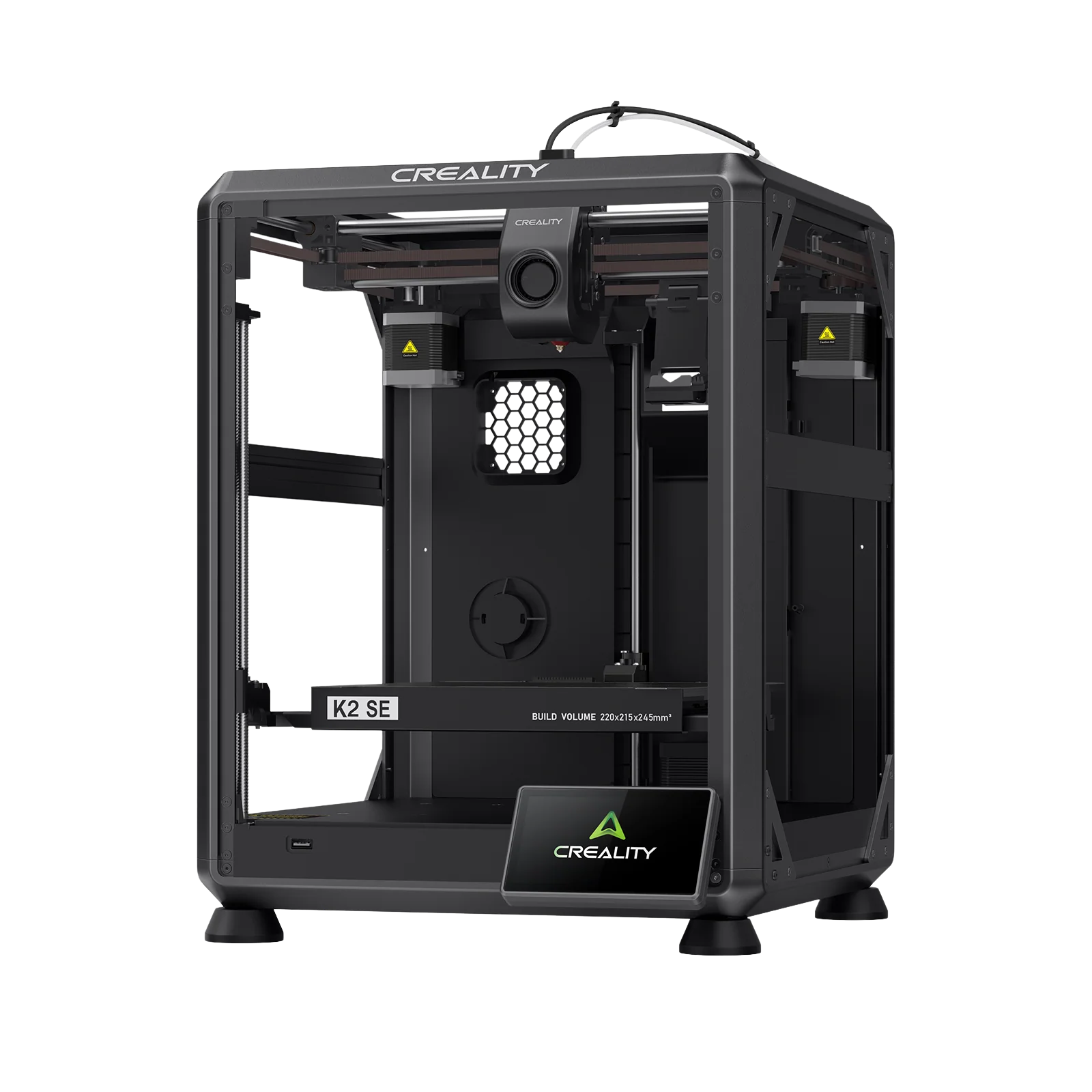
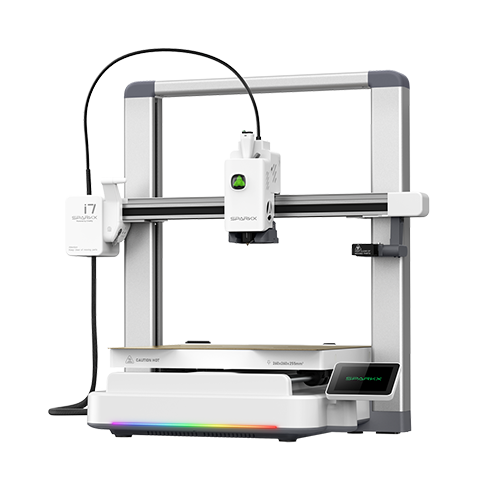
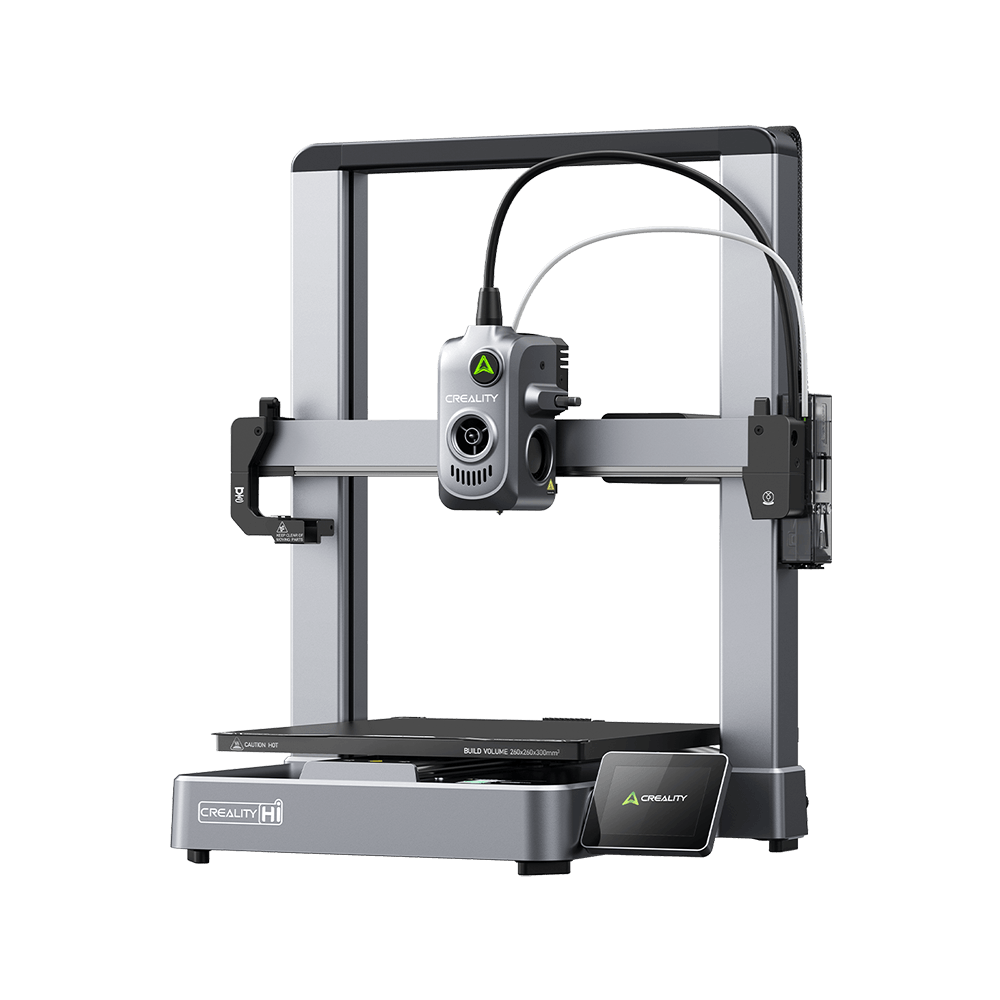
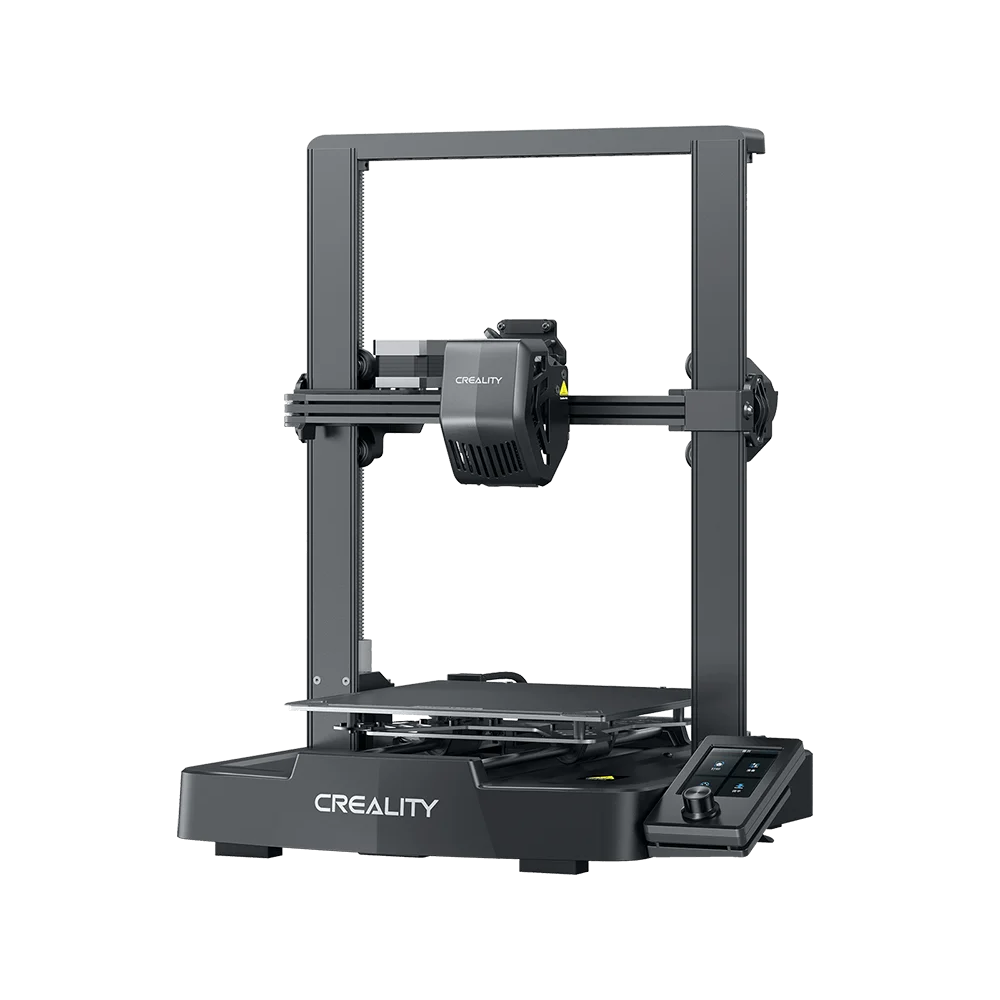
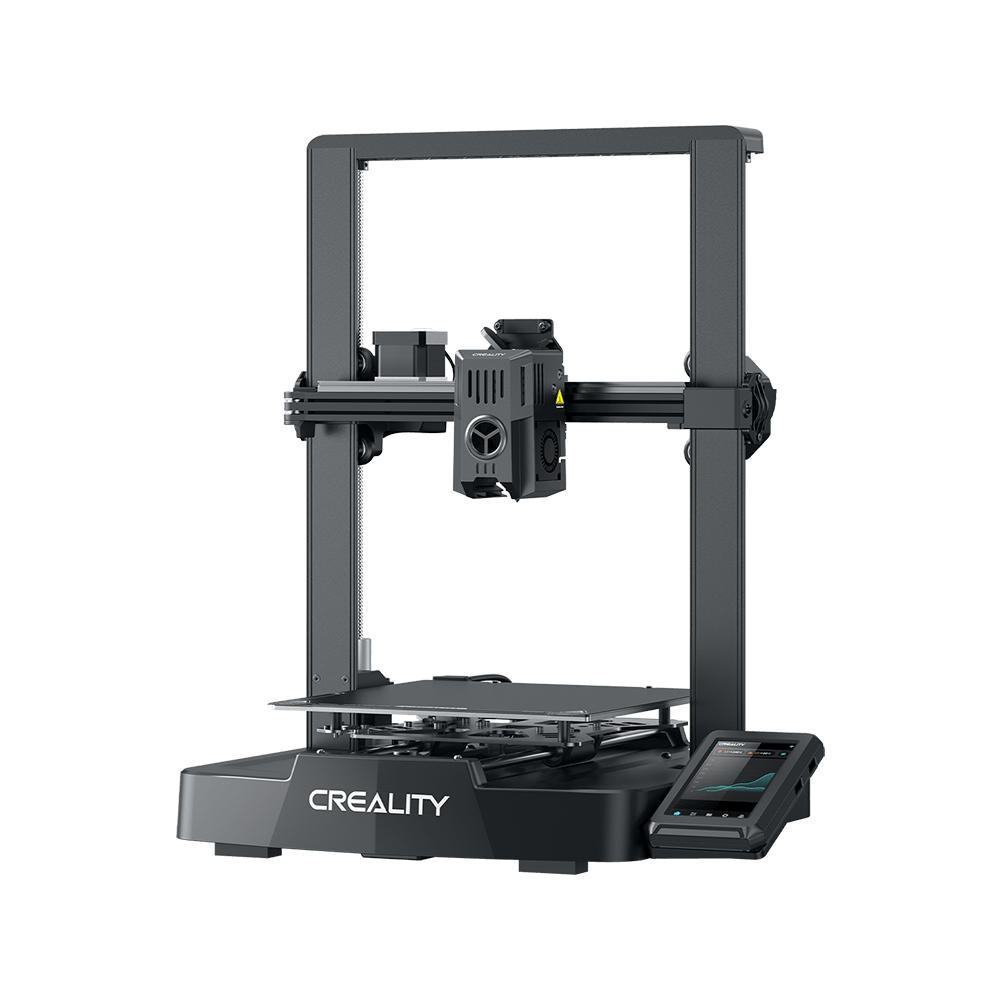
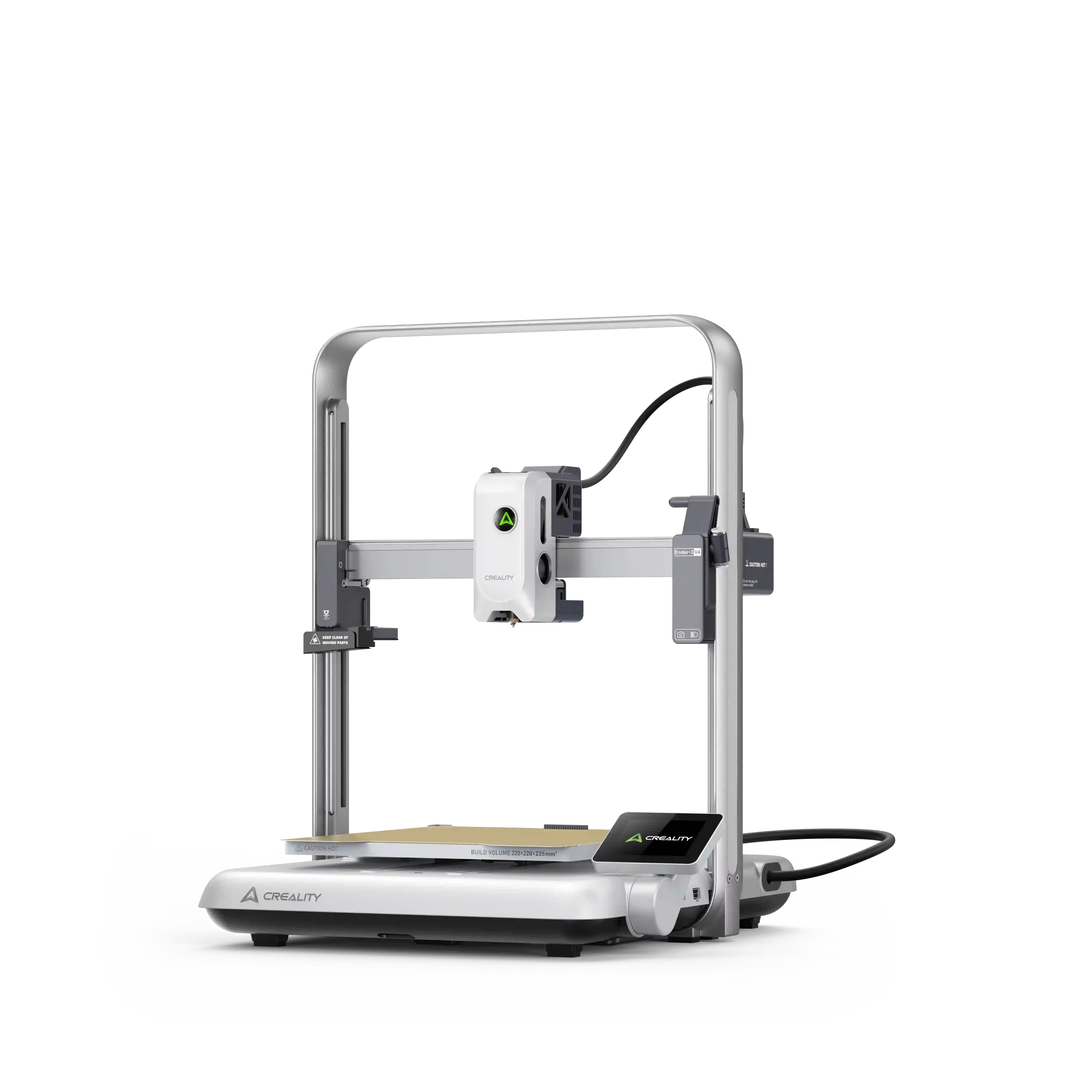
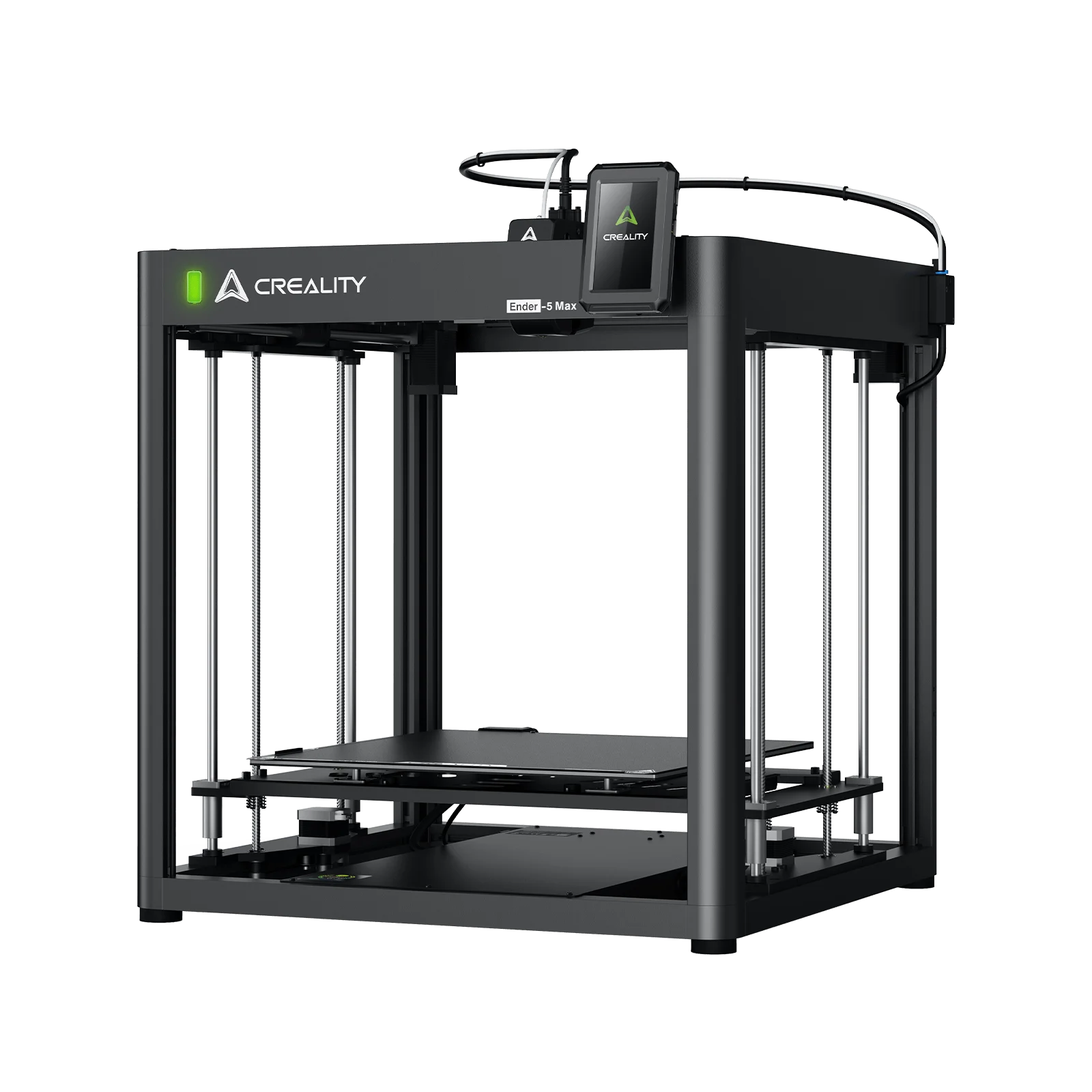
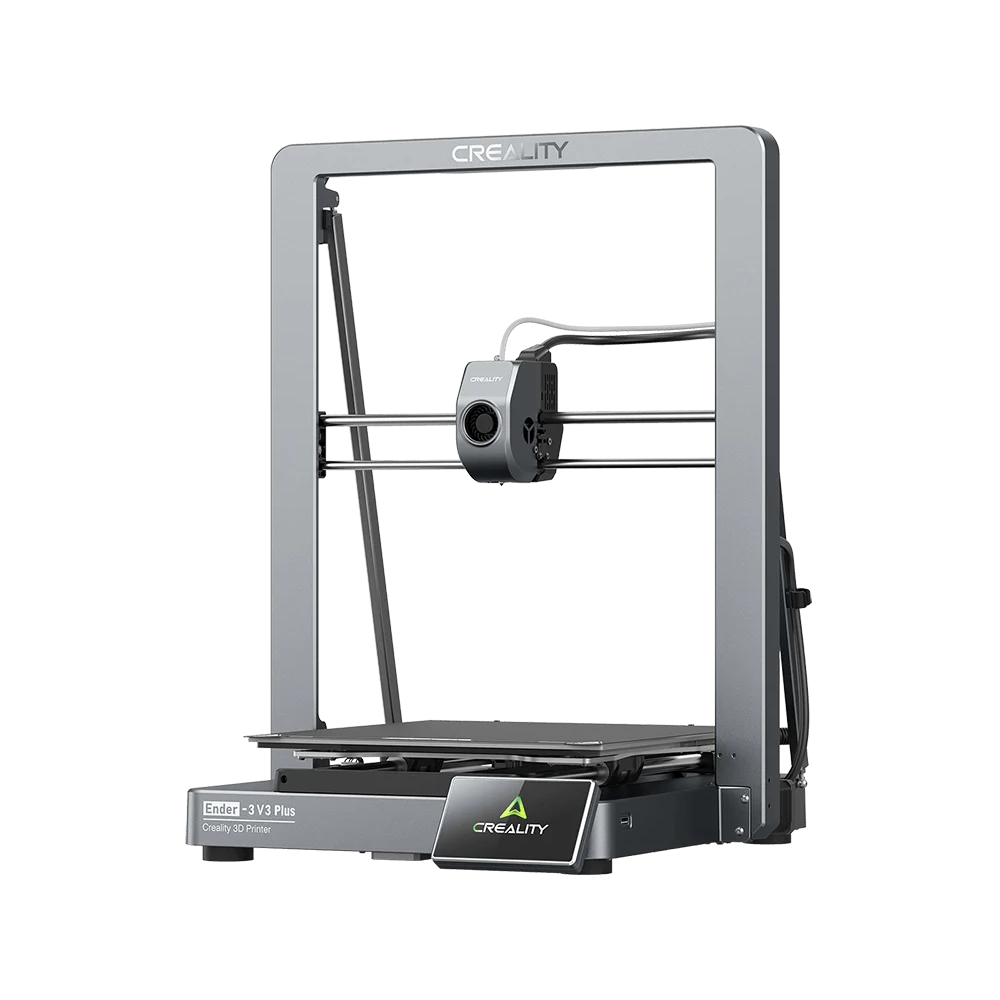
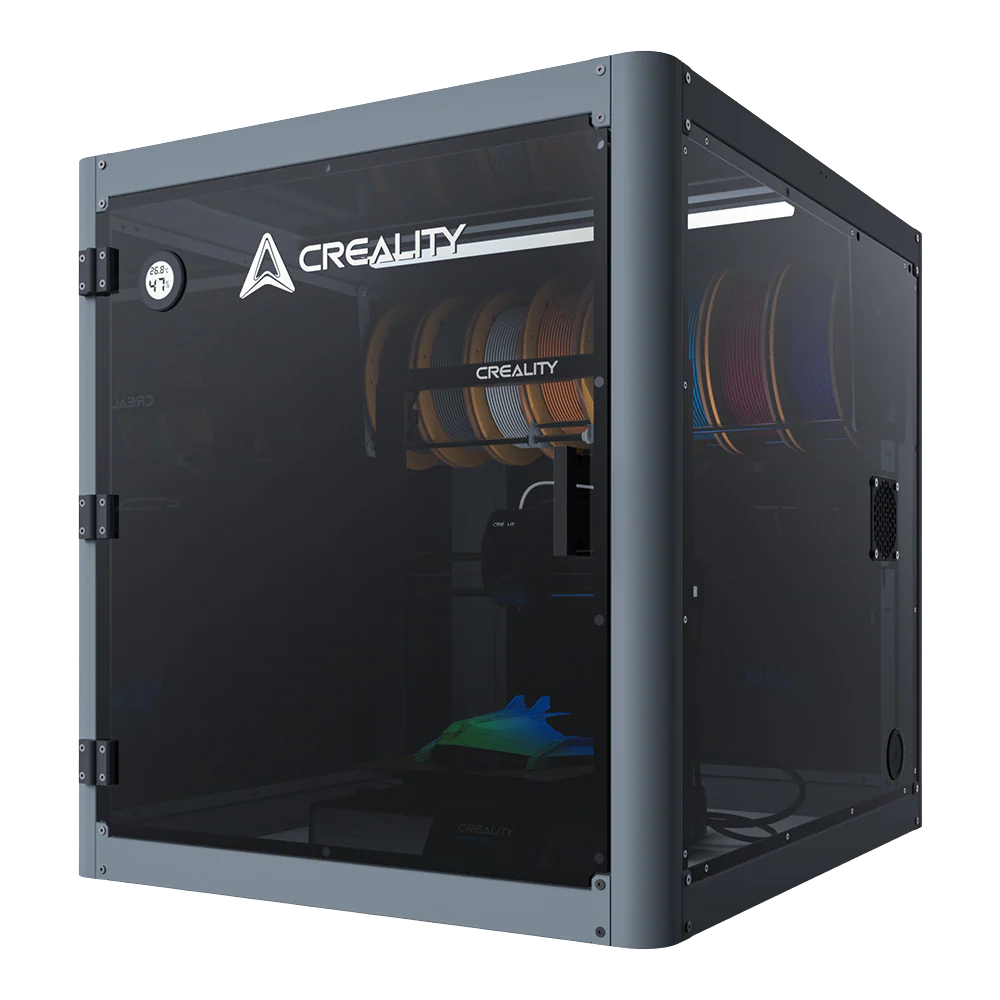
Fused deposition modeling, or FDM, involves melting and extruding thermoplastic filaments layer by layer. Its workflow involves: Heating & Extrusion → Layer Deposition → Cooling/Solidification → Post-processing. FDM is perfect for rapid prototyping, functional jigs/ fixtures, and educational models. For newcomers exploring beginner-friendly printing technology, FDM is often the most accessible option because its printers are more affordable and user-friendly.
Pros
-
Cost-effective
-
User-friendly
-
Wide range of accessible materials
Cons
-
Visible layer lines (lower surface finish)
-
Moderate precision
2. Stereolithography (SLA)
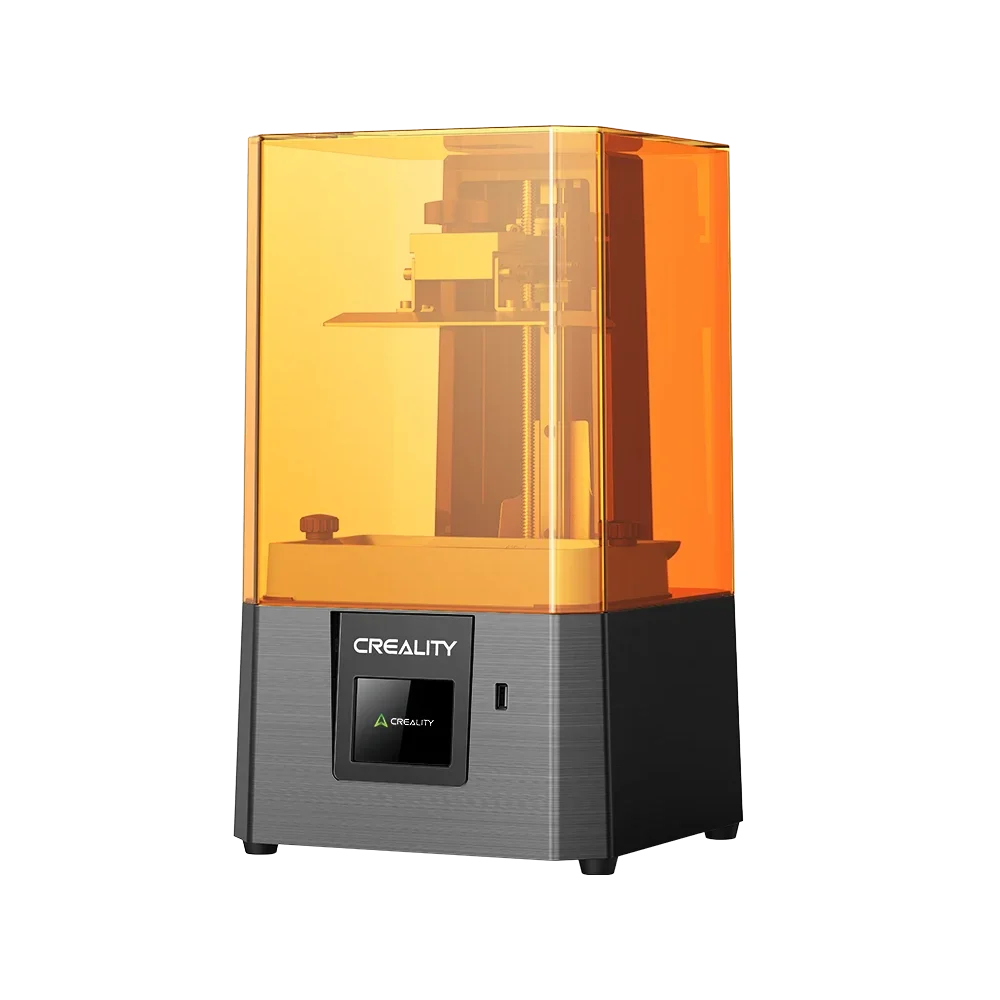
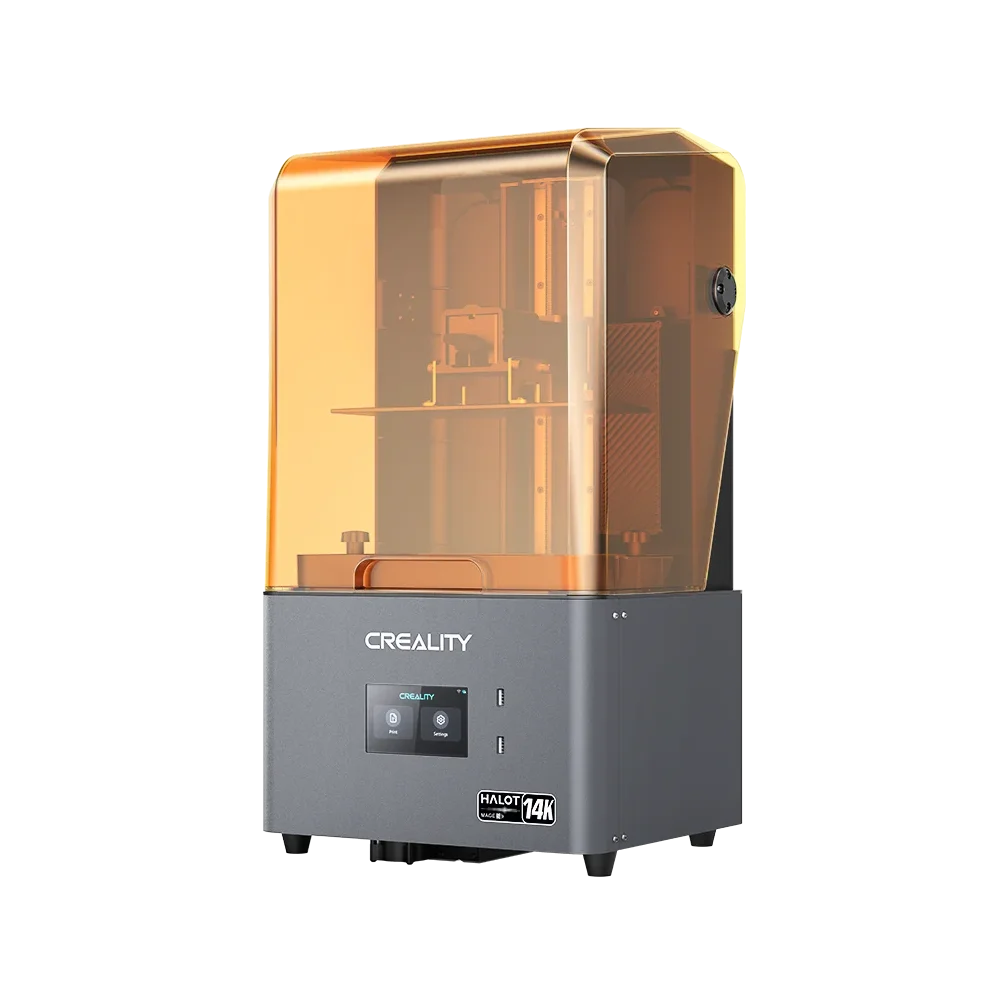
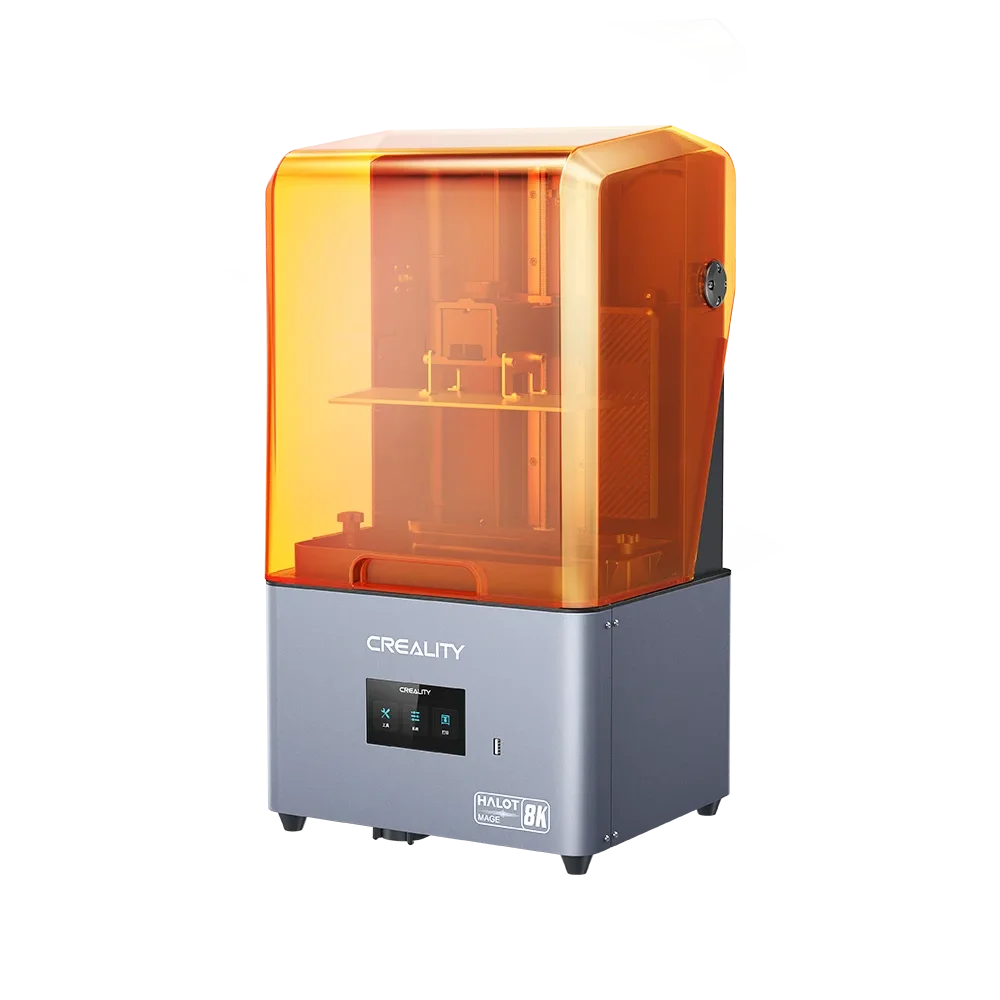
Stereolitography, or SLA, printing uses a UV laser to solidify liquid photopolymer resin point by point. Its workflow involves: Digital Slicing → Laser Scanning/Curing → Washing (IPA) & UV Post-curing. SLA is ideal for printing highly detailed miniatures, dental models, and jewelry patterns. Stereolithography requires specific SLA printers, and since it’s used to create more detailed models and the materials are more expensive, SLA may be best for intermediate to experienced users.
Pros
-
Exceptionally high precision
-
Smooth surface finish
Cons
-
Brittle materials
-
Higher resin costs
-
Messy post-processing
3. Digital Light Processing (DLP)
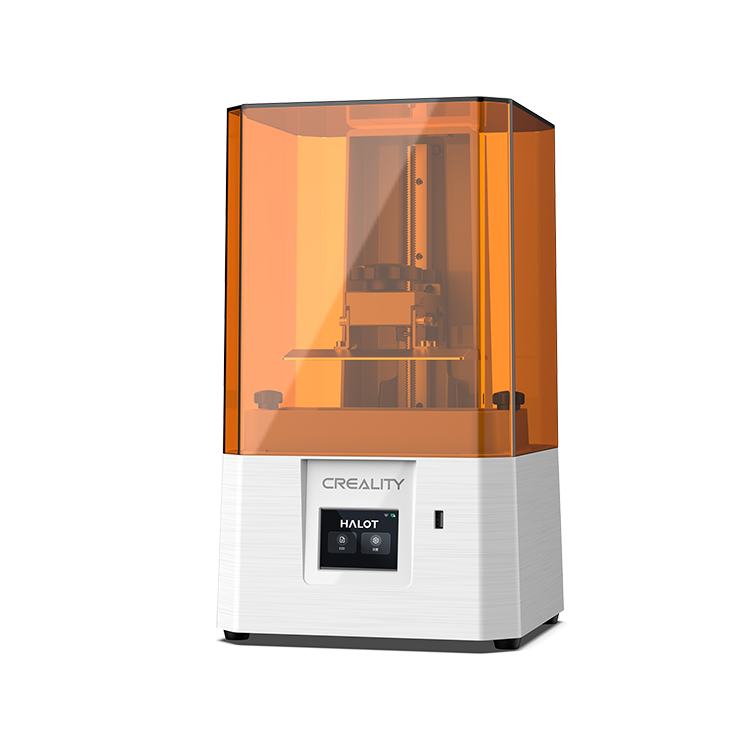
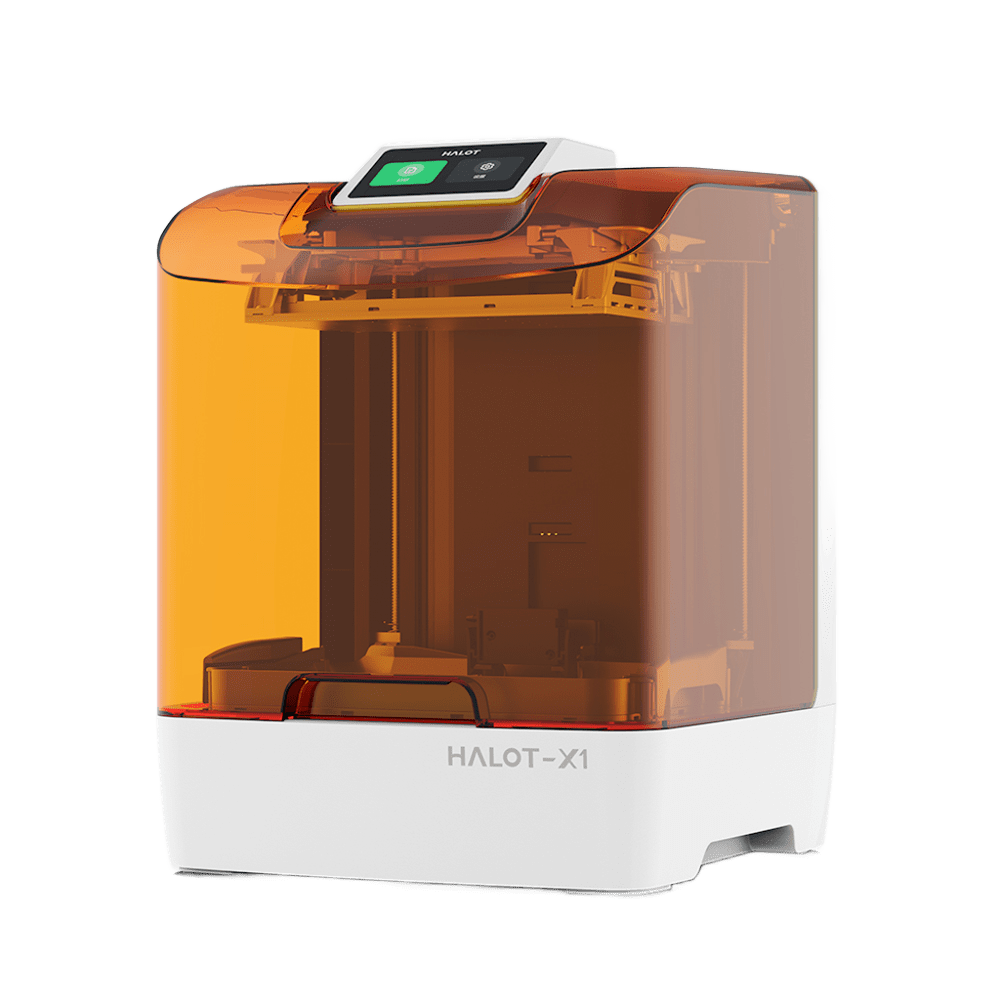
Digital light processing, or DLP, utilizes a digital light projector to cure an entire layer of resin simultaneously. Its workflow involves: Image Projection → Layer Curing → Washing → Post-curing. DLP is a great option for dentistry, jewelry patterns, and small precision components. A 3D resin printer is required with specialized curing capabilities. DLP printing is good for beginners to experienced users requiring intricacy for more complex builds.
Pros
-
Faster printing speeds than SLA (for full builds)
-
High level of detail
Cons
-
Build volume is often limited by the projector resolution
4. Selective Laser Sintering (SLS)
Selective Laser Sintering, or SLS, uses a high-powered laser to infuse small particles of polymer powder to create a model. It’s ideal for functional prototypes and end-use engineering of product parts. Its workflow involves: Powder Bed Layering → Laser Sintering → Cooling/Excavation → Powder Removal. SLS printers are best experienced users.
Pros
-
No support structures needed (powder acts as support
-
Strong mechanical properties
Cons
-
Grainy surface texture
-
High equipment/ facility costs
5. Multi-Jet Fusion (MJF)
With Multi-Jet Fusion, or MJF printing, the 3D printer applies a fusing agent onto a powder bed and uses infrared heat to fuse the particles. The workflow involves: Powder Layering → Agent Jetting → Thermal Fusion → Cooling & De-powdering. MJF is great for high-volume production and creating rugged functional parts. MJF printers are best for intermediate to advanced users looking for batch production and durable prints.
Pros
-
High part density
-
Consistent isotropic properties
-
Fast batch production
Cons
-
Limited material selection (primarily nylon)
6. Direct Metal Laser Sintering (DMLS)/ Selective Laser Melting (SLM)
Direct Metal Laser Sintering (DMLS) and Selective Laser Melting (SLM) use a high-intensity laser to melt or sinter metal powder into solid structures. Its workflow involves: Metal Powder Bedding → Laser Scanning → Multi-layer stacking → De-powdering → Heat Treatment/Stress Relief. These methods are used for aerospace, automotive, and medical implant (orthopedic) models and are recommended for advanced and experienced users.
Pros
-
Ability to create complex, lightweight metal geometries impossible via CNC
Cons
-
Very high material and machine costs
-
Rigorous safety requirements
Core Technology Comparison Table
|
Technology
|
Precision
|
Cost
|
Support Materials
|
Typical Applications
|
|
FDM
|
⭐⭐
|
$
|
ABS, PLA, PETG
|
Education, Basic Prototypes
|
|
SLA
|
⭐⭐⭐⭐⭐
|
$$
|
Photopolymer Resin
|
High-detail Visual Models
|
|
DLP
|
⭐⭐⭐⭐⭐
|
$$
|
Photopolymer Resin
|
Dental, Jewelry, Small Parts
|
|
SLS
|
⭐⭐⭐
|
$$$
|
Nylon (PA11/PA12)
|
Functional Engineering Parts
|
|
MJF
|
⭐⭐⭐⭐
|
$$$
|
Nylon Powder
|
Batch Production
|
|
DMLS/SLM
|
⭐⭐⭐⭐
|
$
|
Steel, Titanium, Alum.
|
Aerospace, Medical Implants
|
Technology Selection Guide (How to Choose)
With so many different types of 3D printers, knowing which one to use can be confusing. Before you purchase your printer, ask yourself these questions.
-
Function vs. Aesthetic - Does it need to work or just look good?
-
Scale and Precision - What is the size of the part or model vs its required tolerances?
-
Material properties - What is the heat resistance, strength, flexibility, or biocompatibility of the materials you plan to use?
-
Post-Processing Effort - How much time do you want to devote to sanding, painting, or cleaning?
Conclusion
Each 3D printing technology has its strengths and limitations. FDM is great for beginners, but it can leave layer lines. SLA is highly precise, but the materials are brittle, and post-processing is messy. DLP is fast and detailed, but the build volume can be limited. SLS doesn’t require support structures but creates a grainy surface texture. MJF is great for batch production, but the material selection is limited. DMLS lets you create highly complex models, but it’s very expensive. It’s important to weigh your project's specific needs against these methods to choose the one that’s right for you. You can also read additional resources for more details on your unique requirements. Creality offers premium 3D printers that make 3D printing fun and exciting for all experience levels. Bring your creativity to life with Creality.