


Turning Damaged City Details into Repairable 3D Data
Urban repair often begins with small details: a damaged surface panel, a broken decorative element, a worn public facility component, or a missing section of a green belt structure.
These parts are not always easy to replace. Original drawings may be missing, standard components may not fit, and manual measurement can be difficult when the surrounding shape is irregular.
With 3D scanning, the existing structure can be captured directly and turned into usable 3D data. This gives designers, makers, and repair teams a more reliable starting point for reconstruction, 3D printing, and fit testing.
In some cases, scan data can also be used to compare changes over time, helping teams better understand wear, deformation, or surface damage before repair work begins.
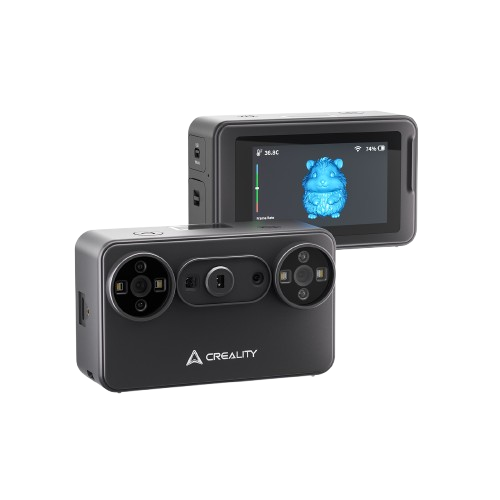
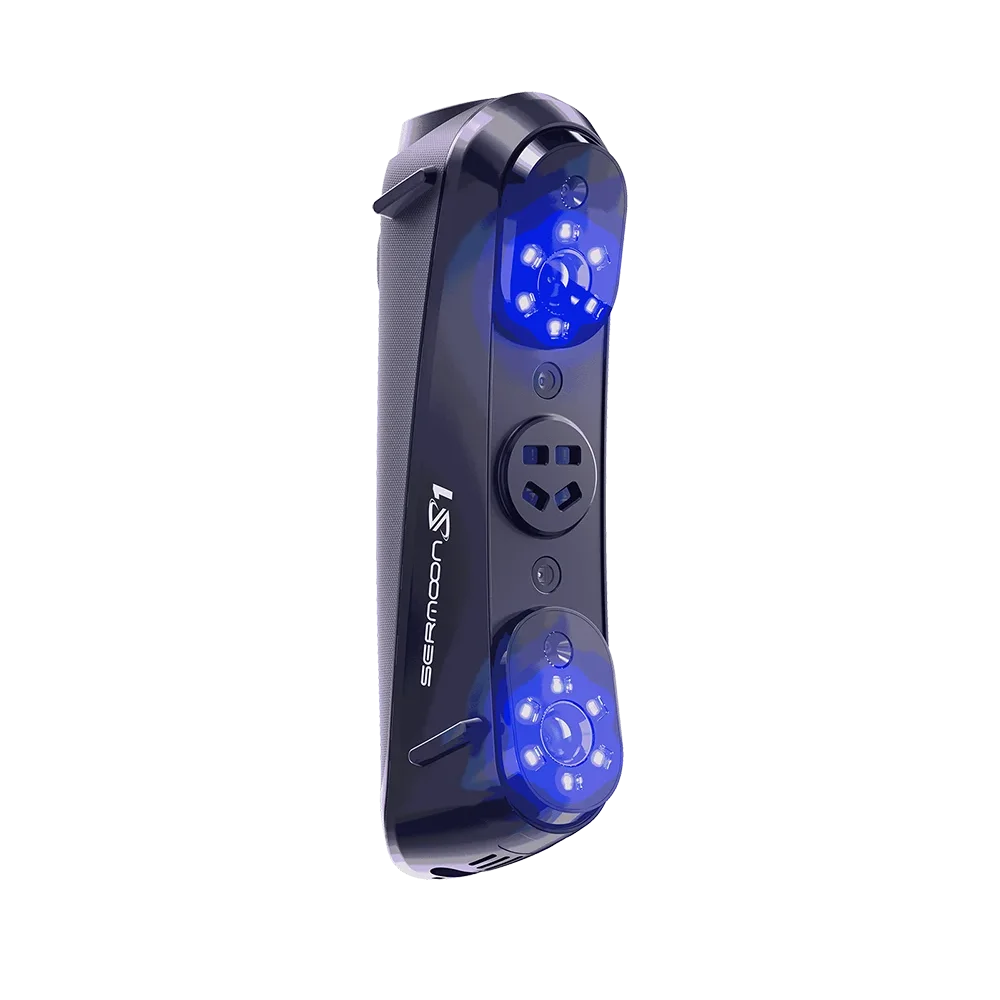
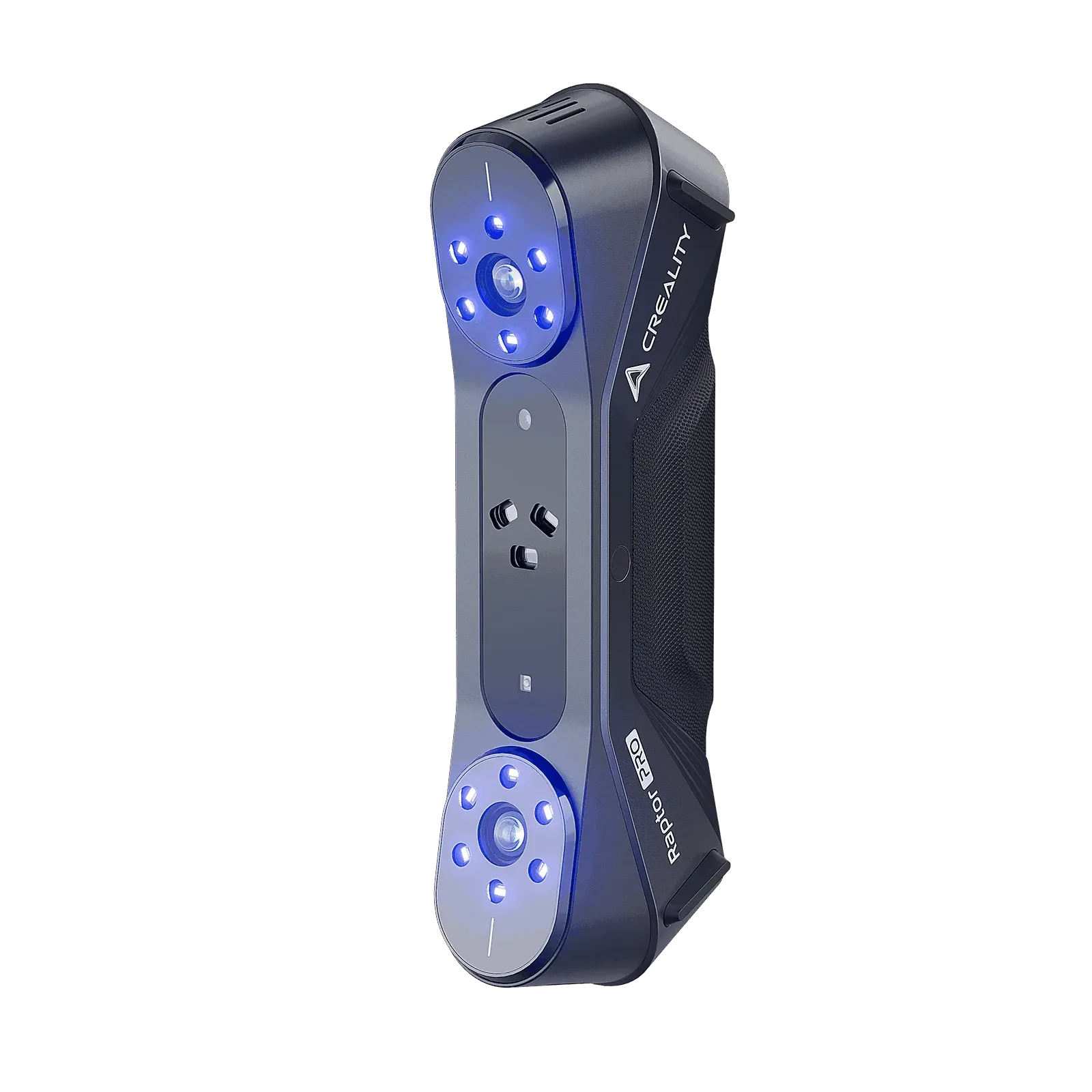
For projects like these, Sermoon P1 helps bring the real environment into the digital workflow — from on-site scanning to model reconstruction and final replacement.
Case 1: Repairing a Damaged Urban Component with Sermoon P1
This case focuses on the repair of a damaged urban component through a scan-to-print workflow.
The challenge was to create a replacement part that could match the original structure and fit naturally back into the existing environment. Instead of relying only on manual measurement, the existing geometry was captured with Sermoon P1 and used as a digital reference for the repair.
The scan data provided the basis for modeling a matching replacement part. After the model was created, the part was 3D printed, finished, and installed back into its original location.
This workflow shows how 3D scanning can support small-scale urban repair by reducing guesswork, improving fit accuracy, and turning damaged real-world details into manufacturable data.
Case 2: Restoring a Green Belt Structure with Sermoon P1
This case focuses on the restoration of a damaged green belt structure in an urban setting.
The challenge was to reconstruct a missing section while keeping it consistent with the surrounding structure. Since this type of urban landscape element is not a standard component, manual measurement alone may not provide enough information to accurately reproduce the missing part.
Using Sermoon P1, the existing structure was scanned to capture its shape, surface layout, and dimensional references. The scan data was then processed and used as a foundation for digital reconstruction.
Based on the captured geometry, the missing section was modeled, produced, and installed back into the damaged area. The final result restored the structure as a complete visual and functional element.
This workflow shows how 3D scanning can support the restoration of non-standard urban landscape details by using the existing environment as a reliable digital reference.
Why Sermoon P1 Fits This Workflow
Urban repair often happens on site, where objects may be irregular, weathered, textured, reflective, or difficult to measure by hand. For makers, designers, and repair teams, the scanner needs to be flexible enough to capture real-world conditions without making the workflow overly complicated. This is where Sermoon P1 fits in.
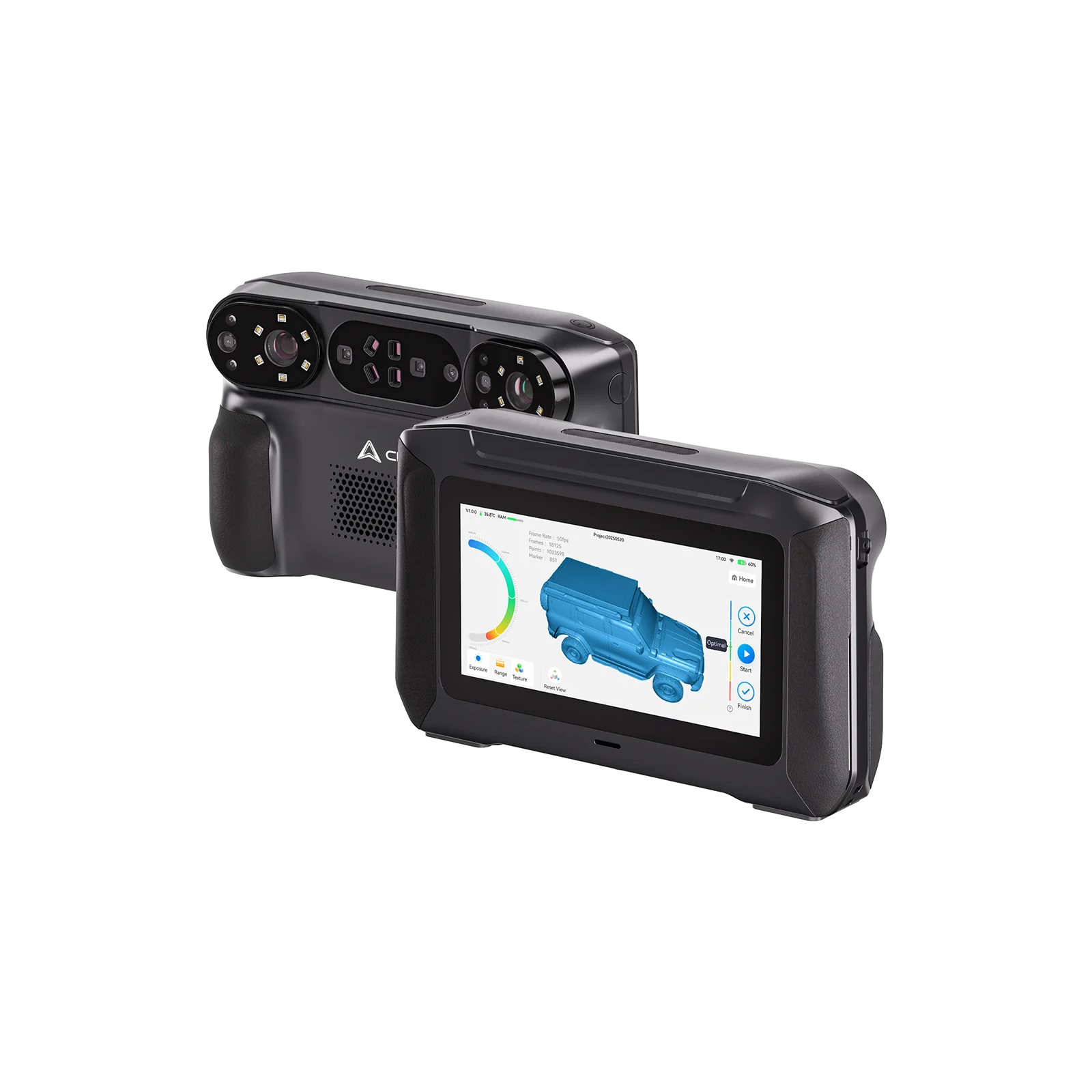
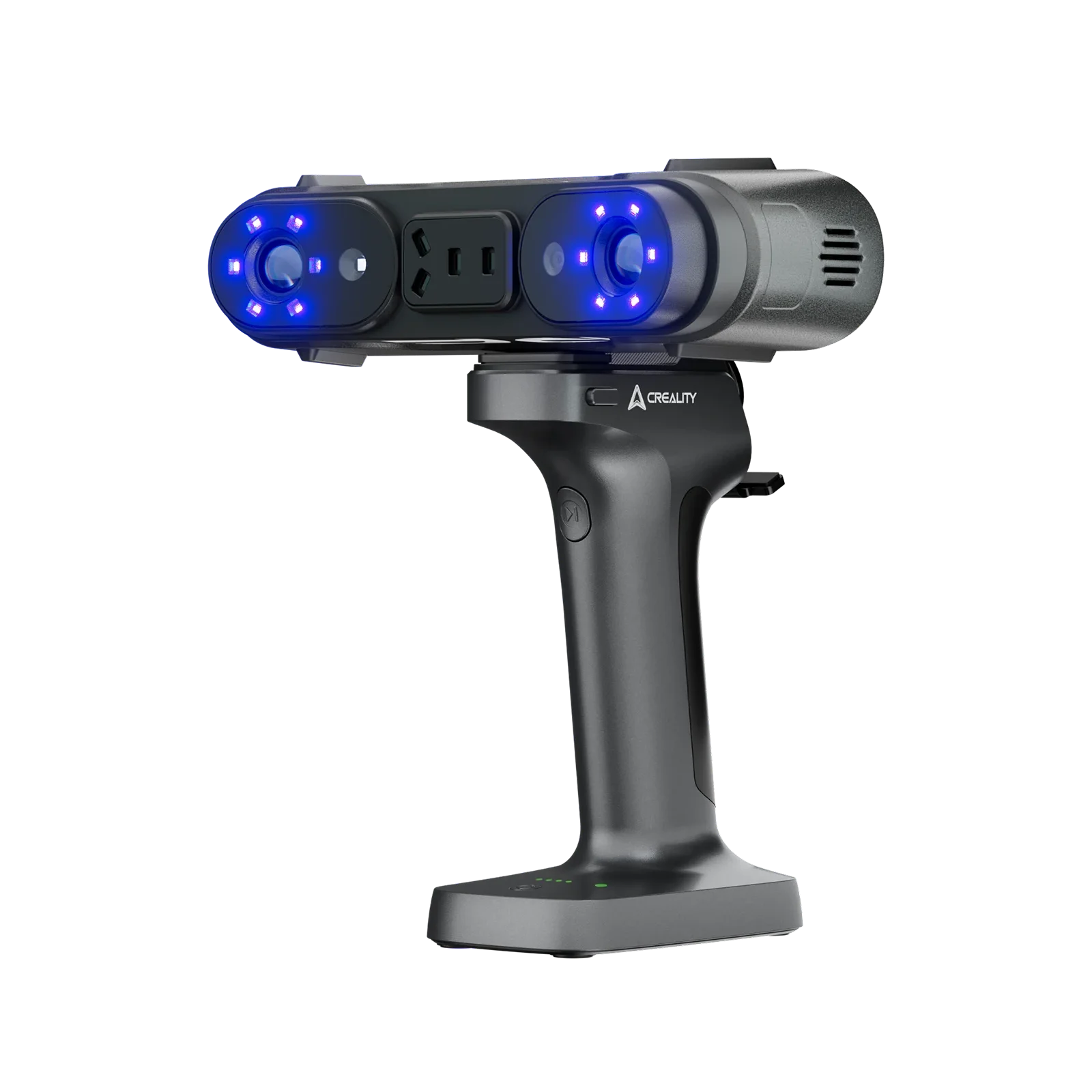
With its hybrid light source system, Sermoon P1 can handle different scanning needs, from fine surface details to larger structures and hard-to-reach areas. It supports both blue laser and NIR structured light scanning, making it suitable for a wide range of object sizes, materials, and repair scenarios.
For field work, its standalone design, built-in screen, onboard model processing, and swappable batteries make the process more convenient. Users can scan, preview, process, and prepare data directly on the device before moving into modeling or 3D printing.
This makes Sermoon P1 not only useful for professional repair and reverse engineering workflows, but also accessible for makers who are interested in turning real-world problems into practical 3D scanning projects.
Whether it is a missing urban detail, a damaged landscape component, or a small part that no longer has drawings, Sermoon P1 helps bring the object into a digital workflow — from scanning and reconstruction to final repair.
With Sermoon P1, urban details can become digital data. And digital data can become real-world repairs. Follow us for more 3D scanning industry cases. Submissions are also welcome.