





3D printing allows creatives to unleash their imaginations and bring their creations to life. At-home 3D printers offer numerous benefits for both business owners and hobbyists, thanks to their virtually unlimited printing capabilities. While there’s no denying that 3D printers are fun and exciting, it’s important to understand the possible risks associated with their use. While extremely rare, it is possible for a machine to malfunction, but can a 3D printer catch fire? The short answer is yes, so it’s important to follow proper safety protocols. In this guide, we’ll cover the causes of 3D printer fires and provide actionable tips for prevention and best-use practices.
What Can Cause a 3D Printer Fire?
While rare, 3D printer fires can happen due to malfunctions with the machine or user error. Here are the six most common reasons a 3D printer could catch on fire.
Short Circuits & Electrical Faults
While a high-quality 3D printer is crafted with care and built to last the test of time, cheaply made machines can pose safety risks. Worn, cheap, and poorly soldered wires can short out, especially when close to the extruder or the moving heated bed. These shorts can quickly catch fire and ignite surrounding material.

Thermal Runaway Failure
Every 3D printer has a temperature sensor, called a thermistor, that monitors and regulates the temperature of the hot end and heated bed. If the thermistor unexpectedly fails or falls out, the printer may not realize its nozzle is uncontrollably heating and can continue until the surrounding material ignites.
Unattended Print Failures
Unattended print failures, also known as the “blob of death,” occur when the prints don’t detach. When this happens, the printer continues to extrude the plastic filament, creating a large, molten blob on the hot end, which can quickly cause a short or melt cables.
Poorly Connected Terminals
If there are loose connections in the high-resistance connectors or mainboard terminals, the printer can overheat, melt, and catch on fire.
Combustible Materials
If you place your 3D printer on a wooden surface or surround it with flammable materials, it causes a serious fire safety issue. Minor sparks can quickly turn into a major fire, causing significant damage.
Power Supply Unit Failure
3D printers with malfunctioning, cheap, or poorly made power supply units (PSUs) can fail or overheat, causing sparks and potentially fire.
3D Printer Filaments: Are They Flammable?
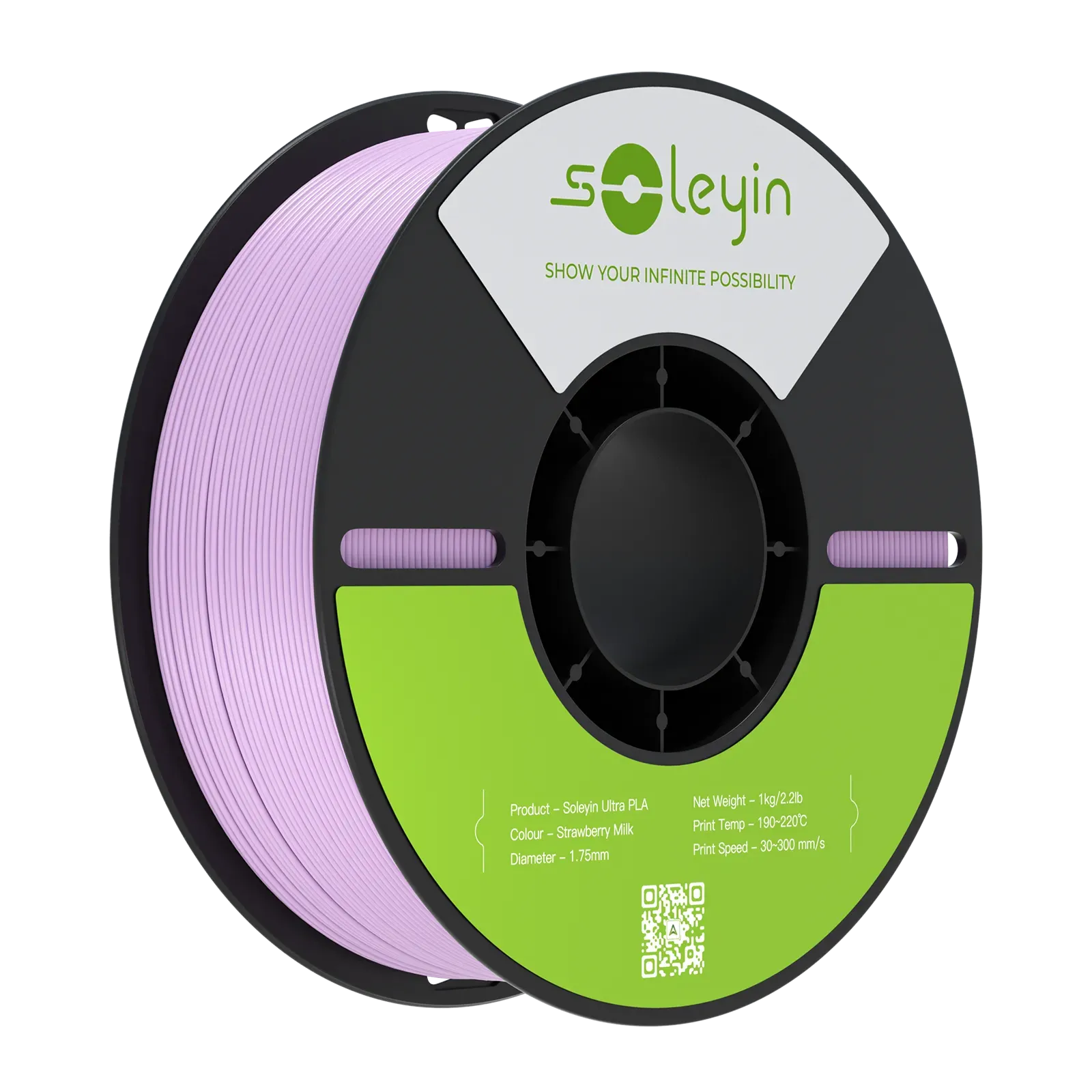
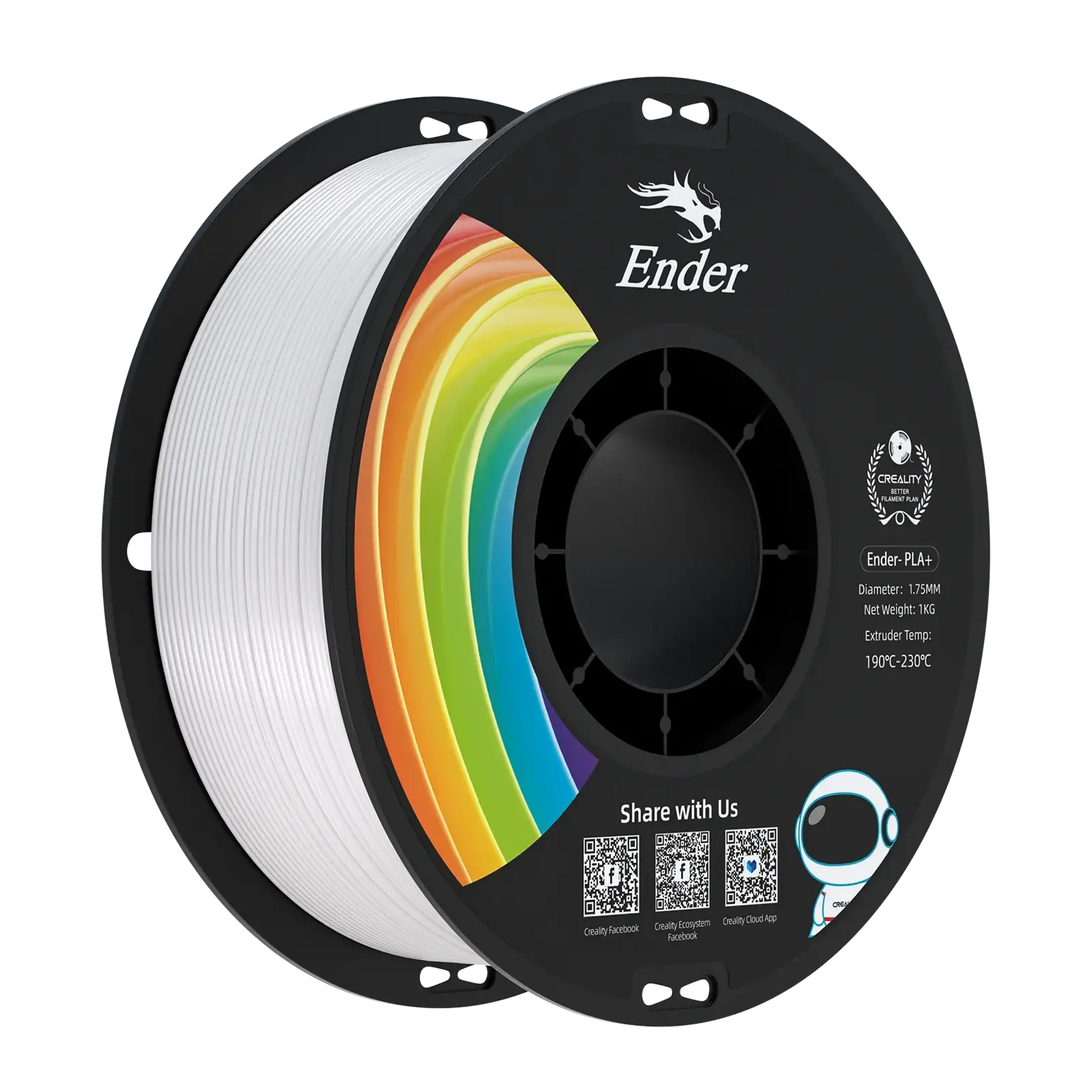
3D printer fire safety doesn’t stop at the printer itself; the filament you use can also pose a risk. The flammability of a filament depends on its material, with some being more hazardous than others. While it’s important to know which ones are more likely to catch fire, even the most flammable ones are generally safe when used correctly.
|
Filament
|
Flammability Rating
|
|
PLA (Polylactic Acid)
|
Low flammability
|
|
PETG (Polyethylene Terephthalate Glycol)
|
Low flammability
|
|
TPU (Thermoplastic Polyurethane)
|
Low to Moderate flammability
|
|
ABS (Acrylonitrile Butadiene Styrene)
|
Moderate flammability
|
|
Nylon
|
Highly flammable
|
Risk Factors for 3D Printer Filament Fires
Understanding the factors that increase the chance of filament fires is the best way to take steps to prevent them. These include:
-
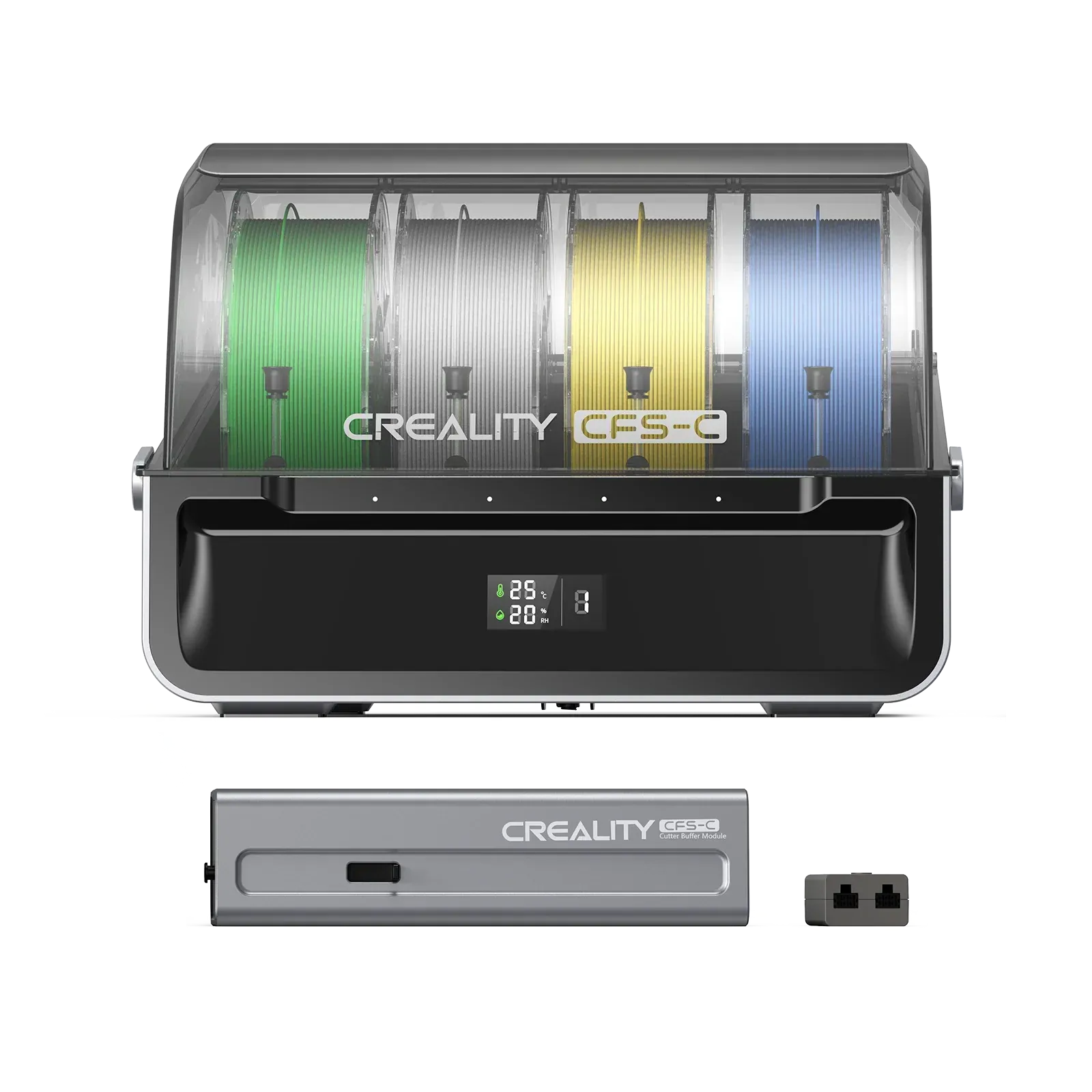
Poor Packaging: Proper storage and packaging of your filaments is key to preventing printing issues. Poor storage can cause moisture or heat damage to the filament, which then ignites quickly when melted.
-
Long Printing: Printing for a long time can cause the hot end to overheat, potentially leading to a fire.
-
Dust and Debris Buildup: If your filament is covered with dust and debris, it can easily catch fire under the high-temperature conditions.
3D Printer Fire Prevention - Actionable Steps for Safe Printing
While 3D printer fires are scary, there are steps you can take to prevent them.
Use a Fire-Resistant Enclosure
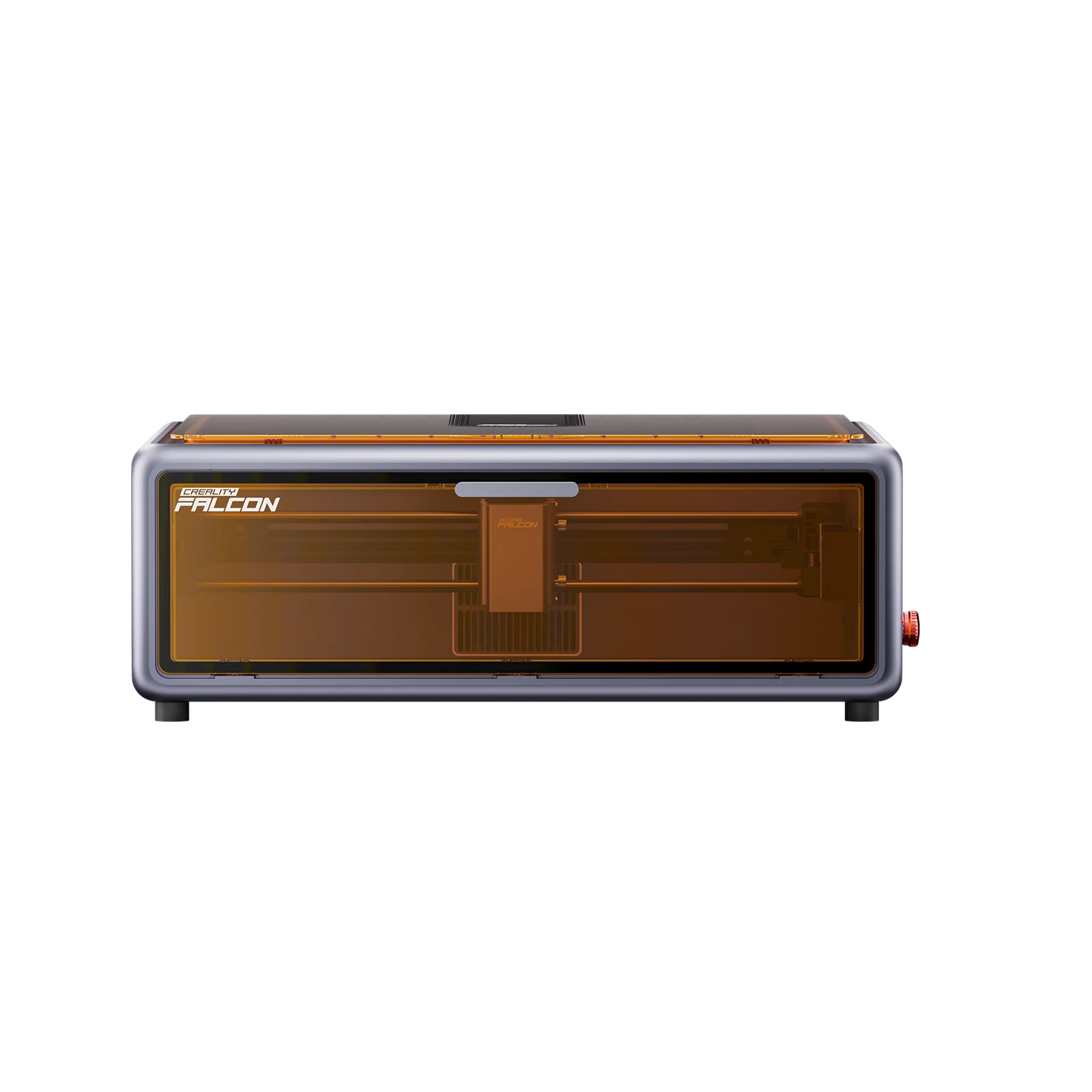
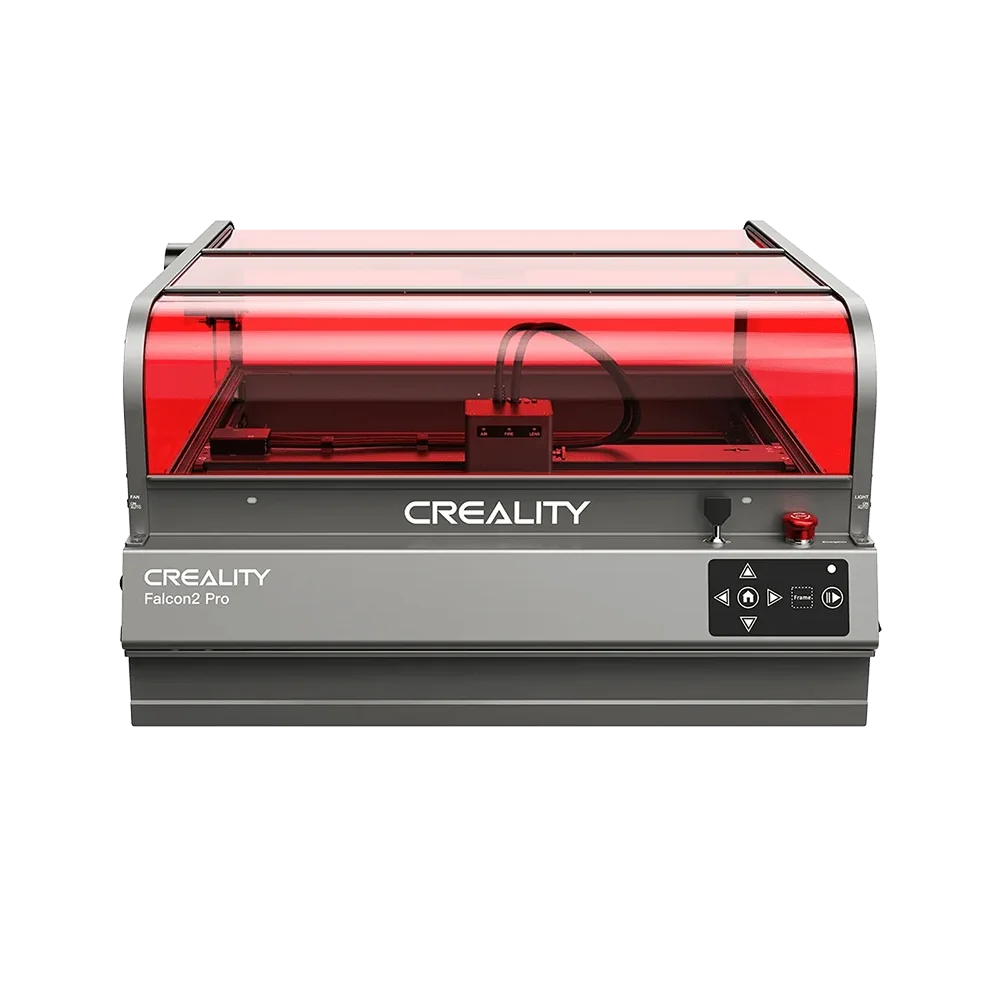
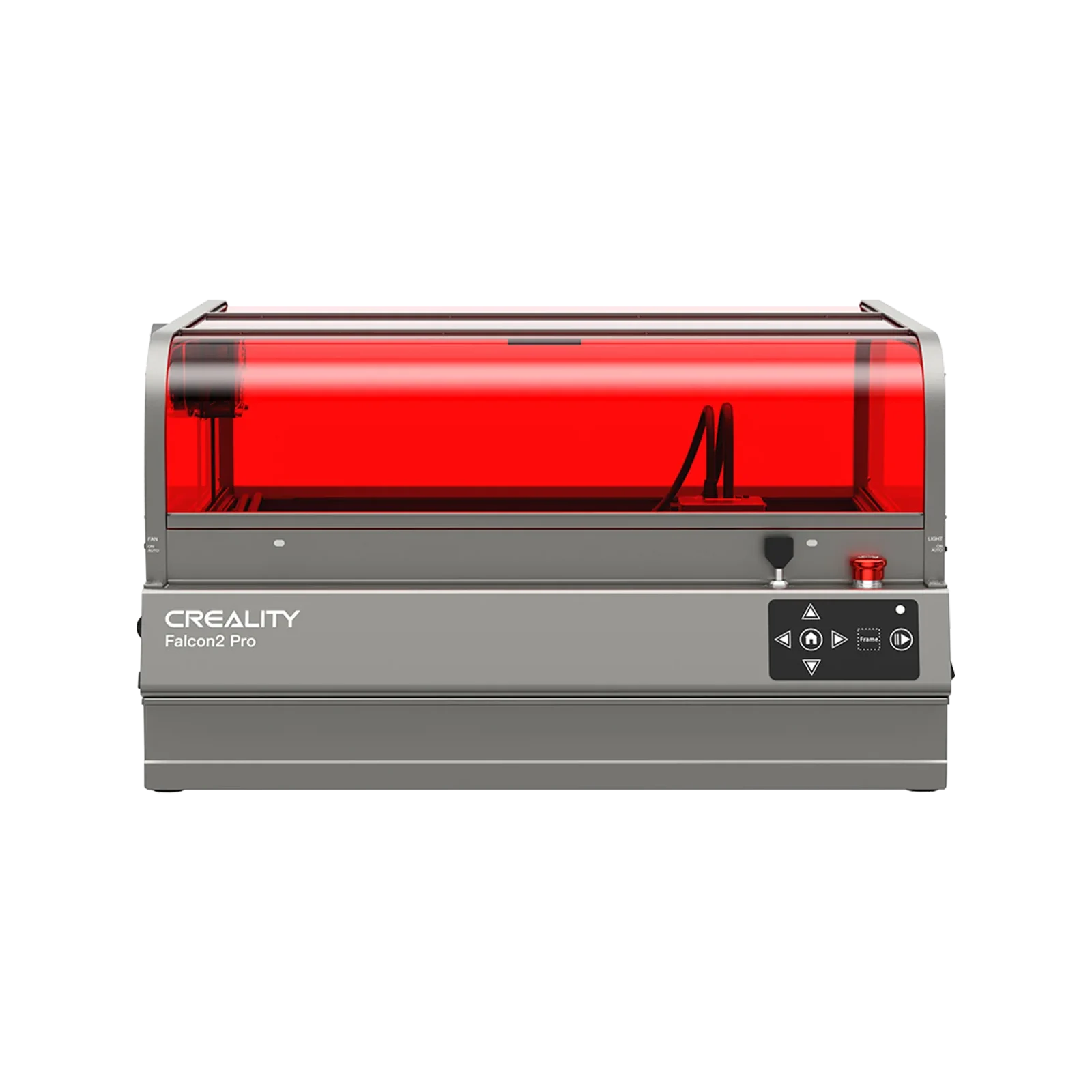
Placing your 3D printer in a specialized flame-retardant or fireproof enclosure will give you peace of mind and protect the surrounding area if a fire occurs. These enclosures are especially useful when using higher flammable filaments like nylon or ABS.
Install Thermal Runaway Protection
Thermal runaway protection is a safety feature in your printer’s firmware that automatically shuts it off if the temperature sensor fails. Be sure to check that the feature is enabled before printing.
Use Smart Plugs
Smart plugs monitor the printer’s power usage so you can monitor them remotely and cut the power if you detect a system freeze or abnormal power surge.
Perform Regular Maintenance
Like any machine, 3D printers require consistent monitoring to ensure they work properly. Frequently inspecting your power supply, wires, and the motherboard for wear, loose, fraying, or damaged connectors can help you avoid shorts and electrical faults before they happen.
Along with taking safeguards against 3D printer fires, it’s considered best practice to include fire suppression and detection precautions. These can include:
-
Installing Smart Smoke Alarms: Similar to smart plugs, an ionization or photoelectric smoke detector can cut the power to the printer if smoke is detected. For the best results, place them in the same room, preferably directly above the printer.
-
Mount Automatic Fire Extinguishers: While an automatic fire extinguisher may not be the most practical choice for hobbyists, they can be a lifesaver for businesses that use 3D printers. Mount the fire extinguisher inside the printer's enclosure to immediately extinguish a fire once it starts.
What To Do If A Fire Starts
While taking fire safety precautions is the best way to prevent a potential 3D printer fire, knowing what to do if one occurs could make all the difference. Fast action can help limit damage and reduce the risk of harm to yourself and others. If your 3D printer catches fire, remember the tips.
-
Immediately Cut the Power: At the first sign of a fire, you should immediately unplug the printer or use the master switch to turn off power.
-
Use the Correct Fire Extinguisher: You should always have a fire extinguisher on hand when 3D printing, but not every extinguisher is rated for plastic or electrical fires. You’ll need to use either an ABC or a Class C fire extinguisher to successfully put out the flames.
-
Never Use Water: Throwing water on an electric fire can cause violent flare-ups or severe shock, so never use it to douse the flames. Instead, either smother it or use a fire extinguisher to remove oxygen and “suffocate” the fire.
-
Evacuate the Area: If you can’t put out the fire, evacuate the area immediately and call 911.
Experience the Joy of Safe 3D Printing
Following proper 3D printer fire safety is the best way to ensure your printing experience is safe and enjoyable. Creality is dedicated to providing 3D printing education that helps creatives unleash their imaginations. Explore the wide selection of top-quality 3D printers designed for beginners to professionals. With Creality, there’s no limits to what you can create.