


From simple stress relief to pure mechanical satisfaction, fidget gadgets have captured our collective attention. For makers, however, buying one off the shelf just won’t cut it. This is because 3D printed fidget toys are some of the most popular projects in the 3D printing hobby. They aren't just great for keeping your hands busy; they are incredibly fun, rewarding projects to watch come to life on your build plate.
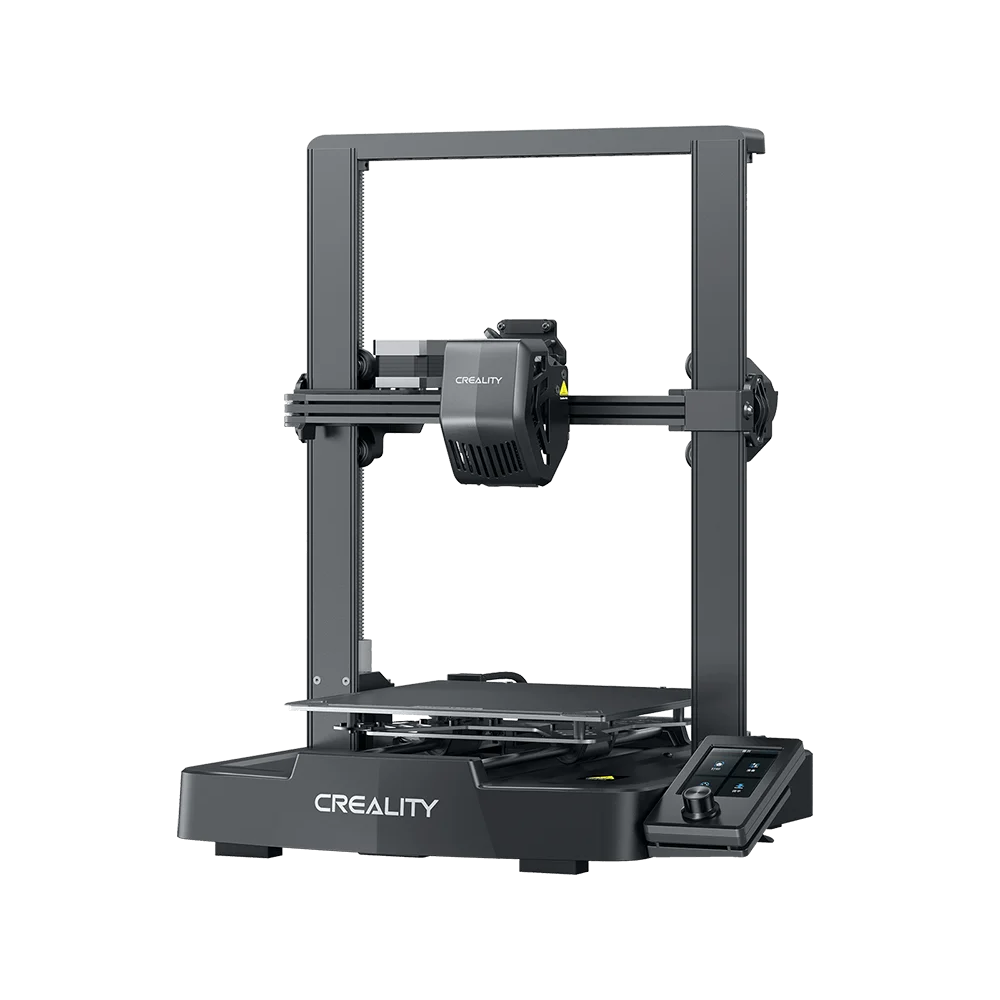
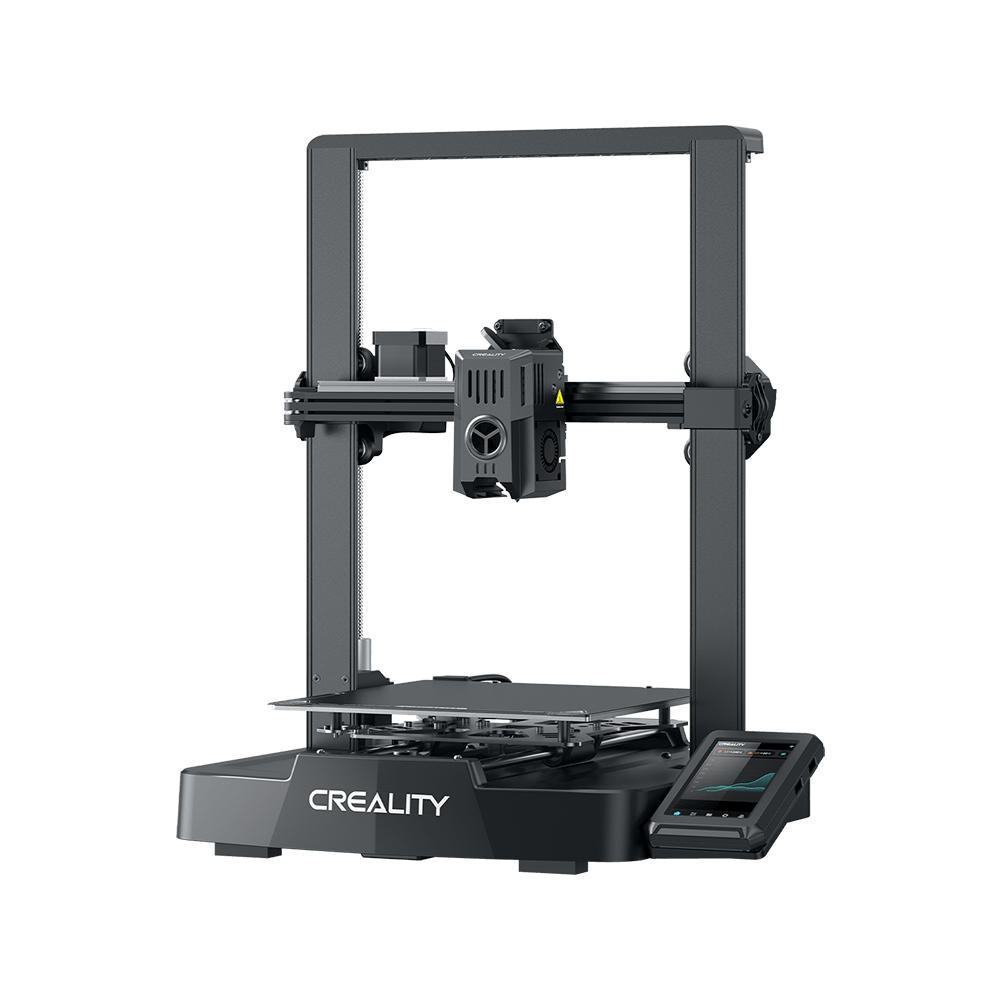
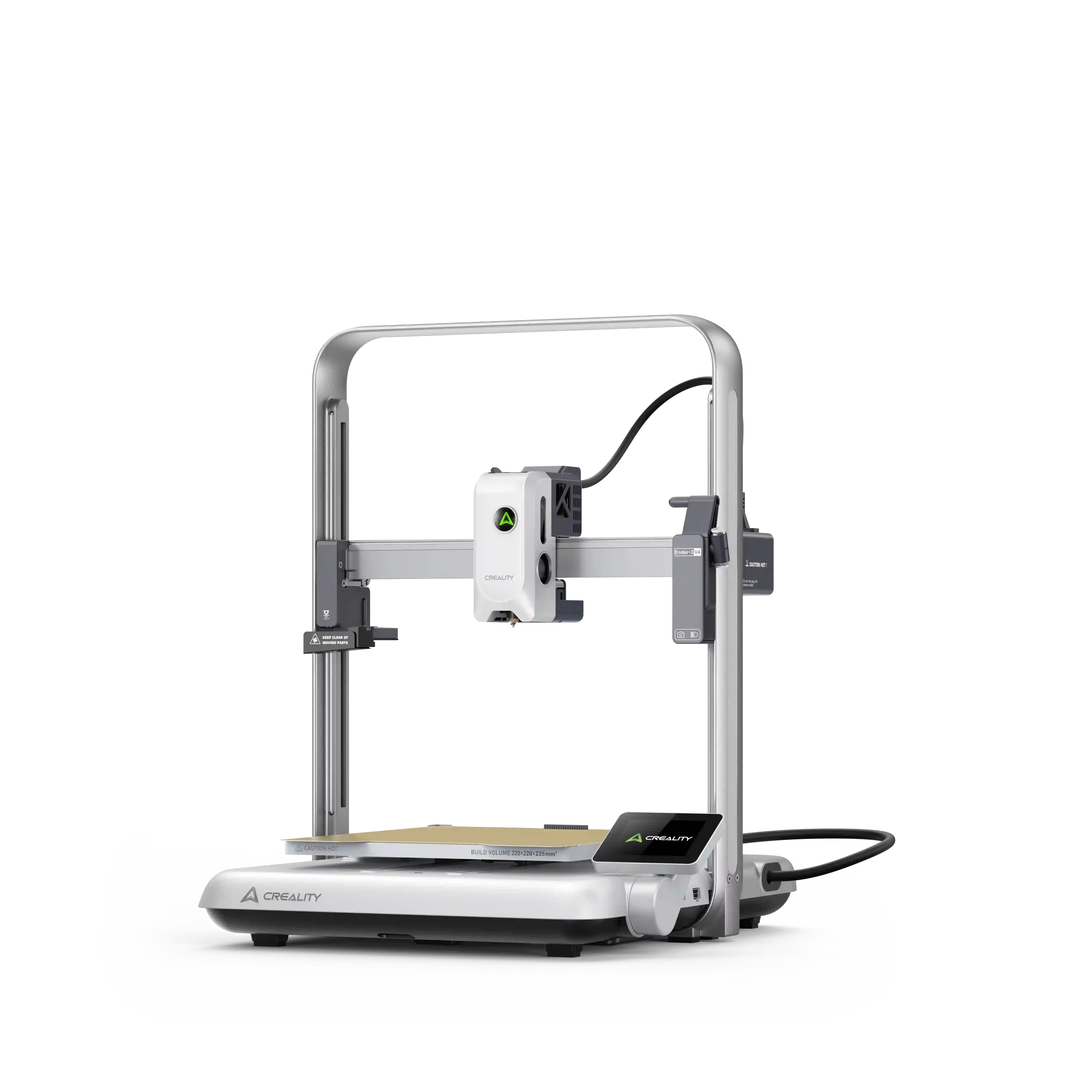
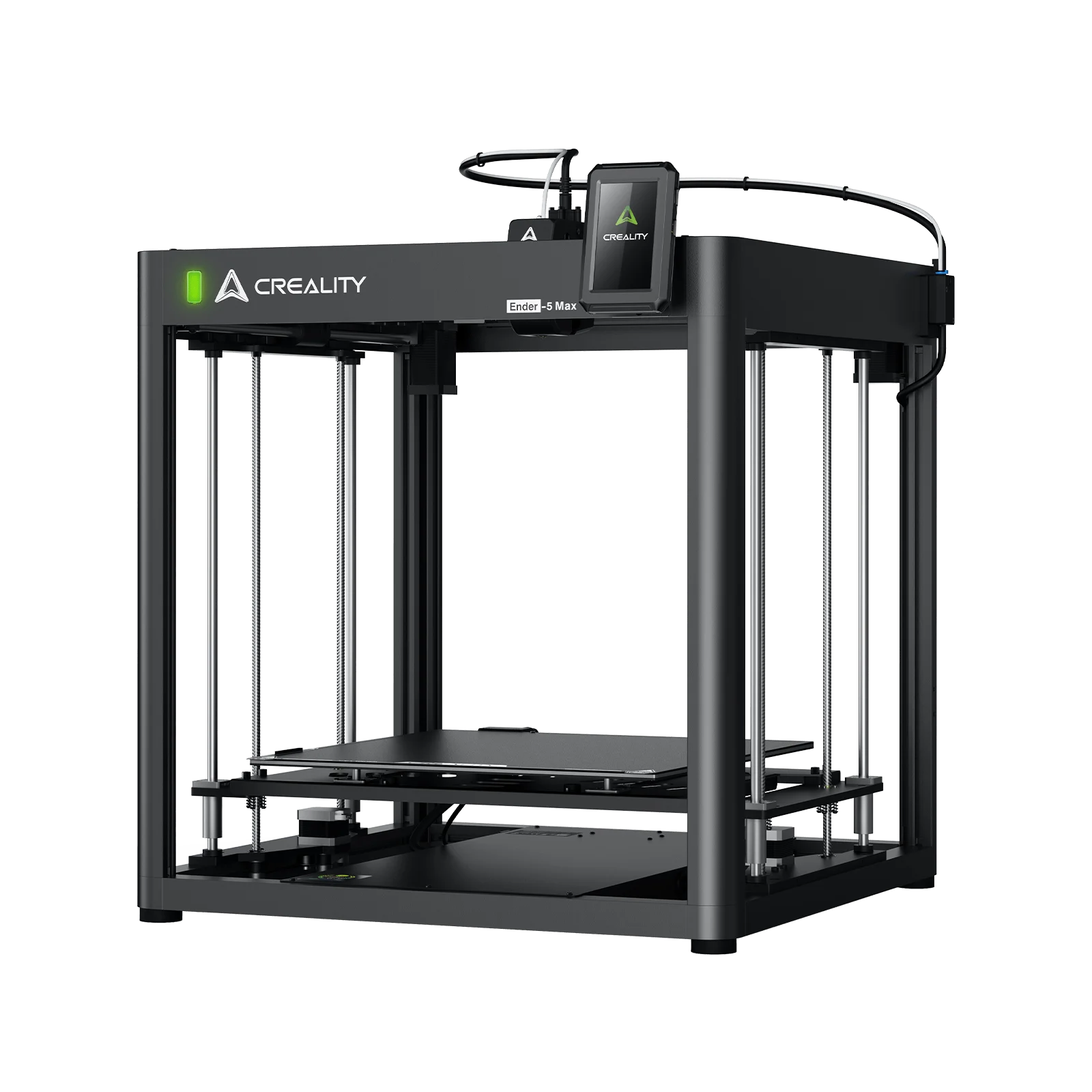
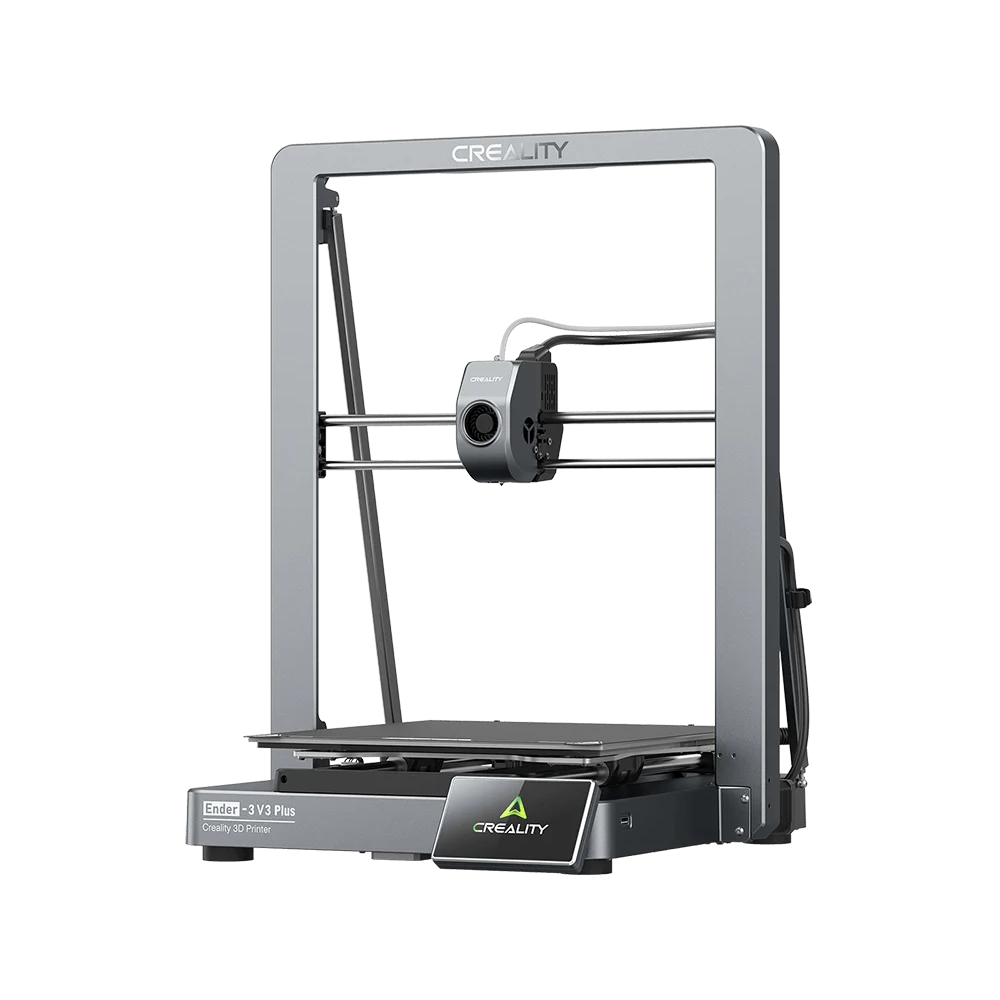
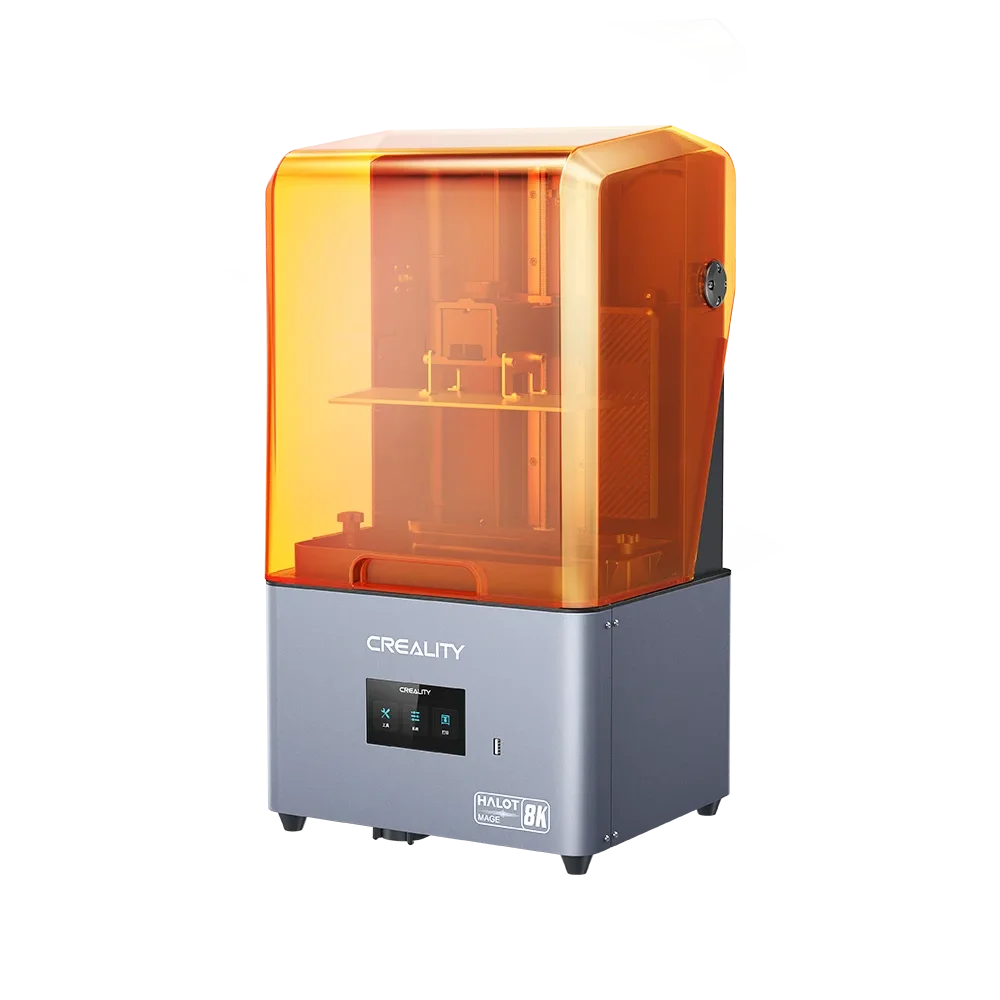
Creating a truly satisfying fidget toy is more than just about downloading a file and hitting print. Many of the best designs rely on complex, "print-in-place" mechanisms where gears, hinges, and links are printed fully assembled and must move freely right off the bed. This is where the precision of your hardware makes all the difference. Whether you are running a hobbyist workhorse like the Creality Ender-3 V3 or a high-speed powerhouse from the flagship series, Creality machines offer the exceptional dimensional accuracy required to prevent these intricate parts from fusing together.
Ready to turn a spool of PLA filament into mechanical magic? Let’s dive into everything you need to know to master the art of printing flawless fidgets.
Why 3D Printed Fidget Toys are the Best Calibration Tests
When you are new to the 3D printing hobby, printing giant statues or complex multi-part models right out of the gate can be daunting. That is exactly why 3D printed fidget toys are the ultimate starting point. Think of them as the ultimate stealth calibration tests: while you think you are just making a fun desk toy, you are actually learning how your printer handles vital concepts like structural tolerances and mechanical clearances.
If your printer can successfully execute a print-in-place infinity cube without the tiny hinges fusing together, your machine is dialed in perfectly.
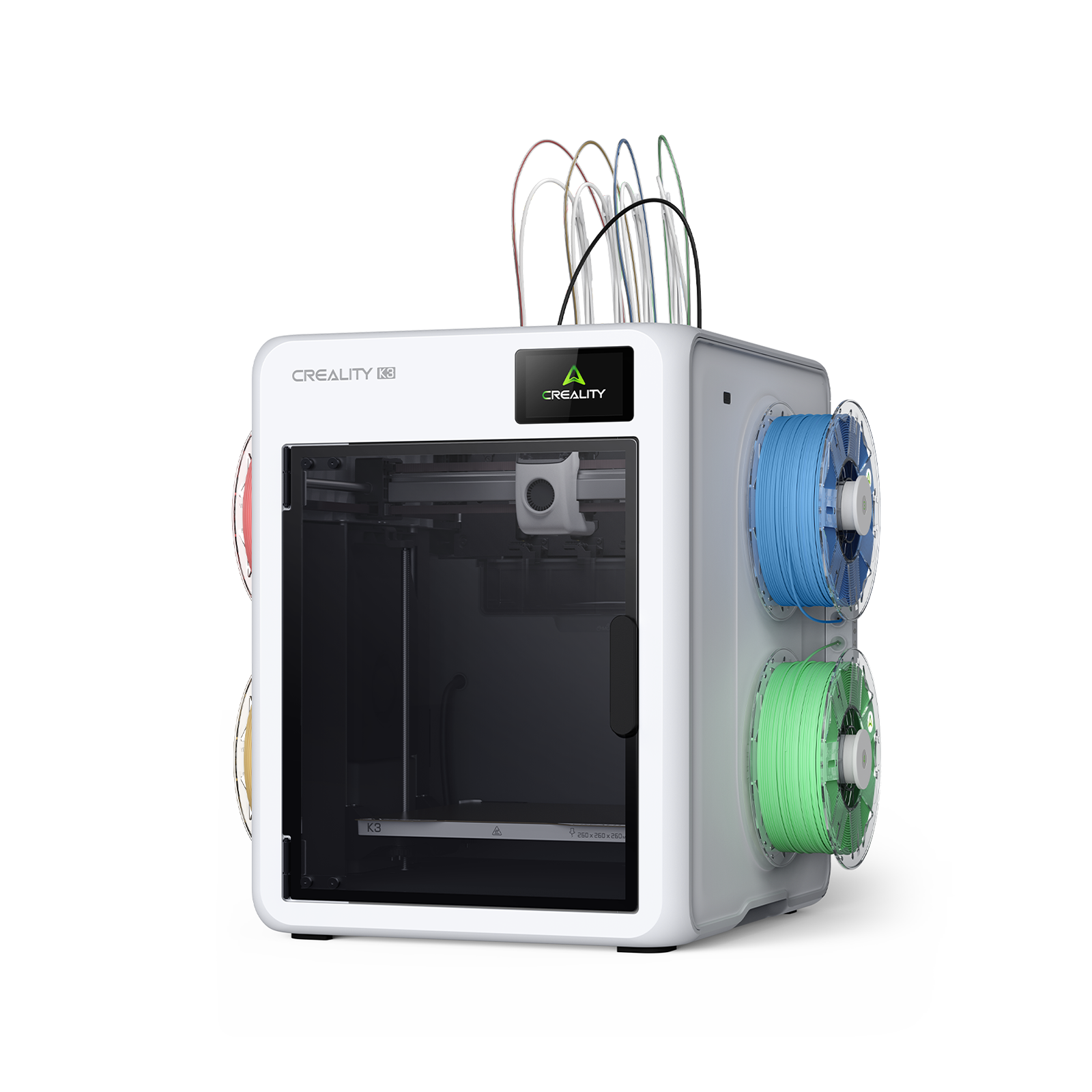
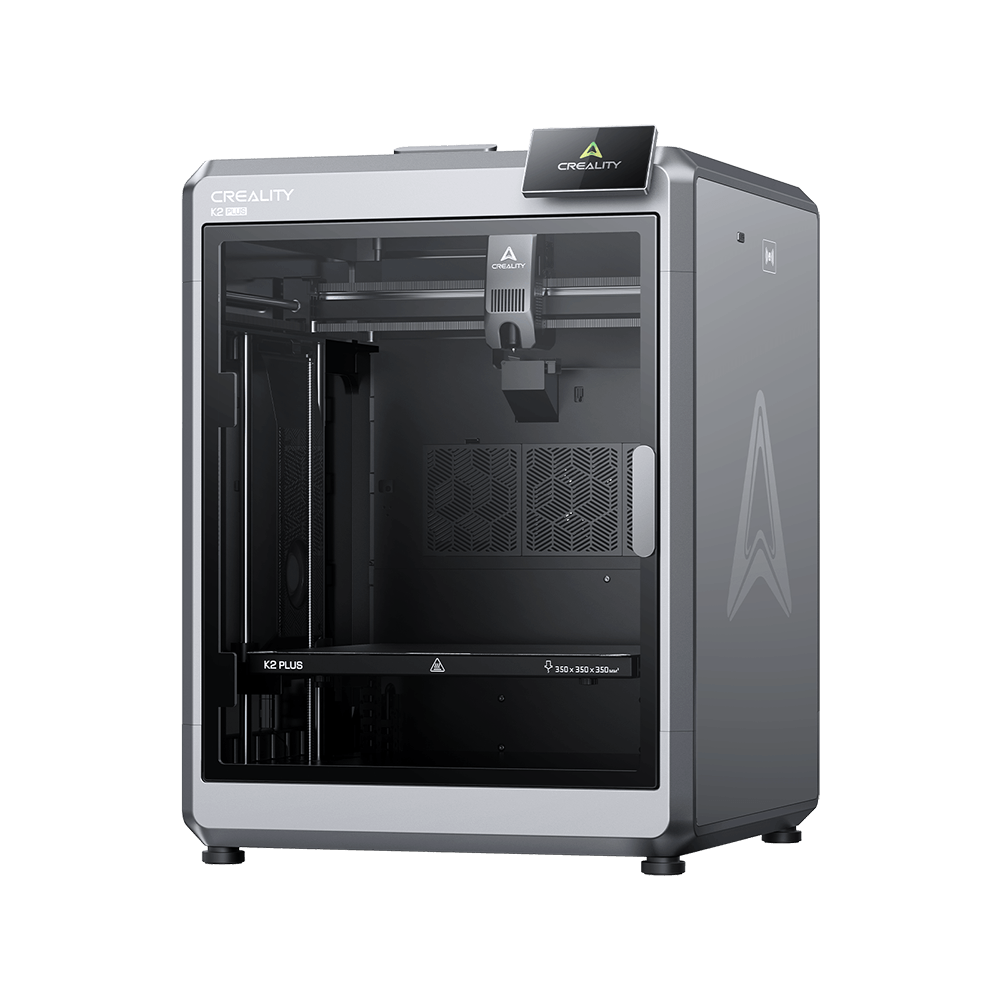
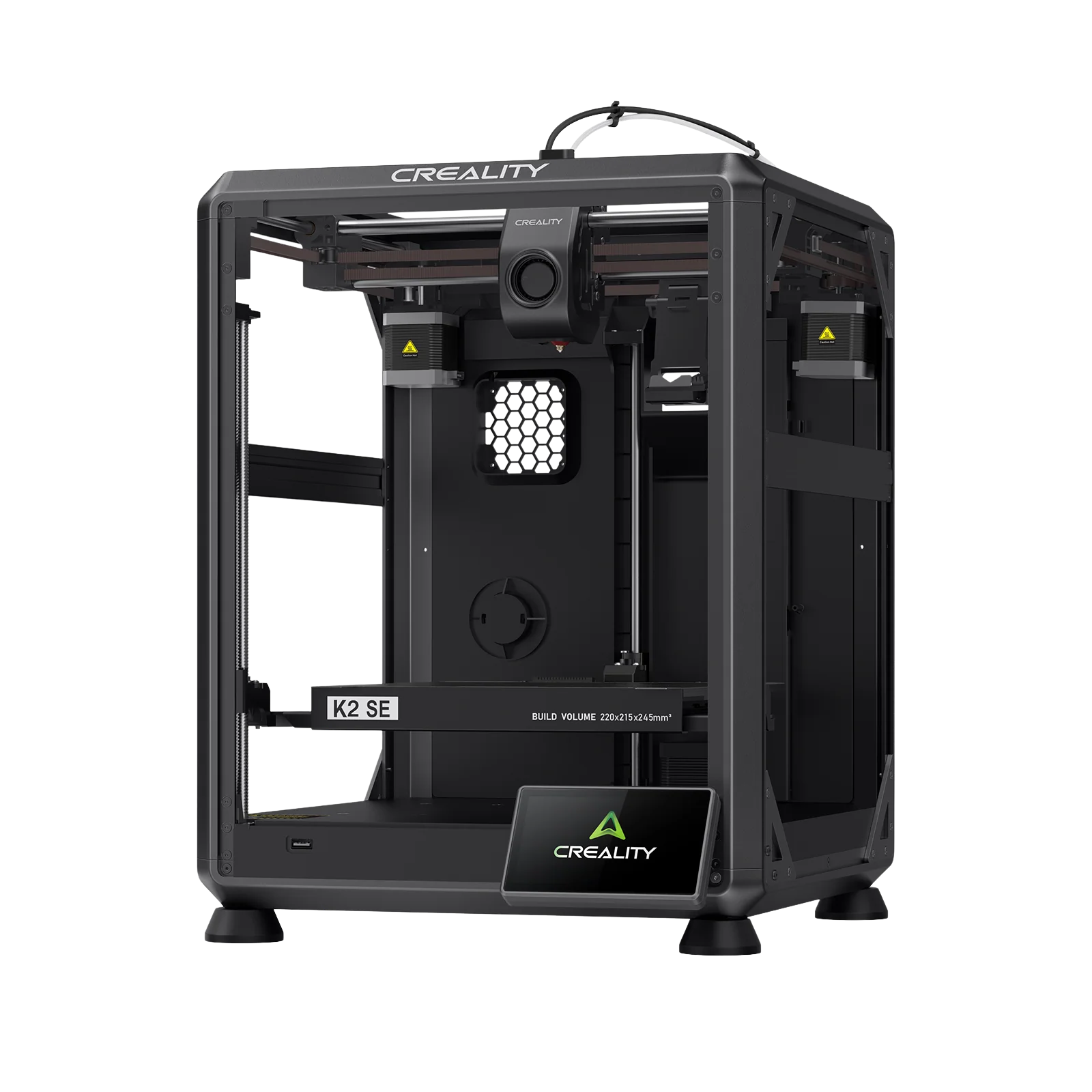
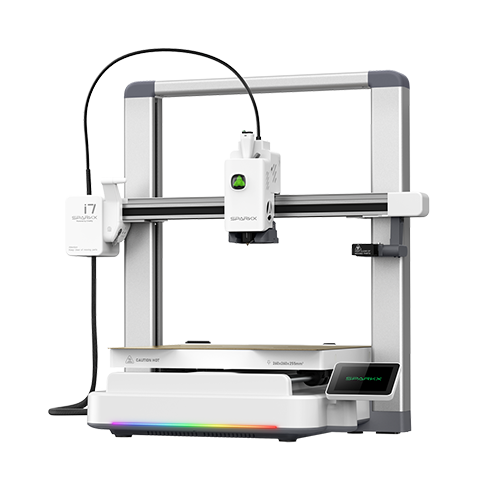
Beyond the technical learning curve, these projects sit at a fascinating intersection of mechanical engineering and pure creativity. They show you firsthand how plastic can be transformed into fluid, moving machinery. Best of all, getting started is completely frictionless. By using Creality Cloud, beginners can browse thousands of community-verified designs, slice them using optimal pre-configured profiles, and sync the files directly to k2 plus or SPARKX i7 printer with a single tap.
Mastering Print-in-Place Mechanisms
The magic of modern 3D printed fidget toys lies within a design technique known as print-in-place. Traditionally, creating a mechanical object meant printing individual components separately and putting them together with glue or screws. Print-in-place completely rewrites that playbook. By leaving microscopic, strategic air gaps between interlocking parts during the design phase, your printer can build fully functional gears, hinges, and interlocking links that come off the build plate already assembled and ready to move.
To pull this off successfully, your setup needs flawless dimensional accuracy. If your printer over-extrudes plastic by even a fraction of a millimeter, those designed air gaps vanish, and your spinning gears turn into a solid, fused block of plastic.
Achieving this level of precision comes down to a calibrated Creality Print slicer workflow. When slicing your fidget model, pay special attention to your first layer settings. If your nozzle is too close to the bed, it causes an elephant’s foot, which instantly fuses the bottom layers of gears or hinges. By optimizing your initial layer height, dialling in a precise Z-offset, and using high-quality PLA filament, Creality Print ensures the foundation of your mechanical motion is crisp, clean, and completely friction-free.
Hardware and Materials for High-Quality Fidgets
Achieving flawless mechanical motion requires a smart combination of the right materials and reliable hardware. Even a perfectly sliced file can fail if your filament drags or your print bed loses its grip halfway through the project.
PLA vs. PETG for Fidgets
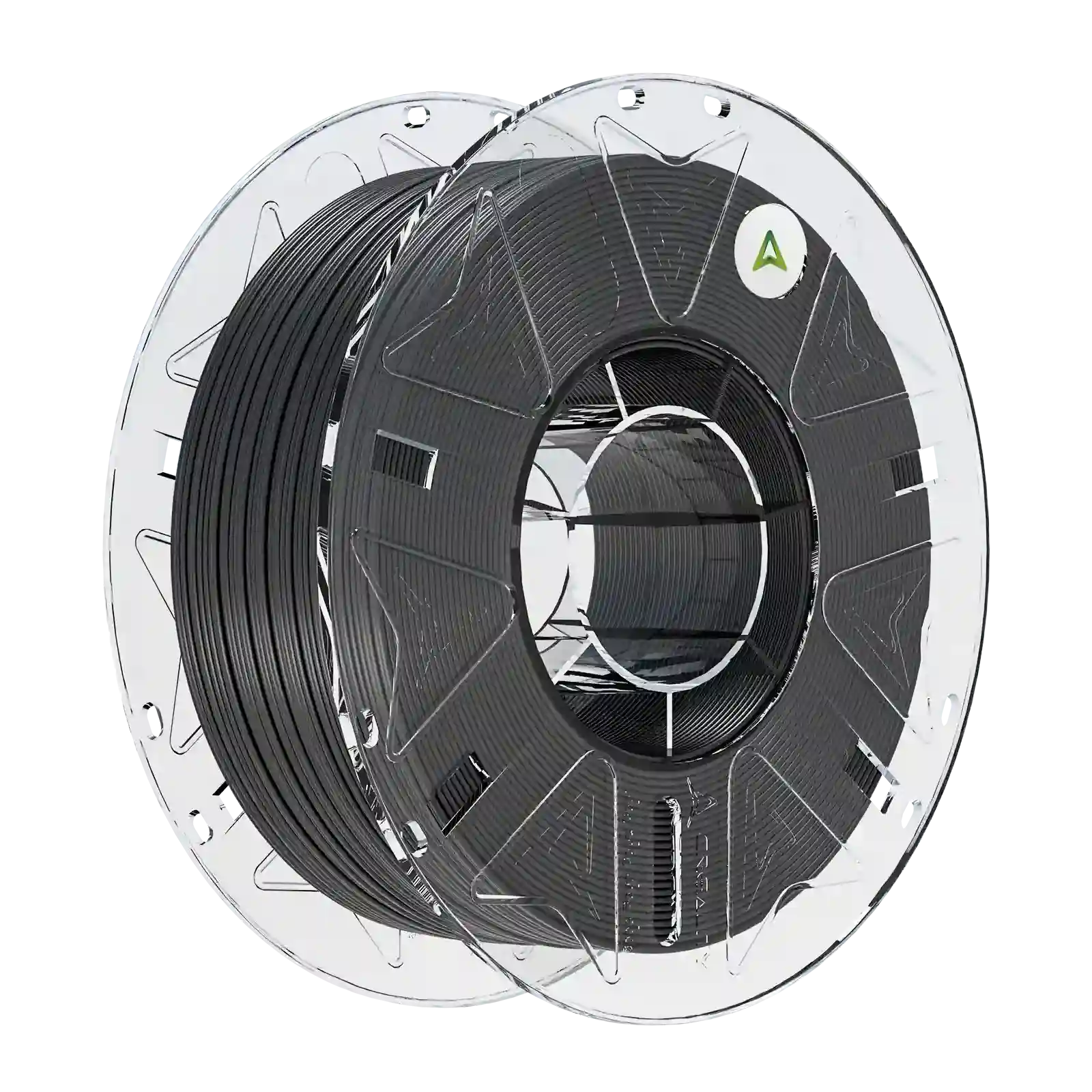
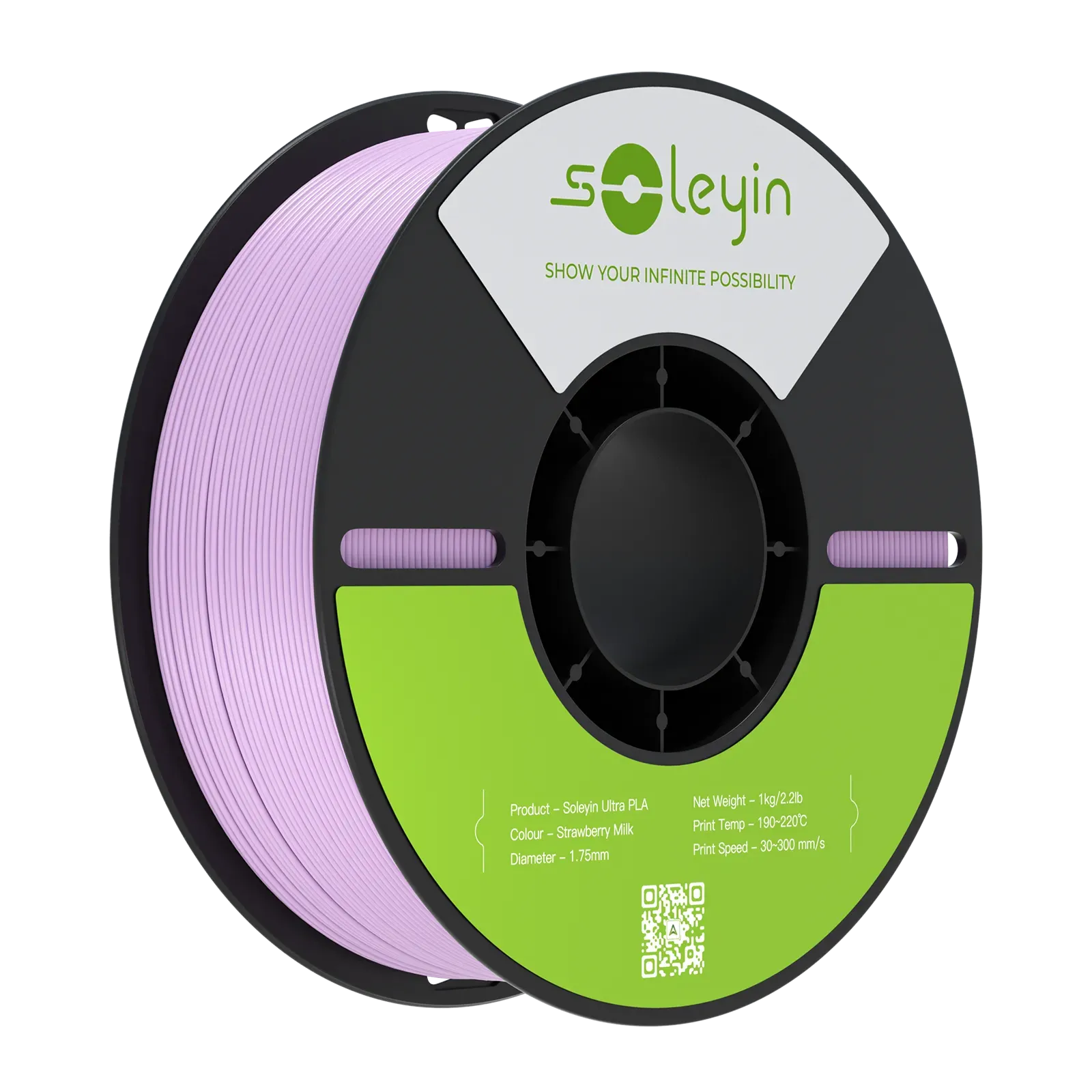
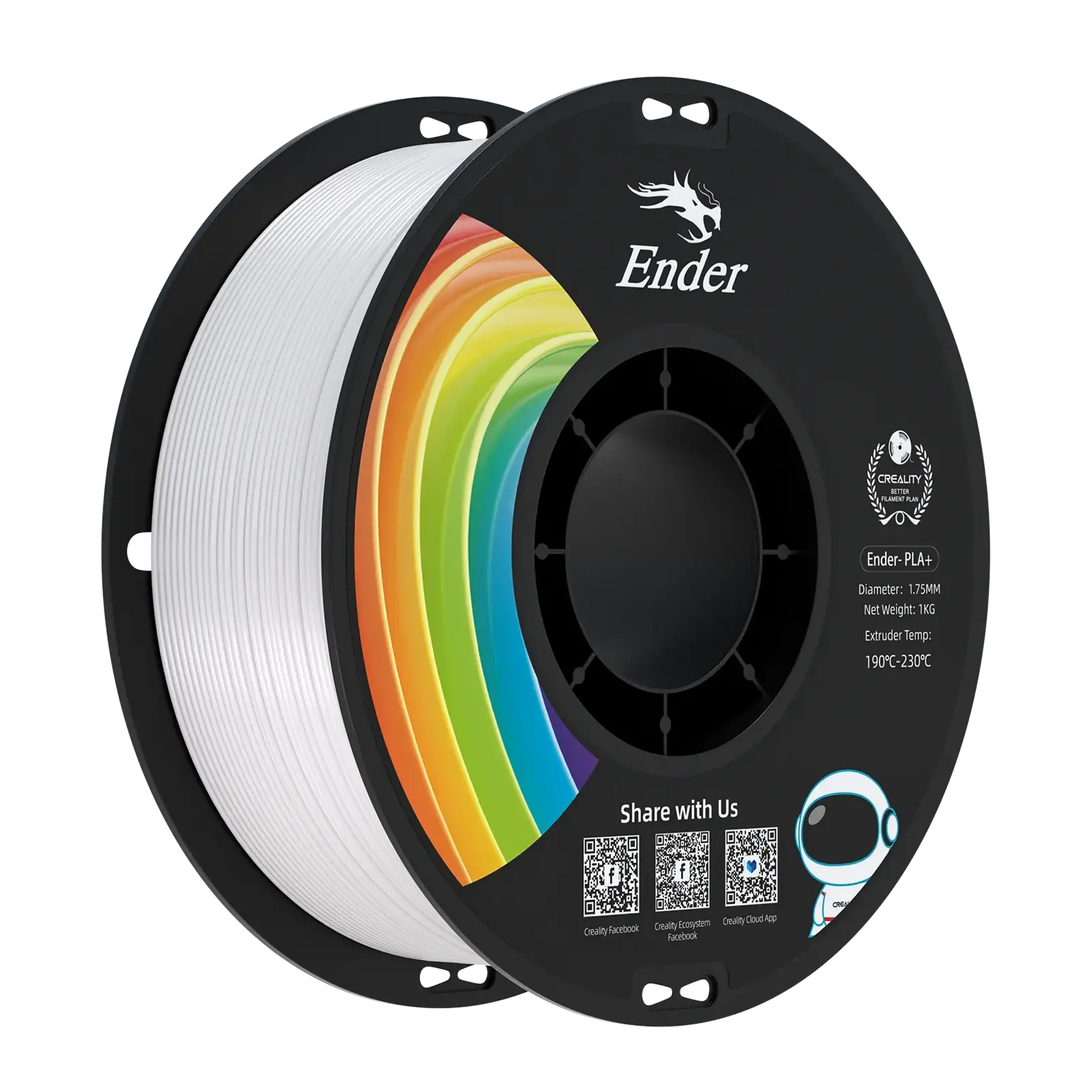
When it comes to 3D printed fidget toys, PLA filament is widely considered the undisputed gold standard. Materials like standard Creality PLA or high-speed Hyper PLA offer incredible rigidity and structural crispness, meaning small gear teeth and snap-fit joints retain their sharp shapes without warping.
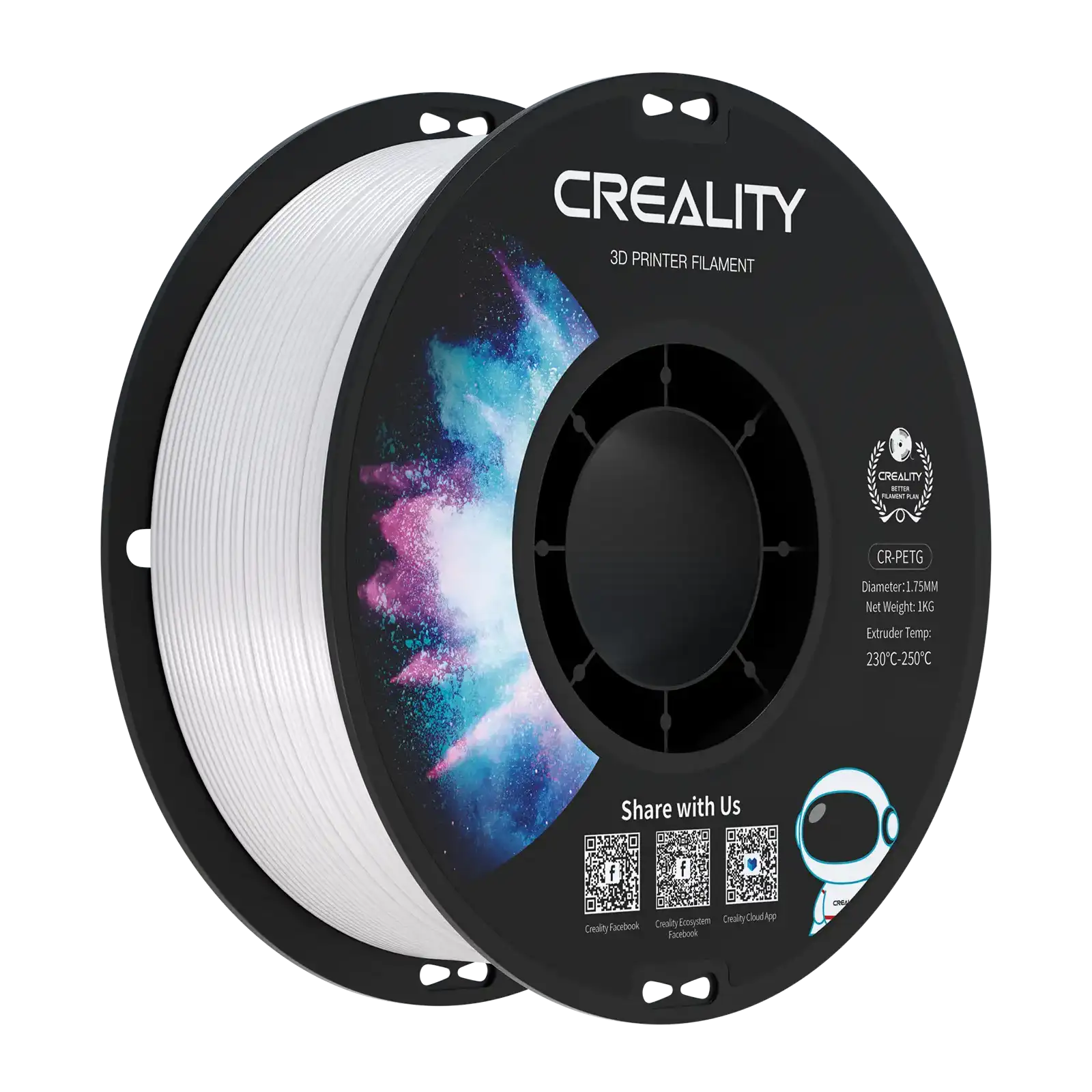
While PETG is highly durable and impact-resistant, it tends to be more flexible and prone to stringing, those microscopic hairs of plastic that can easily jam up tight tolerances. For crisp clicks and fluid spins, PLA delivers the effortless printability you need.
The Importance of a PEI Build Plate
Many fidget designs, like flexible animals or articulated chains, feature very small contact areas on the print bed. If a single link detaches mid-print, the entire project is ruined.
Creality’s PEI Spring Steel Plates solve this by providing exceptional first layer adhesion without the need for messy glues. The textured or smooth PEI surface ensures bottom-layer consistency, thus eliminating elephant's foot while ensuring that intricate, multi-part linked structures remain firmly anchored until the print is complete.
Extruder Precision
The secret to preventing fused hinges on an infinity cube or a gyroscope is ultra-precise plastic flow. Hardware like Creality's Sprite Extruder or the advanced direct-drive systems on the K1 series provide uniform, slip-free filament feeding. This high level of volumetric consistency is vital when your printer is rapidly darting back and forth to lay down the tiny, complex geometries that make fidget gadgets so satisfying to play with.
Popular 3D Printed Fidget Toy Designs
If you are ready to test your printer’s capabilities and create some seriously satisfying desktop gadgets, here are the top five types of 3D printed fidget toys to download from Creality Cloud today.
-
Infinity Cubes (Testing Hinge Accuracy): These classic blocks fold over themselves in an endless loop. Because they rely on a series of tiny, interconnected print-in-place hinges, they serve as an excellent test for your machine's dimensional accuracy and clearance capabilities.
-
Gyro Fidgets (Testing Overhangs and Bed Leveling): Consisting of concentric rings that spin independently on multiple axes, gyroscopes demand perfect bed leveling. They feature steep, curved overhangs that show off how well your cooling fans handle printing in mid-air.
-
Fidget Spinners (Testing Balance and Bearings): To get those ultra-long spin times, you will print a balanced frame designed to tightly press-fit standard 608 bearings. This project is a fantastic benchmark for checking if your printer cuts perfectly round holes.
-
Flexi-Animals (Testing First-Layer Adhesion): From articulated slugs to dragons, these toys use hundreds of small, interlocking chain links. They require flawless first layer adhesion, since a single loose link can easily ruin the entire print.
-
Clicker and Toggle Toys (Testing Tight Tolerances): Mimicking switches, sliders, or gears, these toys provide crisp acoustic and tactile feedback. They require precise, tight tolerances to ensure the moving parts snap and slide smoothly without binding.
Frequently Asked Questions About 3D Printed Fidget Toys
What are the best 3D printed fidget toys for beginners?
Print-in-place infinity cubes, simple spinning tops, or articulated flexi-slugs are perfect for beginners. These designs generally have slightly wider mechanical gaps, making them highly forgiving if your printer’s configuration isn't completely perfect yet.
How do I stop my 3D printed fidget toy parts from fusing?
Fusing is almost always caused by over-extrusion or poor clearance calibration. To fix this, verify your extrusion multiplier (flow rate) is calibrated properly in the Creality Print slicer and check your belt tension to ensure maximum dimensional accuracy.
What is the best material for 3D printed fidget toys?
PLA filament is highly recommended. It offers the structural rigidity, sharp edge crispness, and low warp characteristics needed for tiny interlocking parts.
Do I need extra hardware for fidget toys?
Most print-in-place fidgets are completely self-contained and require zero extra hardware. However, classic fidget spinners or complex gear setups are often designed to press-fit standard 608 ball bearings or small neodymium magnets for tactile feedback.
Why is my print-in-place fidget stuck?
This is frequently caused by the elephant's foot, a widening of the very first layer that happens when the nozzle is slightly too close to the bed or when the bed temperature is too high. Adjust your Z-offset up slightly or reduce your initial layer flow rate by a few percent to resolve it.
What print speed should I use for fidgets?
While you can utilize ultra-high-speed modes on machines like the Creality K1 series for the main body, it is best to slow down your first layer to 20–30 mm/s. Slowing down the base ensures that tiny, intricate footprints adhere perfectly to the build plate.
Start Your Fidget Collection Today
At first glance, 3D printed fidget toys look like simple desk gadgets. In reality, they are brilliant technical benchmarks that showcase exactly what your machine can do. Every fluid spin, crisp click, and flexible link is proof of a perfectly dialed-in setup.
Ready to start creating? Head over to Creality Cloud to discover thousands of incredible community designs, or upgrade your production capabilities with the exceptional precision of the latest Creality 3D printers.