
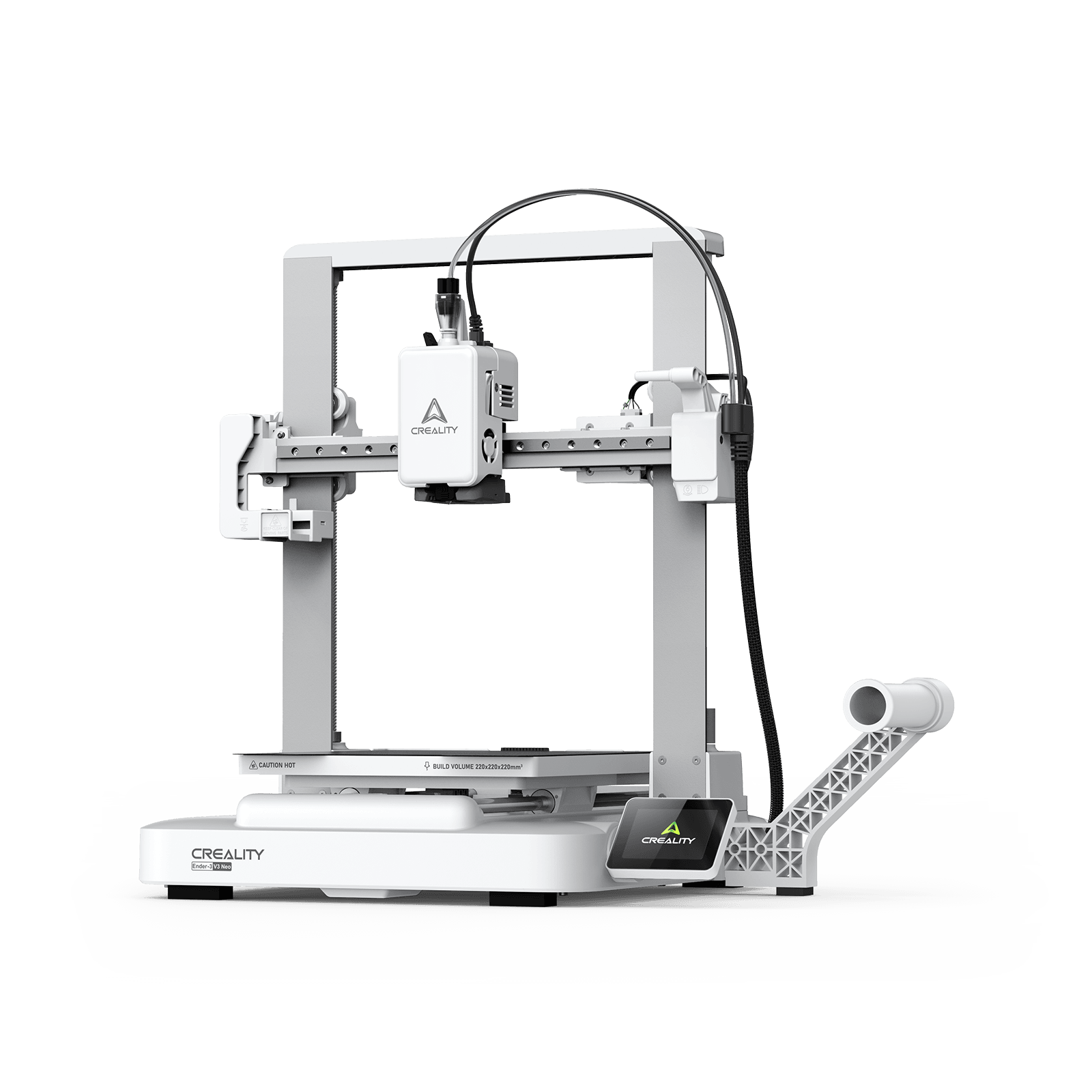
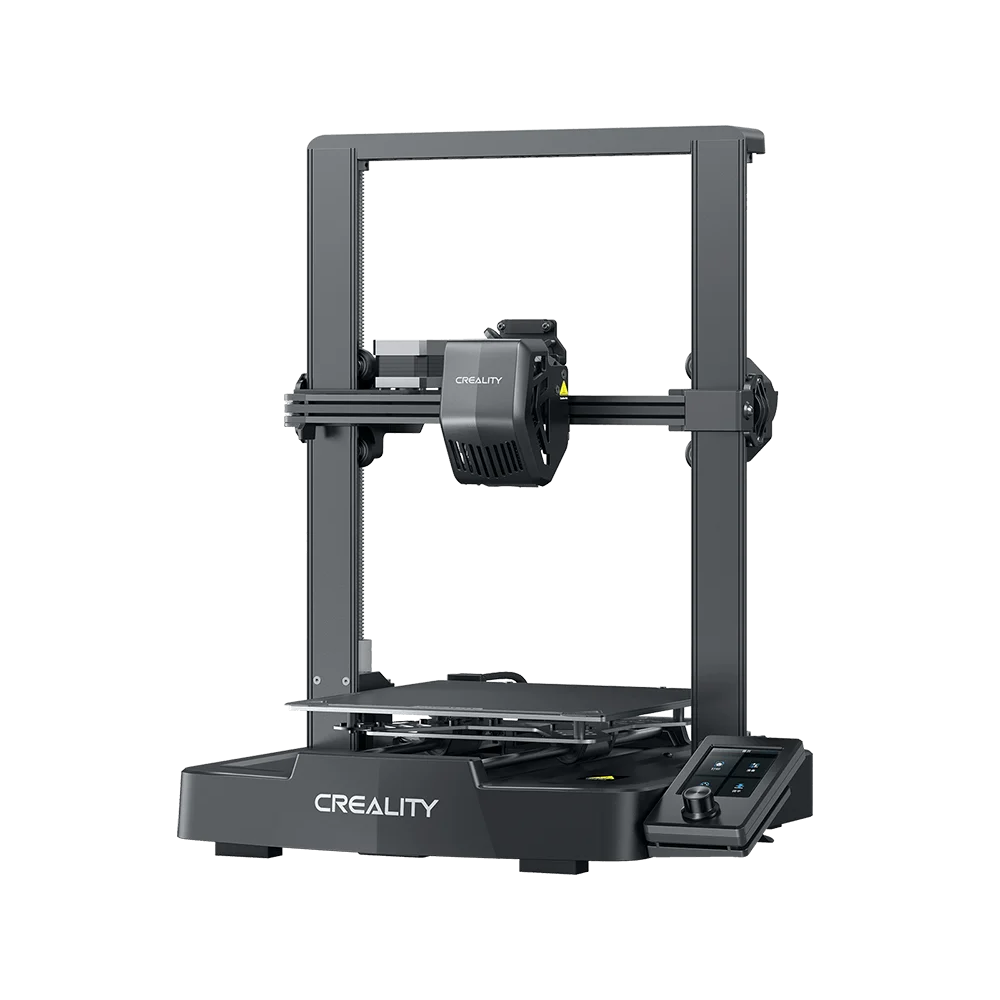
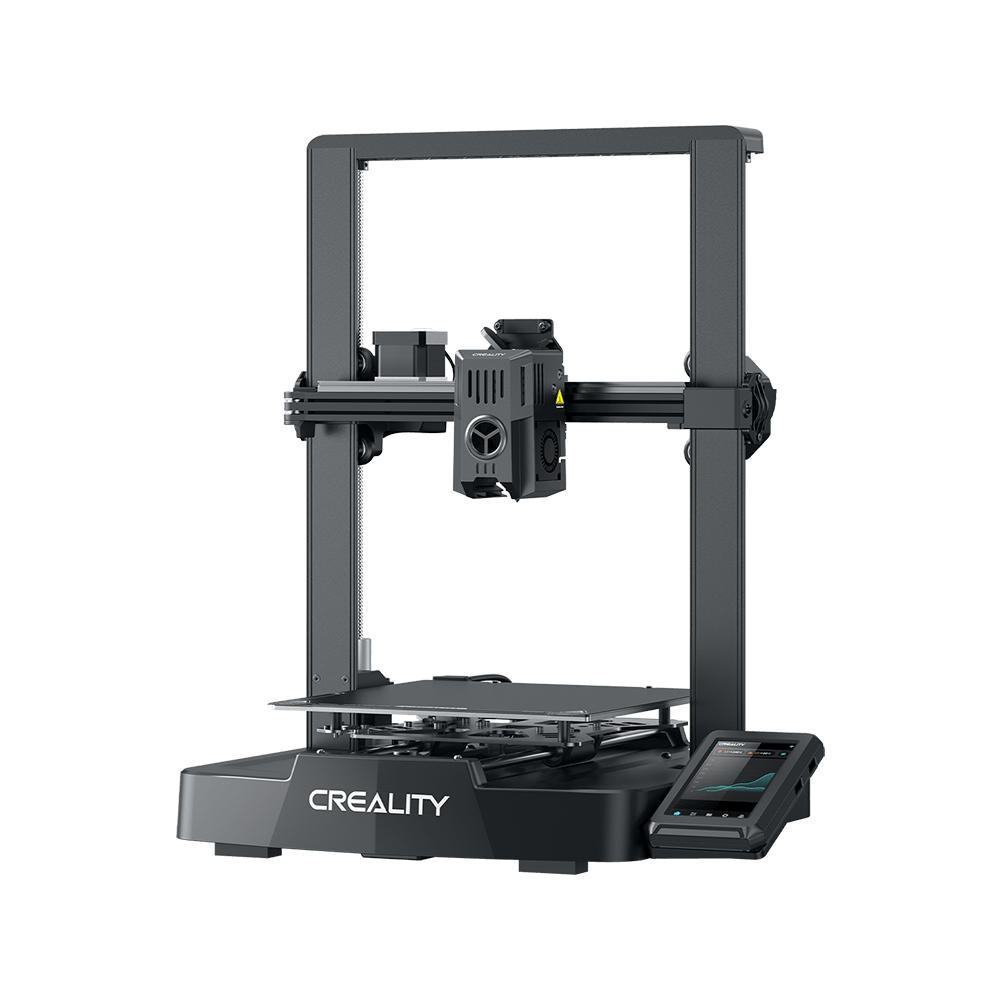
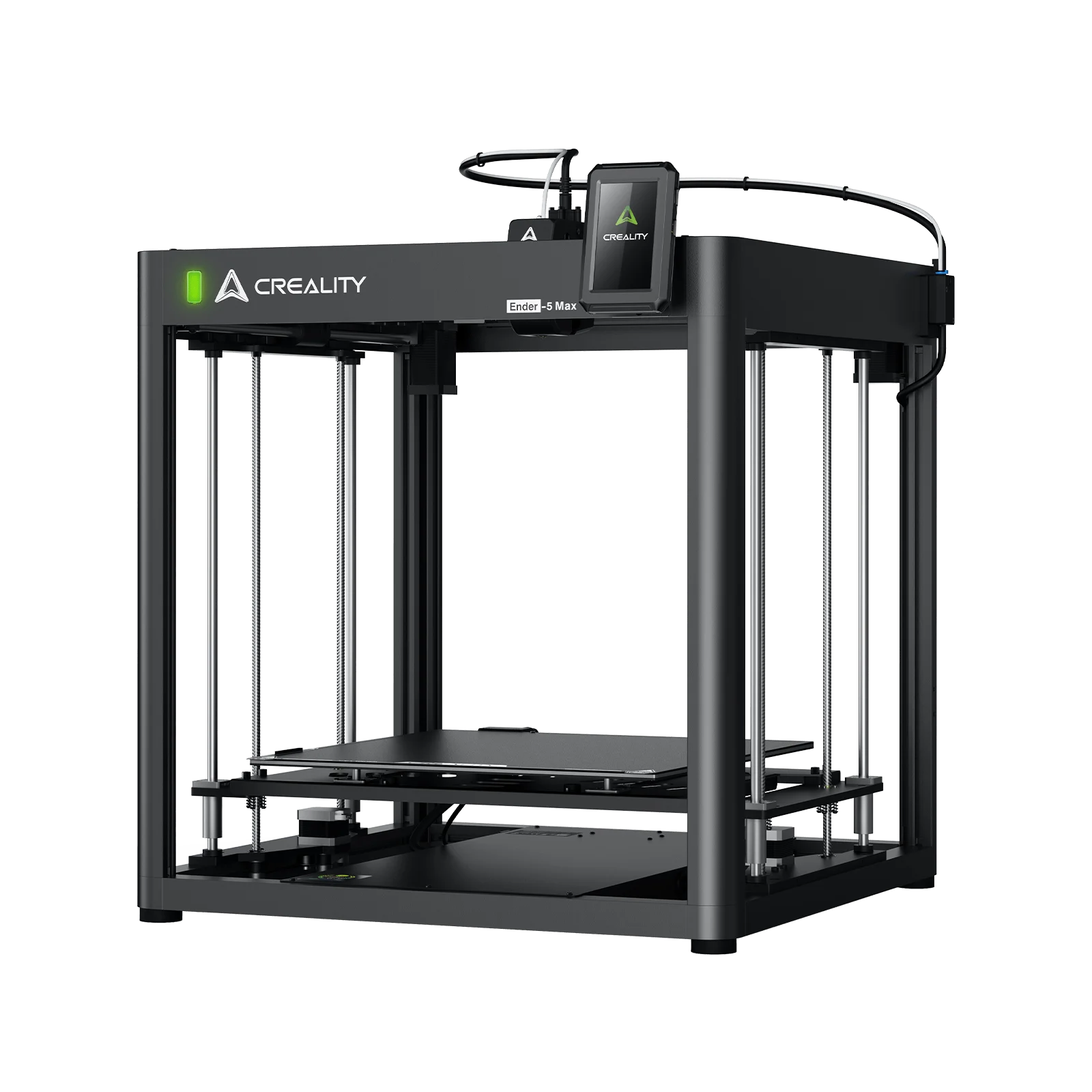

You’ve invested in a 3D printer and spent hours working on your first design, but it’s not printing properly. Understanding 3D printing filament types is one of the most important lessons for any hobbyist. Different types of filament will behave in their own way, and your chosen filament will determine the strength, flexibility, heat resistance, surface finish, and durability of your 3D model.
In this guide, we’re covering 18 different types of filament for 3D printing to help you find the best 3D print filament for every project. We’ll break these filament types down by sharing their benefits, what they struggle with, how you can use them, and the type of hobbyist that they’re suitable for.
What Are 3D Printing Filament Types?
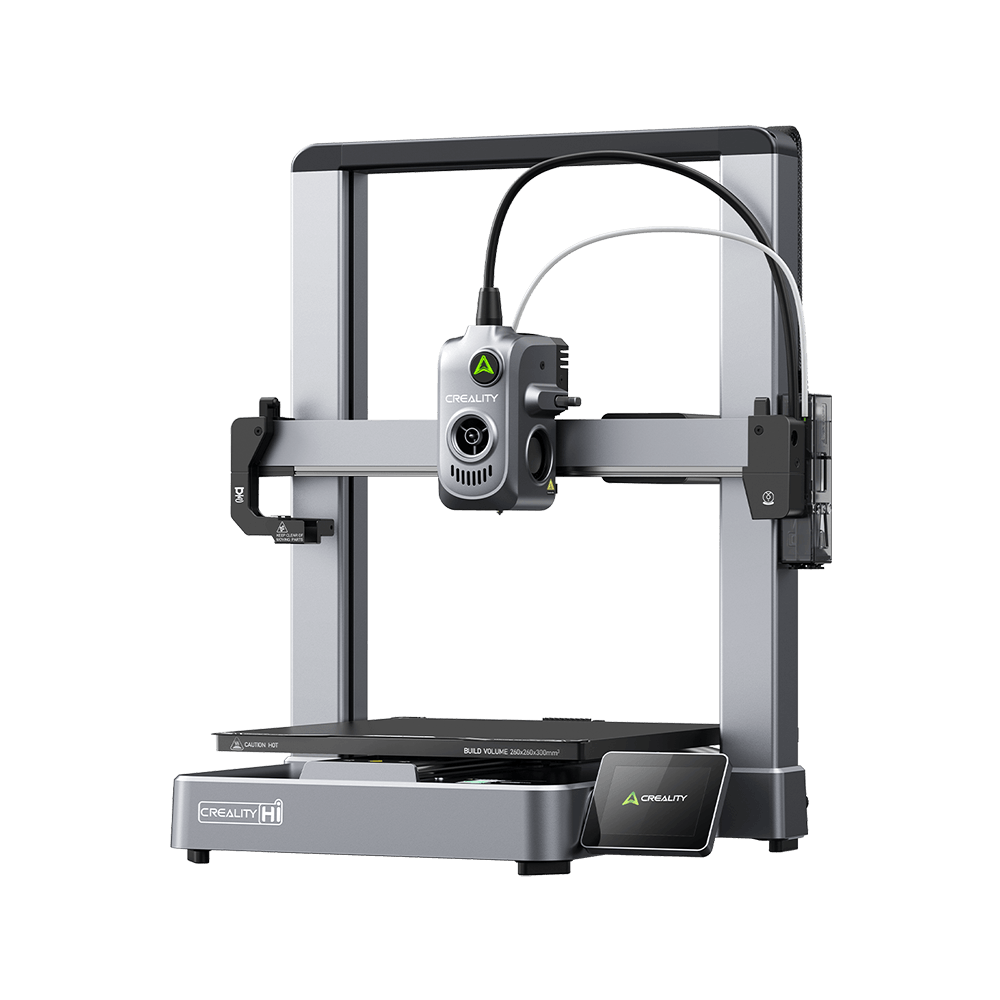
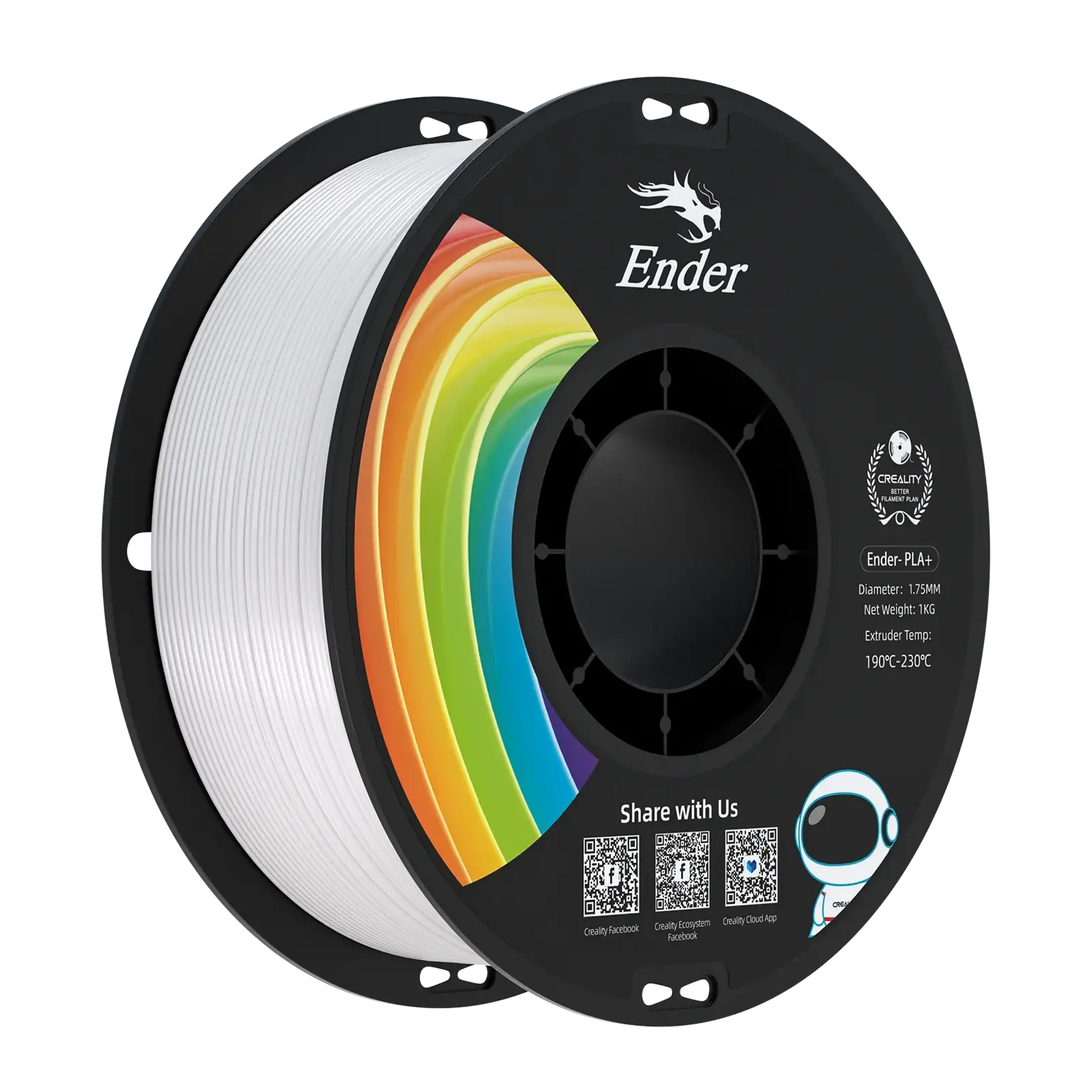
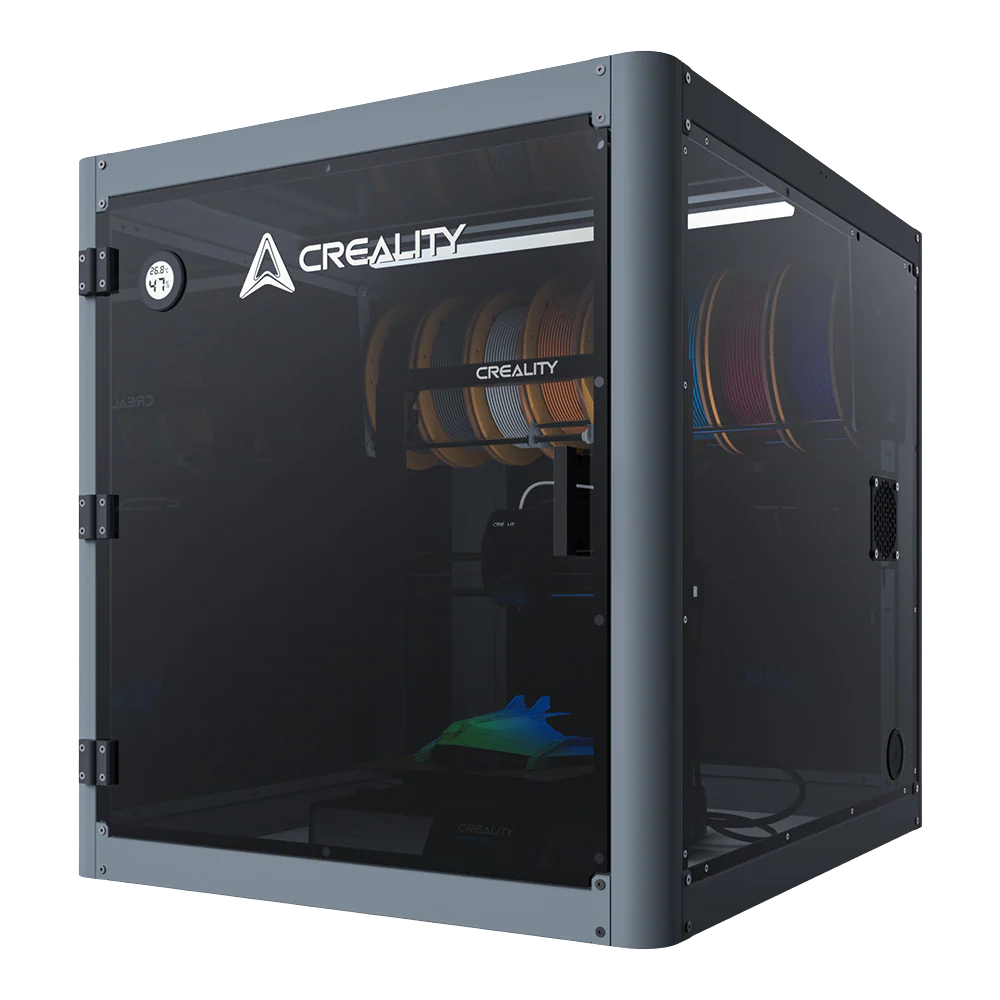
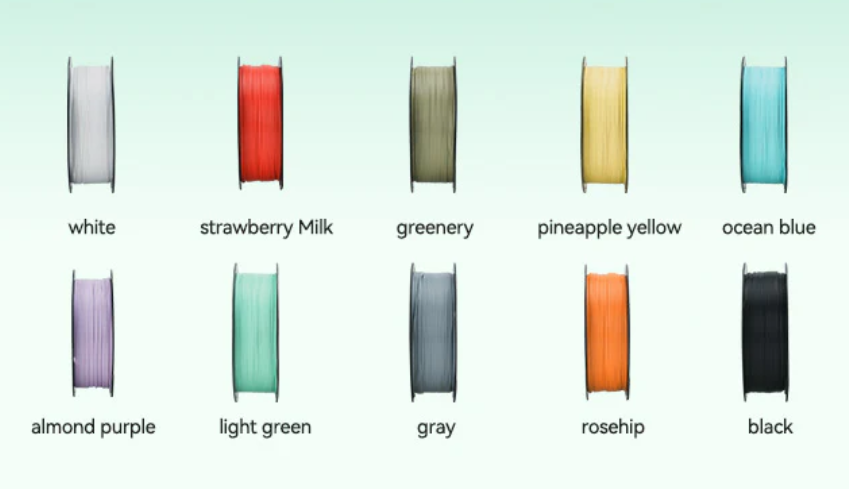
A 3D printing filament is a thermoplastic material that is sold in spools. This string-like material is used in 3D printers with the spools allowing for easy feeding. The plastic is heated and melted into the printer nozzle before being extruded layer-by-layer to bring your 3D design to life.
Most filaments will come in 1 of 2 sizes. 1.75mm diameter is common for consumer printers, while a larger 2.85mm diameter is typically used for industrial 3D printers. Your choice of 3D filament will impact some of the most important parts of your 3D model, including its temperature resistance, how easy the design will print, and how likely it is to warp.
It's best to consider different 3D printing filament types during the design process to find the one that’s most suitable. You’ll want to consider the capability of your printer, whether your model is intended to be decorative or functional, and how durable it needs to be. Below, we’re breaking down 18 of the best 3D print filaments to help you find the best option for your next design.
Standard & Beginner-Friendly Filaments
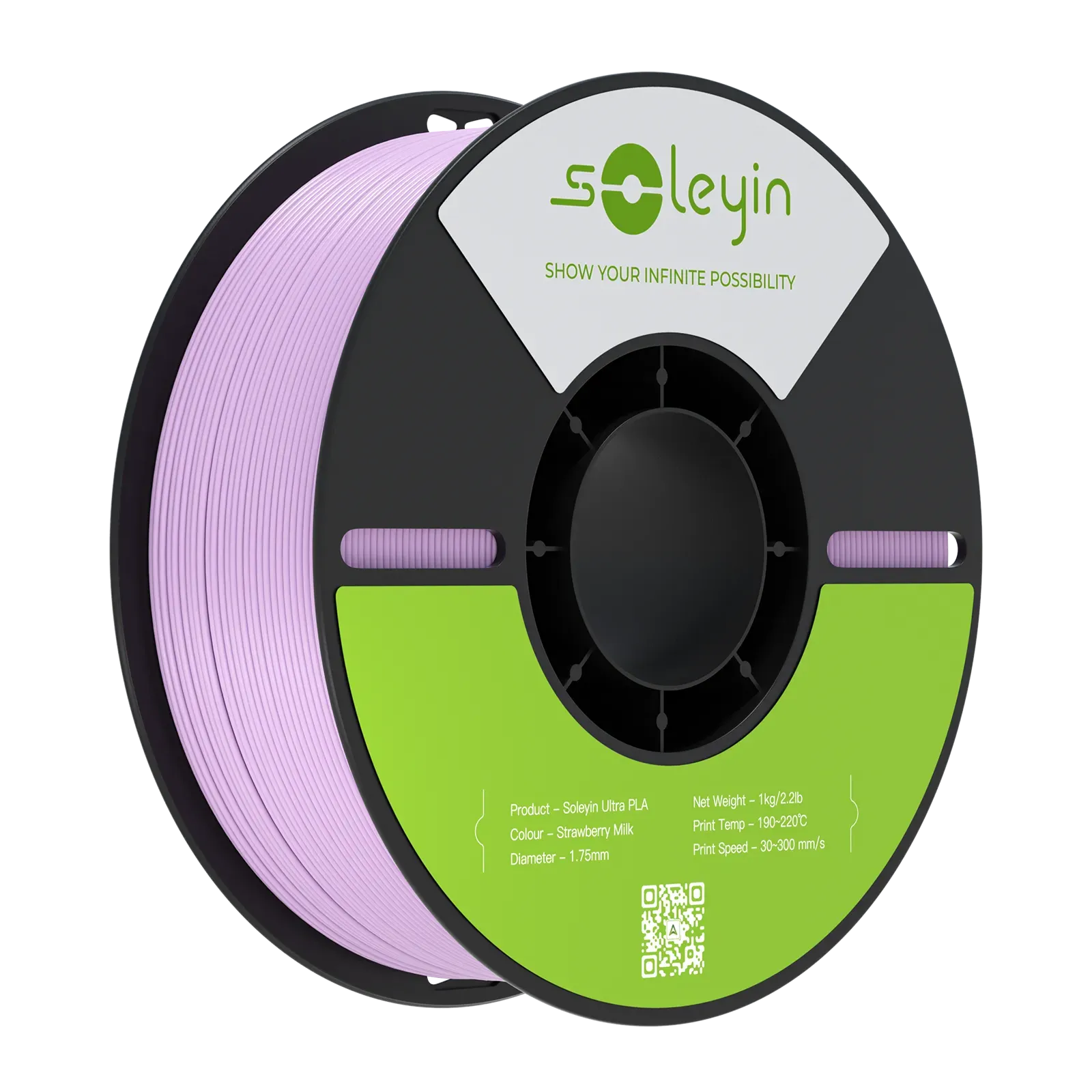
1.PLA (Polylactic Acid)
PLA is the most commonly used filament for 3D printers. It’s eco-friendly and easy to print with low warping, making it ideal for newcomers to the world of 3D printing. This type of filament does not require an enclosure, making it suitable for most printer models. While it’s ideal for prototypes and decorative items, PLA has low heat resistance and becomes brittle under stress.
2.ABS (Acrylonitrile Butadiene Styrene)
ABS is one of the most popular types of filament for 3D printing as it is strong and heat-resistant, although it can only be used in a 3D printer with a heated bed in a controlled environment. An ABS filament is a great option if you’re creating automotive components or functional parts. However, this filament type is prone to warping and produces an odor during printing.
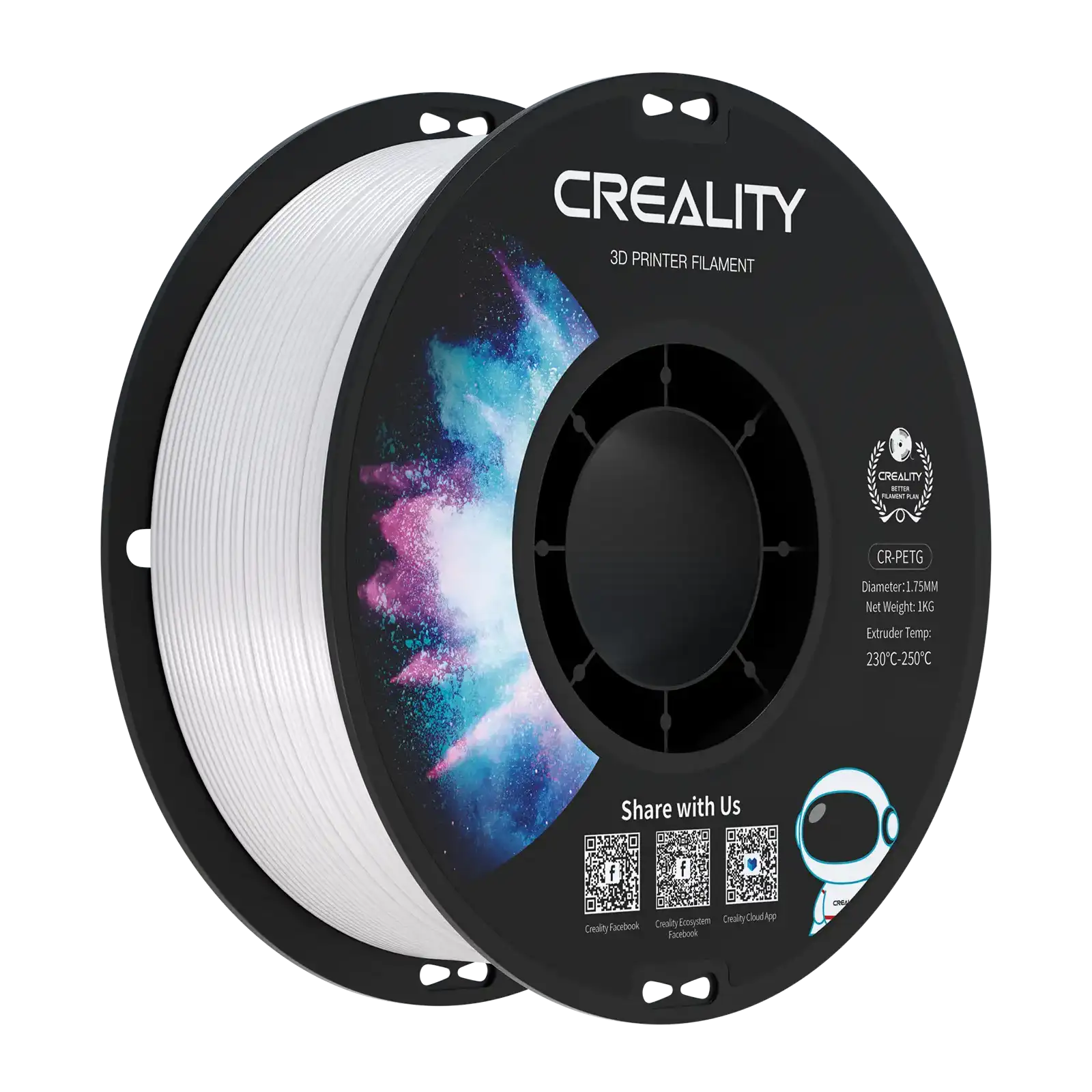
3.PETG (Polyethylene Terephthalate Glycol)
PETG is a filament that offers the best of both worlds, providing a similar strength to ABS with the same ease of use as PLA. It also requires a heated bed and a controlled environment and is one of the best 3D print filaments for beginners, known for being moisture-resistant with strong layer adhesion.
4.ASA
ASA filament is ideal for outdoor models as it’s UV-resistant, while having similar benefits to ABS. You’ll want to use this type of 3D printer filament when making garden fixtures, exterior enclosures, or models intended to be used extensively outside.
Flexible Filaments
5.TPU (Thermoplastic Polyurethane)
TPU is a highly flexible filament and one of the most popular for 3D printed phone cases, as it is shock-absorbent. It’s also a great option for wearable items, seals, and gaskets, but can be more difficult to use than PLA, making it better suited for more experienced users.
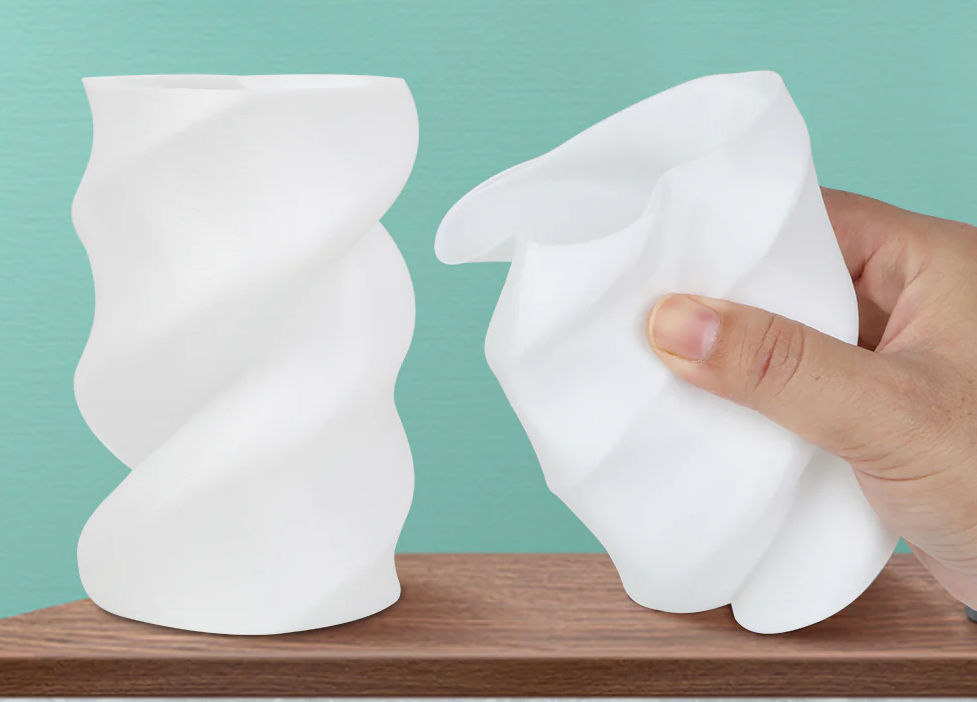
6.TPE (Thermoplastic Elastomer)
TPE is a different type of 3D print filament as it is softer and more elastic, making it popular for industrial appliances and creating flexible tubing or specialized mechanical components. This filament is typically only used by professionals or on an industrial level.
Engineering & High-Performance Filaments
7.Nylon (Polyamide)
Nylon, also known as polyamide, is one of the best 3D print filaments due to its durability and wear resistance, making it suitable for functional parts. Its slight flexibility makes it ideal for creating functional mechanical parts, including gears and hinges. However, it is known for easily absorbing moisture.
8.Polycarbonate (PC)
Polycarbonate is a high-heat-resistant filament that is typically used for structural components due to its strong impact resistance. This type of filament requires a higher nozzle temperature, which is worth considering when choosing to use it for your 3D model.
9.PEEK
PEEK is an industrial-grade, high-performance material that offers extreme heat and chemical resistance. You’ll typically only see this type of filament used on an industrial level, especially for medical and aerospace equipment.
10.PEI (Ultem)
PEI is one of the most popular 3D printing filament types and is designed for extreme environments. This high-performance thermoplastic is flame-resistant, making it ideal for aerospace and industrial applications.
Composite & Specialty Filaments
11.Carbon Fiber Reinforced Filament
This 3D filament guide wouldn’t be complete without mentioning some specialty filaments, such as carbon fiber reinforced filament. This filament is used for lightweight appliances and has high stiffness, reducing the likelihood of warping. It can be used with a hardened nozzle to create RC parts, structural prints, or components for drones.
12.Glass Fiber Reinforced Filament
Glass fiber reinforced filament has enhanced strength, improved durability, and rigidity. It’s typically used for reinforced prototypes and mechanical parts.
13.Wood-Filled Filament
This filament contains real wood fibers, making it sandable and stainable for decorative and artistic pieces.
14.Metal-Filled Filament
A type of 3D printer filament that offers a metallic finish and a heavier feel. It can also be polished, making it suitable for sculptures and display models.
15.Glow-in-the-Dark Filament
This 3D printer filament contains phosphorescent additives, giving it a luminous effect as it absorbs and emits light. It’s a great option for projects like safety markers and novelty prints.
16.Silk PLA
Silk PLA has a glossy surface finish and smooth appearance, making it popular for decorative models and display prints.
Support & Special-Purpose Filaments
17.PVA (Water-Soluble Support)
PVA is a dissolvable filament that is used as support material for complex 3D models. It requires a dual extrusion setup and is best used by more experienced hobbyists.
18.HIPS (High Impact Polystyrene)
HIPS is another dissolvable support option, typically used alongside ABS for engineering appliances. It’s lightweight and dissolves in limonene.
Overview of Different Types of Filament
|
Filament
|
Strength
|
Flexibility
|
Heat Resistance
|
Print Difficulty
|
Best For
|
|
PLA
|
Brittle under stress
|
Rigid
|
Low
|
Easy
|
Decorative items and prototypes
|
|
ABS
|
Impact resistant
|
Rigid
|
Low
|
Easy
|
Functional parts
|
|
PETG
|
Strong layer adhesion
|
Semi-flexible
|
Moderate
|
Easy
|
Mechanical parts and outdoor decorative items
|
|
ASA
|
Impact resistant
|
Rigid
|
High
|
Moderate
|
Outdoor fixtures
|
|
TPU
|
Shock-absorbent
|
Flexible
|
Moderate to good
|
Moderate
|
Wearable items and phone cases
|
|
TPE
|
Durable
|
Very elastic
|
Moderate
|
Moderate
|
Industrial parts
|
|
Nylon
|
Strong
|
Slightly flexible
|
High
|
Moderate to high
|
Gears and hinges
|
|
Polycarbonate
|
Impact resistant
|
Moderate flexibility
|
Very
|
Difficult
|
Structural components
|
|
Peek
|
Extremely strong
|
Not flexible
|
Extreme
|
Difficult, used only for industrial projects.
|
Aerospace and medical equipment
|
|
PEI
|
Exceptionally strong
|
Stiff and rigid
|
Flame-resistant
|
Difficult
|
Aerospace and industrial appliances
|
|
Carbon fiber reinforced filament
|
Strong and rigid
|
Stiff and rigid
|
High
|
Moderate to high
|
Drones and structural prints
|
|
Glass fiber reinforced filament
|
Very strong with high tensile strength
|
Stiff and rigid
|
Depends on base material
|
Moderate to high
|
Mechanical parts and reinforced prototypes
|
|
Wood filled filament
|
Moderately strong
|
Stiff and rigid
|
Low
|
Easy
|
Artistic prints and decorative pieces
|
|
Metal-filled filament
|
Not as strong as PETG or ABS
|
Heavy, rigid, and brittle
|
Low
|
Moderate to high
|
Display models and sculptures
|
|
Glow-in-the-dark filament
|
Generally, not strong
|
Can be, depending on base material
|
Depends on base material
|
Low
|
Safety markers and novelty prints
|
|
Silk PLA
|
Weak
|
More flexible than PLA
|
Low
|
Low
|
Display prints and decorative models
|
|
PVA
|
Moderate
|
Flexible and soft
|
Low
|
Difficult
|
Models with complex geometries
|
|
HIPS
|
Strong
|
Rigid
|
Moderate
|
Moderate to high
|
Functional engineering parts
|
How to Choose the Best 3D Print Filaments
The lesson of this 3D filament guide is that your goal should always be to choose the best 3D printing filaments for your specific project needs. Some types of filament for 3D printing require certain types of print settings, including higher nozzle temperatures and a heated bed.
Certain filaments may also require more ventilation, so it’s important to check the humidity and temperature around your workspace. In general, PLA and PETG are the best 3D print filaments for beginner hobbyists.
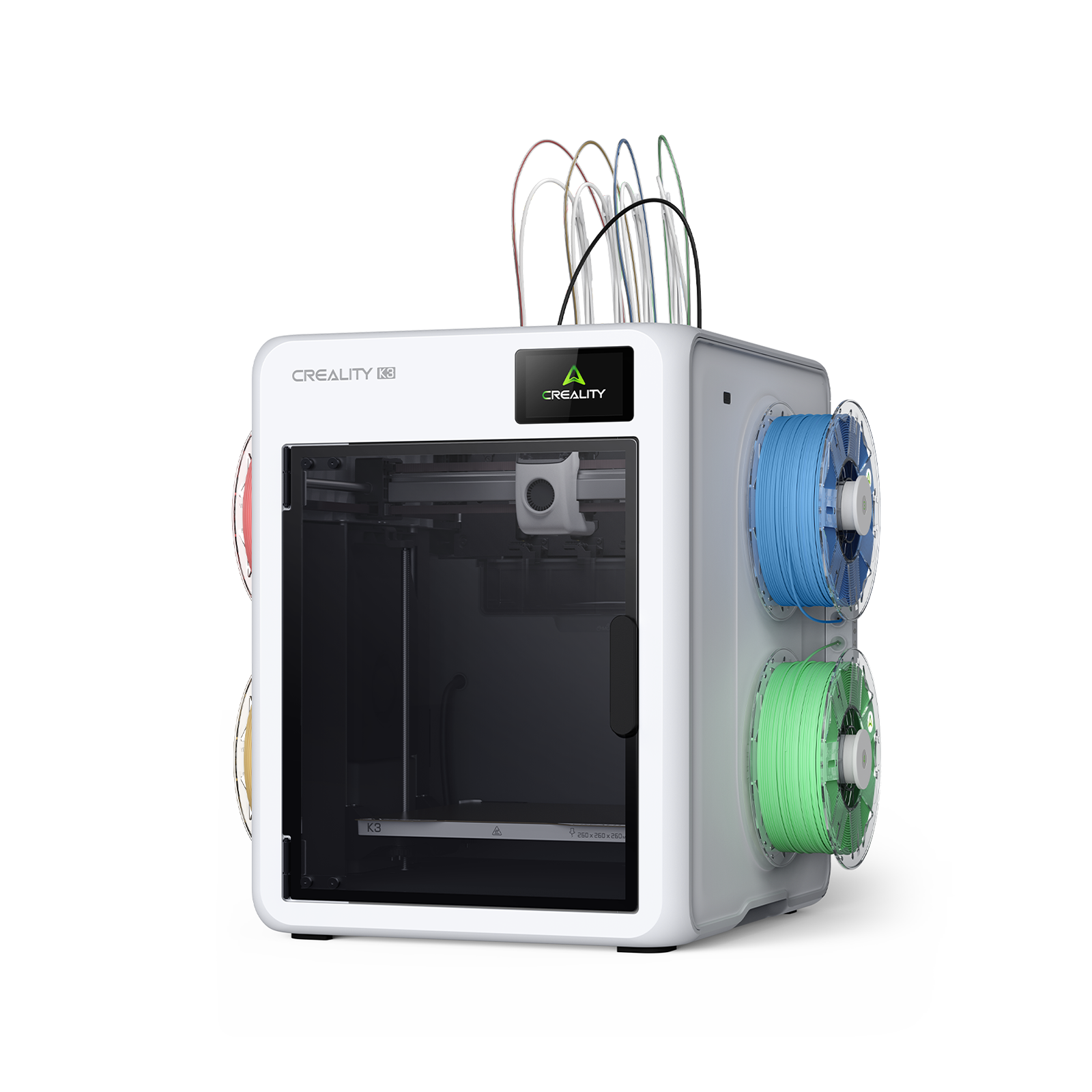
3D Filament Guide for Creality Printers
A variety of different types of filament are compatible with Creality FDM printers, including PLA, PETG, TPU, ABS, and ASA. Carbon fiber reinforced filaments can also be used for 3D printers with a hardened nozzle. While a heated bed is optional when using PLA, we recommend using it with PETG filament, and it’s a requirement when using ABS and ASA filaments.
These are typical temperature ranges that we recommend for 3D filaments:
-
ABS/ASA: 230 - 260°C
-
PLA: 190 - 220°C
-
PETG: 210 – 240°C
-
TPU: 210 - 240°C
We also recommend that you adjust your Creality printer settings to suit your specific type of filament, including adjusting retraction settings when using TPU. It’s also important to use an enclosure with your 3D printer when using ABS or ASA. Always dry a filament properly before storing it after use.
FAQs About Types of Filament for 3D Printing
What is the strongest 3D printing filament?
PC, nylon, and carbon fiber reinforced filaments are the strongest options for 3D printing.
Which filament is easiest for beginners?
PLA is one of the best 3D print filaments for beginner hobbyists who are creating their first models.
What filament is best for outdoor use?
ASA and PETG (Polyethylene Terephthalate Glycol) are the most popular types of filament for 3D printing outdoor objects.
Can all filaments be used with any 3D printer?
A filament will not be suitable for every type of 3D printer, as its compatibility will depend on the printer’s hardware setup and temperature capability.
Finding the Best 3D Print Filaments for Your Creality Printer
There are 18 popular 3D printing filament types, but not all of these will be suitable for hobbyists. Your choice of material will directly impact the results you get from your 3D printer. It can take a little trial and error to find the best 3D print filaments for your project, but this 3D filament guide is the perfect starting point.