

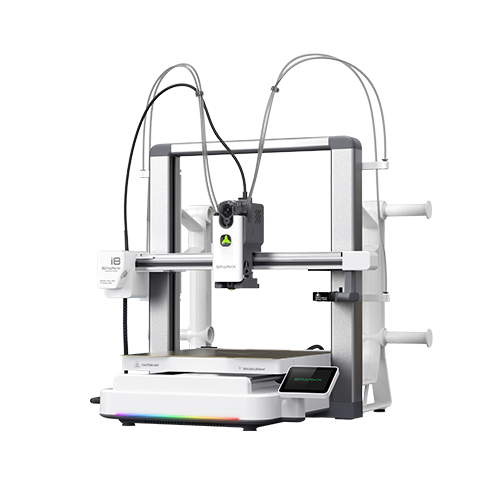
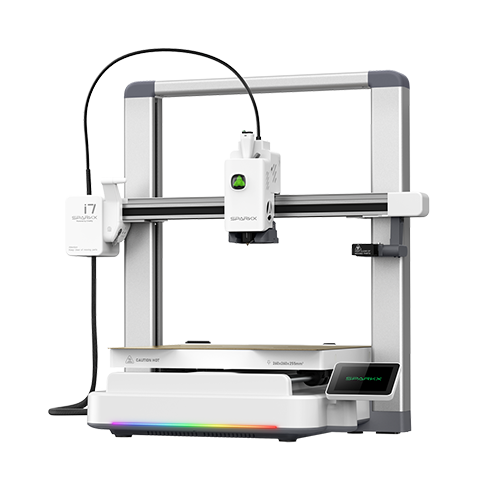
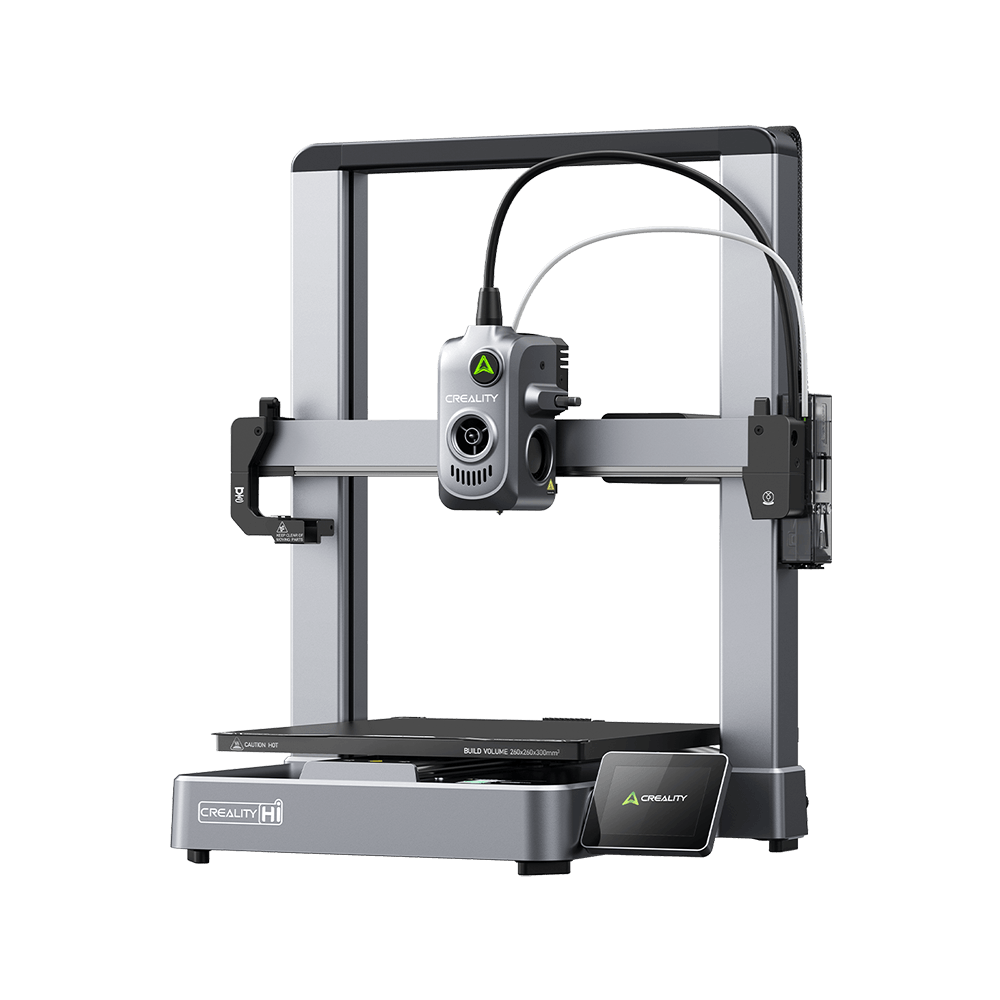
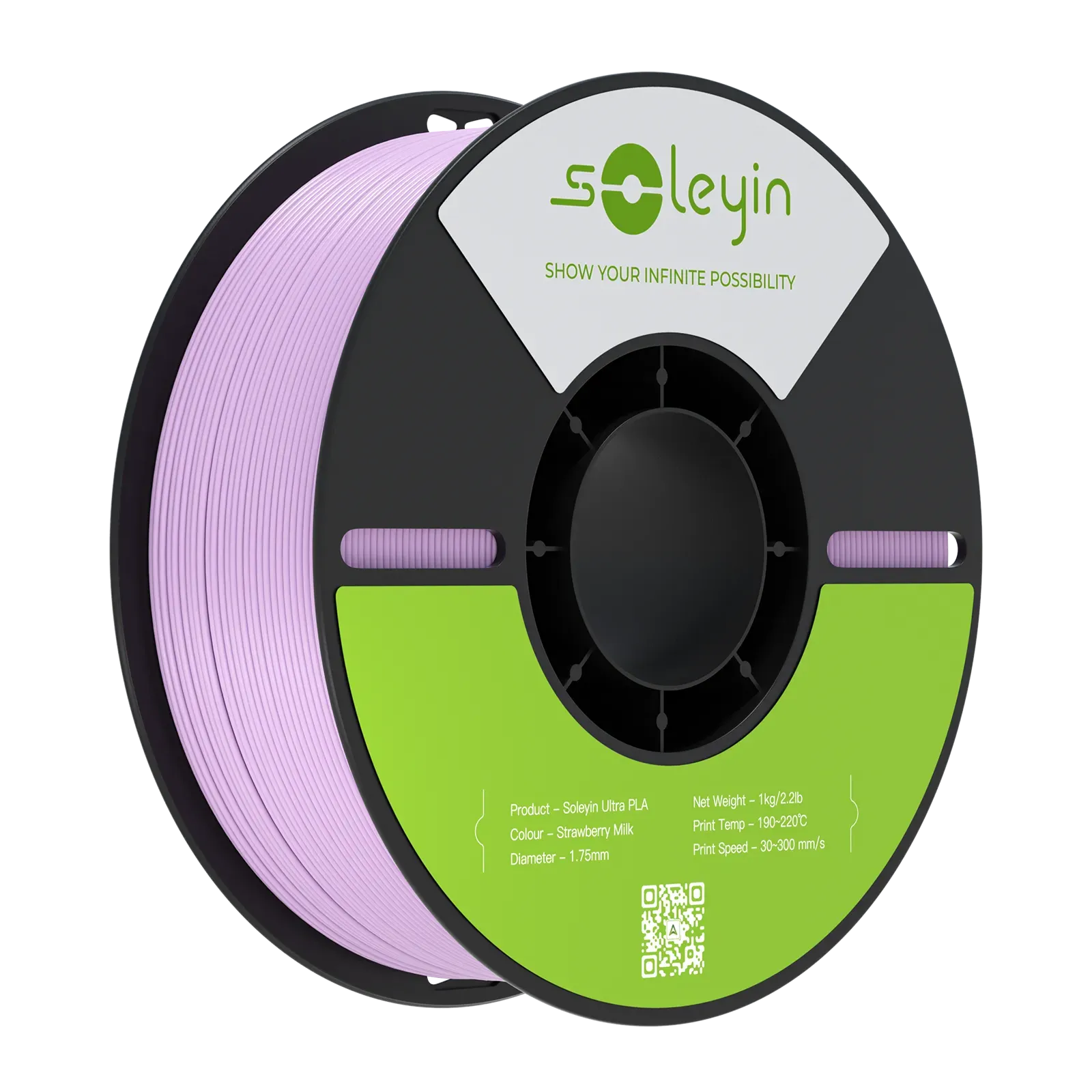
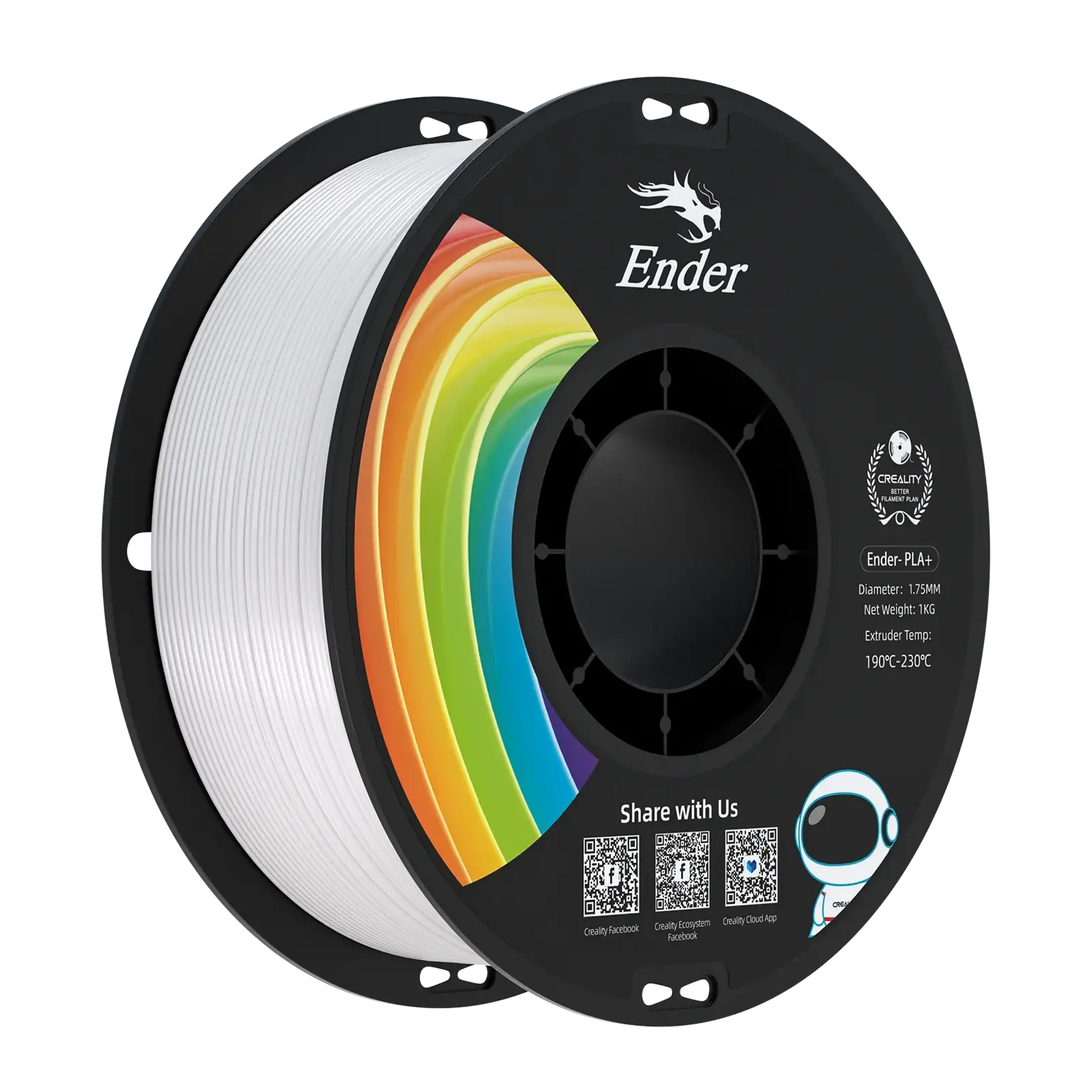

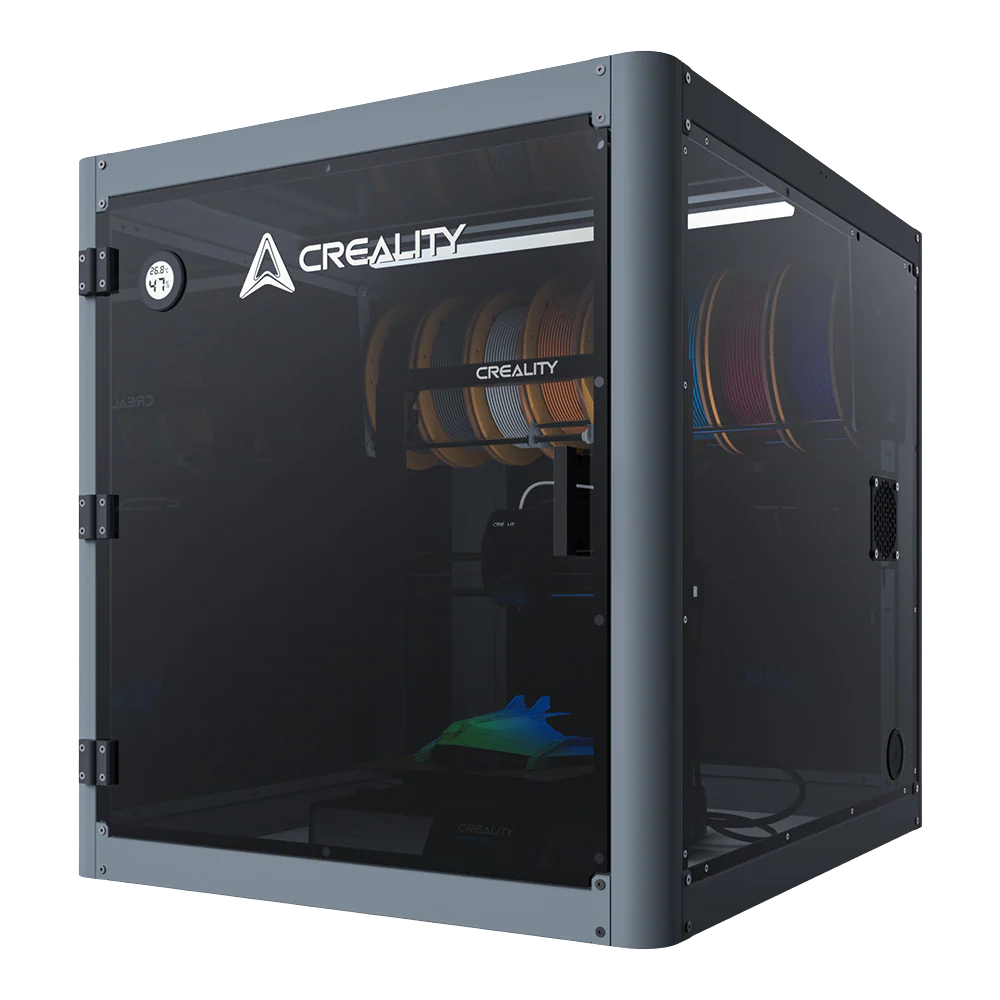

3D printers let you bring your creativity to life, with virtually unlimited printing options. While printers like the SPRAKX i7 can create highly intricate models, there are times when a hands-on approach is necessary for the perfect finishing touch. When your prints require adhesion, it's important to choose a glue that's safe and effective. The first step is to choose a glue that works with the filament you're using. PLA filament is a popular choice for 3D printing thanks to its affordability, ease of use, and eco-friendliness. However, it's notoriously challenging to glue. The key is choosing the right adhesive that bonds quickly, holds firmly, and won't damage the filament. In this blog, we'll discuss the best glue for PLA filament and include helpful tips to ensure you get the best results.
Why the Right Glue Matters for 3D Printing
When working with 3D prints, it may be tempting to reach for any craft glue to use on your models. However, when it comes to PLA filament, not all adhesives are created equal. As we mentioned earlier, PLA is known for being a difficult filament to glue. Many people attempt to use adhesives like PVC cement, which work on other types of plastic, only to discover that they don't create a strong bond. The reason lies with the material itself. PLA, while plastic, is made from plant-based, renewable resources like corn starch, while other plastics are petroleum-based. It also has a smooth, non-porous surface that many adhesives can't stick to.
Finally, PLA can collect residue, dust, and oil, which can prevent the glue from making a good connection. All of these factors combine to make PLA a trickier material to glue than other common filaments.
The Best Glue for PLA Filament
When it comes to PLA filament, there are a few adhesive options that are good for beginners to advanced users.
3D Pen and Filament
A 3D pen and filament is a good option for general bonding and adhesion. It works like a weld, attaching to the PLA, joining the parts together. While using a 3D pen is effective, it can be tricky to work with, which may be frustrating to beginners. It's also not the best choice for moving parts or areas under stress.
Cyanoacrylate
Cyanoacrylate, also known as super glue, is one of the best all-purpose adhesives for PLA filament. It's a great choice for beginners and a favorite among experienced users, since it dries quickly and forms an ultra-strong bond. Cyanoacrylate dries clear, creating a virtually invisible seam when applied correctly. It's also available in gel form, which can offer greater control when applying to smaller models. While an excellent choice for most 3D prints, it is important to note that cyanoacrylate can become brittle and may not be the best choice for areas that experience constant flexing or stress.
Two-Part Epoxy
Two-part epoxy is incredibly durable and strong, making it perfect for filling or gluing large gaps in your prints. It's also easy to sand and paint once cured. Since two-part epoxy requires mixing and has a longer cure time, it's a good choice for intermediate to advanced users. It's important to note that you'll need to clamp your print in place and ensure you mix the adhesive correctly to achieve the proper hold. Additionally, you'll want to choose an epoxy that's specifically formulated for plastics to get the best results.
Acrylic Cement
When you need an adhesive that will create strong joints, acrylic cement is a good option. It works by chemically welding the surface together, creating a permanent, strong bond. Acrylic cement can be used instead of super glue on PLA models, but you must handle it carefully in a well-ventilated area and use eye and hand protection.
Tips for Getting the Best Bond on PLA Filament
Choosing the best glue for PLA filament is only one part of getting strong, long-lasting adhesion. By incorporating these tips, you can get the best bond possible on every project.
1. Start with a clean surface
Before gluing, it's essential to start with a clean surface to allow the adhesive to bond properly. Thoroughly clean each piece, making sure they're free from oil, dust, and debris before applying the glue.
2. Sand the surface
PLA filament is a very smooth material, which makes adhesion difficult. Lightly sanding the surface with a fine-grit sandpaper (between 180 and 400 grit) improves adhesion for a stronger bond.
3. Use baking soda
Baking soda isn't just for the kitchen; it can make gluing PLA filament easier. When using super glue, apply a small amount to one piece of your model and sprinkle with a little bit of baking soda before joining. The baking soda acts like an accelerator, creating an instant bond.
4. Allow to cure
One of the most common reasons people struggle when gluing PLA filament is a lack of patience. It's important to hold the parts together, with firm but gentle pressure, while the glue cures. The curing time will vary depending on the type of glue you use, from seconds with super glue to hours or even days with epoxy. Using tools like clamps can ensure you apply constant pressure without damaging your print.
5. Make sure your glue is fresh
Did you know that glue loses its effectiveness over time? That's right, older glues won't adhere as effectively as fresh ones. Check the "best by" date on the bottle and make sure it's not expired. As a general rule, super glue and epoxy have an opened shelf life of 6 months to a year., while epoxy lasts
Conclusion
The best glue for PLA filament depends on your experience and the print type. Cyanoacrylate, or super glue, is an excellent all-purpose choice, while two-part epoxy is great when you need maximum strength. A 3D pen or acrylic cement, are also good options. No matter which adhesive you choose, you want to start with a quality 3D printer. With a little practice, you can design beautiful 3D prints. The only limit is your imagination.