


In anatomy classrooms across France, Simon often faced a frustrating limitation. As a former practicing osteopath, he had a deep understanding of the human body; as a teacher, however, he relied on expensive and static models that fell short of capturing the complexity and dynamism of real anatomy. He believed that if students could hold an anatomically accurate vertebra or observe the biomechanical interaction of muscles in a dynamic pose, they would have a deeper and more intuitive understanding.
It was this belief that drove him to leave the classroom in 2024 and found OWLAB Project—an innovative lab designed to breathe new life into anatomical education through 3D printing technology.
Where Anatomical Accuracy Supports Meaningful Learning
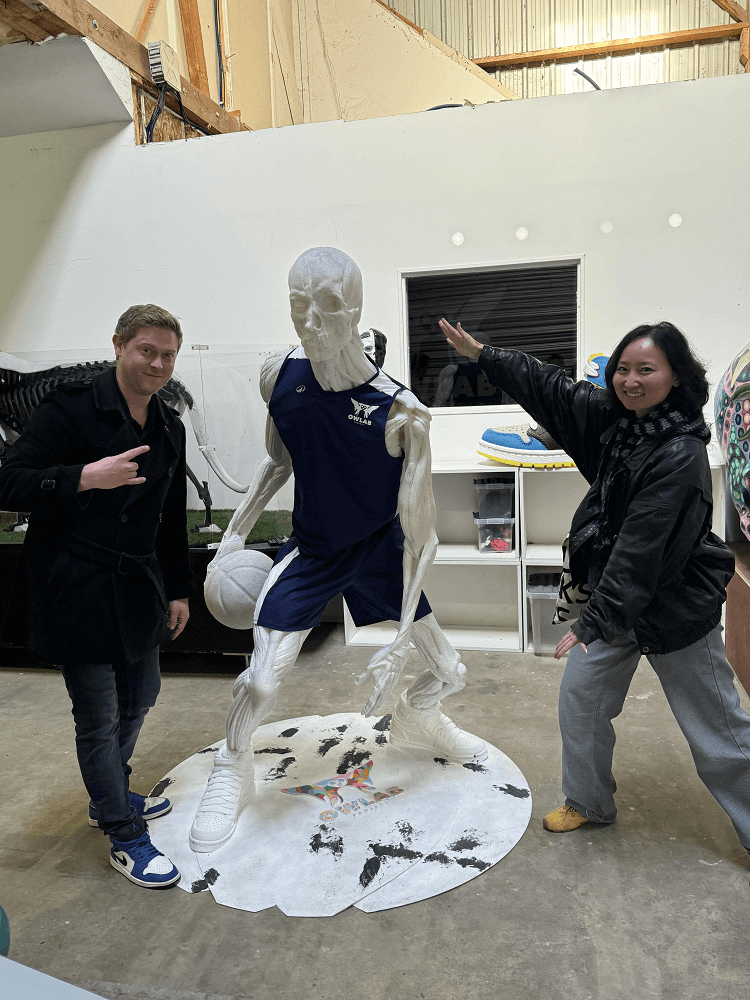
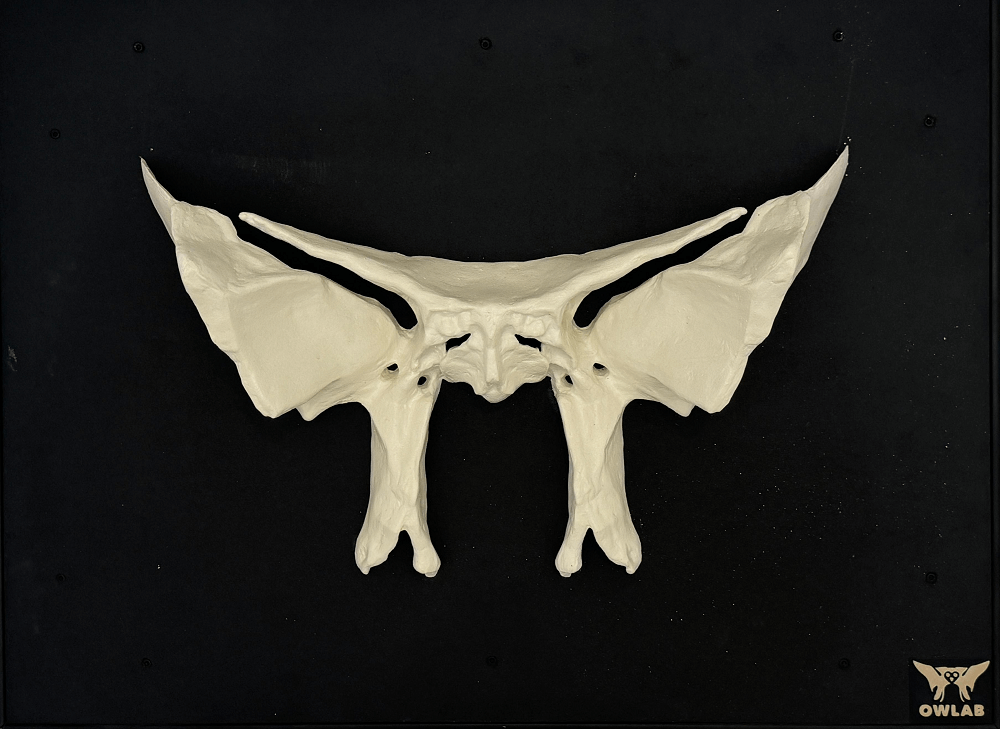
Simon’s objective was not simply to create display pieces, but teaching tools suitable for rigorous instruction. Each model needed to meet high standards of anatomical accuracy while remaining durable and visually clear enough to support classroom engagement and exploration.
One of his most ambitious works, the 3D-printed Basketball Player Skeletal and Muscular Model, showcases a human body in a dynamic basketball-playing pose. Nearly one meter tall, the model required high precision to accurately display subtle skeletal structures, as well as large build volume to maintain structural stability.
For Simon, the 3D printer had to turn digital data into consistent and precise physical forms, allowing him to focus on anatomical education rather than machine troubleshooting issues.
Creality K2 Series: Driving Simon’s Educational Vision
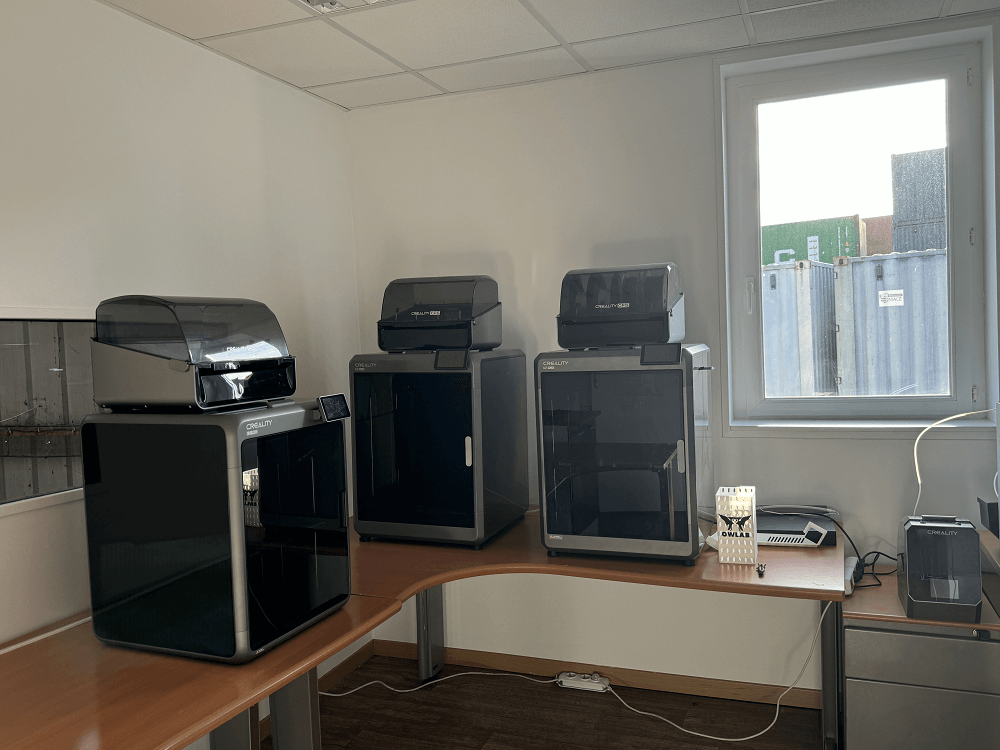
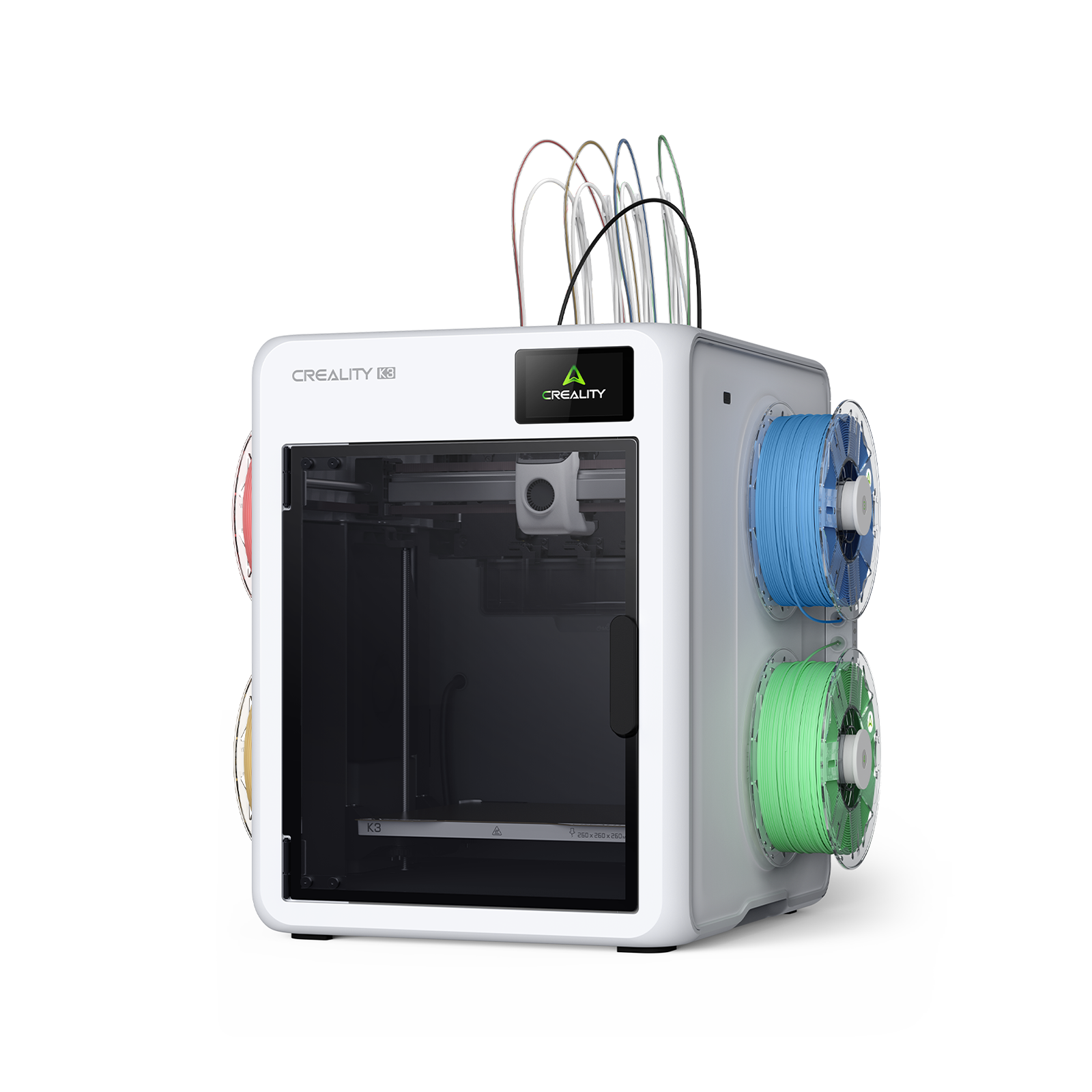
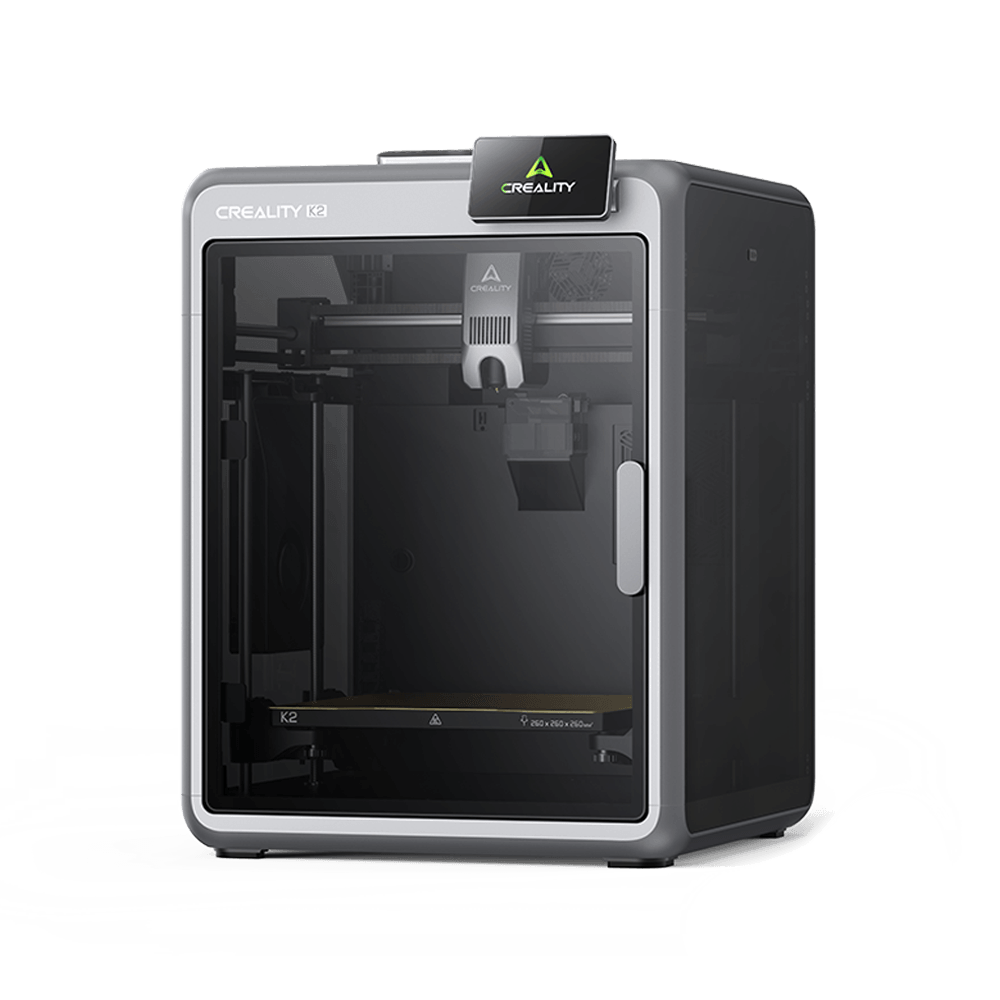
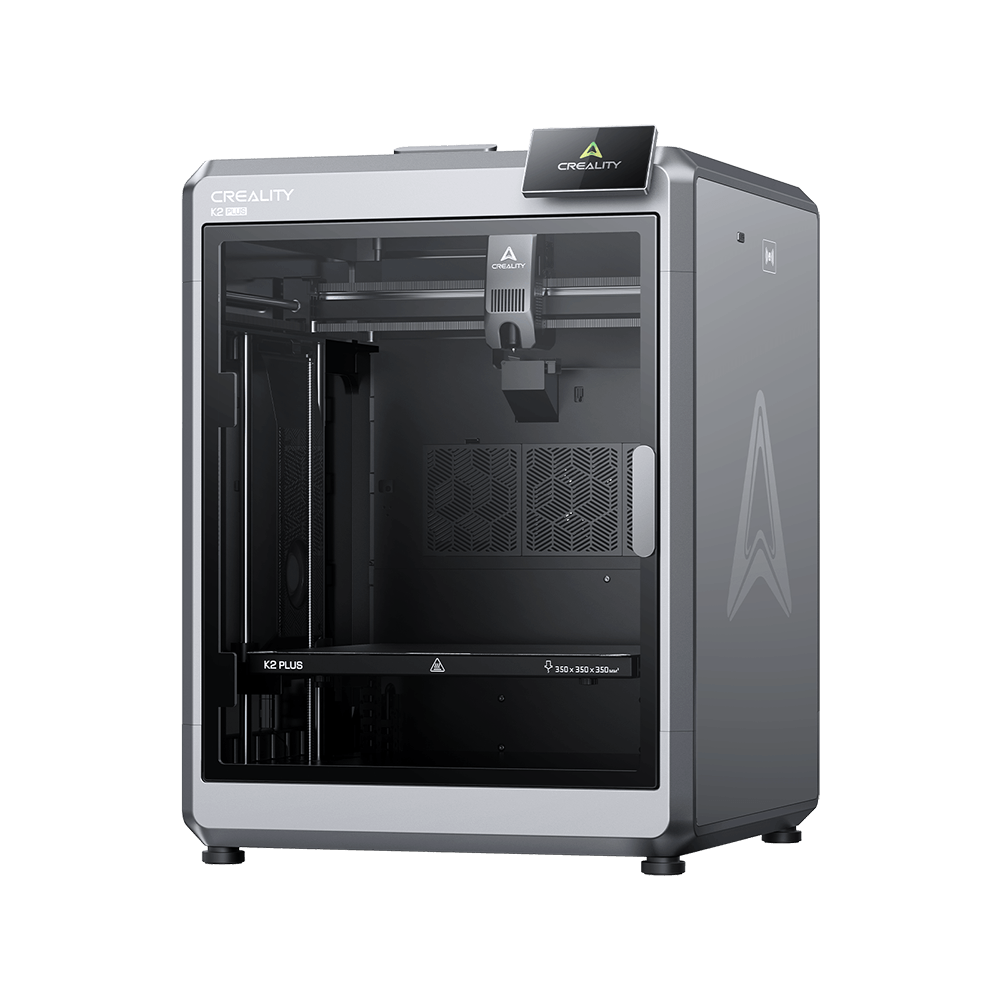
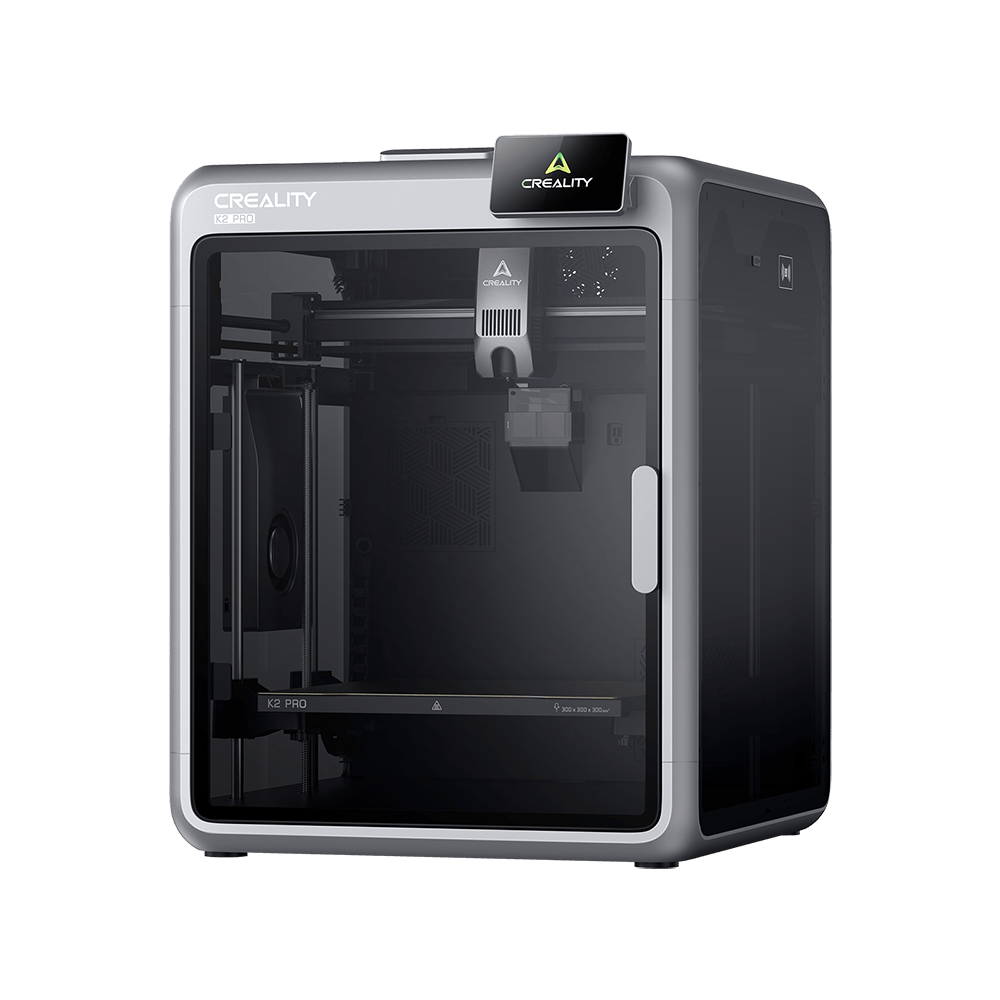
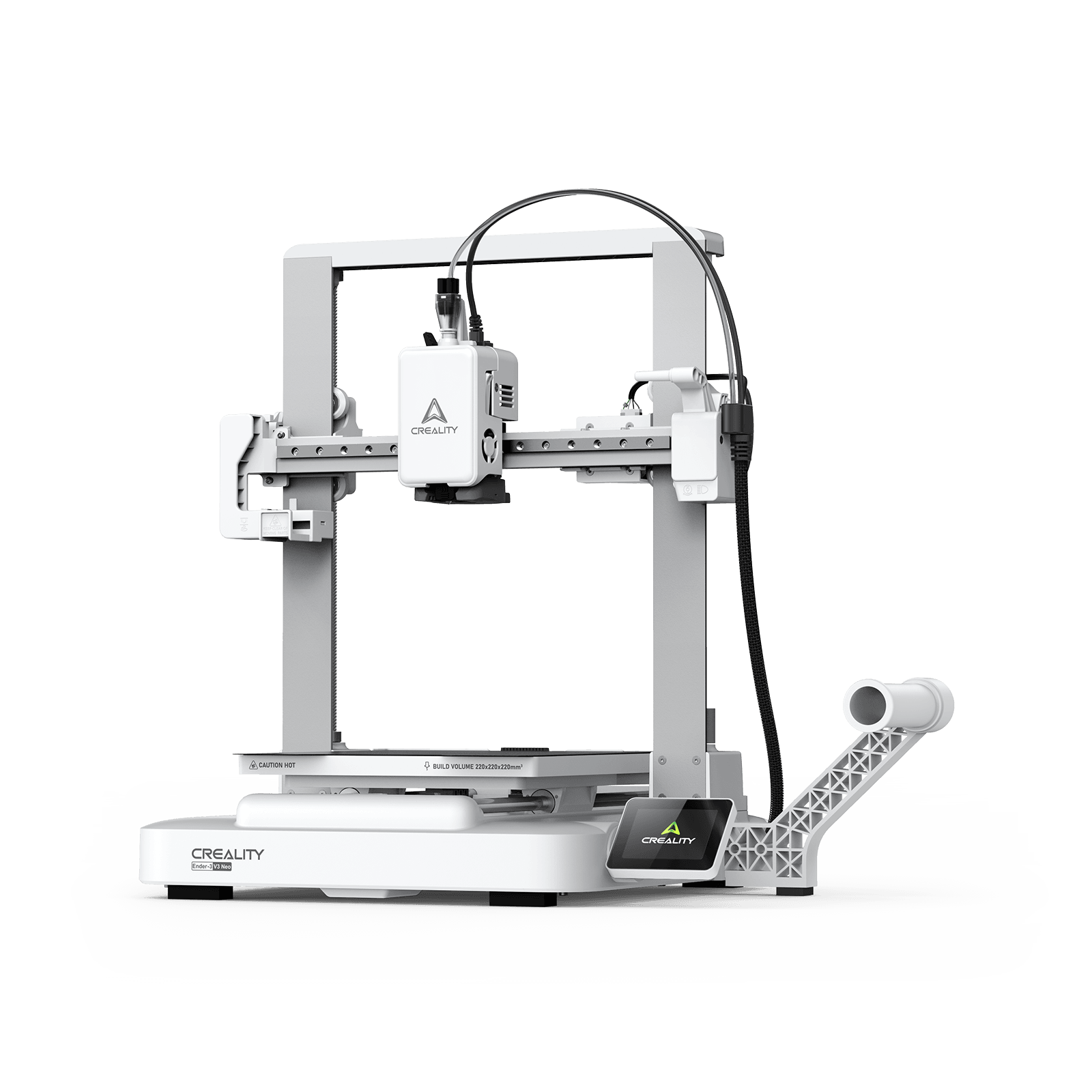
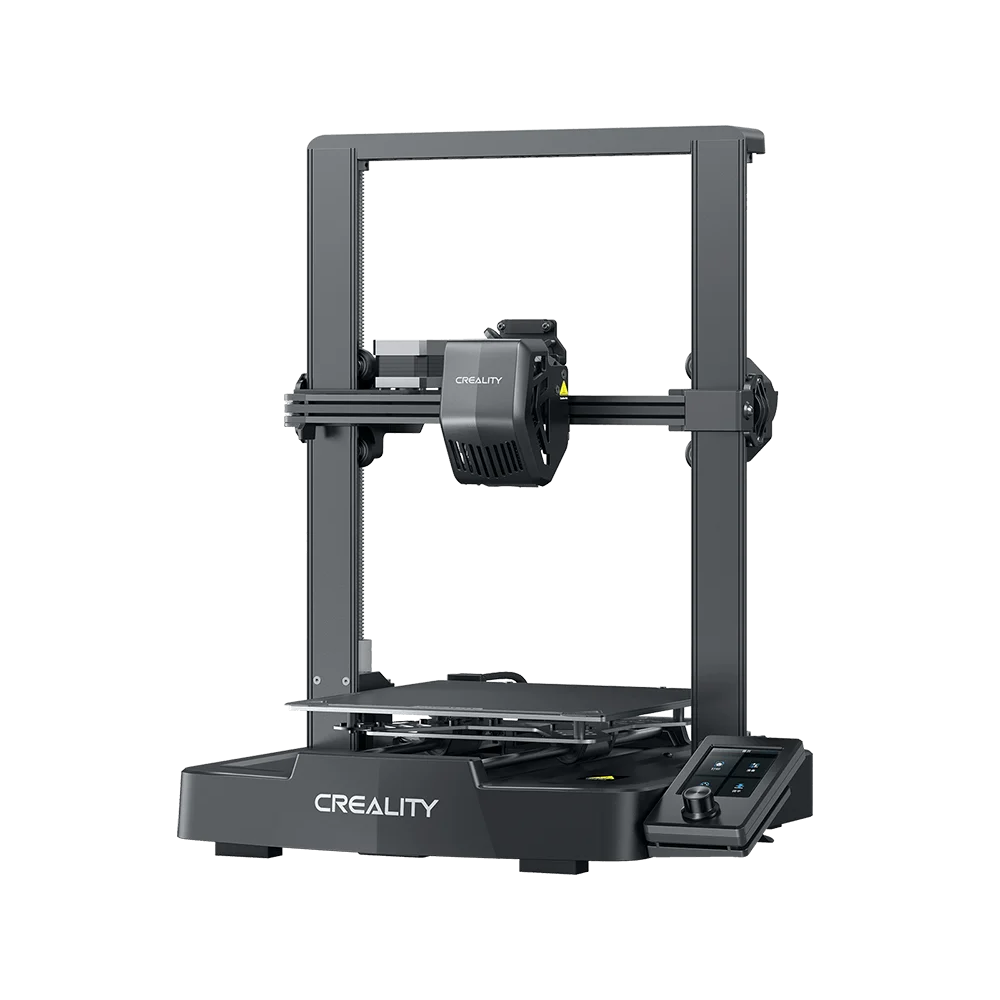
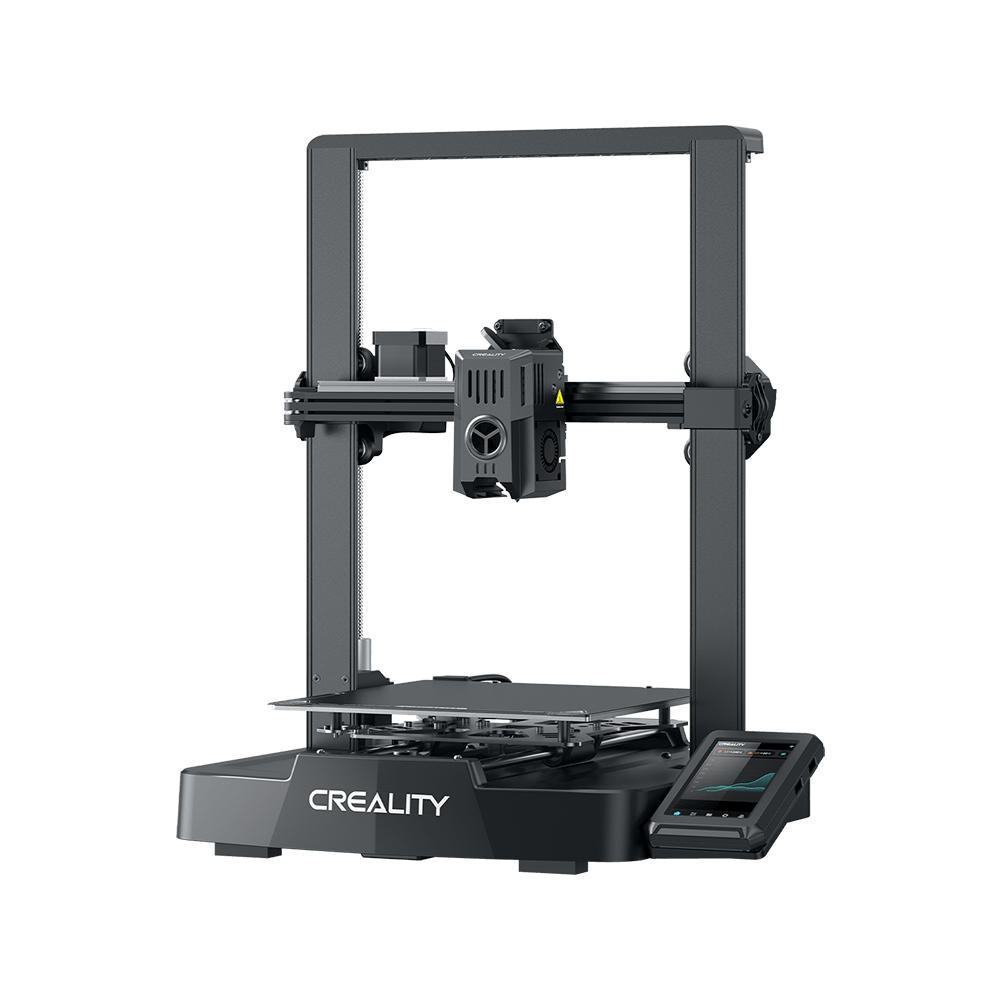
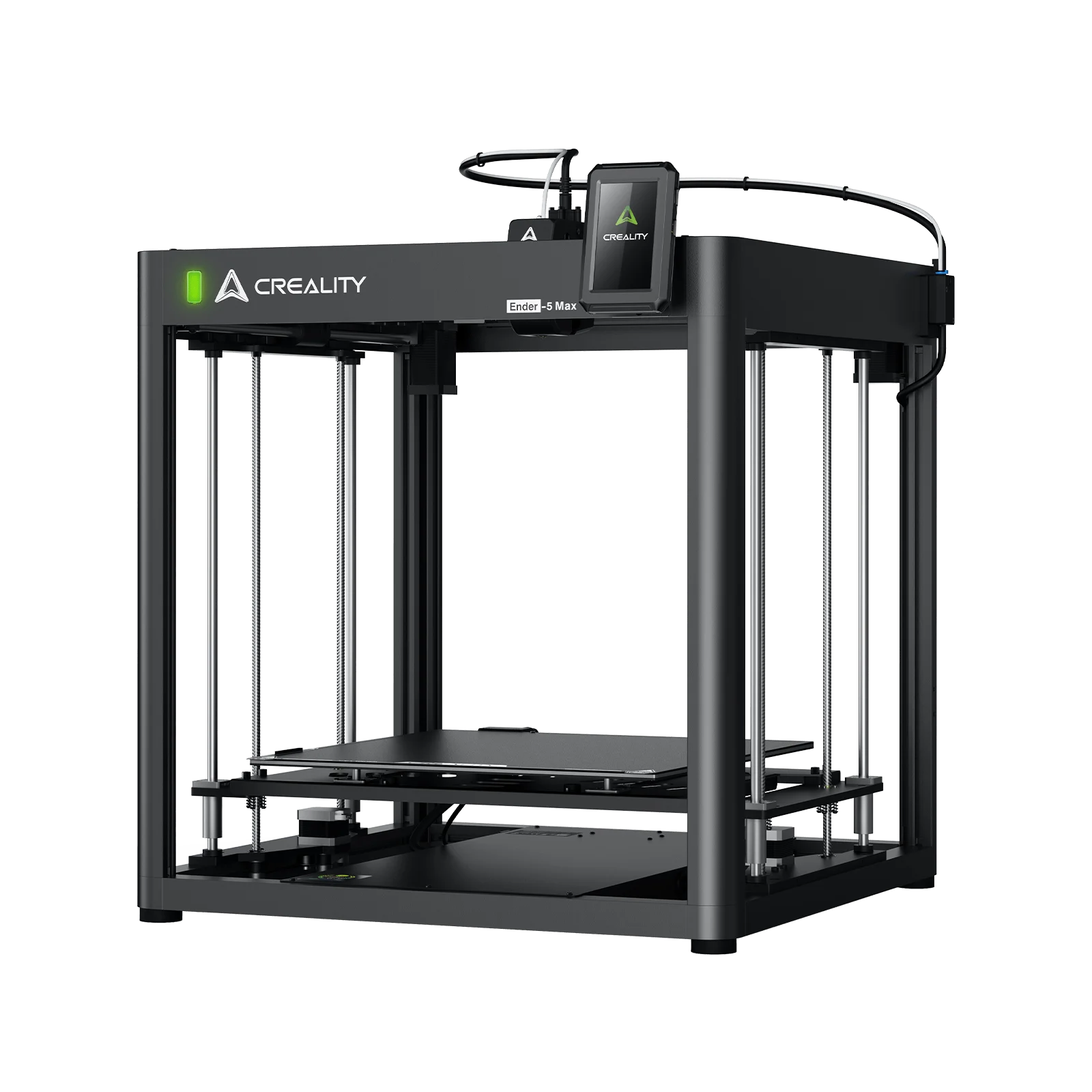
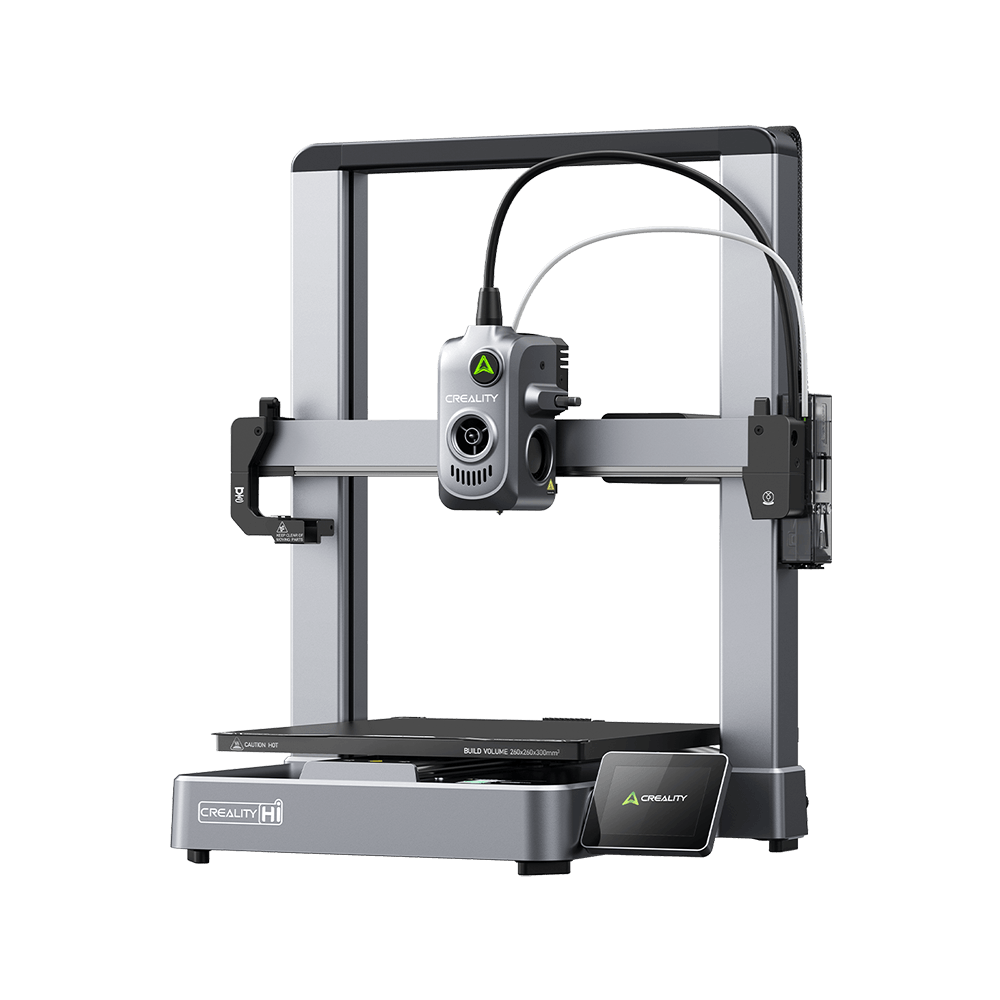
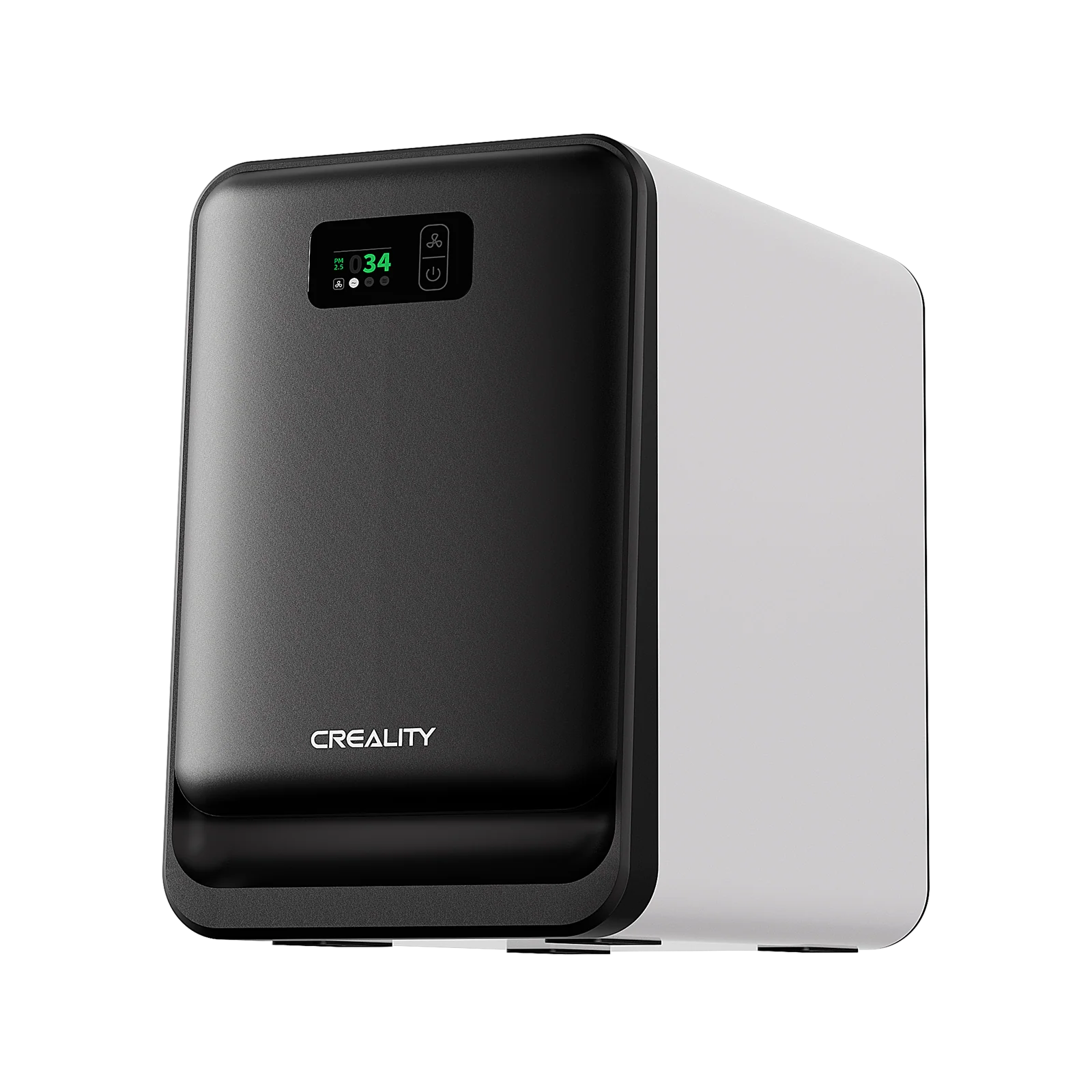
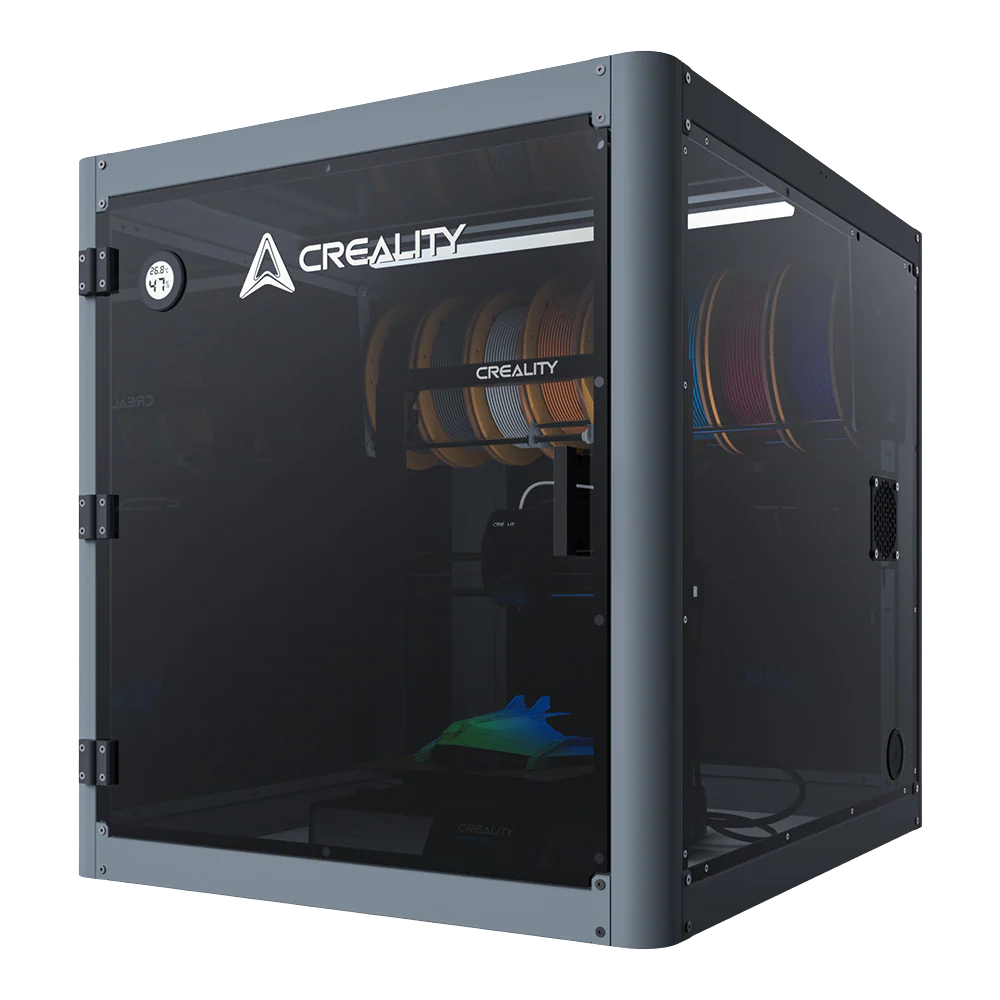
Simon selected Creality K2 Plus and K2 Pro as primary tools in his lab. With the large build volume up to 350×350×350mm, K2 Plus enabled him to create iconic pieces for both teaching demonstrations and major exhibitions without needing to slice models and assemble parts too much, while achieving exceptional stablity and in-time output. For him, the K2 series was more than just printers; it was "scaffolding" for realizing his educational vision.
"When I designed that basketball player model, I needed to ensure the biomechanical continuity from the ankle to the fingertip," Simon explained. "The K2 series let me focus on expressing dynamic anatomy, not on working around technical limitations."
Printing Beyond the Classroom
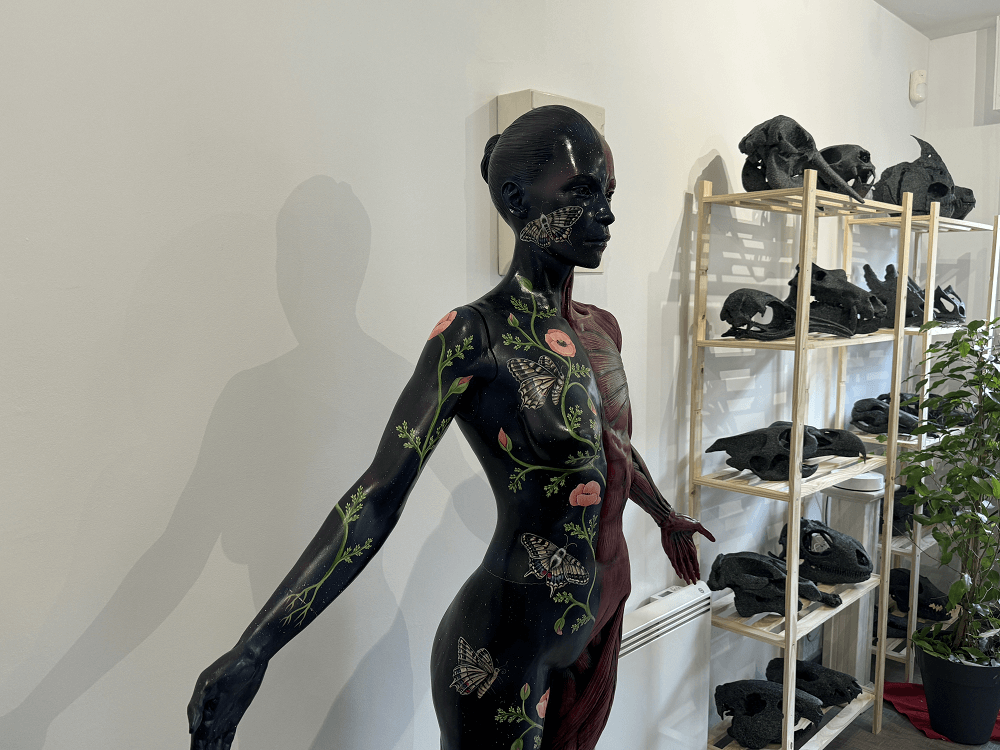
With dependable equipment in place, OWLAB Project expanded anatomical model production into a broader educational initiative.
In school workshops, Simon integrated precise 3D-printed models with Virtual Reality technology, allowing students to "step inside" human anatomical systems. This not only revolutionized biology curricula in local schools but also tangibly demonstrated the value of investing in 3D printing equipment for educational purposes.
Simon also actively engaged with maker communities on social media and in public events. The basketball player model printed on K2 Plus generated significant online interests and is scheduled for an exhibition at a French Basketball Federation event in 2026. Through these activities, professional 3D printing steps from anatomical learning to pulic communication in the convergence of technology, education, sports, and art.
Looking Ahead
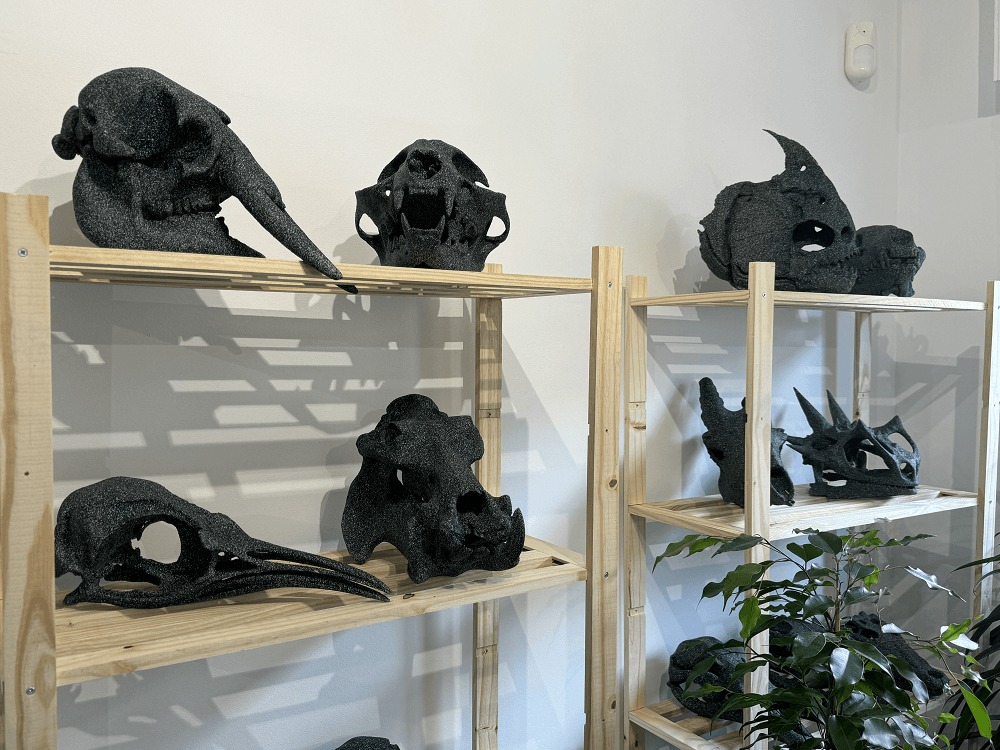
Simon's vision extends even further. He is currently planning a natural history museum project in Brittany, where every exhibit—from fossils to skeletal specimens—would be produced using 3D printing, with working printers on display to show the full process from digital files to finished objects.
The development of OWLAB Project illustrates how 3D printing can support more engaging and accessible anatomical education. In this story, Creality printers serve as catalysts—tools that connect medical expertise, classroom learning, and public engagement. By making anatomical models more tangible and interactive, Simon is helping students explore the human body not only as a diagram in a textbook, but as a three-dimensional system that can be studied, handled, and understood in new ways.