


In high-performance automotive engineering, the most challenging part of a project is often not simply creating a new component. The real challenge lies in making multiple complex mechanical systems fit together with precision, reliability, and confidence.
This case comes from @Paolo Pazzini, who worked on a custom Ferrari V8 drivetrain project. The goal was to create a custom bell housing / adapter to connect a Ferrari V8 engine to a sequential gearbox. While the bell housing may look like a single connecting part, it plays a critical role in the drivetrain system. It must accurately link the engine and gearbox while maintaining correct alignment between mounting surfaces, bolt positions, reference points, and the drivetrain centerline.
For this type of performance build, even a small measurement error can lead to fitment issues, misalignment, vibration, or costly redesigns during fabrication. That is why the project began with the most important step: capturing the reference geometry around the engine and gearbox connection interfaces.
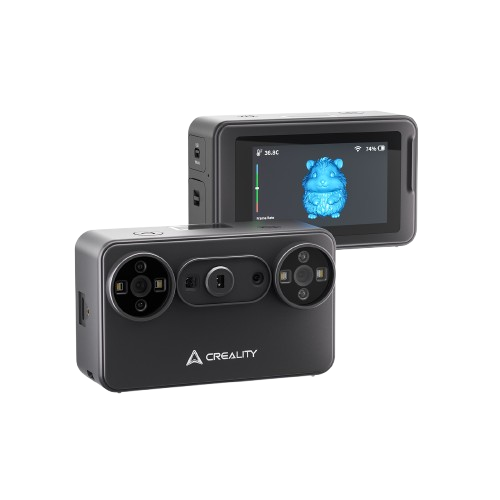
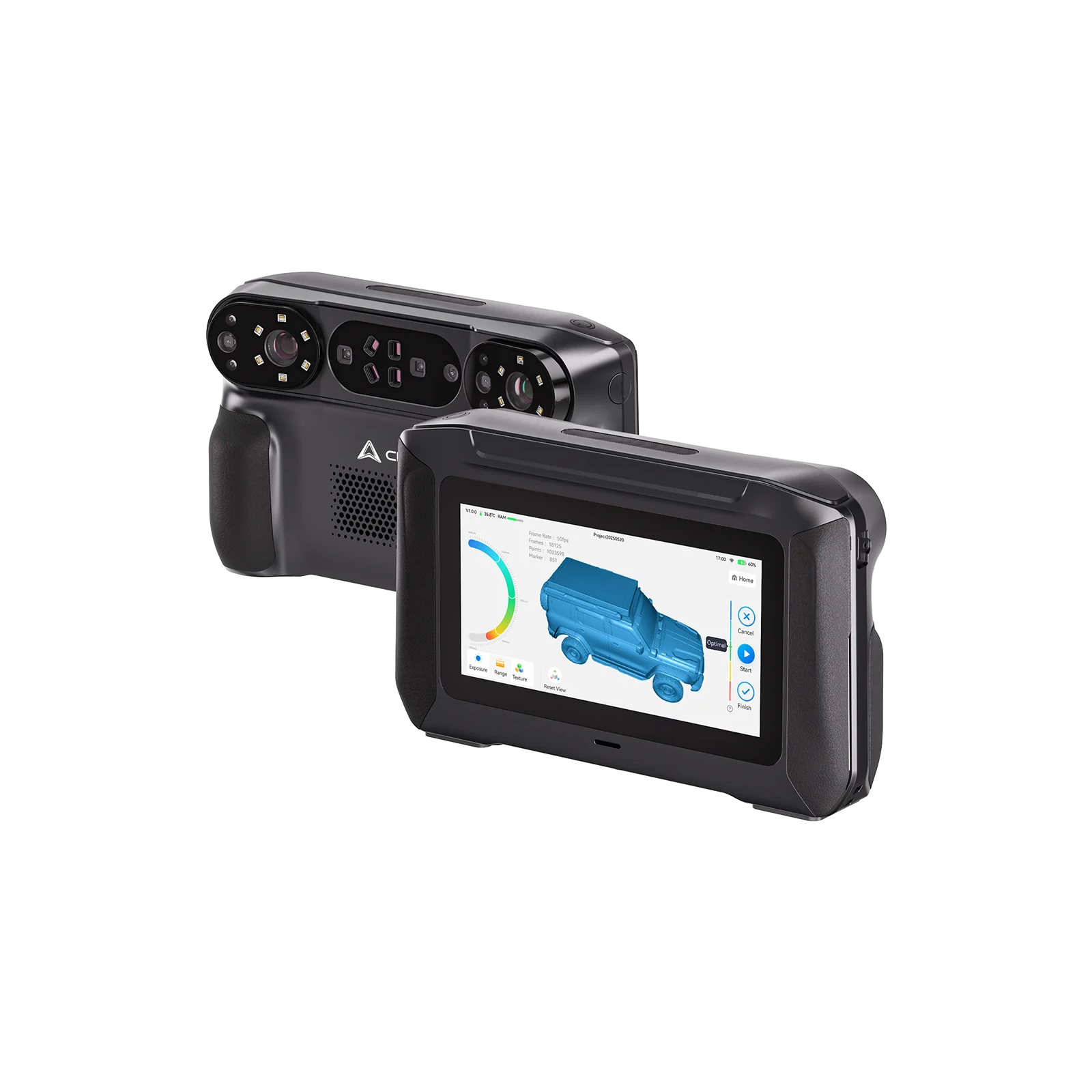
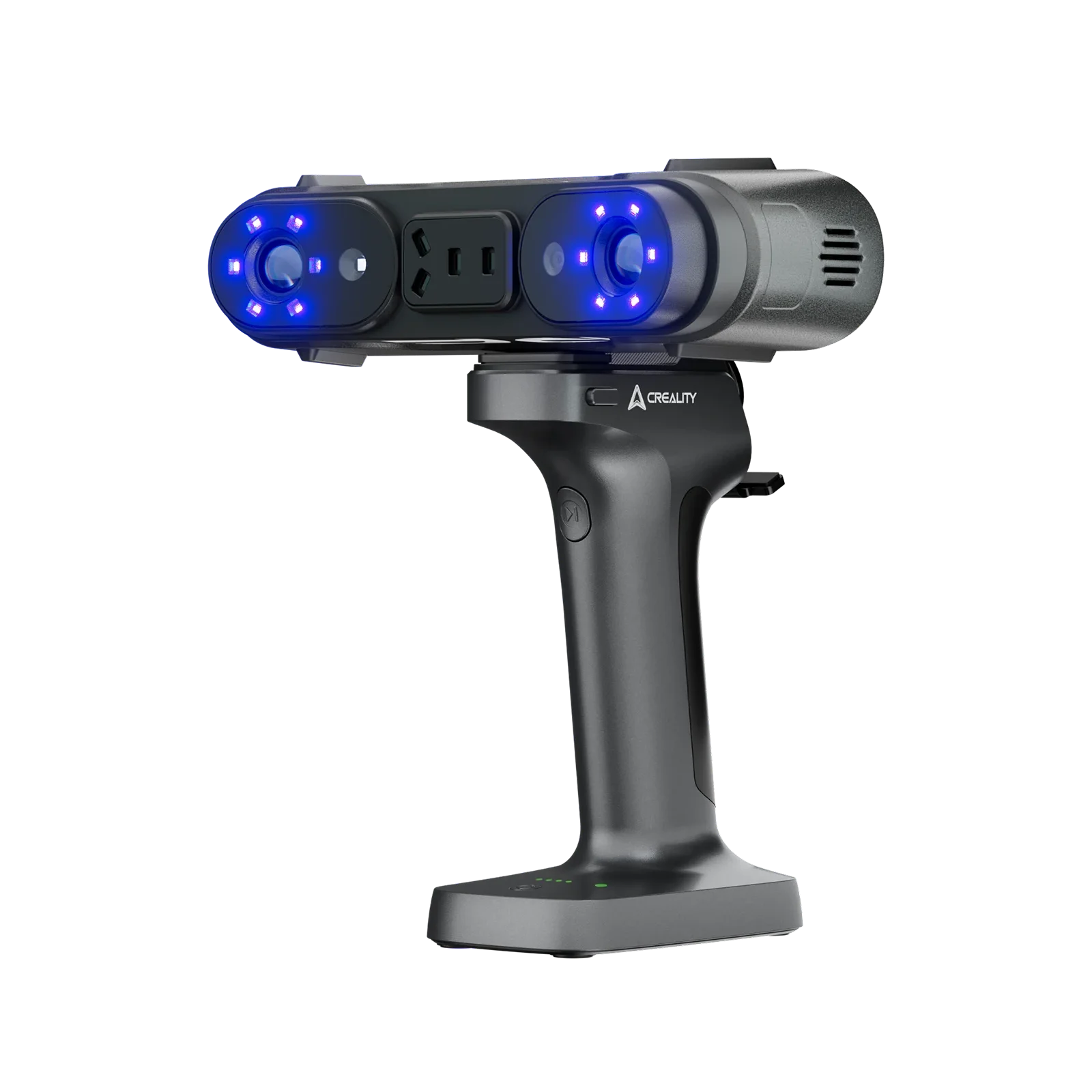
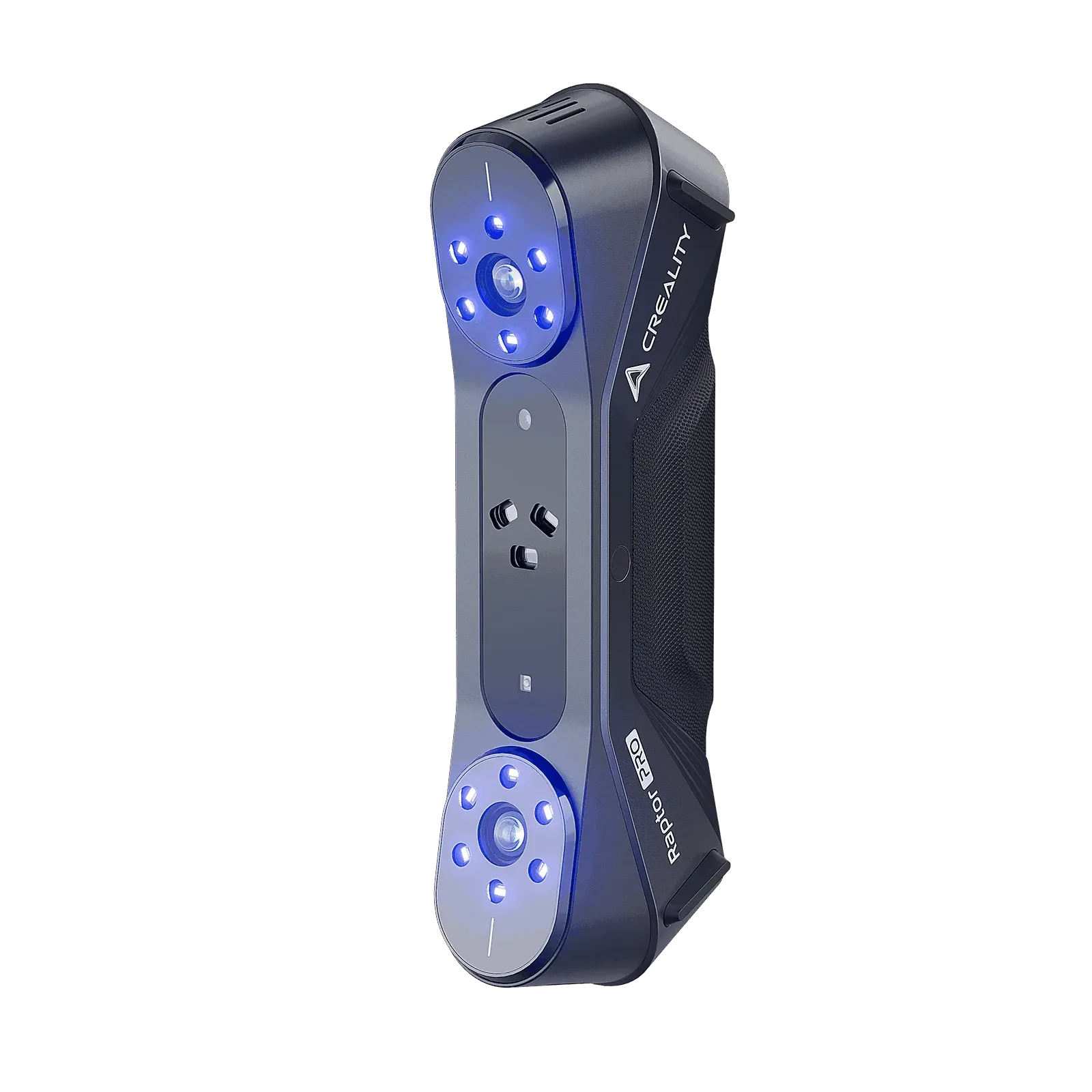
As Paolo explained, the use of Creality RaptorX was essential because of its accuracy. By capturing the complex physical geometry as digital 3D data, RaptorX provided a reliable foundation for CAD design, virtual assembly validation, and the final production of the custom adapter.
The Workflow: From Physical Parts to Bell Housing Design
1. Capturing the reference geometry
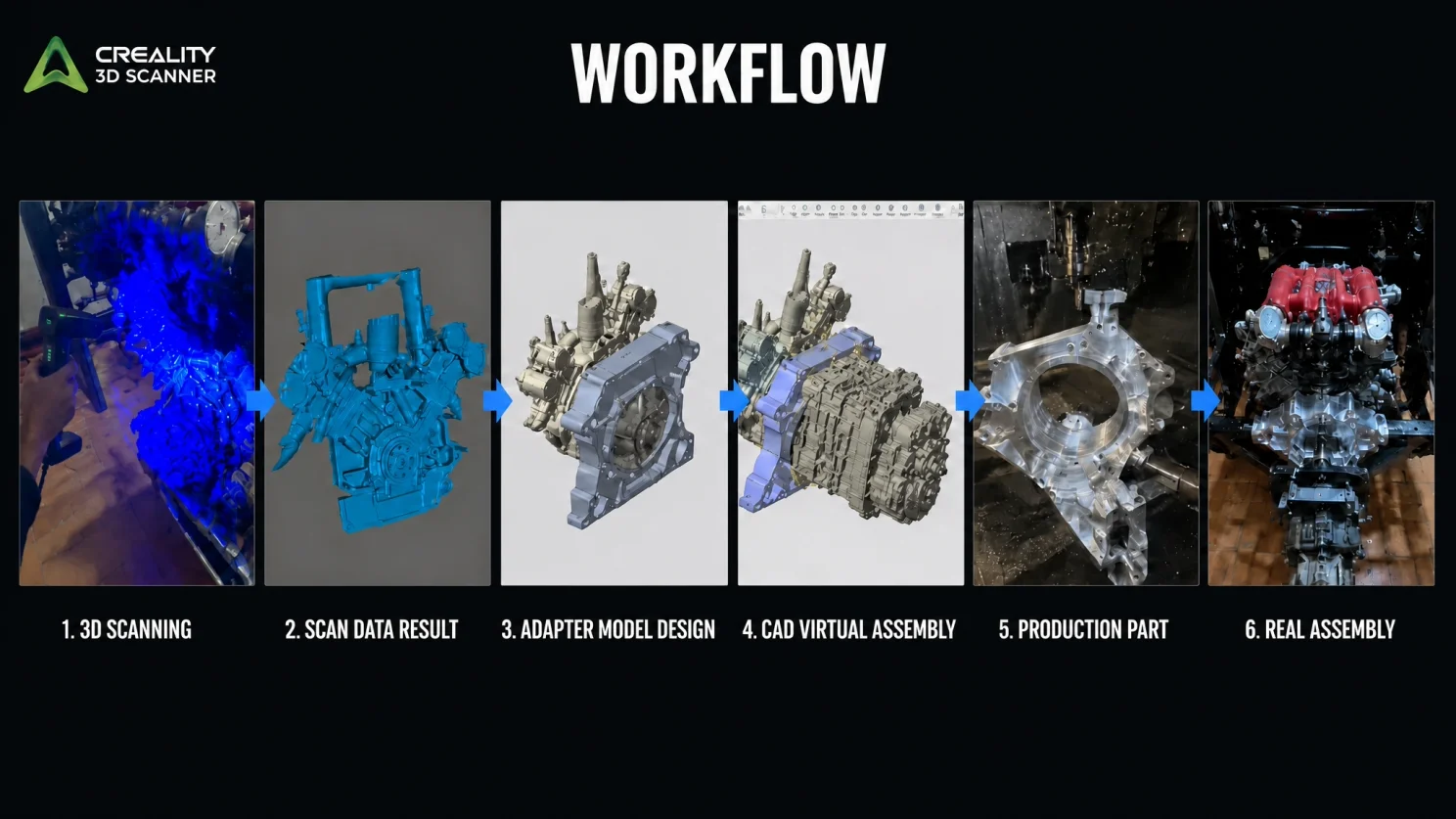
The workflow began with the most critical step: accurately capturing the reference geometry of the Ferrari V8 engine and the sequential gearbox connection areas.
Because these components include reflective metal surfaces, deep grooves, bolt holes, mounting faces, and hard-to-reach edges, reliable data capture was essential. Using Creality RaptorX, the creator scanned the rear side of the Ferrari V8 engine and the front side of the sequential gearbox to collect the key reference data needed for the custom adapter design.
2. Processing scan data
After scanning, the collected data was processed into a usable digital reference model.
This step helped convert the physical geometry into clear 3D scan data, allowing the creator to identify the key mounting points, bolt hole positions, centerline references, and surrounding clearance areas. For this type of drivetrain project, accurate scan data is the foundation for the entire design process.
3. Designing the adapter model
With the scan data as a reference, the creator designed a custom adapter / bell housing model in CAD.
Instead of relying only on manual measurement or estimation, the design was built around real-world geometry. This made it possible to define the adapter’s shape, mounting interfaces, alignment structure, and clearance areas with greater confidence.
4. Validating the CAD virtual assembly
Before fabrication, the adapter model was virtually assembled with the scanned engine data and gearbox model.
This step helped verify the spatial relationship between the engine, adapter, and sequential gearbox. For a custom bell housing, this validation is especially important, as even small alignment errors could affect fitment, drivetrain positioning, or final installation.
5. Manufacturing the production part
Once the CAD design was validated, the adapter was manufactured as a physical production part.
At this stage, the digital design was transformed into a real mechanical component. The accuracy of the earlier 3D scanning and CAD validation helped reduce the risk of costly trial and error during machining or fabrication.
6. Completing the real assembly
Finally, the manufactured adapter was installed in the real mechanical system, connecting the Ferrari V8 engine with the sequential gearbox.
This final assembly confirmed the value of the full workflow: from 3D scanning and digital reconstruction to CAD design, production, and real-world application. For a closer look at the full process, watch the video.
The Engineering Challenge
Connecting a Ferrari V8 engine to a sequential gearbox is not a standard bolt-on process. These two mechanical systems were not originally designed to work together, so a custom adapter / bell housing had to be developed specifically for this build.
The biggest challenge was not only designing the part, but first obtaining accurate reference geometry from the real components. The rear side of the Ferrari V8 engine and the front side of the sequential gearbox include complex metal surfaces, bolt holes, mounting faces, centerline references, deep grooves, and hard-to-reach edges. These details directly determine whether the final adapter can align correctly and fit into the drivetrain system.
In this type of project, relying only on manual measurement can be risky. Calipers and rulers may capture individual dimensions, but they cannot easily describe the full spatial relationship between the engine, gearbox, and surrounding clearance. For a critical drivetrain component, even a small measurement error could affect CAD design, machining accuracy, or final assembly.
This is where 3D scanning became essential.
Why 3D Scanning Was Needed
For this project, Creality RaptorX was used to capture the physical geometry of the engine and gearbox connection areas as accurate digital scan data.
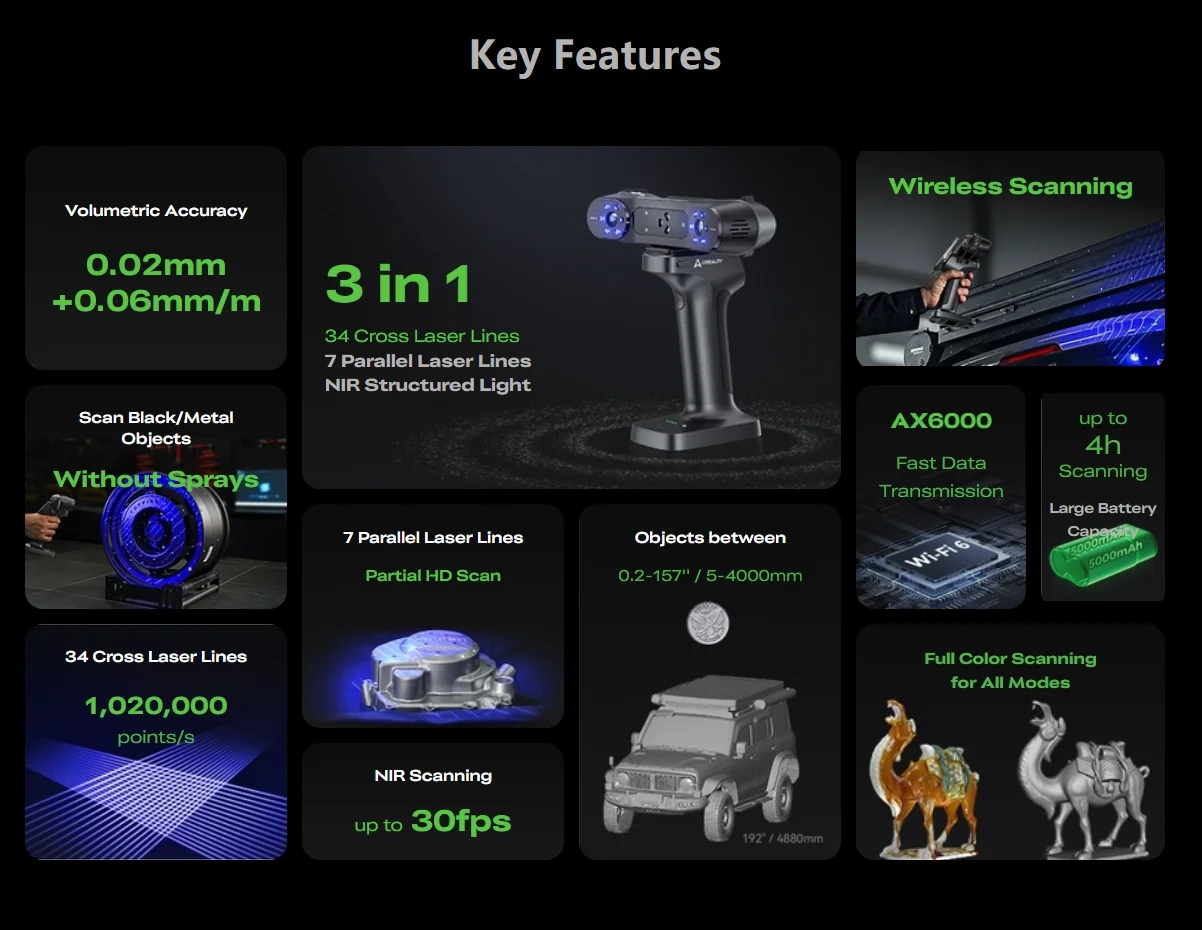
Instead of working from estimation or incomplete manual measurements, the creator could use the scan data as a real-world digital reference. This made it possible to identify key mounting points, bolt hole positions, centerline alignment, connection surfaces, and available clearance more clearly.
In this workflow, 3D scanning was not used simply to create a visual model. It became the foundation of the entire engineering process:
- Capture the real engine and gearbox geometry RaptorX helped collect the reference geometry from complex mechanical parts, including areas that are difficult to measure manually.
- Build a usable digital reference The scan data provided a 3D foundation for understanding the actual shape, position, and relationship of the components.
- Support adapter model design Based on the scanned geometry, the creator could design the custom adapter / bell housing around the real mechanical interfaces instead of relying on guesswork.
- Validate the CAD assembly before fabrication The adapter model could be virtually assembled with the engine and gearbox data to check fitment, alignment, and clearance before production.
- Reduce trial and error in the workshop By identifying potential issues in the digital stage, the project could reduce the risk of costly rework during machining or final installation.
Why This Case Matters for Motorsport Engineering
This Ferrari V8 project shows how 3D scanning can support a more accurate and professional workflow for automotive modification, reverse engineering, and motorsport development.
1. It turns complex mechanical geometry into usable data
A custom drivetrain adapter depends on the exact relationship between two systems. RaptorX helped convert the physical engine and gearbox geometry into digital 3D data that could be measured, referenced, and used for design.
2. It makes custom adapter design more reliable
The adapter / bell housing had to match multiple mounting points and maintain proper alignment between the engine and gearbox. With scan data as the design foundation, the creator could build the CAD model around the actual geometry of the parts.
3. It improves confidence before manufacturing
Before producing the final part, the CAD assembly could be checked digitally. This helped verify whether the adapter, engine, and gearbox would align correctly, reducing uncertainty before fabrication.
4. It reduces dependence on manual measurement alone
Manual measurement is still useful, but it is limited when working with irregular shapes, curved metal surfaces, hidden edges, and multiple reference points. 3D scanning provides a more complete view of the part and its surrounding geometry.
5. It connects digital design with real-world assembly
The full workflow shows a clear engineering path: 3D scanning → scan data result → adapter model design → CAD virtual assembly → production part → real assembly.
This makes the case especially valuable for motorsport and custom automotive projects, where one-off parts often need to be designed around real, existing mechanical systems.
Conclusion
The Ferrari V8 gearbox adaptation case shows how 3D scanning can support high-precision automotive engineering.
By using Creality RaptorX, the creator was able to accurately capture the reference points of both the Ferrari V8 engine and the sequential gearbox. This scan data became the foundation for designing a custom bell housing with the precision needed for drivetrain adaptation.
This workflow is not only valuable for motorsport. It can also be applied in automotive restoration, reverse engineering, custom fabrication, industrial maintenance, product development, aerospace, and engineering education — anywhere complex parts need to be measured, redesigned, adapted, or manufactured.
With its high accuracy, multiple scanning modes, wireless workflow, and ability to capture both detailed parts and larger structures, RaptorX helps professionals turn physical components into reliable digital references for CAD design, fitment validation, and manufacturing.
This is not just about scanning a part. It is about creating a more accurate and efficient path from real-world geometry to functional engineering solutions.
We are always open to collecting full case studies from experts who are passionate about 3D scanning and 3D printing. If you’d like to share your project with us, please contact us at: crscansocial@creality.com