

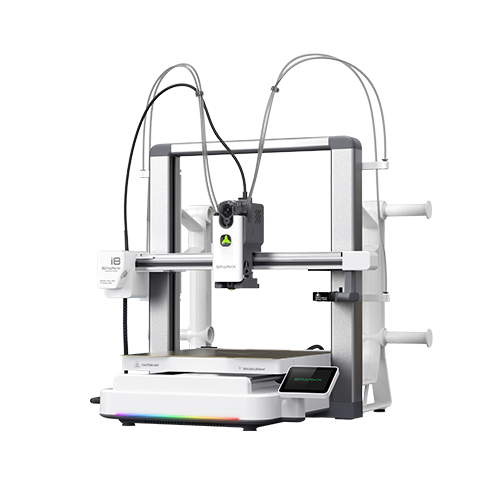
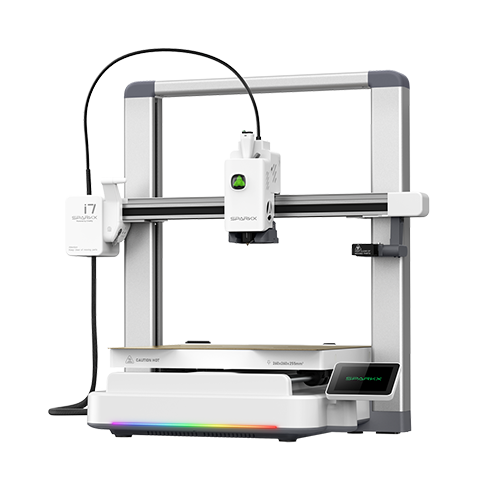
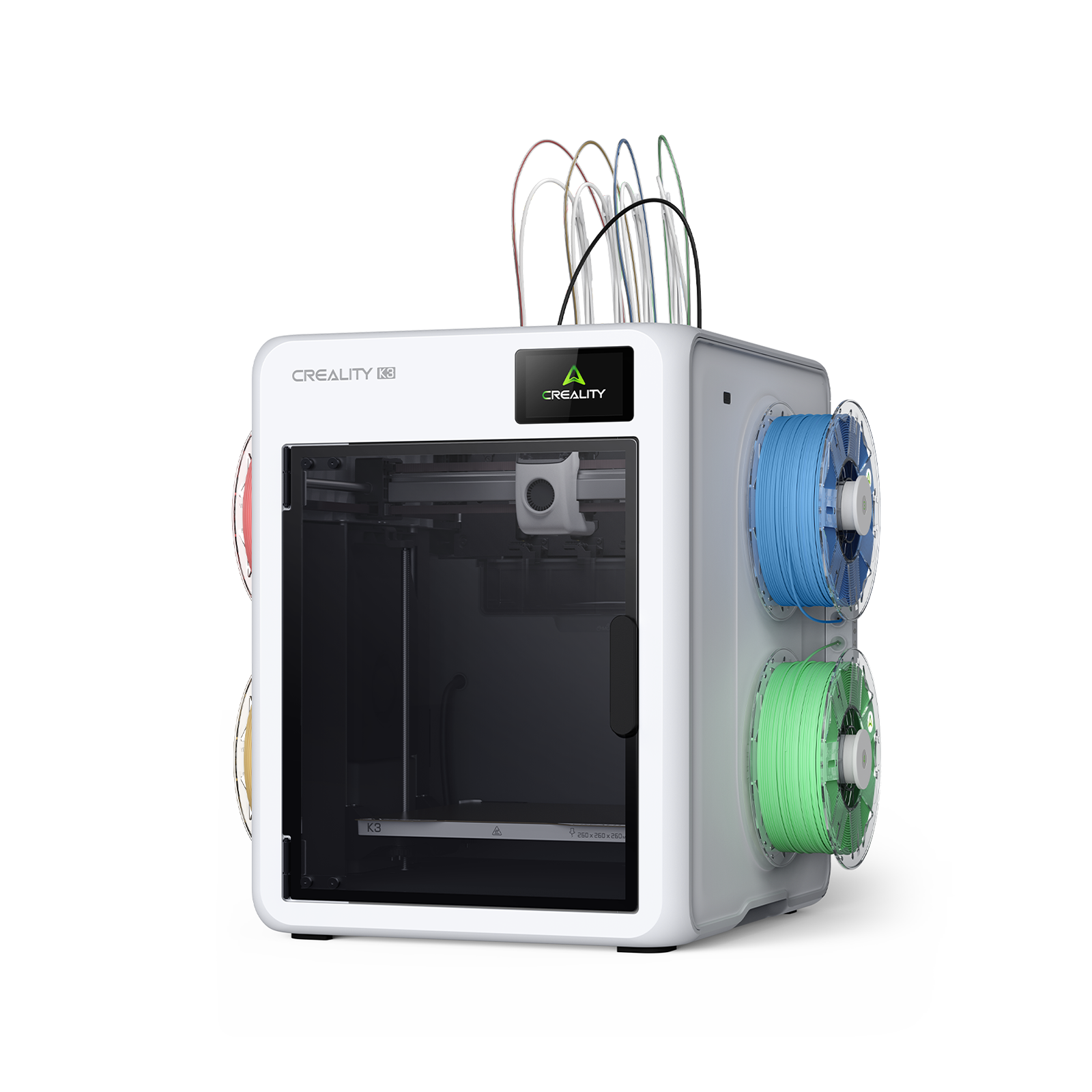
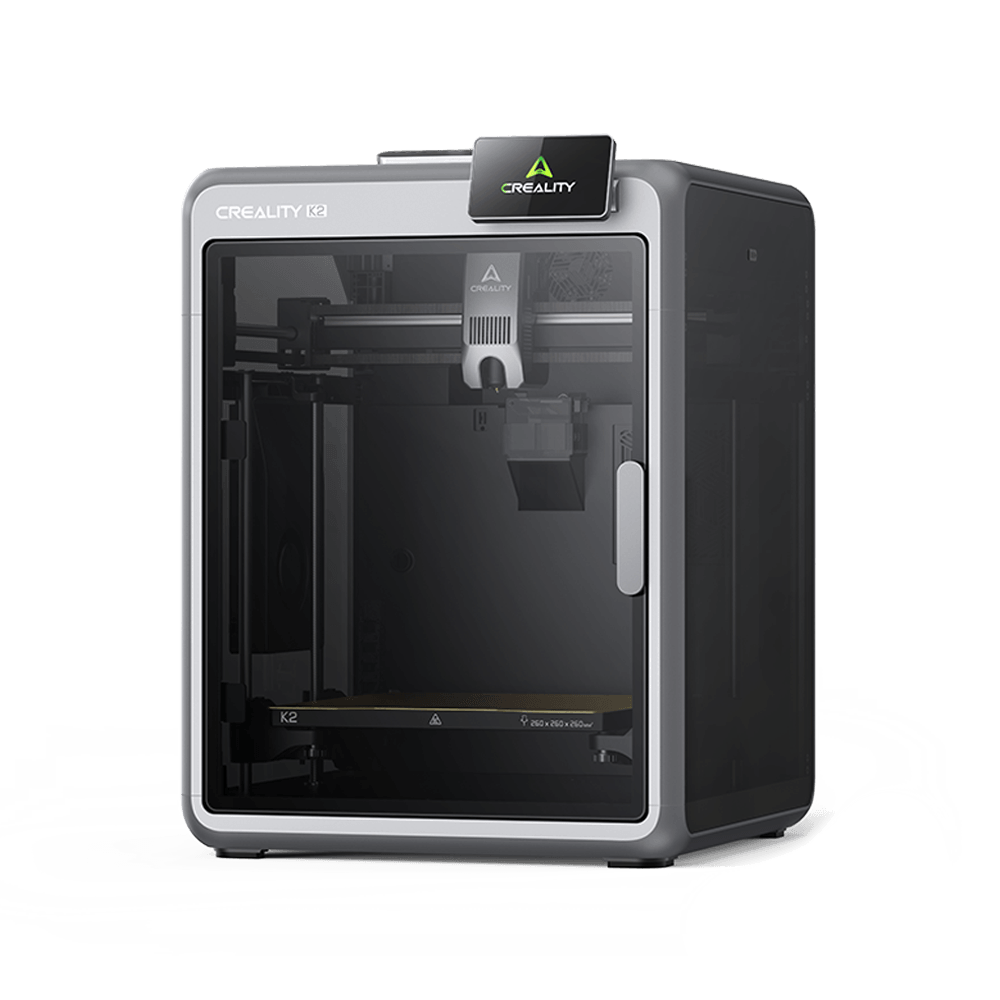
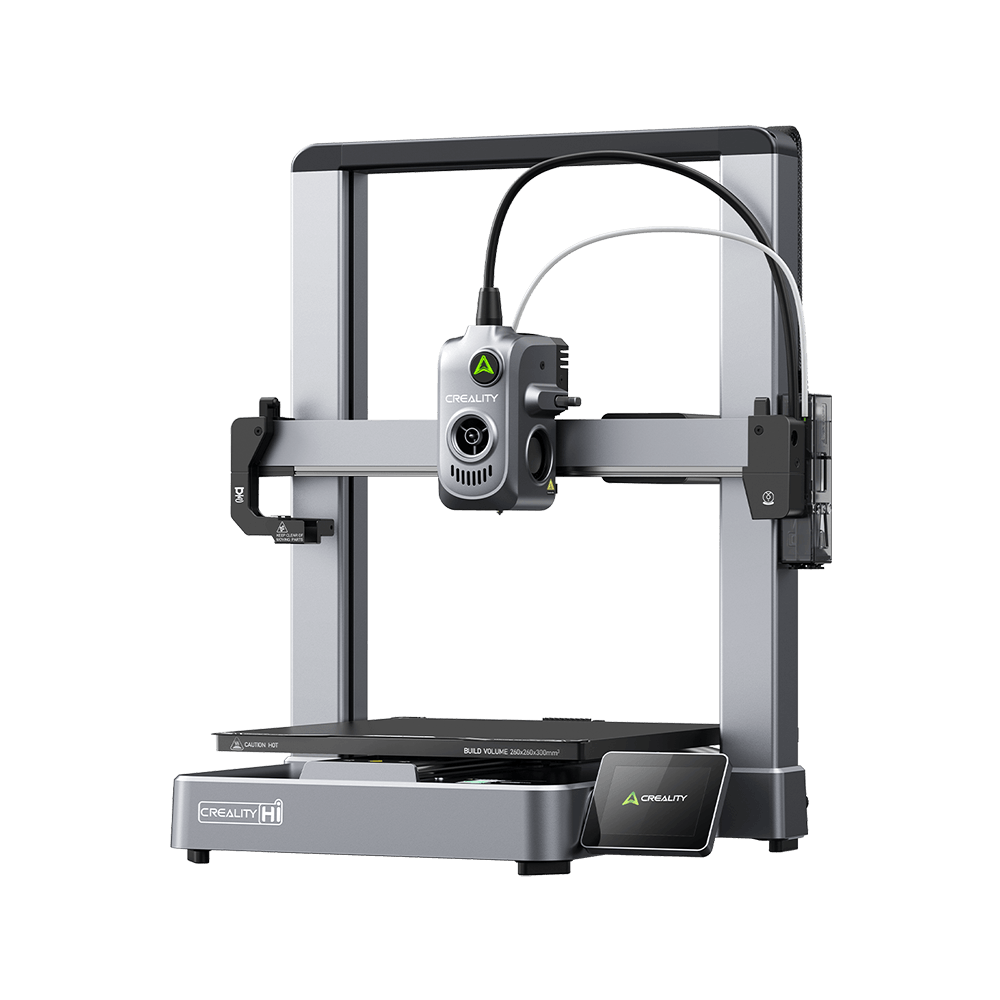
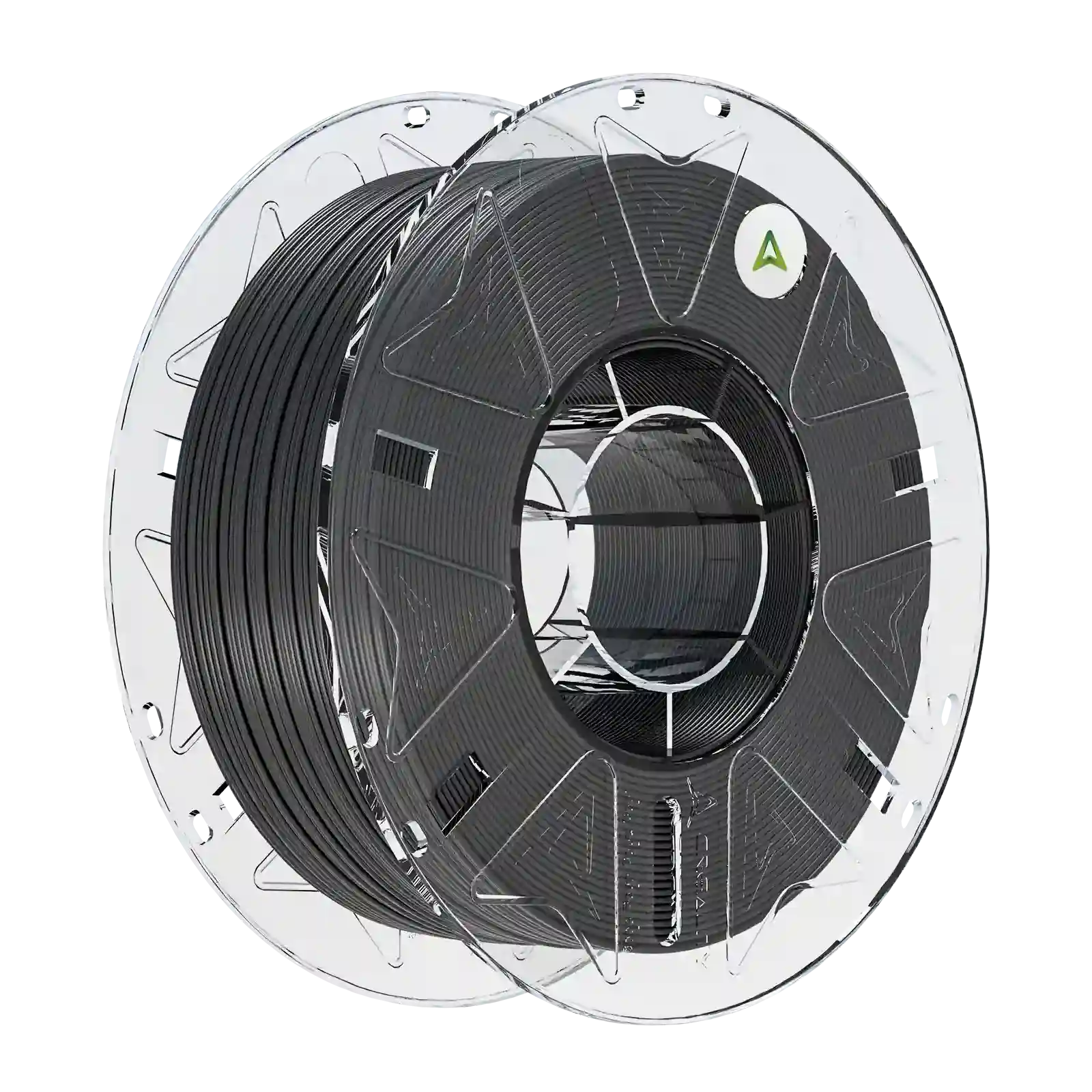
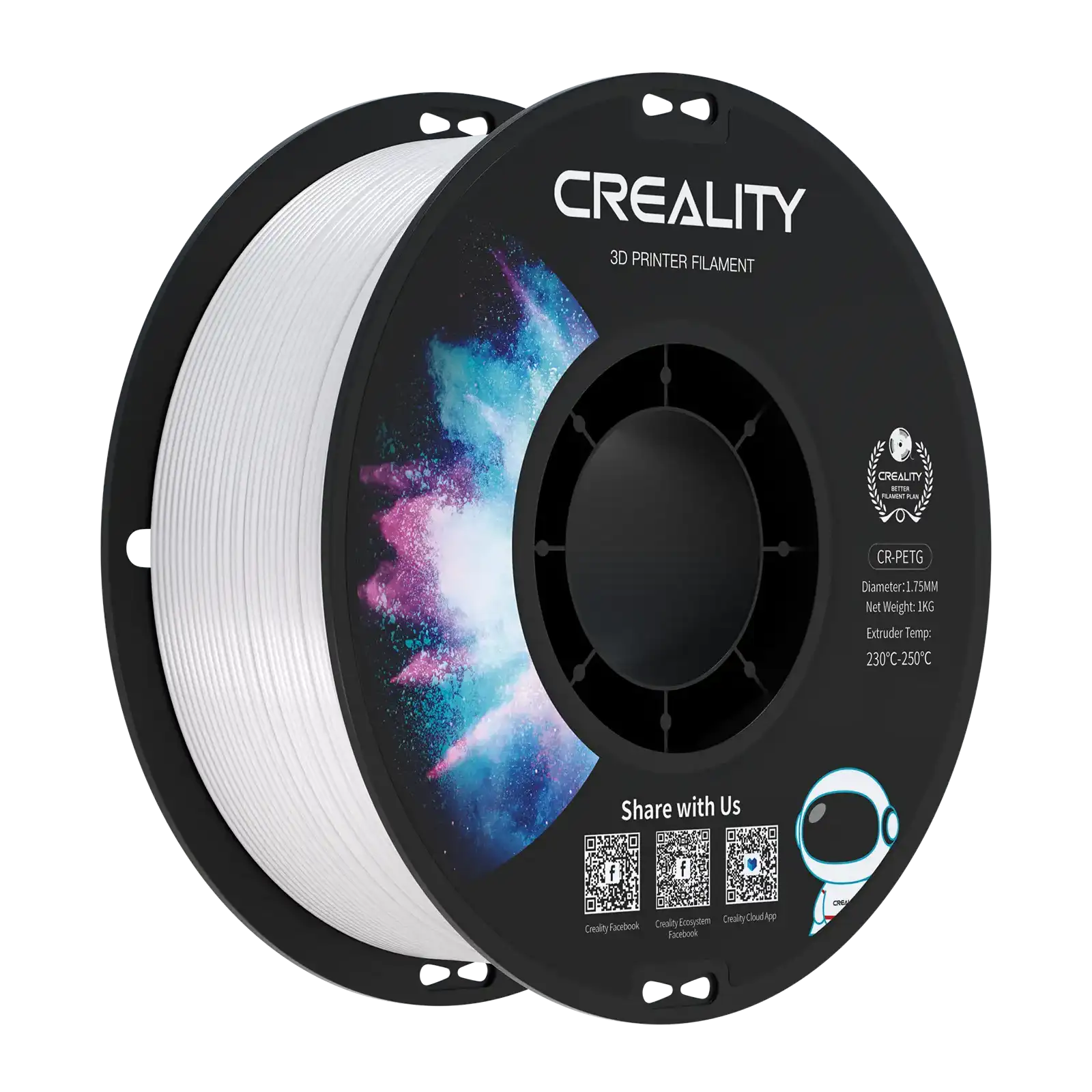
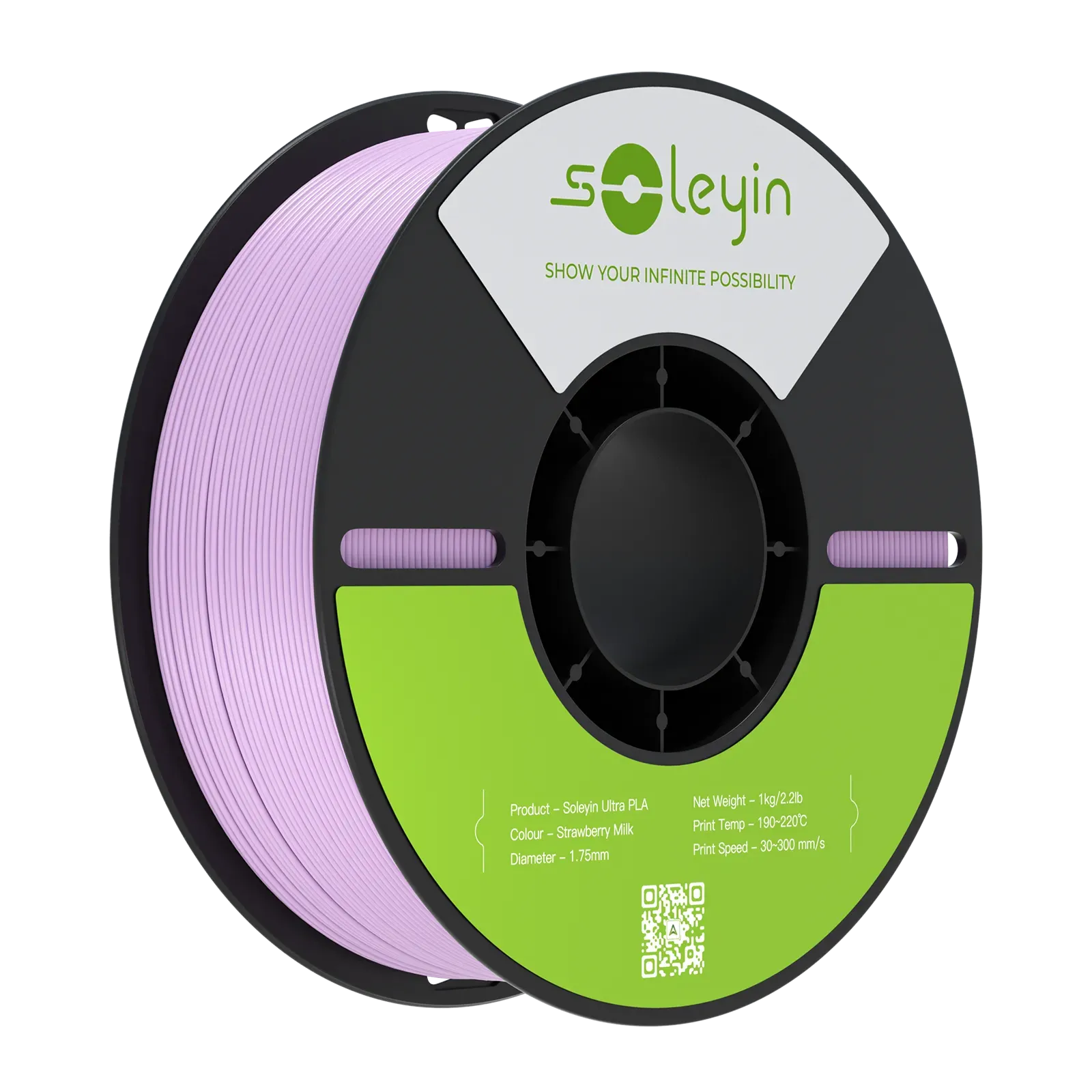


What if you could start a real business for less than $1000? No fancy office. No big loans. No waiting months to see if your idea works. That's what 3D printing offers right now.
You buy a printer, learn the basics, and start making things people want to buy. The best part? You can test your idea tonight and know by next week if customers will pay for it.
This guide walks you through everything step by step. You'll learn which printer to buy, how to price your work, and where to find people ready to spend money on what you make.
Why 3D Printing Makes Sense as a Business
Old-school manufacturing costs a fortune to start. 3D printing changes everything. Your printer makes parts straight from computer files.
Want to change your design? Just update the file and print again. No extra cost.
The money math works great for small operators. Good printers cost between $300 and $700. Choose the right 3D printer for your needs.
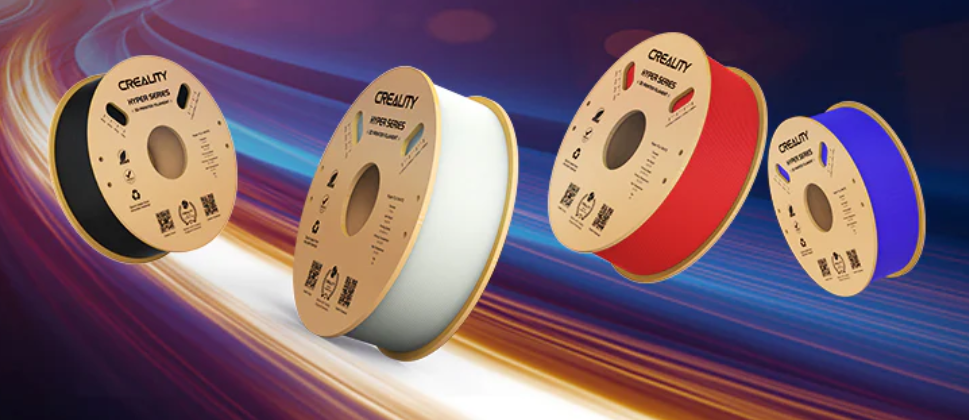
Plastic material runs $15 to $30 per kilogram. One printer running overnight can spit out dozens of small products while you sleep.
People need what you can make. Businesses want prototypes. Shoppers want custom products.
Repair folks search for parts that companies stopped making years ago. Each of these people will pay for your work.
Choosing Your Business Model
Not all 3D printing businesses look the same. Some people sell finished products online. Others help companies build prototypes.
A few do custom printing for local customers. Pick the path that fits your skills and goals.
Selling Physical Products
Most 3D printing businesses sell finished items to regular people. Etsy has thousands of shops offering printed home stuff, organizers, planters, and personalized gifts. Amazon Handmade and Shopify stores reach different buyers with similar products.
Products that sell well share common traits. They fix a specific problem, like cable holders or phone stands made for certain phone models.
They offer custom options that big factories cannot match, like name plates or pet tags. Or they serve hobby fans who pay good money for special items.
Prototyping and Design Services
Business work pays differently. New companies building products need physical samples to test ideas, show investors, and fix problems before making thousands. Architects want display models. Engineers need test parts that actually work.
Service work charges higher rates because you sell your brain power along with printer time. A prototyping job might bill $50 to $150 per hour including design help. The catch? Projects come and go randomly, and each client needs personal attention.
Equipment Essentials for Your First Print Business
Your printer is the heart of your business. Pick the wrong one and you'll fight problems every day. Pick the right one and it becomes a money-making machine that runs while you handle other tasks.
FDM Printers: The Workhorse Option
FDM printers melt plastic string and lay it down layer by layer. Most 3D printing businesses use them because they work reliably, materials cost little, and they make strong parts.
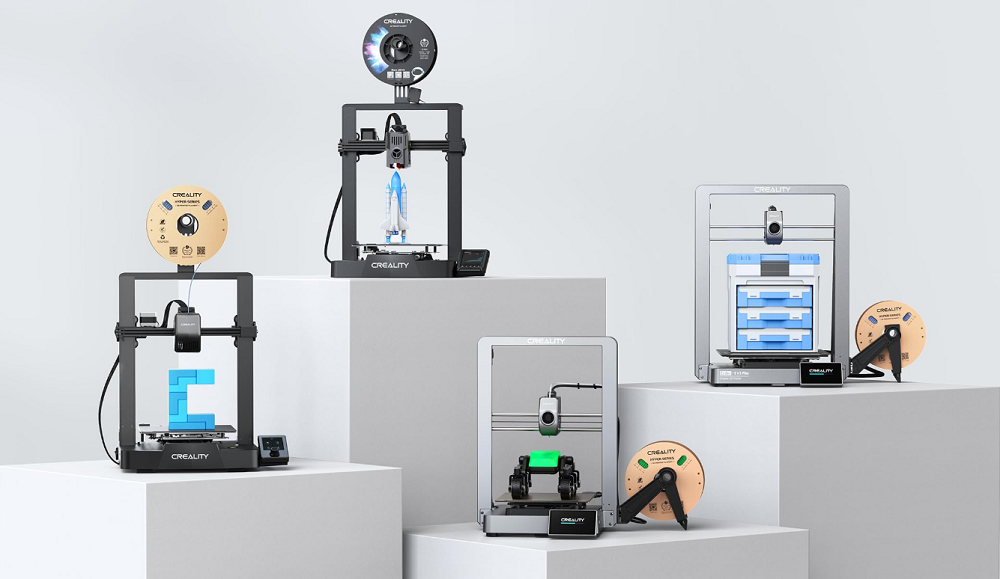
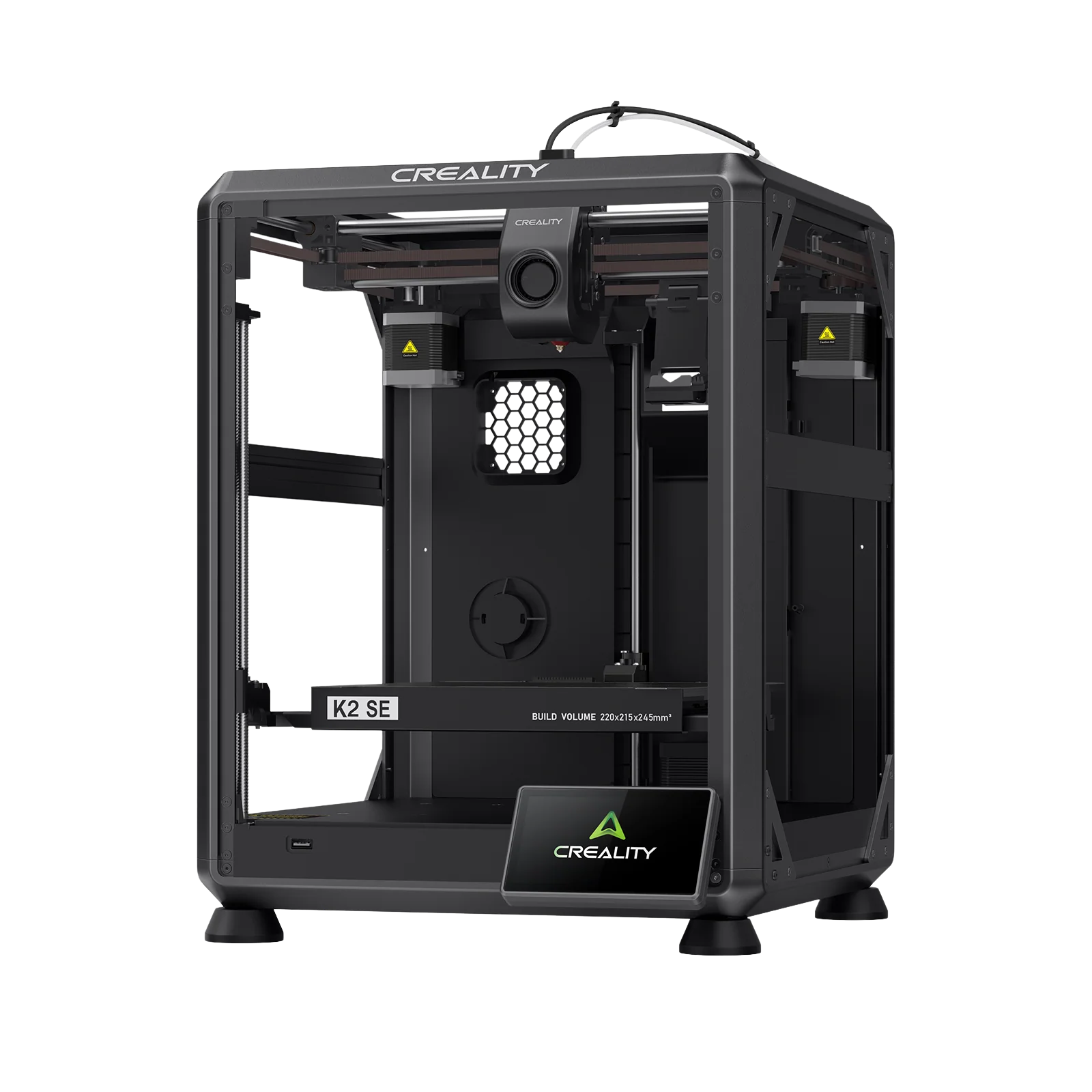
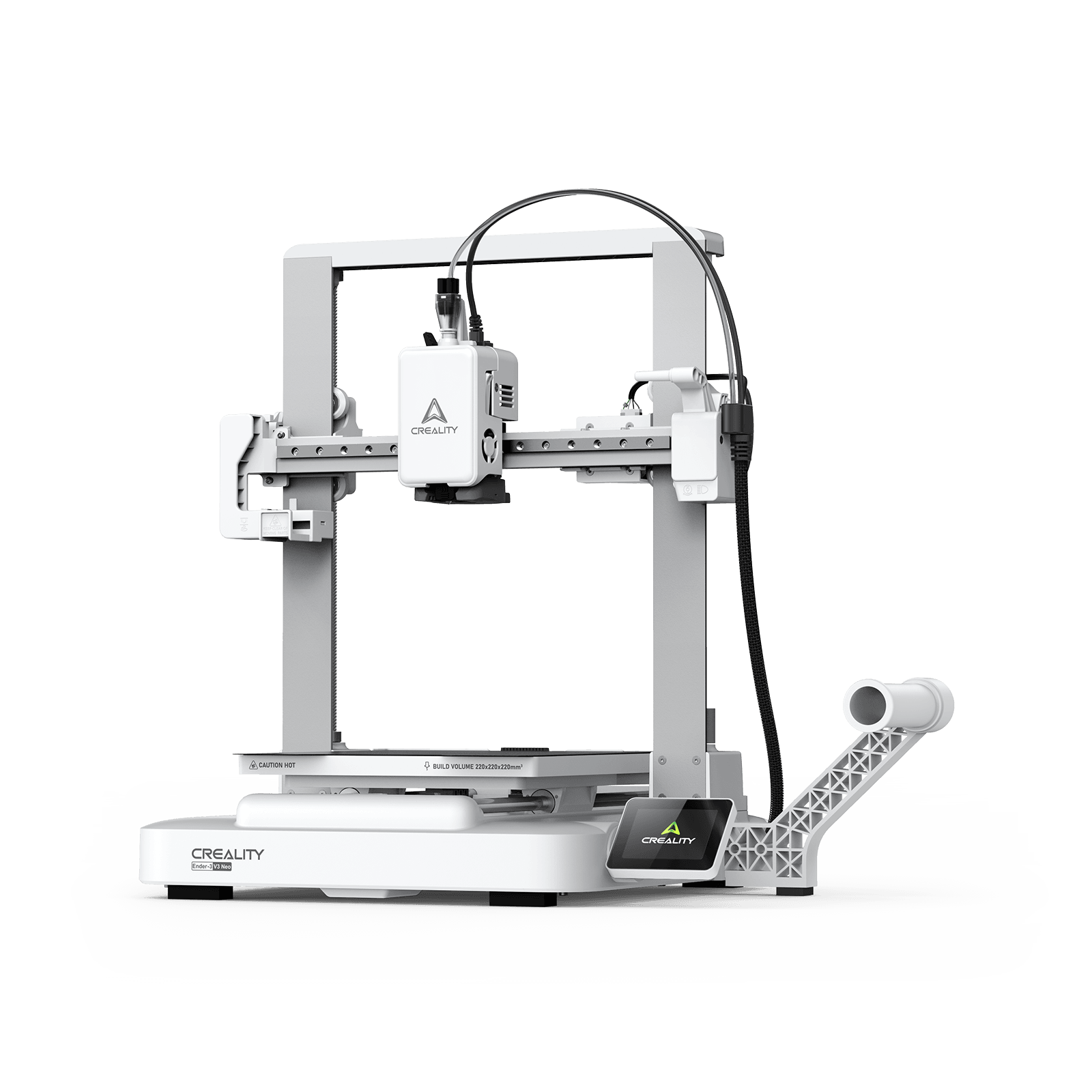
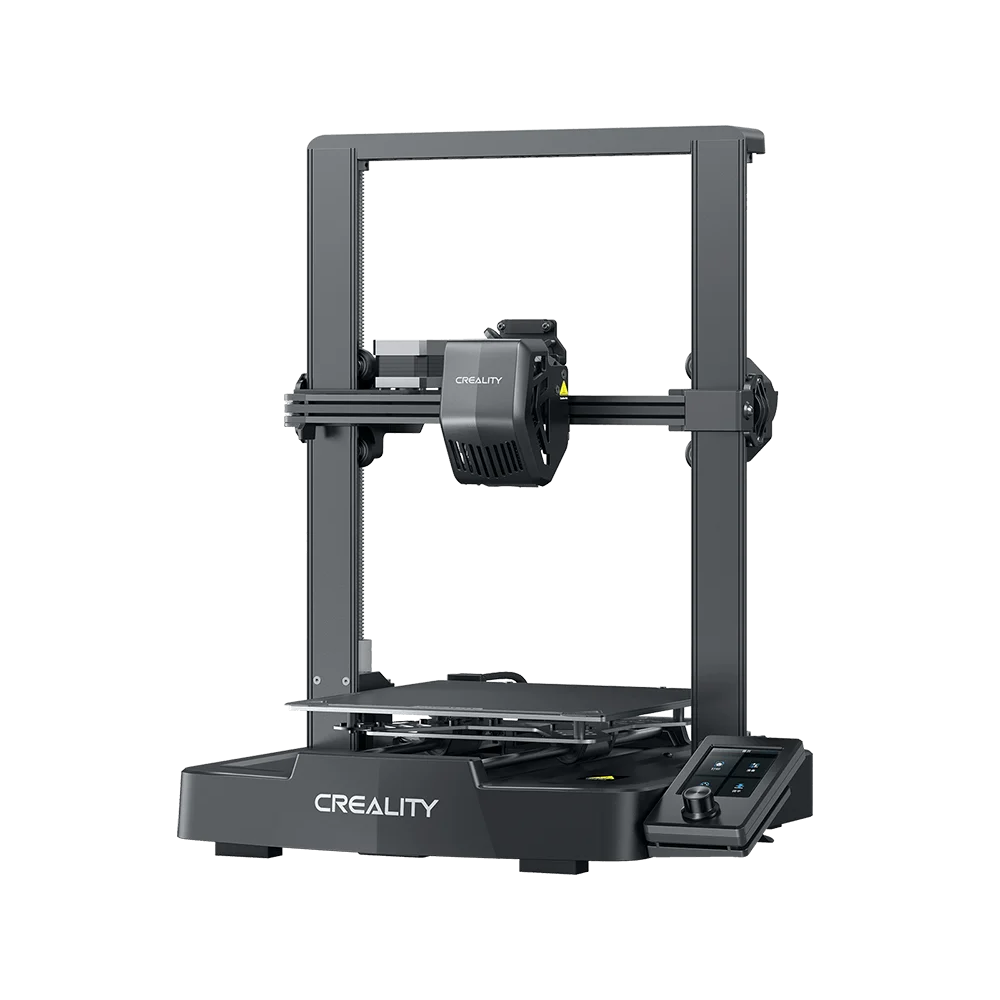
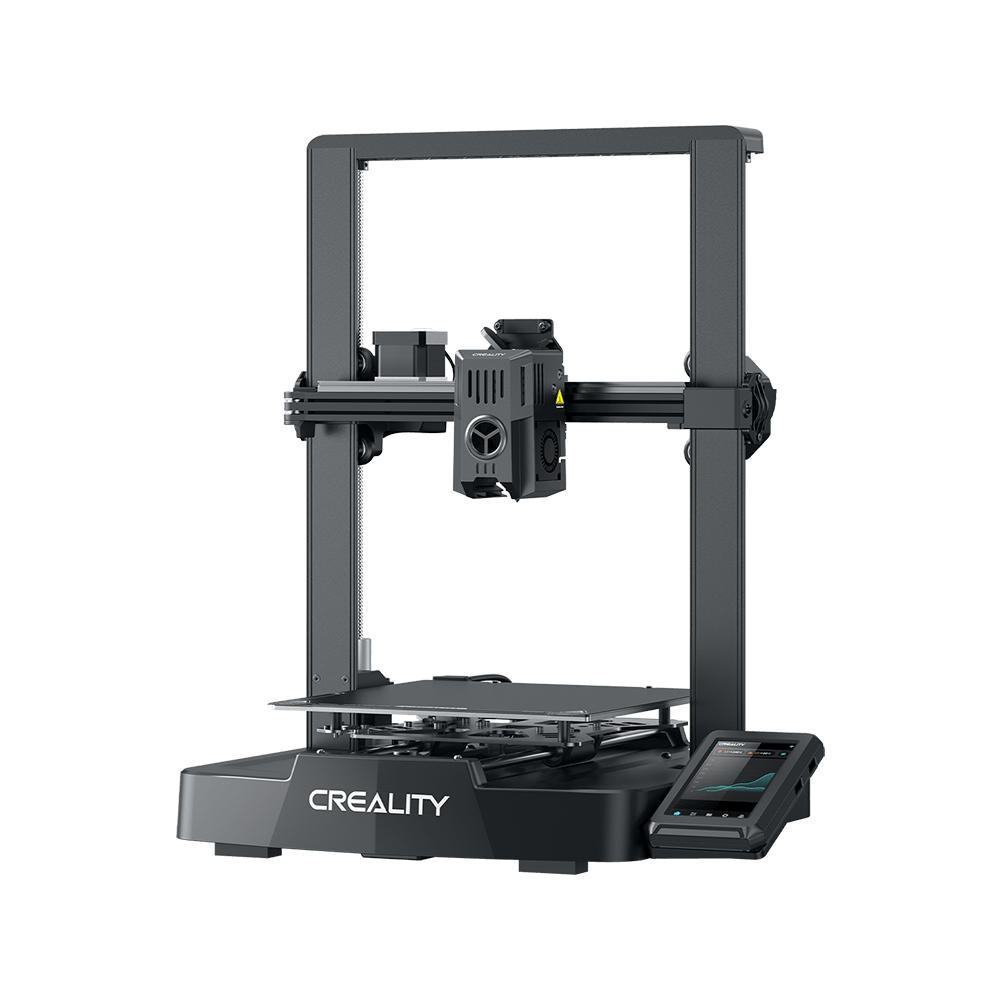
For people just starting out, the Ender-3 V3 SE levels itself automatically and prints nicely for around $169. It handles PLA, PETG, and flexible materials without trouble. Many successful Etsy sellers started with this exact printer.
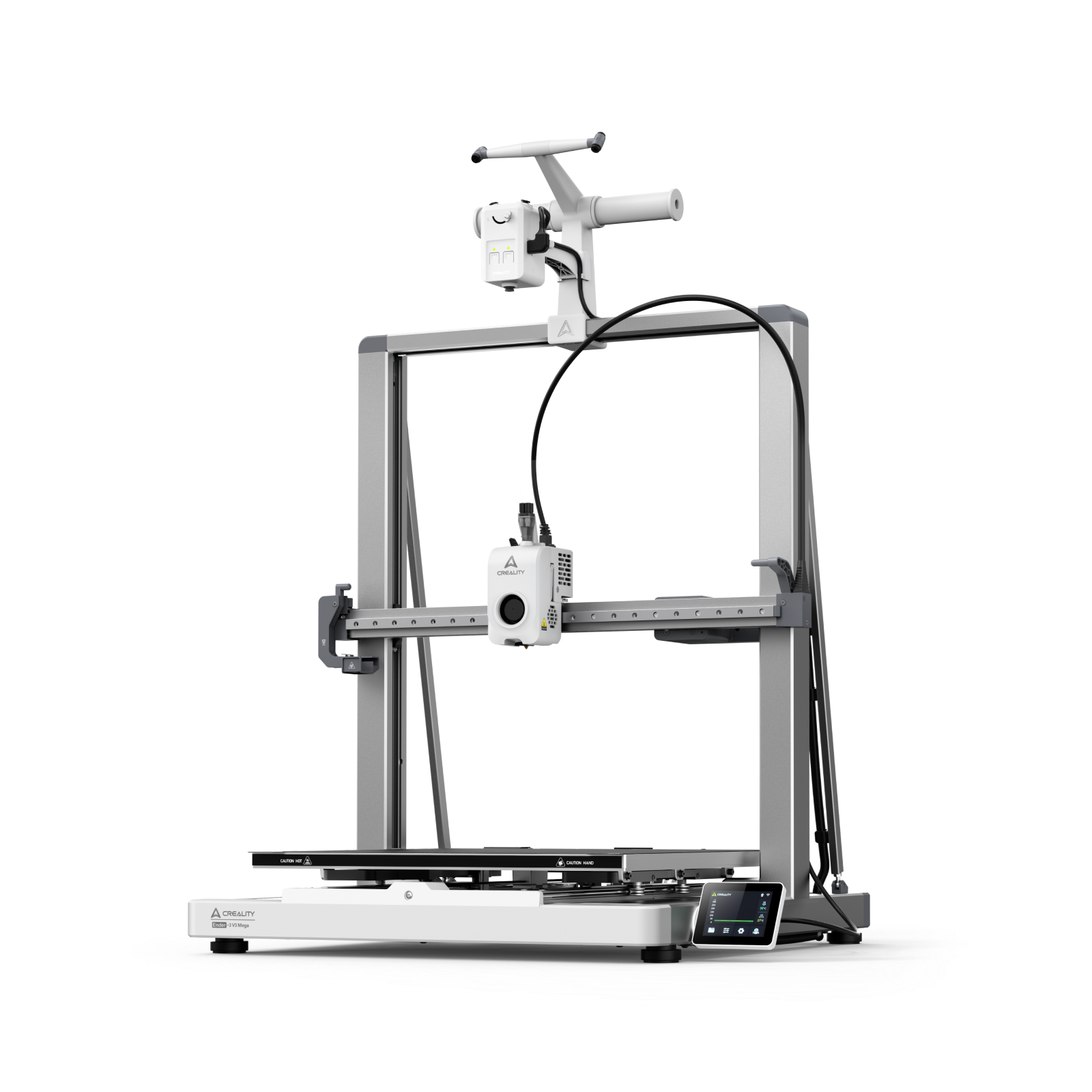
When speed matters, the Ender-3 V3 prints at 600mm/s compared to the usual 50-100mm/s of older machines. Faster printing means more products per day, which means more money.
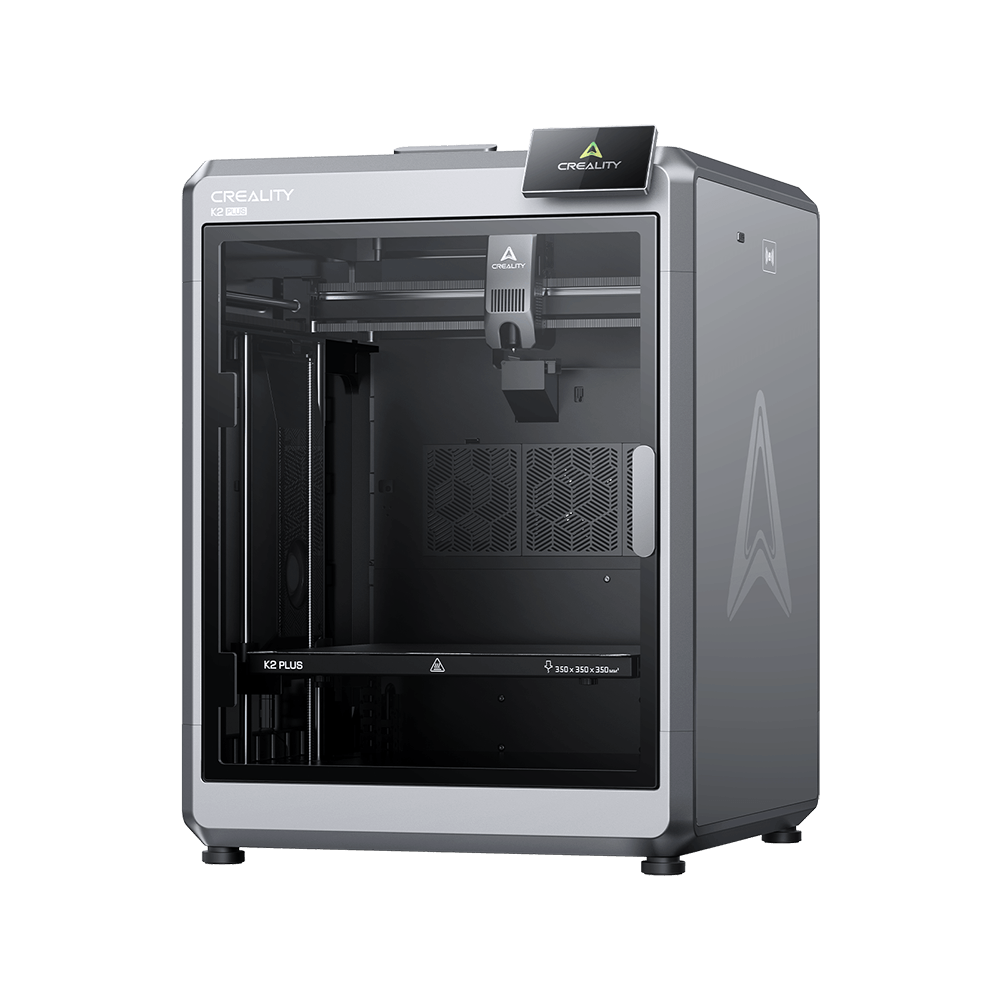
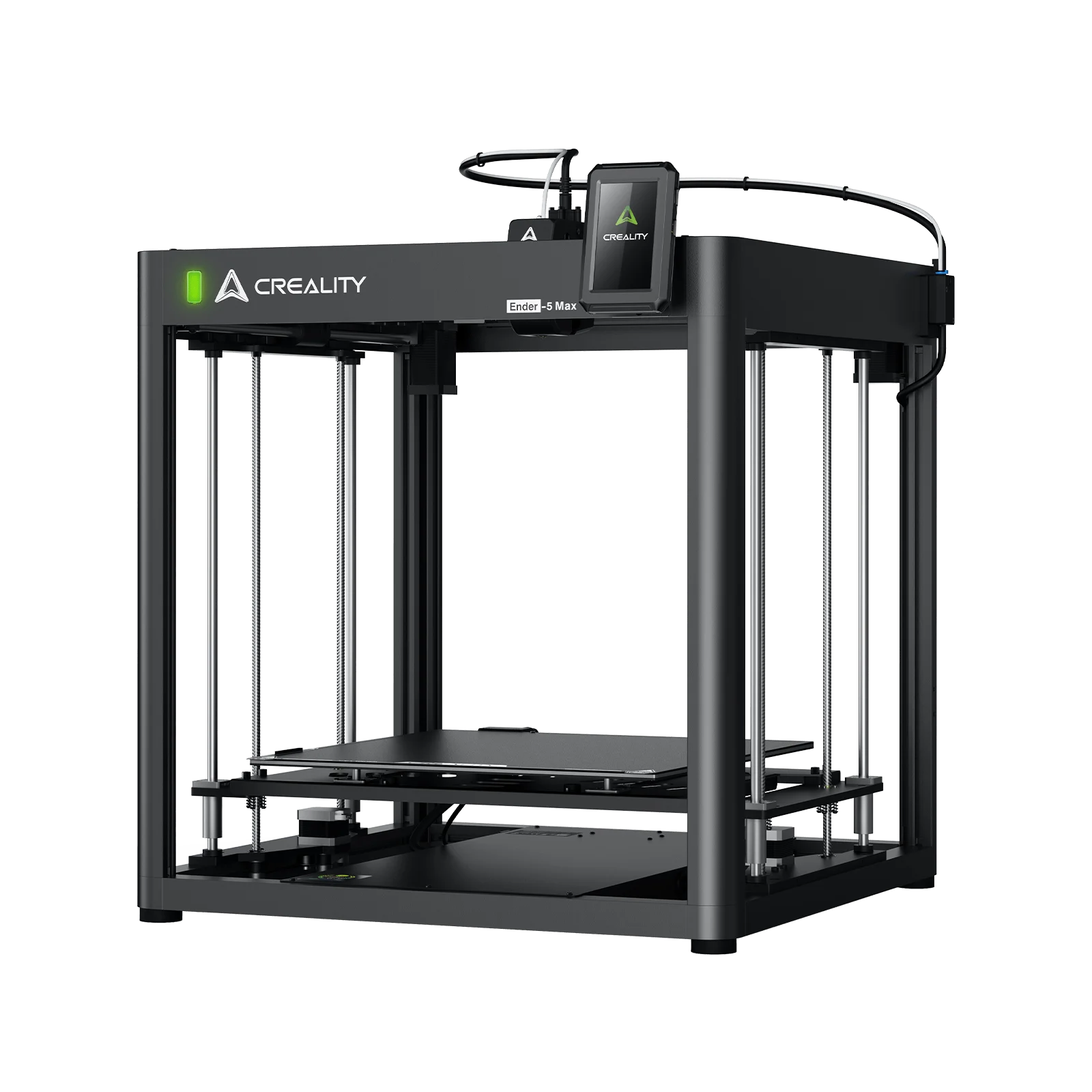
The K1 Max combines that speed with a bigger 300x300x300mm build area for larger projects or batches of smaller items.
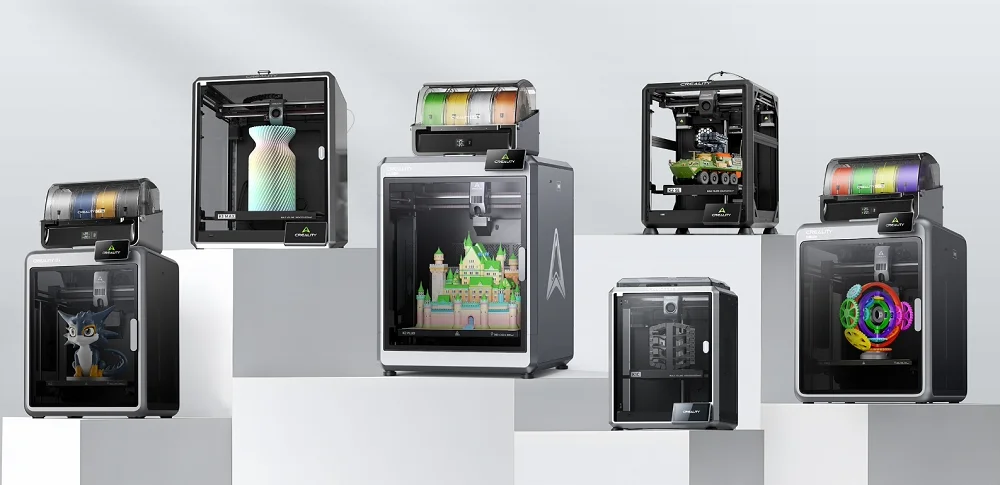
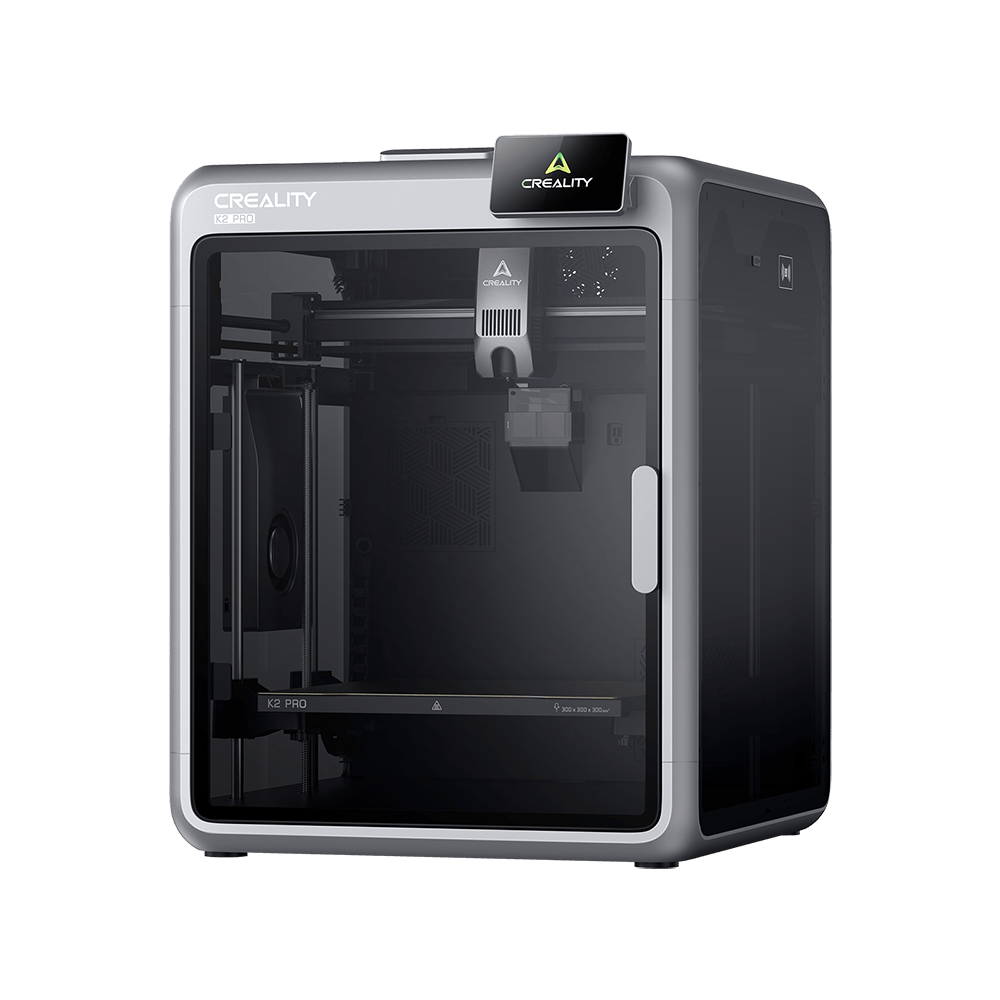
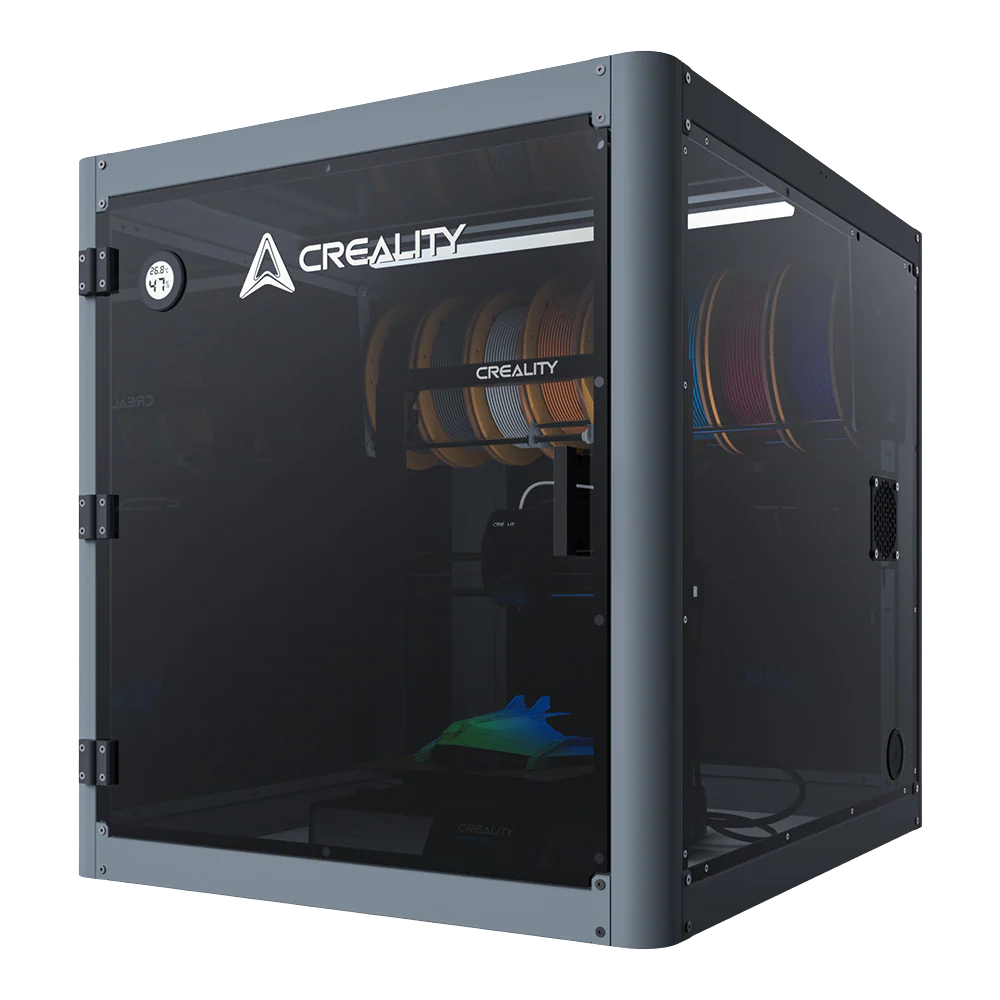
Businesses working with tough materials should look at the K1C. Its enclosed chamber and hardened nozzle handle carbon fiber plastics, which make parts much stronger and stiffer. Industrial clients often ask for these materials in working prototypes.
Resin Printers: When Detail Pays
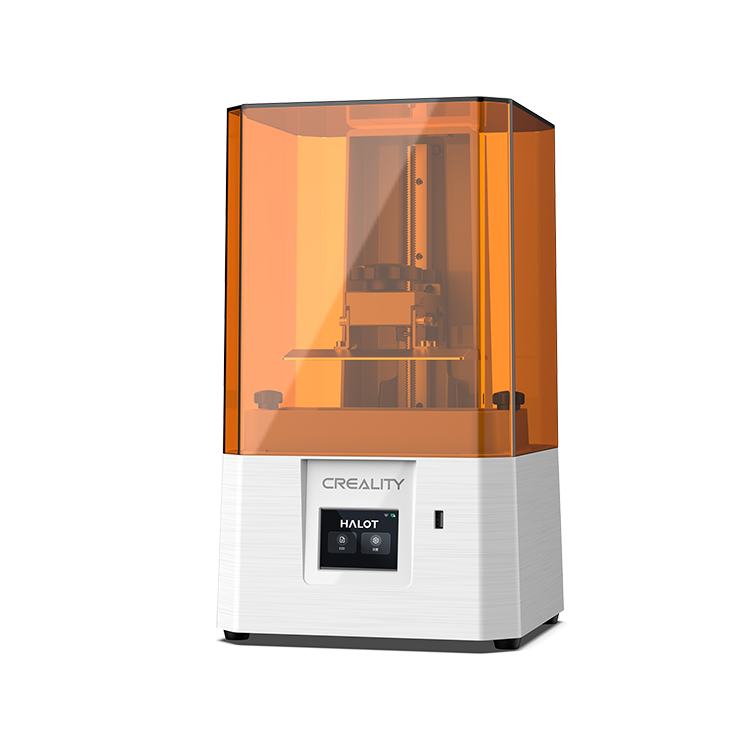
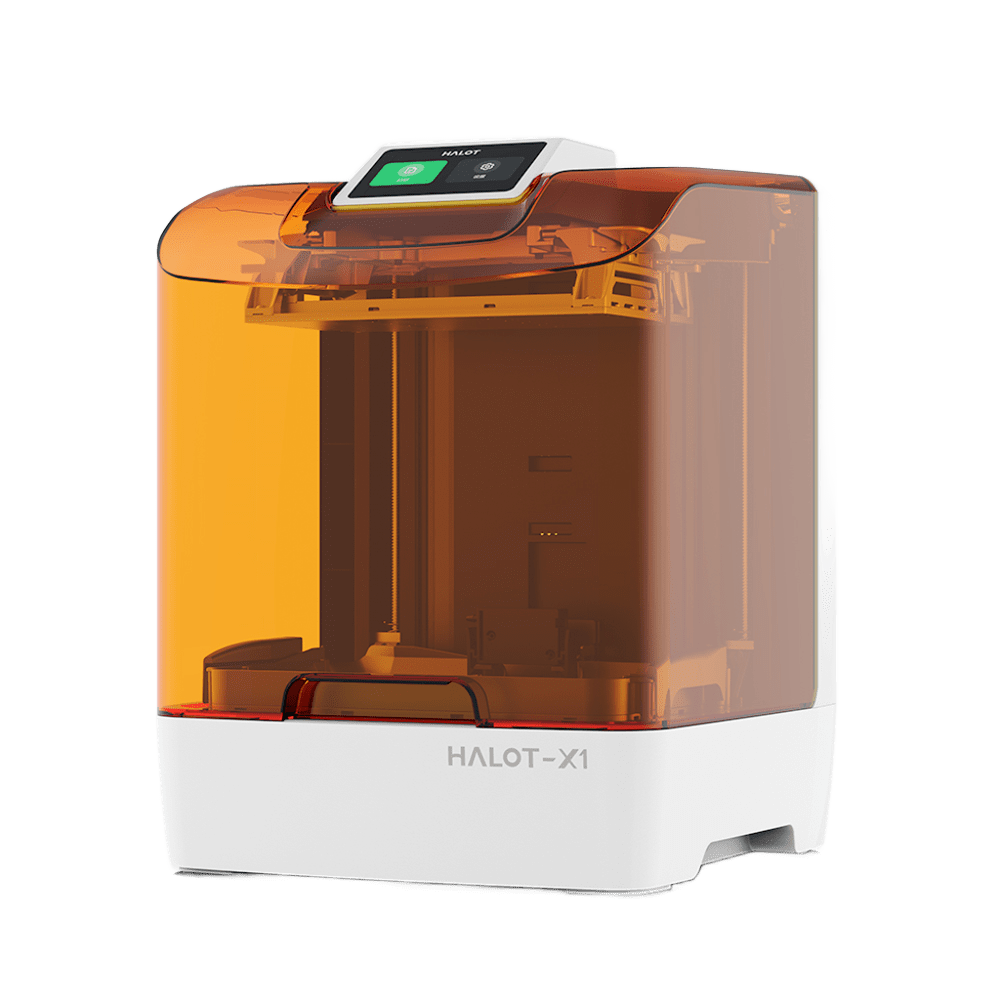
Resin printers use UV light to harden liquid plastic, making parts with much finer detail than FDM. They shine at jewelry, tiny gaming figures, dental models, and anything needing smooth surfaces.
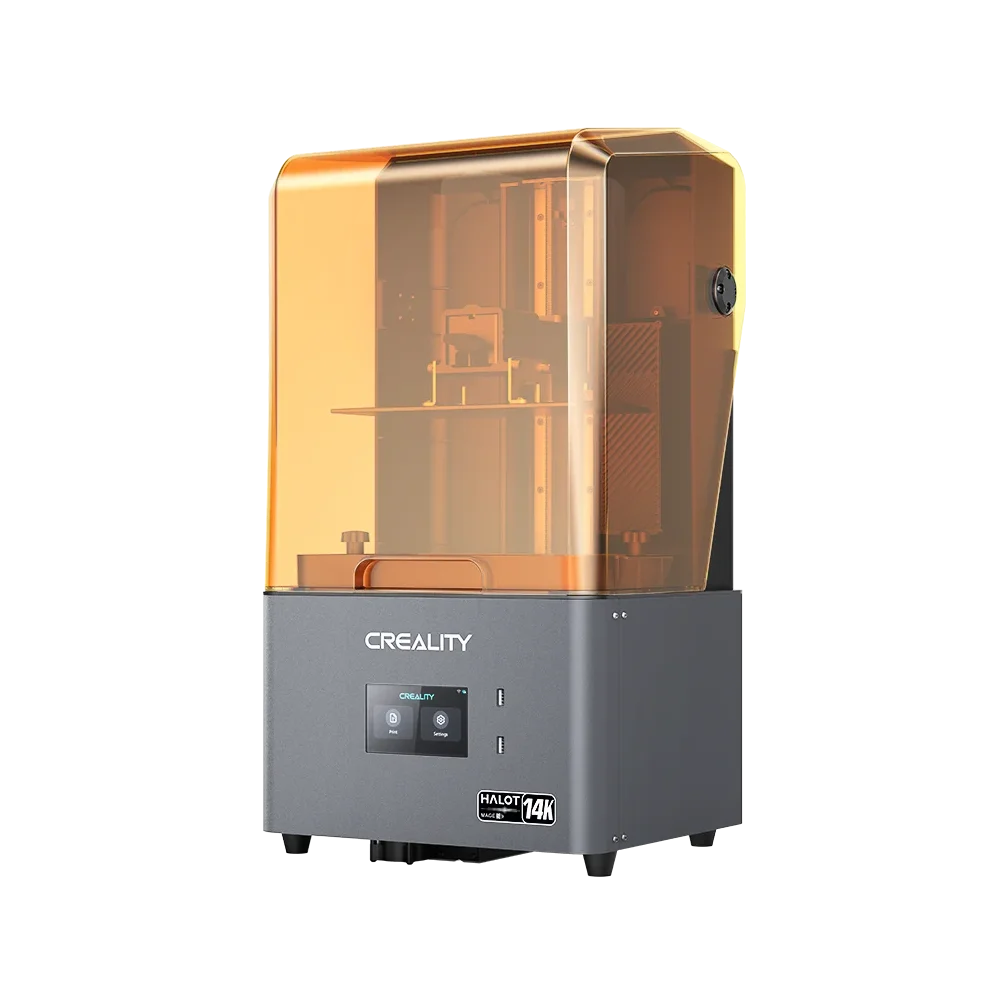
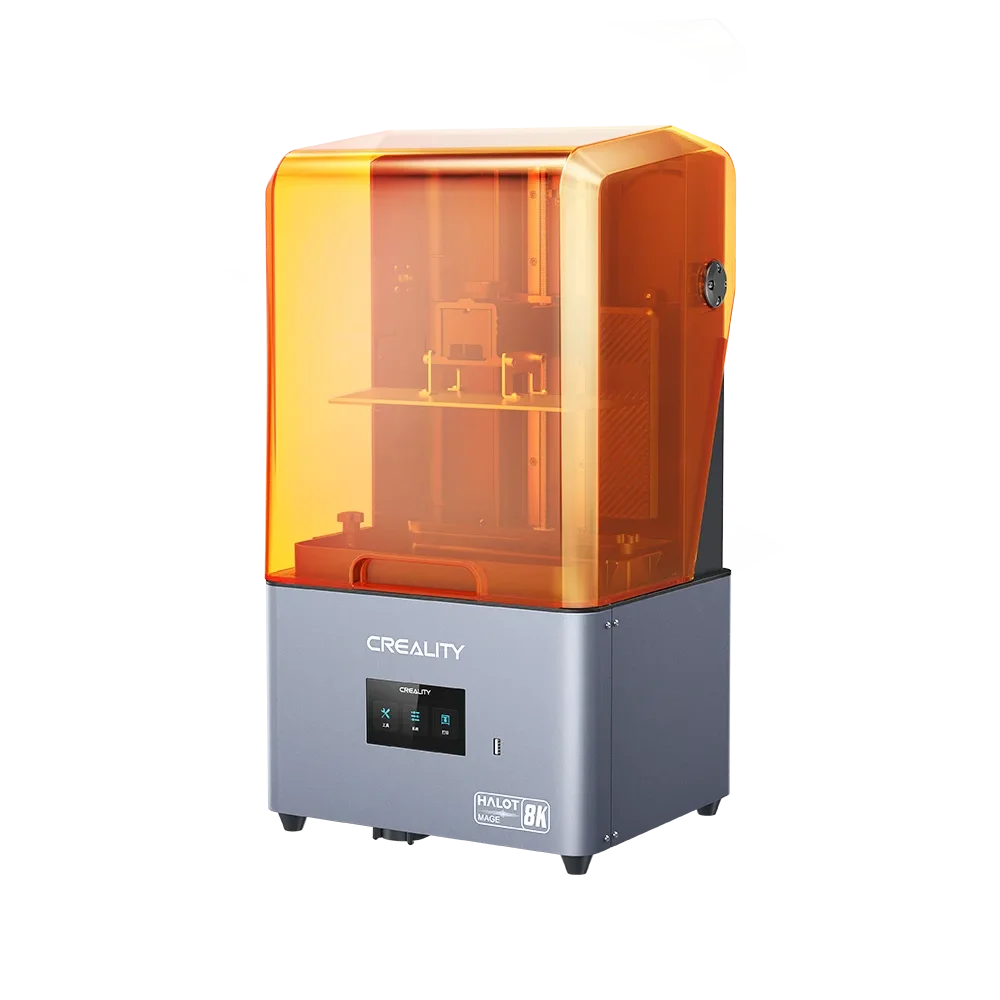
The HALOT-MAGE delivers 8K resolution on a 10.3-inch screen, catching tiny details that FDM just cannot copy. Jewelry makers use it to create casting masters. Miniature painters love the sharp edges on small figures.
Resin printing needs extra cleanup steps. Parts need washing in alcohol and hardening under UV light. Add washing stations, curing boxes, and good airflow to your budget when planning resin work.
Software and Materials
Every print starts as a computer file that gets sliced into layers. Creality Print handles this with ready-made settings that work right away. Creality Cloud adds remote watching and access to thousands of printable designs.
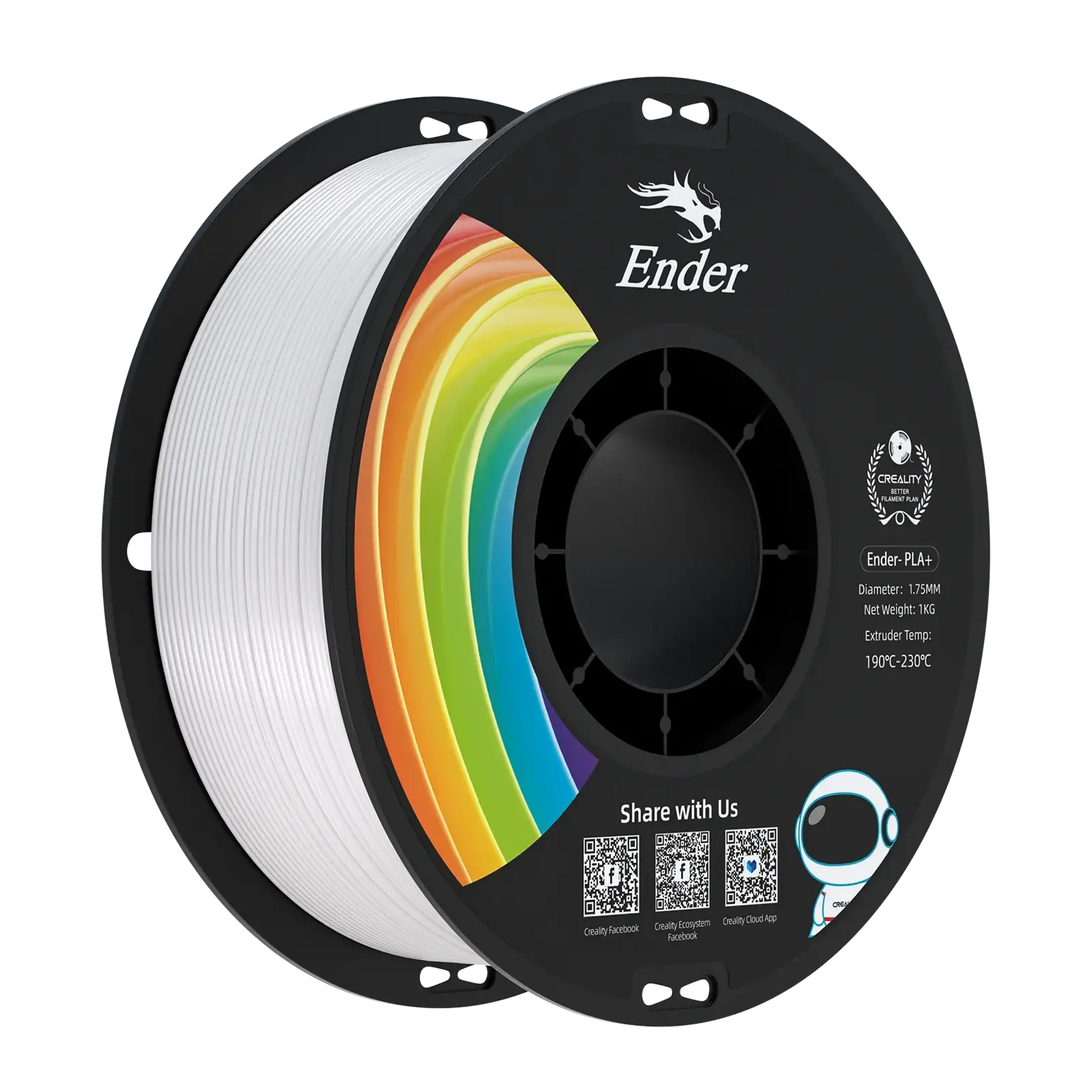
Stock basic materials first. PLA works for most decorative items and costs $15 to $25 per kilogram. PETG adds toughness for useful parts. Get specialty materials only when specific projects need them.
Setting Up Your Operation
You don't need a warehouse to start. A corner of your home works fine at first. But getting the basics right from day one saves headaches later and helps you grow without starting over.
Workspace Requirements
A 3D printing business doesn't need much room to begin. One printer fits on a desk. Three printers can share a big shelf. The must-haves are enough electrical outlets, fresh air flow, and steady temperature.
Regular home circuits handle 1-3 printers easily. Bigger setups may need dedicated circuits to prevent blown fuses.
Air flow matters a lot for ABS and resin printing, which release smells during work. A garage, basement, or spare room with a window usually works great. Keep room temperature between 15-28°C for steady print quality.
Building a Print Farm
Growing from one printer to many follows natural demand. Start with a single machine. When it runs all the time and you turn away orders, add a second.
Most successful print farms grow to 5-10 machines before needing big workflow changes.
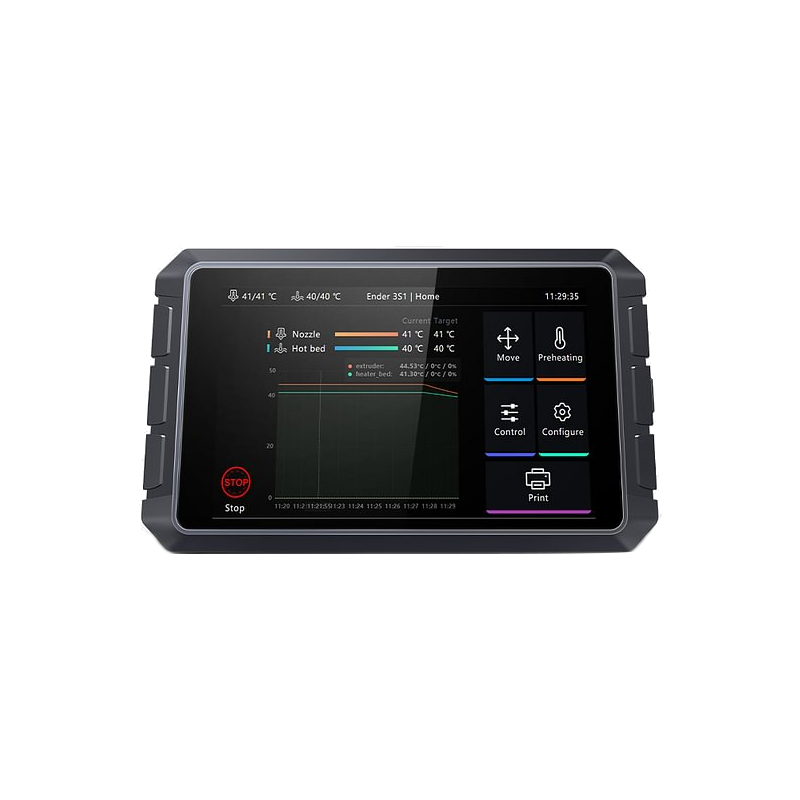
Software becomes important when you scale up. Creality Cloud manages multiple printers from one screen. You can line up jobs, watch progress from anywhere, and get alerts when prints finish or fail.
Pricing Your Products and Services
Bad pricing kills more 3D printing businesses than competition does. New operators often add up material cost and tack on a small extra amount. They forget the hours spent on design, setup, watching, and finishing each job.
A fair price includes four parts:
-
Material cost calculated by weight
-
Machine time covering electricity and printer wear
-
Your time for setup, watching, finishing, and shipping
-
Overhead including software, workspace, and failed prints
Add these together, then add your profit. Products should clear 50% profit at minimum. Services work better at 100% or more because they need more personal attention.
Check what competitors charge on Etsy before setting your numbers. Prices are too low and buyers assume poor quality.
Prices are too high without being different and they buy elsewhere. Find the sweet spot where your profits work and customers see clear value.
Finding Your First Customers
Making great products means nothing if nobody knows about them. Smart customer hunting uses multiple paths at once. Online platforms bring strangers to your door. Local outreach builds relationships that last for years.
Online Marketplaces
Try online platforms like Etsy, Amazon etc. They remain the starting point for product sellers. These platforms attract buyers looking specifically for handmade and custom items.
Local Business Opportunities
Business relationships often start with a simple conversation. Architects nearby might not know local 3D printing help exists. Engineering firms may send work to faraway shops simply because they haven't found you yet.
Show up with samples. A well-printed building model or mechanical part proves your skill better than any flyer. Offer quick turnaround and personal service that big companies cannot match.
Social Media and Content
Visual platforms help people discover your products. Instagram and TikTok reward videos showing printers in action.
Time-lapses of complex prints often go viral in maker groups. Reddit hosts active communities where genuine participation builds your reputation over time.
Your Next Step
A 3D printing business starts with one printer, one product idea, and willingness to learn along the way. Good equipment now costs less than a smartphone. The market has grown big enough to support thousands of small operators. What remains is doing the work.
Pick a printer that matches your budget and goals. Choose a product type or service style. Make your first sale. Everything else follows from there. Explore the full range of Creality 3D printers to find the right starting point for your business.