




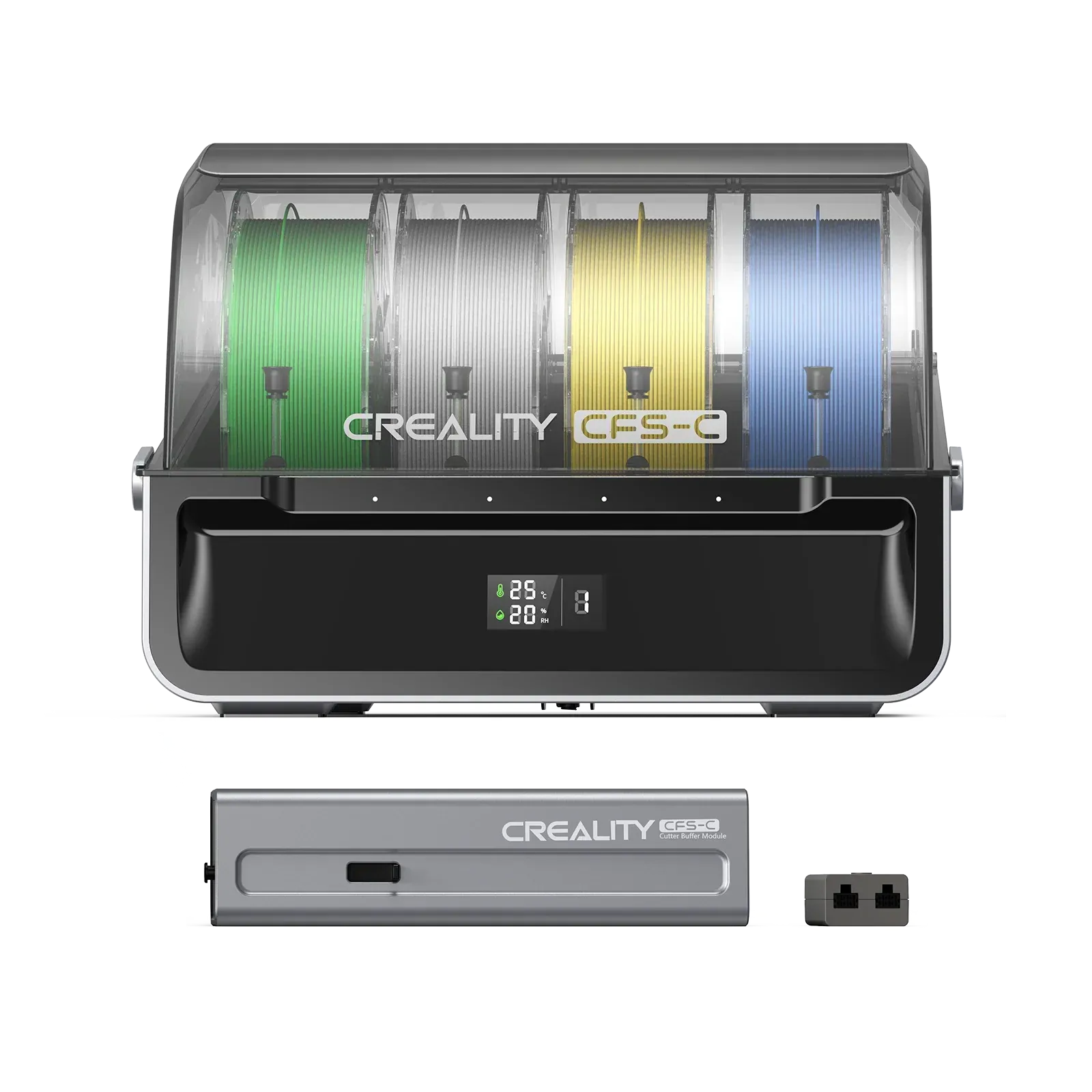
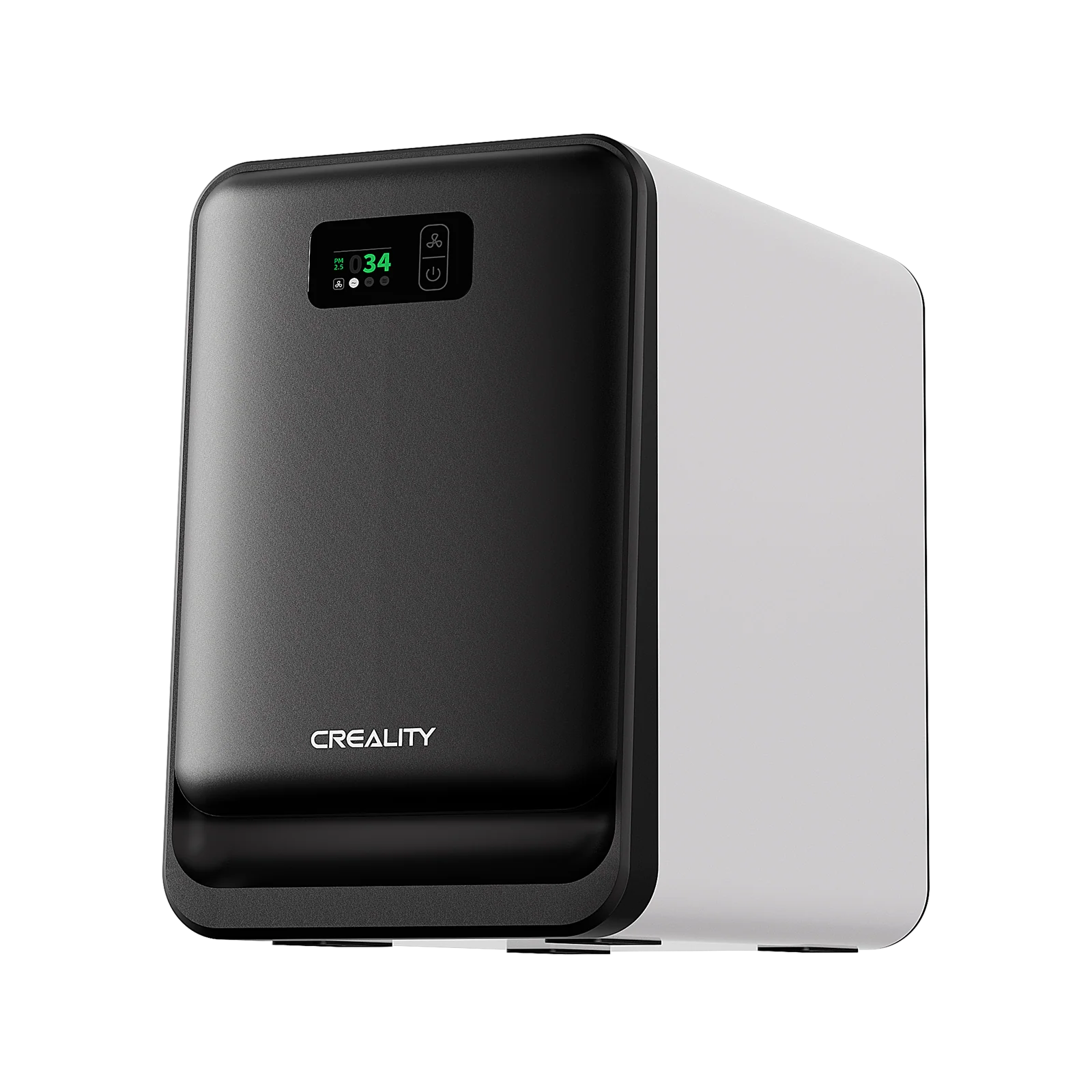
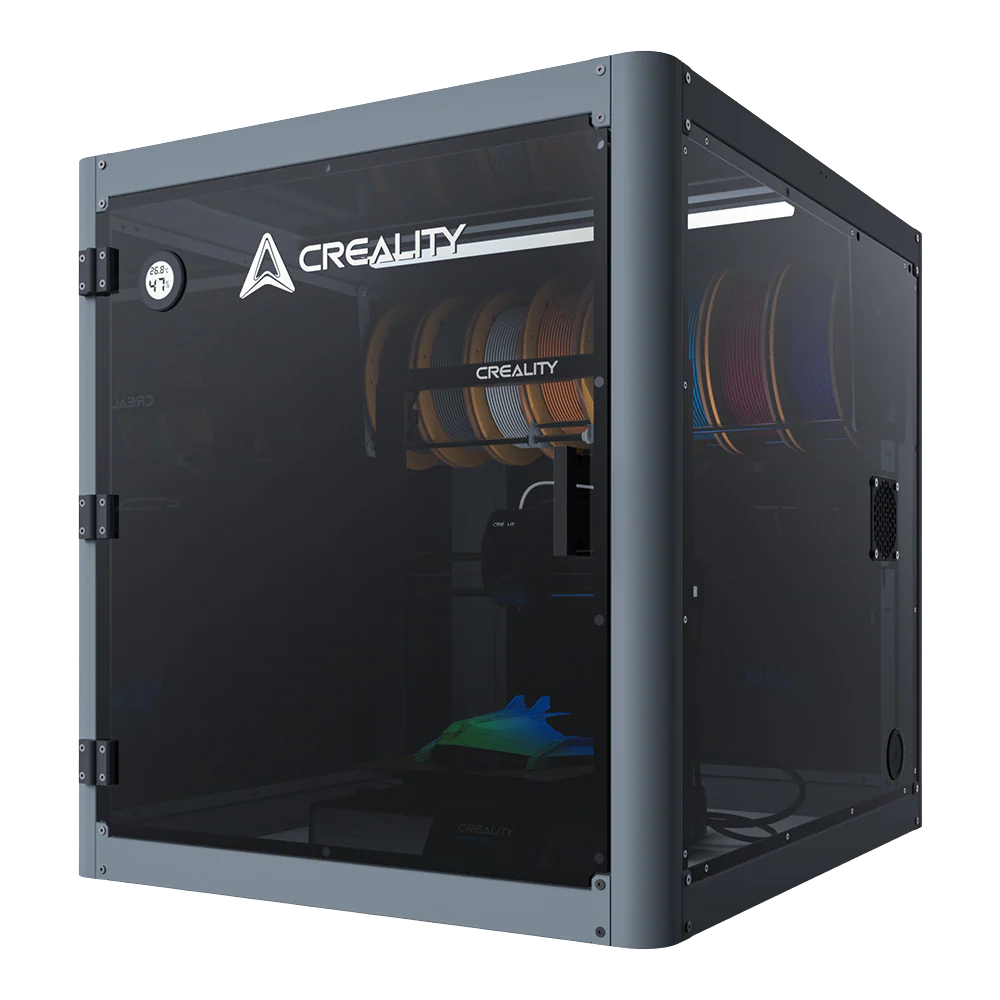
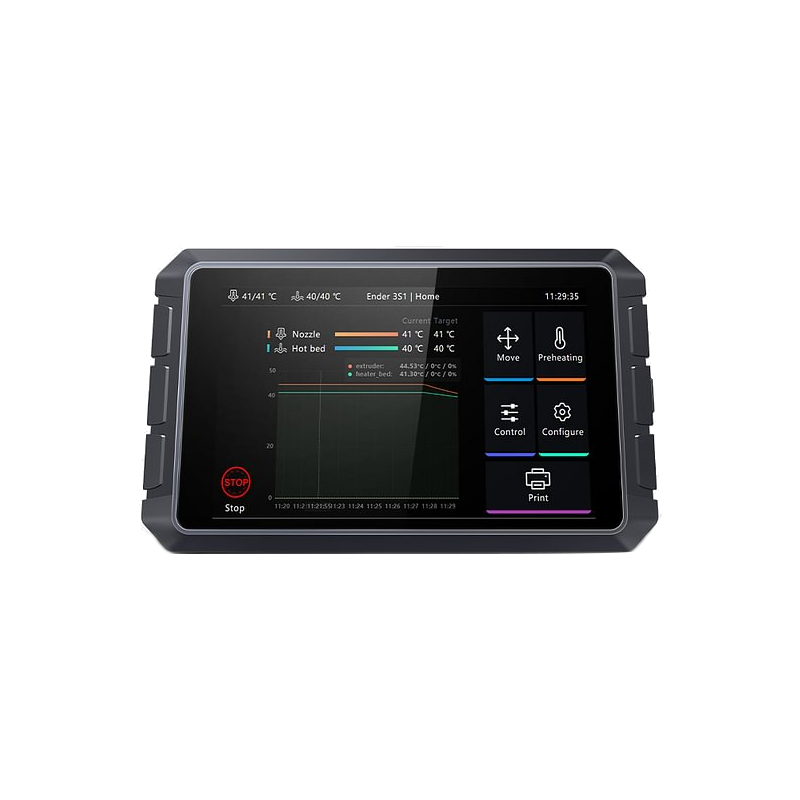

Can you recycle 3D printer filament? Yes, you can absolutely recycle 3D printer filament at home. While recycling used to require industrial facilities, desktop hardware like the Creality Filament Maker M1 & Shredder R1 now makes it seamless. By crushing failed prints with the Shredder R1 and re-extruding them into fresh spools via the Filament Maker M1, you can establish a zero-waste, eco-friendly 3D printing workflow.
Want to master this sustainable setup? Click our Creality Filament Recycling Guide to check more details.
Factors Affecting Consumable Recycling
While establishing a zero-waste setup is completely practical, your recycling outcome depends heavily on the condition of your scrap material. Before tossing everything into the Creality Shredder R1, consider these 5 decisive factors that dictate whether your waste can be remolded into premium spools:
|
Factor
|
Why It Matters
|
|
Material type
|
PLA, ABS, PETG, and TPU all have different recycling requirements
|
|
Cleanliness
|
Polluted prints, paint, adhesive, and embedded hardware can't be processed
|
|
Moisture level
|
Wet or moisture-damaged filament produces weak, inconsistent output when re-extruded
|
|
Material sorting
|
Mixed-material waste can't be processed, and scraps must be sorted by plastic type
|
|
Degradation level
|
UV-exposed or brittle material has broken-down polymer chains that don't re-extrude cleanly
|
The sorted, clean, single-material waste in good condition is recyclable. Moist, degraded, mixed scraps are not worth trying.
The most practical recycling route for active makers isn't a drop-off program or a specialist facility. It is turning failed prints and purging waste back into usable filament directly on your desk.
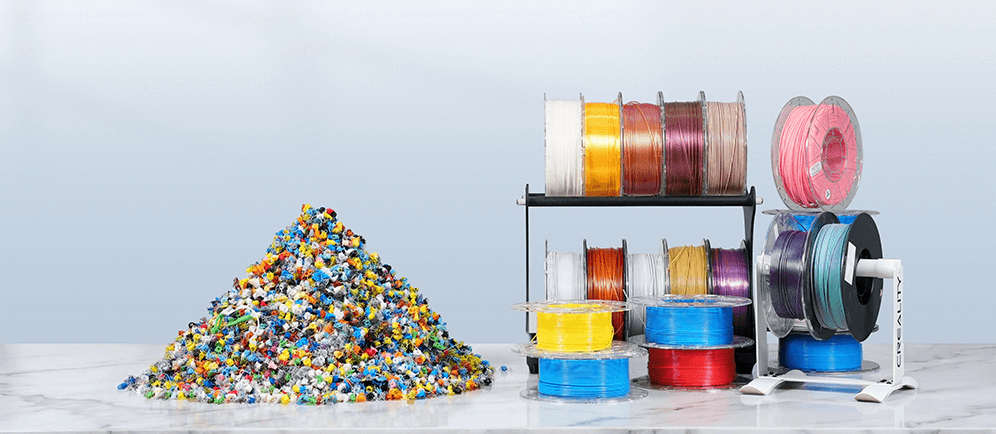
Why You Can't Just Toss It in the Recycling Bin?
All you know is that the plastics in your printer are recyclable. But that is not all. FDM filament plastics do not follow the same rules as household plastics, and curbside recycling programs were not built to tackle them.
Here’s why:
Resin Codes Don't Cover Most Filament Materials
Recycling at home runs on the resin identification code system, those numbers within the recycling triangle on plastic packaging. The majority of programs just reliably accept codes 1 (PET) and 2 (HEPE).
-
PLA often belongs to code 7 (other), which most facilities reject outright
-
ABS falls under code 9, rarely accepted anywhere
-
PETG is chemically the same as PET, but is not processed in the same stream
-
PA, TPU, PC, and ASA have no stable resin code coverage at all
Mixed-Material Prints Break the Sorting Process
A print including PETG supports and PLA walls looks like one piece of plastic. Standard recycling facilities cannot separate them. One polluted batch can compromise an entire processing run, so facilities reject mixed-material waste totally.
Low Volume Makes It Economically Unattractive
Recycling facilities operate on volume. FDM plastic waste denotes a small fraction of the plastic stream. There is no financial incentive for processors to design infrastructure around it.
Which 3D Printer Filament Materials Can Actually Be Recycled?
PLA, PETG, ABS, and nylon are the common filaments for recycling in 3D printing. Material chemistry decides how well a plastic re-extrudes, how many times it can be processed, and what you can realistically do with the output.
Here's an honest breakdown of every major material.
PLA
PLA is the most beginner-friendly and the one most misunderstood when it comes to recycling. It’s labeled biodegradable and plant-based. This is the reason many people assume it breaks down easily.
It doesn’t, not outside a controlled industrial composting environment running at 55–60°C with particular microbial conditions. That rules out home composting and most municipal programs.
The practical recycling route for PLA is mechanical recycling, shredding it into granules and re-extruding it into fresh filament. PLA re-extrudes cleanly, keeps diameter consistency well, and responds predictably to temperature. So, PLA is the ideal candidate for desktop filament recycling.
PETG
Chemically, PETG and PET are close, the same plastic used in water bottles, one of the strongest recycling infrastructures of any plastic. However, it does not follow the same recycling path.
PETG has a separate melting point and viscosity profile from standard PET, which means it disturbs the normal PET recycling stream. Most facilities reject it to protect their output quality.
PETG does have a benefit; it re-extrudes surely and generates a consistent filament diameter when processed through a desktop system. This is among the easier materials to recycle at home.
Nylon, TPU, PC: Specialty Materials
These materials are less common in routine printing but popular for functional engineering and outdoor applications.
-
Nylon (PA): Moisture sensitive and vulnerable to degradation, but re-extrudes better when dry and sorted properly
-
TPU (flexible filament): can be re-extruded, but must keep it strictly separate from rigid materials. Mixing TPU with ABS or PLA creates useless, unpredictable output
-
PC (Polycarbonate): needs high processing temperatures (up to 300°C+) but holds up through re-extrusion better than most materials
Standard recycling programs cannot handle these materials. Desktop systems capable of reaching 350°C cover all of them, which means home recycling is the only practical option.
The Most Practical Solution: Recycling Filament at Home
Desktop filament recycling closes the gap between “technically recyclable” and “actually recycled”. The system is permanently on your desk without depending on external programs that might or might not exist in your area.
Shred your waste plastic into small, uniform granules. Feed those granules into a filament extruder. Get functional 1.75mm filament out of the other side. Put it back on the printer.
Creality has developed the first desktop setup purpose-designed for exactly this workflow, the Filament Maker M1 paired with the Shredder R1. Two machines, one closed loop.
Shredder R1: From Waste to Raw Material
The R1 manages the initial phase of the process: converting your physical waste into feedstock that the M1 can work with.
-
It breaks failed prints, support scrap, purge blobs into even ≤4mm granules
-
Hybrid dry-crush technology shreds and dries at once; no separate drying step is needed
-
Accepts purge scrap and irregular chunks ≤2cm directly
-
Bigger prints require a fast manual breakdown to ≤2cm before filling, that’s the only prep needed
The output is consistent, dry, print-ready granules, not rough chunks that would cause uneven extrusion downstream.
Filament Maker M1: From Granules to Print-Ready Filament
The M1 receives those granules and turns them into a filament you can actually print with. The equipment extrudes recycled or virgin pellets into 1.75mm filament. Here’s a look at specifications:
|
Spec
|
Detail
|
|
Output rate
|
Up to 1 kg/h
|
|
Diameter tolerance
|
±0.05mm
|
|
Max temperature
|
350°C
|
|
Heating system
|
3-zone
|
|
Cooling system
|
8-zone air cooling
|
|
Filtration
|
HEPA + active carbon
|
|
Compatible materials
|
PLA, ABS, PETG, ASA, PA, PC, TPU, PET
|
Best Practices for Recycling 3D Printer Filament
It’s not complicated to get good filament out of recycled material, but it does need consistency. Follow these practices, and your recycled spools will print reliably.
Pre-Processing Checklist
-
Tag scrap bins by material kind, one bin per material, no exceptions
-
Hold PLA, PETG, ABS, TPU, and other materials strictly separate; contamination ruins batches
-
Store scraps dry; humidity degrades the polymer and causes poor adhesion and bubbling during extrusion
-
Remove painted or dirty parts, coatings, or surface treatments, pollute the adhesion during extrusion
-
Break big prints into pieces ≤2cm before feeding them into the shredder; oversized pieces burden the mechanism and generate uneven granules
-
Do not recycle unknown plastics; if you can't identify the material with certainty, discard it
During Extrusion
-
Blend recycled scraps with virgin pellets, a 50/50 mixture delivers the most stable diameter and print performance
-
Begin with a small test run before committing to a full spool, particularly with a new material batch or blend ratio
-
Monitor diameter output during the first few minutes, regulate temperature or feed rate if readings drift outside ±0.05mm
After Extrusion
-
Test each new recycled spool before using it for important or precision prints
-
Keep notes on material ratios and print settings, what blend ratio you used, what extrusion temperature worked, and how the spool performed
Conclusion: Can you recycle 3D printer filament?
Yes, you can recycle 3D printer filament. However, the process makes a difference. Curbside programs reject them, and composting PLA rarely works in practice. Specialist drop-offs are limited and inconsistent. The most efficient 3D printer waste decrease technique combines the Creality Filament Maker M1 & Shredder R1. It allows you to recycle the filament through a desktop system that closes the loop for real. Waste in. Filament out. Back on the printer.