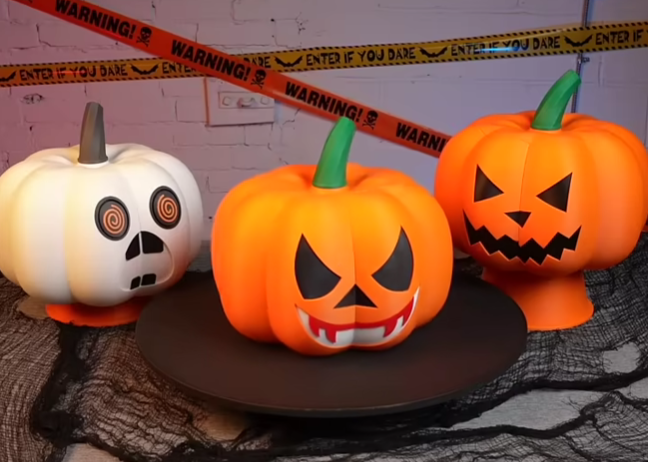


Choosing a Halloween model is the fun part. Choosing the filament can be less obvious. Should you use PLA for a pumpkin? Will PETG survive on the porch? What works best for a flexible mask or a ghost that glows after dark?
For most indoor Halloween decorations, PLA is the easiest and most practical choice. Use PETG or ASA for outdoor displays, TPU for flexible costume parts, and glow-in-the-dark PLA for models that need an extra spooky effect. Here is the short version before we look at each material in more detail.
|
What are you printing? |
Best filament |
Why it works |
|
Indoor pumpkins, ghosts and skulls |
PLA |
Easy to print and available in many colors |
|
Shiny ornaments and display pieces |
Silk PLA |
Adds a glossy finish without painting |
|
Porch and garden decorations |
PETG |
Handles moisture and temperature changes better than PLA |
|
Long-term outdoor displays |
ASA |
Better suited to sunlight and outdoor weather |
|
Masks and flexible costume parts |
TPU |
Bends without snapping easily |
|
Glowing ghosts, signs and skulls |
Glow-in-the-dark PLA |
Stores light and glows in a dark room |
|
Articulated spiders and skeletons |
PLA or PETG |
PLA prints cleanly; PETG gives moving parts more toughness |
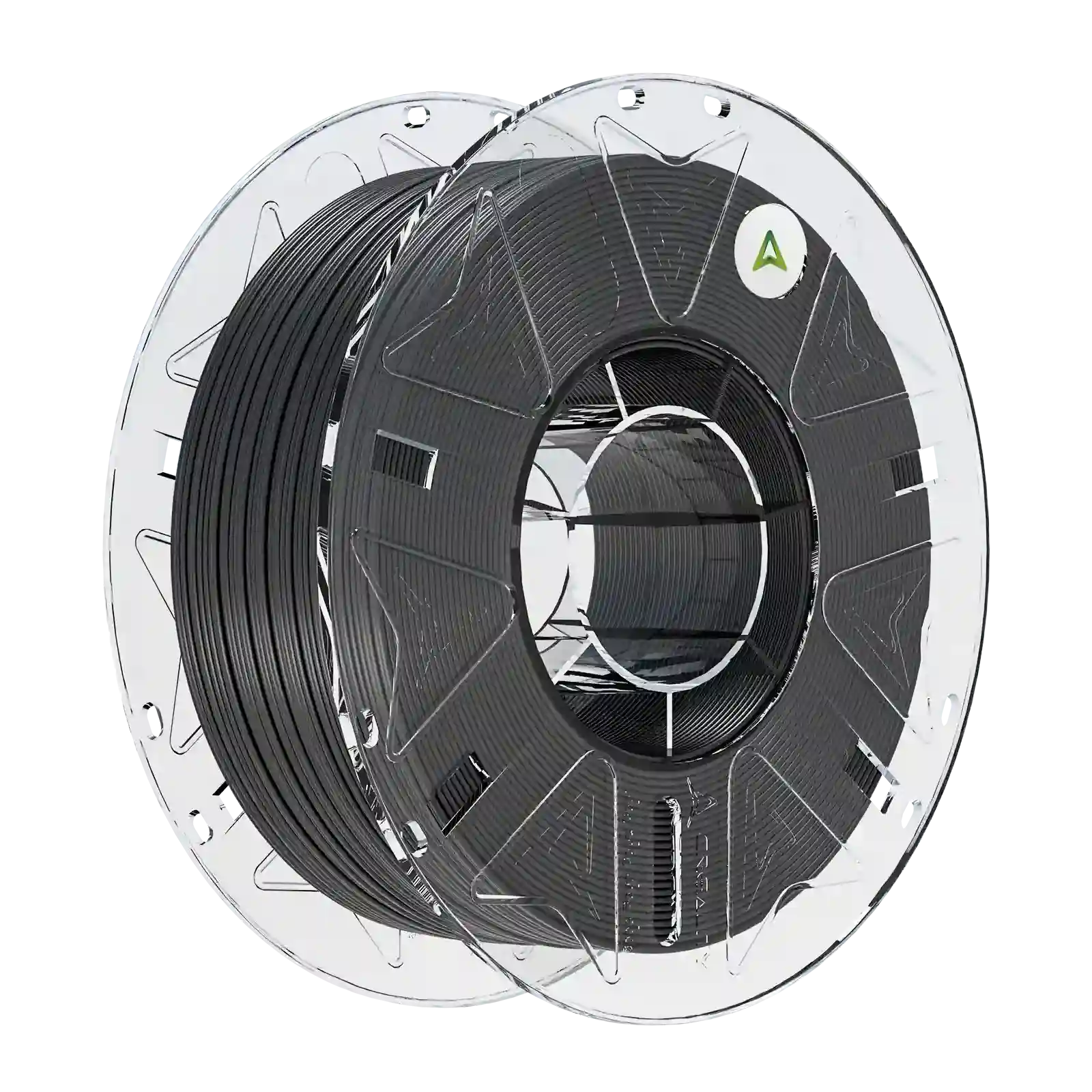
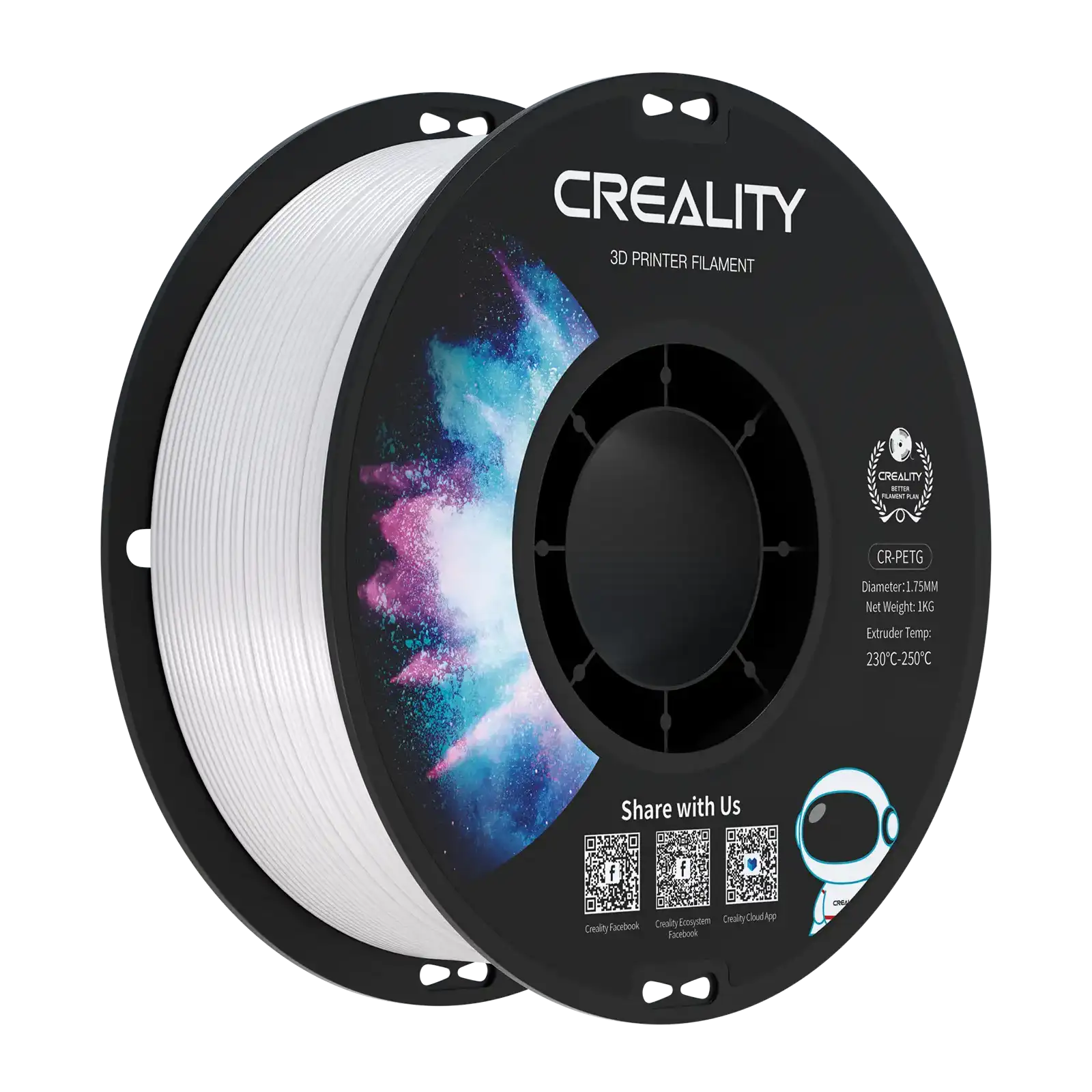
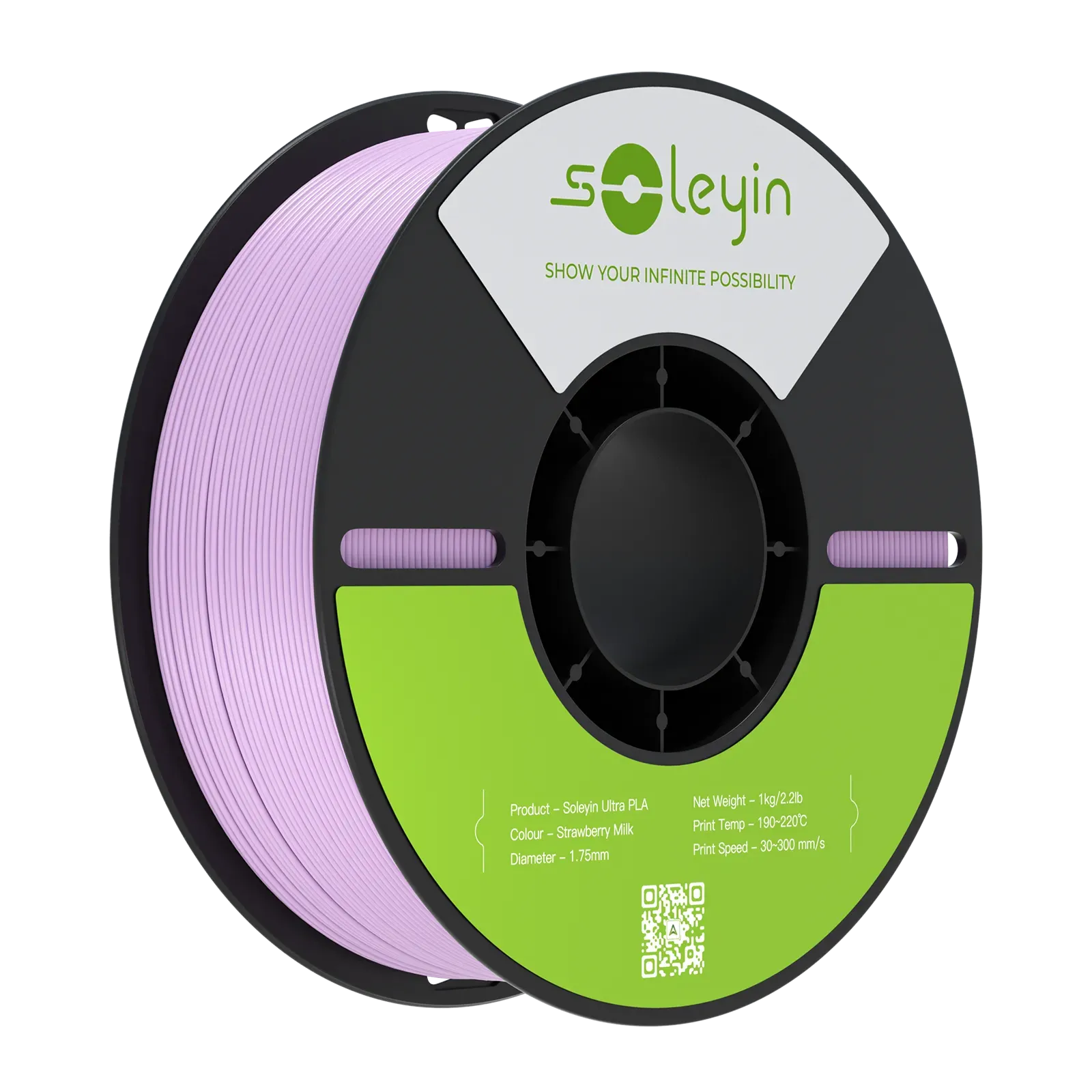
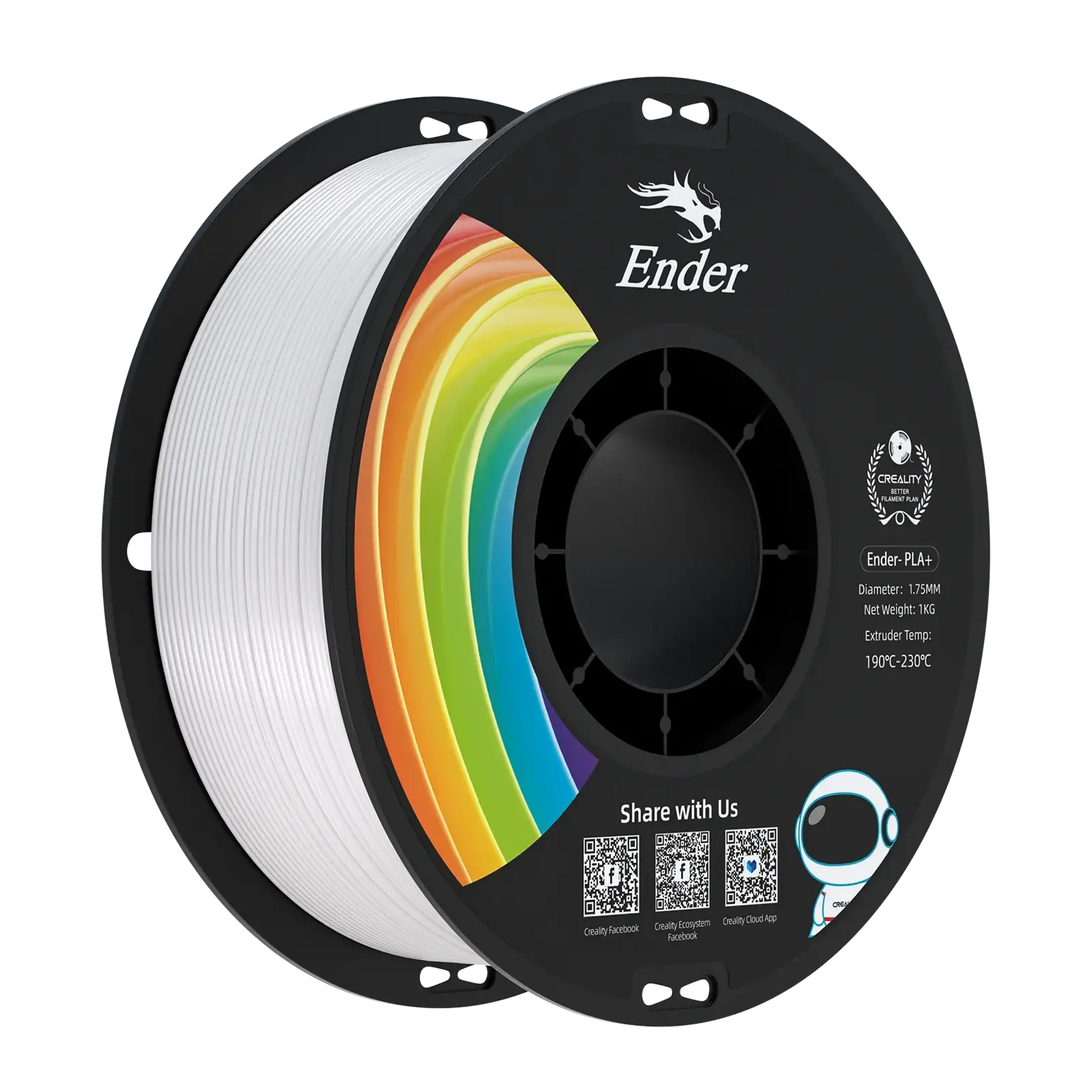
From left to right: PLA for easy indoor prints, PETG for outdoor decorations, TPU for flexible wearables and luminous PLA for glow effects.
PLA: The Best All-Round Choice for Halloween Decorations
If you are not sure where to begin, start with PLA. It is easy to print, has low warping, and holds the details in faces, bones and carved textures well. That makes it a good match for pumpkins, ghosts, skulls, small signs and table decorations.
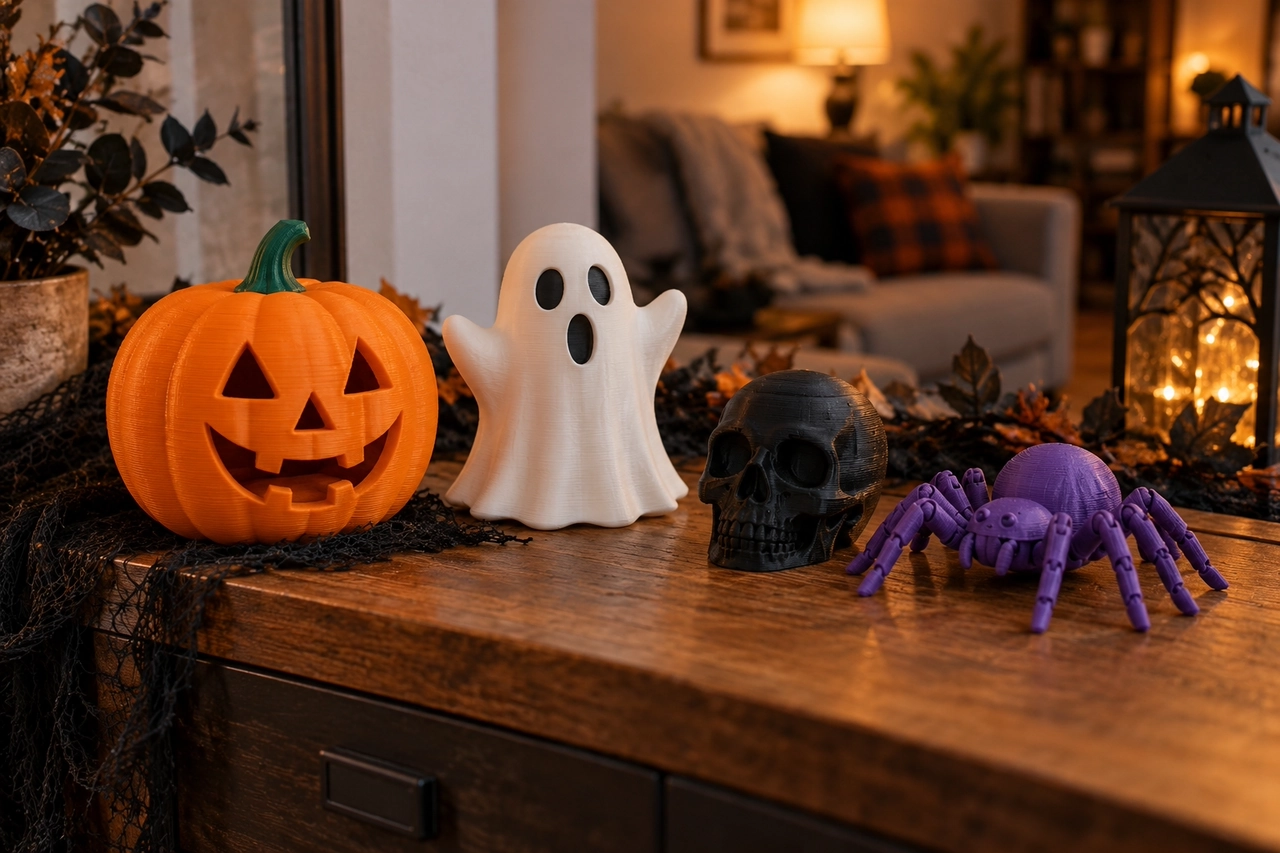
The main limitation is weather. PLA can soften in a hot car or direct sun, so keep it indoors or under a covered porch. For quick seasonal projects, Hyper PLA offers a broad color selection. Silk PLA is another option when you want a shiny, metallic-looking finish without painting.
PETG: A Better Option for Outdoor Halloween Decorations
PETG is a useful step up when a print needs more toughness or moisture resistance. It works well for tombstones, garden signs, hanging bats and porch decorations. It is also useful for articulated models whose joints will move repeatedly.
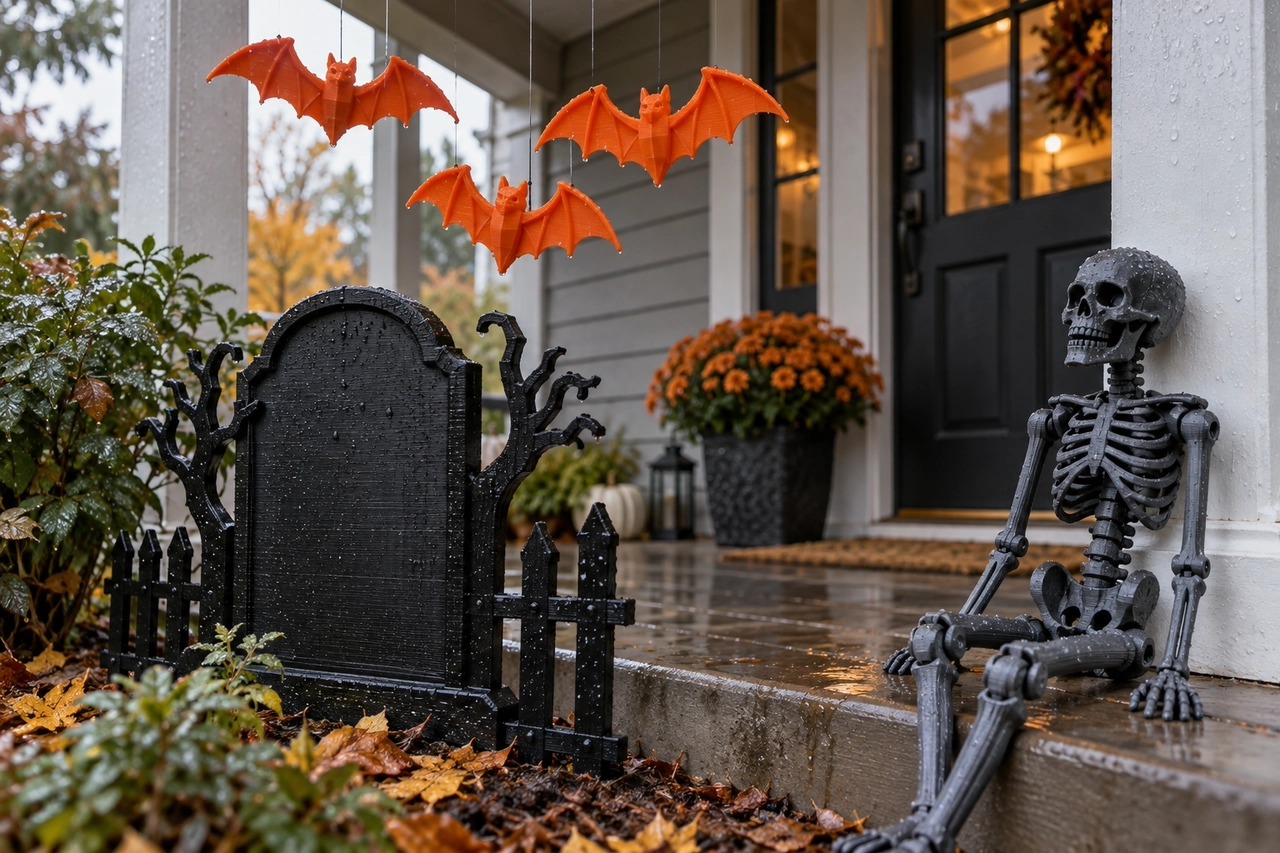
PETG is not quite as simple to print as PLA and may produce more stringing. Dry filament and the correct temperature help. Choose it when a decoration will spend time outside but does not need to remain there all year. You can find PETG alongside other materials in Creality's filament collection.
ASA: For Decorations That Stay Outside Longer
ASA is worth considering for a garden, shopfront or reusable community display. It handles sunlight and outdoor weather better than PLA and PETG.
The trade-off is a more demanding print. ASA is prone to warping and produces noticeable fumes, so use an enclosed printer with good ventilation. It may be unnecessary for a one-night party, but it makes sense for a large outdoor sign that will return every year.
Creality's ASA filament is one option for printers that are set up to handle enclosed, higher-temperature printing.
TPU: The Right Material for Flexible Masks and Wearables
TPU is flexible, making it a better fit for soft masks, costume details, wristbands and parts that need to bend. Print it more slowly than PLA; a direct-drive extruder usually makes flexible filament easier to control.
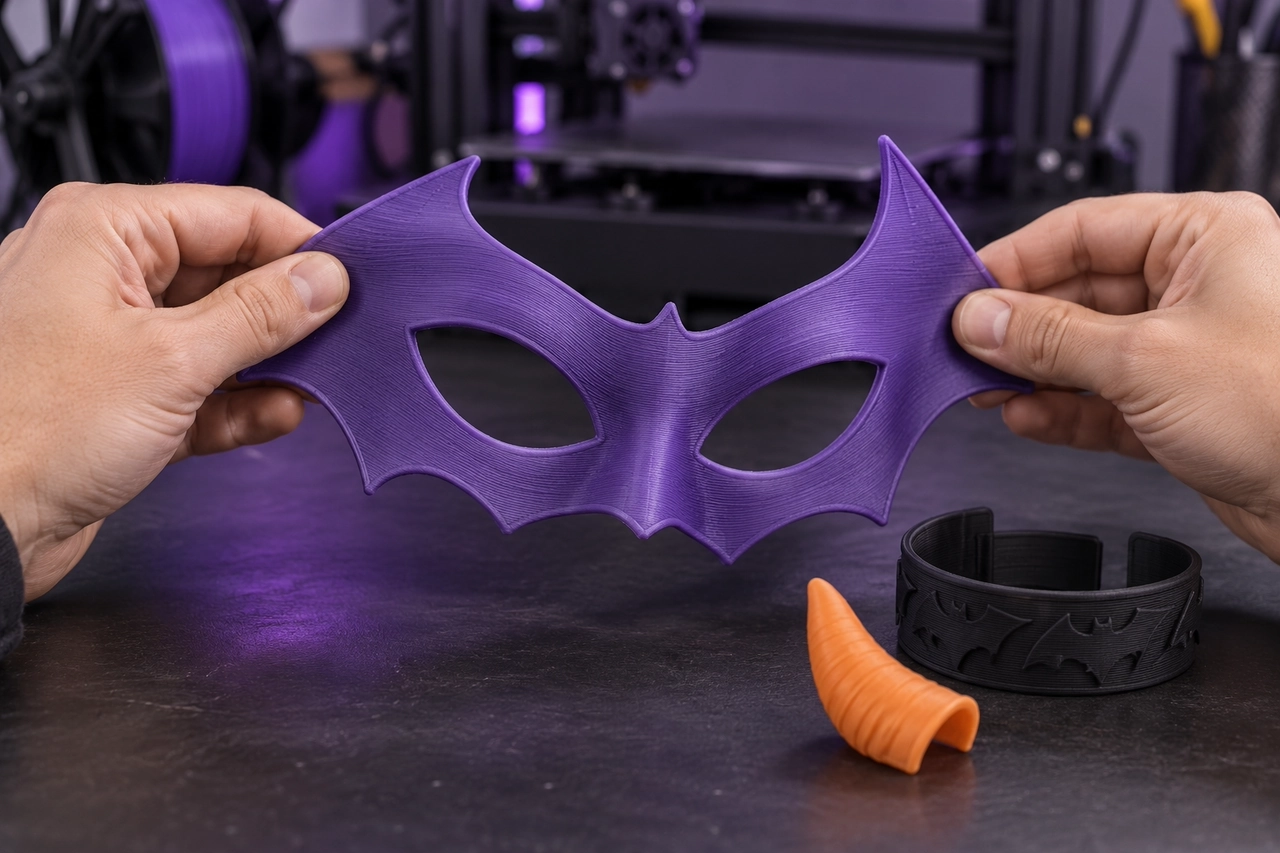
Check the fit of wearable prints, smooth any sharp edges, and leave enough room to see and breathe. A printed mask is a costume item, not protective equipment. Creality's HP TPU filament is made for flexible FDM prints.
Glow-in-the-Dark PLA: The Easy Way to Add a Spooky Effect
Glow filament can turn a simple ghost, skull or wall sign into a stronger Halloween decoration. Charge the finished print under a bright lamp before displaying it for a brighter initial glow.
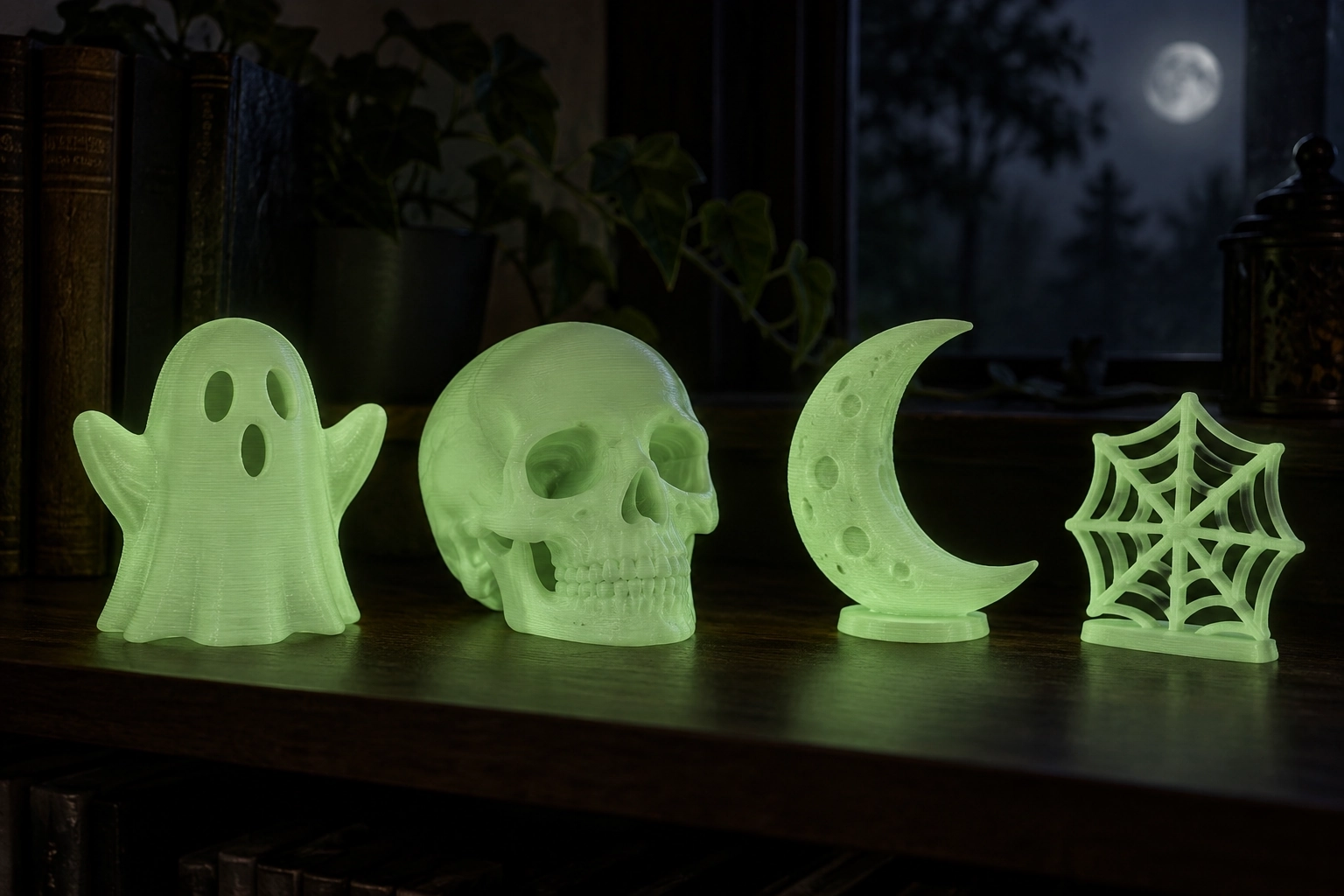
Glow additives are abrasive and can wear a standard brass nozzle, so use a hardened steel or other wear-resistant nozzle. Avoid making glowing areas too thin; a thicker shell gives the model more material to absorb light. Luminous options are available in Creality's PLA filament range.
What About Lanterns and Candle Holders?
PLA and PETG both work for decorative lanterns and light boxes, but use battery-powered LED lights only. Never put an open flame inside a plastic print. White, natural or translucent filament can spread LED light more evenly.
A Few Tips Before You Start Printing
- Check that your printer can reach the recommended nozzle and bed temperatures for the material.
- Dry PETG and TPU if you hear popping or see rough, stringy extrusion.
- Use a hardened nozzle for luminous or other abrasive filament.
- Test moving joints before starting a large articulated print.
- Add more walls rather than relying only on high infill when a prop needs strength.
- Keep wearable parts smooth and free from sharp edges. If you still need a model, explore these printable Halloween decorations and choose the material based on where and how the finished print will be used.
Final Recommendation
You do not need a special filament for every Halloween model. A roll of PLA will handle most indoor decorations and is the easiest option for beginners. Add PETG if you are printing for the porch, TPU if the part needs to bend, or luminous PLA if you want it to glow. Save ASA for outdoor projects that need to last longer and for printers that can handle it safely. Start with the job the print needs to do. Once that is clear, the filament choice becomes much easier.