

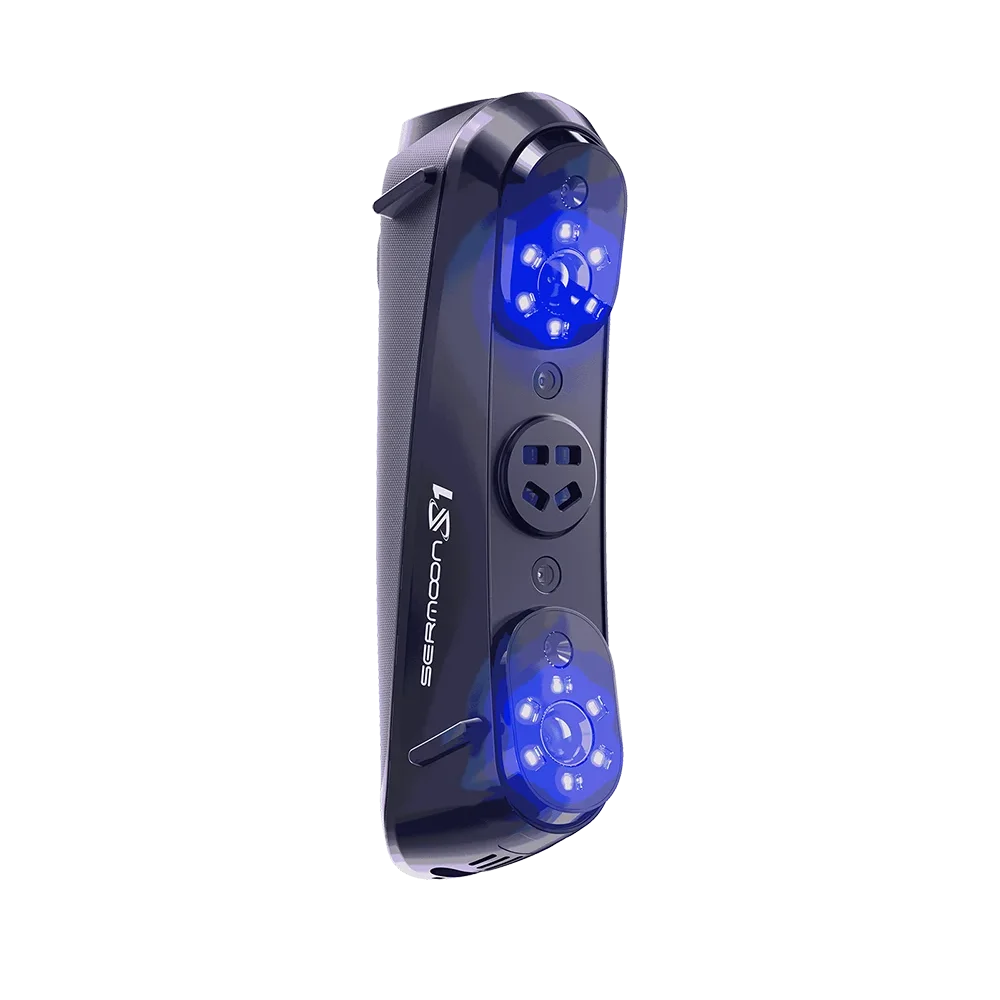
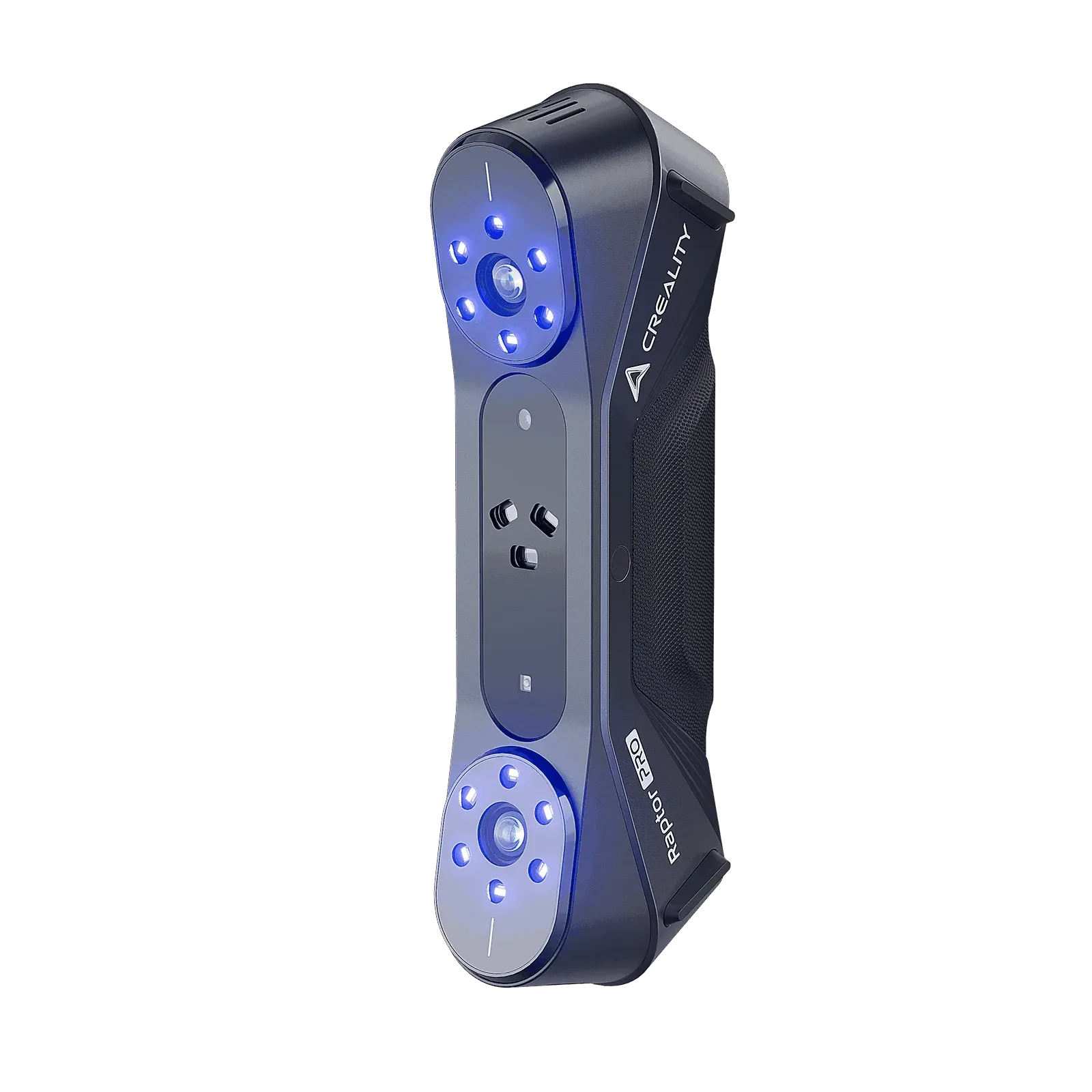

Digital entertainment is entering a new stage of creation. Games, virtual production, digital humans, metaverse environments, and immersive storytelling are no longer built only from imagination or manual modeling. Increasingly, they are being shaped by real-world data. 3D scanning is becoming one of the key technologies behind this shift.
By capturing the geometry, proportions, and surface details of real people and objects, 3D scanning gives creators a practical way to move physical identity into digital space. It allows real-world subjects to become game characters, virtual avatars, cinematic assets, interactive NPCs, or immersive metaverse performers.
For creators working in digital entertainment, this means a faster and more accurate starting point. Instead of sculpting a face or asset entirely from scratch, they can begin with captured real-world data and then stylize, animate, and adapt it for the final creative environment.
A Professional Digital Entertainment Case
This case comes from Jonathan Winbush a Los Angeles-based motion graphics artist and digital creator with experience across film, television, games, real-time graphics, and immersive media. His work has involved projects connected to Netflix, Warner Bros., DC, Marvel, Discovery, Hasbro, Epic Games, and Meta, covering areas such as motion graphics, Unreal Engine workflows, Fortnite experiences, metaverse environments, and visual storytelling.
In this Fortnite project, the goal was to create a digital version of a real person and integrate it into an interactive game environment. The character was designed for a Fortnite experience connected to “Battle for Wu-York City,” combining gaming, comic-inspired visuals, and hip-hop culture.
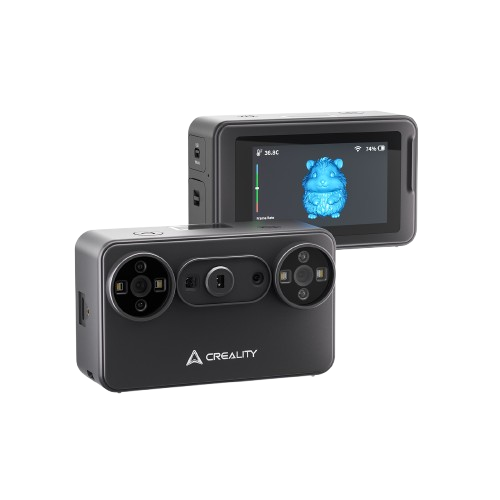
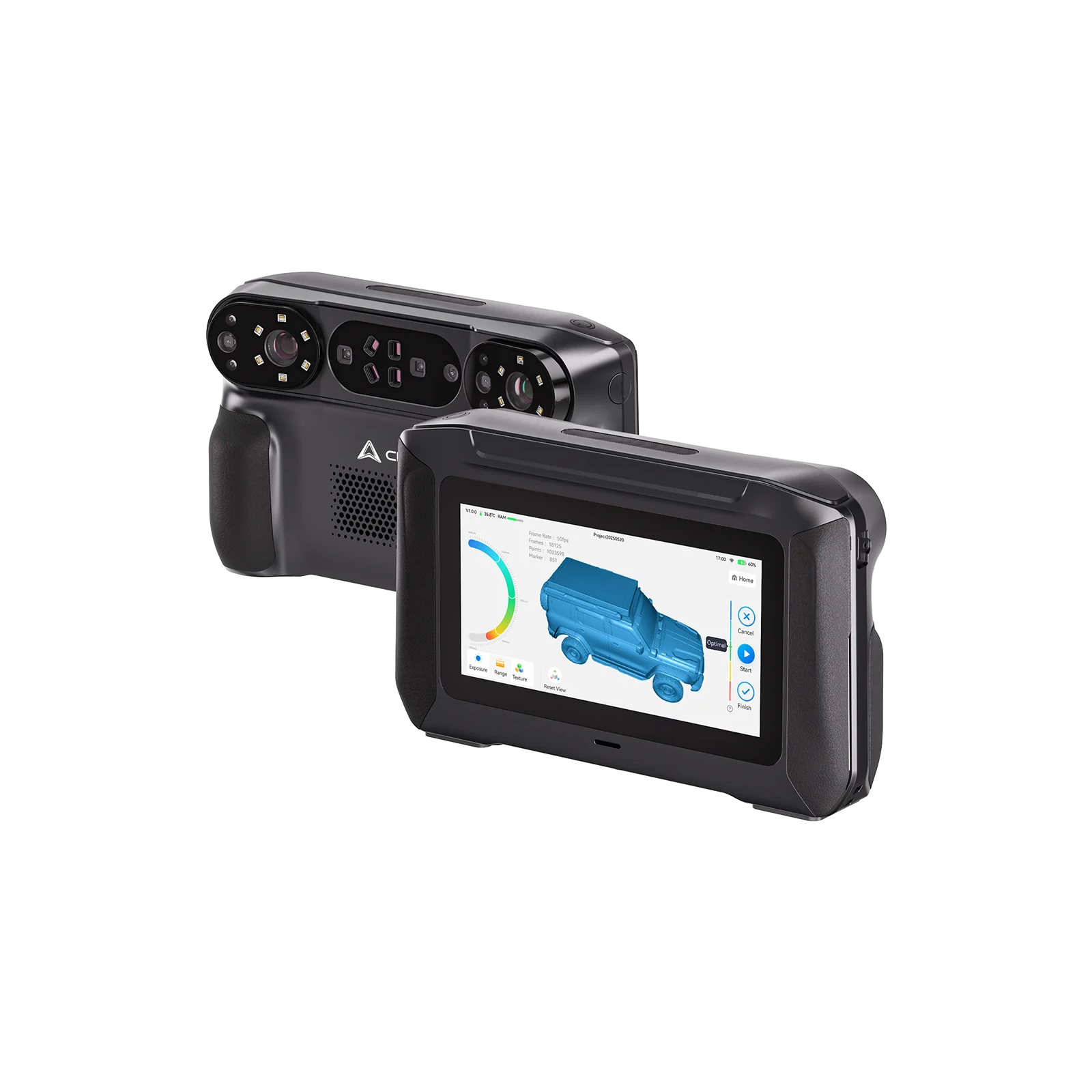
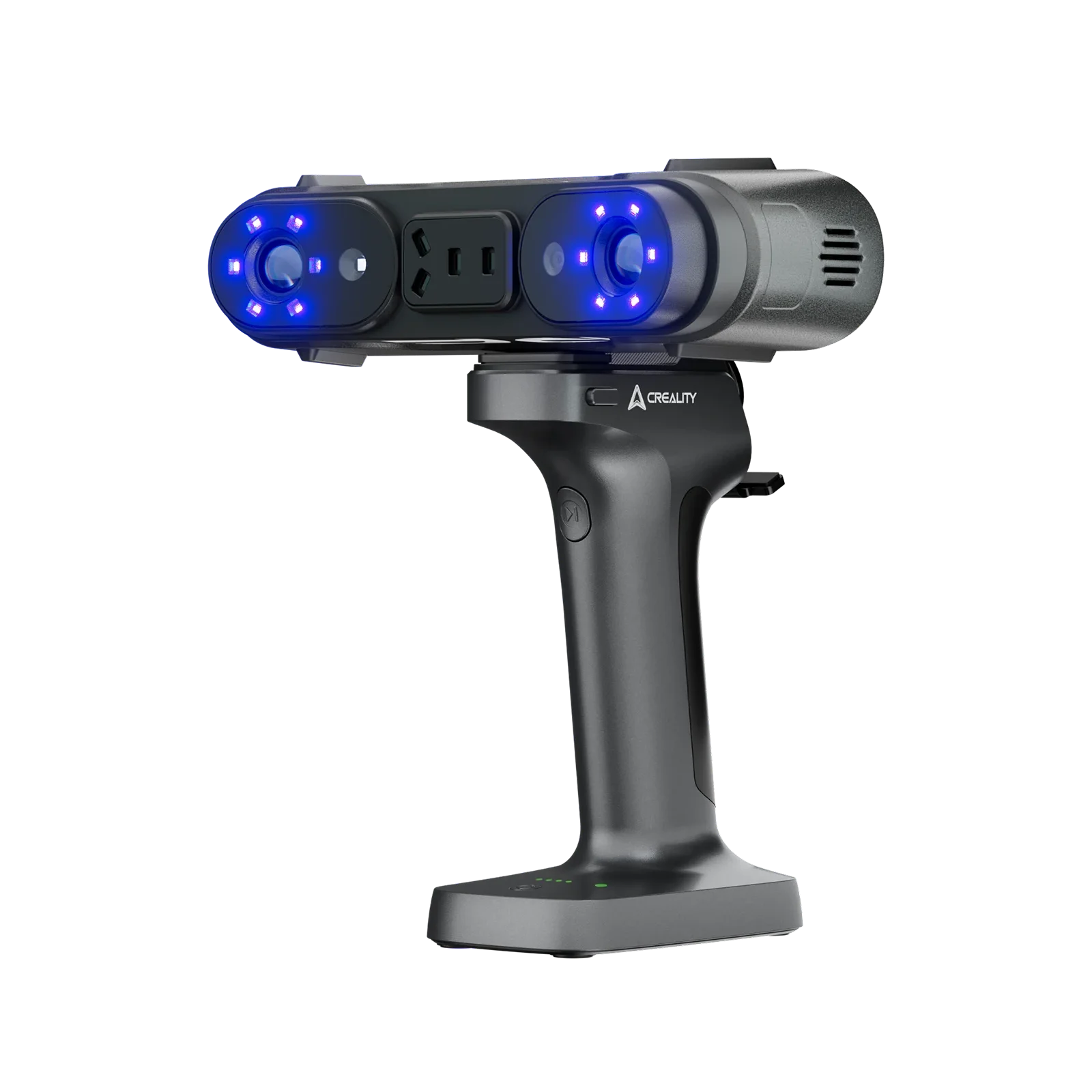
The workflow began with one essential step: capturing real-world head data with the Creality Ferret Pro.
From there, the scan moved through a complete digital character pipeline, including scan preparation, avatar creation, facial motion capture, animation, and final integration into Unreal Engine for Fortnite.
Why 3D Scanning Matters in Digital Character Creation
In digital character production, likeness is one of the most difficult elements to recreate manually. A character may need to preserve recognizable facial features while still fitting the visual language of a game, animation, or virtual world.
This is where 3D scanning provides practical value.
A head scan captures facial structure, head shape, and texture from the real subject. It gives the production process a data-based foundation rather than relying only on photos, manual sculpting, or visual estimation. The final character can still be stylized, optimized, or redesigned, but the starting point is grounded in reality.
For digital entertainment workflows, this changes the role of 3D scanning. It is not just a capture tool. It becomes the first step in building a digital identity.
The Workflow: From Head Scan to Fortnite Character
The full process can be understood as a real-world identity pipeline.
-
Capturing Real-World Head Data
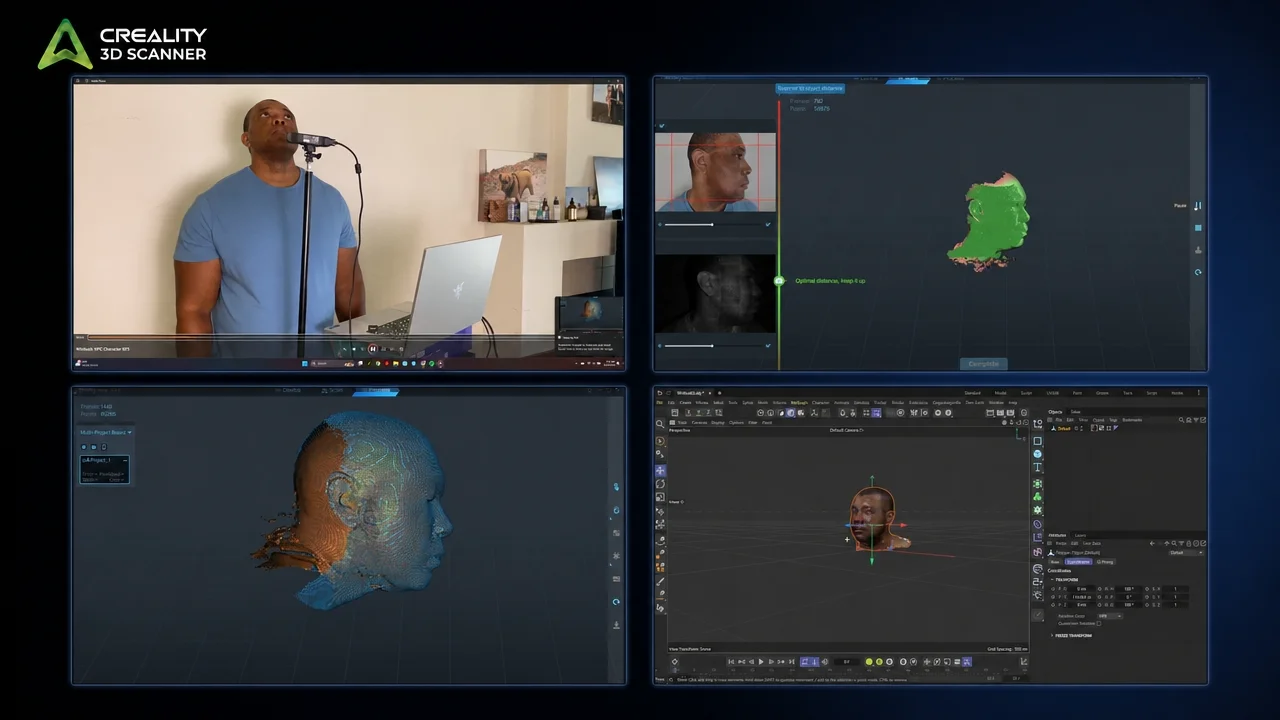
The workflow began with a head scan using the Creality Ferret Pro.
Since this was a self-scanning setup, the scanner was mounted on a tripod while the subject rotated in front of it, similar to a turntable workflow. This made the process more manageable without requiring a second operator.
This stage also highlighted several practical challenges of head scanning. Stability, lighting, facial movement, and eye direction can all affect the final result. Looking around during the scan may impact texture quality, while better lighting and a cleaner background can help produce a more usable head scan.
The key takeaway is simple: a strong digital character pipeline begins with controlled, reliable scan data.
-
Preparing the Scan for the Character Pipeline
After capture, the raw head scan needed to be prepared for downstream tools.
This included correcting orientation, aligning the model, adjusting the axis, and exporting the file in a format suitable for character creation. While this step may seem technical, it is essential for making scan data usable in a professional workflow.
Raw scan data becomes significantly more valuable when it is properly cleaned, aligned, and prepared for the next stage.
-
Building the Digital Avatar
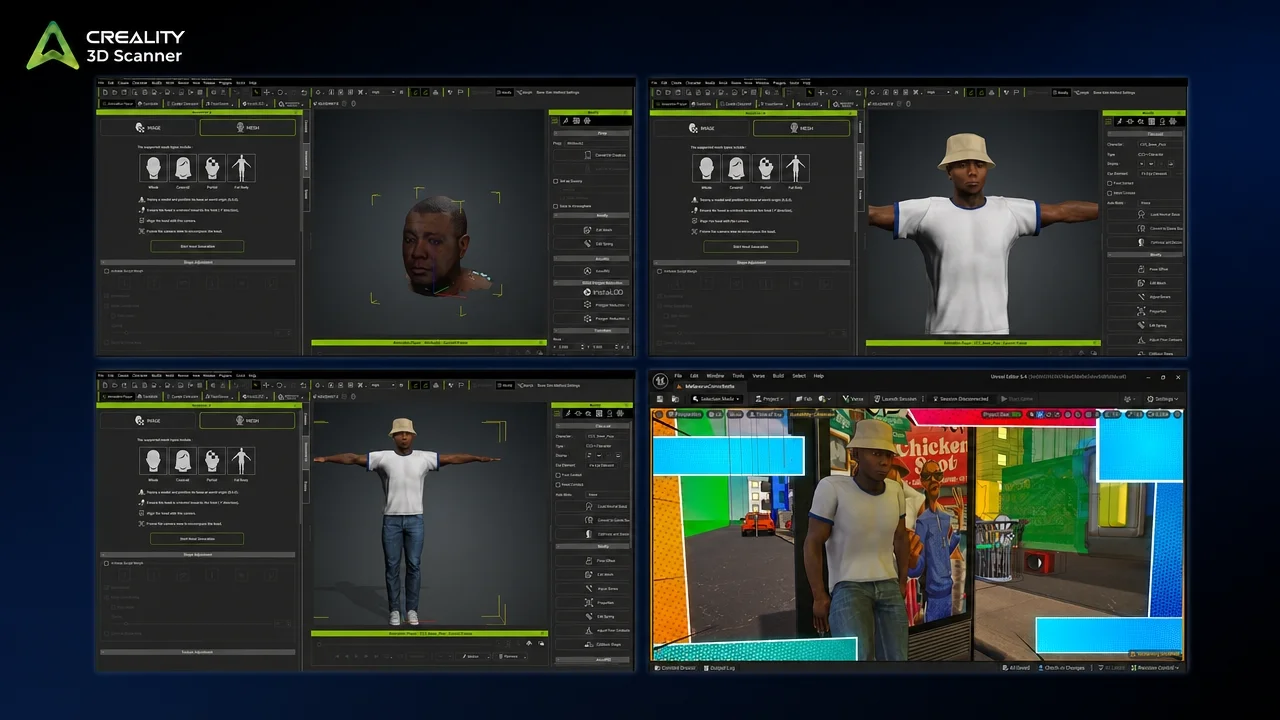
The prepared head scan was then brought into Character Creator 4, where it became the foundation for a complete digital character.
At this stage, the scan was transformed from a static head model into a full avatar. Facial features, body proportions, clothing, and accessories could be customized to create a character that preserved real-world likeness while fitting the visual direction of the Fortnite experience.
This is where 3D scanning shifts from data capture to creative asset development. The scan is no longer just a model. It becomes the base of a usable digital persona.
-
Adding Facial Performance and Motion
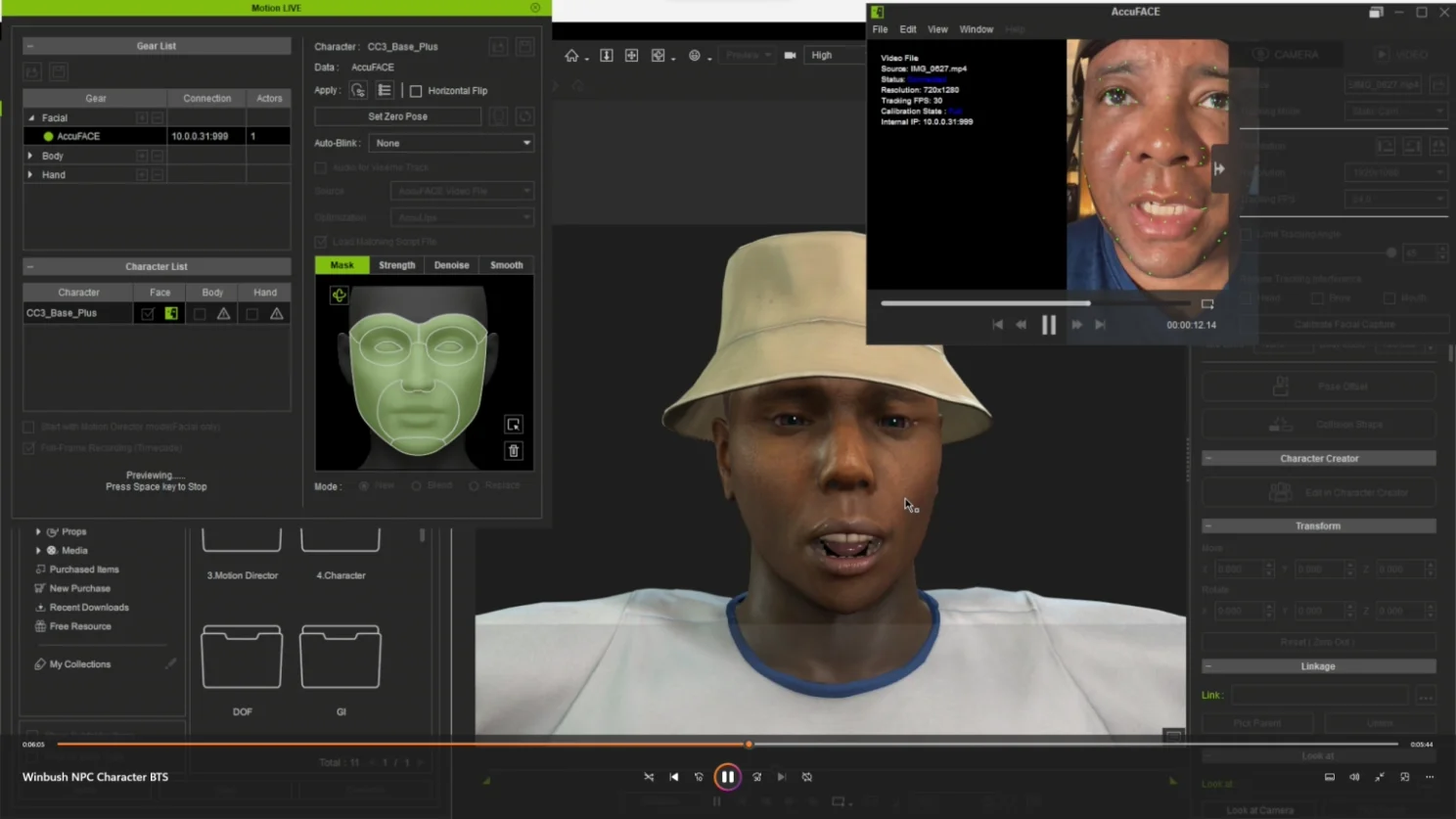
A digital character needs more than appearance. To function in an entertainment environment, it needs expression, speech, and movement.
Facial motion capture was used to record expressions and dialogue performance. The captured data was then processed through iClone and AccuFace, allowing the digital character to replicate facial movement and speech patterns.
In this workflow, the scan provides likeness, while motion capture provides performance.
Together, they turn the avatar from a static digital model into a character that can communicate, react, and feel alive.
-
Animating the Character
After facial performance was added, the character required body movement and animation refinement.
Animation data and motion clips were combined to make the character more natural and suitable for an interactive environment. This step bridges the gap between a digital avatar and a game-ready character.
At this point, the asset is no longer just a visual representation. It becomes a performable character that can be placed into a real-time scene.
-
Integrating the Character into Fortnite with UEFN
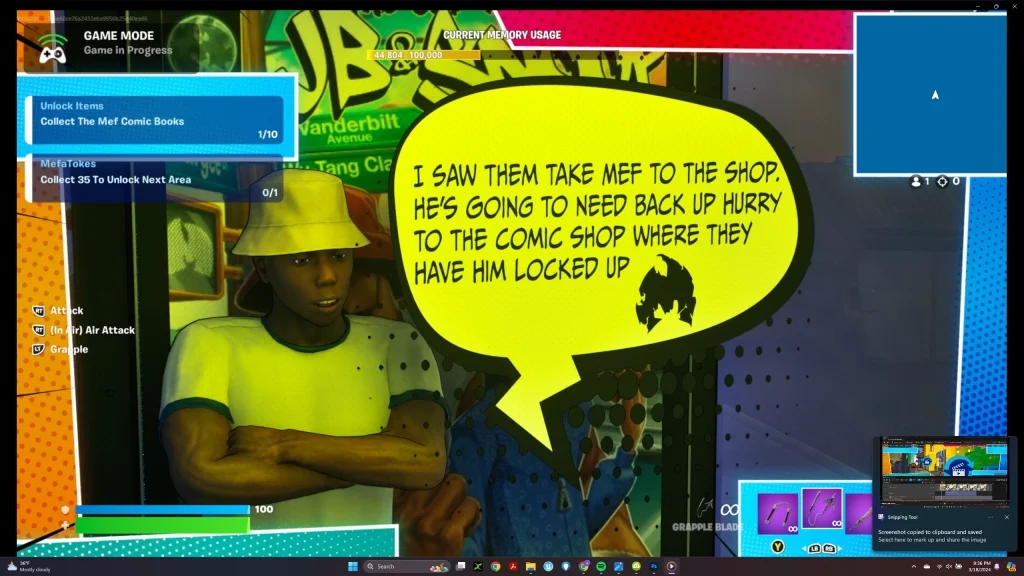
The final stage was integration into Unreal Engine for Fortnite, also known as UEFN.
Inside the Fortnite environment, the character was set up as an interactive NPC with dialogue, camera movement, and sequencing. This completed the transformation from real-world scan to in-game presence.
The result was not simply a 3D model of a person. It was a digital self placed inside an interactive entertainment experience.
A Repeatable Workflow for Digital Entertainment
The most important part of this case is not only the final Fortnite character. It is the repeatable workflow behind it.
The same pipeline can be applied across many digital entertainment scenarios: real-world scan data can become a digital avatar; the avatar can be animated with facial and body motion; the character can then be deployed into a game engine, metaverse platform, virtual concert, branded experience, or immersive story world.
This approach has relevance far beyond a single game project.
In metaverse development, real people can be scanned and transformed into avatars for virtual spaces. In virtual concerts, performers can be captured, animated, and presented as digital acts. In game development, real-world subjects can become NPCs, stylized characters, or interactive guides. In virtual production, scanned human data can support digital doubles, previs, cinematic scenes, or hybrid live-action and CG workflows.
The value lies in the pipeline itself: scan, create, animate, and deploy.
How 3D Scanning Expands Creative Possibilities
Creality3d scanning supports digital entertainment in several important ways.
First, it accelerates character creation. Creating a convincing likeness from scratch requires time, sculpting skill, and repeated refinement. A scan gives creators an accurate base immediately.
Second, it preserves real-world identity. For digital doubles, avatars, NPCs, and virtual performers, recognizable facial structure and proportions are important. Scanning helps carry those details into the digital world.
Third, it improves workflow flexibility. Once scan data is captured, it can be used across multiple tools and platforms. A head scan can become a Character Creator avatar, an animated iClone character, an Unreal Engine asset, or an interactive Fortnite NPC.
Fourth, it lowers the barrier for individual creators and small teams. Advanced digital character workflows are no longer limited to large studios with expensive capture stages. With accessible scanning tools and real-time engines, more creators can build professional digital characters from real-world data.
Fifth, it creates a bridge between physical presence and virtual performance. A person can be scanned, animated, and placed into a digital environment where they can speak, perform, guide, teach, or entertain.
Long-Term Impact: From Digital Doubles to Virtual Experiences
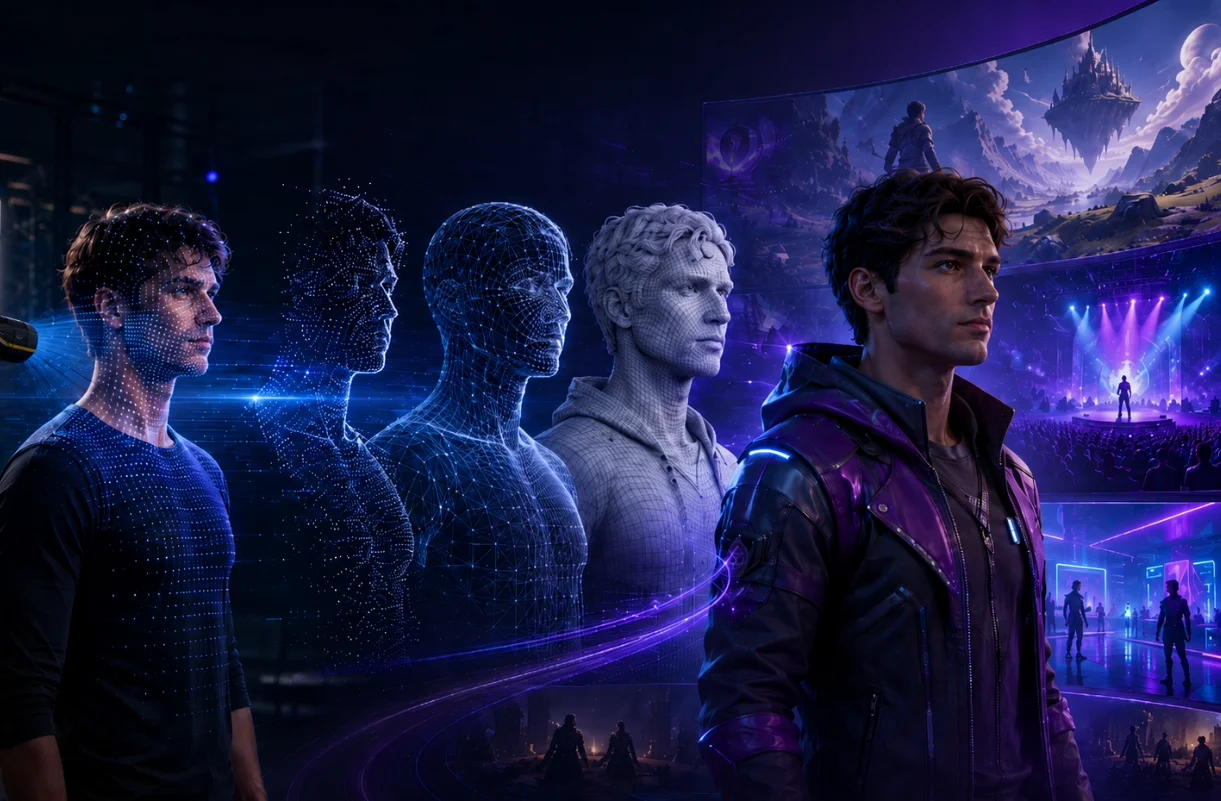
As digital entertainment becomes more personalized and immersive, audiences will increasingly encounter characters based on real people, performers, creators, artists, and cultural figures. These characters may appear in games, virtual concerts, branded experiences, educational environments, metaverse spaces, and interactive storytelling platforms.
3D scanning will play an important role in building these identities.
It gives creators a way to capture the real world and convert it into digital assets that can be animated, stylized, and deployed across platforms. In this sense, scanning is not just a production shortcut. It is a new entry point for identity creation in digital entertainment.
For Fortnite experiences, Unreal Engine productions, Meta virtual environments, and future metaverse applications, scan-based workflows can help creators move faster while maintaining a stronger connection to real people and real cultural moments.
The Creality Ferret Pro served as the first step in this Fortnite character workflow. But the broader implication is much larger: accessible 3D scanning can help creators build digital humans, interactive NPCs, virtual performers, and immersive identities for the next generation of entertainment.
From a real head scan to a Fortnite character, this case shows how 3D scanning is helping digital entertainment become more personal, more interactive, and more connected to the real world.
Follow us for more industry case studies on 3D scanning.