




Have you ever started a 3D print, only to watch the first layer curl up or refuse to stick? Well, you have encountered one of the most common 3D printing difficulties out there: 3D printer bed adhesion. This is all about how your 3D print sticks to the build plate. Without good adhesion, even the best-designed model can fail before it really begins.
This guide will help you understand what bed adhesion is, why it matters, common problems, their causes, and practical ways to fix them.
What Is 3D Printer Bed Adhesion?
Bed adhesion is the level of adhesion of the first layer of your print to the build surface. It is like the foundation of a building. If the foundation is weak, then everything else is useless. It is like a building where the foundation has been laid first.
If the foundation is weak, then everything else is useless. To simply put it, if your 3D printer is not sticking to the bed, then there must be something wrong with the adhesion of the bed.
Why Good Bed Adhesion Matters in 3D Printing
However, good bed adhesion is more than just keeping your model stuck to the bed; it is also important for the success of your prints:
-
Prevent warping: PLA, ABS, and PETG are prone to shrinkage when they are cooled. Bed adhesion prevents these filaments from warping or becoming misshapen.
-
Ensure dimensional accuracy: When your first layer adheres well to the bed, your entire print adheres well too. This means that your entire print is accurately aligned.
-
Reduce wasted filament: Wastage of filament, especially when the object is peeled off the platform too early, can be costly.
-
Make post-processing easier: The print sticking properly will allow the object to come off the built plate more easily.
Common Bed Adhesion Problems
Even experienced 3D players have to deal with adhesion-related issues. Some of the most common problems include:
-
Prints not sticking at all: Your filament is not able to adhere to the printing bed, and the prints fail to adhere. This usually happens in the initial few layers of prints.
-
Corners lifting or warping: The edges curl up, usually due to the shrinkage of the filament or failure of the initial layer to adhere.
-
Uneven first layer: Parts of the first layer are thin, inconsistent, or rough, reducing overall adhesion.
-
Prints sliding during printing: Even if the first layer sticks initially, vibration, drafts, or poor surface texture can cause the model to move.
What Causes These Issues
Bed adhesion problems usually arise from one or more of the following categories:
Printer Settings
-
Nozzle too far from the bed: If the nozzle is too high, the filament won’t be pressed onto the surface.
-
First layer speed too fast: Printing too quickly can prevent proper bonding.
-
Incorrect temperature settings: Too low, and the filament may not stick; too high, and it may warp or string.
Surface Issues
-
Dirty bed: Dust, grease, or fingerprints reduce adhesion.
-
Worn or incompatible build plates: Some surfaces naturally stick better than others.
Filament Problems
-
Material type: Different filaments behave differently; PLA usually sticks easily, PETG can be trickier.
-
Moisture: Damp filament may bubble or warp during printing.
Environmental Factors
-
Drafts and airflow: Cooling too quickly causes corners to lift.
-
Room temperature: Extreme cold or uneven heating can affect adhesion.
How to Fix 3D Printer Bed Adhesion
The good news is that there are solutions to adhesion problems. Let's take a look at a step-by-step approach.
Step 1: Level the bed properly
The first step is to ensure your bed is properly leveled. A flat and correctly leveled bed ensures that the nozzle maintains the right distance across the entire build surface.
Whether you use manual or automatic leveling, consistent contact between the nozzle and the bed is essential for a solid first layer. Without it, even the best settings won’t help your print stick.
Step 2: Adjust Z-offset and first layer settings
Next, you should adjust your Z-offset and first layer settings. The Z-offset controls how close the nozzle is to the bed, and getting it right is crucial: too high, and the filament won’t adhere; too low, and the filament will be squished.
Slowing down the first layer speed gives the filament more time to bond with the surface, while slightly increasing the first layer height or flow rate can also improve adhesion.
Step 3: Clean the build surface
Since dust, oils, and leftover adhesive can all reduce adhesion, wiping the bed with isopropyl alcohol ensures a clean surface.
Be careful not to touch the bed with your fingers afterward, as natural oils can interfere with filament bonding.
Step 4: Optimize temperature
-
Bed temperature: Each filament type has an optimal range (e.g., PLA 50–70°C, PETG 70–90°C).
-
Nozzle temperature: Slightly higher first-layer temps can improve bonding.
Step 5: Use adhesion helpers
Sometimes, adding adhesion helpers is necessary. Simple solutions like a glue stick or hairspray on the bed can improve bonding.
-
Glue sticks or hairspray: Simple, effective surface treatments.
-
Painter’s tape or blue tape: Provides texture for filament to grip.
-
PEI sheets or textured build plates: Often improve adhesion and reduce need for extra glue.
Step 6: Print with brims or rafts
For larger or more challenging models, using brims or rafts can further enhance adhesion.
-
Brim: Extra lines around the model help corners stick.
-
Raft: A thicker base under the model ensures full contact with the bed.
-
These are especially helpful for tricky filaments or large prints.
Step 7: Control environmental factors
Finally, controlling environmental factors can prevent adhesion issues from recurring.
-
Avoid drafts from open windows or fans.
-
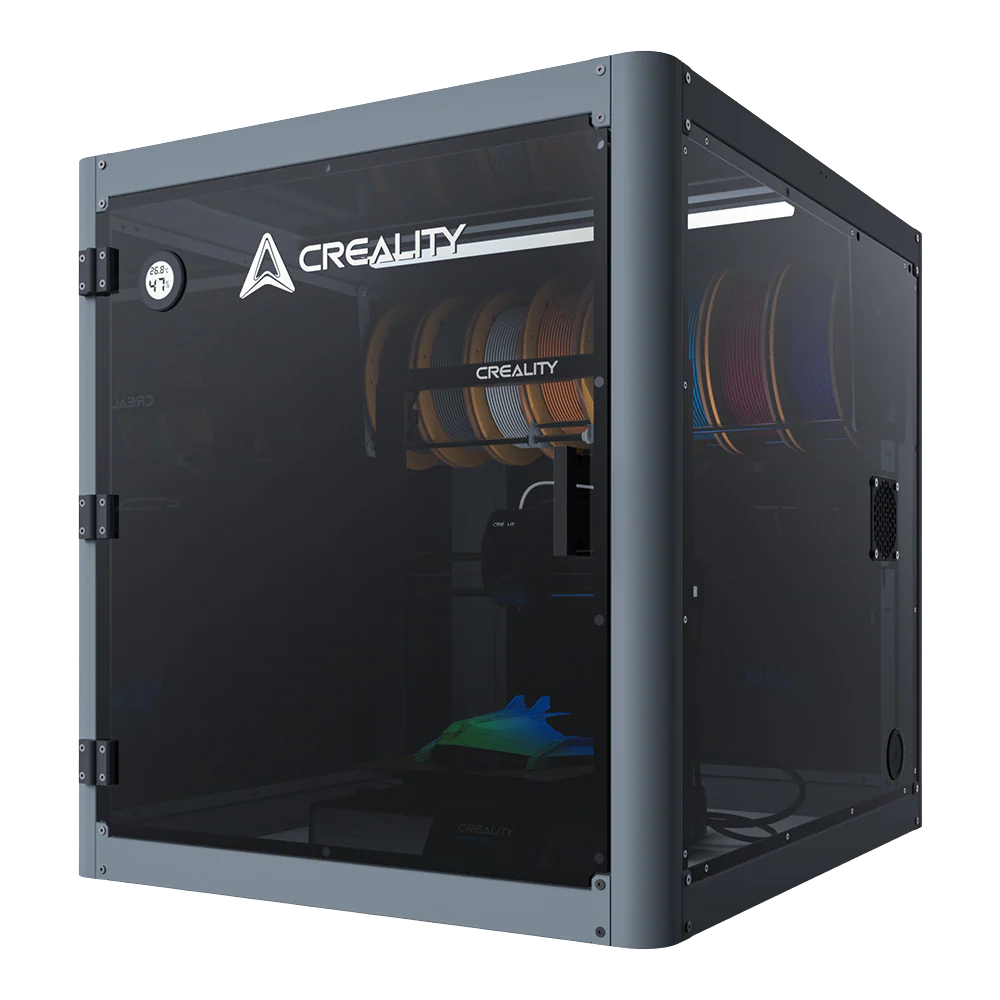
Consider an enclosure for filaments sensitive to temperature changes, like ABS or PETG.
-
Maintain a stable room temperature for consistent results.
FAQs
Q: Does a higher bed temp improve adhesion?
A: Yes, a higher bed temperature can improve adhesion, particularly for certain materials such as PETG or ABS. However, too high can cause filament to deform or string.
Q: Which has better bed adhesion, PLA or PETG?
A: PLA generally sticks better than PETG because it’s easier to heat and less prone to warping. PETG is a little tricky and might require additional adhesion such as glue or a slightly higher temperature.
Q: What are best built plates for bed adhesion?
A: There are a number of popular built plates that are effective for adhesion:
-
PEI sheets: Easy release from the plate once cooled and work well with a variety of materials.
-
Glass beds: Smooth and flat and work well with glue stick or hairspray adhesion.
-
Textured plates: Help the filament grip, reducing warping and sliding.
Q: Why is my 3D print not sticking to the bed?
A: Most often, it’s due to incorrect first layer settings, an unlevel bed, or a dirty build surface. Adjusting these factors usually fixes the problem.
Summary
Adhesion to the bed is the key to successful 3D printing. Without a good adhesion of the first layer, your prints may not only warp or move but also fail to print at all. With these easy-to-follow tips for beginners as presented in this post, you are sure to see a big difference in the quality of prints you make.