


Imagine walking into a hospital one day and hearing that a broken bone could be printed, just like you print a cosplay prop, a miniature model, or a replacement part at home. It sounds like science fiction, but the question is very real: is it possible to 3D print bones?
In recent years, researchers and surgeons have been pushing the boundaries of 3D printing into the medical field, creating scaffolds, implants, and even prototypes of 3D printed bones. While this technology isn’t something you can do in your living room on a 3D printer just yet, it’s opening doors that directly connect with the maker community: new materials, new applications, and a glimpse at what the future of printing could look like.
In this article, we’ll explore what’s happening in medicine today, how 3D bone printing works, where consumer 3D printing stands, and what the future might hold.
What Does It Mean to 3D Print Bones?
Let’s get clear on what 3D printing in medicine actually means when it comes to bones and how it differs from what you do with your Creality 3D printer at home.
Bioprinting involves special printers that deposit bio-inks made of living cells, growth factors, and gel-based scaffolds to build tissue-like structures. While it’s still early-stage and not something you can do in your garage, this method aims to create living bone or cartilage, often layering cell-laden hydrogels to mimic natural tissue.
By contrast, conventional 3D printing relies on plastics, resins, metals, or ceramics. In the medical realm, though, the focus is on scaffold materials like calcium-phosphate ceramics (hydroxyapatite, β-TCP), bioceramics, and even PLA-based composites. These act like a framework where new bone can grow.
Think of it this way: just like you use PLA or resin filament to print a mecha model or a prop, doctors use scaffolds made from biomaterials designed to integrate with living tissue, thus supporting growth, mimicking structure, and eventually, encouraging new bone formation.
Current Applications of 3D Printed Bones
So, where is all this actually happening? The idea of 3D printed bones isn’t just theoretical; it’s already saving lives.
Surgeons today are using custom cranial implants made with 3D printing to replace parts of the skull damaged by trauma or disease. Instead of a one-size-fits-all plate, a patient can get a tailored implant that fits like a puzzle piece.
In jawbone reconstruction, doctors combine titanium frameworks with bone grafts to restore function and appearance after cancer surgery. Chinese researchers have even pioneered 3D printed titanium bone implants, some of which are already in clinical use. In the EU, university hospitals are running trials on bioprinting technology that uses ceramic and polymer scaffolds to guide natural bone regrowth.
Orthopedic scaffolds are another breakthrough acting as temporary supports where bone is missing, stimulating the body to regenerate healthy tissue. While some materials and implants are already cleared by regulators for medical use, most bioprinting technology applications are still in experimental or early clinical stages.
For hobbyists, here’s the cool part: while you can’t print bones directly on your 3D printer, the CAD modeling principles are exactly the same. Whether it’s a helmet, a cosplay prop, or a surgical scaffold, it all starts with precise digital design.

Challenges and Limitations
-
Biological integration: Biggest hurdle is vascularization. We must figure out how printed bones integrate with blood vessels to survive long-term.
-
Strength & durability: Implants must endure decades of stress; current composites and coatings are still under testing.
-
Regulatory barriers: FDA (U.S.) and EMA (Europe) require extensive approvals; many projects remain in trials.
-
High costs: Bioprinters and biomaterials remain far more expensive than consumer-level 3D printing.
-
Ethical questions: Printing living tissues raises debates on limits and acceptable applications.
Future Outlook: The Path to Fully Functional Printed Bones
The future of 3D printed bones looks promising as researchers push beyond prototypes toward fully functional implants. Emerging techniques are rapidly expanding the field. These include printing with stem cells that can regenerate tissue, hybrid scaffolds combining biodegradable polymers with living cells, and advanced bioinks designed to mimic the body’s natural environment. Together, these innovations move bioprinting closer to creating bones that not only fit perfectly but also heal and grow with the patient.
Looking ahead, many experts predict wider medical use cases by 2035. Trauma recovery, orthopedic surgery, and personalized medicine are likely to be the first beneficiaries of 3D printing in medicine. Imagine a patient with a complex fracture receiving a tailor-made bone replacement produced in days rather than months.
For the maker community, the parallels are clear. Just as FDM and resin printers shifted from industrial labs to affordable desktop models, advances in bioprinting hardware may eventually follow the same path. While you won’t be printing bones at home anytime soon, the future of 3D printed bones suggests that accessibility, precision, and personalization are on the horizon.
What This Means for Everyday 3D Printing Enthusiasts
While the idea of printing real bones at home is still beyond current capabilities, there's a fun and meaningful connection between 3D printed bones in medical labs and the projects Creality users are already doing. The same CAD modeling, precision, and creativity skills that you apply to prints like cosplay props or home gadgets are at the core of medical innovation.
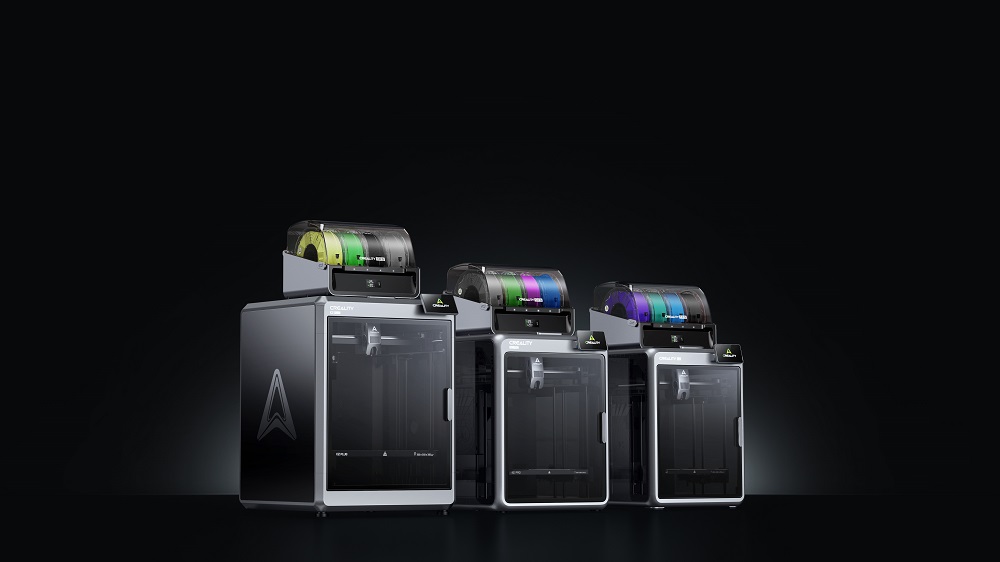
Creality makers have been contributing in exciting ways:
-
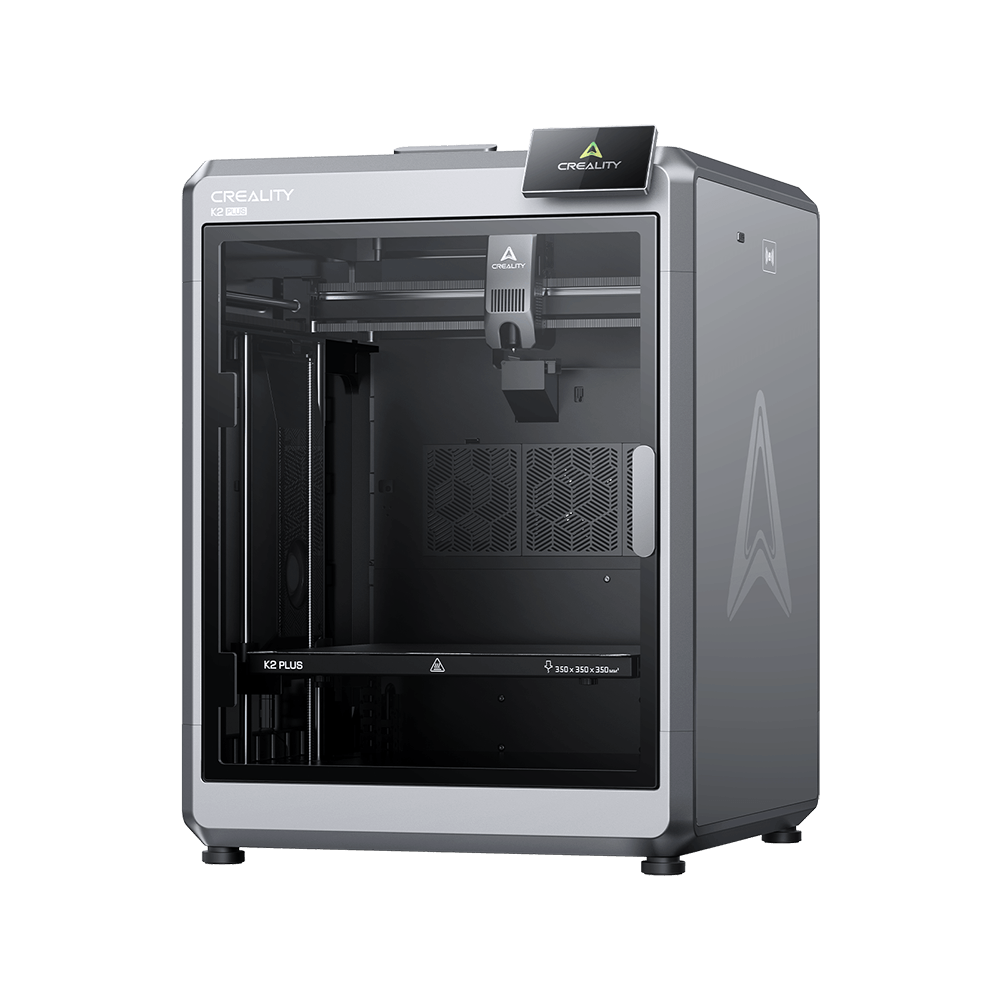
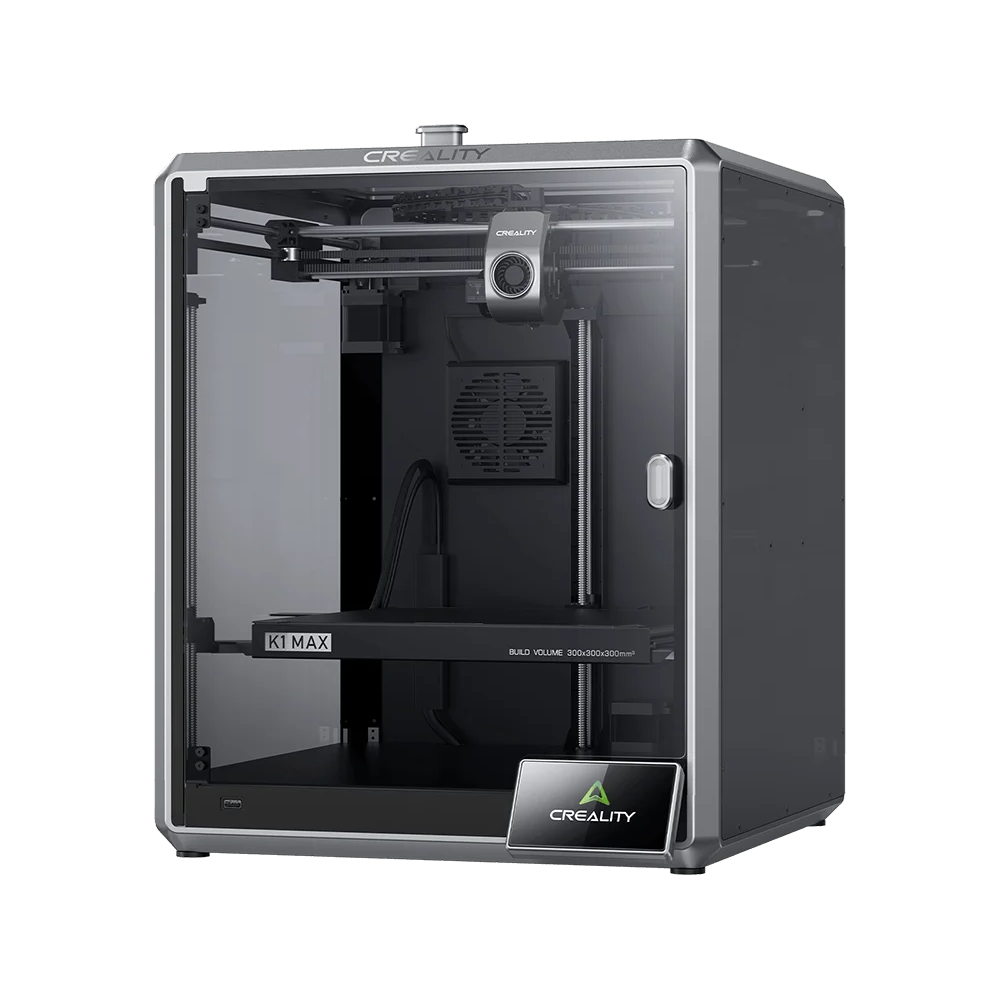
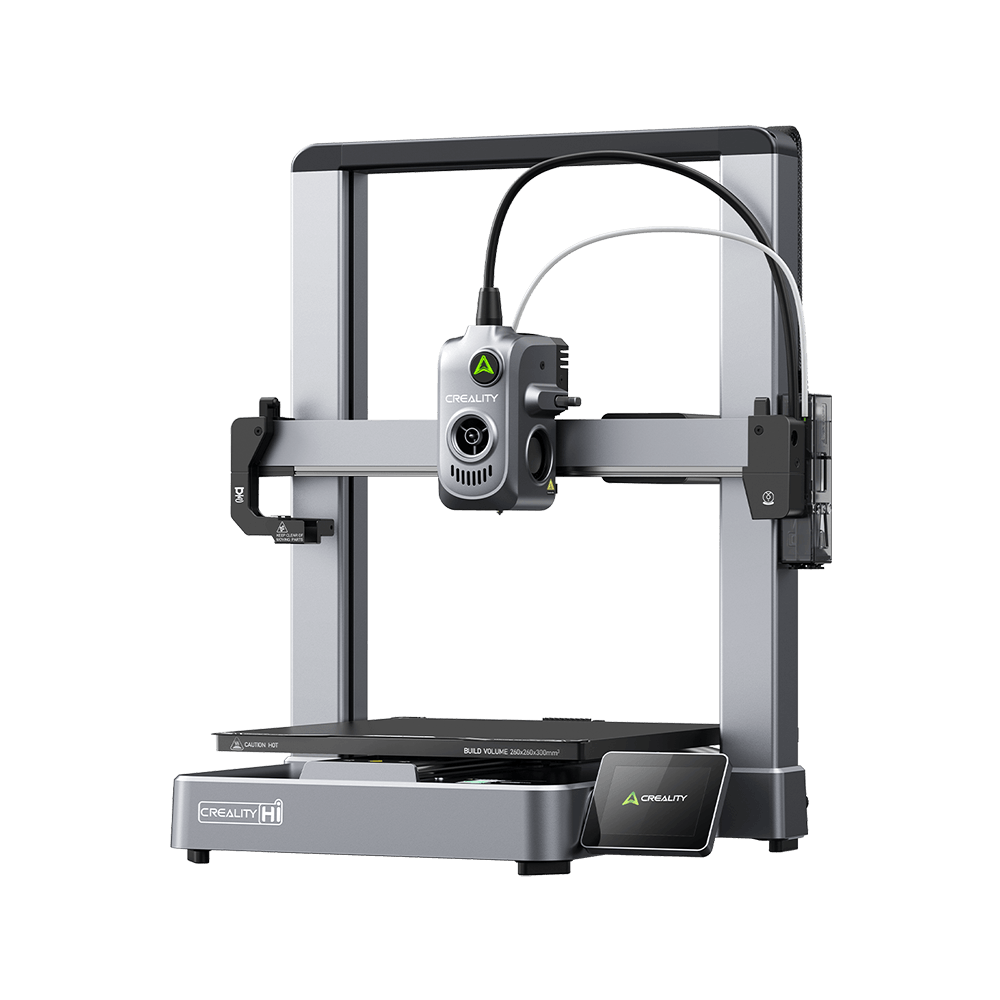
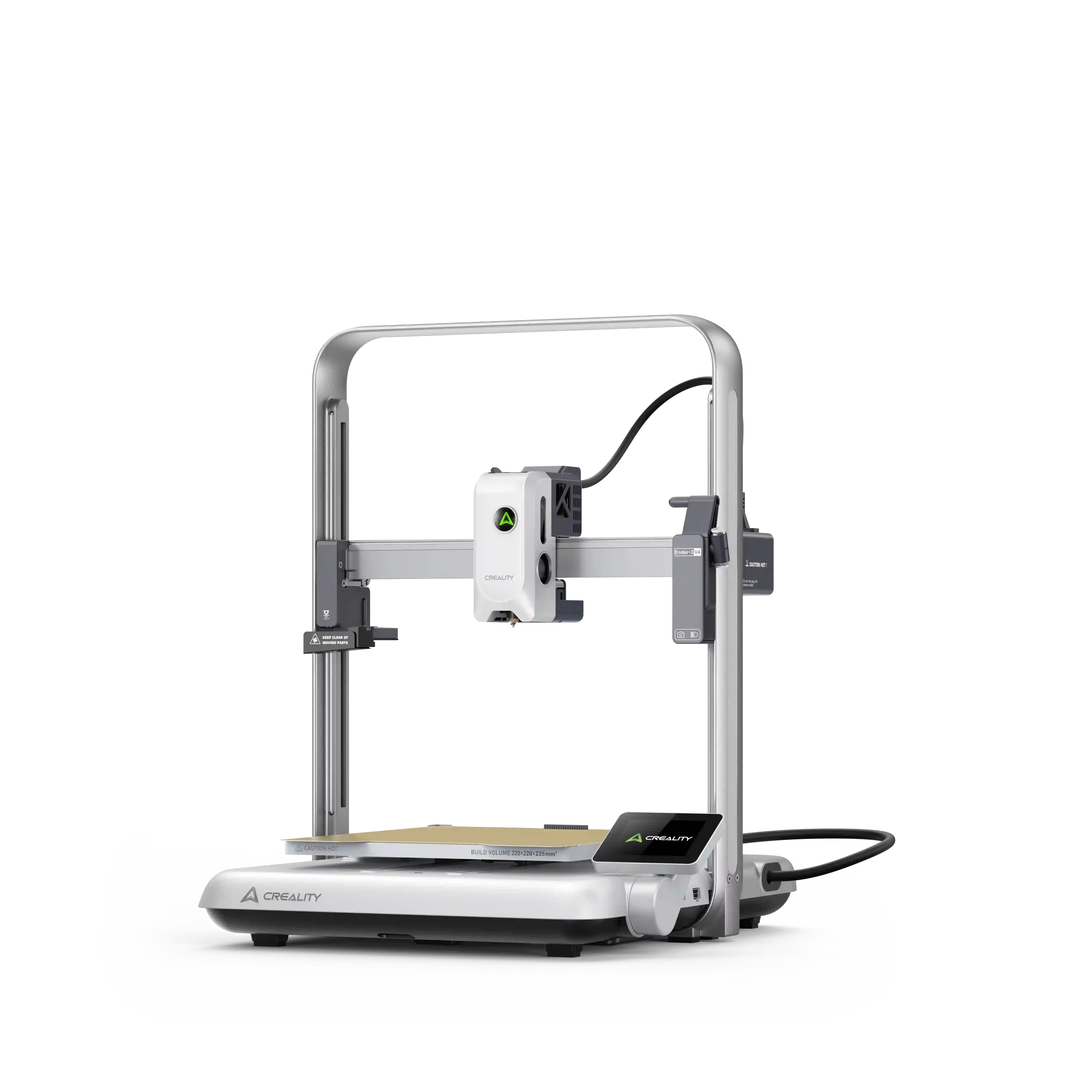
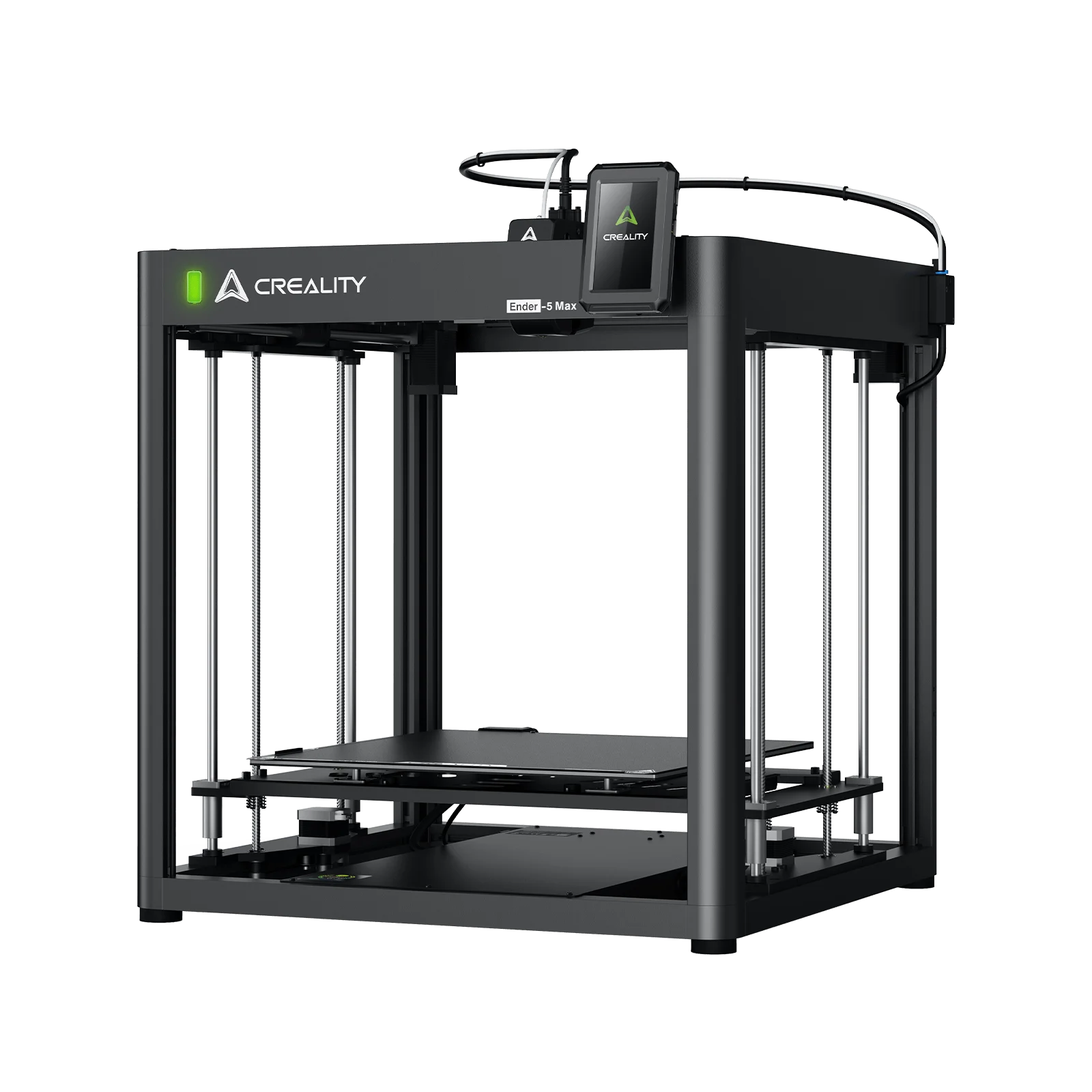
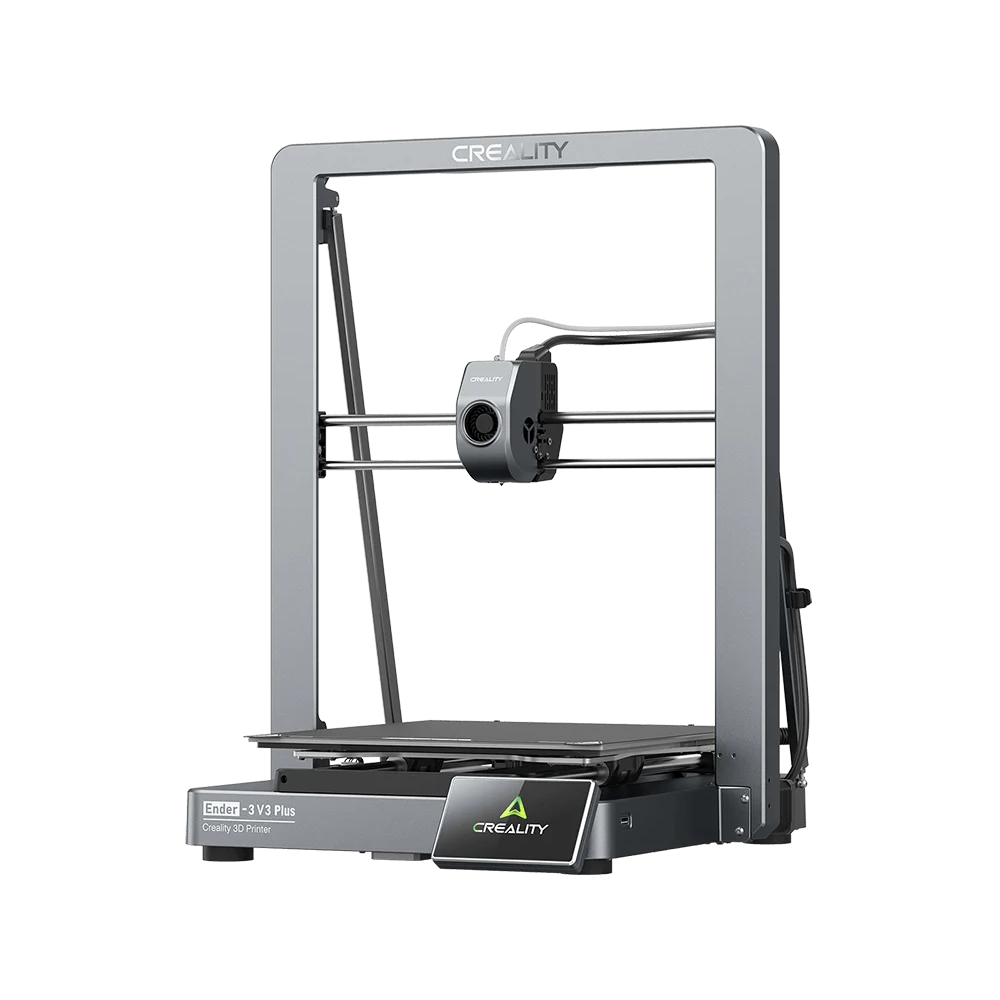
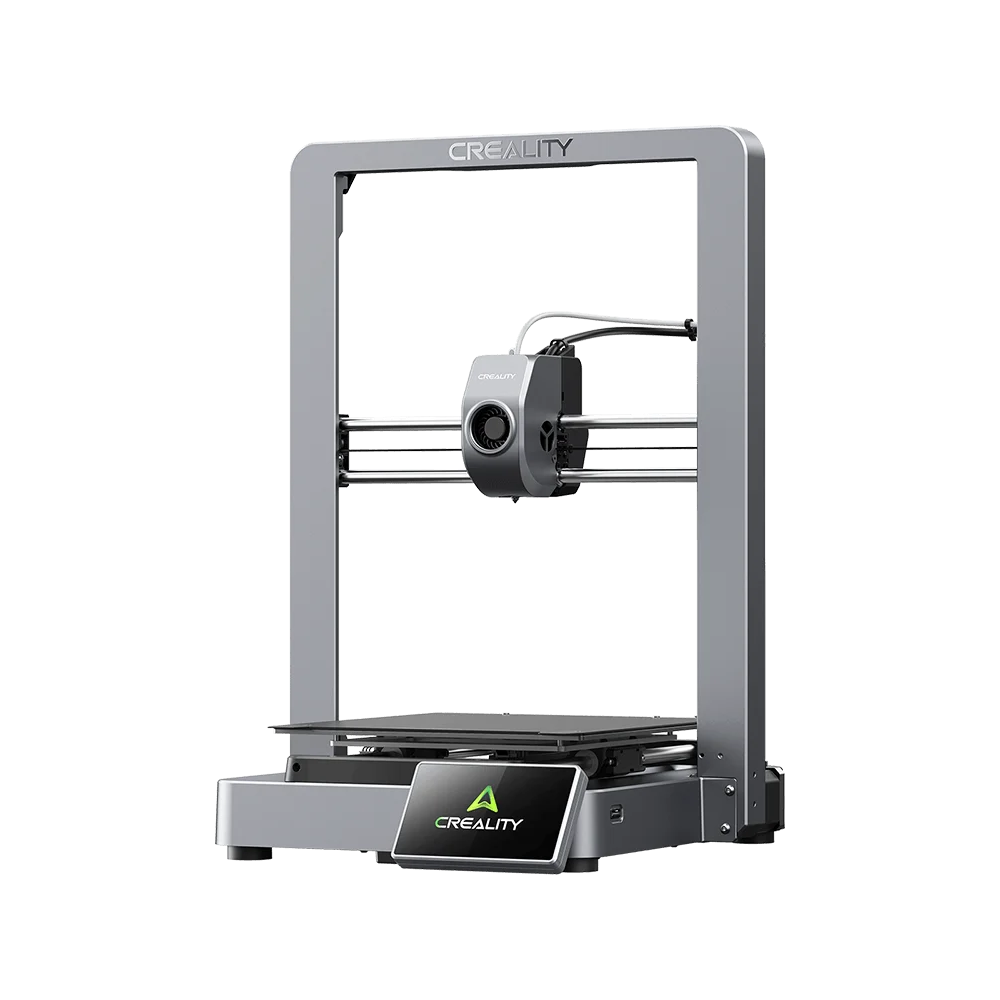
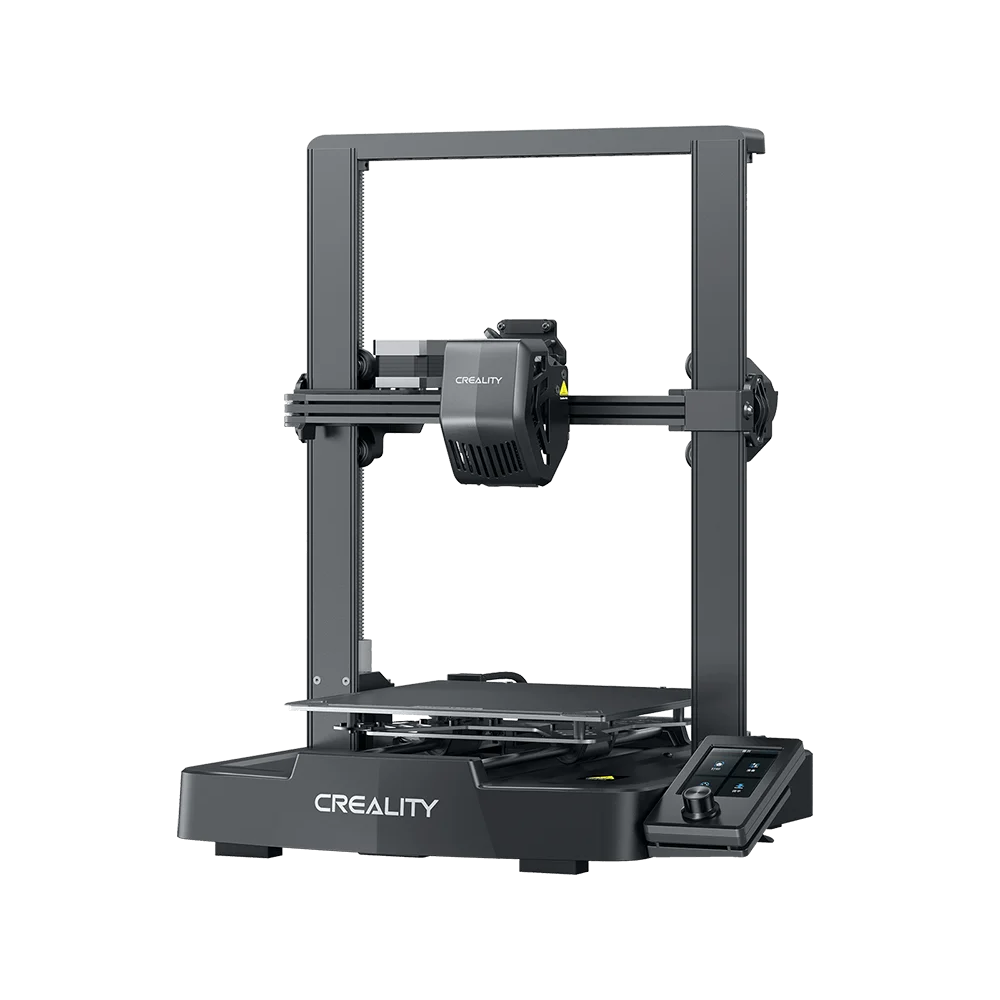
Many have printed surgical guides, prosthetics, and anatomical models, leveraging affordable FDM platforms like the Ender Series, K2 Plus Combo, and Hi Series to bring hospital-grade design to desktop reality.
-
On the resin side, high-resolution printers like the HALOT-MAGE S enable fine-detail prints that are ideal for medical models, dental mockups, or tiny bone replicas.
-
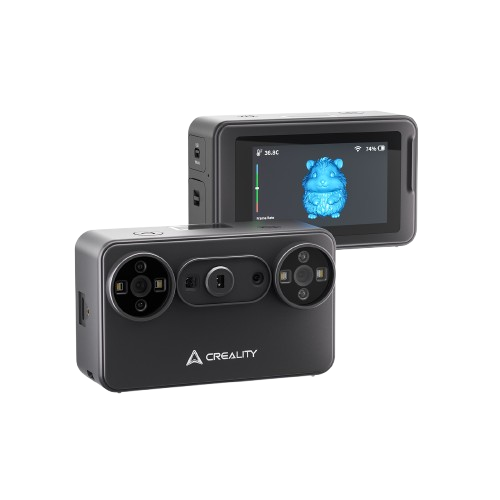
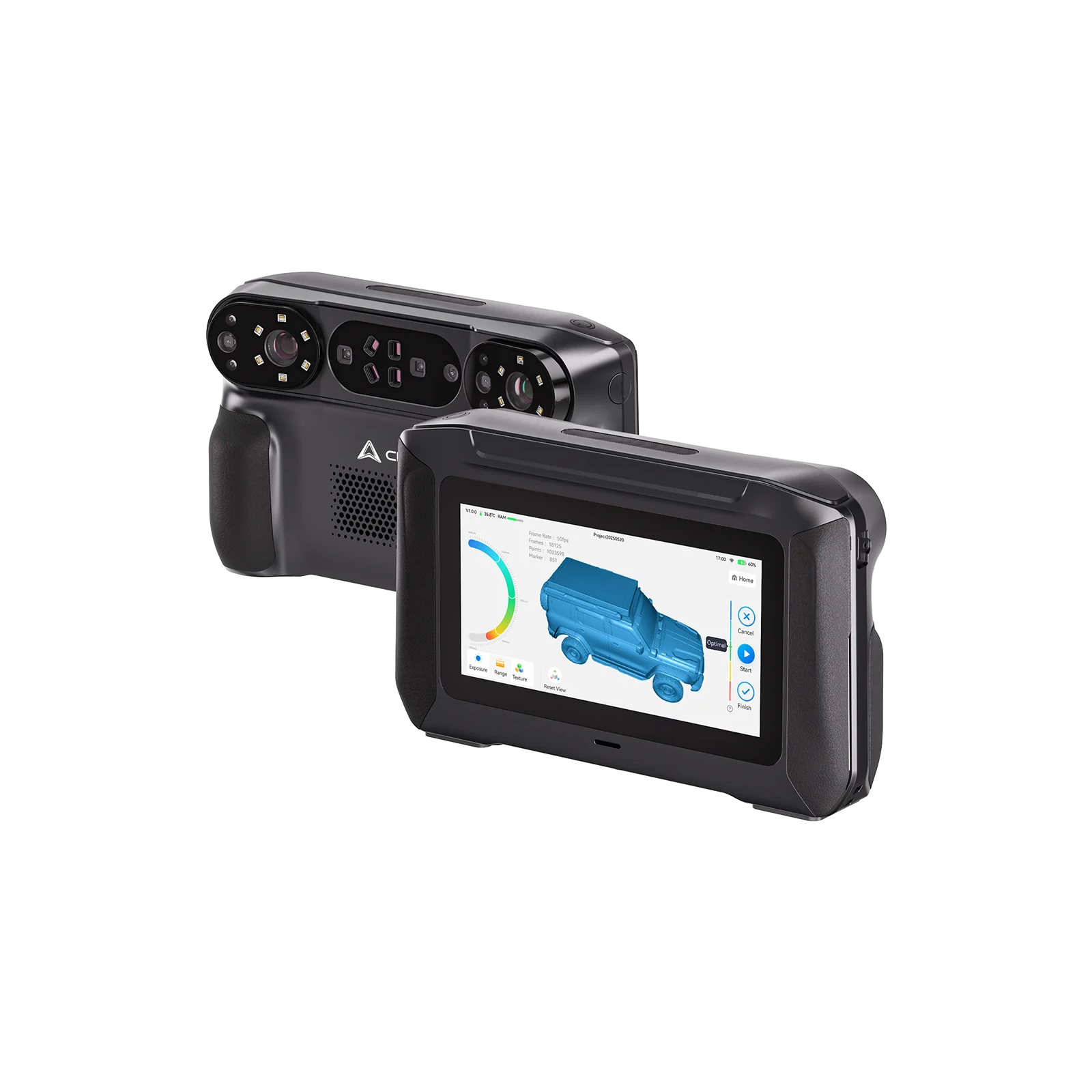
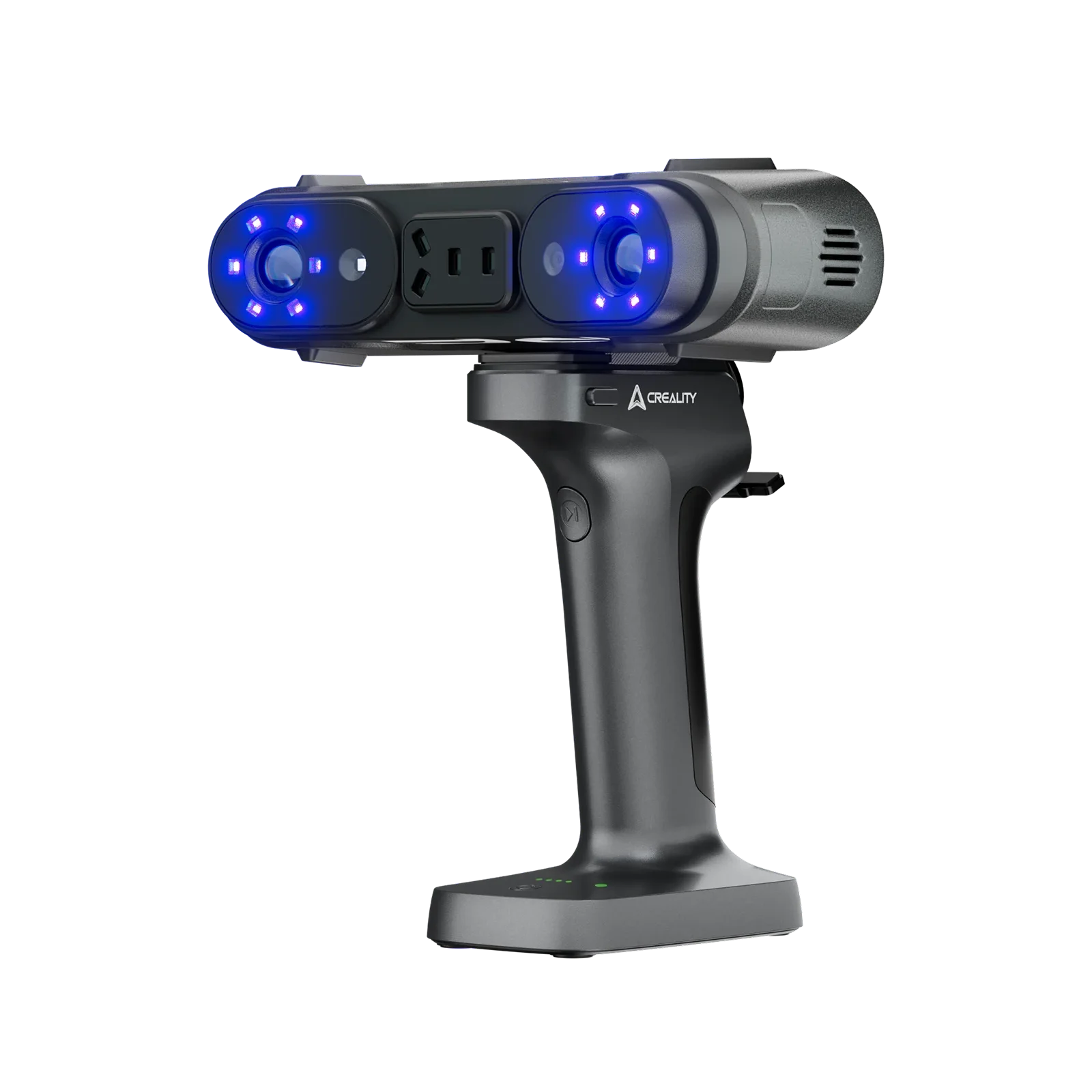
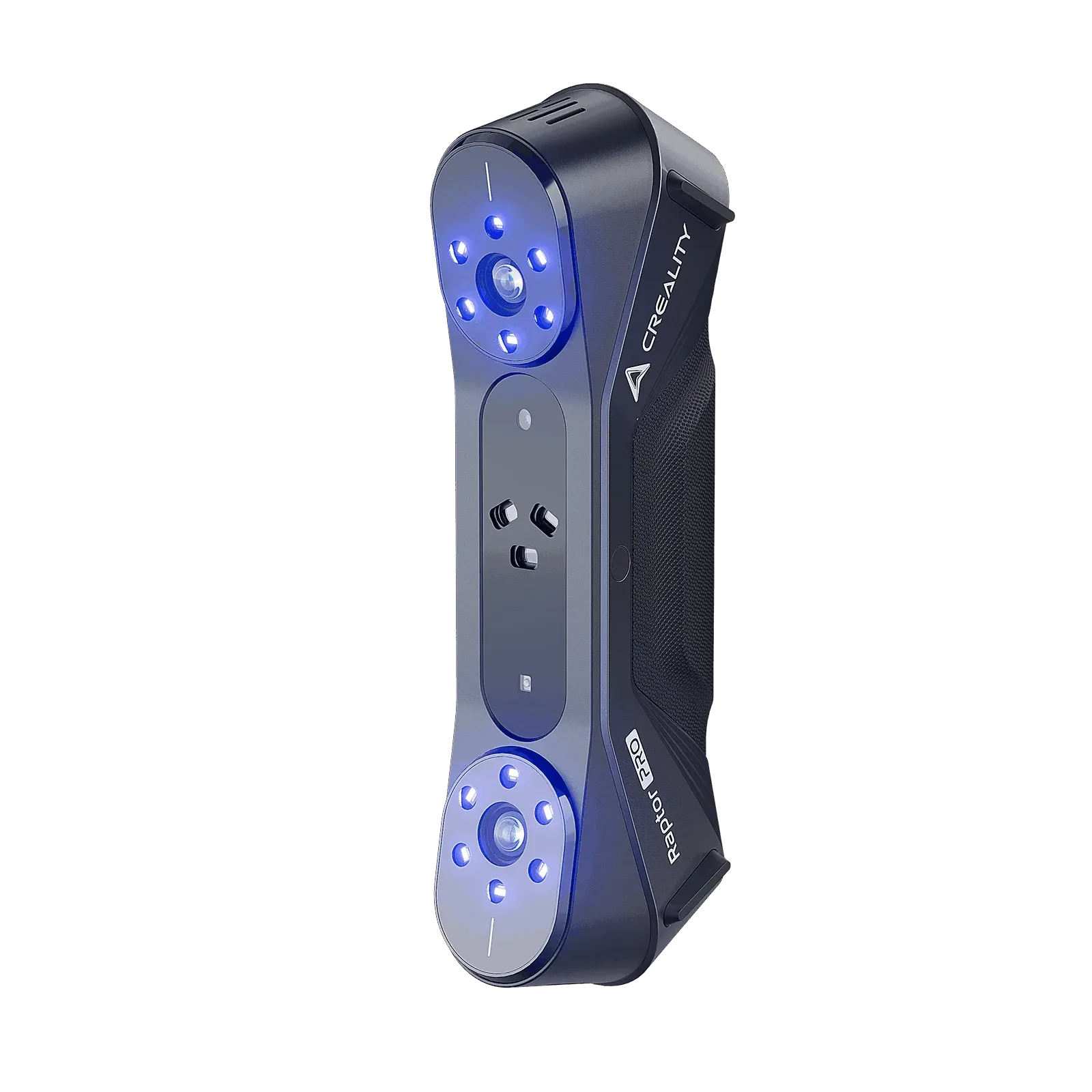
For capturing physical objects to print, Creality's CR-Scan series scanners, such as the Ferret Pro with 0.1 mm accuracy, help hobbyists scan anatomical specimens or props to create their own digital models easily.
Comparing materials at the hobby level mirrors what professionals do with materials for 3D printed bones, considering strength, detail, and texture as you switch between PLA, PETG, resin, or composites. Even if you're not printing bone scaffolds, your experimentation builds the design intuition that drives real biological applications.
FAQs on 3D Printed Bones
Is it possible to 3D print bones at home?
Not in the biological sense. While medical labs can 3D print bone-like scaffolds using bioceramics and even living cells, home hobbyists are limited to plastics, resins, or composites for replicas and props.
What materials are used to 3D print bones in hospitals?
Researchers use materials such as hydroxyapatite, calcium phosphate, and biocompatible polymers. These mimic the structure of natural bone and can integrate with the body over time.
How strong are 3D printed bones?
Laboratory-made 3D printed bones are surprisingly strong and continue to improve. While not yet identical to natural bone, many implants show comparable mechanical performance once integrated.
Can 3D printing help with broken bones?
Yes. 3D printing is already being used to create patient-specific implants, surgical guides, and bone graft scaffolds. These innovations are helping surgeons repair complex fractures more precisely.
What is the future of 3D printed bones?
The future of 3D printed bones is promising: bioengineers envision a time when hospitals can “print” custom bone grafts on demand, reducing recovery times and eliminating the need for donors.
The Future of 3D Printed Bones Starts with Today’s Makers
So, is it possible to 3D print bones? Yes, although mostly in specialized labs and hospitals rather than your home workshop. Scientists are combining bioceramics, living cells, and advanced 3D printing to build the foundation for tomorrow’s implants.
The future of 3D printed bones reflects the same spirit that drives hobbyists today: pushing the boundaries of what’s possible, whether you’re creating cosplay armor, prosthetic prototypes, or intricate miniatures on your Creality 3D printer.
Stay curious, keep experimenting, and remember: every layer you print is part of a larger movement shaping the future of 3D printing.