

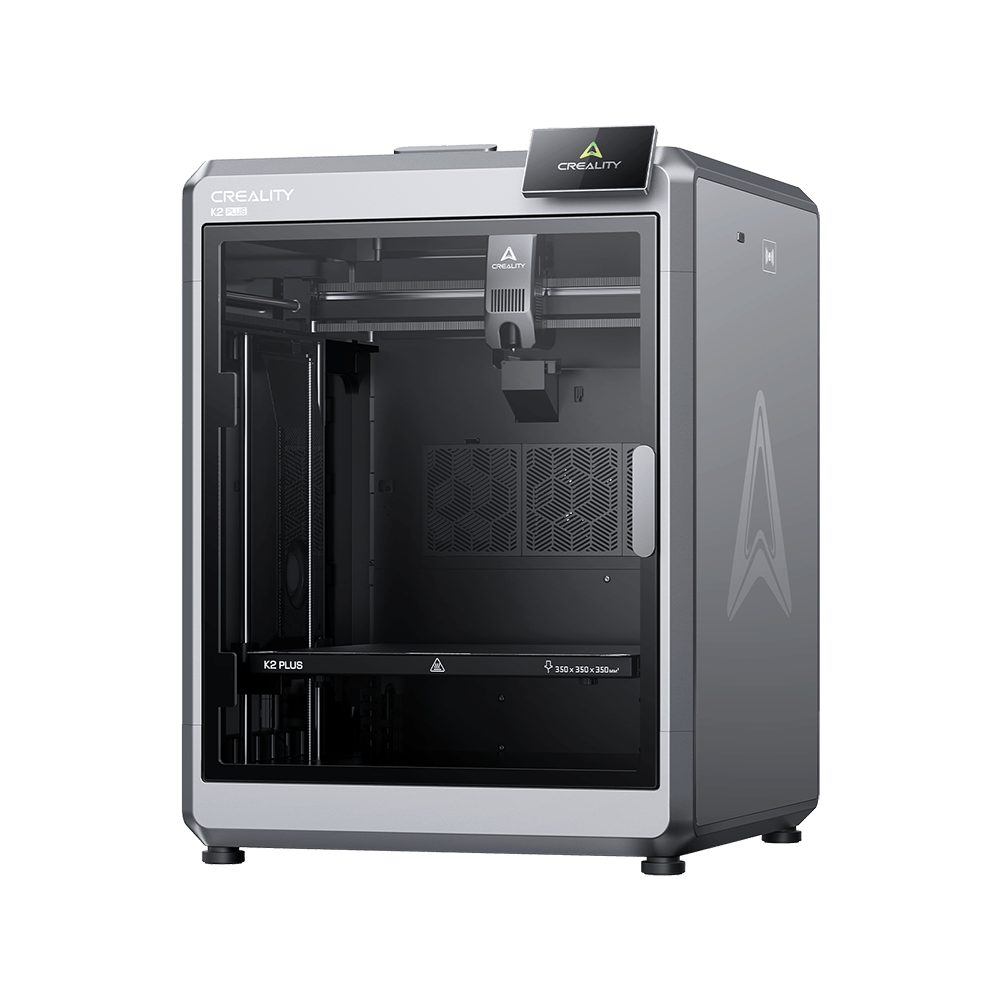
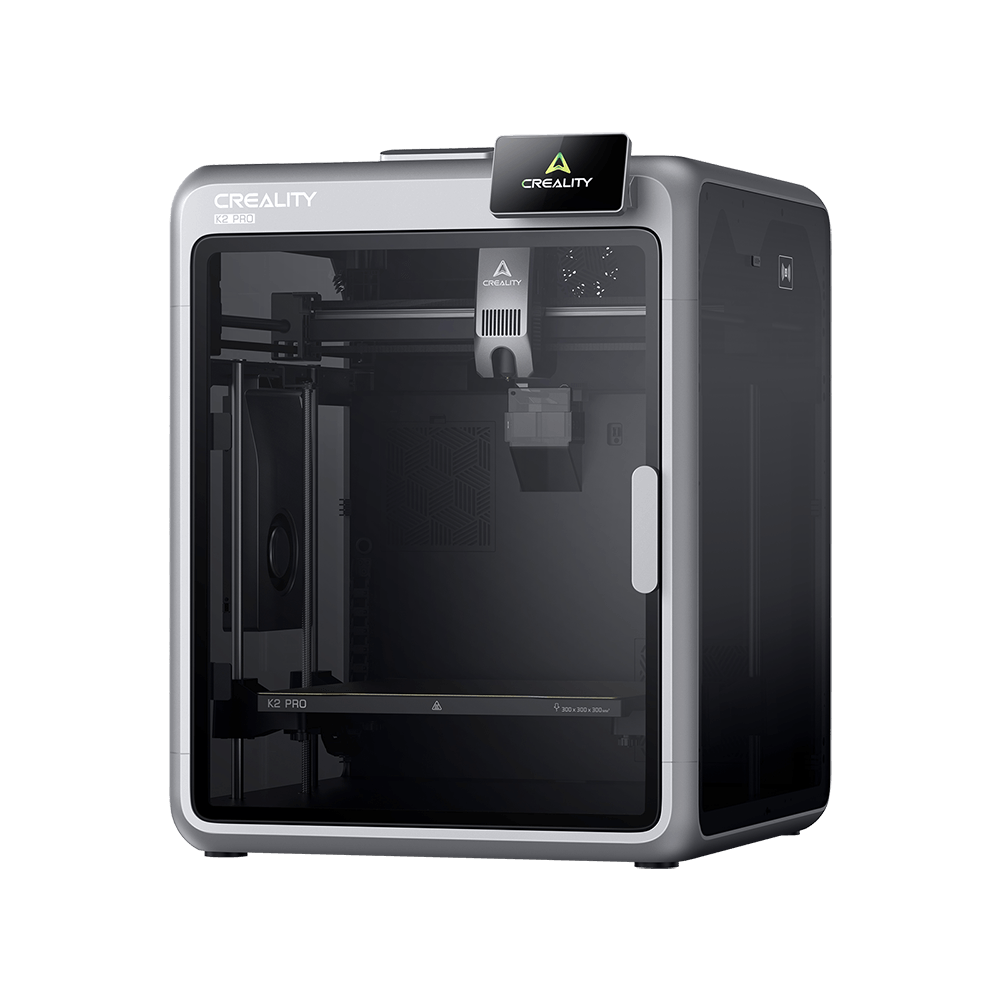
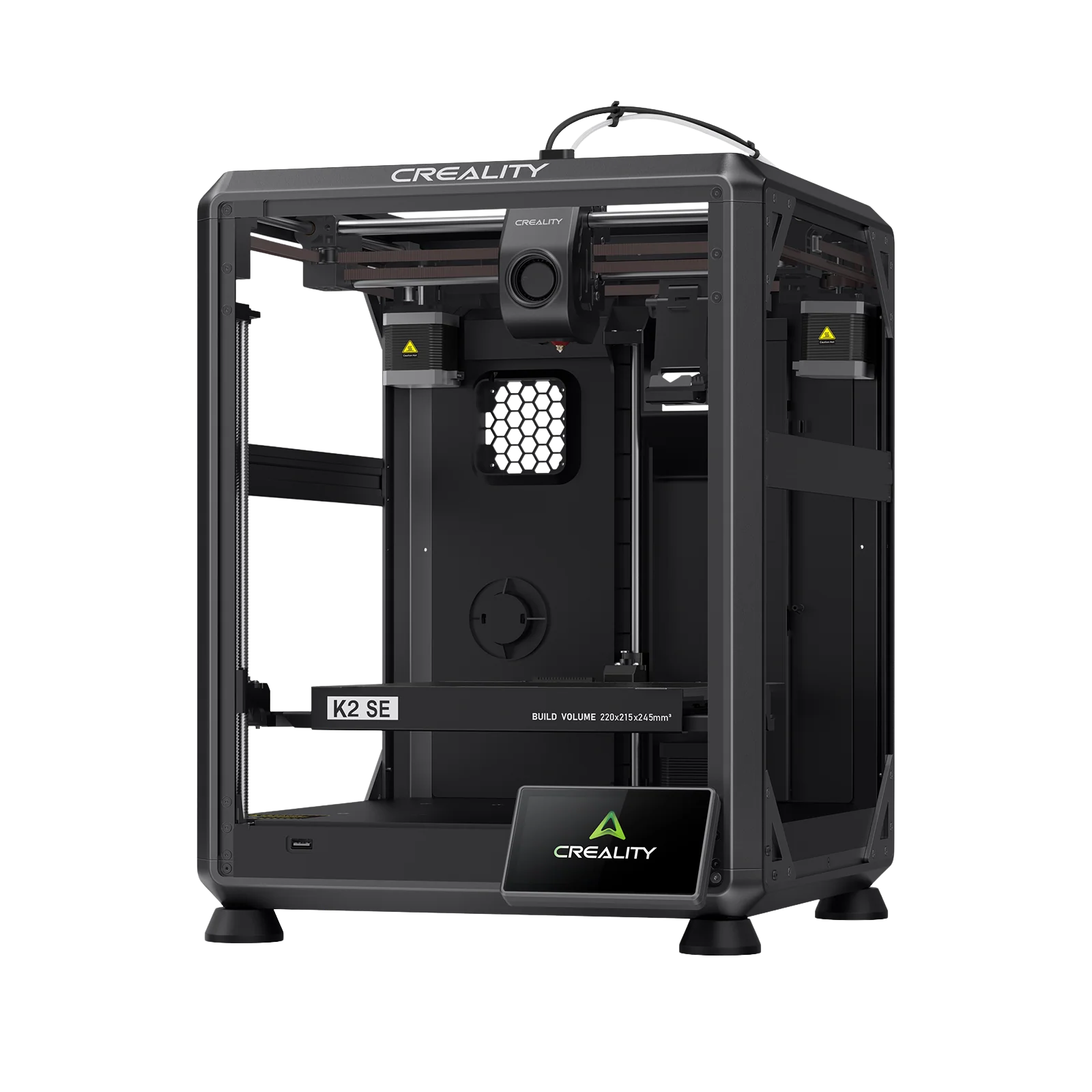
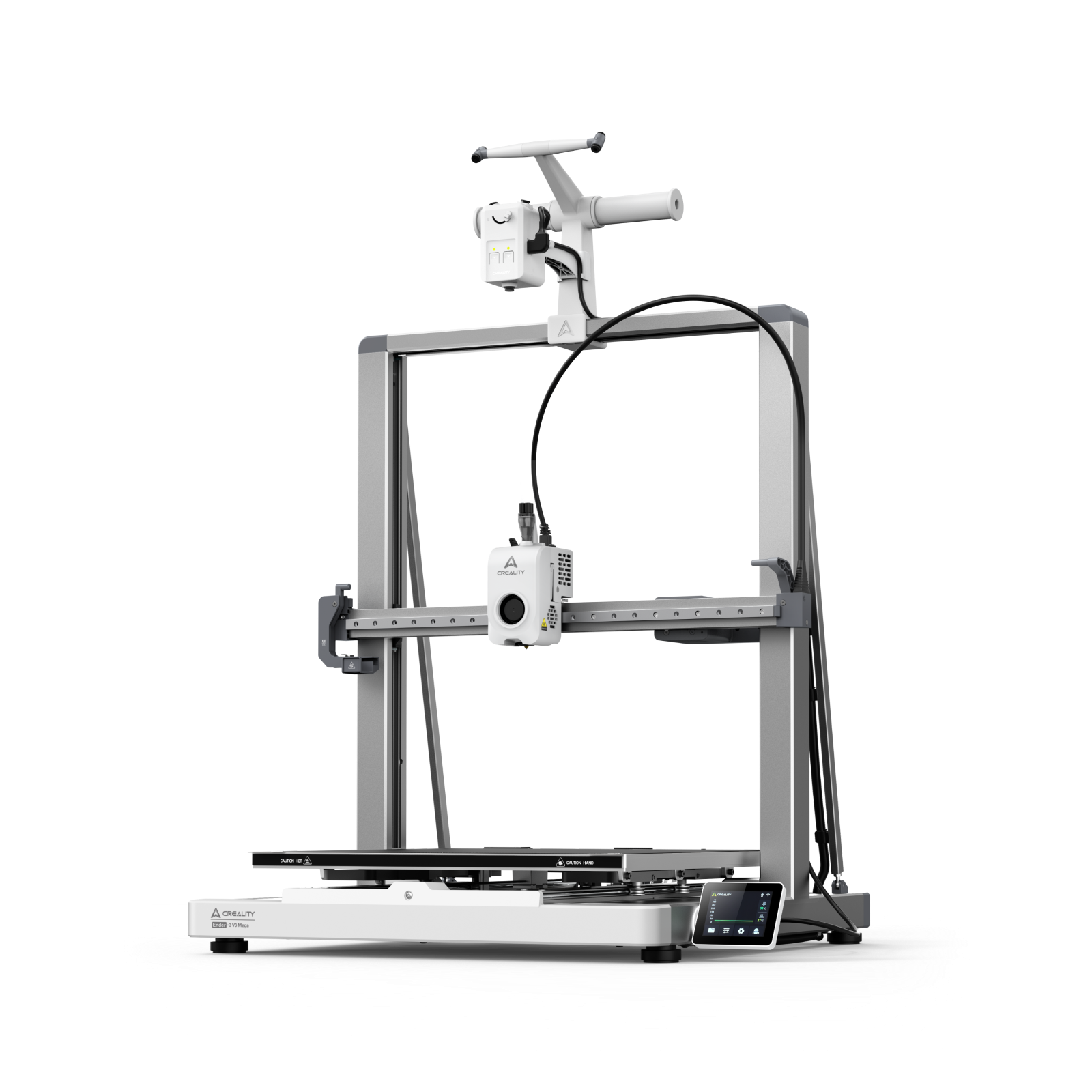










3D printing has gone from a niche prototyping tool to a global movement that empowers hobbyists, engineers, and businesses to bring ideas to life faster than ever. Creality users know the thrill of watching a concept turn into something tangible on the build plate.
But even as printers get faster, smarter, and more precise, there are boundaries we can’t ignore. Understanding the limitations of 3D printing is just as important as celebrating its strengths. Whether you’re a first-time user or running a small print farm, knowing where additive manufacturing excels, and where traditional manufacturing still wins, saves you time, cost, and frustration.
This guide takes a clear-eyed look at what 3D printing can’t do yet, with real data, examples, and practical advice to help you decide when to press “print” and when another process might serve you better.
Technical Limitations of 3D Printing
Even the most advanced 3D printers face boundaries set by physics, materials, and machine design. For anyone pushing their Creality printer beyond prototypes, toward production-quality parts, these technical factors are where expectations and reality often collide.
Resolution and Tolerances
One of the first questions engineers ask is: how accurate are 3D printed parts? The answer depends on the technology:
-
SLA (resin printing): ±0.1–0.2 mm, which is excellent for dental models, jewelry, and miniatures.
-
FDM (filament printing): typically, ±0.5 mm or ±0.5% of feature size, depending on calibration, nozzle diameter, and filament quality.
-
SLS (powder-based printing): ±0.2–0.3 mm, which offers strong dimensional consistency albeit at a higher equipment cost.
Compared to CNC machining (±0.01 mm or better), even resin printing is far less precise. That doesn’t make 3D printing useless for functional parts, it simply means tolerances must be designed with the process in mind.
Surface Finish and Post-Processing
Print resolution isn’t just about dimensional accuracy. It also affects how a part looks and feels. By default:
-
FDM prints show visible layer lines with an average roughness (Ra) of 10–50 μm.
-
SLA prints can achieve ultra-smooth surfaces, Ra 1–5 μm, though pixelation may still appear under magnification.
This is why finishing steps matter. Sanding, vapor smoothing, bead blasting, or coating can transform a rough prototype into a product-worthy part, but they also add time and labor.
Build Volume and Geometry Constraints
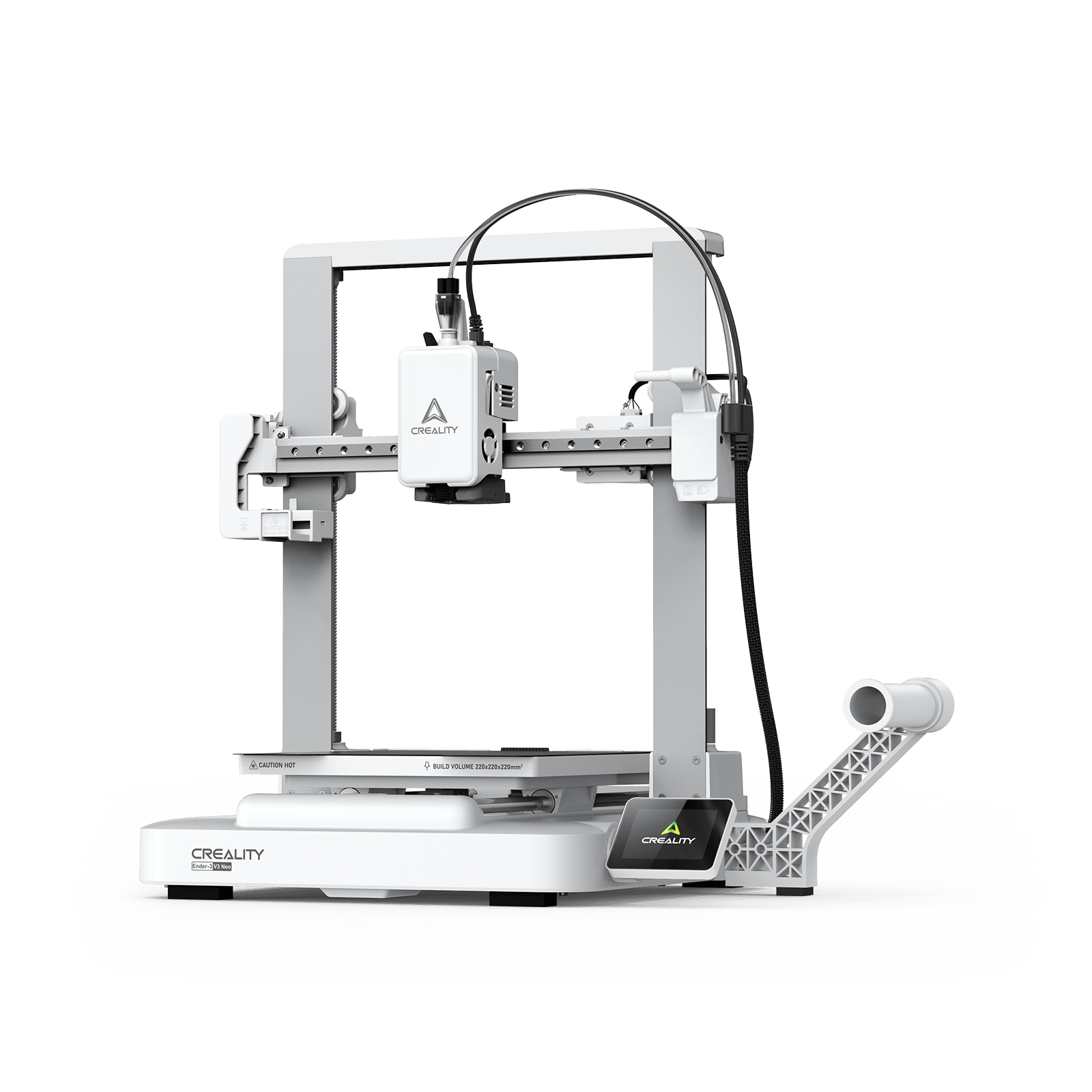
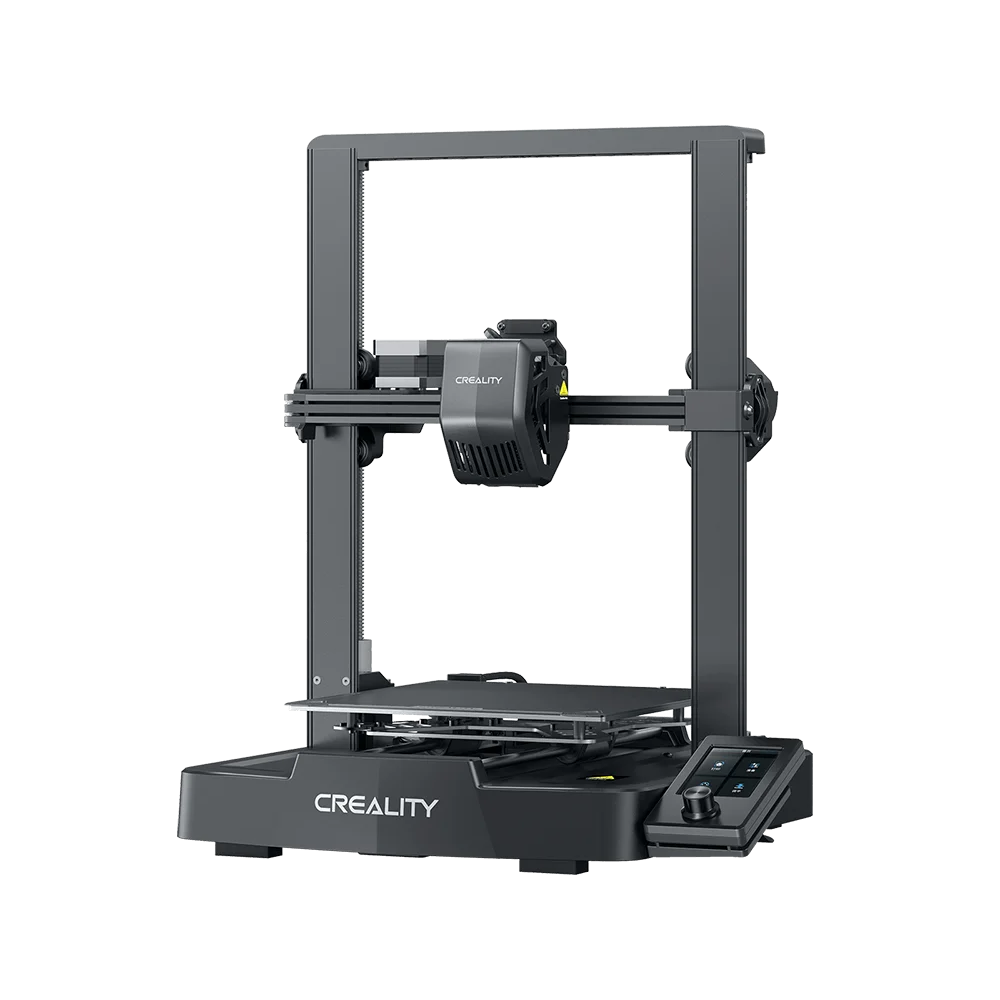
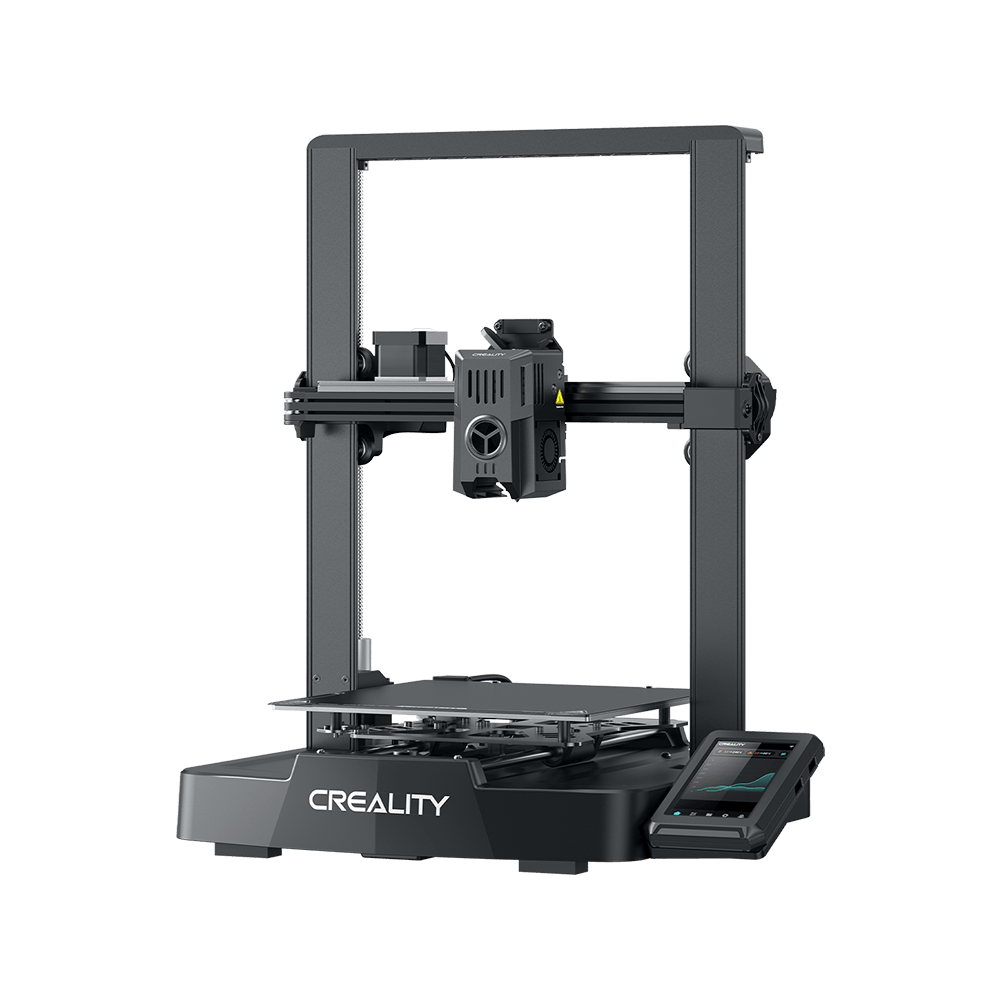
Another common limitation is size. Most desktop FDM printers (like the Creality Ender series) offer build volumes in the 220–400 mm³ range. That’s plenty for small parts but restrictive for furniture, automotive panels, or other large applications.
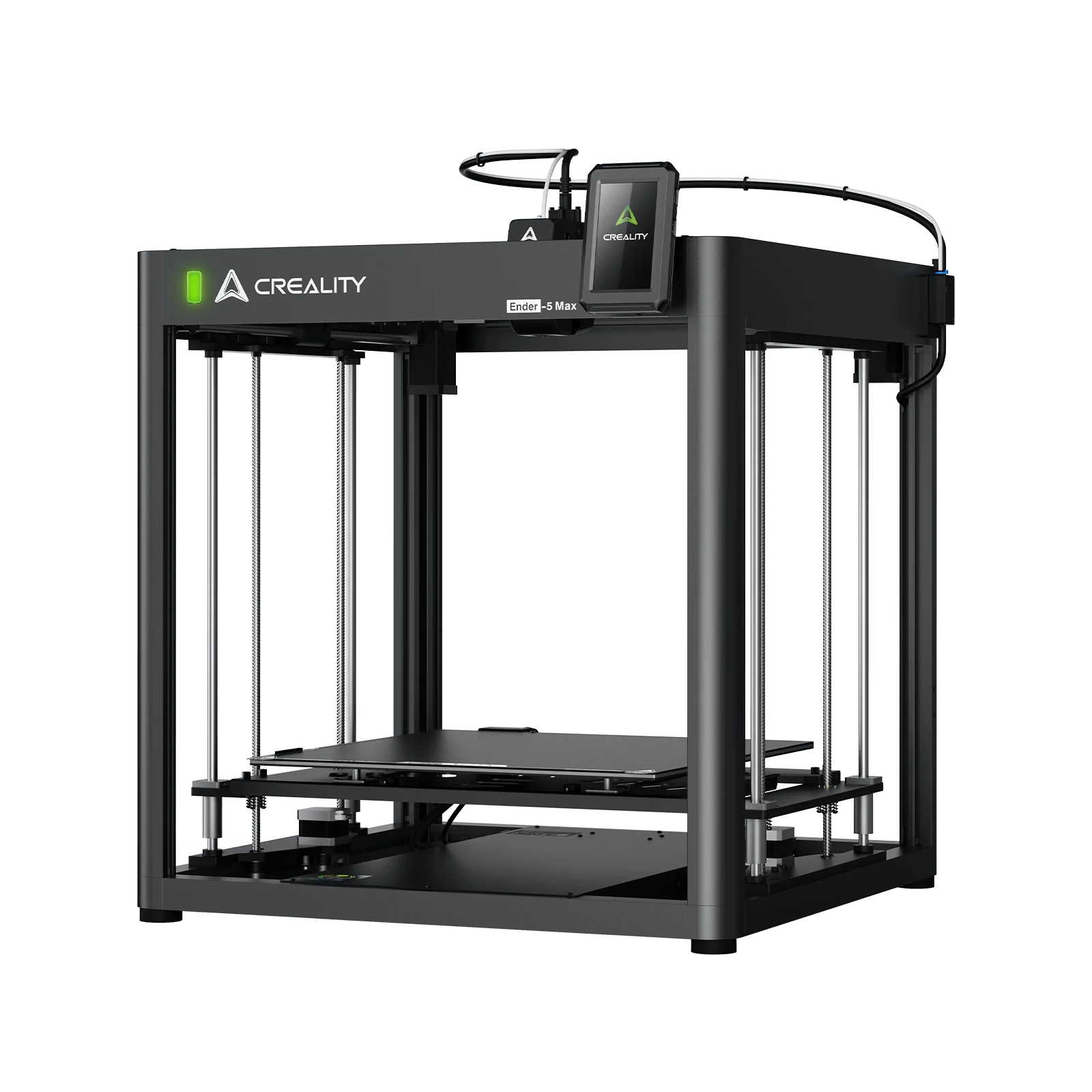
Large-format printers like the Creality K1 Max expand the possibilities, but even then, huge parts require splitting and joining, which adds complexity. Geometry also dictates what’s possible. Unsupported overhangs, steep angles, or hollow sections often demand support structures and careful orientation.
Process Reliability & Failure Rates
Even with the right printer and materials, 3D printing isn’t flawless. Hobbyists report failure rates between 10–30%, often caused by:
-
Poor bed adhesion or warping
-
Layer delamination (especially in ABS)
-
Support structures failing mid-print
-
Clogged nozzles or extrusion inconsistencies
For beginners, these issues can feel discouraging. For prosumers, they represent downtime and wasted filament. The good news? With proper calibration, quality materials, and active monitoring, reliability rates can reach professional levels.
Material Limitations
While 3D printing has opened the door to countless creative and functional applications, materials remain one of its biggest bottlenecks. Compared to injection molding or CNC machining, printed parts face constraints in strength, durability, and standardization, all of which affect where 3D printing can and can’t replace traditional manufacturing.
Mechanical Properties
One of the most important things to understand is that 3D printed parts are anisotropic, which means their strength depends on the direction of the layers. Horizontally printed features tend to be much stronger than vertical ones, meaning parts are weaker along the Z-axis. This layer bonding issue leads to reduced fatigue life compared to injection-molded parts, which are more uniform.
Temperature Resistance
Heat is another limiting factor. PLA softens around 60 °C, which makes it unsuitable for hot environments (like a car dashboard in summer). ABS fares better at around 100 °C, while high-performance polymers like PEEK and ULTEM can withstand extreme conditions. These, however, come at a significantly higher cost and require specialized printers.
Material Diversity & Certification
Despite rapid growth, 3D printing still lacks the material diversity of traditional manufacturing. Aerospace, automotive, and medical industries often require certified, traceable materials and only a limited number of 3D printing resins and filaments currently meet those strict standards. For hobbyists, this means fewer options for highly specialized applications.
Economic and Speed Limitations
As exciting as 3D printing is, it’s not always the most economical or time-efficient choice. Compared to traditional manufacturing methods, costs and throughput can be a dealbreaker, especially for large-scale production.
Cost-per-Part vs Injection Molding
When comparing 3D printing cost vs injection molding, scale is everything. A single printed prototype might cost only a few dollars in material, but if you need hundreds or thousands of identical units, molding quickly becomes cheaper. That’s because once a mold is made, parts can be reproduced at extremely low marginal cost. For 3D printing, the cost per part stays relatively constant no matter how many you produce.
Speed and Throughput
Even with the fastest printers, most parts take hours rather than minutes to produce. While you can run multiple printers in parallel, scaling this up often requires more labor and higher management costs. By contrast, injection molding can turn out thousands of parts in a single day.
Emerging solutions like conveyor-belt printing and continuous 3D printing are pushing boundaries, but the reality is that additive manufacturing remains slower for high-volume production.
Where 3D Printing Makes Sense
Despite these constraints, 3D printing shines where traditional manufacturing falls short. Its strengths lie in speed-to-iteration, freedom of design, and personalization.
The best use cases include:
-
Rapid prototyping: test, tweak, and reprint in a single day.
-
Low-volume production:runs of 10–500 parts without tooling costs.
-
Customization: personalized products, unique geometries, or made-to-order designs.
The Future of 3D Printing; Overcoming Today’s Limits
While today’s limitations of 3D printing are real, the technology is evolving rapidly. What seems like a dealbreaker in 2025 may be solved in just a few years. Several breakthroughs are already reshaping the landscape:
-
Multi-material and hybrid printing: Printers capable of combining plastics, composites, and even metals in one build are emerging, reducing the need for assembly.
-
Continuous and conveyor-belt printing: Instead of one-off jobs, new systems print endlessly in sequence, closing the gap with mass manufacturing.
-
Smarter software and AI-driven slicing: Intelligent algorithms now optimize orientation, support, and print paths for speed and strength.
-
Expanded material science: From bioresins to recyclable composites, new chemistries are unlocking applications in aerospace, automotive, and healthcare.
Despite these advances, some challenges will remain, such as the speed gap with molding, the cost of industrial-grade materials, and certification bottlenecks for regulated industries.
Frequently Asked Questions About 3D Printing Limitations
What are the main disadvantages of 3D printing?
The biggest disadvantages are limited material strength, slower production speeds compared to molding, higher cost-per-part at scale, and size restrictions. Post-processing is often required to achieve a smooth finish.
How accurate is 3D printing compared to CNC?
3D printing tolerances are typically ±0.1–0.5 mm depending on the process, while CNC machining can achieve microns of precision. For parts needing extremely tight tolerances, machining still outperforms.
Why are 3D printed parts rough?
Because of the layer-by-layer process, especially with FDM printers. Post-processing methods like sanding, vapor smoothing, or resin coating are often used to achieve a professional finish.
Can 3D printed parts withstand heat?
Standard filaments like PLA soften at 60 °C while ABS around 100 °C. Engineering-grade plastics like PEEK and ULTEM handle much higher temperatures, but require specialized printers and higher costs.
Is 3D printing cheaper than injection molding?
Not for large-scale runs. 3D printing is most economical for low-volume, custom, or complex parts. Injection molding dominates when thousands of identical parts are needed.
When should I not use 3D printing?
Avoid 3D printing when you need high-volume mass production, extremely high strength, or certified materials for aerospace/medical use. Traditional manufacturing is better in those cases.
The Bottom Line: Knowing the Limits, Unlocking the Possibilities
3D printing is not without its limits. From material strength and surface finish, to print speed and economic scale, these challenges define when to use the technology and when traditional manufacturing still wins. But for rapid prototyping, creative problem-solving, customization, and small-batch production, nothing matches the flexibility and freedom of additive manufacturing.
The key is understanding the trade-offs. Once you know where 3D printing shines and where it struggles, you can make smarter decisions about how to integrate it into your workflow.
At Creality, we believe the story doesn’t end with the limits. Every year, we’re pushing the boundaries with faster print speeds, larger build volumes, and stronger materials, thus helping makers, engineers, and businesses get closer to production-ready results without compromise.