

For legendary vehicles such as the Mercedes-Benz 300SL, every curve, detail, and component embodies decades of automotive heritage. For Opimo 3D, which specializes in advanced manufacturing and reverse engineering, to restore such a unit represents an opportunity to push the boundaries of precise car restoration. By combining high-precision 3D scanning and fast digital fabrication, Opimo 3D has developed an efficient workflow that helps repair classic vehicles while maintaining their historic character.
The Challenge of Restoring A Legend
Introduced in 1954, the Mercedes-Benz 300SL is one of the most iconic sports cars in automotive history. With only around 3,258 road-going units produced, the 300SL remains one of the world's most sought-after classic automobiles, celebrated for its rarity, engineering innovation, and timeless design.
Decades after production ended, original parts are no longer available. Plus, the complexity of the vehicle’s structure with numerous details—especially in components like window glass and interior parts, makes it hard to rebuild car components with precision required for a perfect fit.
Building A Digital Restoration Workflow
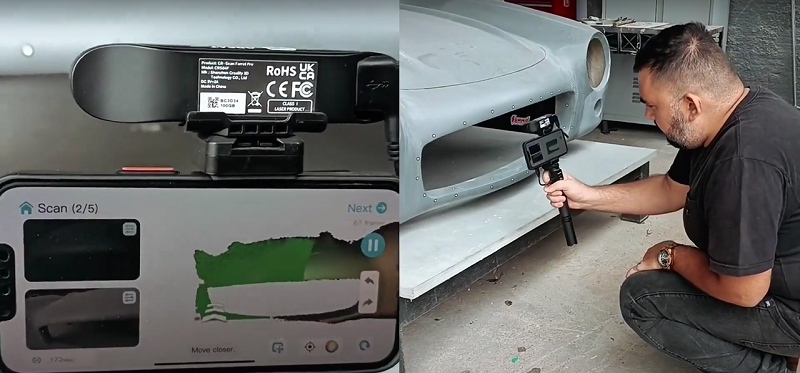
To achieve precision, Opimo 3D adopted a complete 3D scanning and printing workflow.
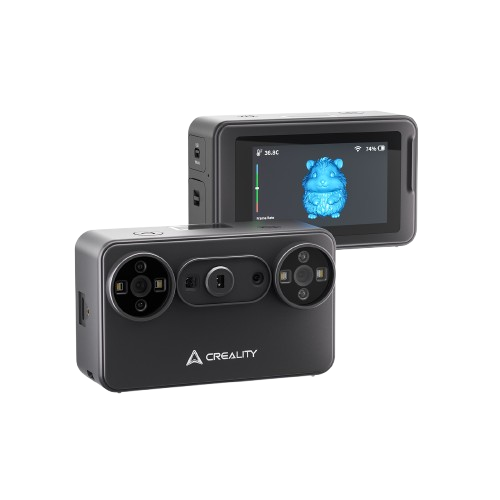
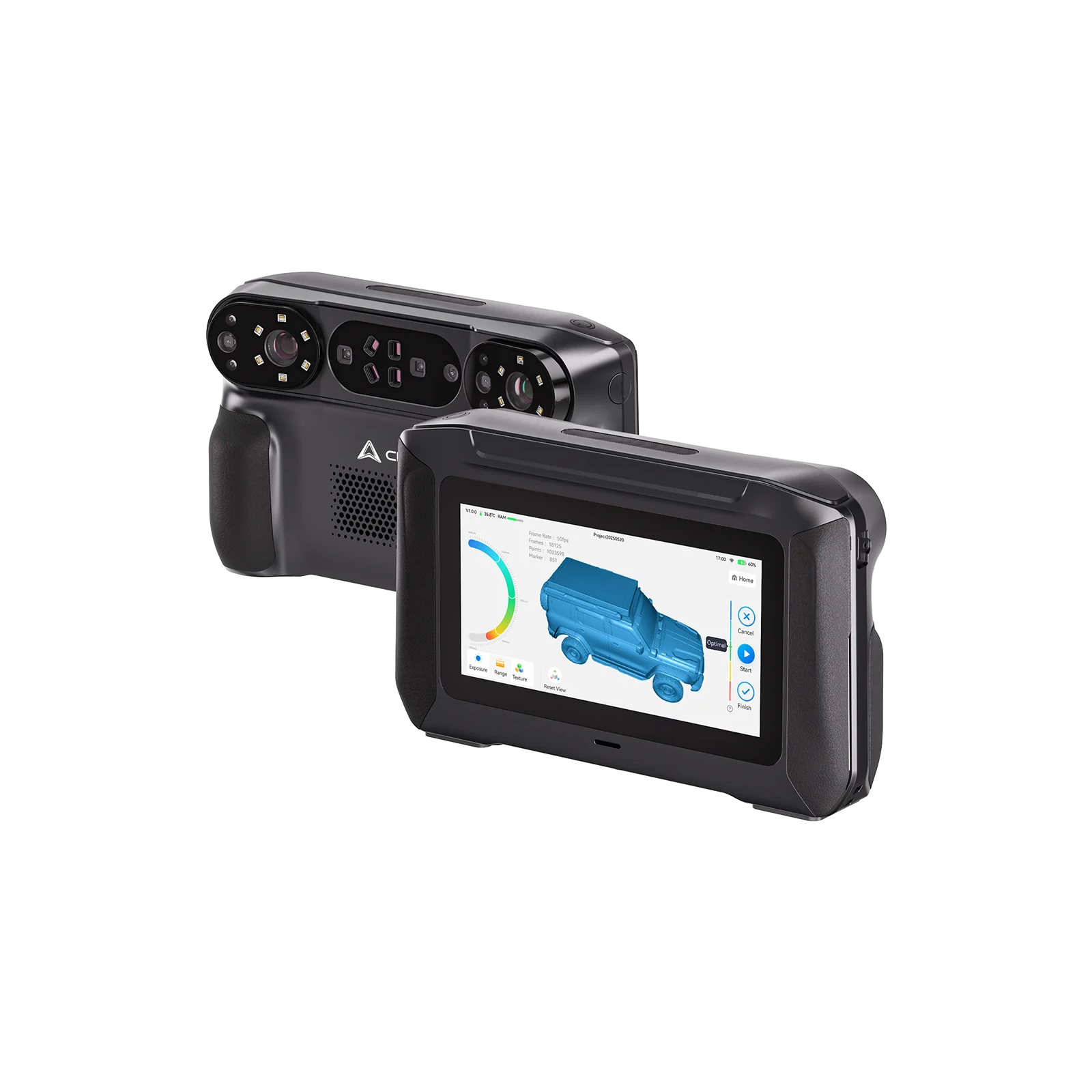
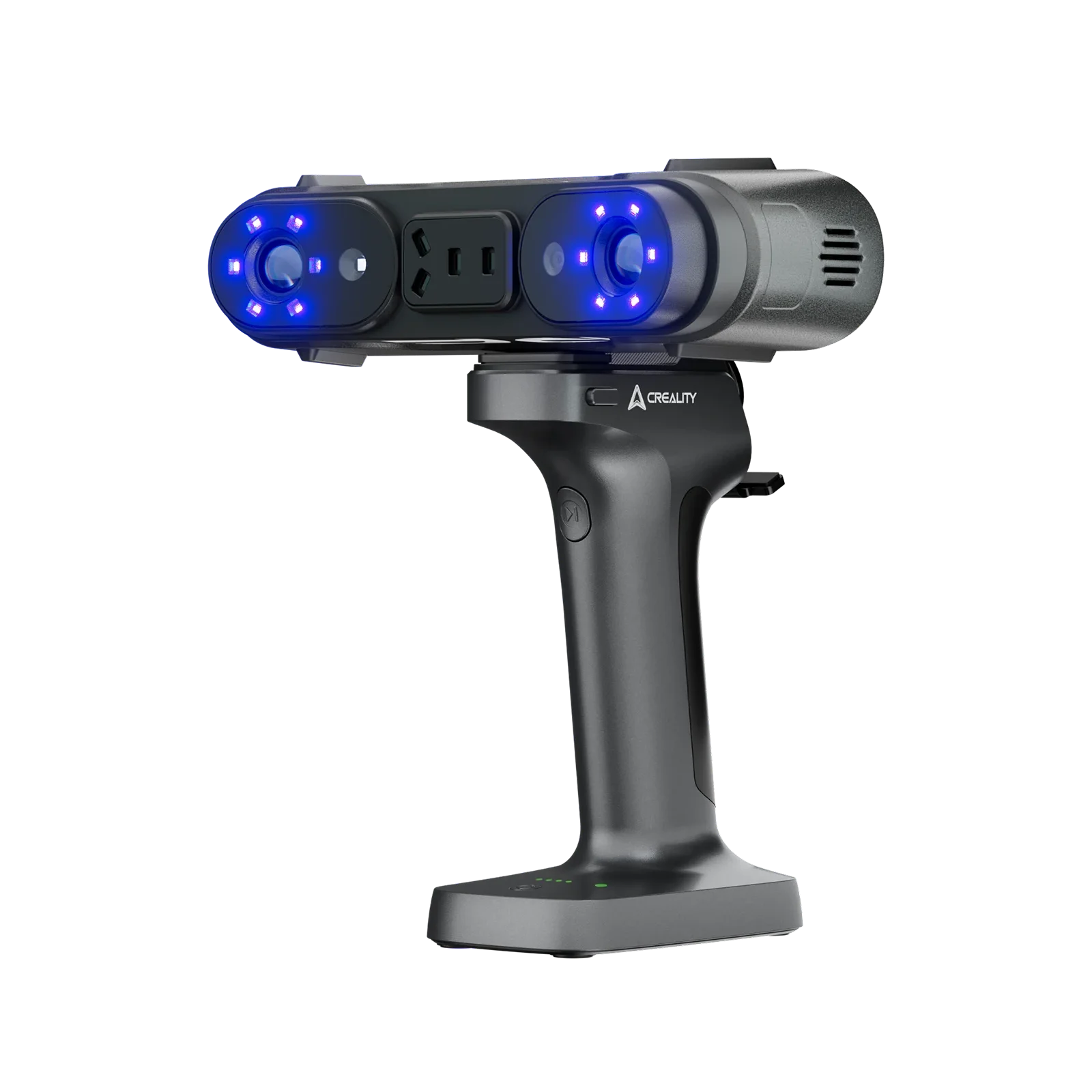
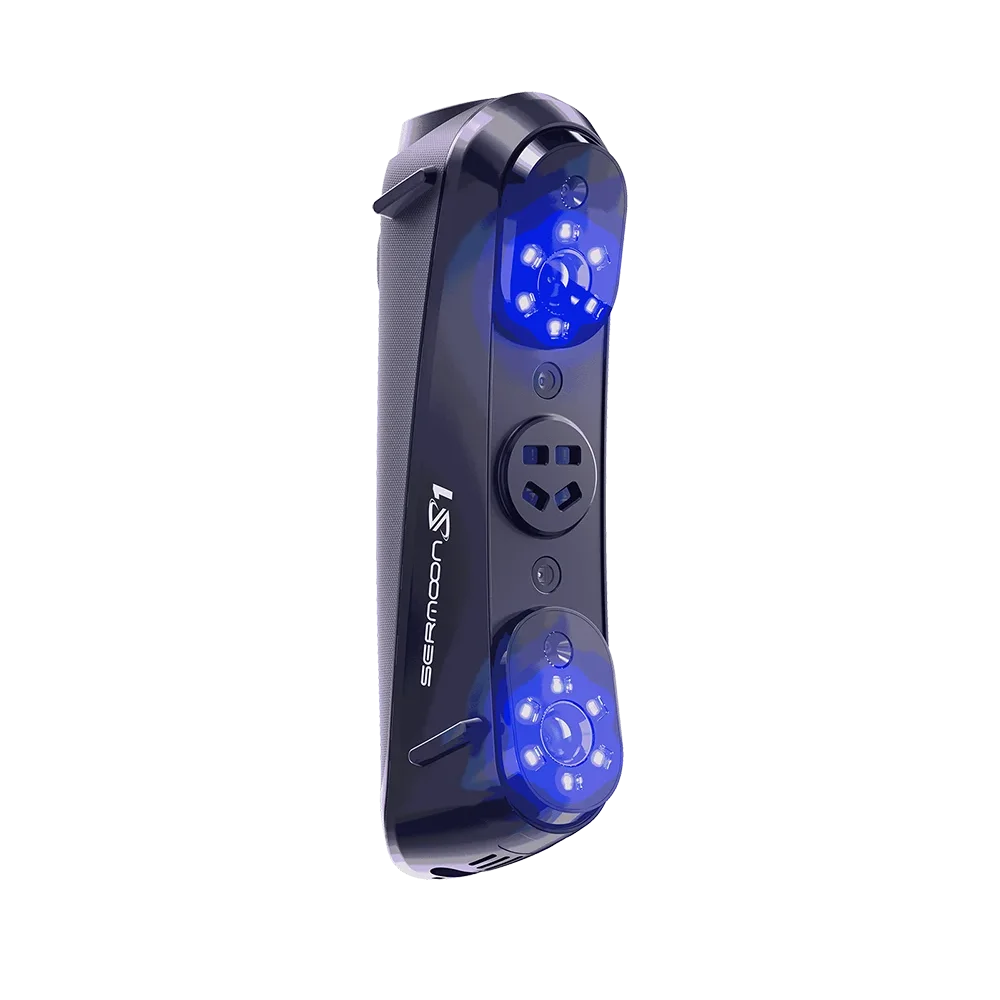
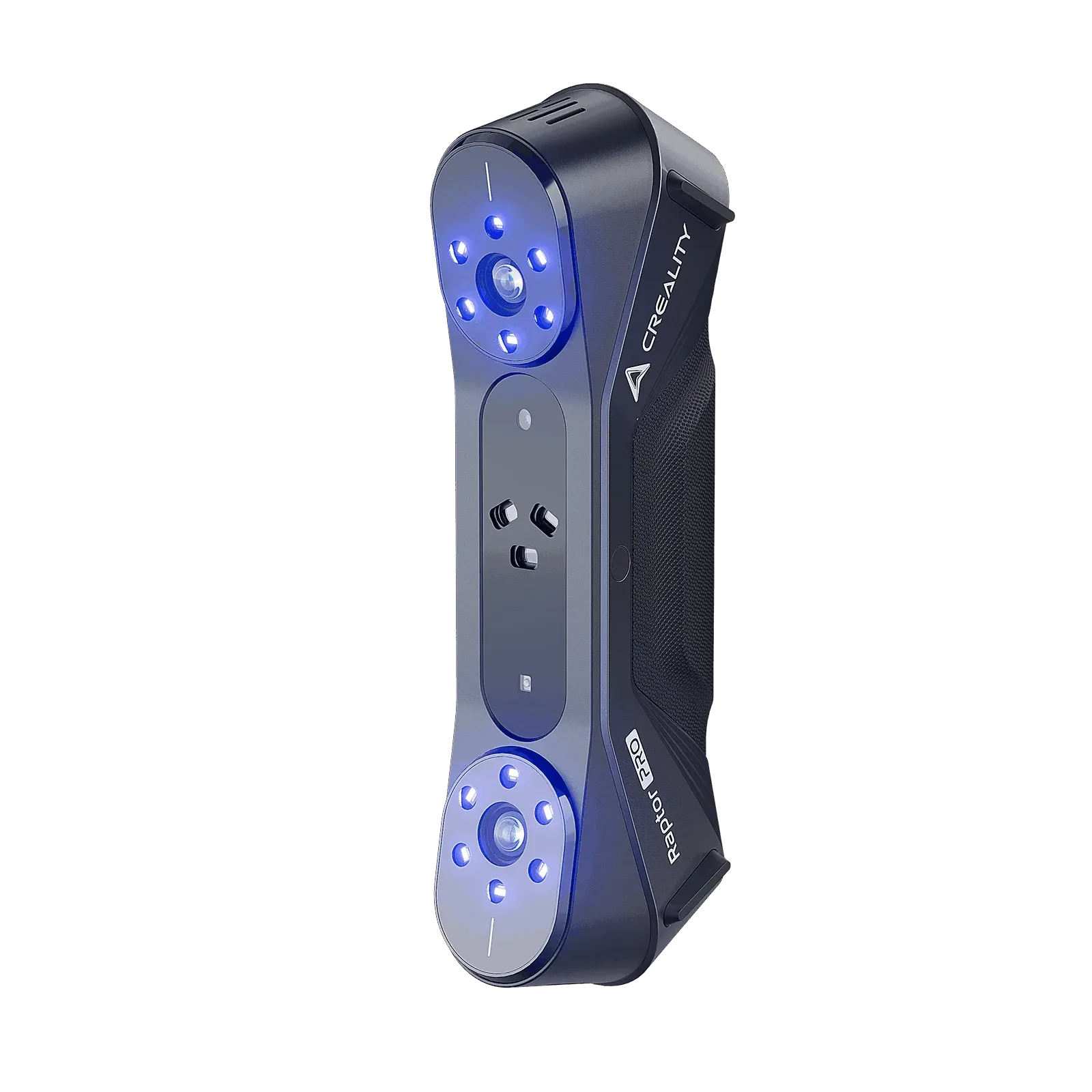
The process began with digitalization. The team applied Creality Ferret Pro 3D Scanner to capture detailed geometry from the vehicle. High-resolution scans enabled the creation of accurate digital models, providing a reliable foundation for reverse engineering and part reproduction.
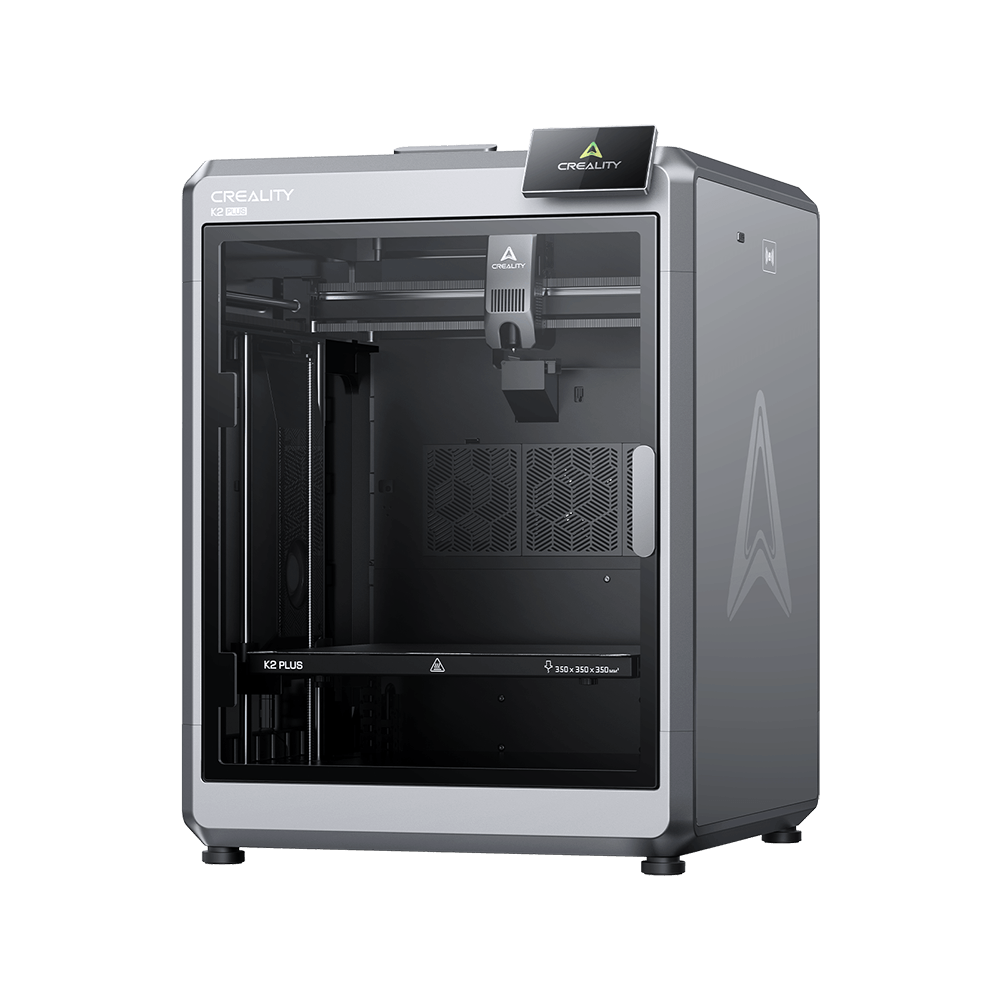
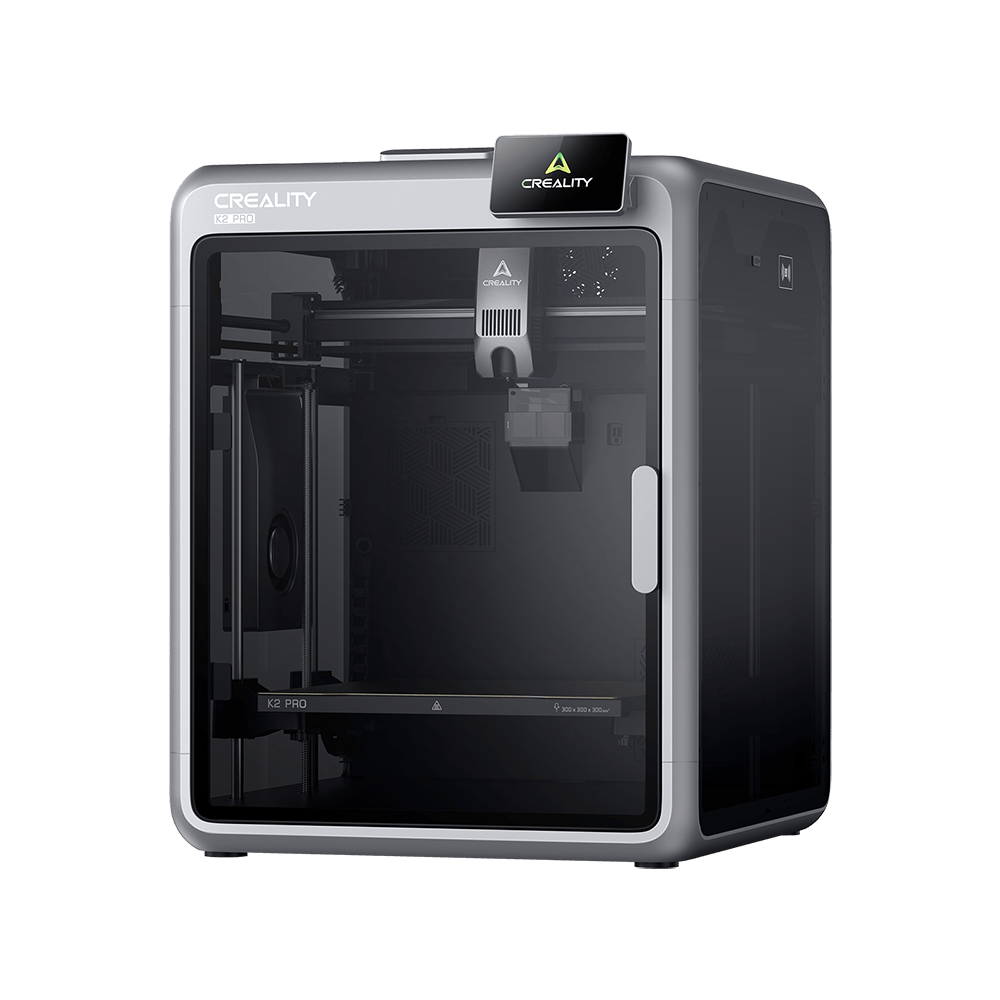
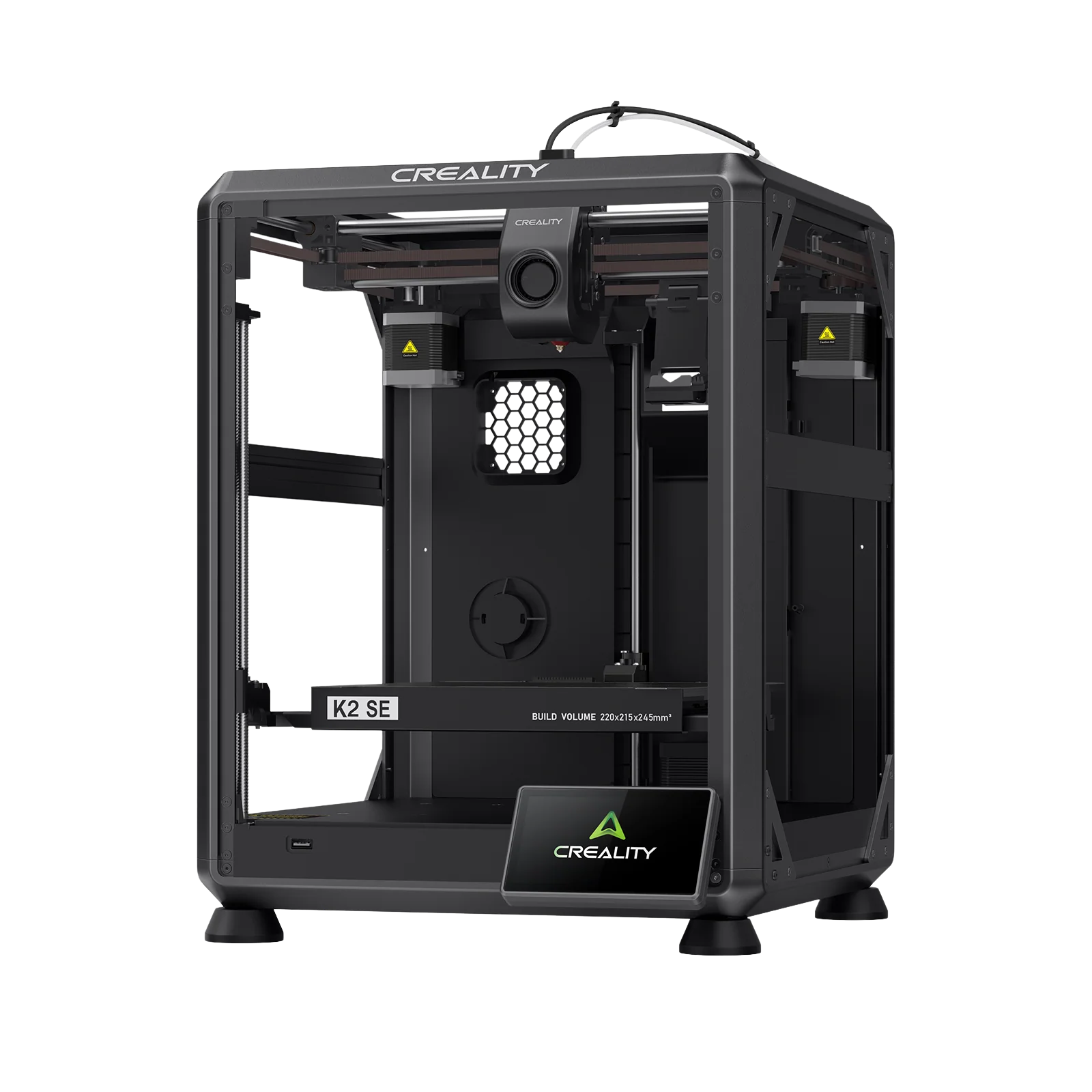
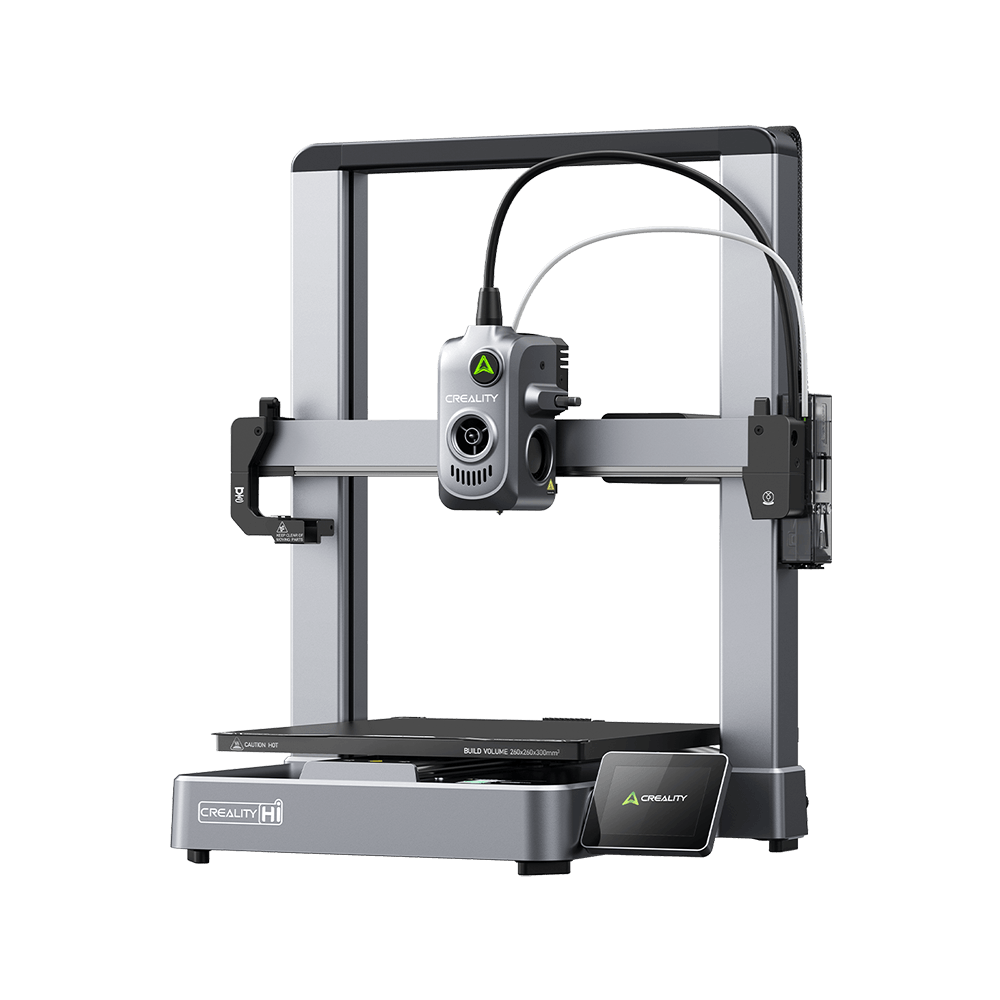
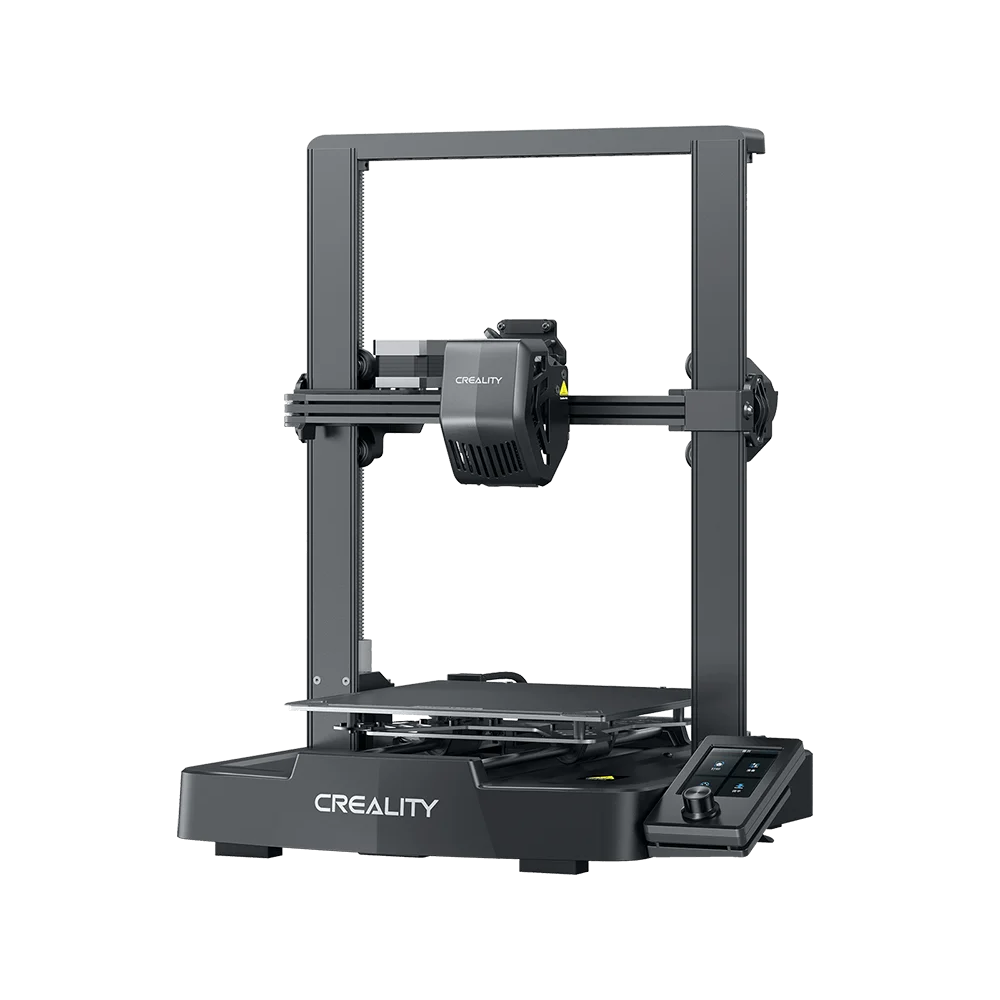
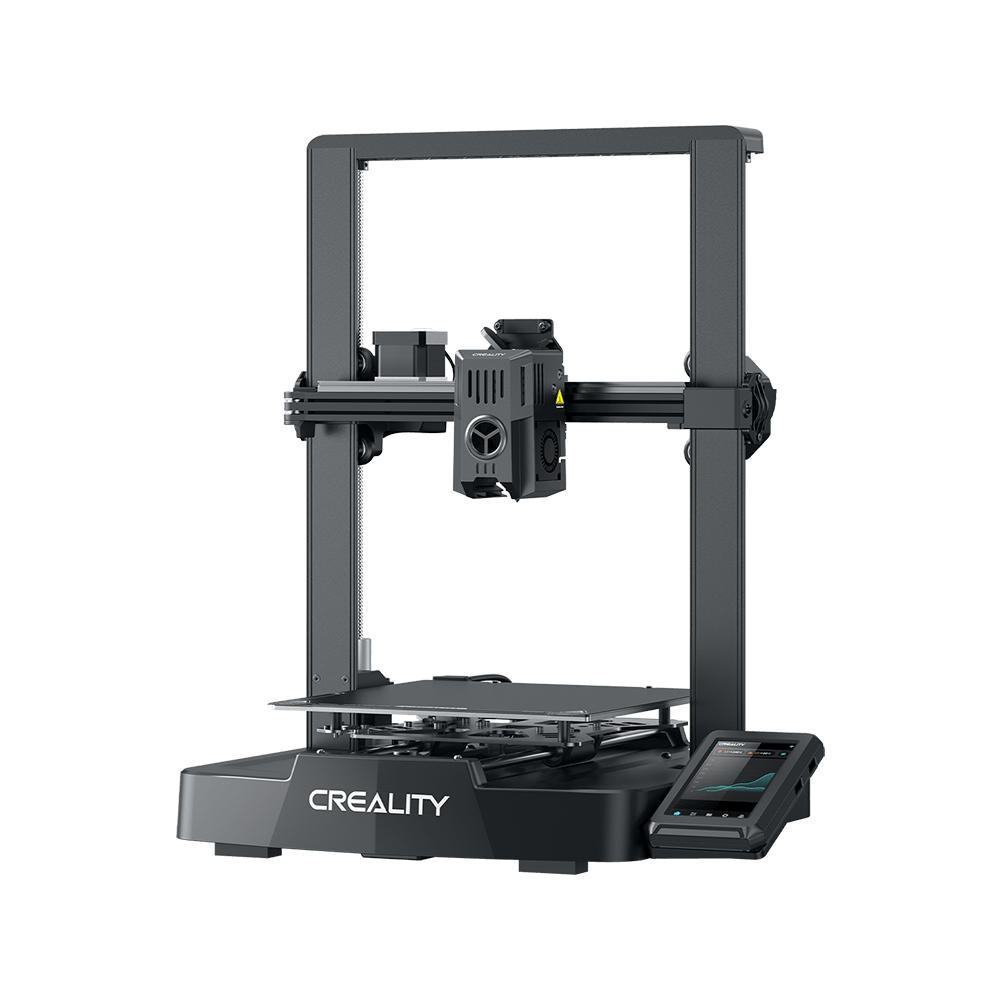
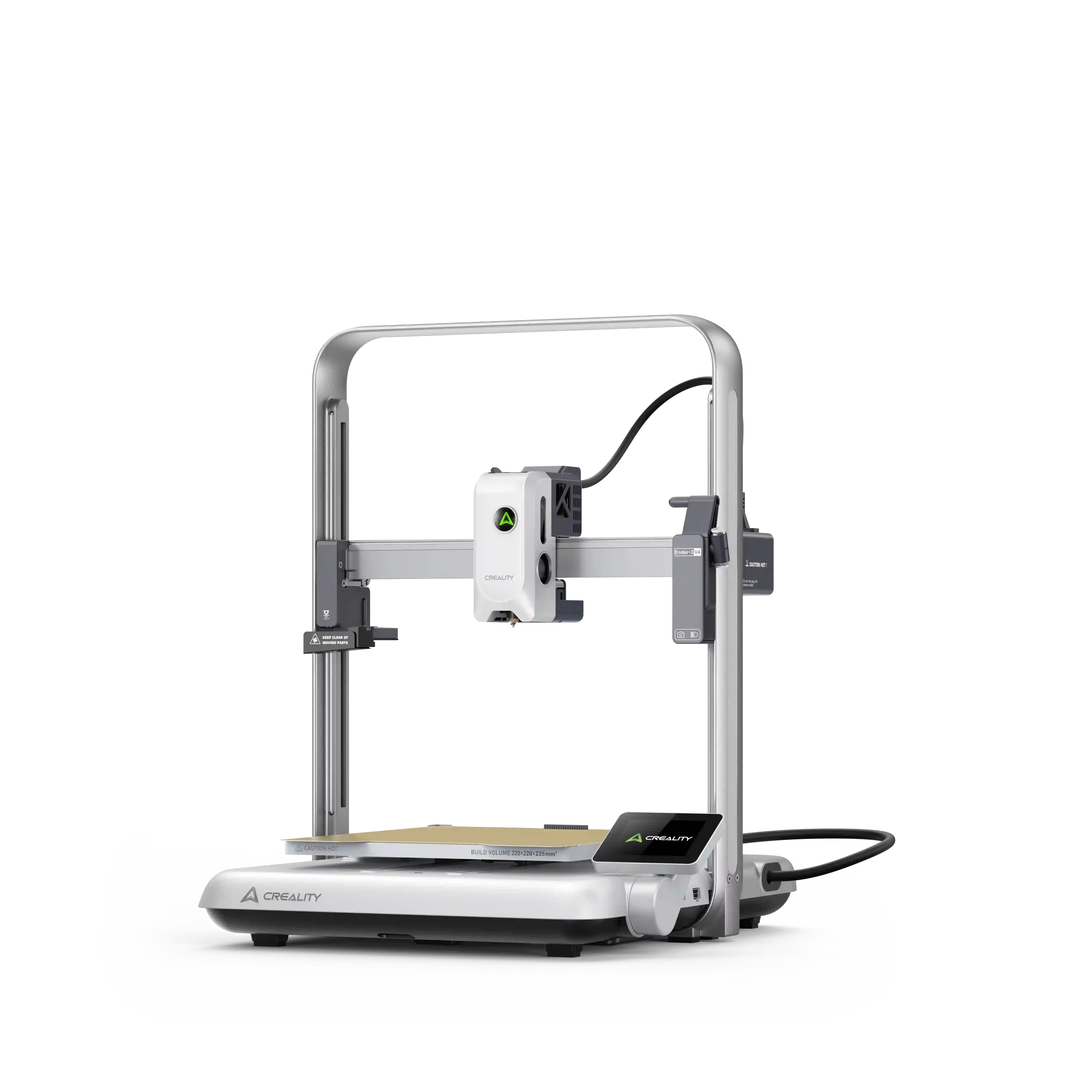
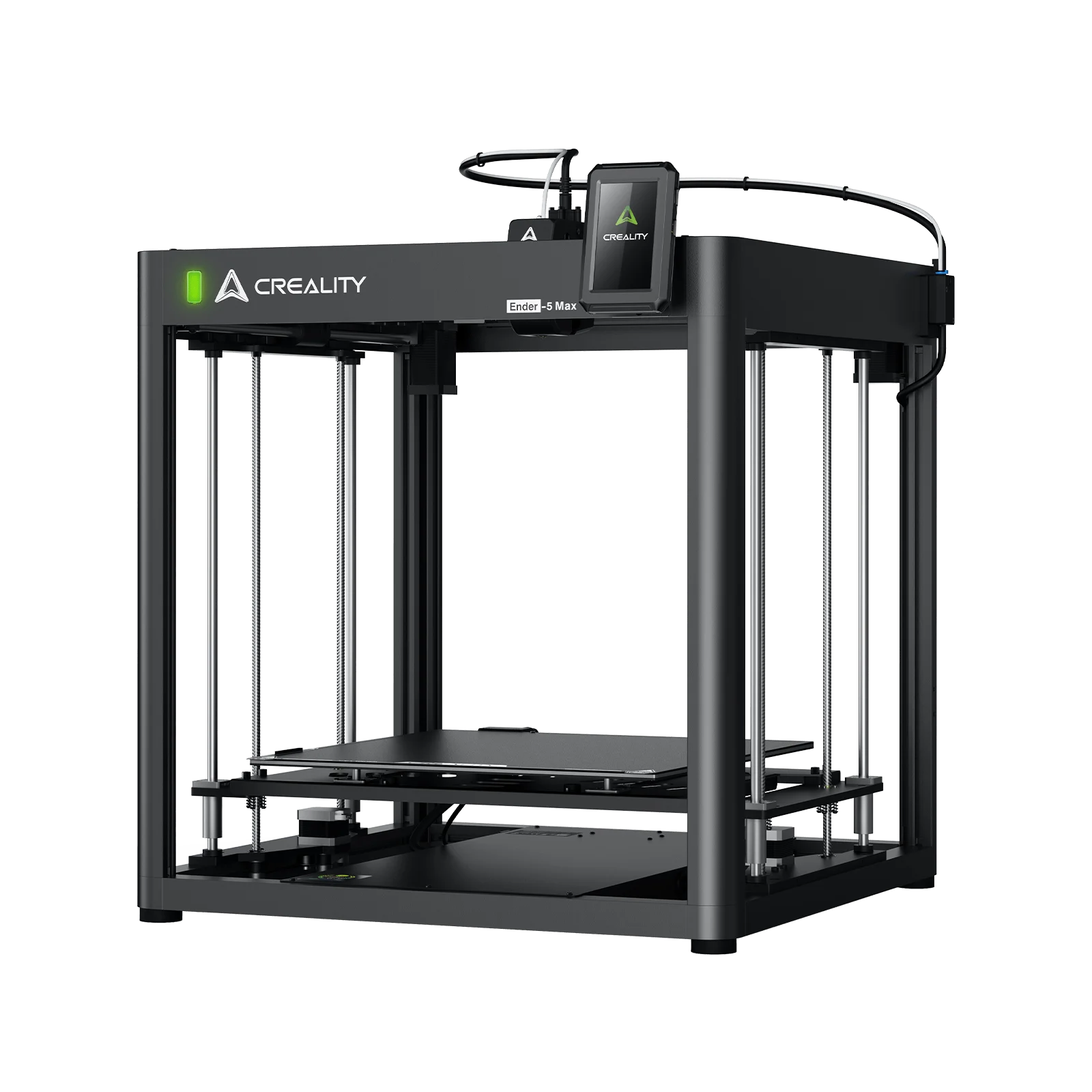
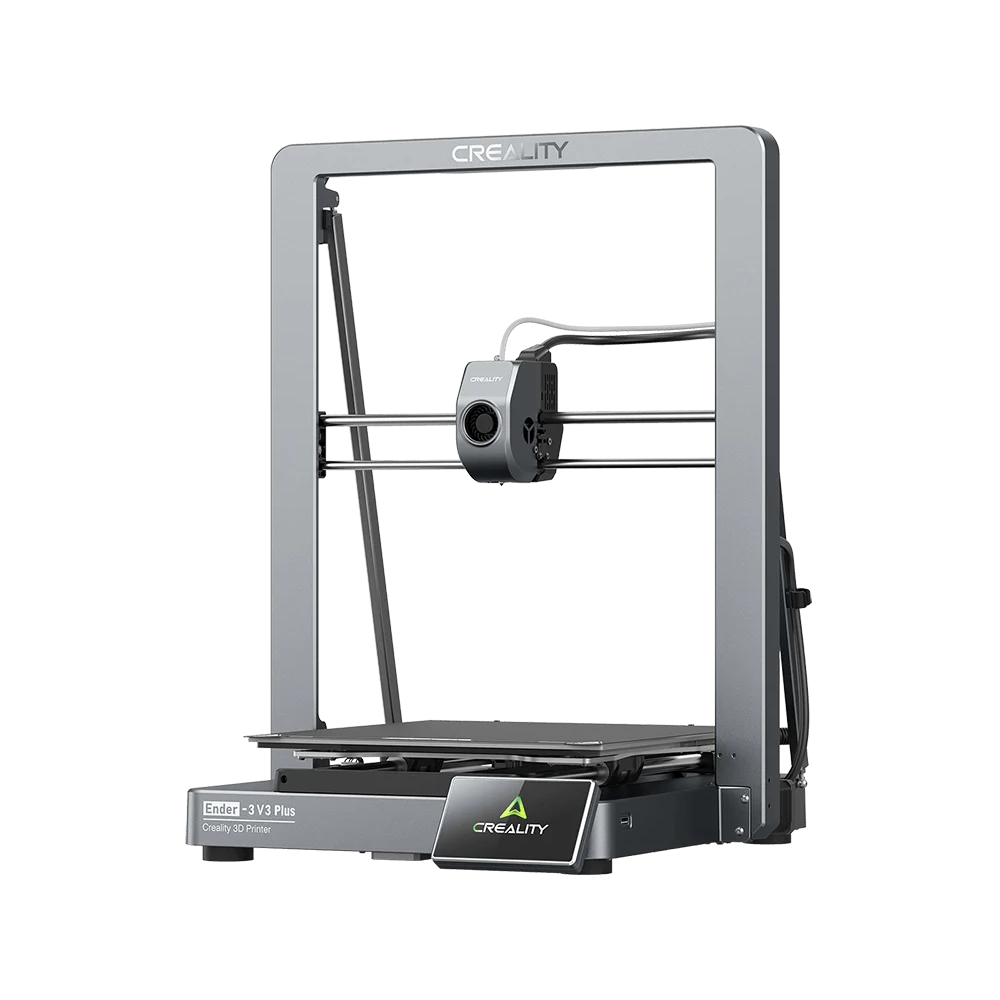
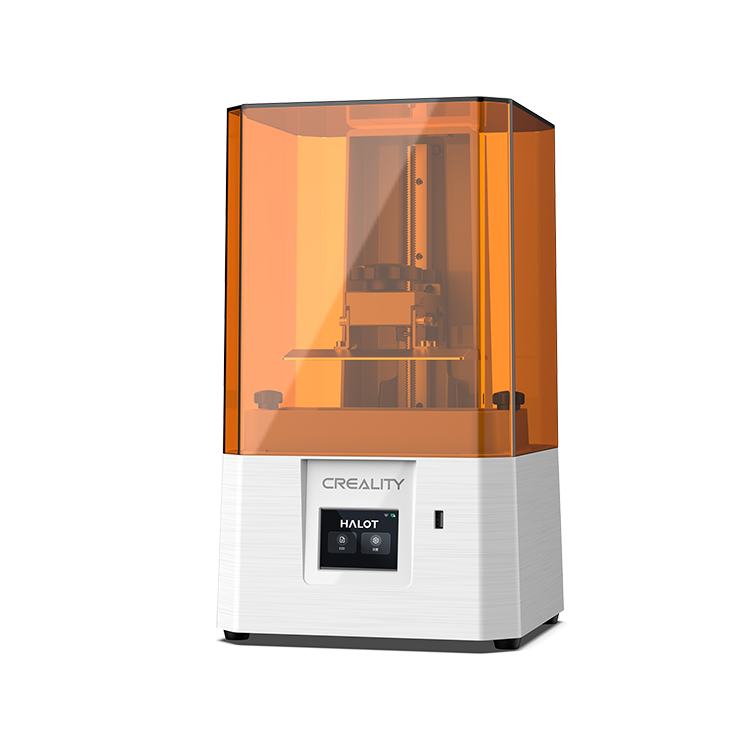
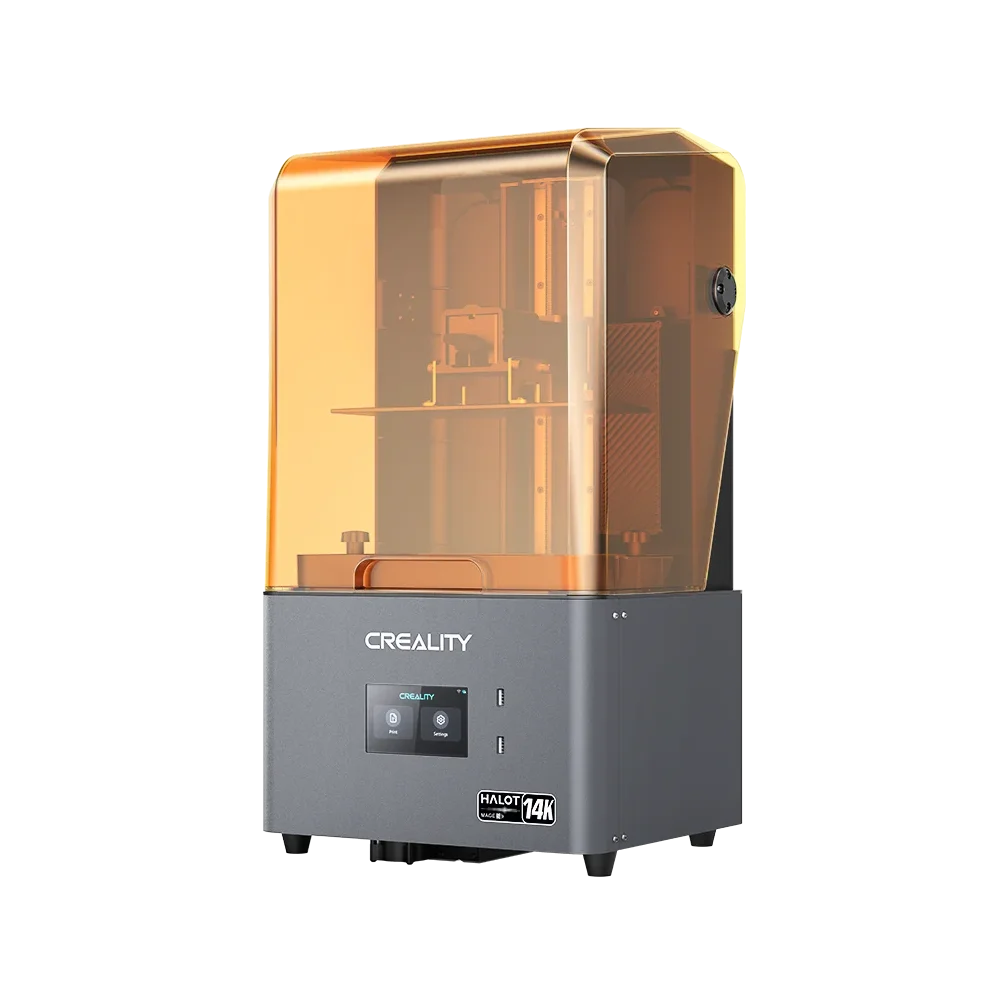
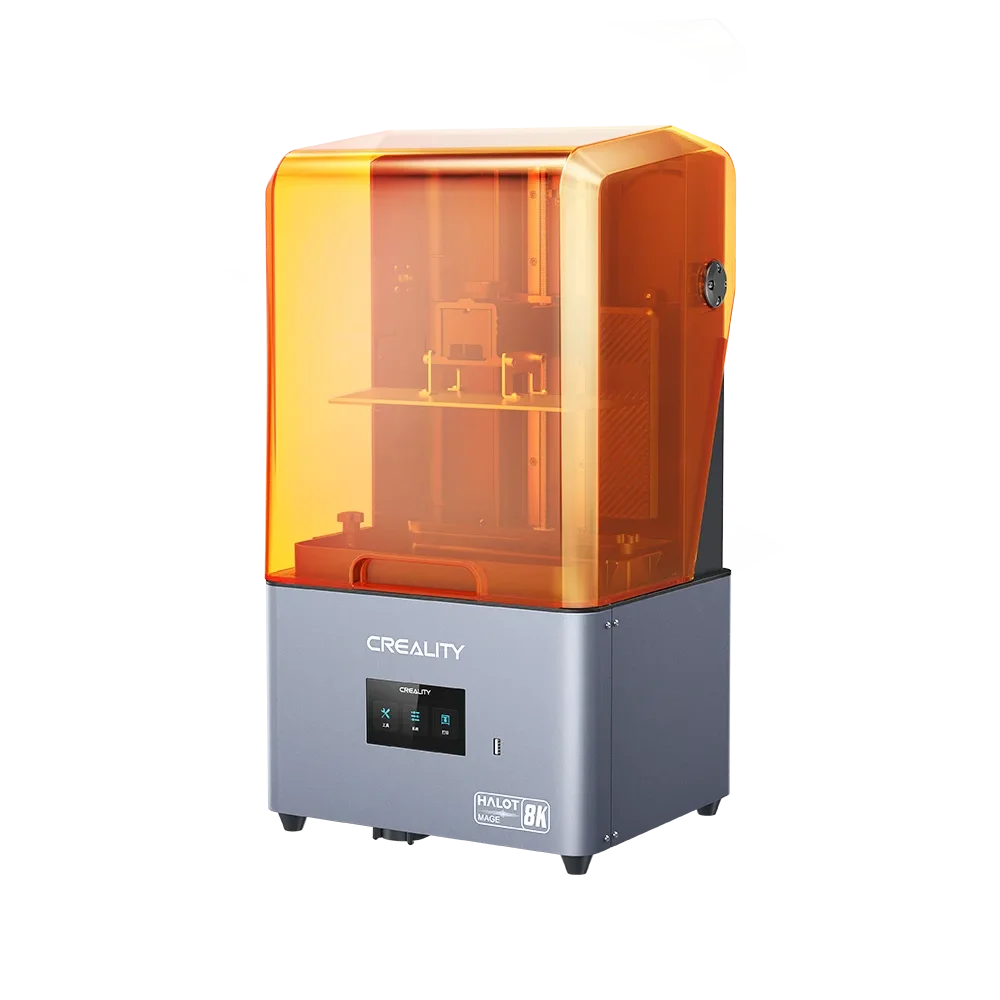
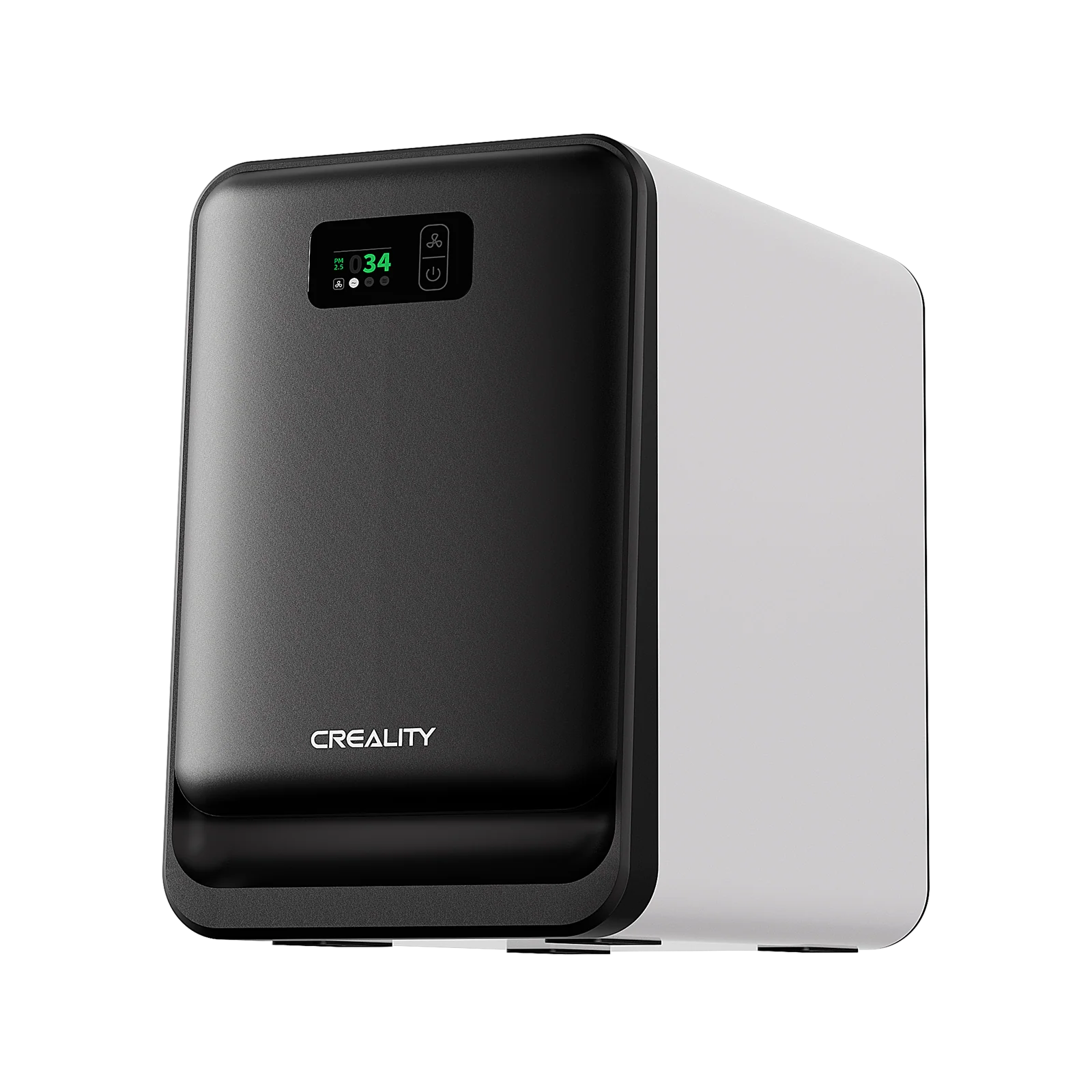
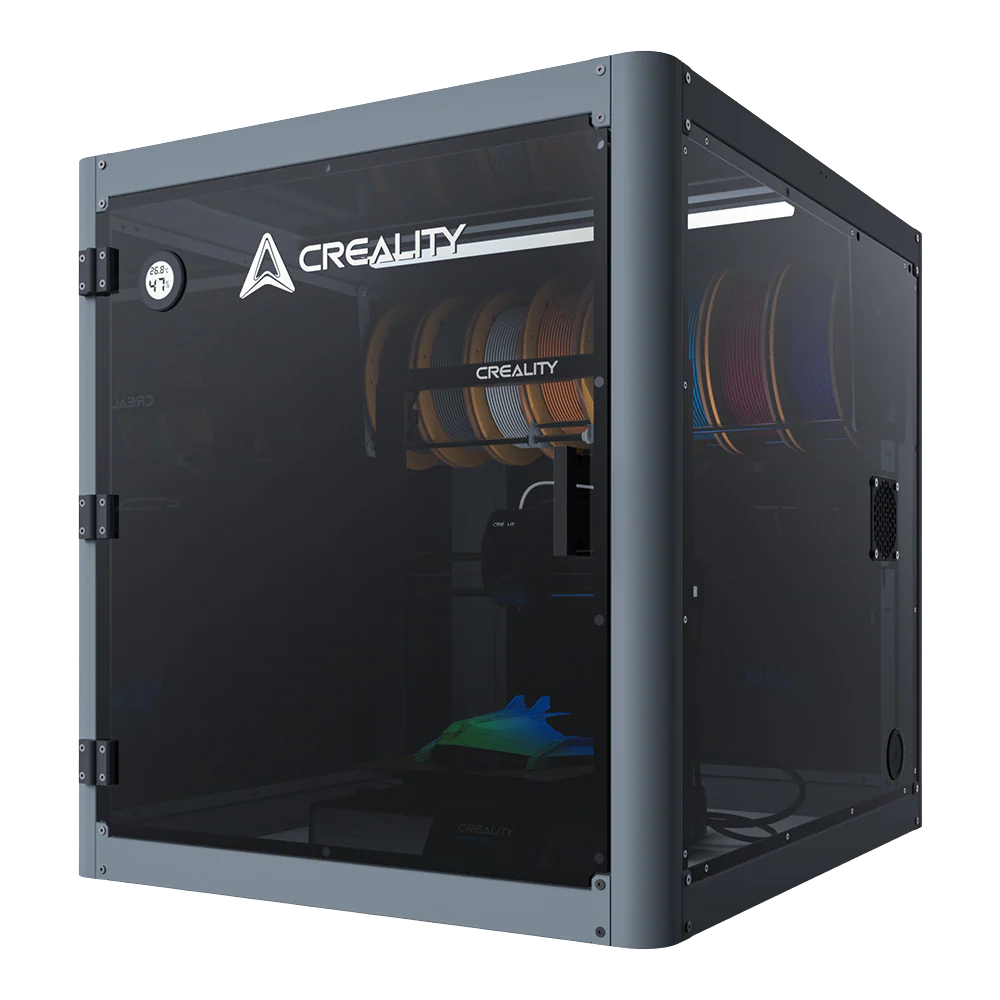
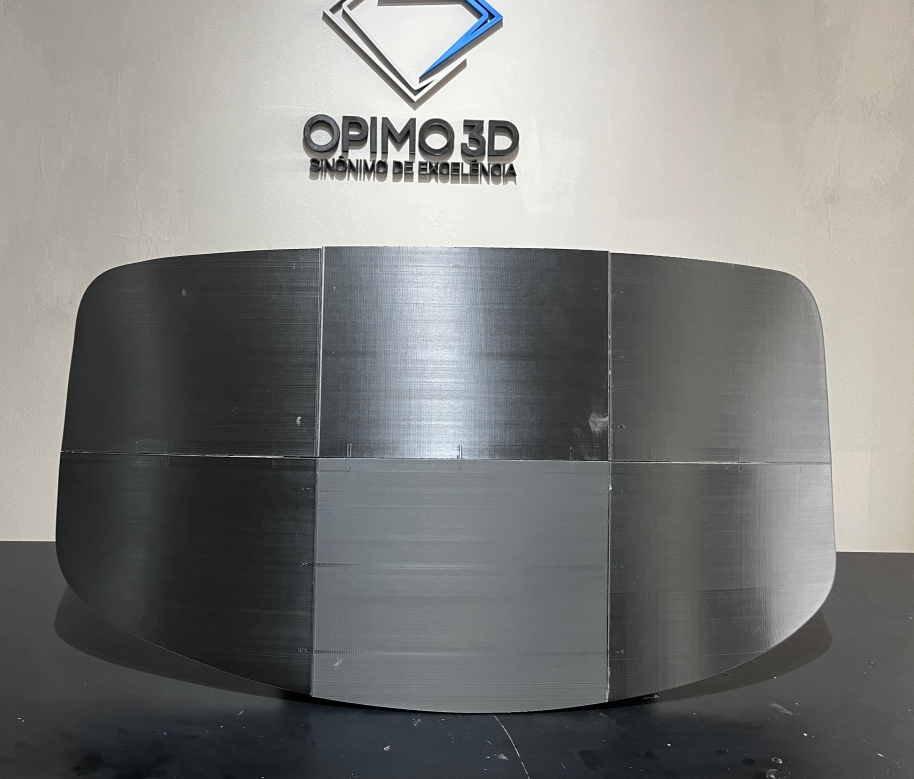
Once the digital models were completed, Opimo 3D moved into the prototyping stage. The resin 3D printer Halot Mage Pro was used to produce highly detailed prototypes for fitment verification and design refinement. This allowed the team to quickly evaluate dimensional accuracy and assembly compatibility before committing to final production. If the structure was not suitable, they could quickly iterate models to better the fitting. Ender 3 Max Neo and Ender 3 V3 SE were also employed to fabricate the validated parts from durable materials, balancing strength and precision.
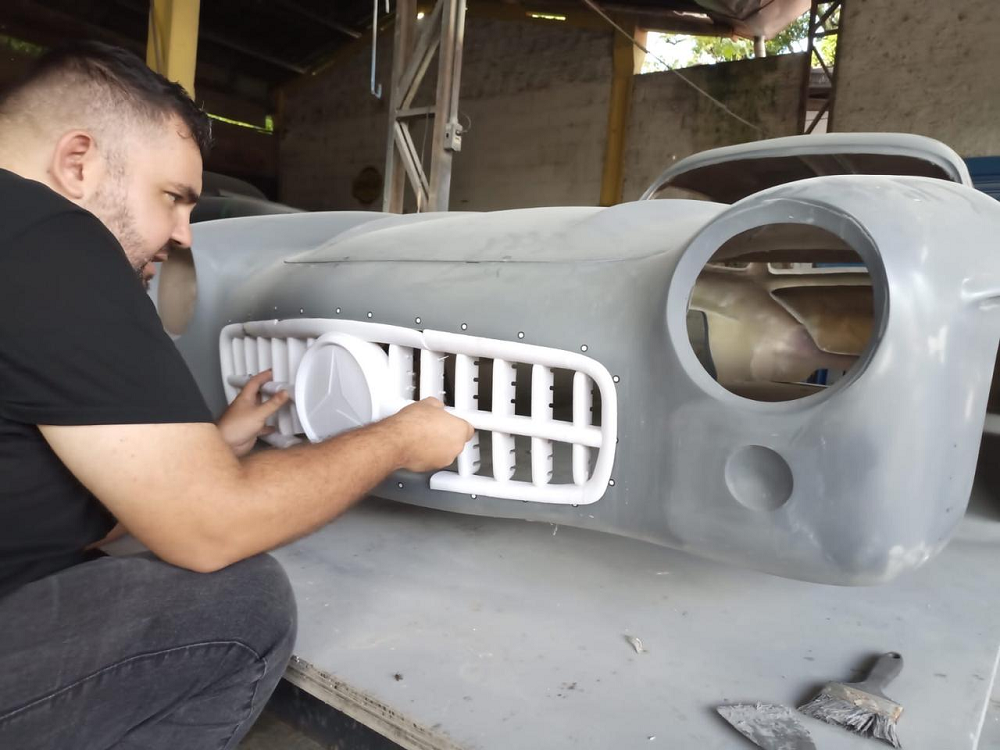
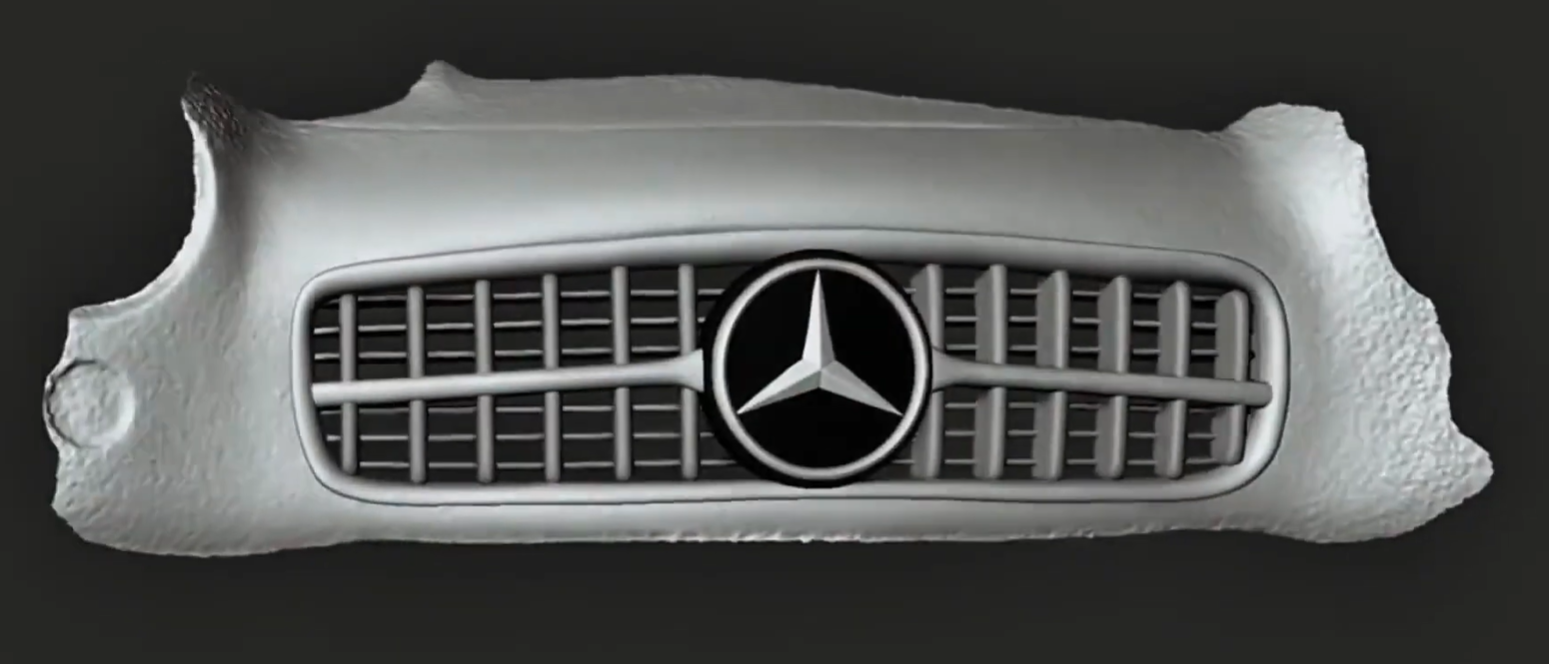
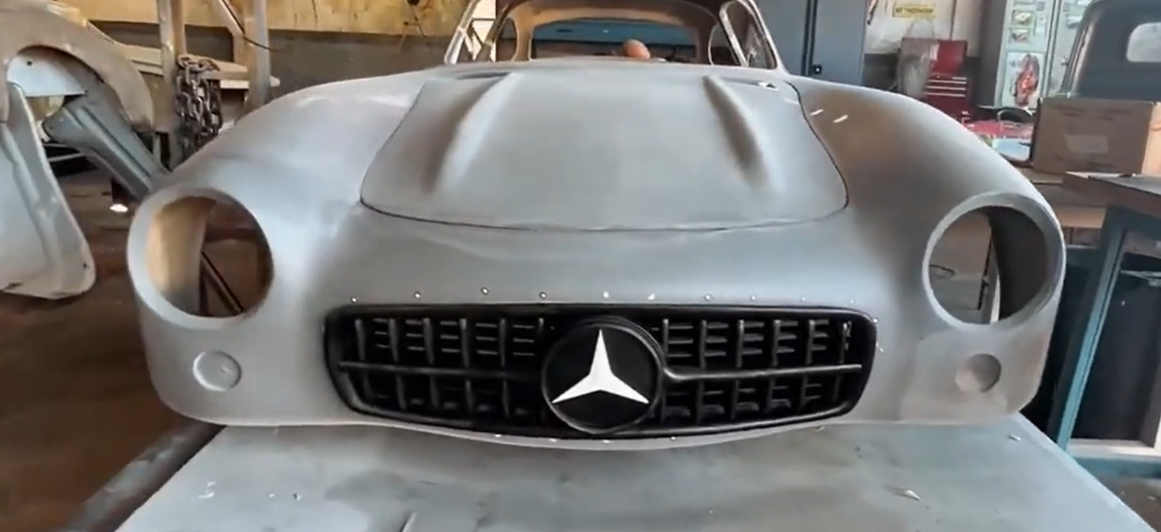
For example, they fabricated a front grill that perfectly fitted the car body through an integrated approach of 3D scanning, modeling and printing.
Delivering Measurable Results
Before adopting Creality’s machines for this project, Opimo 3D relied on a combination of early-generation desktop FDM printers and some industrial-grade systems. While these setups supported general prototyping tasks, they often fell short in applications requiring high-resolution details, consistent dimensional accuracy, and rapid iteration—especially in automotive restoration scenarios where perfect fitment is non-negotiable.
After upgradation, the impact of the new workflow was evident. Opimo 3D achieved approximately 25% higher accuracy. This improvement enabled near-perfect alignment between reproduced components and the original vehicle structure. The company also reported more than a 50% increase in overall production efficiency. Prototyping cycles that previously required over a week could now be completed within just two to three days, allowing projects to move from concept to objects significantly faster.
Following the successful completion of the project, Opimo 3D experienced a 30% increase in new restoration orders, with digital manufacturing becoming a core part of its service offering.
“Creality’s 3D scanning and printing technology enabled us to replicate critical components of the Mercedes-Benz 300SL with unprecedented precision, marking a revolutionary breakthrough for traditional restoration. The reliability of the technology and efficiency of the equipment significantly enhanced our workflow and final product quality.” said the Opimo 3D team.