

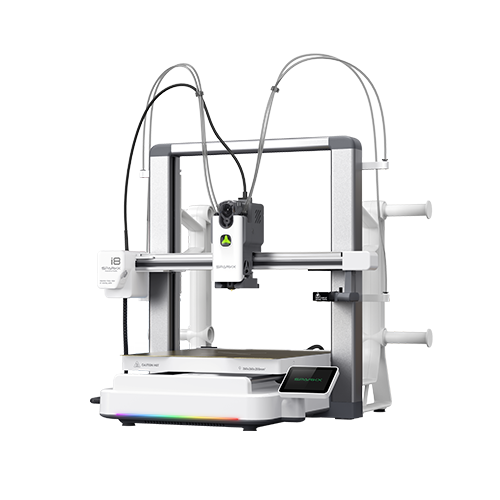
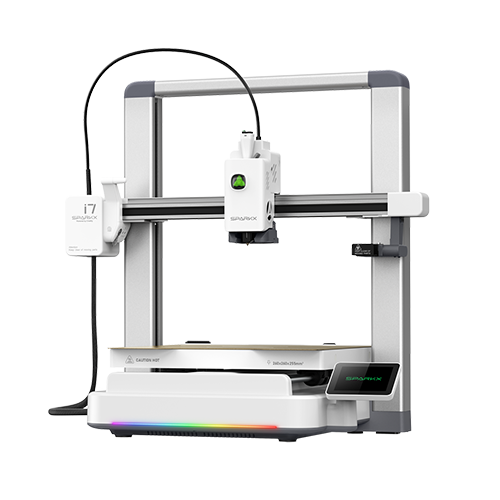
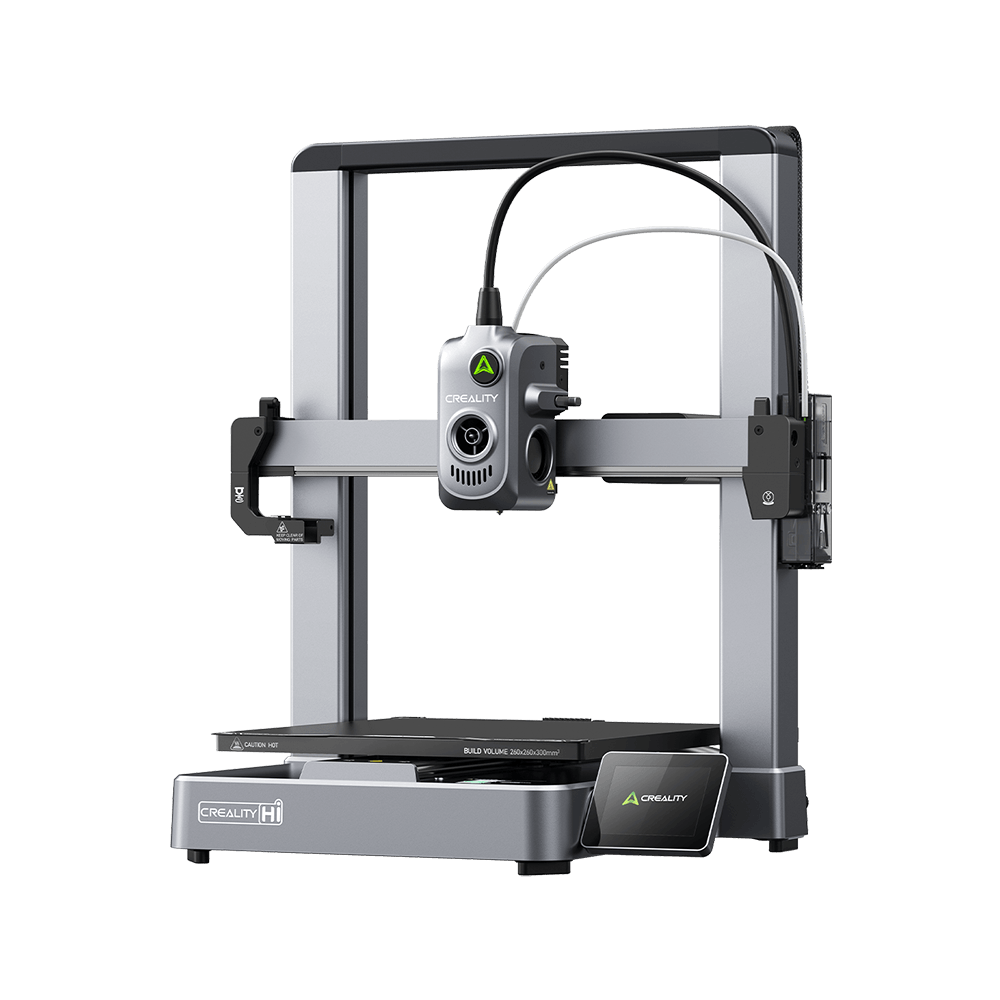





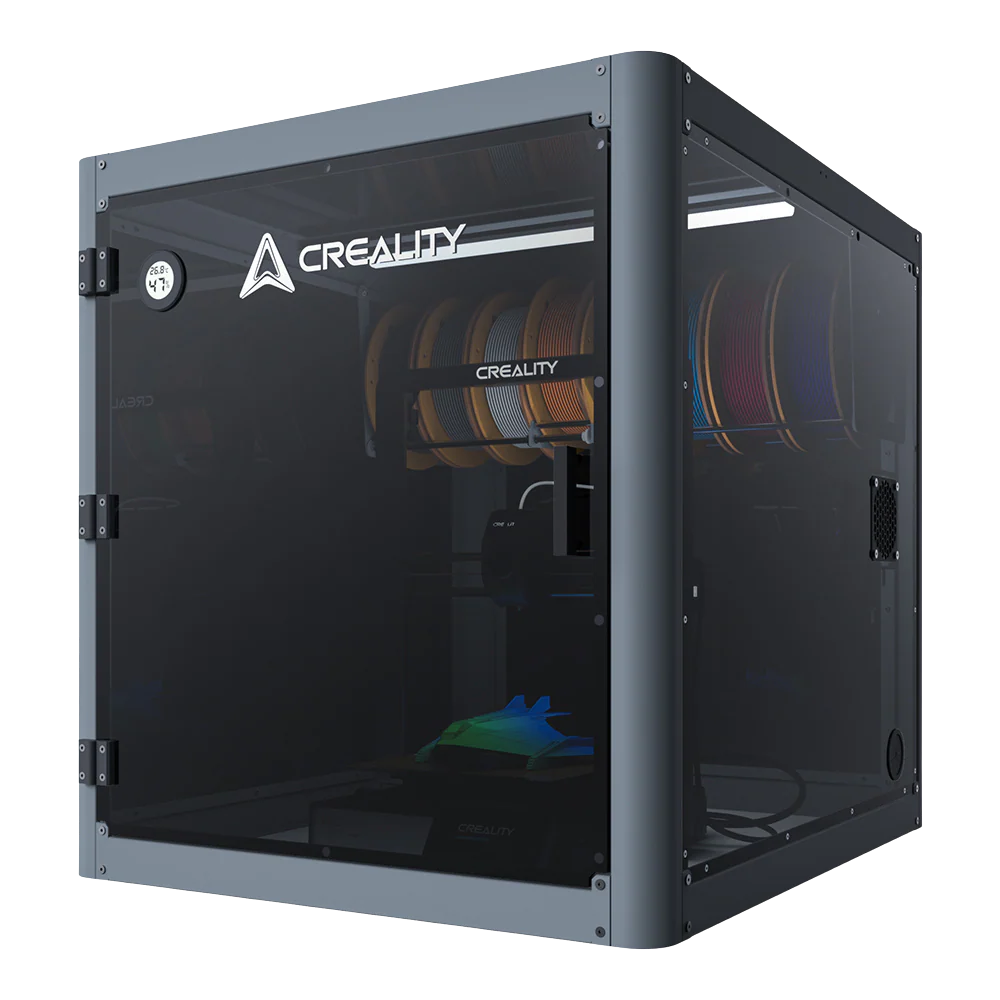
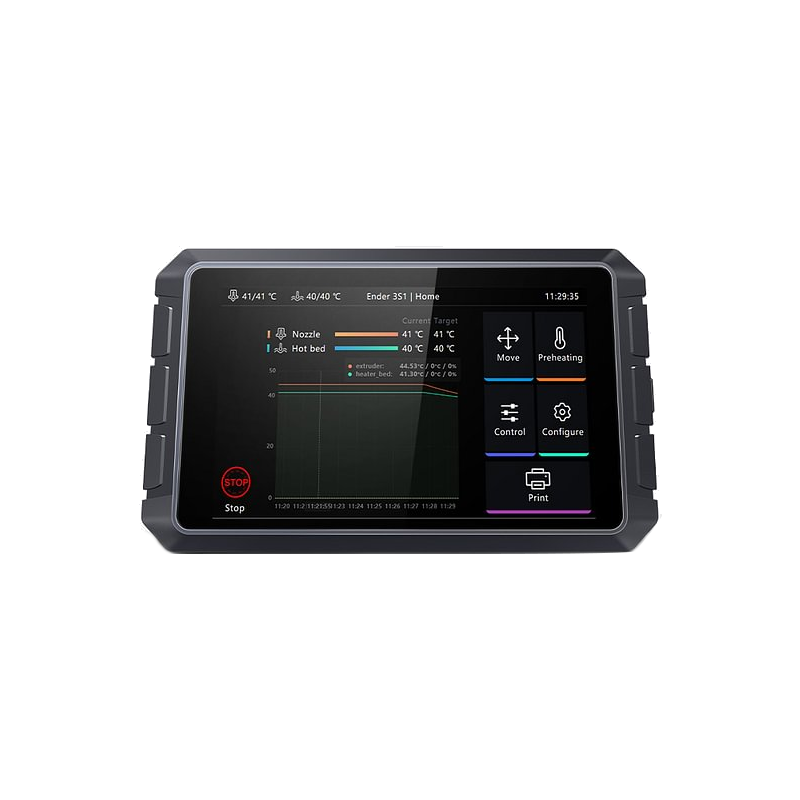

What else can you do with a 3D printer besides printing? Some makers tweak cooling ducts or redesign brackets. Others enjoy digging into the mechanics and electronics behind the machine. For makers who love to tinker, there's often more to a printer than what's in the manual. Today, October 20, we're releasing the first batch of SPARKX i7 structural CAD reference files and PCBA interface specifications on Creality's official GitHub repository: https://github.com/CrealityOfficial/SPARKX_I7
1. It Didn't Start with SPARKX
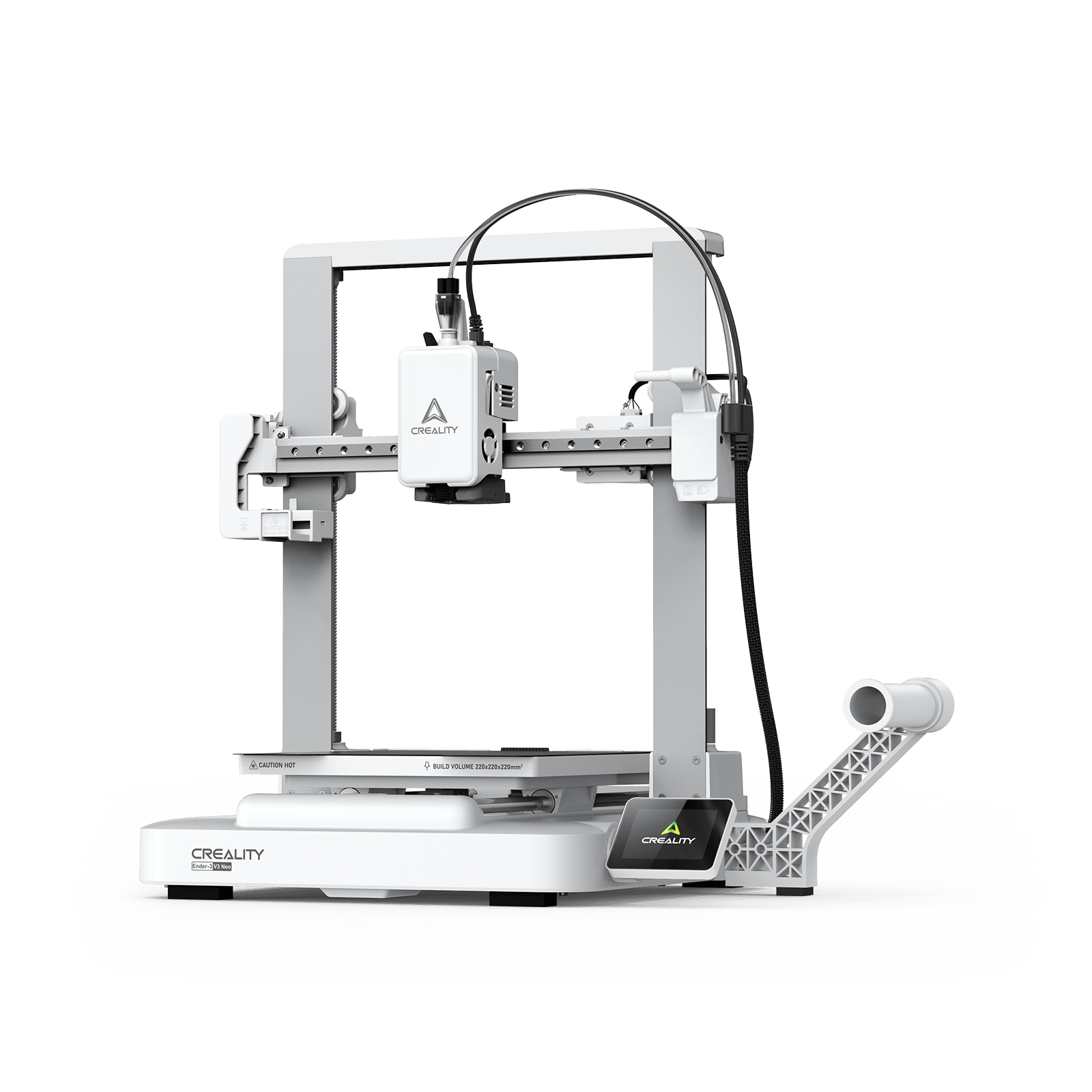
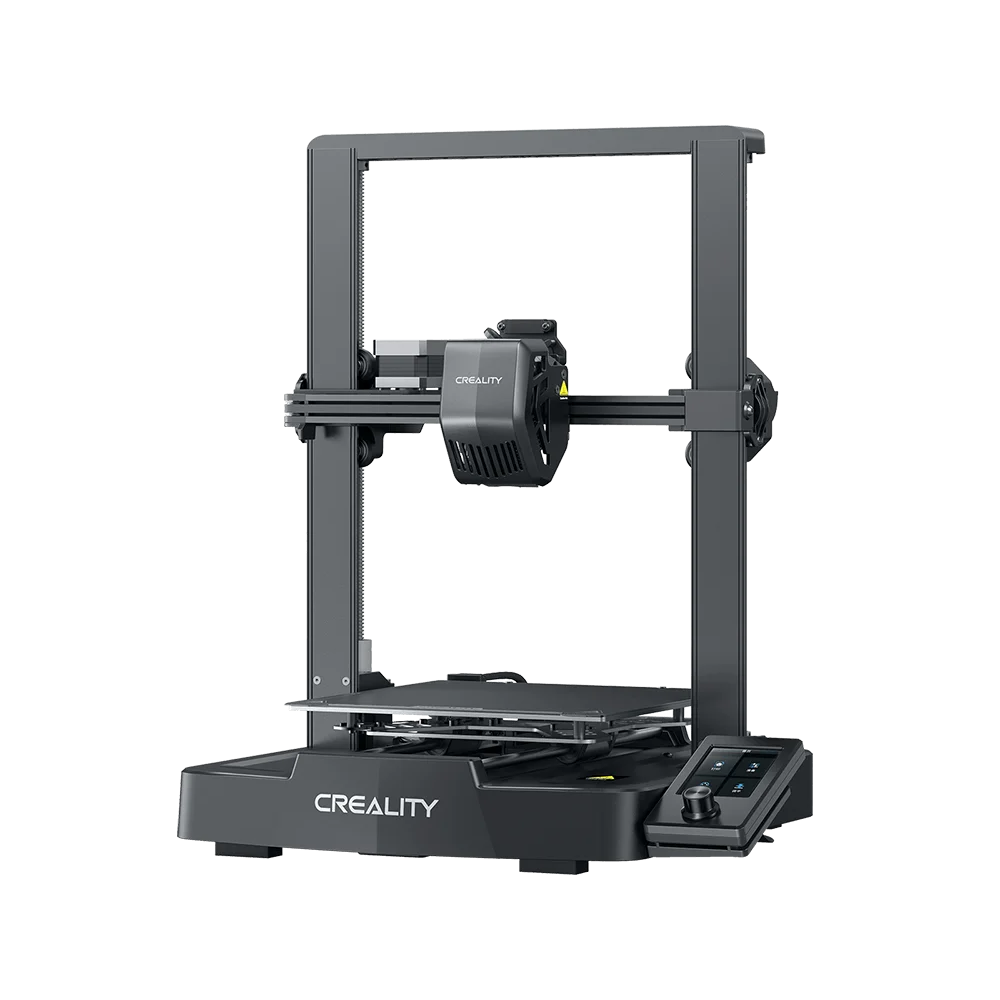
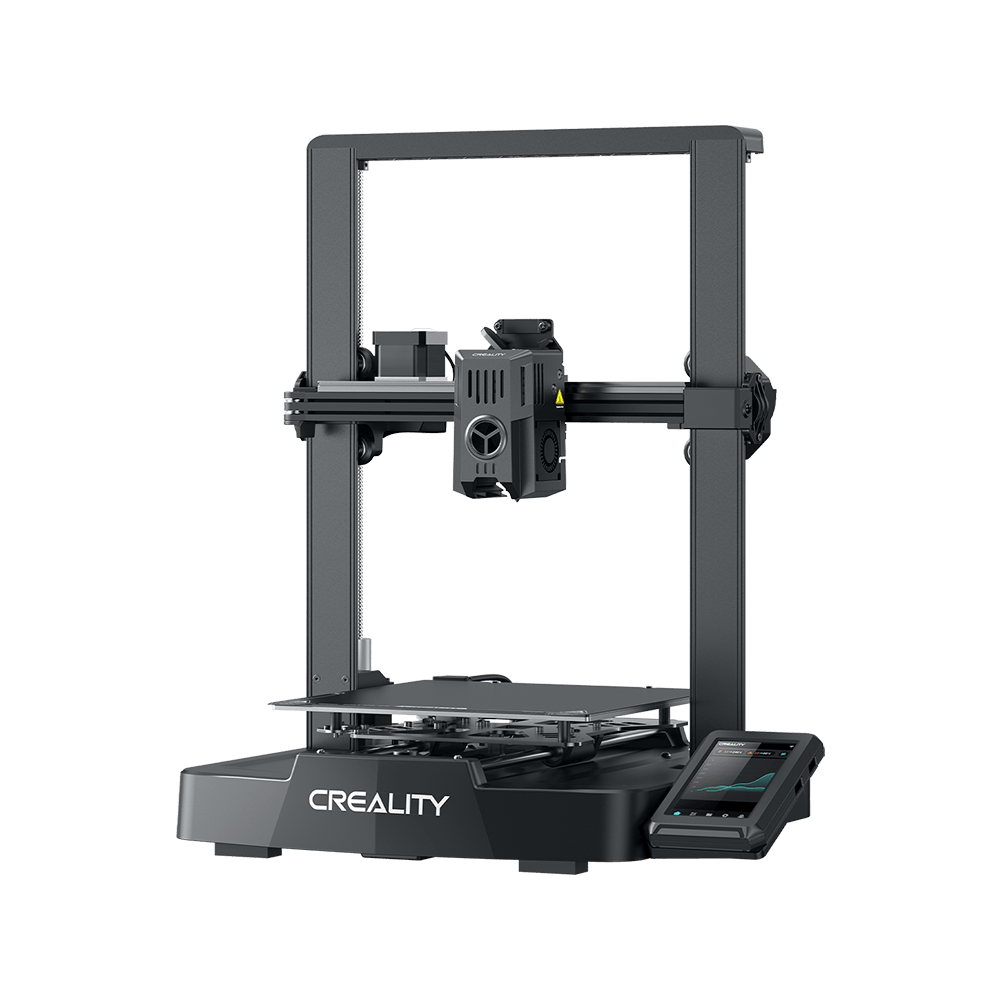
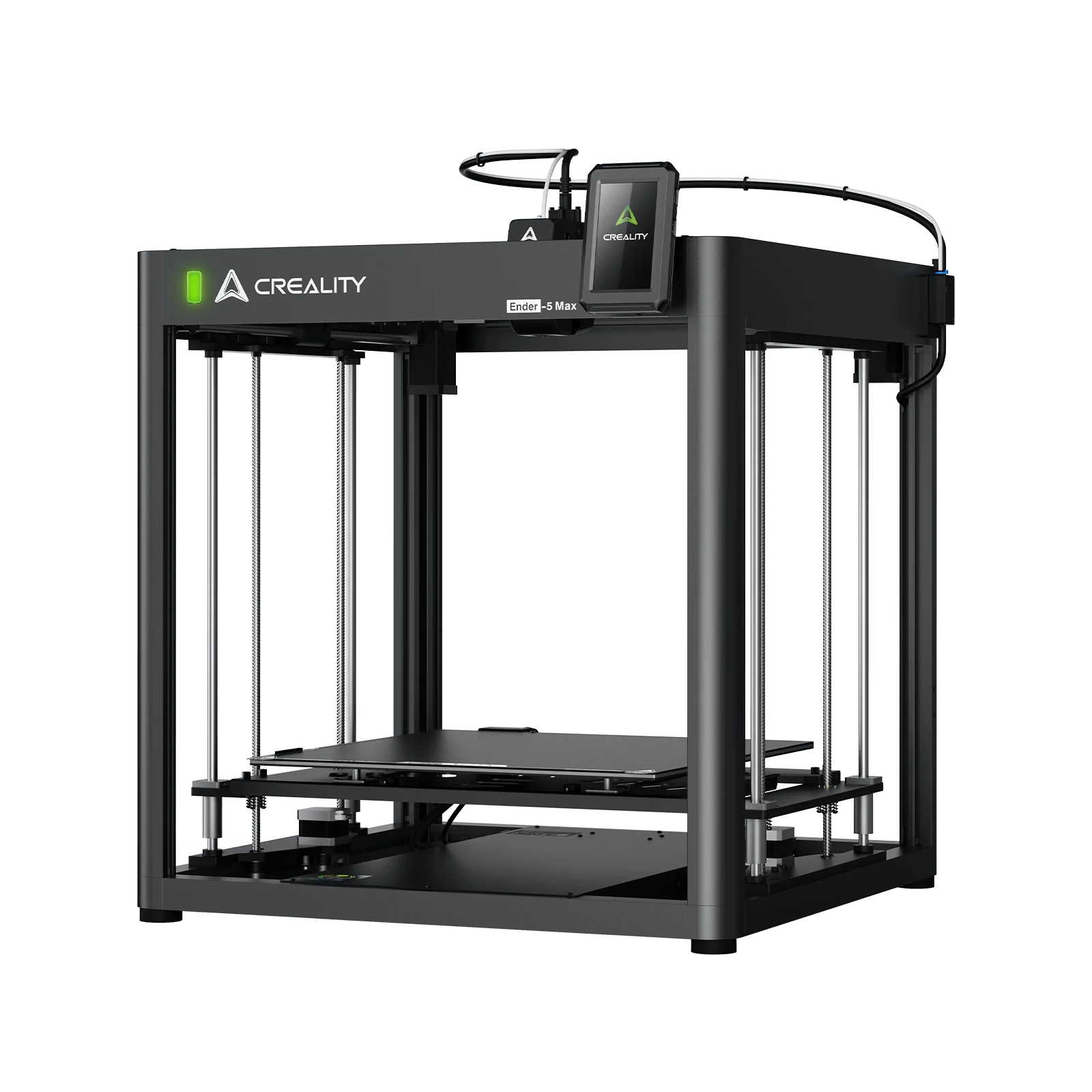
Ender-3 helped make 3D printing more affordable, helping more people get their first 3D printer and bringing the technology into homes, classrooms, and workshops.
We shared structural design files, circuit diagrams, wiring information, and firmware resources, helping users better understand and modify their machines while giving developers and accessory makers a foundation to build on.
The Ender-3 community took things further. New accessories, software, and mods kept emerging, along with models, tutorials, and lessons learned along the way. Some makers improved cooling ducts and brackets. Others converted their printers into laser engravers or pen plotters.
Over time, one printer became the starting point for many more projects, with makers developing new accessories, applications, and ways to use it. Preparing files, writing tutorials, and sharing hands-on experience all take time and effort. We value those contributions, and we've learned from and benefited greatly from the ongoing work of open-source projects, developers, and users.
Creality Print: Open Source in Action
That same spirit of openness extends to slicing software. Creality Print's source code is publicly available on GitHub. We'd love to see more developers get involved and help improve it alongside our team.
Under the applicable licenses, developers can study, modify, and share the code, improve features based on real printing needs, or contribute changes back to the project.
We've seen this collaboration make a real difference. Community developers have improved Creality Print's Japanese UI translations and fixed a macOS source-build issue. Both contributions have been merged into the official project. From the interface details users see every day to the technical challenges developers encounter behind the scenes, the community is helping make Creality Print better.
Want to explore the source code or see what's changed from release to release? You'll find both on GitHub:
Creality Print Source Code:
https://github.com/CrealityOfficial/CrealityPrint
Creality Print Releases & Updates:
https://github.com/CrealityOfficial/CrealityPrint/releases/
From Ender-3 and Creality Print to SPARKX, we want to carry that same spirit of openness and sharing forward.
2. What's in the First Release?
First up: the mechanical side.
The first SPARKX i7 release includes structural CAD reference files for five parts and assemblies:
The first batch of SPARKX i7 structural reference files covers two assemblies:
-
Full Printer Assembly
-
Simplified Toolhead Assembly
Say you want to design a custom tool organizer for your i7 setup.
You know where you want your cutters and spare nozzles, and how deep you'd like the drawers to be.
But before you start modeling, you need to check the printer's dimensions, mounting points, and the space around nearby components.
With official CAD reference files, you can check the relevant geometry and assembly details, spend less time on repeated measurements and test fits, and more time refining your design.
Next up: the hardware interfaces.
We're also releasing interface specifications and definitions for two PCBAs:
-
MainBoard
-
ExtruderBoard
If you're exploring the printer's hardware connections or planning an add-on, these documents can help you check the available interface specifications and assess whether your idea is technically feasible.
Both the structural and hardware resources are released under the Open Community License (OCL v1.1). You can study, use, modify, and share the files within the terms of the license. If you plan to redistribute derivative works or use the resources commercially, please check the full license terms in the GitHub repository.
3. What's Next for i7 and i8?
This is just the first step in the SPARKX open initiative.
If you're eager to dig deeper, you don't have to wait for the next batch of resources. Both SPARKX i7 and i8 already provide access to Fluidd, Moonraker, and SSH, giving developers a starting point for exploring the system and investigating possible extensions.
SPARKX i7: The first batch of structural and hardware interface documentation is now available, with more software- and firmware-related resources planned for release in stages.
SPARKX i8: QuarTeks powers i8's four-channel multicolor printing system. Four independent filament paths lead to a shared hotend and nozzle. Fast channel switching reduces the repeated loading and unloading associated with conventional multicolor printing, helping save both time and filament.
Making those switches work smoothly takes close coordination between hardware and control software.
That's why we've developed and optimized firmware and control routines specifically for QuarTeks.
This includes coordinating filament-channel selection with extrusion control, checking that the switching mechanism has reached the correct position, detecting timeouts, and retrying failed switches. The system also monitors filament runout and movement on each channel, while managing automatic filament loading and unloading, pre-print status checks, and error handling.
Together, these mechanisms help keep multicolor printing efficient and reliable.
The slicer plays a part, too. By directing some of the necessary purge material into the model's infill, it can reduce reliance on a purge tower and help cut filament waste even further.
How does a channel switch actually work? How does the system detect a problem and respond when something goes wrong?
These are exactly the kinds of technical details we'd like to share with the community. As more resources become available, we hope developers can get a closer look at how QuarTeks works and share their own ideas for improving multicolor printing speed, material efficiency, and fault handling.
For SPARKX i8, we plan to release the selected structural, hardware, software, and firmware resources in stages, completing the rollout within six months of its official retail launch.
4. Over to You
We're sharing these technical resources so more people can learn, experiment, build, and share what they discover.
We want to keep learning and growing alongside our community, and we hope the files we're sharing today give you something useful to build on.
What would you like to build with these files? What technical resources would you like us to share next?
Download the first batch of SPARKX i7 resources and join the conversation in our official community. We'd love to hear your design ideas, modding experiences, and requests for future releases.
Explore the SPARKX i7 resources on GitHub:
https://github.com/CrealityOfficial/SPARKX_I7
The SPARKX Team
October 20, 2026