


Each day, Dr. Michał Hyjek moves between museum halls, digital laboratories, and classrooms—capturing fragile artifacts, reconstructing lost history, and guiding young minds into the world of digital art. A PhD intermedia artist, scientist, and tutor at the Art Department of the University of the National Education Commission (UKEN) in Kraków, Poland, he seamlessly blends art, science, and education.
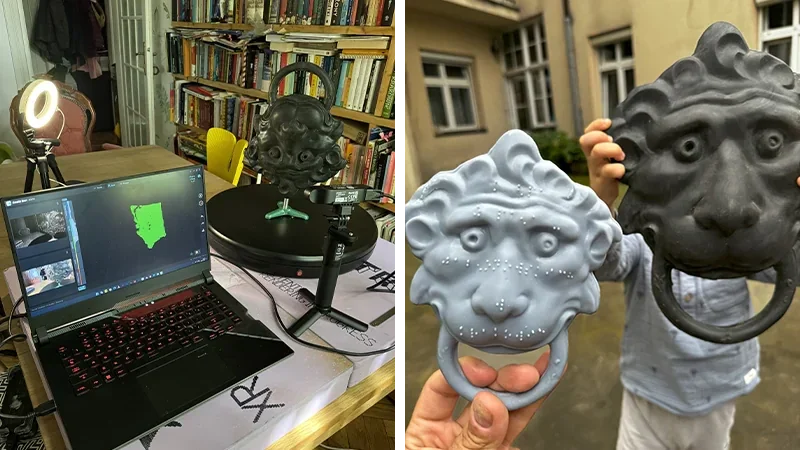
Through 3D scanning and digital modeling, he transforms cultural heritage into precise, interactive digital assets that can be studied, experienced, and preserved for generations.
Project 01|Accessible Art: Tactile Sculptures for Visually Impaired Children
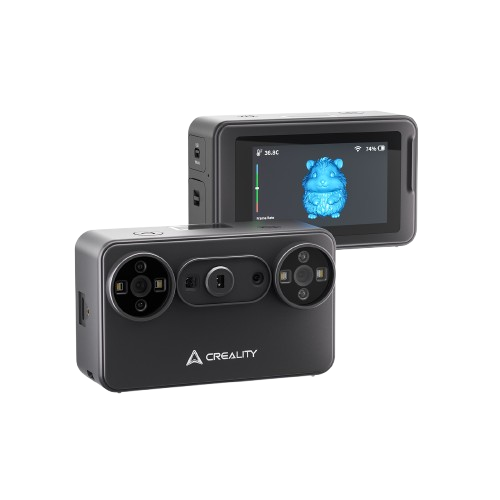
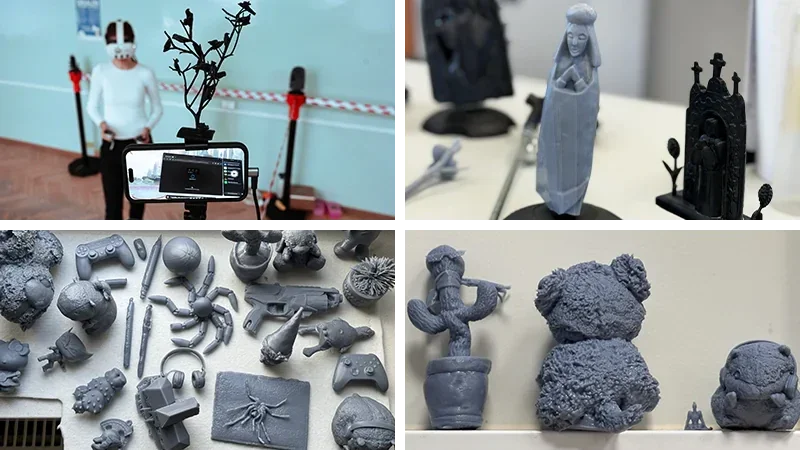
Dr. Hyjek's journey with Creality began in June 2024 with the Creality Ferret. His first project was deeply personal: digitizing his own "monkey" sculpture to create tactile models for visually impaired children, complete with Braille signage.
"Compared to previous attempts with mobile apps and entry-level scanners, the Ferret stood out for its stability and intuitive software,"– Dr. Hyjek notes
The smooth workflow allowed him to focus less on technical troubleshooting and more on creative and educational impact.
Project 02|Digital Reconstruction of War-Lost Artifacts
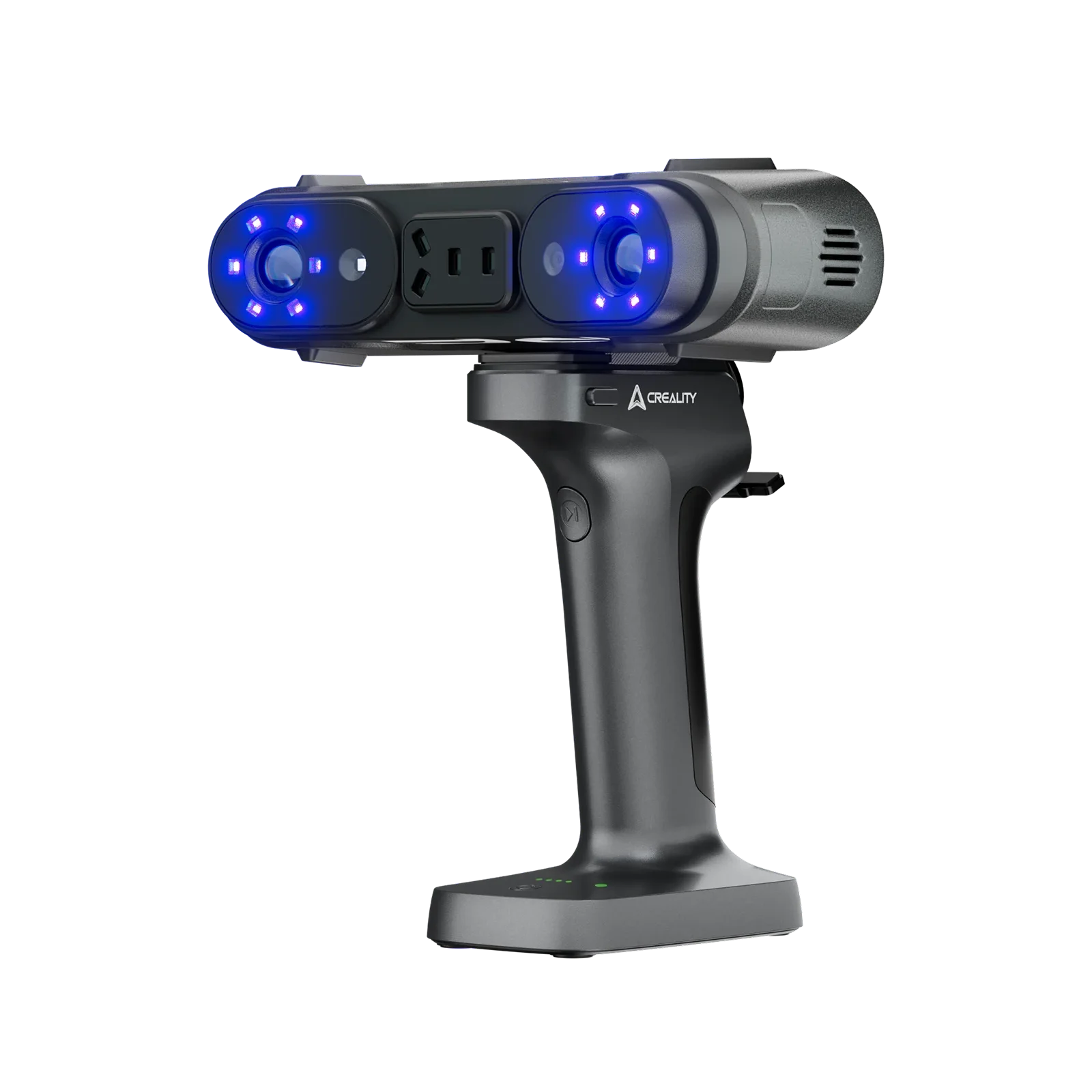
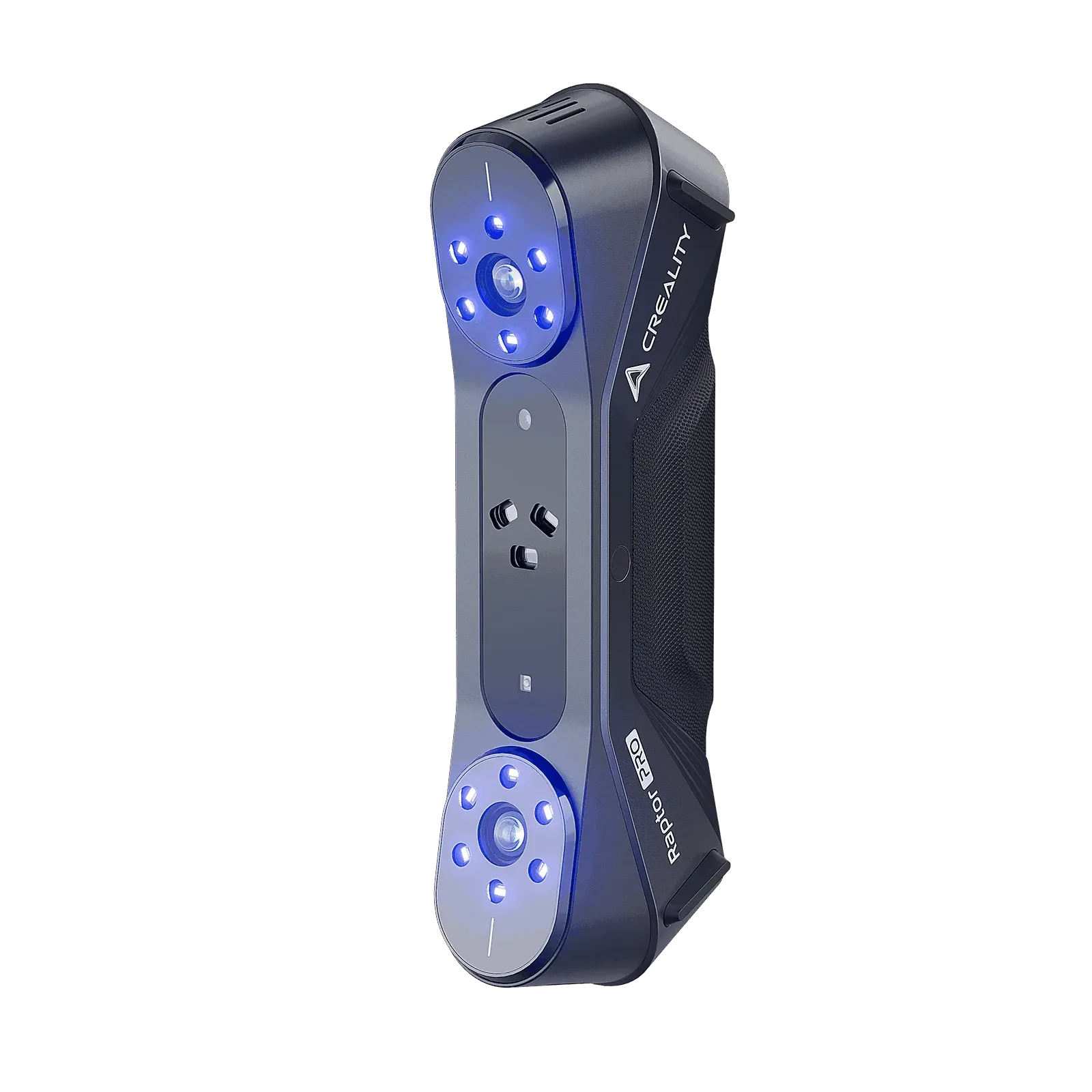
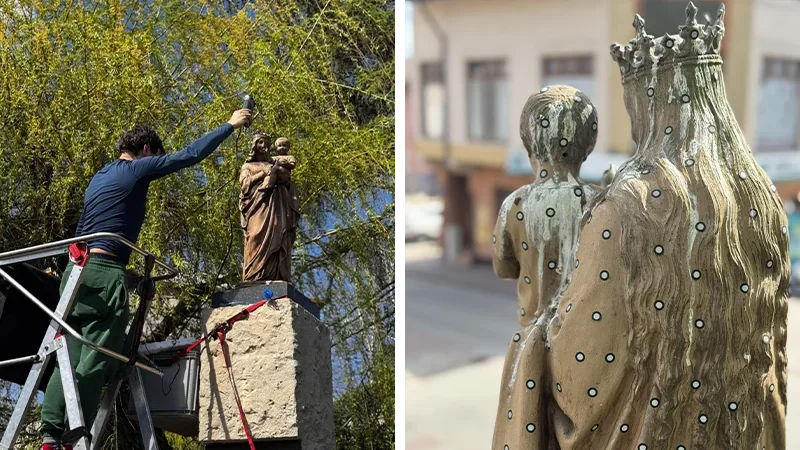
His next milestone project took place at the Chrzanów Museum of Art, where he used the Creality Otter to scan a historic sculpture missing from a building's façade since World War II.
The scanner delivered an exceptionally accurate mesh that required virtually no post-processing. This enabled Dr. Hyjek to produce a precise ABS replica, finished with UV-resistant paint, and return a lost fragment of architectural history to public view. The project demonstrated both the scanner’s precision and its flexibility within professional restoration workflows.
Project 03|XR & Haptic Experiences in Museums
Creality scanners have since become the cornerstone of Dr. Hyjek's interdisciplinary work:
-
Ethnographical Museum in Kraków: Digitizing artifacts for immersive XR (Extended Reality) exhibitions.
-
MCH (Museum of Chrzanów): Developing haptic 3D-printed solutions and AR gallery experiences.
-
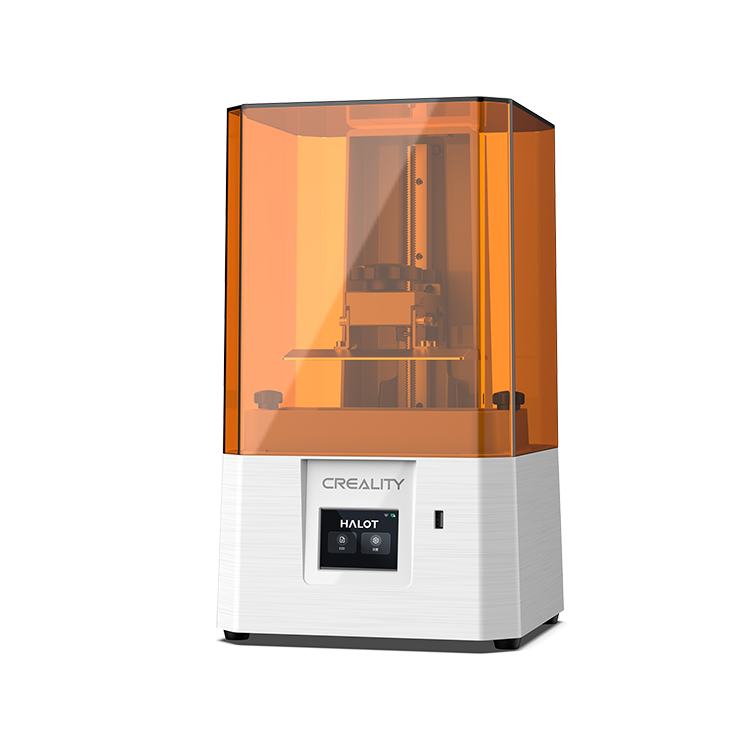
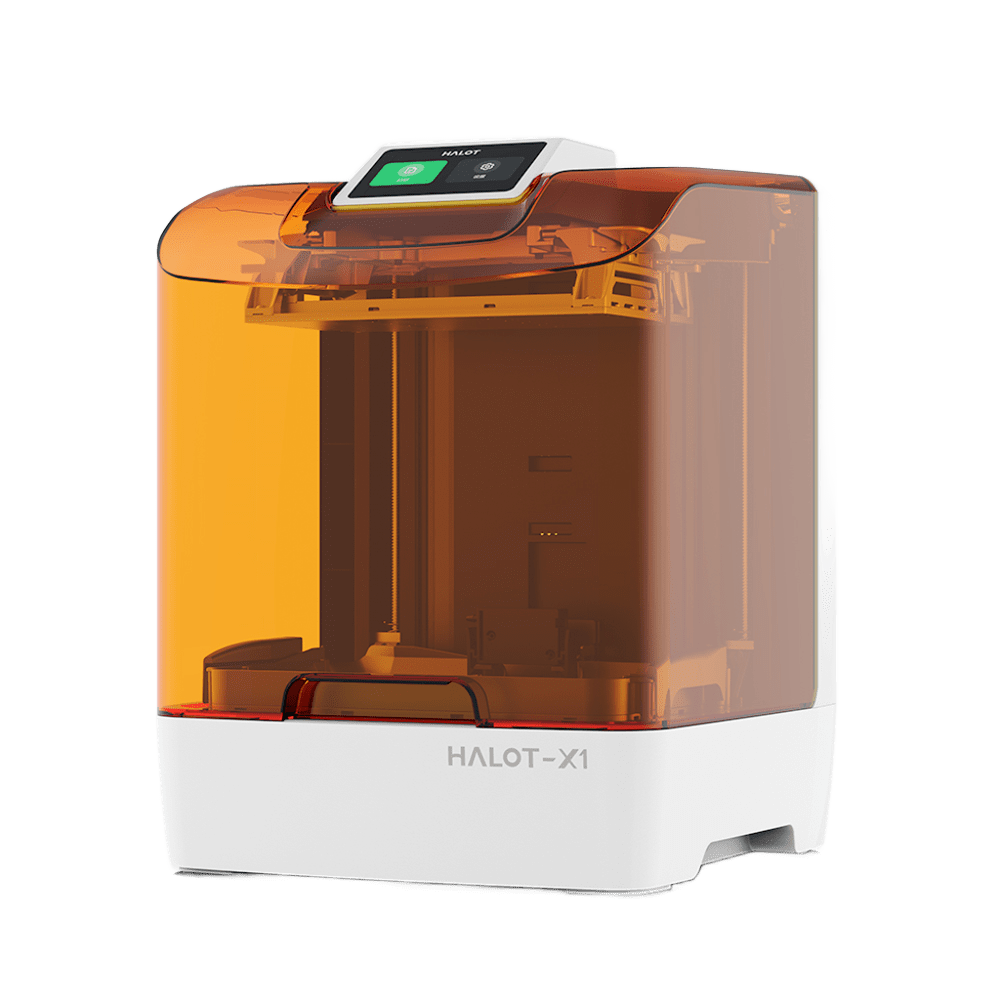
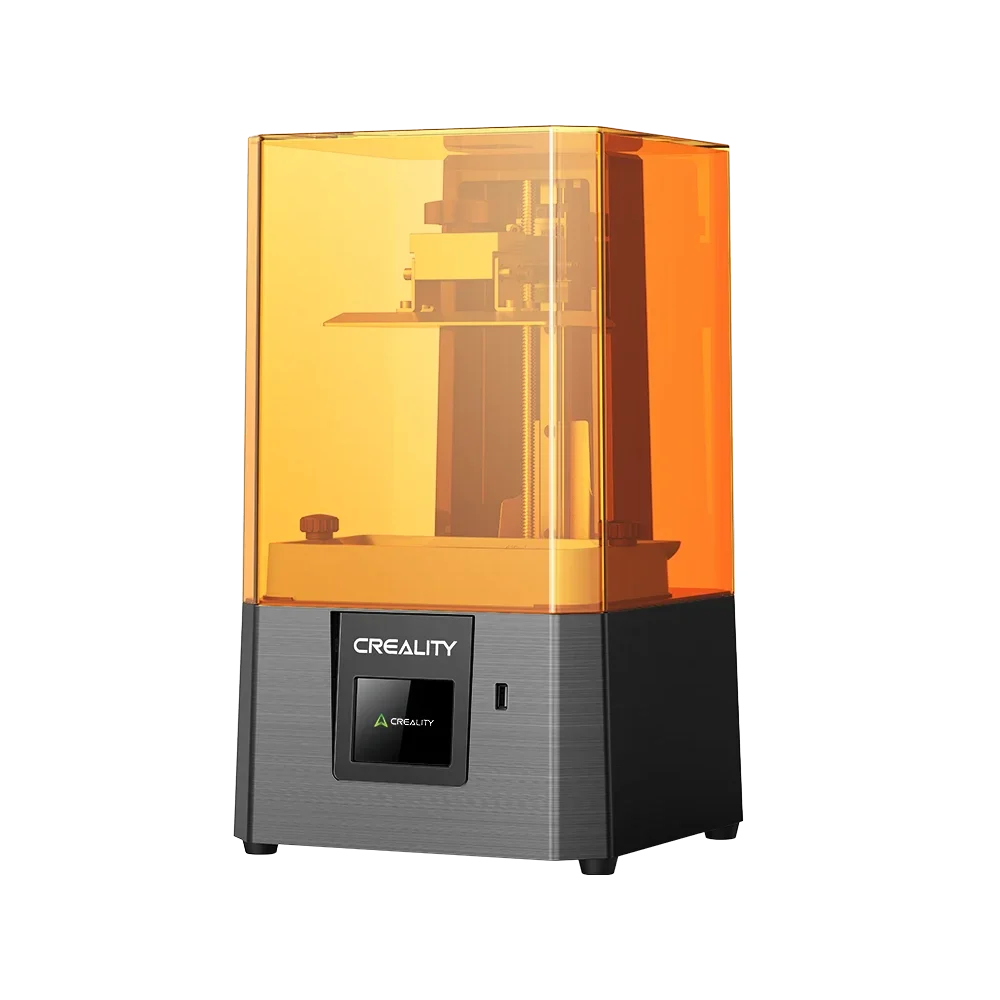
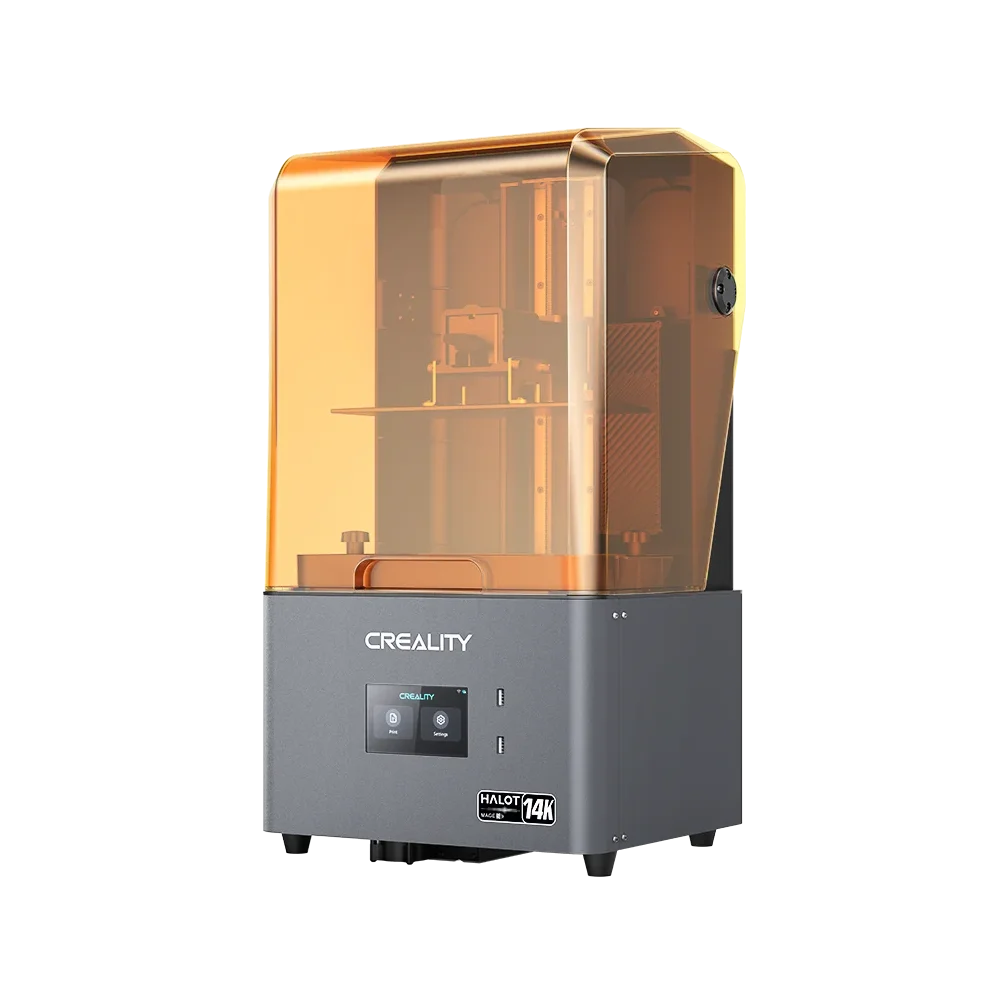
SLA Printing: Utilizing scan data to create high-detail resin prints that allow visitors to physically interact with history.
Project 04|Participatory Scanning Spaces for the Public
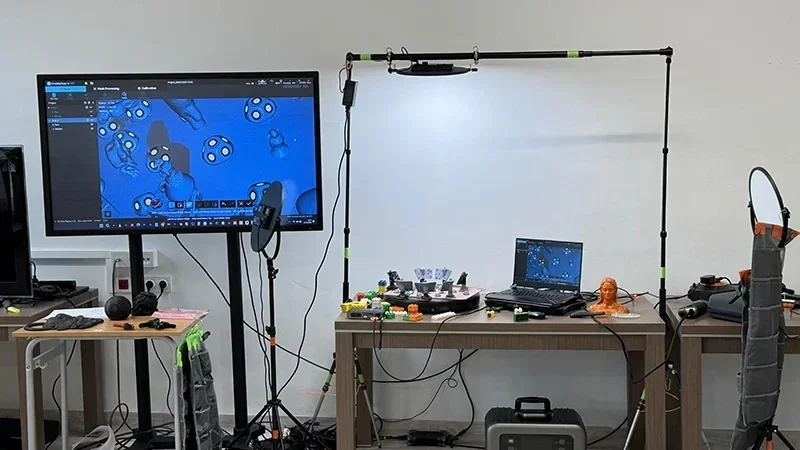
At the Franciscan Monastery, Dr. Hyjek is creating hands-on scanning stations where museum visitors of all ages and abilities can actively participate in heritage preservation. These spaces are designed with intuitive interfaces and Creality scanners, enabling everyone—from curious children to adult enthusiasts—to digitize objects and contribute to the museum’s growing digital archive. By involving the public directly, Dr. Hyjek not only educates visitors about the importance of cultural heritage, but also inspires a sense of ownership and connection to the artifacts.
This participatory approach transforms museums from passive viewing spaces into interactive, community-driven hubs of learning and creation.
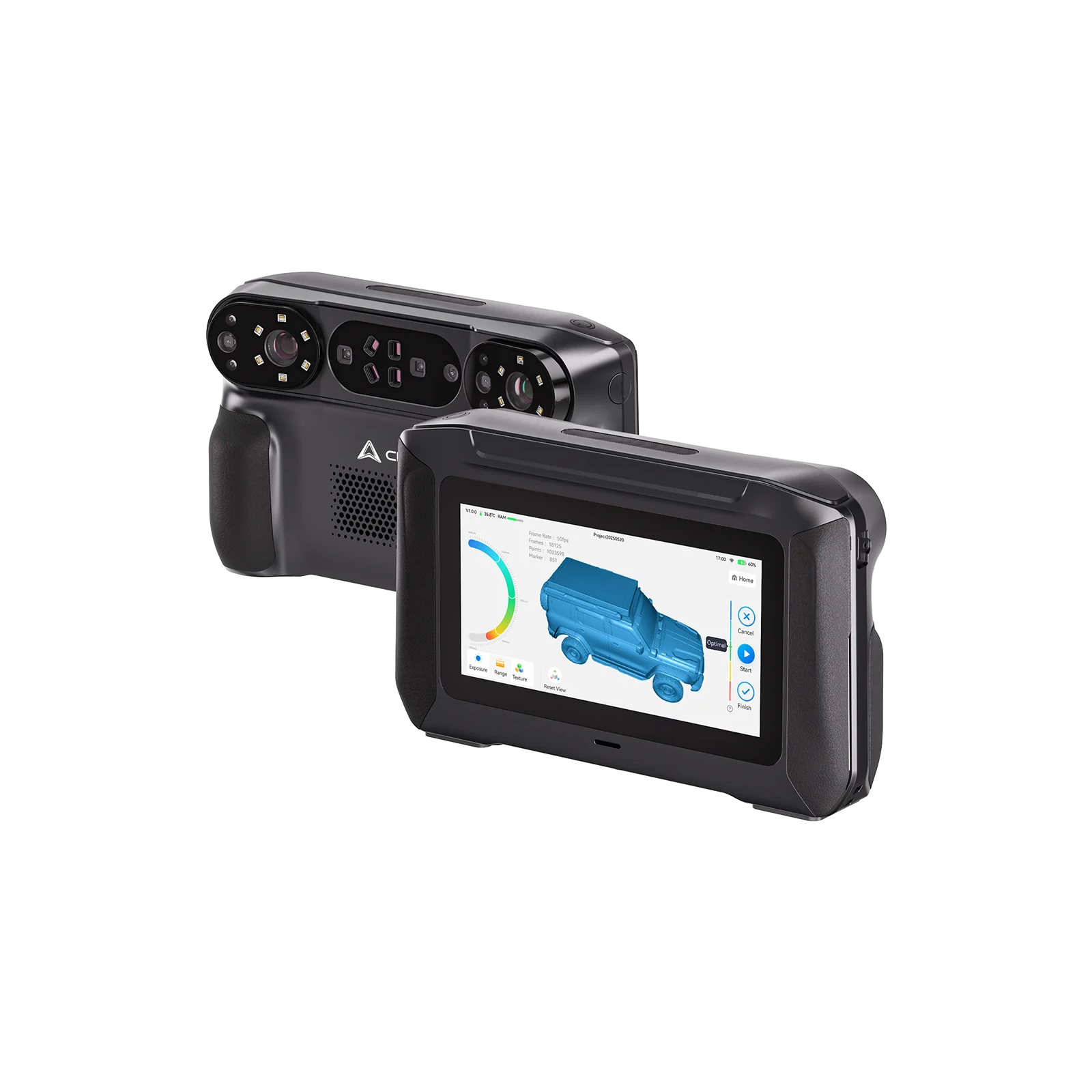
For Dr. Hyjek, cultural heritage preservation is ultimately about accessibility, scientific rigor, and precision. His mission is to make advanced 3D scanning more approachable, cost-effective, and accurate—whether capturing delicate ancient textiles with the X1 scanner or building interactive XR exhibitions that bring history to life. In his work, fragile sculptures, traditional garments, and long-lost artifacts are no longer confined to storage rooms or archives, but become living digital experiences open to all.
To date, Dr. Hyjek has completed more than 300 high-value scans and consistently recommends Creality scanners as reliable, professional tools for heritage digitization. His journey illustrates how modern 3D scanning technology can bridge centuries—transforming vulnerable history into interactive, enduring digital legacies.
Creality 3D Scanner will continue collaborating with educators, researchers, and cultural institutions to build an open, sustainable future for digital heritage.