




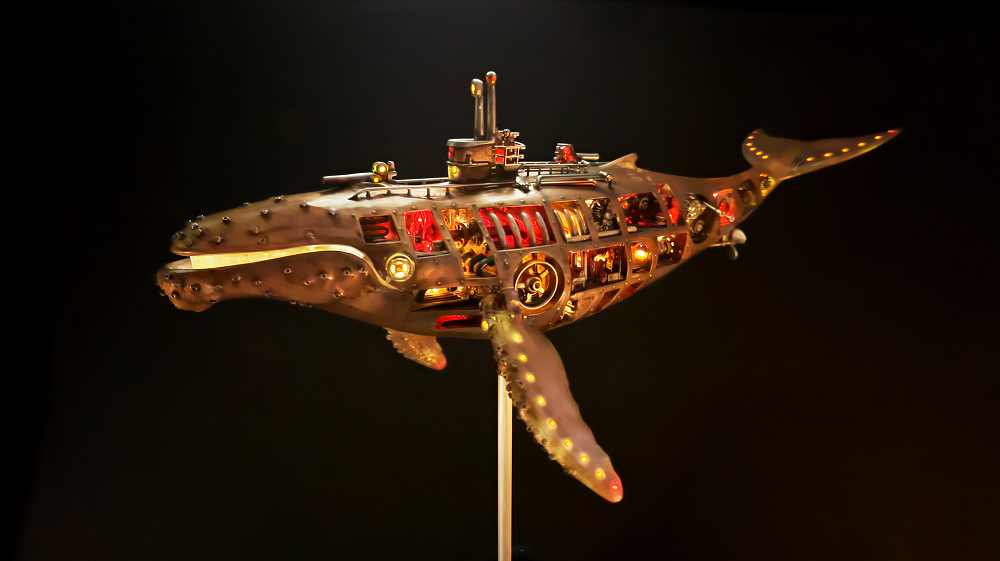
Nico Meyer, a designer and artist from Pretoria, South Africa, created a number of dazzling worlds of flat art that can be traced back to ideas he first imagined as a child. He spent countless hours drawing unusual creatures and inventing imaginary worlds, with his mother keeping some of his favorite sketches. Years later, several of those childhood drawings became his inspiration for a series of digital paintings. But Nico never expected that he would eventually be able to turn those ideas into physical sculptures.
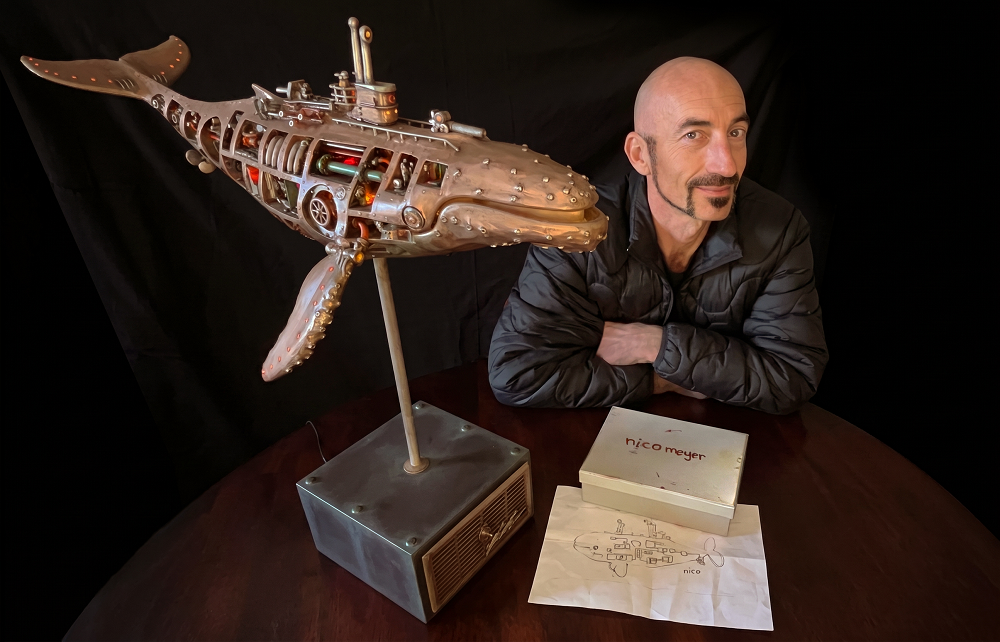
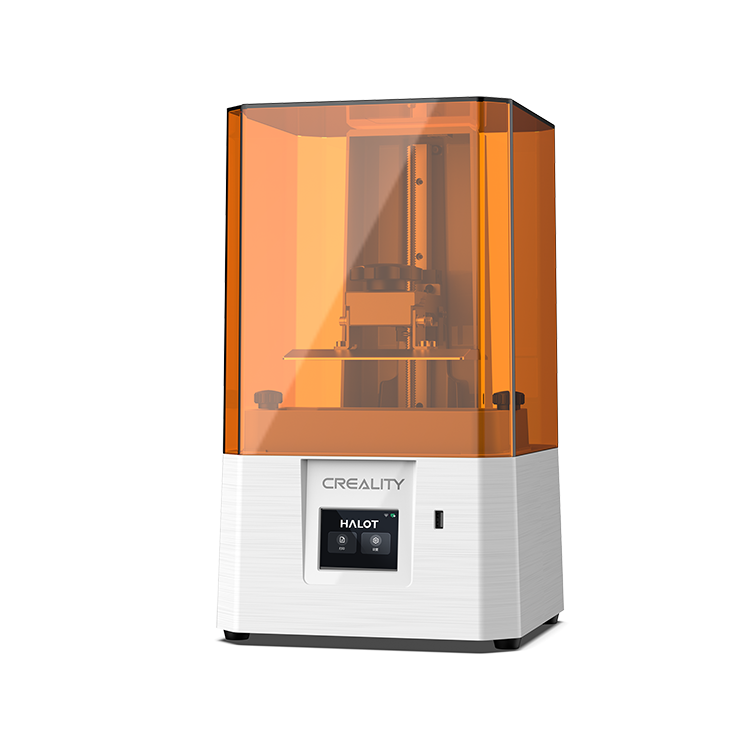
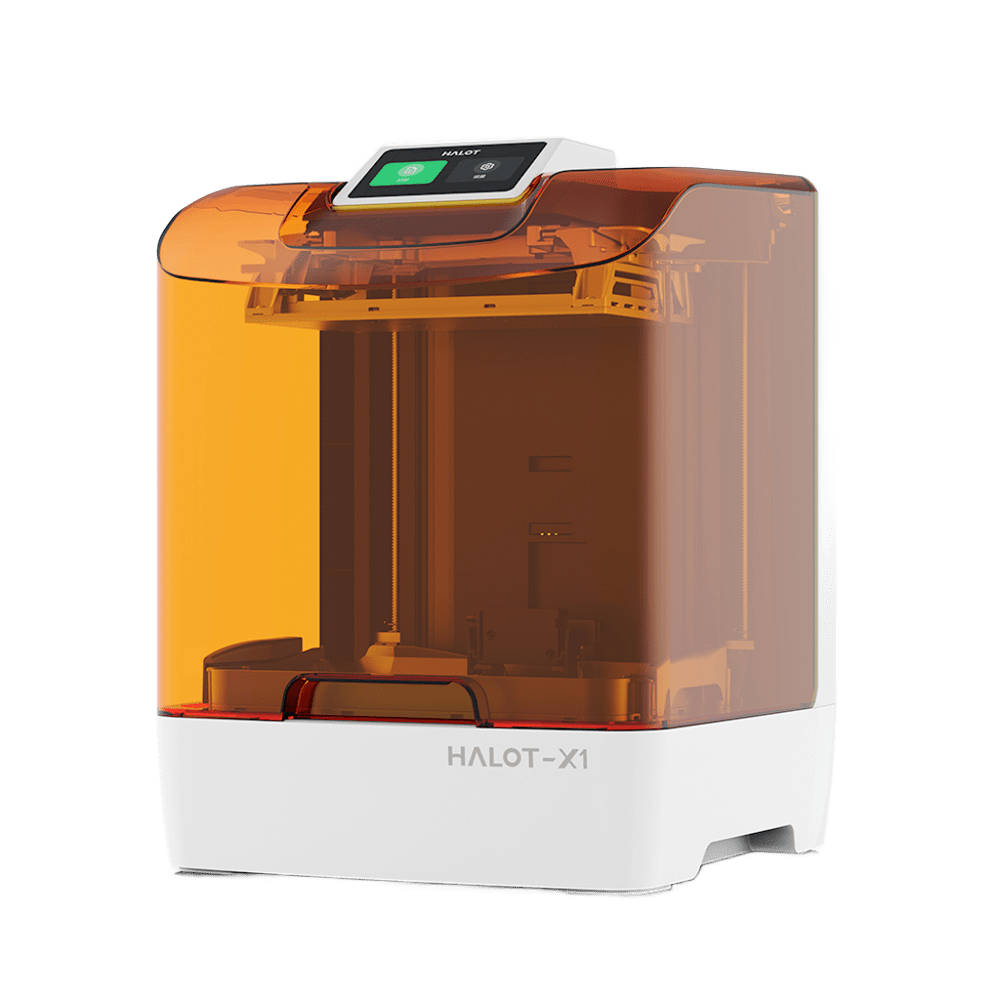
With more than 25 years of experience as an illustrator and graphic designer across the spectrum of advertising, corporate branding, publishing, and fine art, Nico had already built a diverse creative career. His direction changed when he began exploring 3D sculpting less than two years ago. What started with a small side project using Creality Halot-X1 quickly developed into a new creative path, bringing together illustration, digital design, sculpture, and traditional craftsmanship such as lighting and woodwork.
From Flat Art to Mixed-Media Sculptures
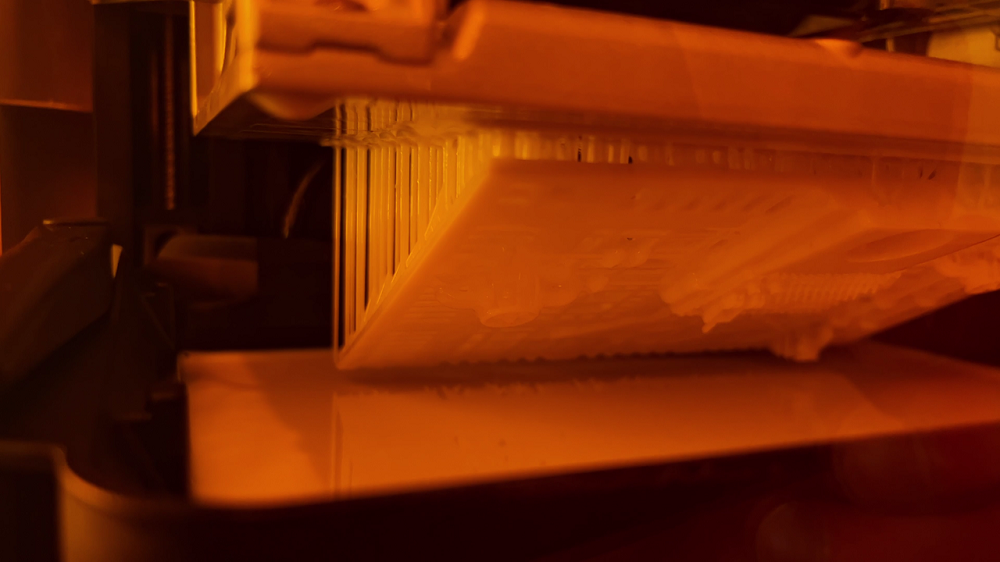
Nico’s sculptures are not simply enlarged 3D prints. His current work combines highly detailed resin-printed components with woodwork, metal, lacquer finishes, custom electronics, and integrated LED lighting. Each piece is conceived as a complete mixed-media artwork.
As his projects grew more ambitious, so did the technical challenges. A large sculpture may need to be divided into dozens of individual components, each carefully prepared for printing and designed to fit precisely with the others. Model splitting, print orientation, supports, hollowing, assembly, surface finishing, and painting all become important parts of the workflow.
For Nico, consistency and precision are particularly important. When a project involves hundreds of hours of printing, a reliable printer is essential—not only for producing fine details, but also for giving him the confidence to build larger and more complex works.
A Whale The Mariner’s Shadow
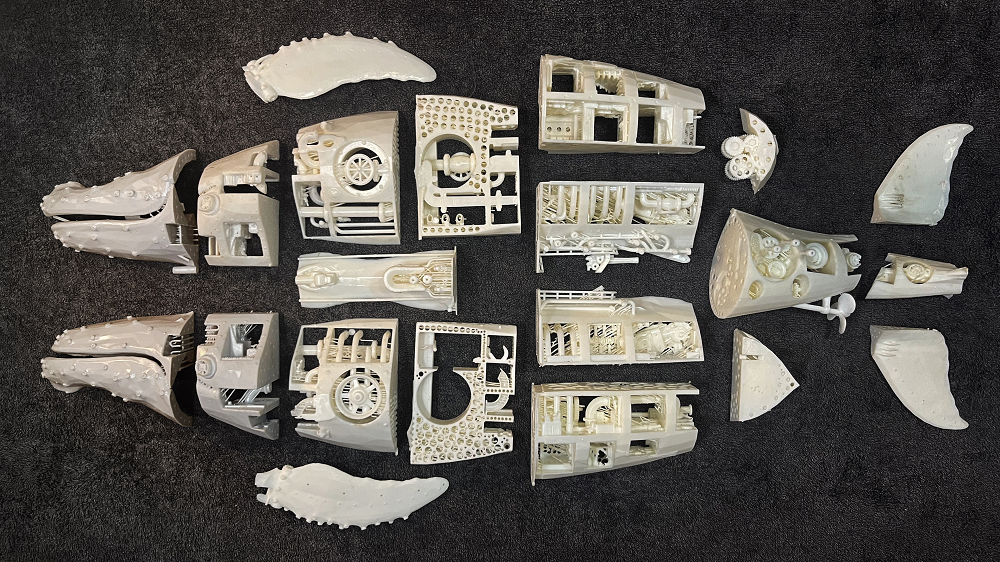
As a newcomer to resin printing, he wanted something approachable that could help him learn while still delivering the level of detail required for his work. The Halot series offered a balance of detail, reliability and ease of use. The printers soon became integrated into his broader workflow to create The Mariner’s Shadow. Nico designed the sculpture digitally and then prepared the model for production by dividing 3D files into printable sections. The individual parts are then printed, assembled, sanded, painted, and combined with components of other materials.
Because many of his sculptures are much larger than the printer’s build volume, designing for assembly is critical. Each section needs to maintain the intended surface detail while fitting accurately with the surrounding parts.
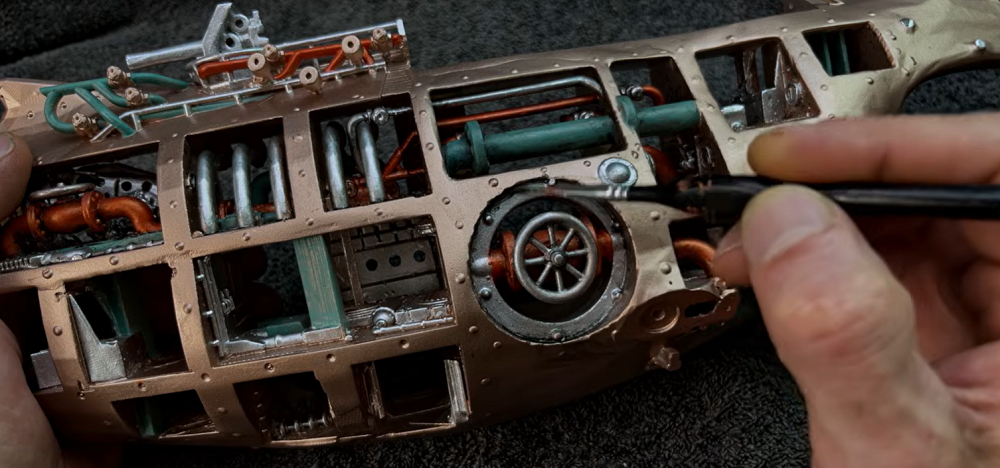
The learning process culminated in The Mariner’s Shadow, a mixed-media sculpture that took more than 700 hours to complete. The project brought together digital sculpting, resin printing, traditional craftsmanship, painting, and lighting in a single artwork. More importantly, it represented how far Nico’s skills and workflow had developed since he first started experimenting with resin printing.
Looking Ahead to More Creative Possibilities
For Nico, The Mariner’s Shadow is not an endpoint. It is a foundation for what comes next.
He is now developing the next chapter of his sculpture series, building on the techniques he honed through previous projects while exploring integrated lighting and new materials. Larger-format resin printing is also opening up possibilities for creating bigger and more seamless pieces without giving up the fine detail that has become central to his work.
After more than two decades as an illustrator and designer, Nico has found in 3D sculpting a new way to connect the worlds of drawing, digital creation, and physical making. The childhood sketches that once existed only on paper have become the start for increasingly elaborate sculptures.