

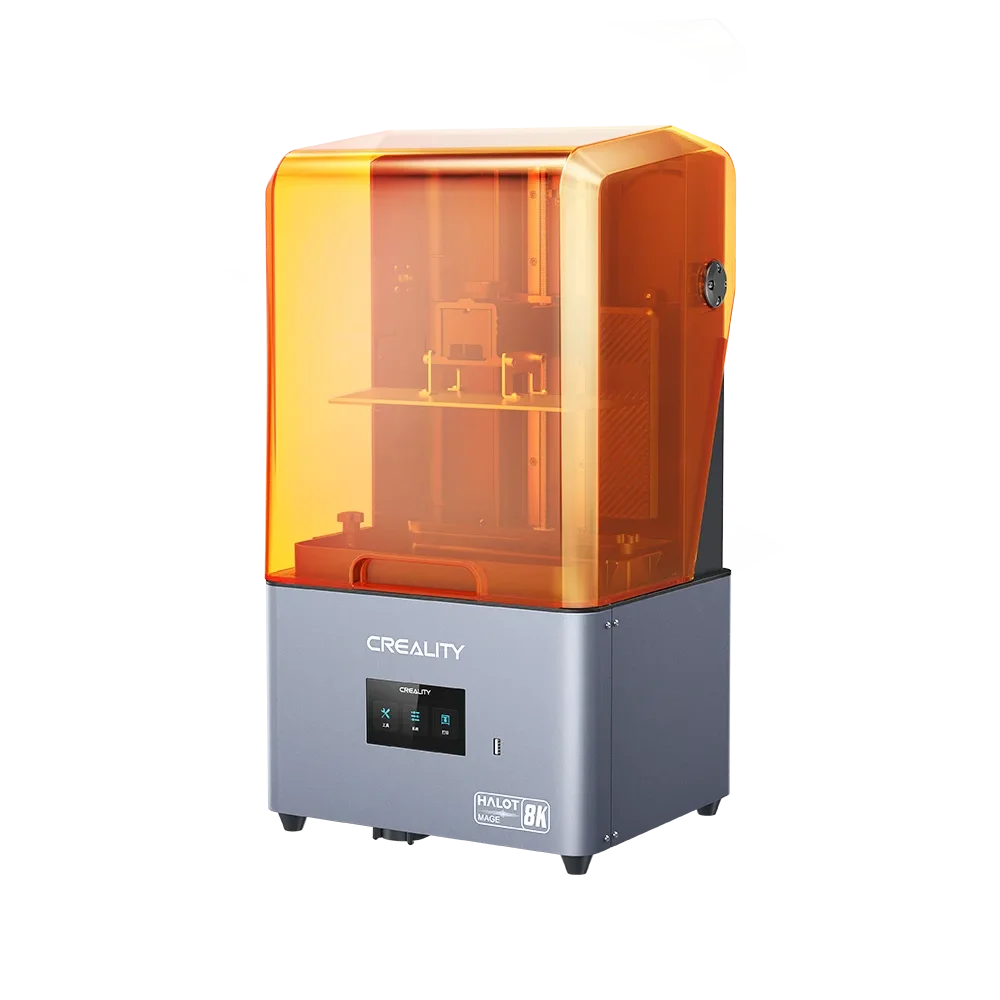





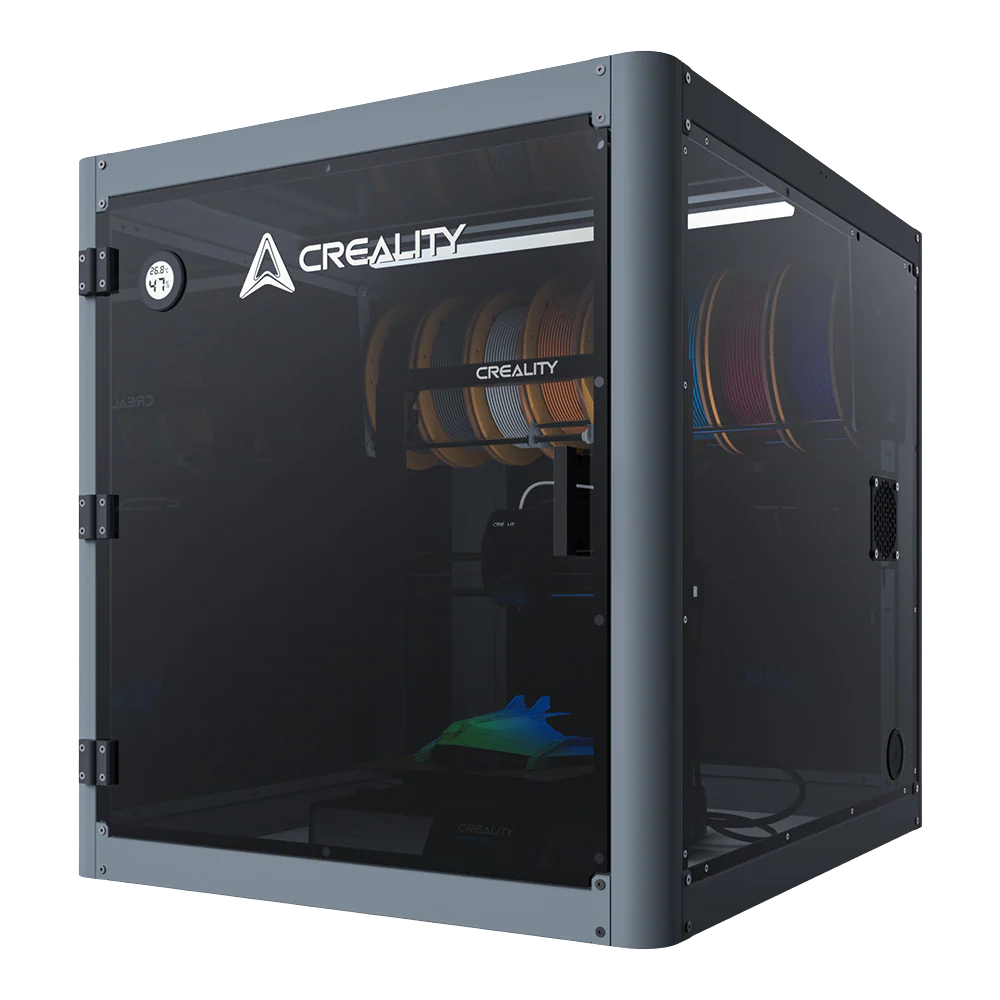


In 2026, 3D printing isn’t just about speed anymore. Print faster, print bigger. This isn’t the whole story now. This year, progress is happening somewhere quieter. Printers are starting to think for themselves. They capture failures before they destroy a print, calibrate automatically, and switch colors without wasting half a spool.
Additionally, advanced techniques like filaments made from recycled waste, metal printing strategies, and the use of AI in 3D printing are also available. The latest 3D printing innovations in 2026 are making the technology more reliable, accessible, and less wasteful. Today’s guide discusses eight of them, what’s working today, and what’s still keeping up.
Quick Answer: What's New in 3D Printing in 2026?
The major shifts in 3D printing this year focus on smarter systems, not just faster ones. Now, AI facilitates model creation and print monitoring. Multicolor and multi-material 3D printing are becoming more popular due to nozzle-changing 3D printers and better automation. Engineering filaments, bigger desktop printers, scan-to-print equipment, and filament recycling complete the list. Each one solves an actual, practical issue for makers, designers, and small manufacturers.
What Counts as a Real 3D Printing Innovation in 2026?
Not each new feature earns the word “innovation”. A software update that saves five clicks is not the same as a system that eliminates an error point. Here’s an easy way to judge it: does the change really save time, material, or effort in an actual workflow? If yes, it’s worth considering. If it only sounds impressive in a demo video, it isn't there yet.
Real innovation in 3D printing usually shows up as one of these:
-
Less manual setup: the printer does the boring work, not you
-
Fewer failed prints; issues get caught before they waste filament
-
Lesser material waste, particularly in multi-material and multicolor 3D printing
-
Extensive material support, printing elements that really survive under stress
-
Quicker iteration, going from concept to physical object in less time
-
New practical uses, applications that weren’t possible with older machines
This counts as the 3D printing industry runs on hype cycles. An idea gets announced, gets covered everywhere, and then quietly delays in development for two years. Distinguishing mature, working technology from forecasts and lab demos is the only option to make a smart buying or adoption decision in 2026.
8 Latest 3D Printing Innovations in 2026
These are the 3D printing trends in 2026 shifting how people design, print, and finish parts this year. Here are the details:
1. AI-Assisted Creation and Monitoring
AI has gotten into two very different parts of the printing process. On the design side, tools can now turn a photo or rough idea into a printable 3D model in minutes, without any CAD skills. On the monitoring side, AI-powered cameras observe prints live, catching issues like misprints, tangled filament, or a print lifting off the bed before the task is ruined.
Maturity: Available now.
Why it matters:
-
Removes the biggest hurdle for beginners: not knowing how to model in 3D
-
Reduces wasted filament and print duration from failures caught late (or not at all)
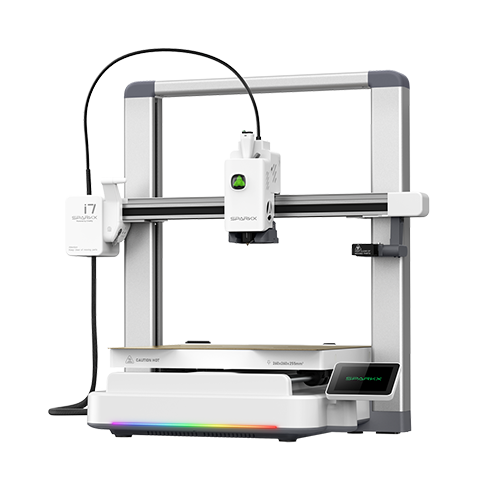
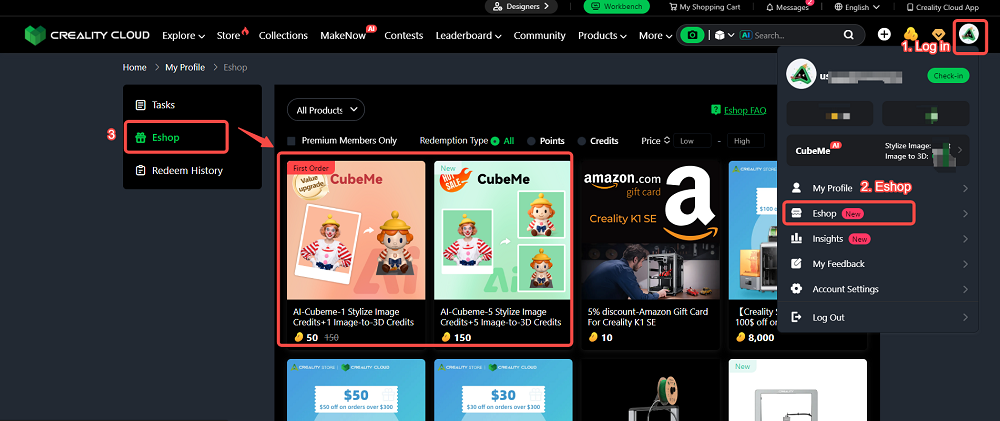
Evidence: Creality's SPARKX i7 includes CubeMe, an AI tool that converts portrait photos into printable models, and a built-in AI camera system that indicates spaghetti failures, air printing, and filament entanglement during a job.
Limitations
AI-generated models still require cleanup for anything beyond simple shapes. Detection systems can trap obvious failures but won’t fix a badly sliced file or poor first-layer adhesion. Also, on the CubeMe workflow specifically, privacy matters here too. Creality states uploaded images are processed in a private cloud and deleted after the model is generated, which is worth knowing if you're using AI 3D printing tools on personal photos.
Creality connection: SPARKX i7's CubeMe and AI Detection System are the clearest current examples of this trend in a consumer-facing product.
2. Accessible Multicolor and Multi-Material 3D Printing
In 2026, multicolor printing is fast, affordable, and low-waste. Older systems purged large amounts of filament each time they switched colors. Modern systems are designed to switch quickly and waste less in the process.
Maturity: Available now.
Why it matters:
-
Introduce multicolor 3D printing for small businesses and hobbyists, not just production shops.
-
Lowers the cost-per-print penalty that used to make multicolor jobs impractical
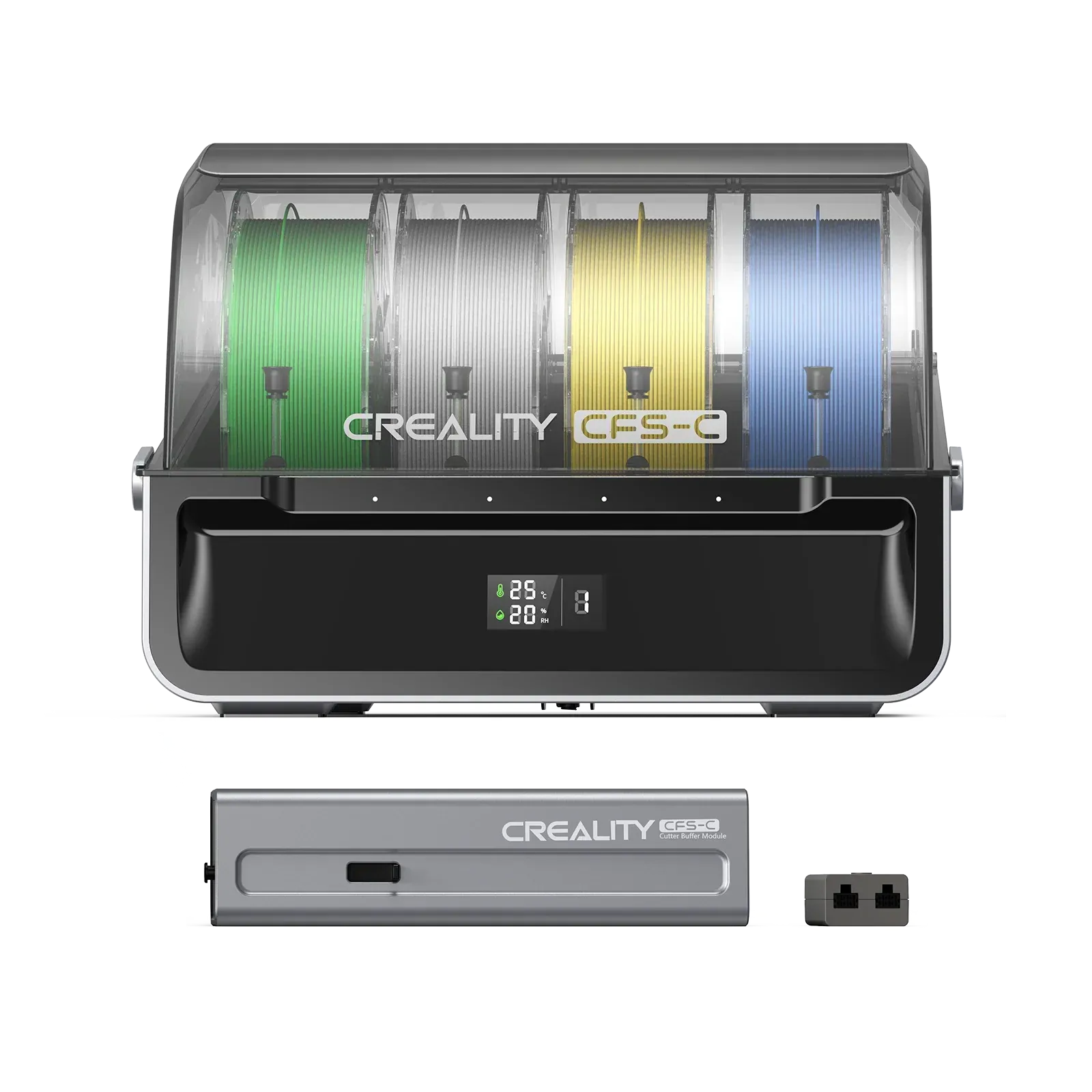
Evidence: Creality positions its CFS (Creality Filament System) accessories on the SPARKX i7 as a lower-waste, faster-switching upgrade over its own previous-generation multicolor setup.
Limitations
This is a manufacturer-reported comparison, not an externally validated metric. Consider particular waste and speed percentages from any brand, including Creality, as claims worth checking against real-world reviews. Moreover, multicolor systems still add cost, extra hardware, and some setup complexity compared to single-color printing.
Creality connection: SPARKX i7 uses CFS Nano and CFS Lite accessories to support up to 4-color printing.
3. Nozzle-Changing Systems
Unlike conventional manual nozzle swapping, newer systems allow you to hot-swap nozzles in seconds, sometimes without tools at all. A few manufacturers are also working on printers that can switch between several nozzle sizes automatically mid-print.
Maturity: Mixed. Manual quick-swap nozzles are available now on several desktop printers. Fully automated nozzle-changing systems, where the machine switches nozzle sizes on its own, are still officially announced or coming soon on most platforms.
Why it matters:
-
You can shift between fine detail and quick, bulk printing without stopping to babysit the hardware
-
Minimize interruption for makers who print a mix of detailed and functional parts.
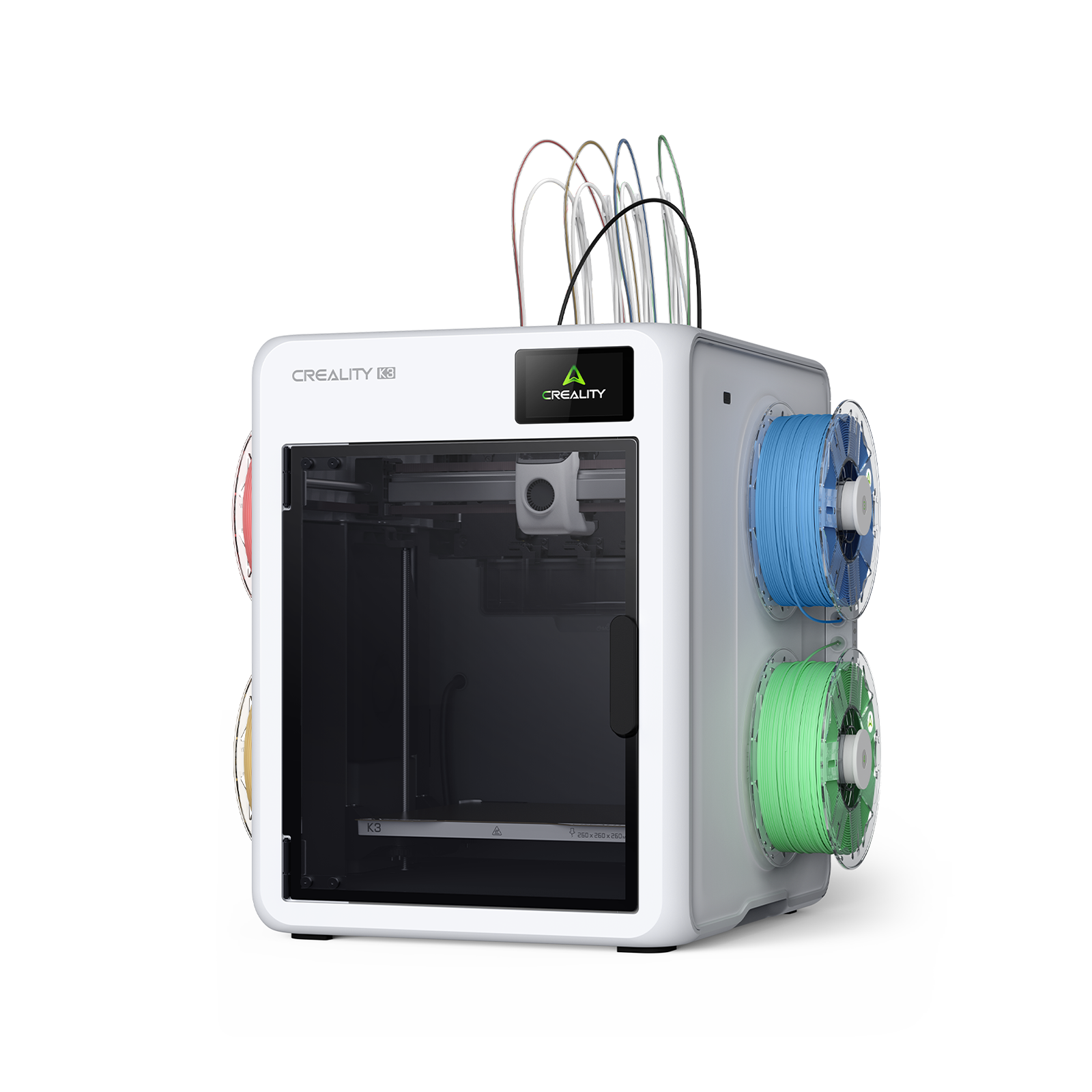
Evidence: Creality K3 offers quick-swap hotend designs, allowing tool-free nozzle changes in seconds, are already shipping on current desktop printers.
Limitations
Fully automatic nozzle-switching setups are newer and less proven at scale. Reliability over hundreds of print hours is still being tested in the field, not only in launch demos.
4. Automatic Calibration and Sensing
Previously, nozzle Z-offset, bed leveling, and input shaping were manual, difficult steps that frighten away a lot of beginners. Today, several printers manage all of this automatically before a print begins.
Maturity: Available now.
Why it matters:
-
Eliminates the single biggest cause of first-print failures: poor bed leveling
-
Makes 3D printing truly accessible for someone with zero prior experience
Evidence: Full-auto leveling, automatic Z-offset, and input shaping are standard on current desktop 3D printers, including Creality's SPARKX i7.
Limitations
Automatic calibration decreases user error; however, it does not remove mechanical damage. Rods, belts, and print surfaces still require occasional manual attention over the printer’s life.
Creality connection: SPARKX i7 completes bed leveling, Z-offset, and input shaping automatically before every print.
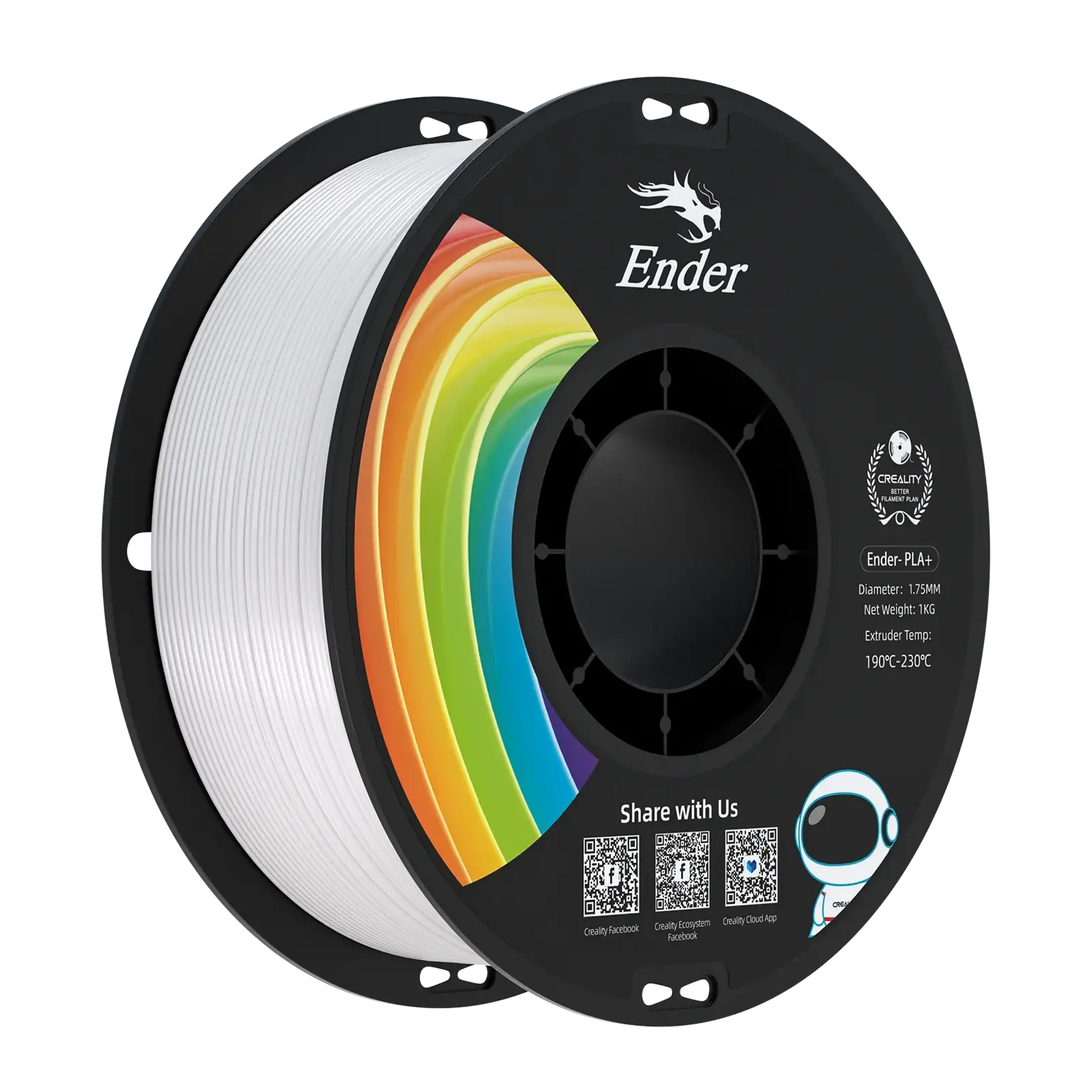
5. Engineering-Grade Filaments
Filament choices have shifted significantly beyond basic PLA. Materials built for heat resistance, strength, and chemical durability are now more approachable on desktop-class machines, not just industrial ones.
Maturity: Available now for machines with the hardware to support it (higher nozzle and bed temperatures, enclosed chambers). Broader accessibility across more consumer printers is still developing.
Why it matters:
-
It enables you to print functional parts such as jigs, brackets, and replacement parts along with display models
-
Lowers the gap between a 3D-printed prototype and a part that actually survives real use
Evidence: Engineering filament adoption on desktop and semi-professional 3D printers has increased as more machines support the temperatures and build volumes these materials require.
Limitations
Generally, engineering filaments cost more, require higher printing temperatures, and are less forgiving of calibration mistakes than standard PLA. Not every desktop printer can handle them.
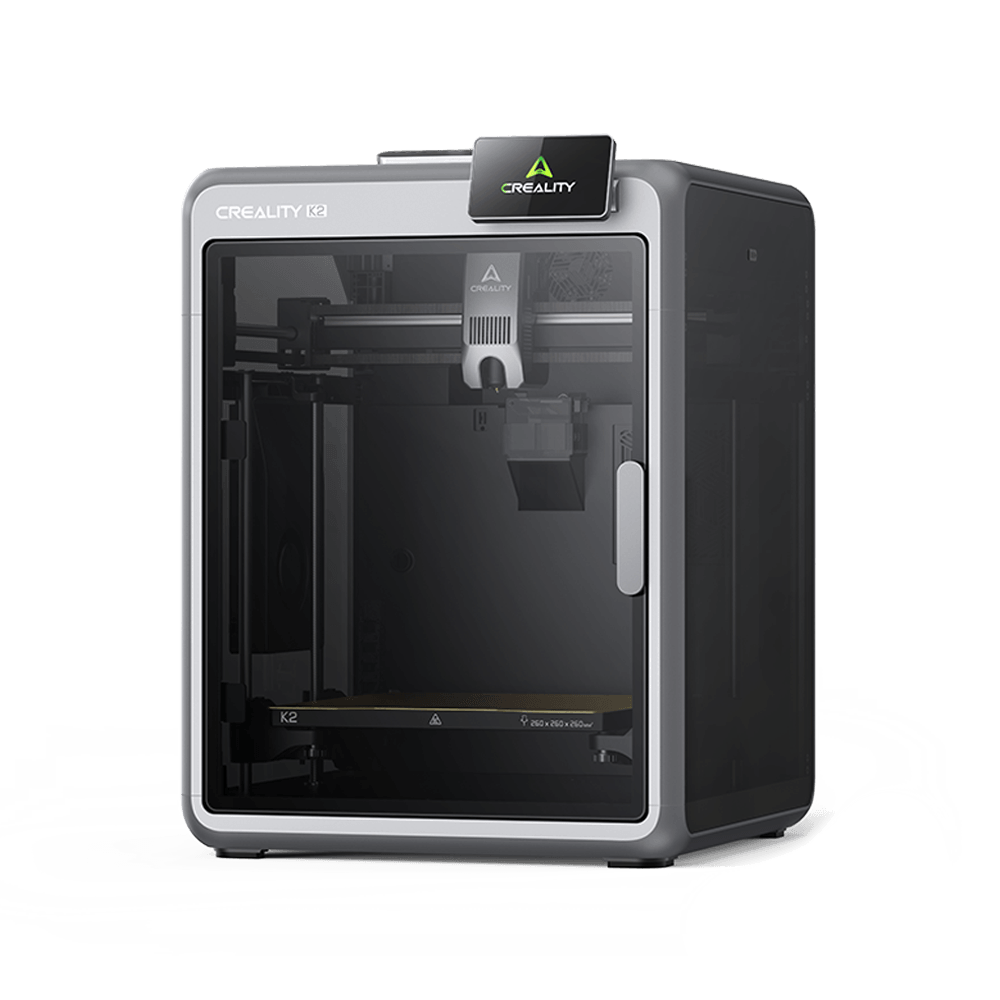
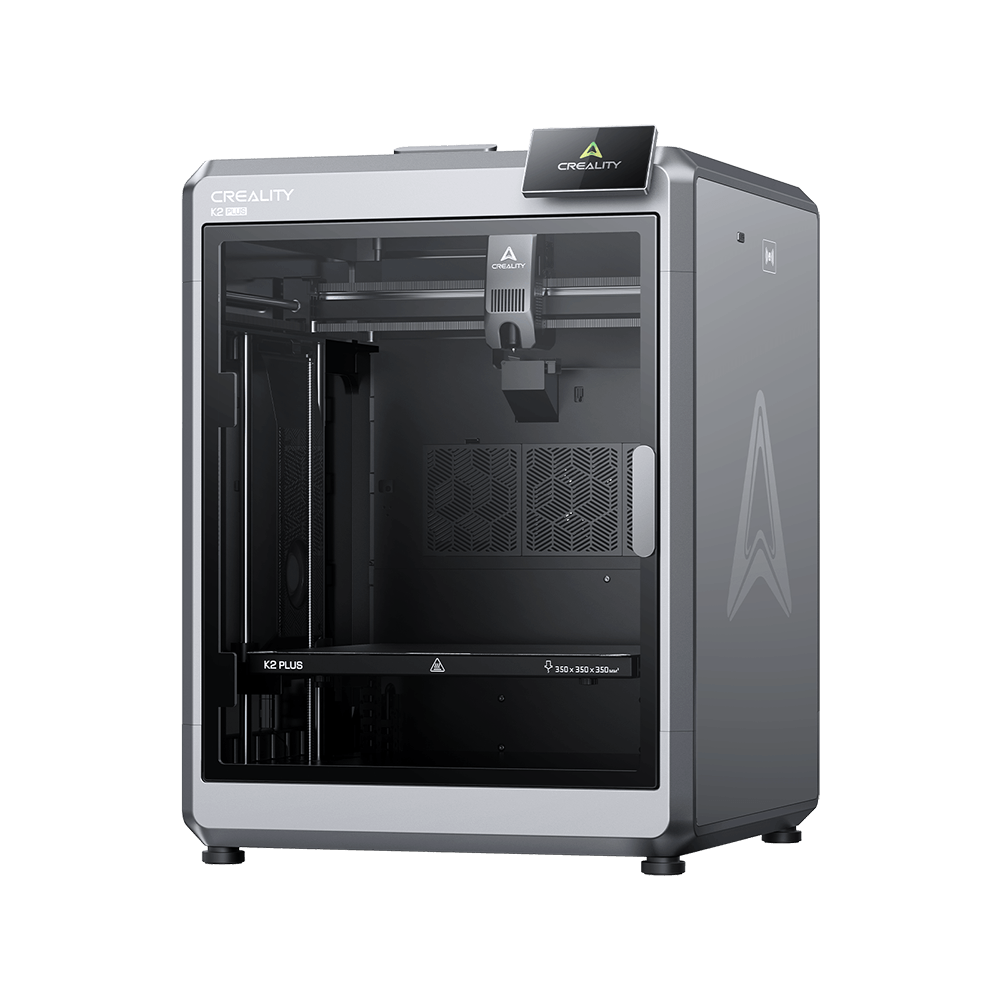
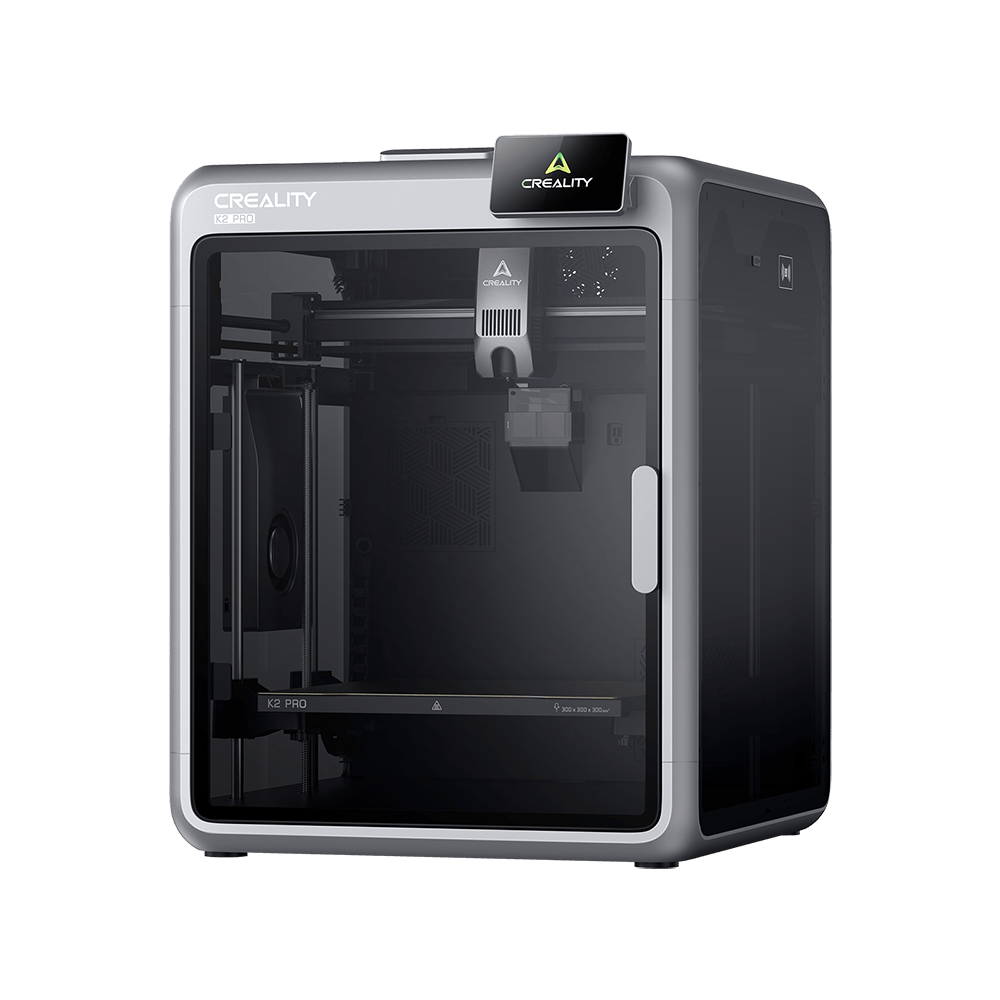
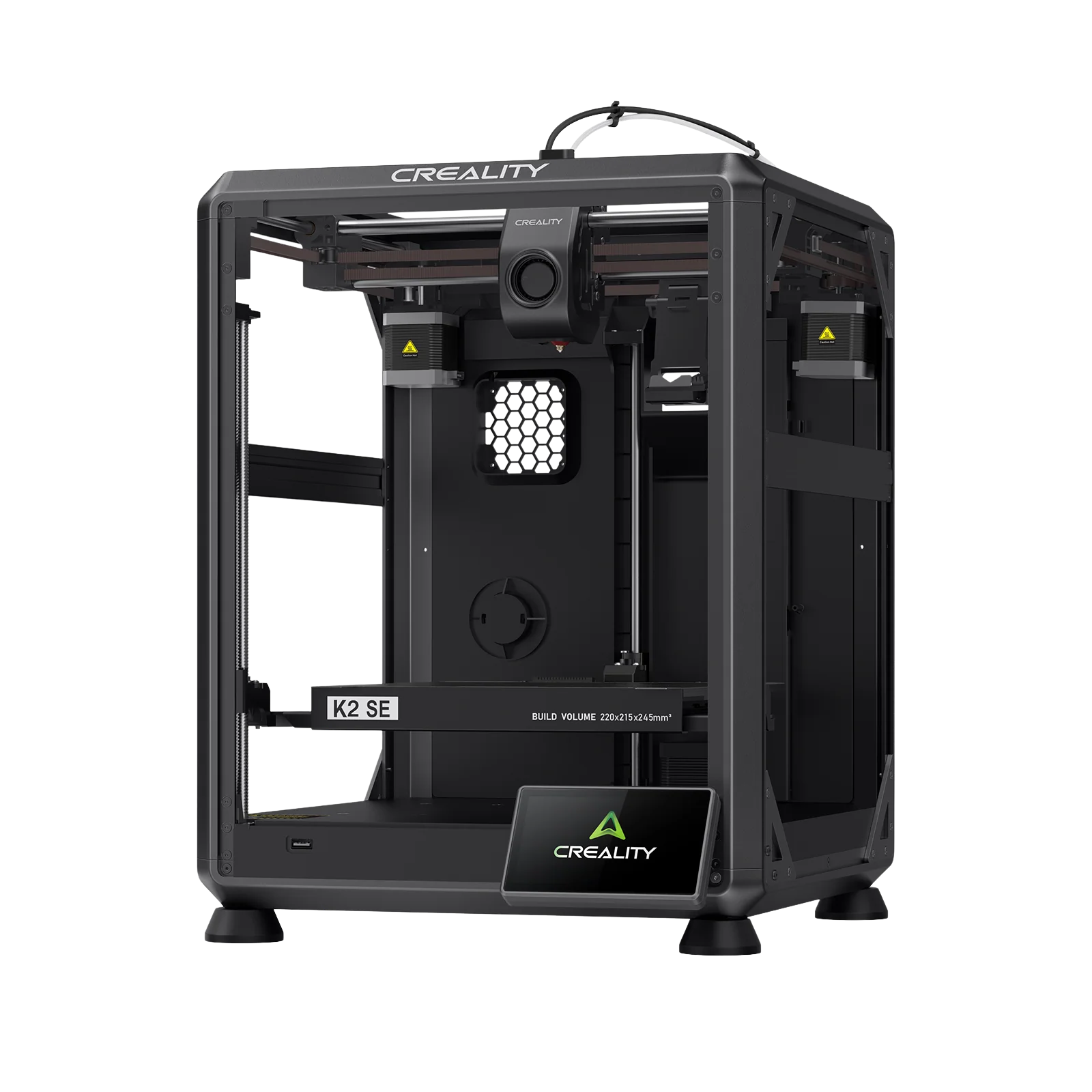
Creality connection: Creality's K2 Series is positioned toward multicolor and engineering-material workflows.
6. Large-Format Desktop Printing
Build volumes on desktop-class printers have been thriving, allowing makers to print bigger single-piece components rather than dividing a design and sticking it together afterward.
Maturity: Available now, though "large-format desktop" varies a lot by manufacturer and price point.
Why it matters:
-
Lessens the assembly work and visible seam lines from multi-part prints
-
Sets the stage for bigger functional prototypes and props without upgrading to an industrial machine
Evidence: Multiple manufacturers have increased build volumes on desktop-class printers positioned for both hobbyists and small production runs.
Limitations
Big build volumes suggest longer print times, more filament used per job, and a higher chance of a breakdown destroying a big, expensive print. Also, bigger printers take up notably more desk or workshop space.
Creality connection: Creality's K2 Series targets larger-format multicolor and engineering-material printing.
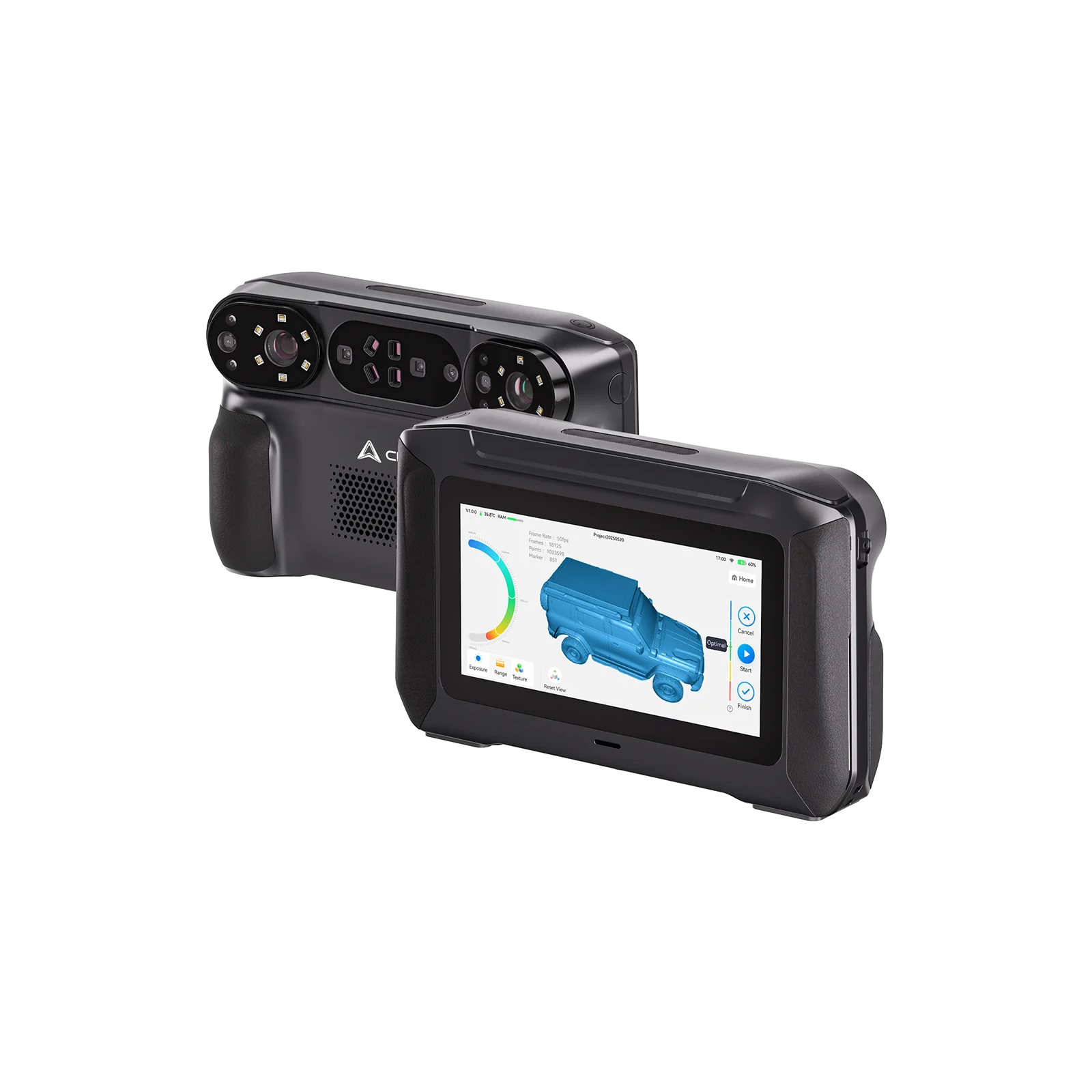
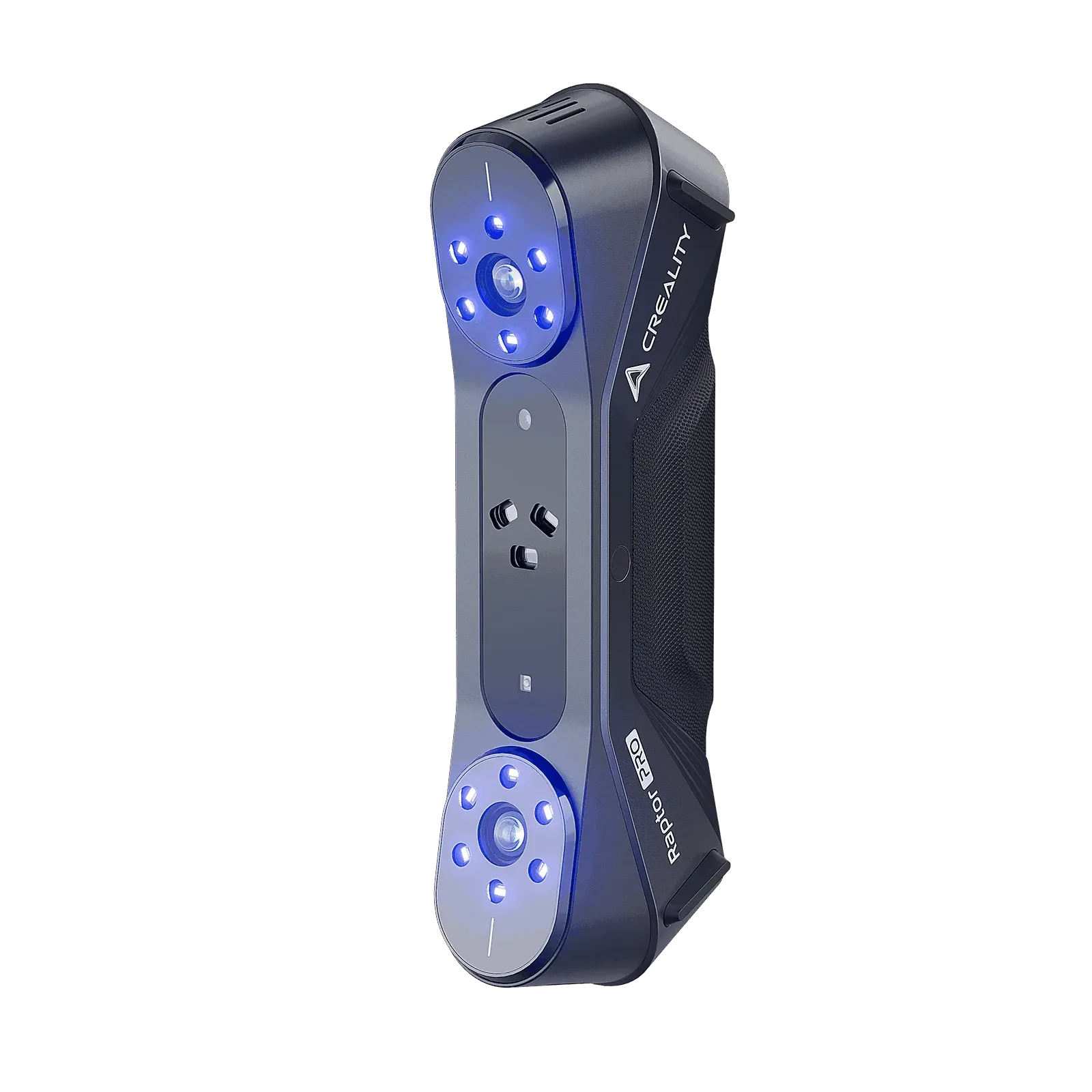
7. Scan-to-Print Workflows
3D scanners are becoming easier to use and cheaper, letting people scan a physical object and turn it into a printable, editable file without manual modeling.
Maturity: Available now, though quality and ease of use vary widely between entry-level and professional scanners.
Why it matters:
-
Quickly reverse-engineer broken elements for repair and replacement
-
Produces customized designs such as enclosures or replacement housings, far faster to produce
Evidence: Consumer and prosumer 3D scanners capable of feeding directly into slicing software are widely available as of 2026.
Limitations
Lighting conditions, the object’s surface, and the scanner itself decide the scan quality. Reflective or transparent things are still difficult to scan precisely, and scanned meshes often require cleanup before they’re print-ready.
8. Desktop Material Recycling
Some manufacturers are developing small-scale recycling setups that allow users to grind up failed prints or scrap filament and convert it back into usable material.
Maturity: Officially announced / early availability, depending on the specific system.
Why it matters:
-
Reduces filament waste from failed prints and support material.
-
Minimizes material prices for makers who print regularly
Evidence: Desktop-scale filament recycling systems have been announced or introduced by multiple 3D printing manufacturers as part of sustainable 3D printing initiatives in 2026.
Limitations
Typically, recycled filament is less consistent in diameter and strength than fresh, factory-made filament. It’s more appropriate for non-critical prints, such as prototypes or jigs, than parts that need to survive under load.
Creality connection: Creality's M1 and R1 platforms are associated with desktop filament recycling.
How Creality's 2026 Direction Reflects These Trends
Creality's 2026 lineup aligns closely with these trends: AI-assisted creation, accessible multicolor printing, faster hardware swaps, and lower material waste.
SPARKX i7: AI-Assisted Creation and Accessible Multicolor Printing
CubeMe converts a photo into a printable model. An integrated AI camera monitors each print for common errors. Combined with Creality's CFS accessories, the i7 supports up to 4-color printing with less purge waste than earlier multicolor setups.
Maturity: Available now.
K2 Series: Larger Multicolor and Engineering-Material Workflows
Planned for bigger multicolor prints and engineering-grade filament support, targeted at makers who require bigger parts or tougher materials.
Maturity: Available now. Specs vary across K2, K2 Plus, and K2 Pro.
KliTek / K3: Announced Nozzle-Changing Capability
Documented regarding Creality's KliTek and K3 development, matching the major shift toward quick, tool-free nozzle swaps.
Maturity: Officially announced/coming soon. Not yet confirmed as shipping.

M1 / R1: Desktop Filament Recycling
Associated with desktop-scale filament recycling, turning scrap material back into usable filament.
Maturity: Varies by model and region.
Where These Innovations Matter Most
These trends don't affect every user the same way. Here's a practical breakdown of where each innovation actually pays off.
|
User Group
|
What Matters Most
|
Practical Today?
|
|
Hobby creators
|
AI-assisted design, automatic calibration
|
Yes
|
|
Educators
|
Reliability, low failure rates, ease of use
|
Yes
|
|
Product developers
|
Scan-to-print, engineering filaments
|
Mostly yes, with equipment limits
|
|
Small-batch producers
|
Multicolor efficiency, large-format printing
|
Yes, with added cost
|
|
Maintenance & repair teams
|
Scan-to-print, engineering filaments
|
Yes
|
|
Custom tool makers
|
Engineering filaments, large-format desktop 3D printing
|
Mostly Yes
|
|
Creative businesses
|
Multicolor printing, AI-assisted creation
|
Yes
|
Challenges the Industry Still Has to Solve
None of these innovations are perfect yet. Here are common challenges the industry is facing in 2026.
-
Reliability Over Long Print Jobs: Short prints are safe now. Long jobs 15+ hours are still where breakdowns occur. One clog or tangle late in a print wastes hours of time and material.
-
Multicolor Waste: Purging between color changes still happens. Modern systems lower it, but haven't removed it.
-
Cross-Material Compatibility: Materials shrink, bond, and cool differently. Getting multiple materials to work reliably in one print is still inconsistent across machines.
-
Calibration That Still Needs Attention: Automation manages bed leveling, Z-offset, and input shaping better. It does not capture damaged belts, dirty surfaces, or mechanical drift that still requires a human.
-
Software Fragmentation: Slicing software, cloud platforms, and firmware vary between manufacturers, and often between models from the same brand. Workflows rarely transfer cleanly.
-
Energy Use: Larger build volumes, heated chambers, and longer prints all draw more power, a real factor for anyone running multiple machines or printing commercially.
-
Recycled Filament Consistency: Recycled filament still falls behind fresh filament in strength and diameter. More suited to prototypes than load-bearing parts.
-
Cost Per Usable Part: Failed attempts, wasted material, and post-processing time matter more than sticker price, especially for small businesses.
-
The Need for Transparent Performance Testing: Many manufacturer claims, including waste and speed comparisons, come from internal testing against unnamed "previous models." Independent, third-party testing is still missing industry-wide. Treat brand-reported numbers as a starting point, not a final answer.
Conclusion
3D printing in 2026 is about how much thinking the printer now does on its own. Calibration occurs without touching a setting. AI catches failures before they waste filament. Multicolor printing wastes less material. The aim is less friction, less waste, and the latest 3D printing technology that more people can actually use. Though some challenges remain, progress is real.
FAQ
What is the biggest 3D printing innovation in 2026?
There isn't one single breakthrough. The biggest shift is systems working together: AI-assisted design, automatic calibration, and real-time failure detection combining to make printing far more reliable and accessible than it was a few years ago.
How is AI used in 3D printing?
AI shows up in two main places. It helps generate printable 3D models from photos or simple prompts. It also powers real-time monitoring, using cameras to catch print failures like tangled filament or spaghetti prints.
Is multicolor printing less wasteful now?
It's improving. Modern multicolor systems purge less filament during color changes than older setups. That said, purging hasn't been eliminated, and manufacturer-reported waste reduction numbers should be treated as claims to verify, not confirmed industry standards.
Will recycled filament become mainstream?
It's heading that way, but slowly. Desktop recycling systems are becoming more available, and interest in sustainable 3D printing is growing. Recycled filament still lags behind fresh filament in consistency.