

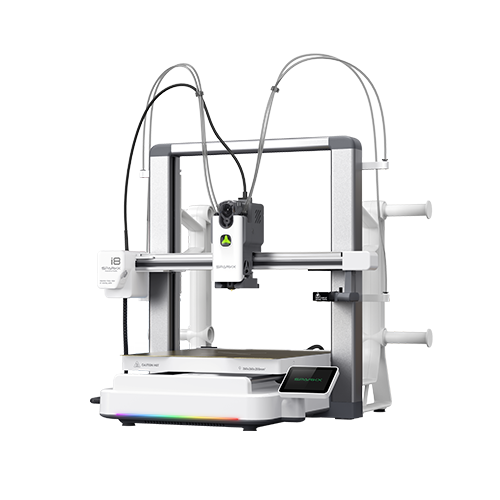
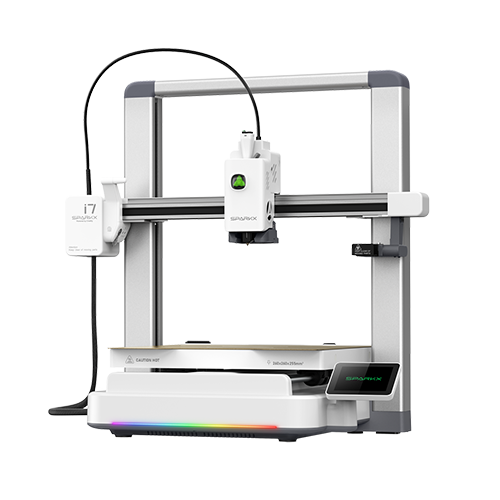
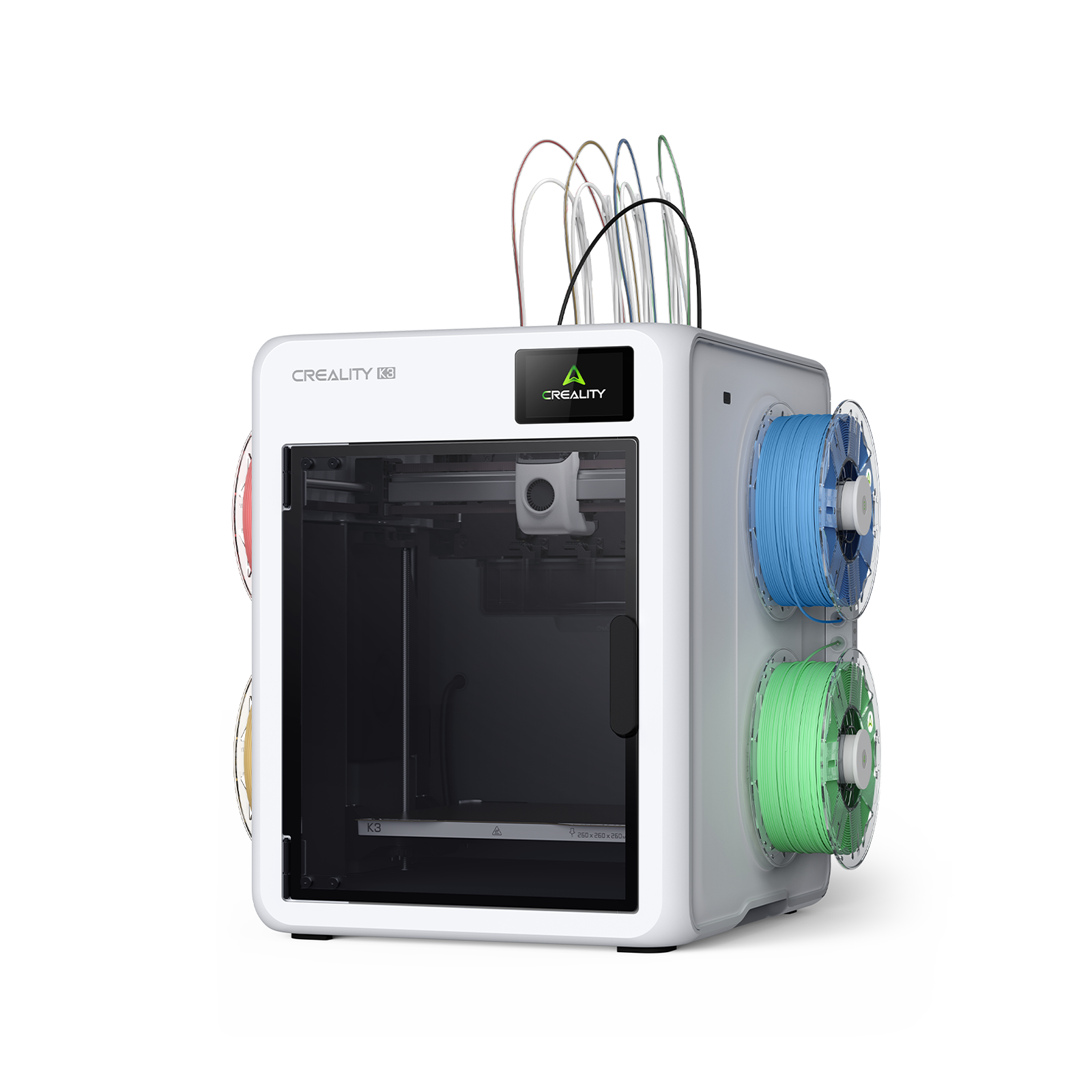
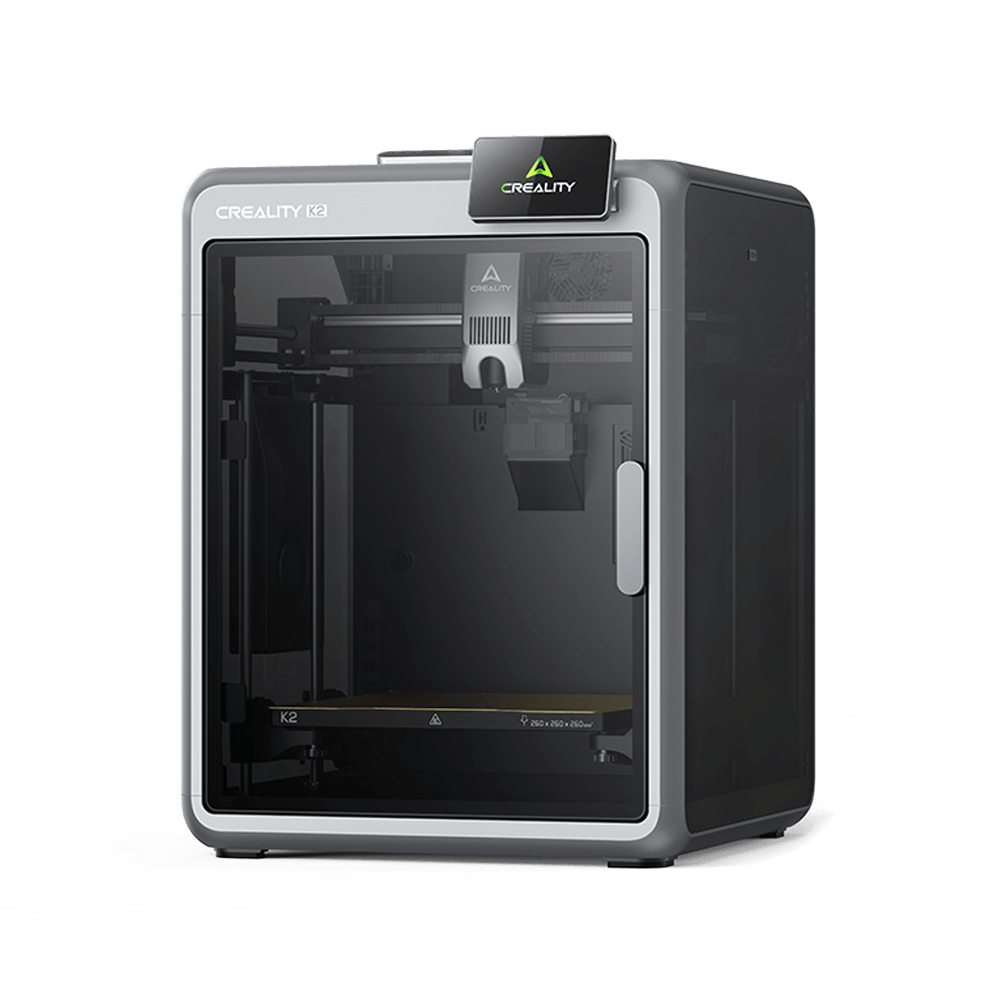
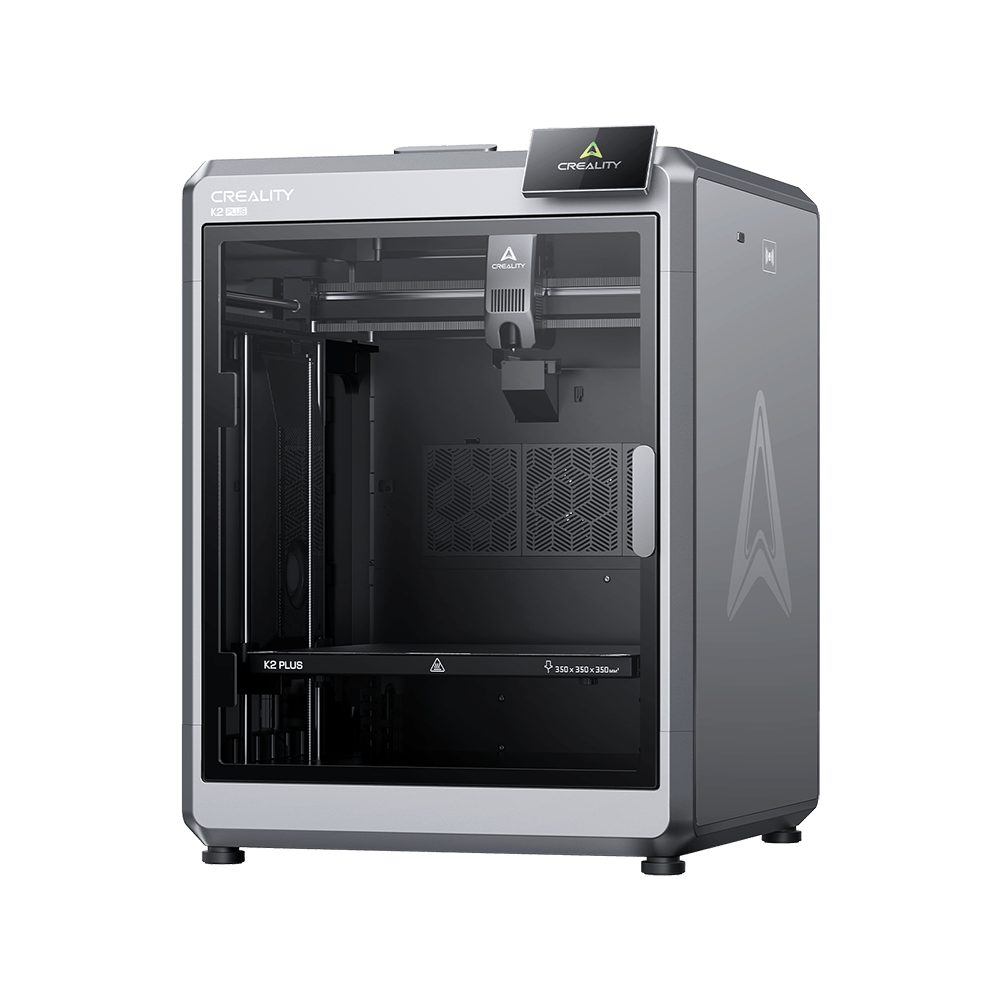
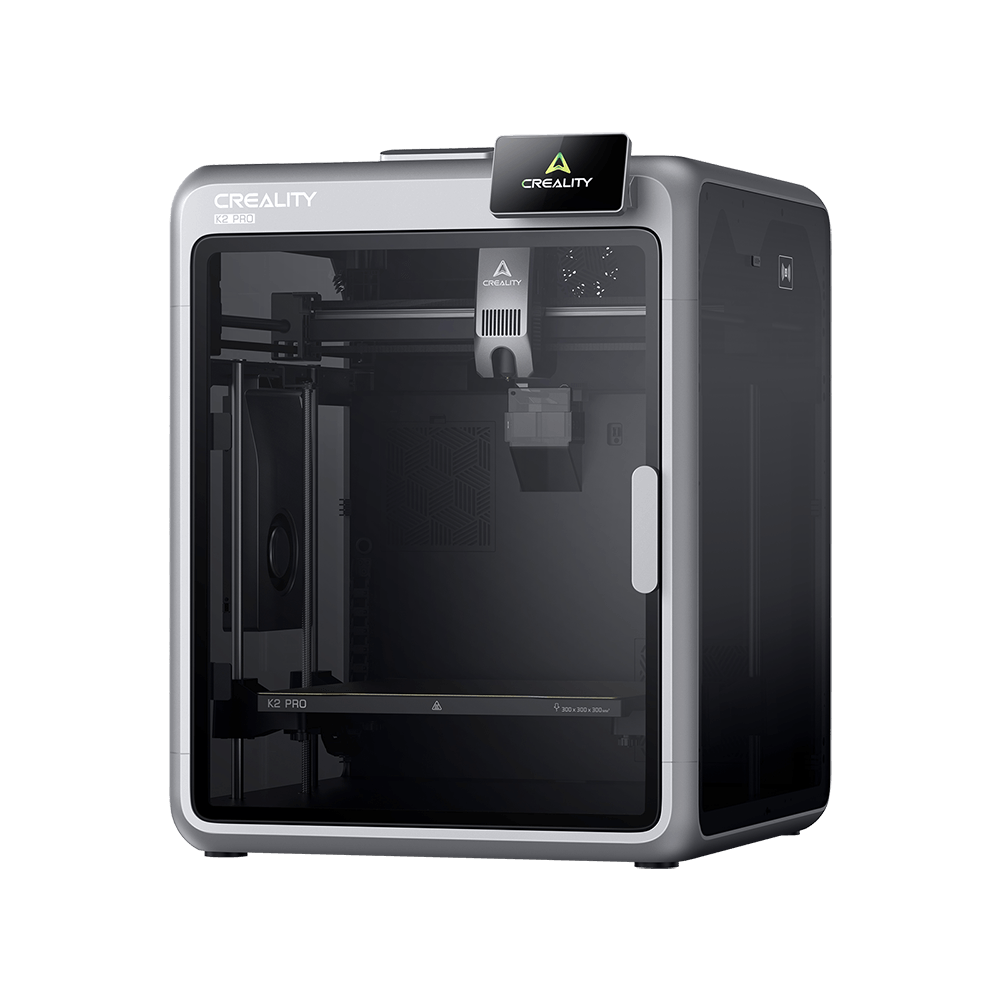
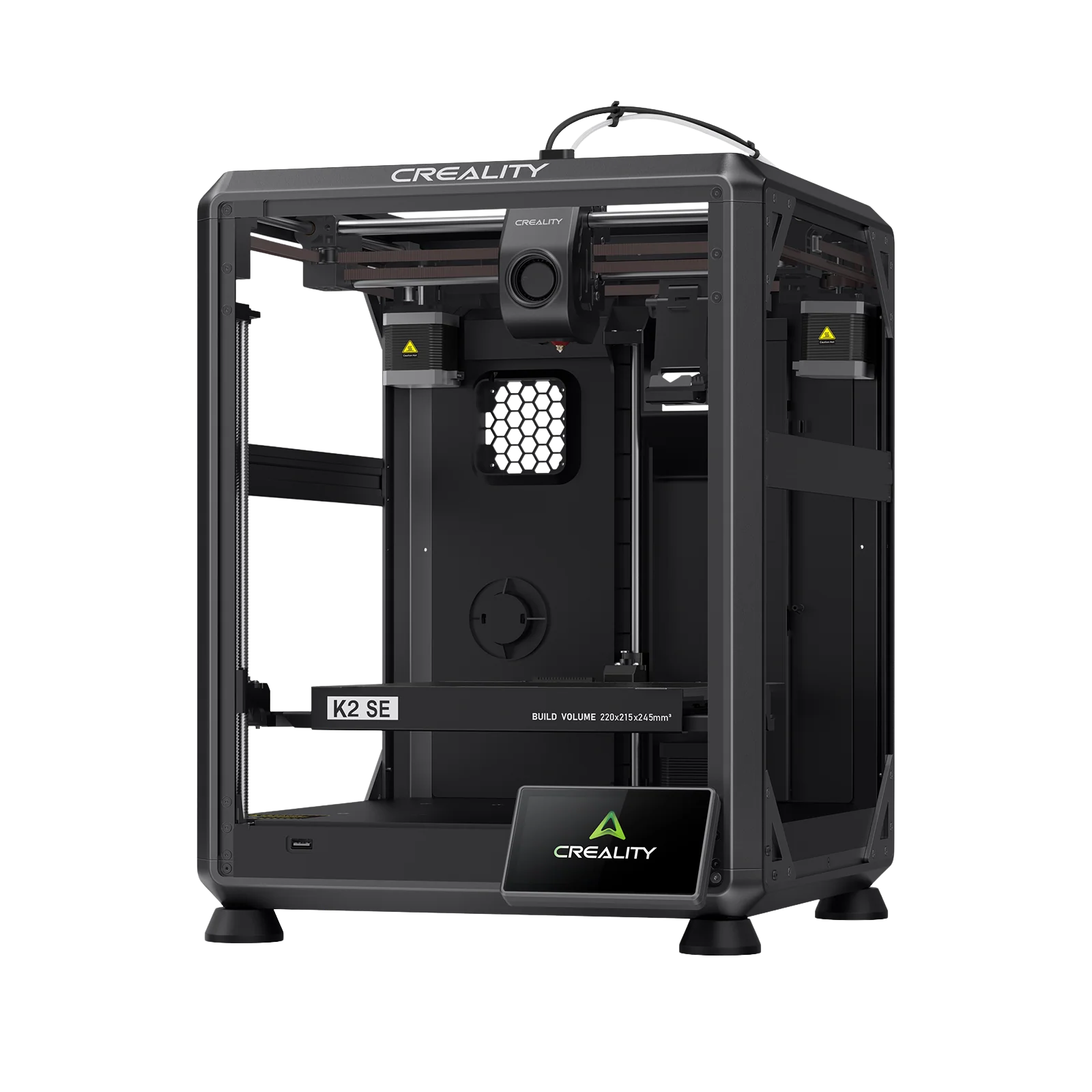
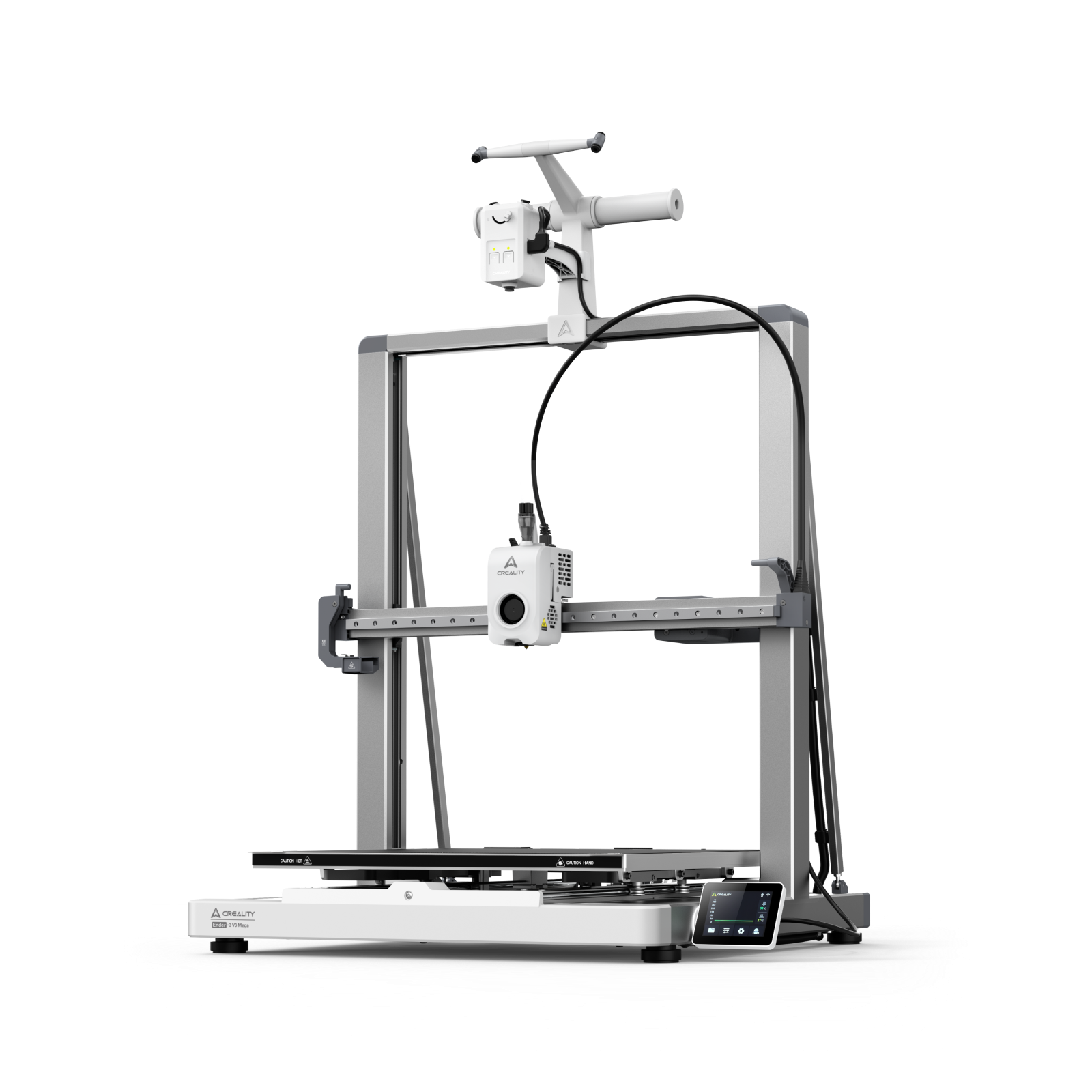
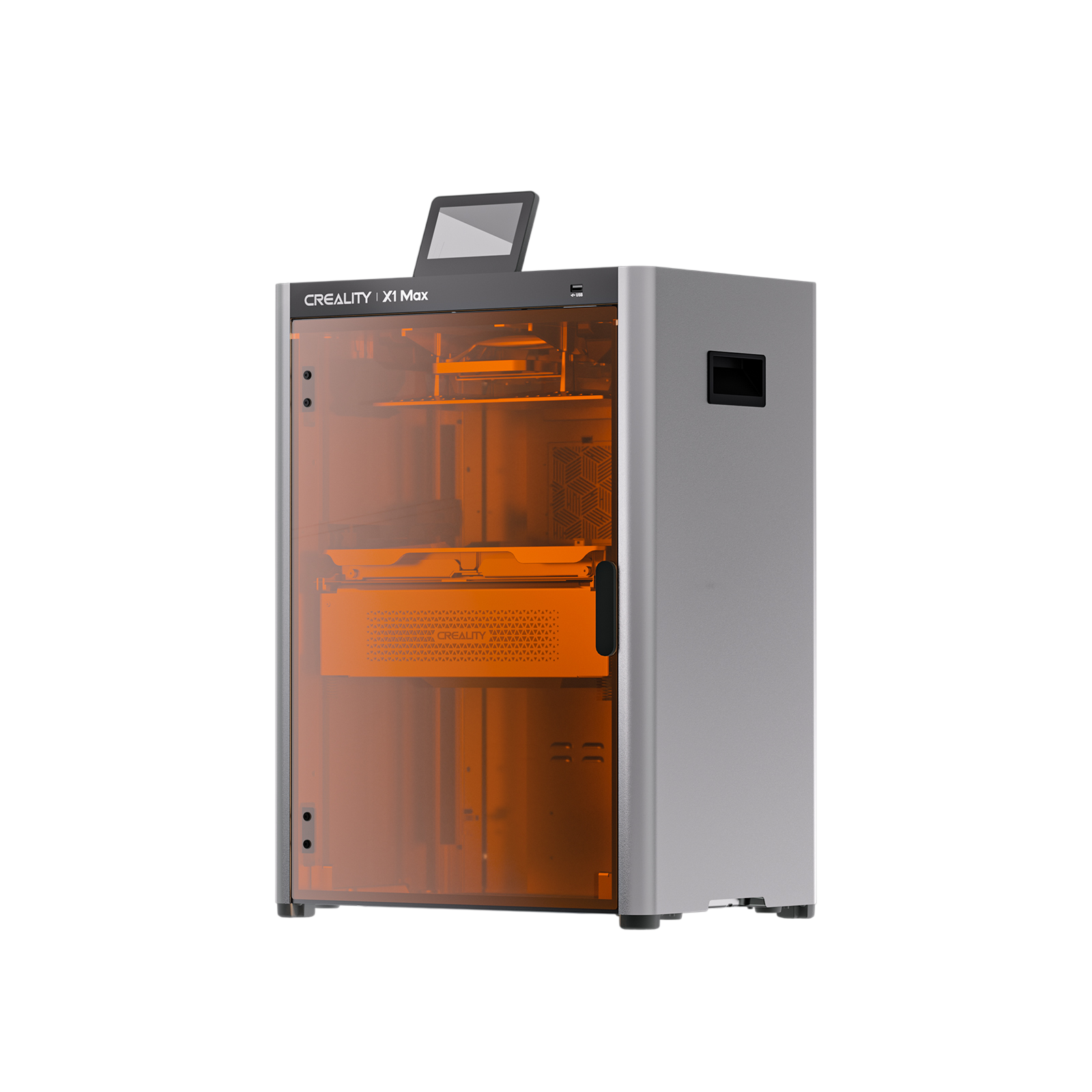
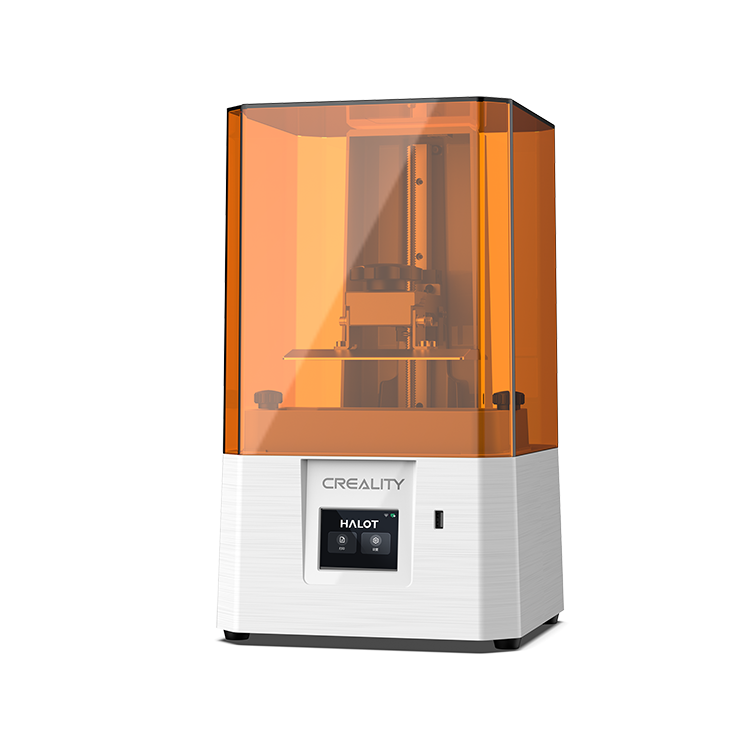
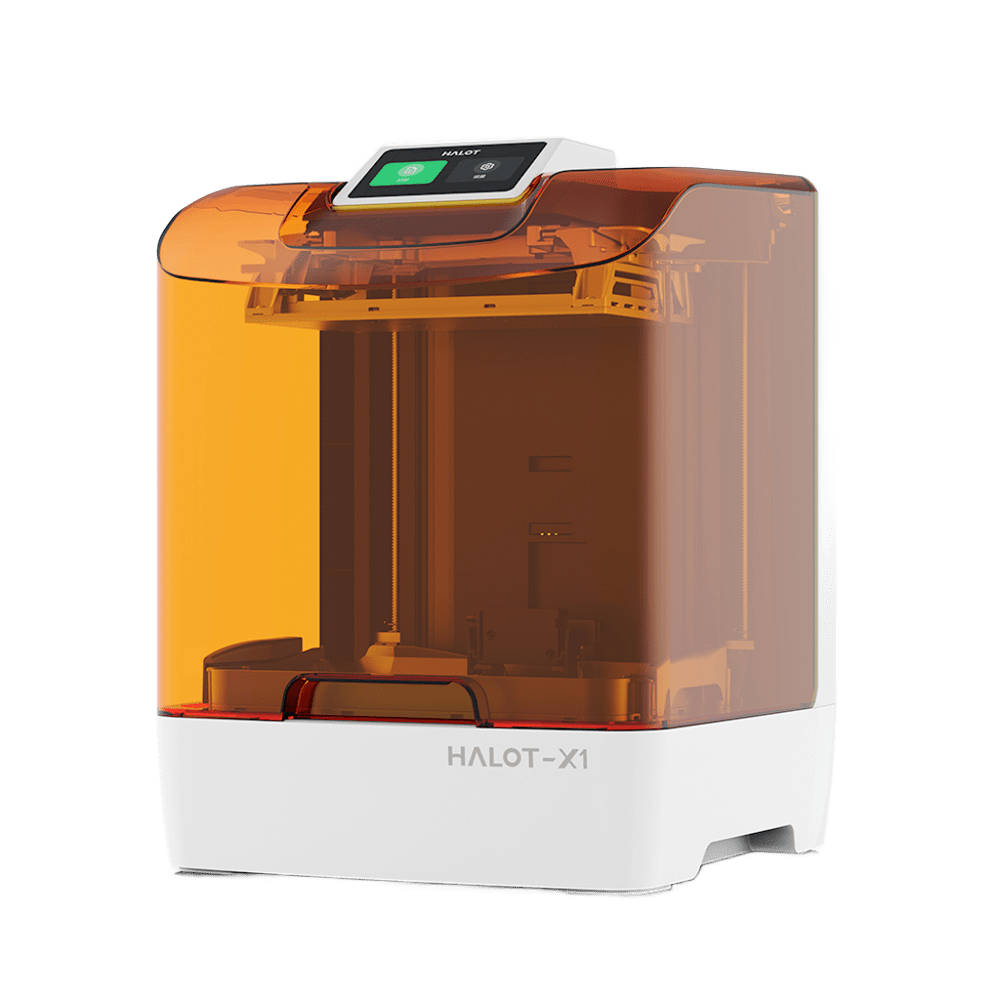
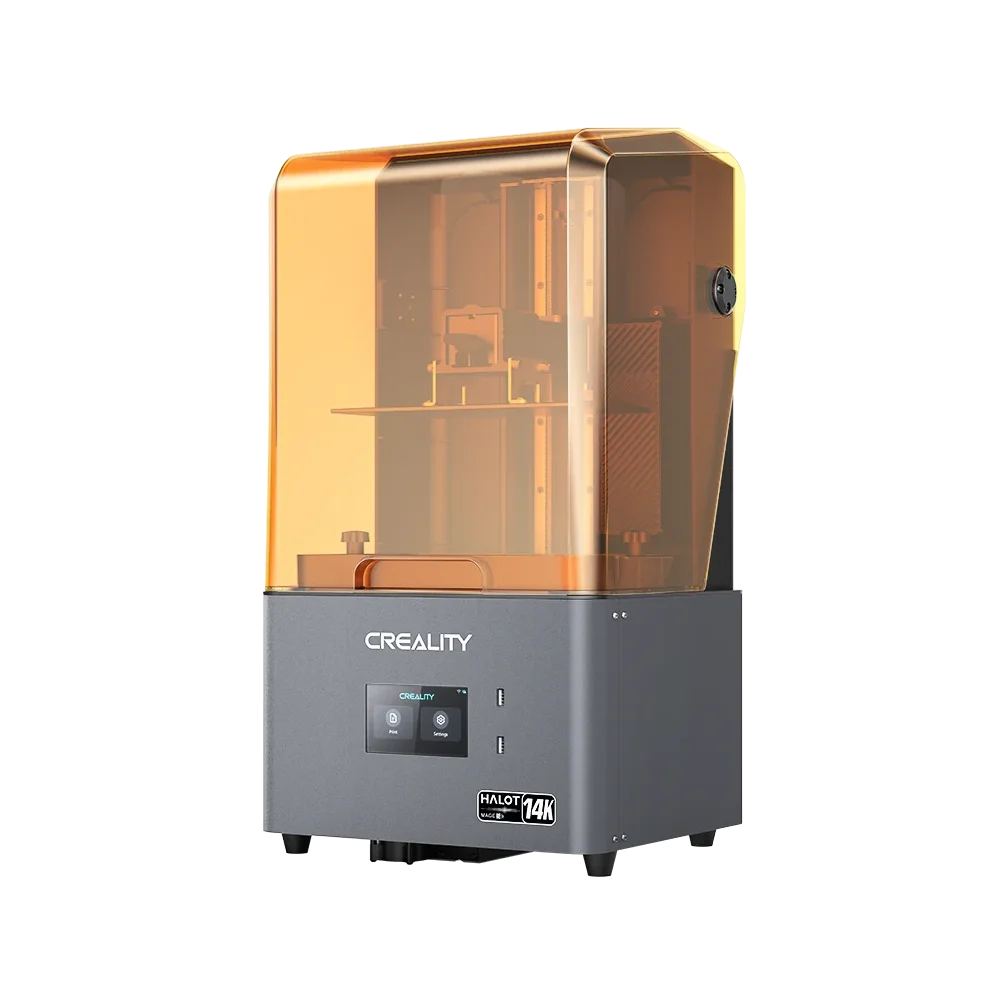
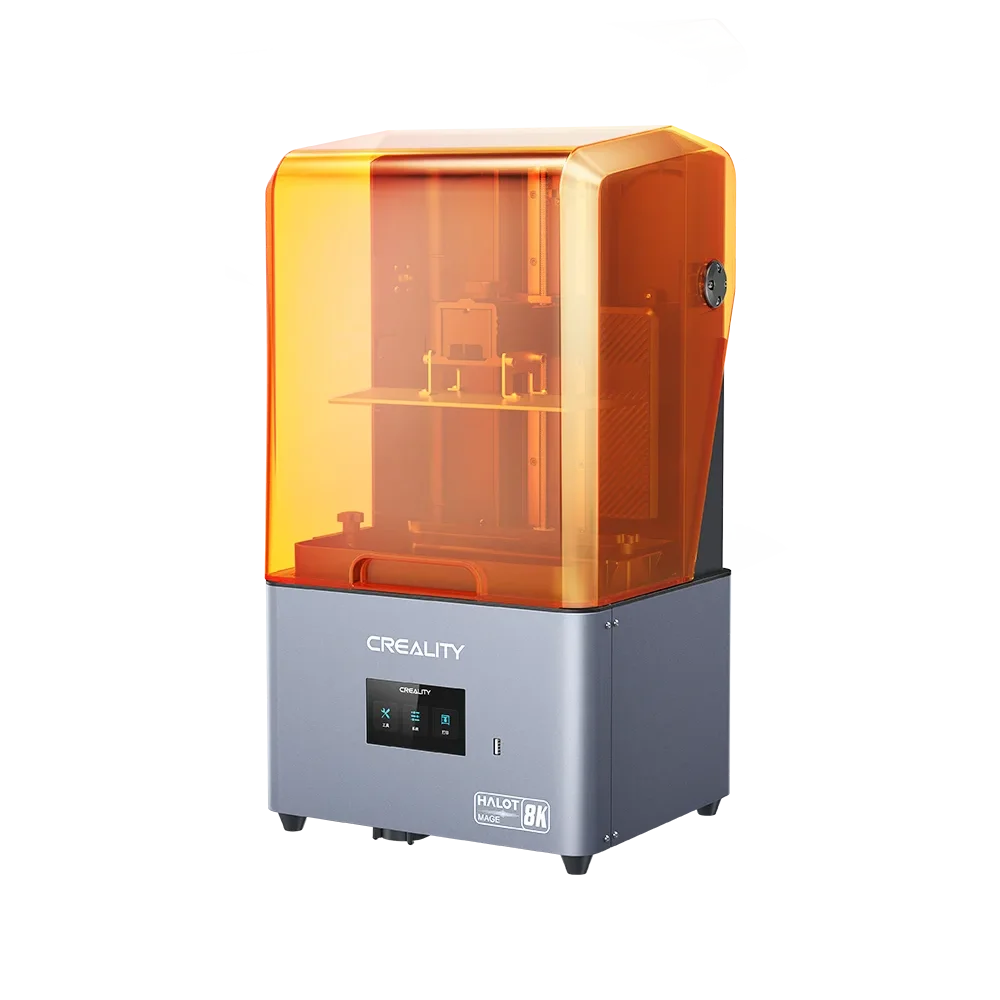



Back in the late 1980s, 3D printing started only as a specialized manufacturing process for industrial applications. But now we have it in homes, schools, and offices everywhere. As these machines become more available and affordable, a common question arises: Is 3D printing technology patented? What does it mean for people who want to use or develop these machines?
If 3D printing interests you, whether as a hobbyist, business owner, or inventor, it’s useful to understand how patents are shaping this technology. In this article, we will discuss how expired patents, open-source projects, and new ideas make 3D printing so much more accessible. To understand how we got here, we will look at both the history and the current state of patents in this rapidly evolving field.
The Origins of 3D Printing Patents
The first ever 3D printer patent was filed in 1986 by Chuck Hull for stereolithography (SLA), a process that modern resin-based printers use. It involves an ultraviolet laser turning liquid resin into solid objects, selectively, one layer at a time. This patent led to the birth of a new method of manufacturing, known as additive manufacturing.
Following Hull's invention, numerous 3D printing patents emerged. But the one that contributed the most to modern common desktop printers was Scott Crump’s patent on Fused Deposition Modeling (FDM). Since 1989, his company, Stratasys, kept control of these patents for many years. Selective Laser Sintering (SLS), another important method in the field of 3D printing, was also patented around the same time.
These early patents created a bottleneck in the 3D printing industry. Only large companies and specialized service providers were able to afford 3D printers. While small businesses, educators, and individual creators were far out of reach of the technology.
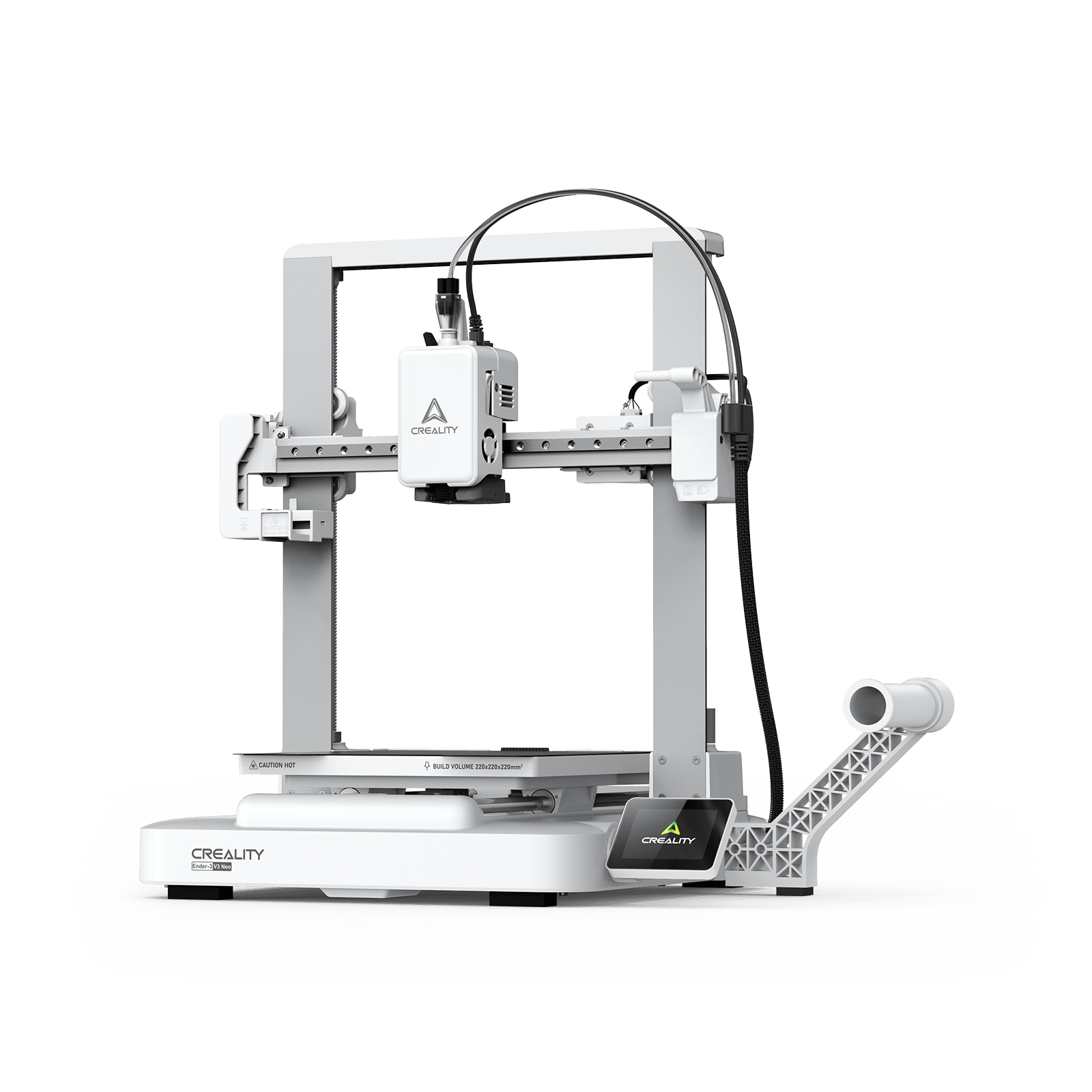
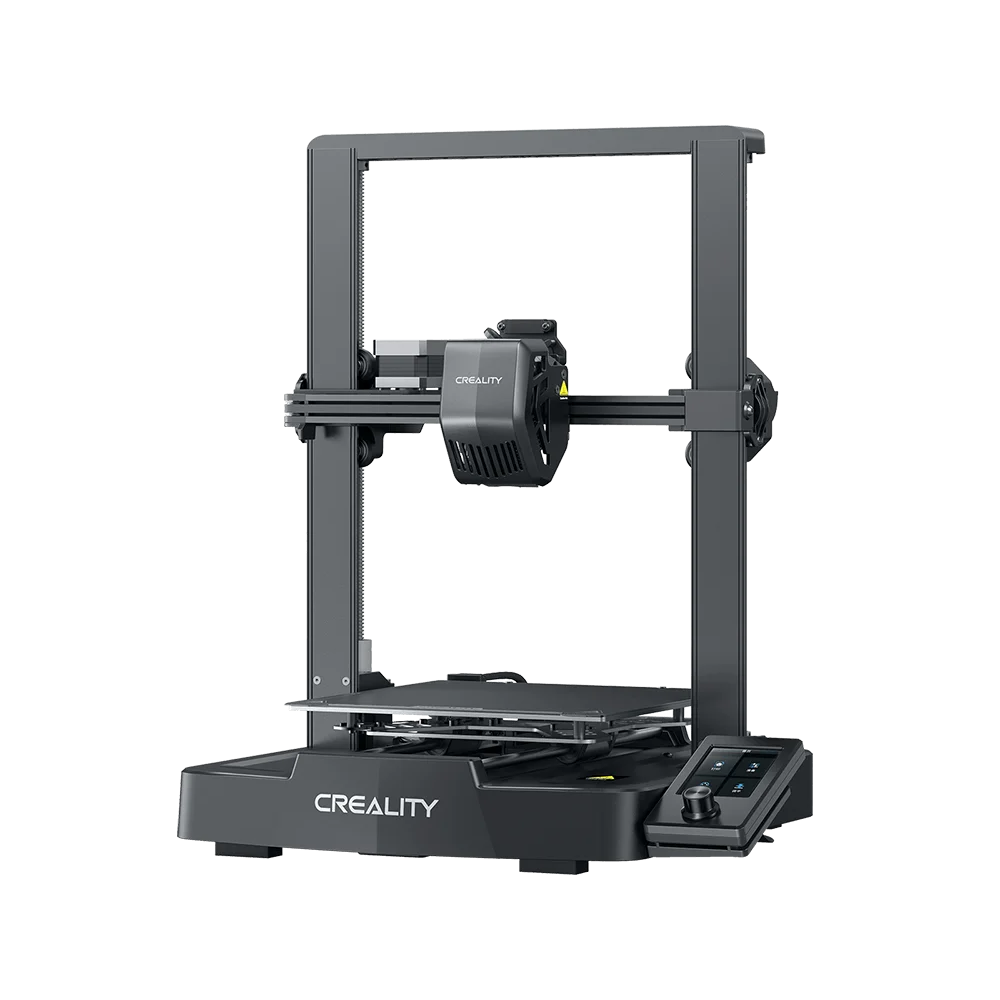
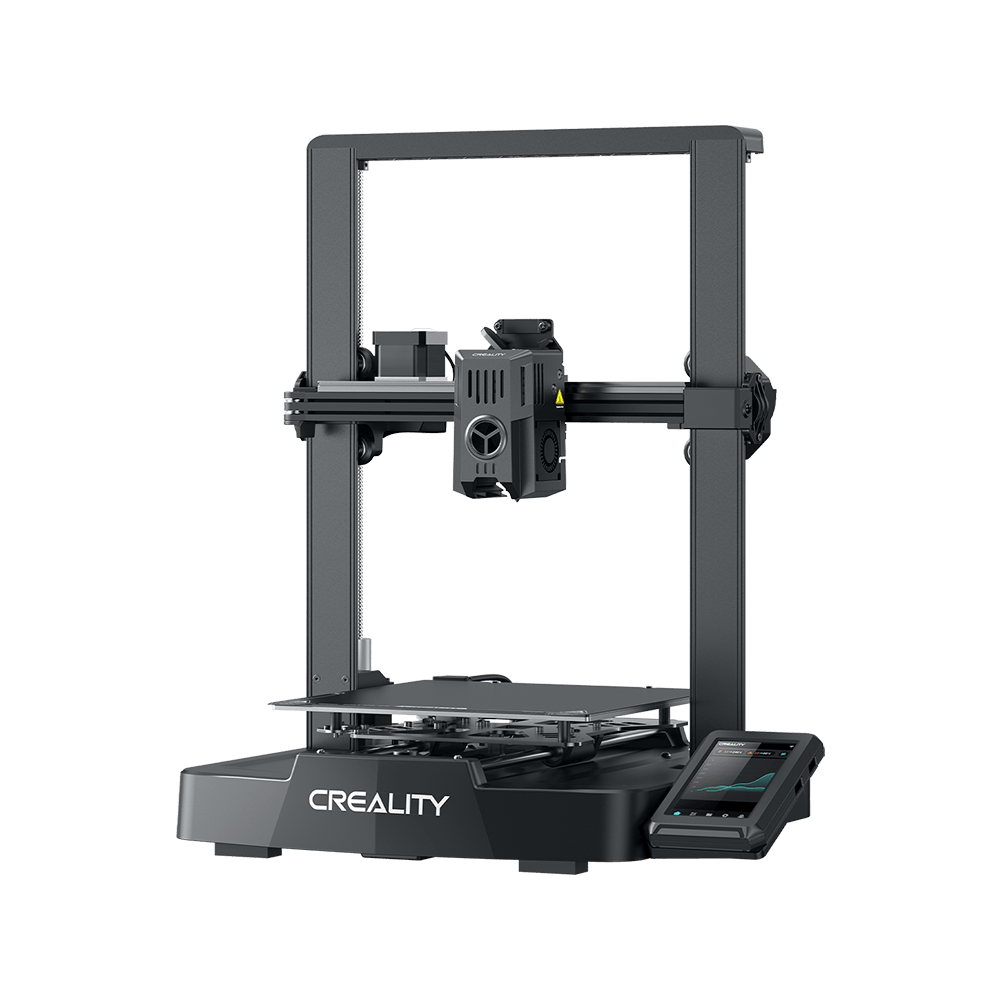
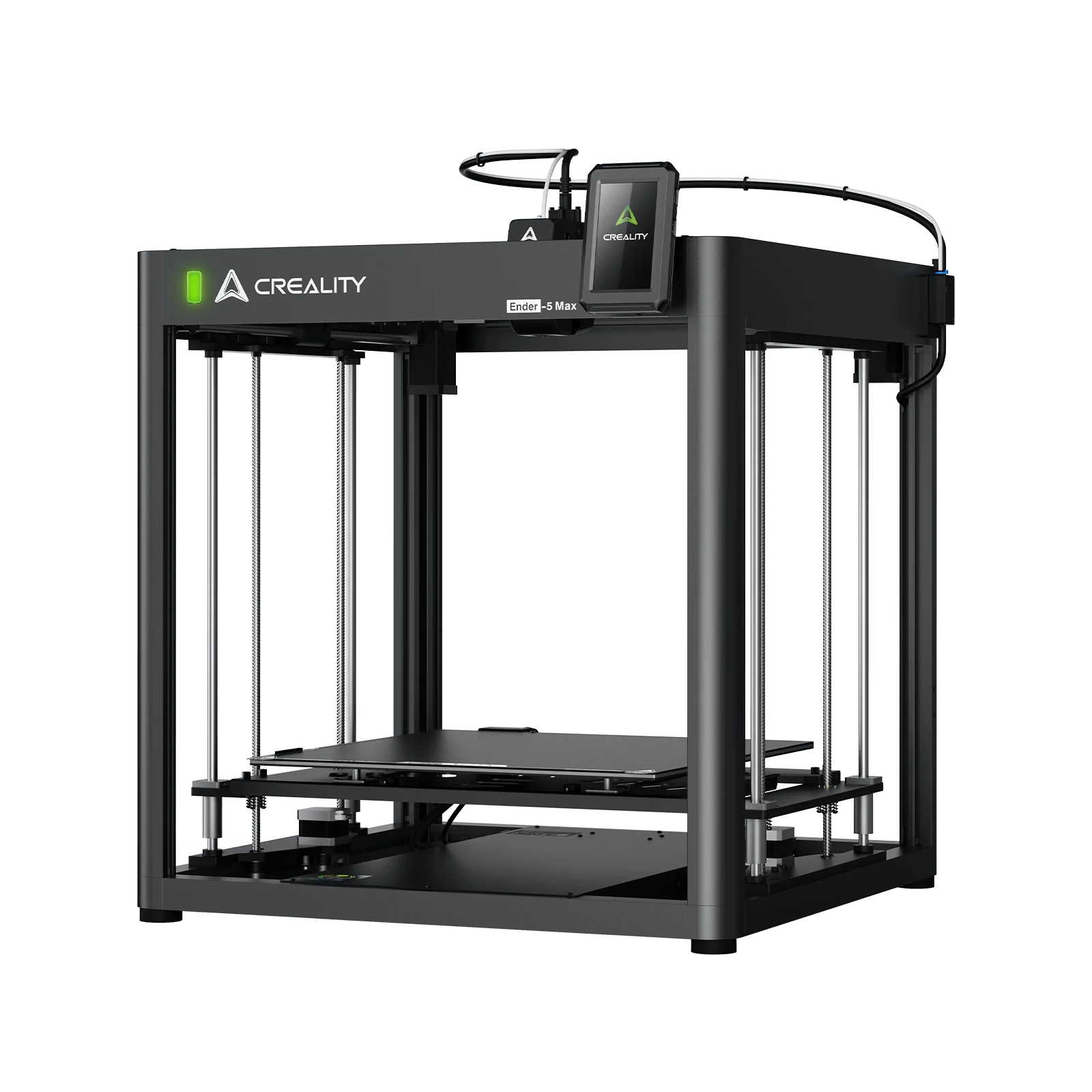
However, things changed when the main patents began to expire in the late 2000s and early 2010s. When some of the key FDM patents expired around 2009, it kicked off what many call the '3D printing revolution.' Design and development of FDM printers now face no legal issues. This new freedom led to the famous open-source RepRap project and paved the way for companies like Creality and Prusa to offer innovative, affordable machines.
Current State of 3D Printing Patents
The current situation with 3D printing patents is interesting. The idea of 3D printing in general is no longer protected by patents. That said, new patents are still being filed regularly. Confusing, right? To understand 3D printer patents today, it's important to get a general idea of which old patents have expired and which new ideas are still protected.
Recent 3D printing patents focus more on specific enhancements and innovations rather than general, overarching improvements. Companies have shifted focus to patenting particular mechanisms for quality and usability improvements, such as advanced bed-leveling systems, novel extruder designs, or innovative methods for reducing warping. Software algorithms that optimize print paths, support generation techniques, and methods for detecting print failures represent another active area of patent activity. Patents are also being filed for specialized print materials, such as those for bioprinting or high-temperature use cases.
Since patents now focus on specific improvements instead of broad ideas, companies like Creality can build on top of expired core patents and add their own unique features. For example, anybody can use the basic idea of FDM printing, but a company could patent a specialized dual extrusion system or a newer way to load filament automatically. These specialized patents are what encourage innovation and boost the growth of this technological field.
Implications for Users and Businesses
When the main 3D printing patents expired, the door to a massive number of possibilities opened up for this field. Prices came down from $20,000 or more to just $200 or less for a basic 3D printer, thanks to the innovations that took place once engineers and entrepreneurs got their freedom to develop new machines.
Individuals and hobbyists benefited the most, with access to manufacturing at home and many machines and materials to choose from. Open-source software like Slic3r and Ultimaker has also seen a lot of innovations through forks like Bambu Studio and Prusa Slicer.
Businesses now have more freedom thanks to the current patent environment, too. Small and medium companies are now able to afford additive manufacturing on-site, making rapid prototyping and small production runs more accessible than ever before. However, 3D printer businesses still have to remain careful, as some specific features or methods may still be protected by utility patents.
The Patentability of 3D Printed Creations
While 3D printing methods are mostly no longer patented, you might still want to patent your 3D printed creations. The difference between the manufacturing process patent and the patent of the printed product itself is a crucial concept that many 3D printing beginners find confusing.
A good way to understand is to think about the most commonly used manufacturing technique - injection molding. You can injection mold a product freely, but your product must meet certain criteria to be eligible for a patent and prevent copycats. Understanding patent laws requires firm knowledge of a few essential concepts, which is not the main scope of this article. But to give you a general idea, a 3D printed product qualifies for a patent only if it’s novel, is non-obvious to someone skilled in your field, and serves a practical purpose.
The digital nature of 3D printed products can also make things complicated. While your physical 3D printed part might be patentable, the STL or CAD file falls under copyright protection. That could mean the creator of a 3D printed product may seek both a patent and a copyright, creating multiple layers of protection.
Conclusion
Now you know a little more about the journey of patents in the field of 3D printing. The transition from restrictive monopolies by large companies to an open landscape shows how patents can be a double-edged sword. Since the expiration of 3D printing patents, the field has seen massive development and innovation, making technology accessible to millions worldwide...
The basic 3D printing technologies have become off-patent, but the parts produced can still be patentable, and some companies may still hold control of them. It’s critical that we are thoughtful about each and every one of these cases and make informed decisions when it comes to patent law with 3D printing.
FAQ
Can 3D prints be patented?
Yes, 3D print part designs are patentable as long as they satisfy the standard criteria for patent protection: novelty, non-obviousness, and industrial applicability. The STL or CAD files for a 3D printed part may also need separate protection under copyright laws. However, 3D printing existing parts or designs doesn’t make them patentable. It’s just another way to manufacture it.
Is 3D printing copyrighted?
The core 3D printing processes (FDM, SLS, SLA, etc.) are physical processes that cannot be copyrighted. The CAD models for 3D printing however, may be copyrighted if they are original and contain creative elements. For example, a sculpture 3D print may be copyrighted by an artist, while a car part 3D model may not qualify for copyright protection.
Who patented 3D printing?
Chuck Hull first patented stereolithography (SLA) in 1986. However, multiple different approaches to 3D printing have been patented over the years. Scott Crump, founder of Stratasys, patented Fused Deposition Modeling (FDM), which is the basis for most modern desktop 3D printers.
Can you legally sell 3D printed items?
Yes, you can legally sell 3D printed items, but only with the right to produce and sell the specific design you are printing. A 3D printed design may require permission from the copyright holder, as well as a patent holder for the physical object. Some Creative Commons licenses may allow commercial use if you comply with safety standards and regulations for their specific use.