


Save costs, solve rare part issues, and unlock new business opportunities. In automotive repair, access to parts is often the real bottleneck. For vehicles like Porsche, even simple components can become expensive or impossible to source. The issue is rarely complexity, but availability. In many cases, the only options are to wait or overpay. 3D scanning changes this dynamic.
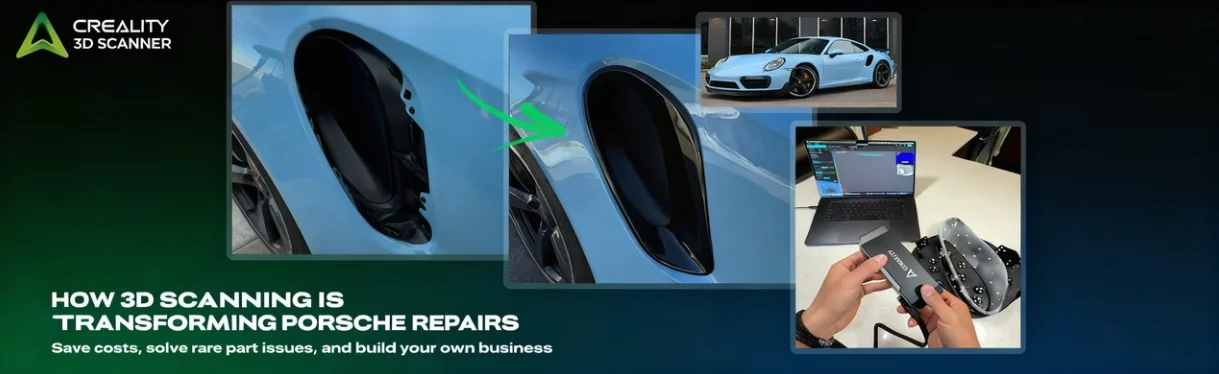
By capturing existing geometry and converting it into usable digital models, parts can be reproduced independently. This turns a supply problem into a reverse engineering workflow, where accuracy and data matter more than availability. What once required industrial setups is now becoming practical in everyday workshop environments.
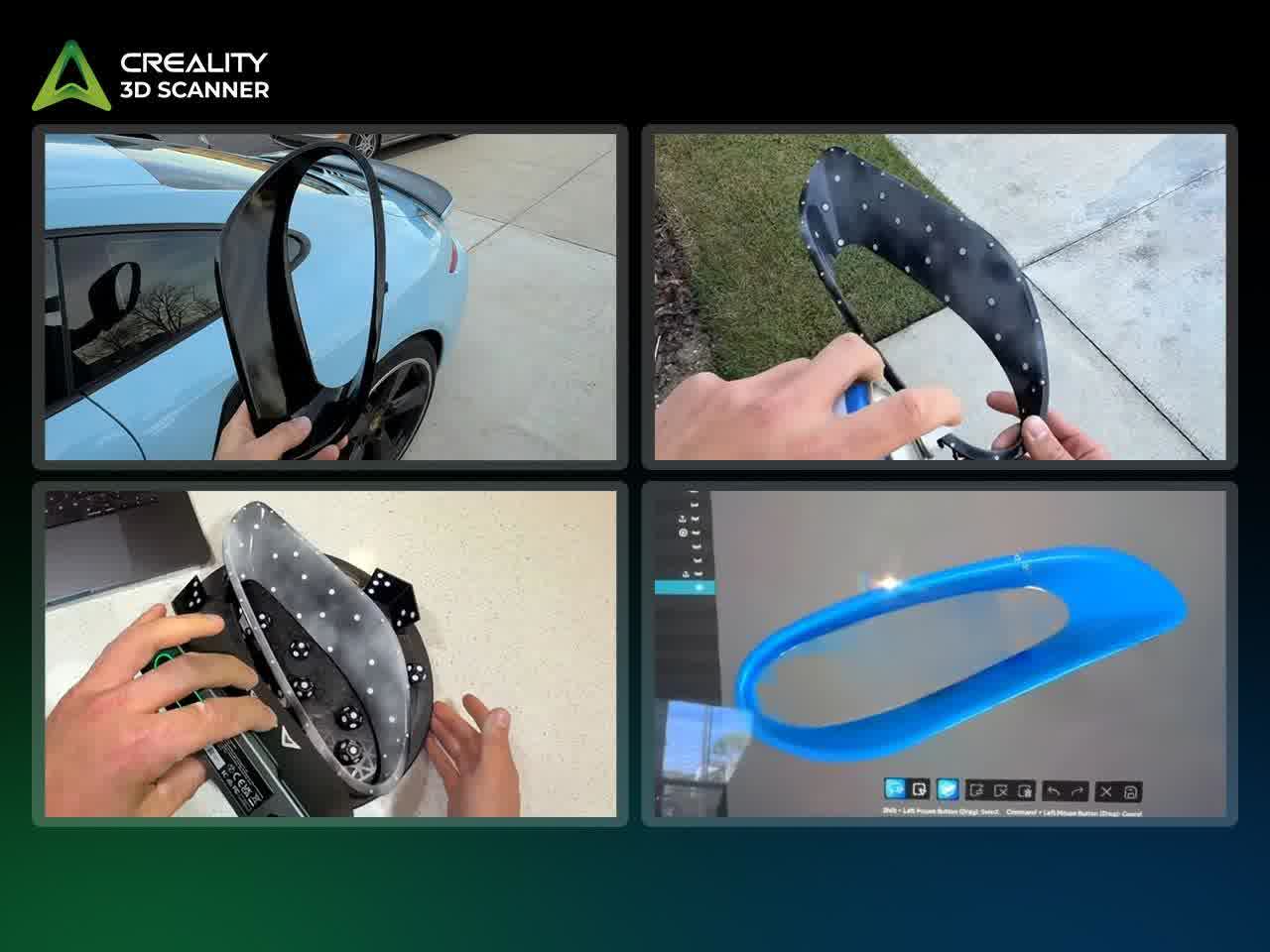
Example from users
A Real Case: Rebuilding a Porsche Air Duct
In a recent project, creator @hayden.schreier shared a clear example of this shift. A rear air duct on a Porsche 911 Turbo S needed replacement. The OEM part was priced at around $2,000, which is difficult to justify for a plastic component. Rather than sourcing the part, he scanned the intact side of the vehicle and used it as a reference.
This turns a supply issue into a geometry problem. Once the geometry is captured accurately, the rest of the process becomes predictable and repeatable.
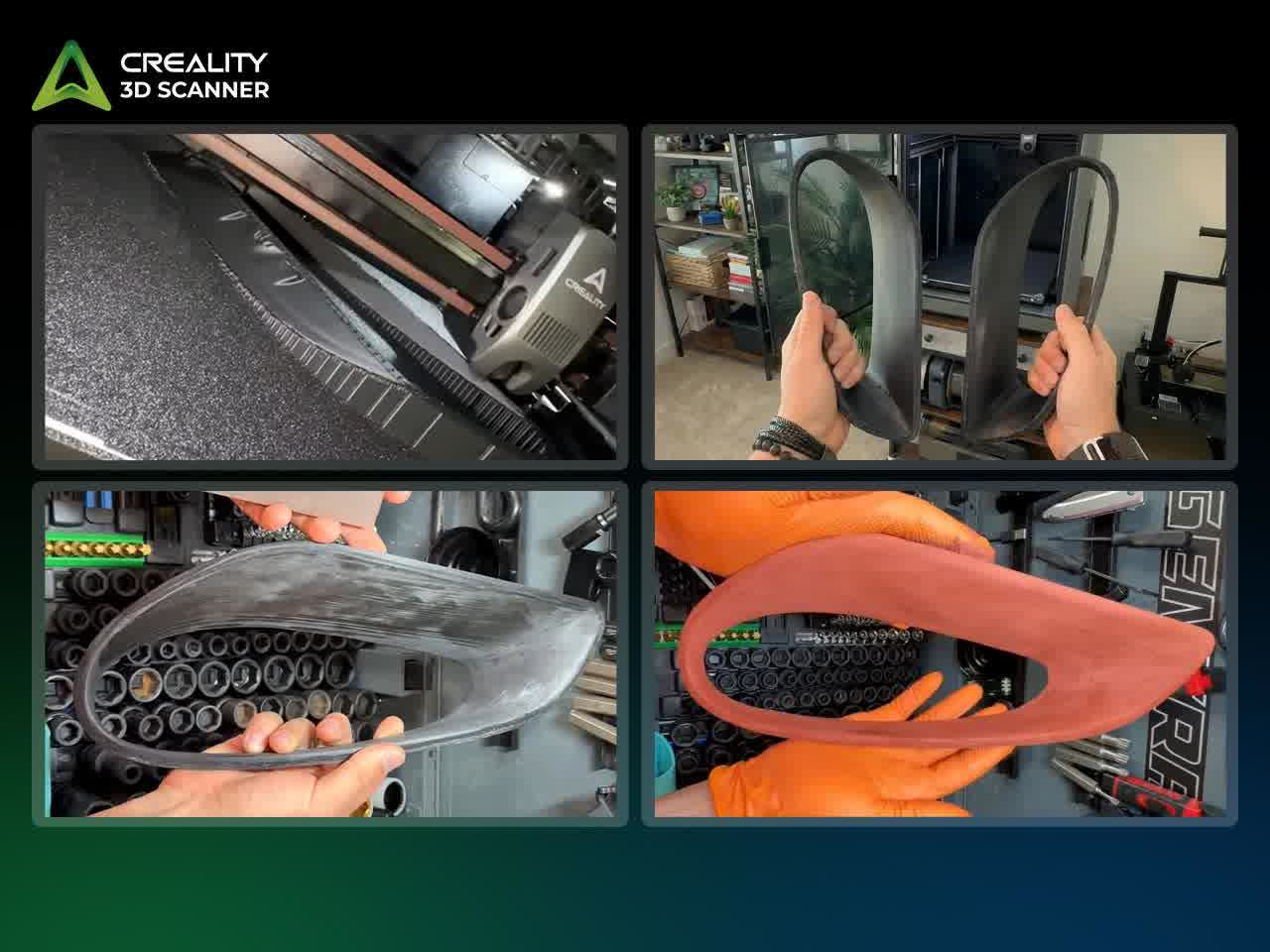
Real Workflow
Capturing Geometry That Can Be Used
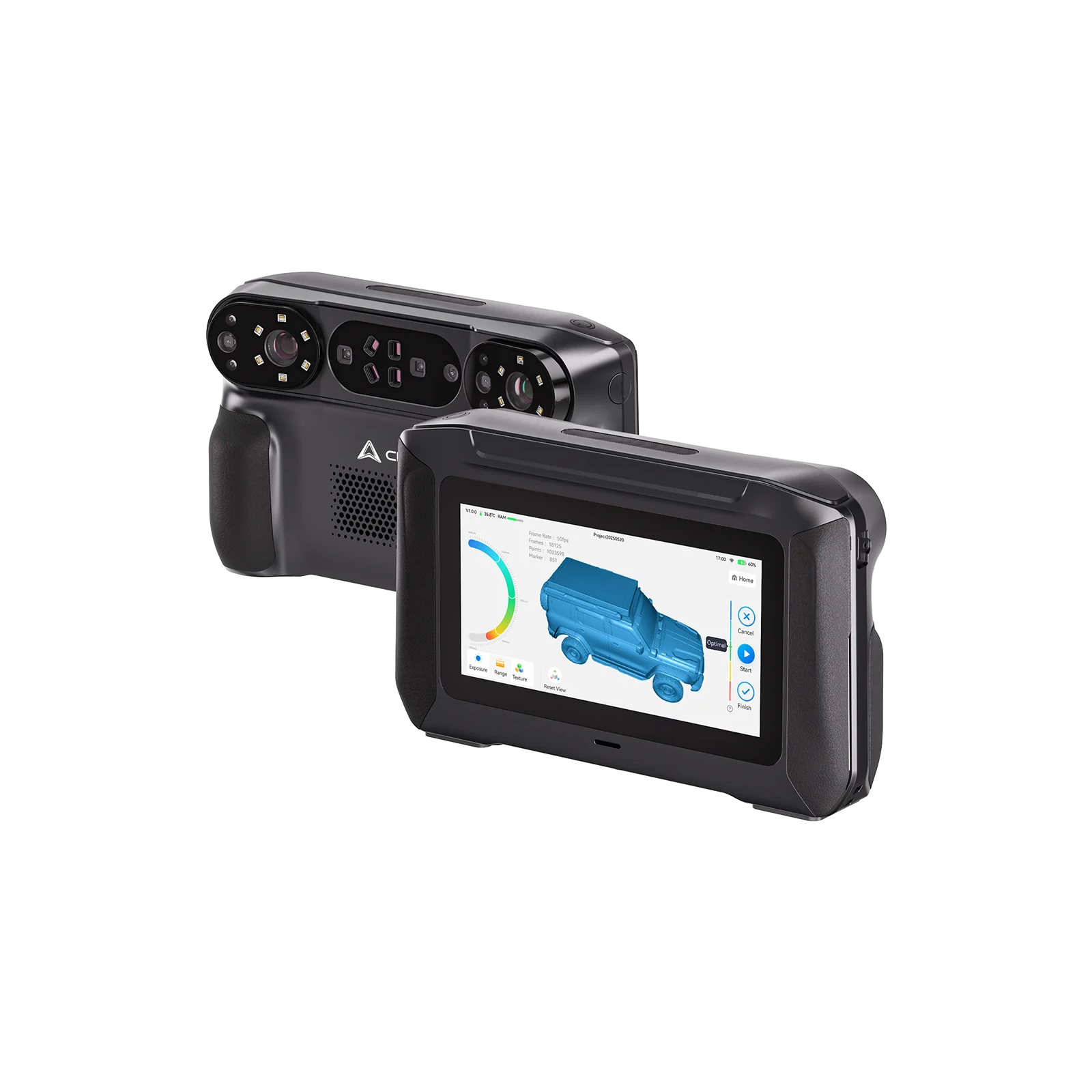
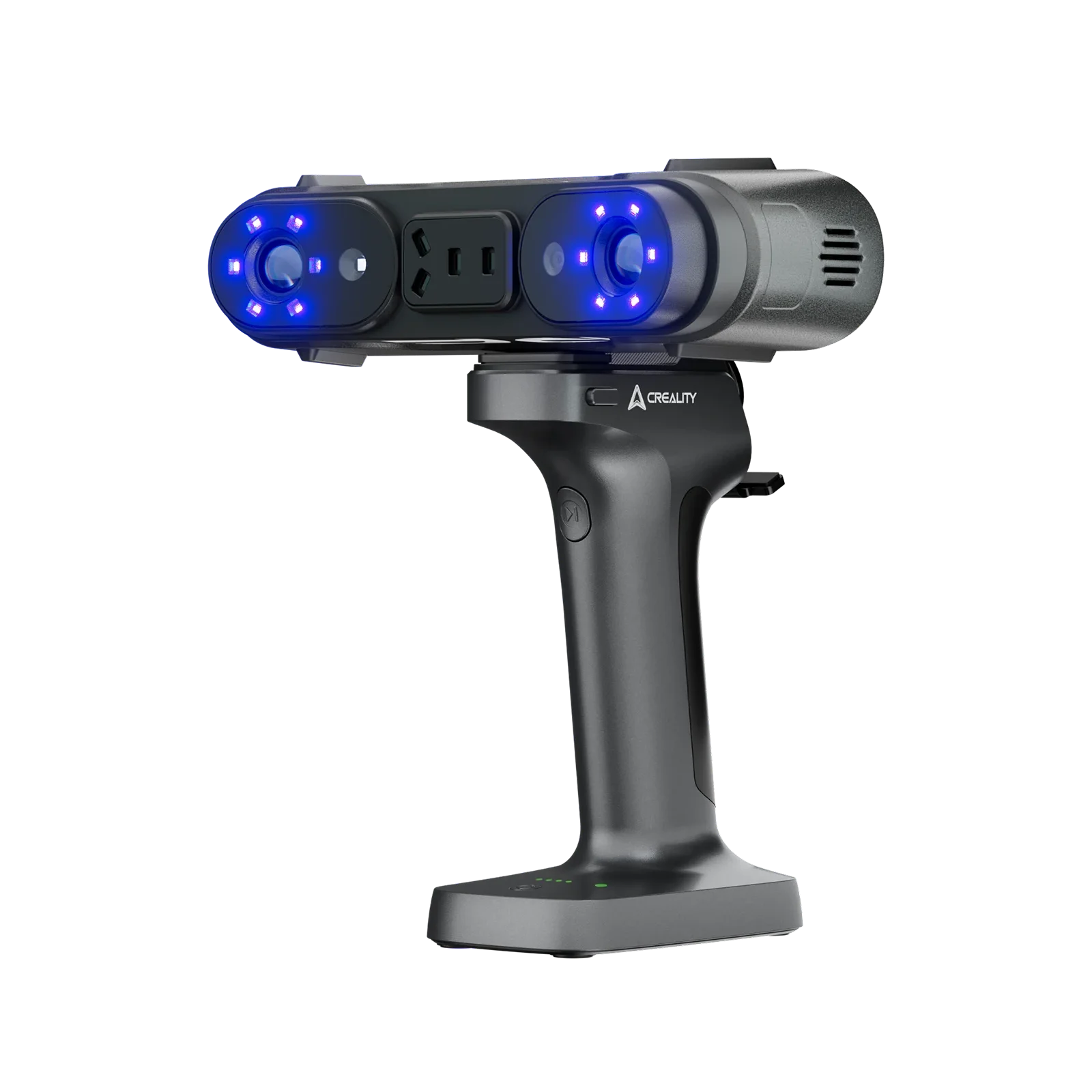
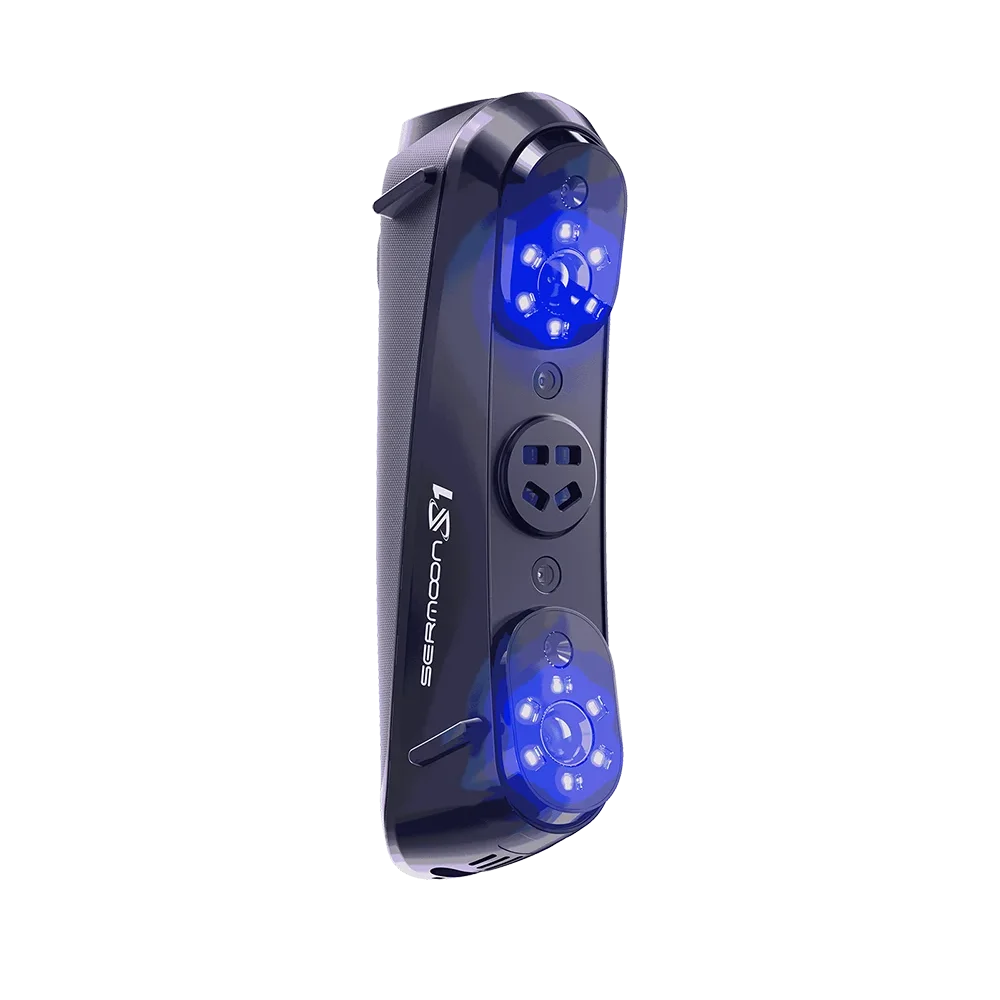
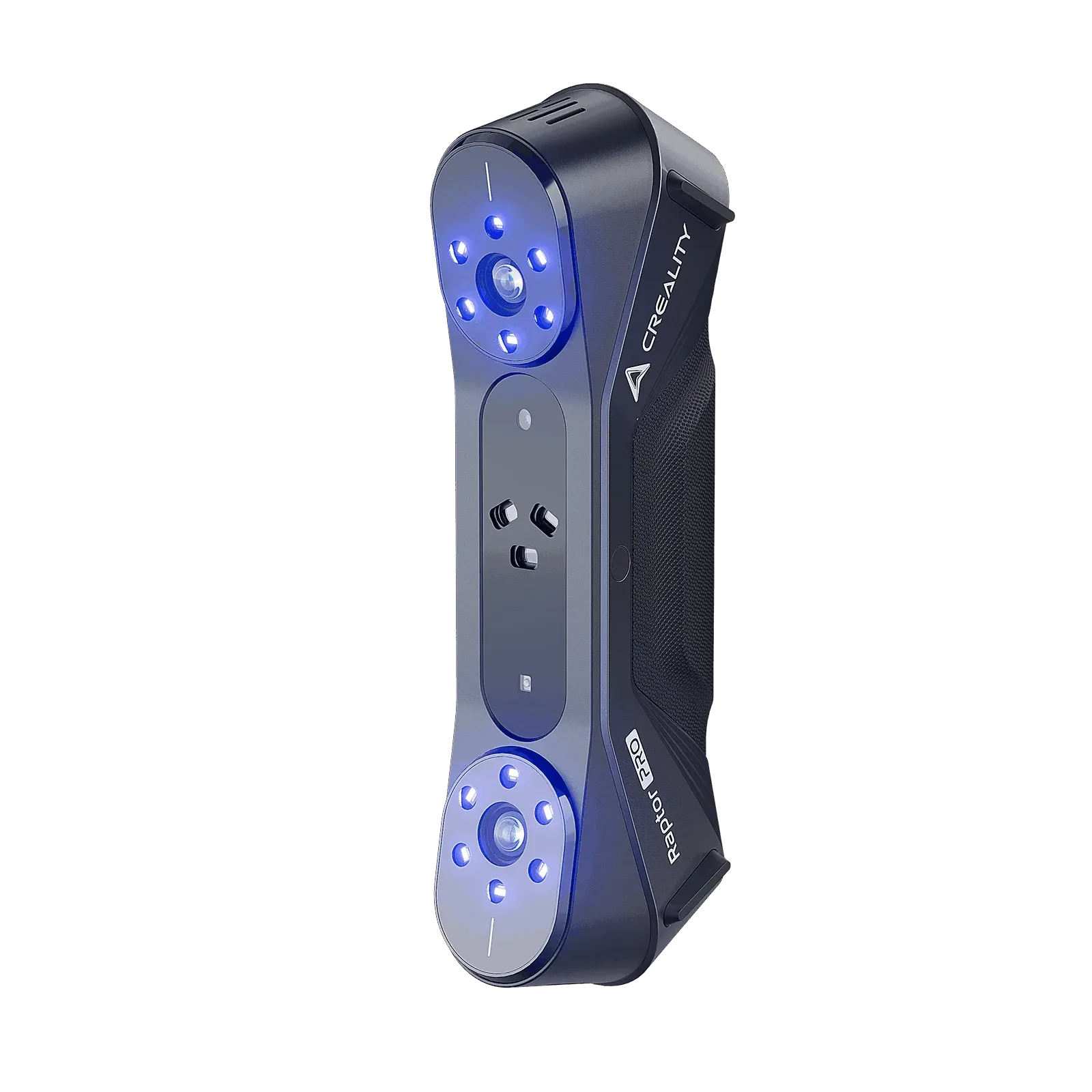
Data capture is the most critical step in this workflow. Creality 3D scanners can reach up to 0.02 mm accuracy, which is enough to preserve key functional details like clips, edges, and mounting points. That precision is what separates a part that only looks right from one that actually fits.
Scale flexibility also matters. Automotive parts often combine small details with larger smooth surfaces. Multi-lens systems help capture both efficiently, improving tracking stability on smooth plastics and complex curves.
What the Workflow Looks Like in Practice
The process itself is straightforward, but execution quality matters.
Preparation Reflective plastic surfaces are treated with scanning spray. Markers can be added when needed to improve alignment.
Scanning The part is captured from multiple angles to ensure full coverage. With frame rates around 20 fps, handheld scanning becomes fluid enough to move naturally around the object while maintaining consistent data capture.
Stabilization algorithms and single-frame 3D imaging reduce the risk of tracking loss, which is especially useful for longer scans or less controlled movements.
Environmental flexibility also plays a role. Structured light systems that can operate in brighter environments make it possible to scan directly in a garage or workshop instead of a controlled lab.
Reconstruction The scan data is processed into a clean model. In this case, the geometry was mirrored to recreate the missing side, which is a common and effective method in automotive reverse engineering.
Printing and Validation
A test print is typically used to verify fitment before final production. Once confirmed, the final part is produced using materials suited for automotive conditions. Post-processing ensures both functional performance and visual consistency.
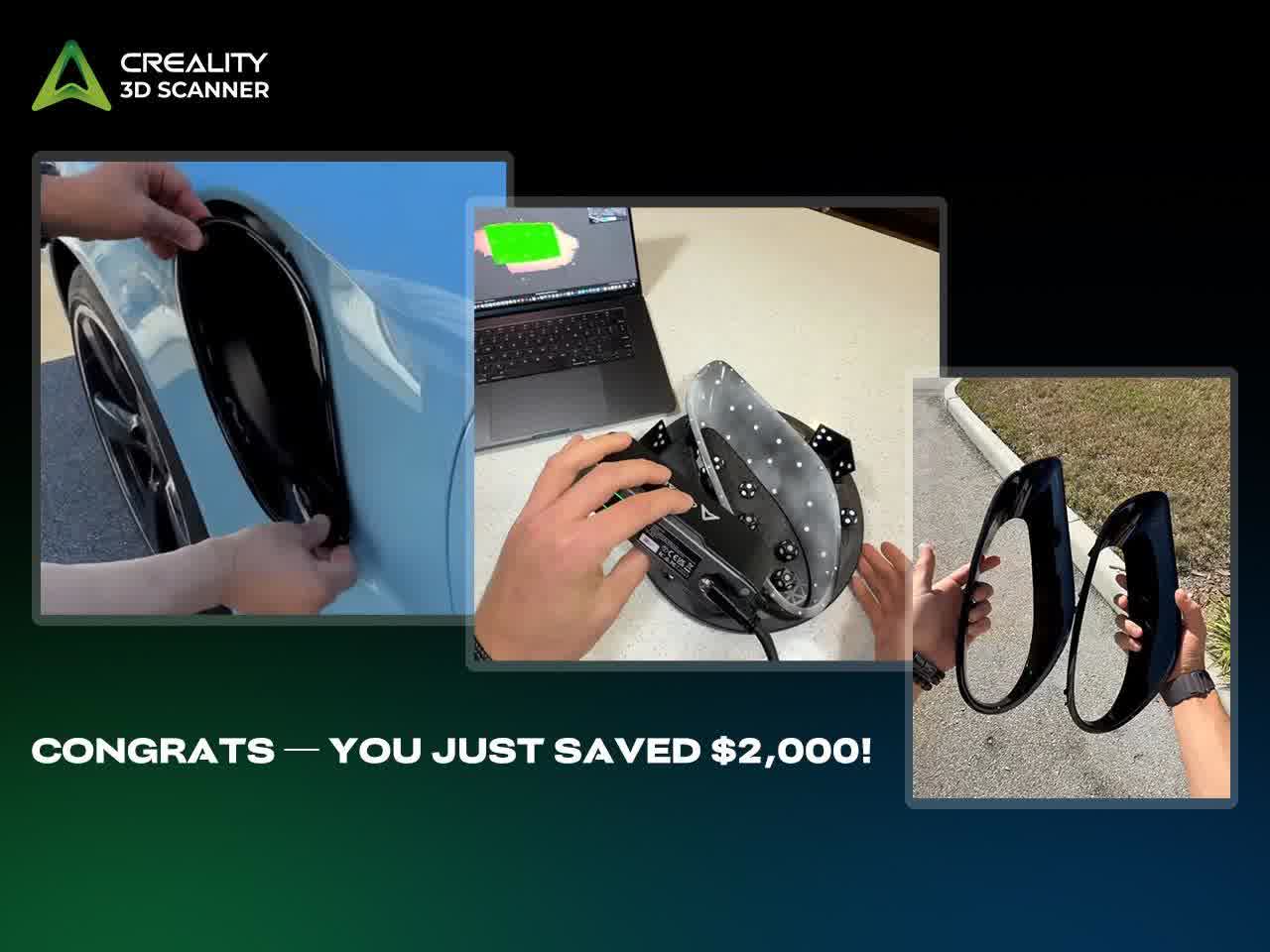
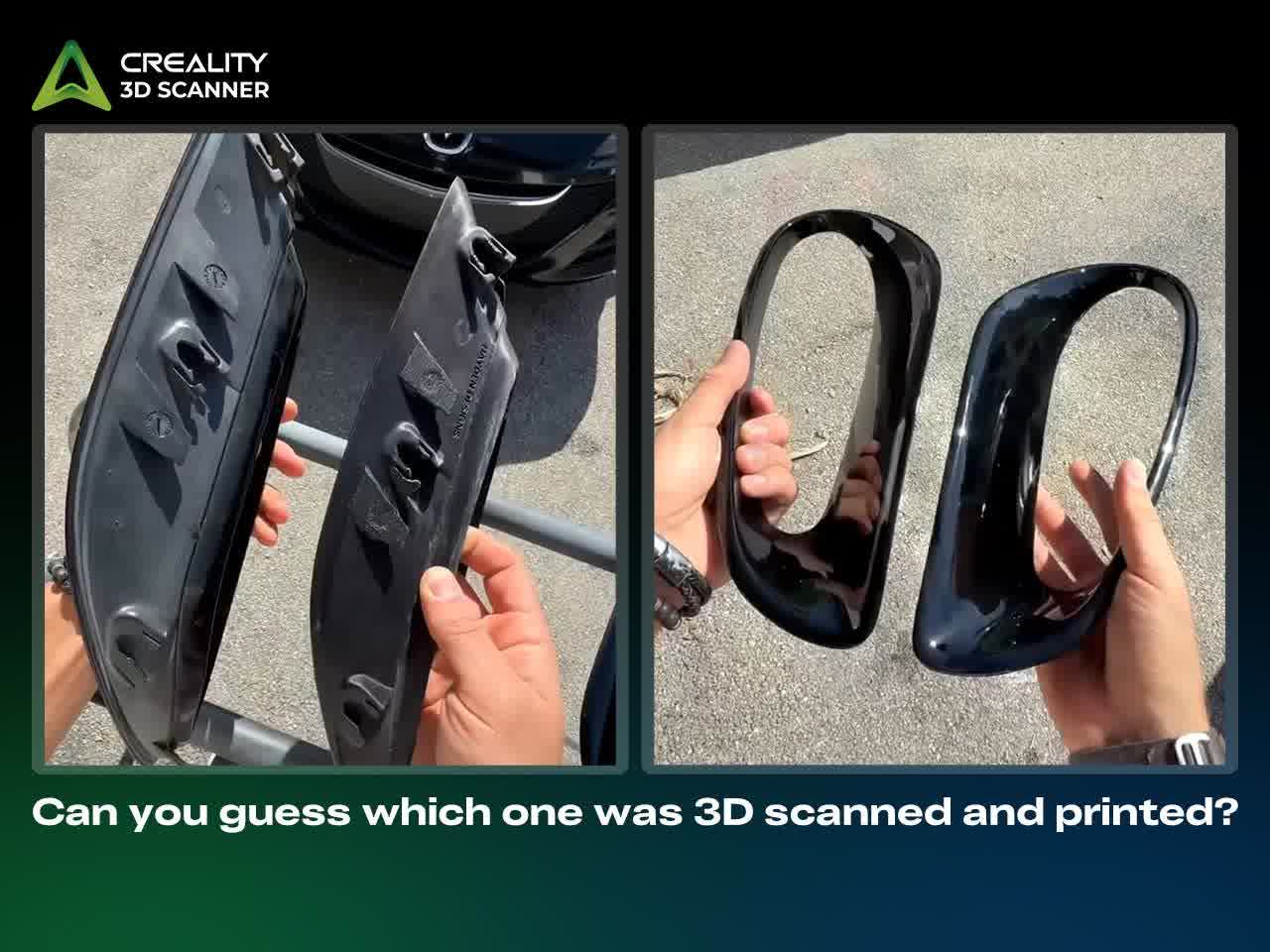
The Result
The recreated component fits as expected.
It performs its function, aligns visually with the original, and replaces a high-cost OEM part with a significantly more accessible solution. However, the more important takeaway is not just cost savings.
A Shift in Capability
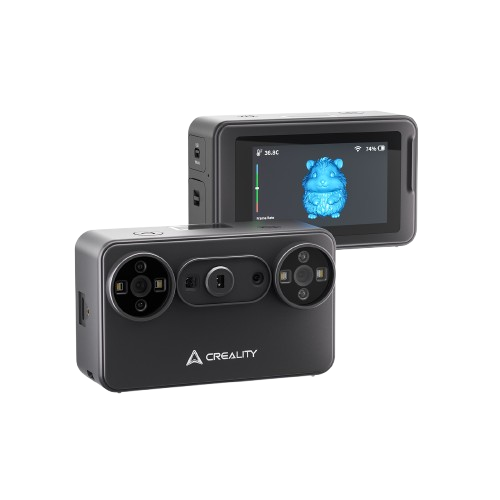
With the Creality Otter, this case highlights clear practical opportunities. This opens up several practical opportunities:
-
Reproducing discontinued parts
-
Supporting custom modifications
-
Offering reverse engineering services
-
Building small, specialized repair businesses
A missing part is no longer just a problem. It can become the starting point for a new solution or even a business opportunity. Follow for more insights on how 3D scanning is being applied in real-world automotive and engineering workflows.