













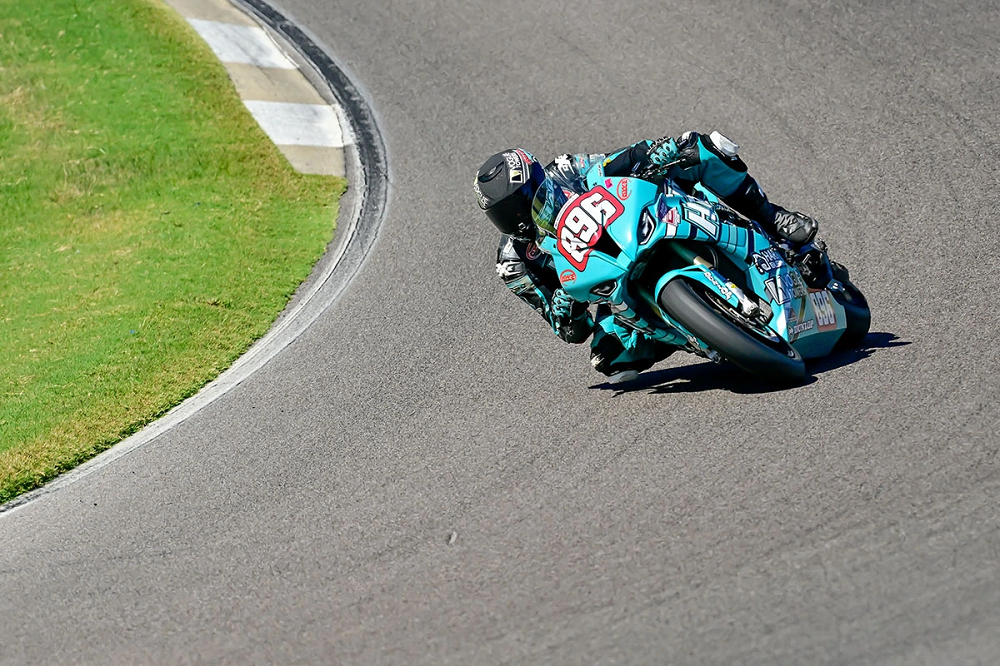
In motorcycle racing, performance improvements often come down to small details. A damaged component, a mounting adjustment, or a change in aerodynamics can affect how a bike performs on the track. For amateur racing teams, however, developing and replacing custom parts can be costly and time-consuming.
Hart Racing, a U.S.-based amateur motorcycle racing team led by rider Philip Hart, is using 3D printing and scanning solutions to address these challenges. By bringing digital manufacturing directly into its racing workflow, the team can reverse-engineer components, produce functional parts on demand, and explore new ways to improve performance.
Bringing Digital Manufacturing to the Racetrack
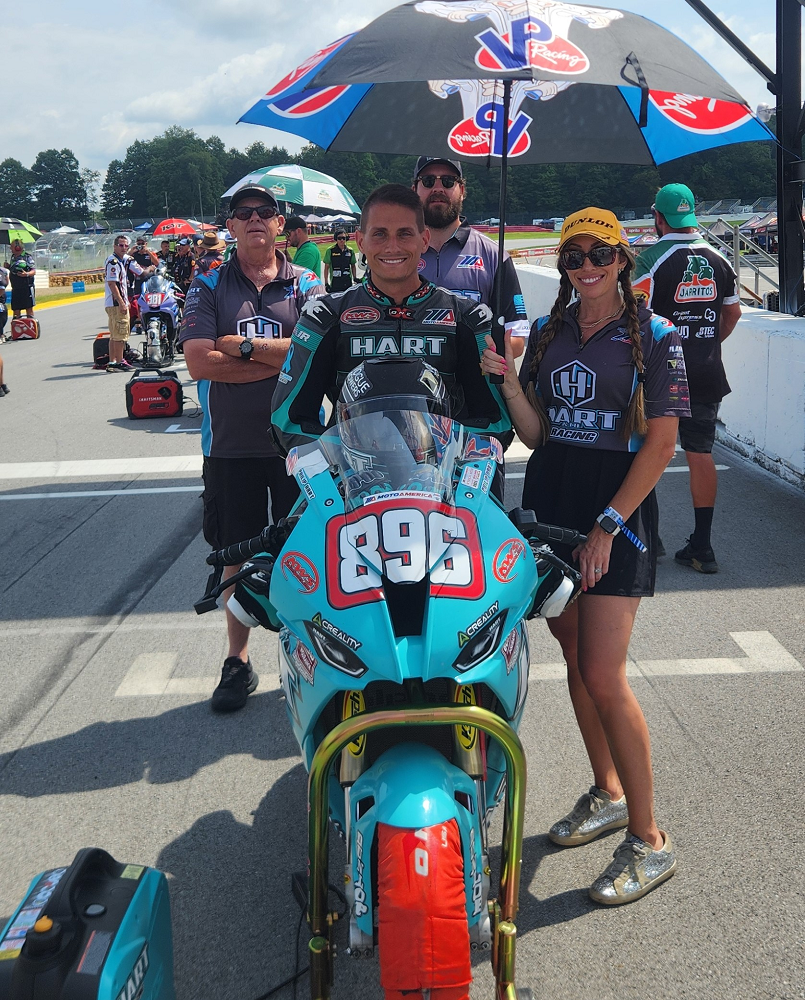
Hart Racing competes in MotoAmerica and local racing events, where continuous testing and adjustment are essential. Traditional manufacturing can make it difficult for the team to adapt quickly, especially when custom parts need to be modified or replaced.
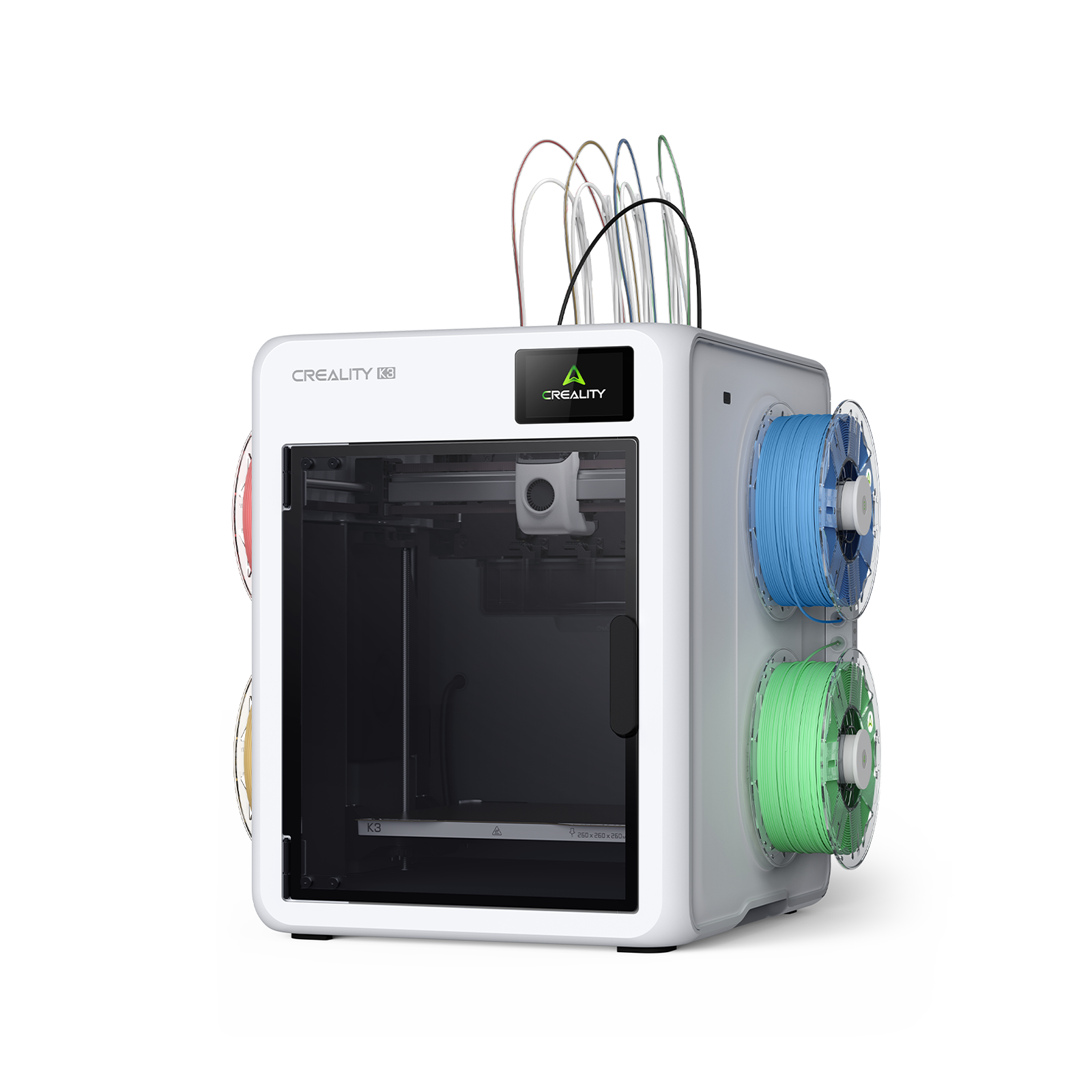
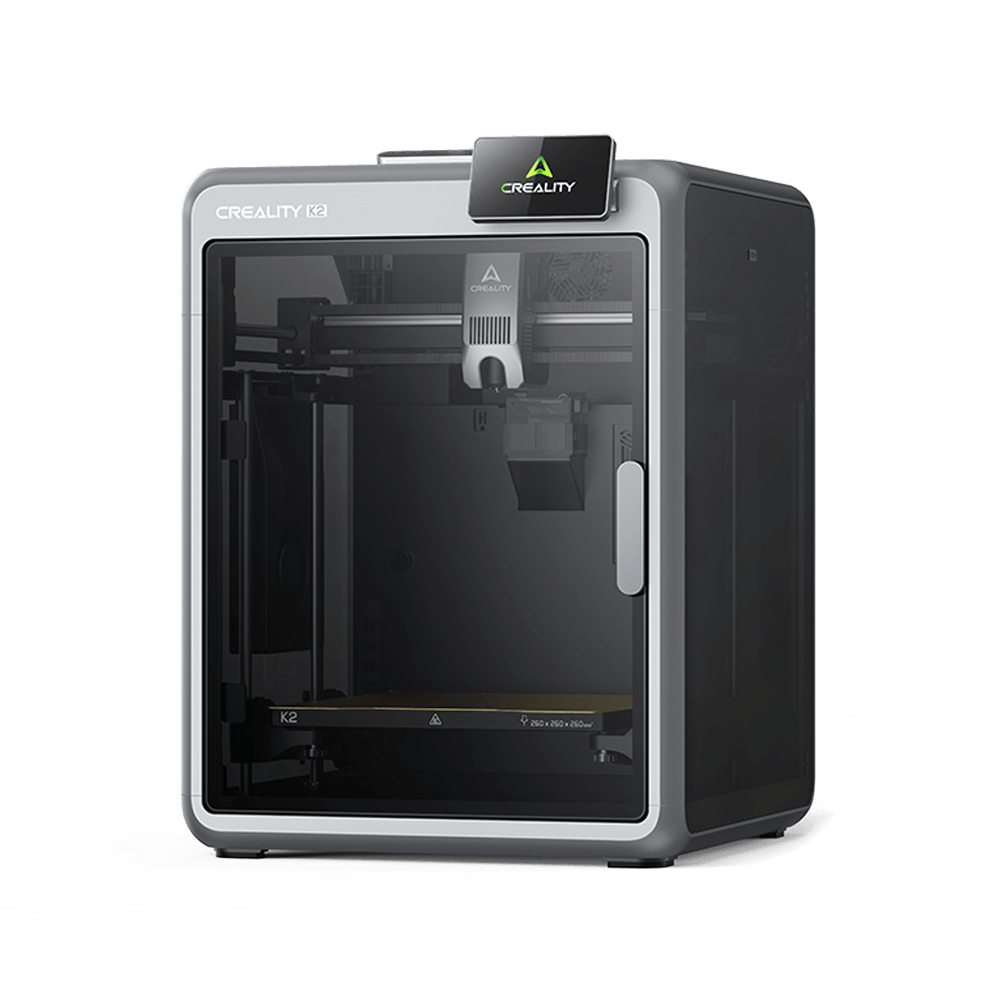
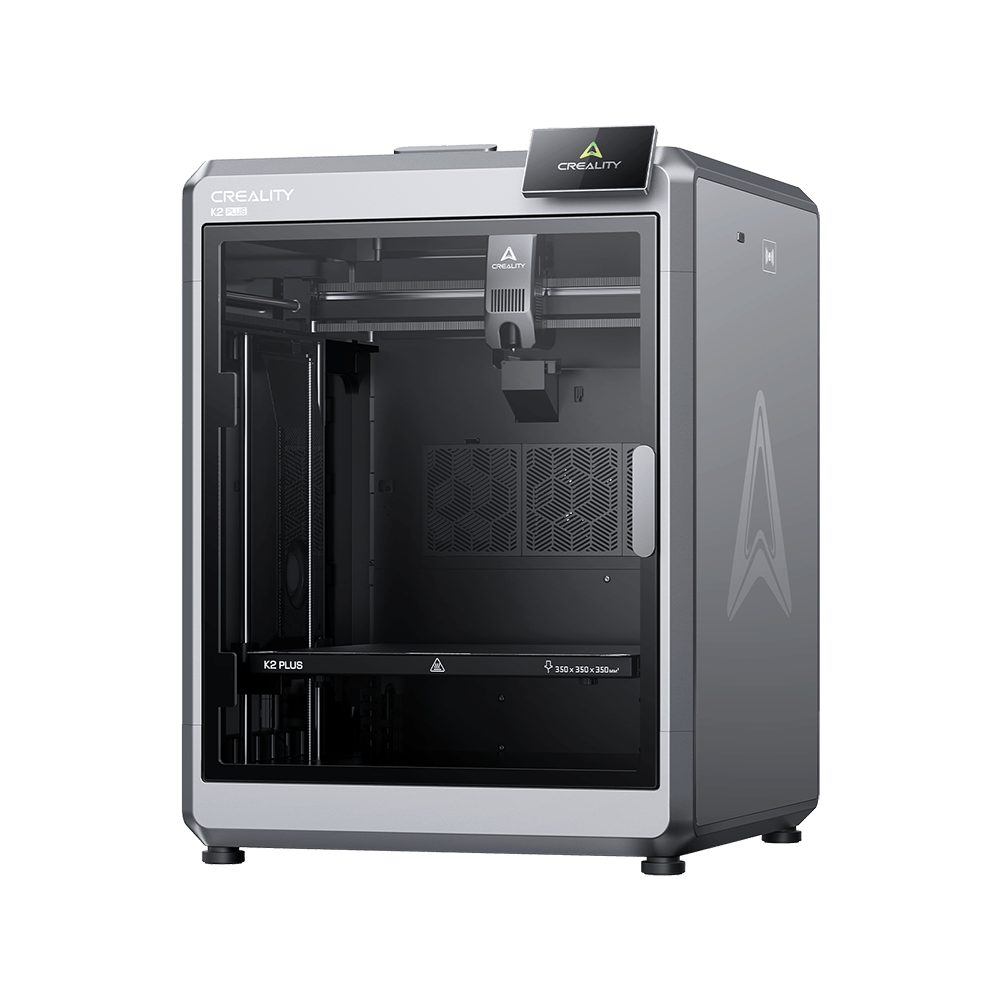
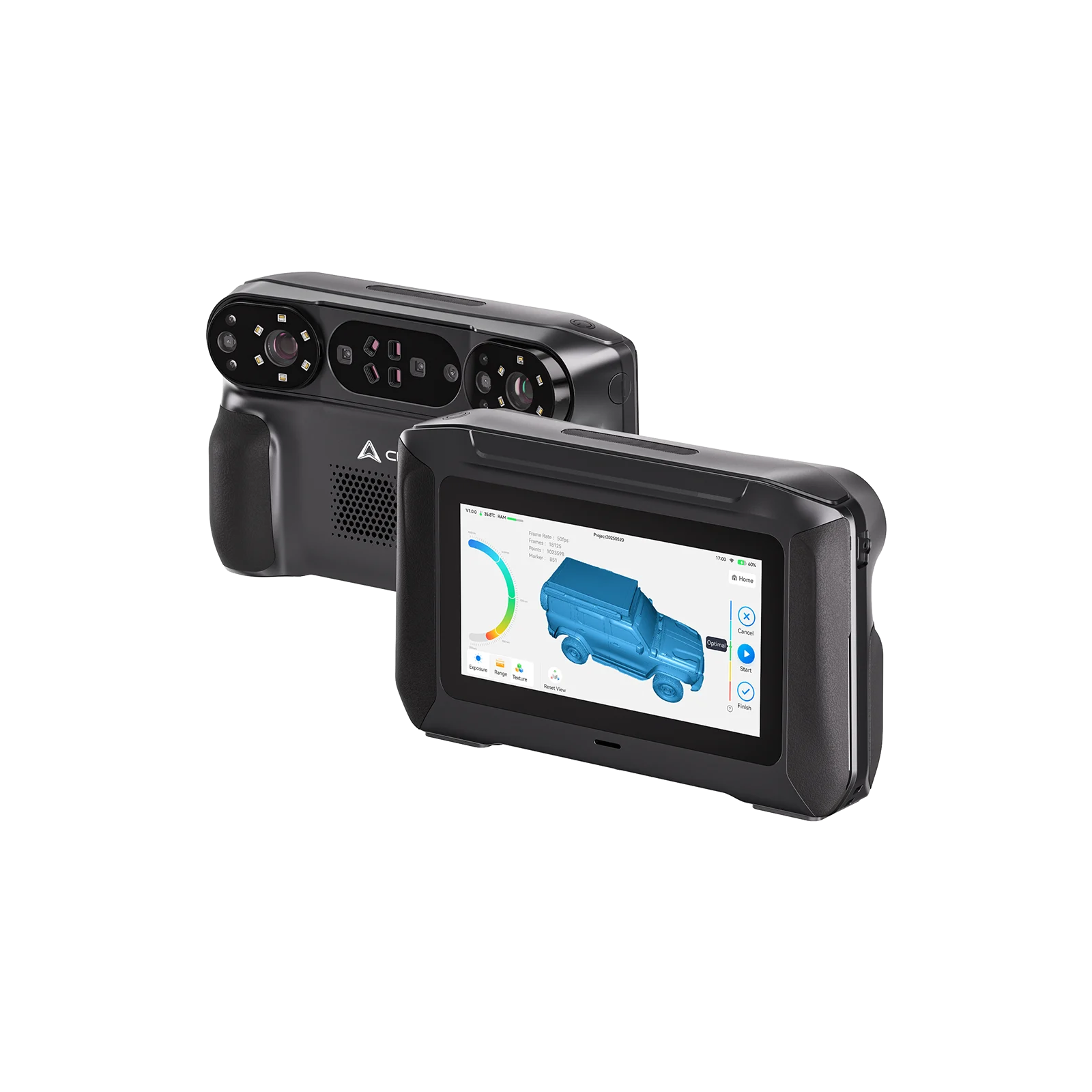
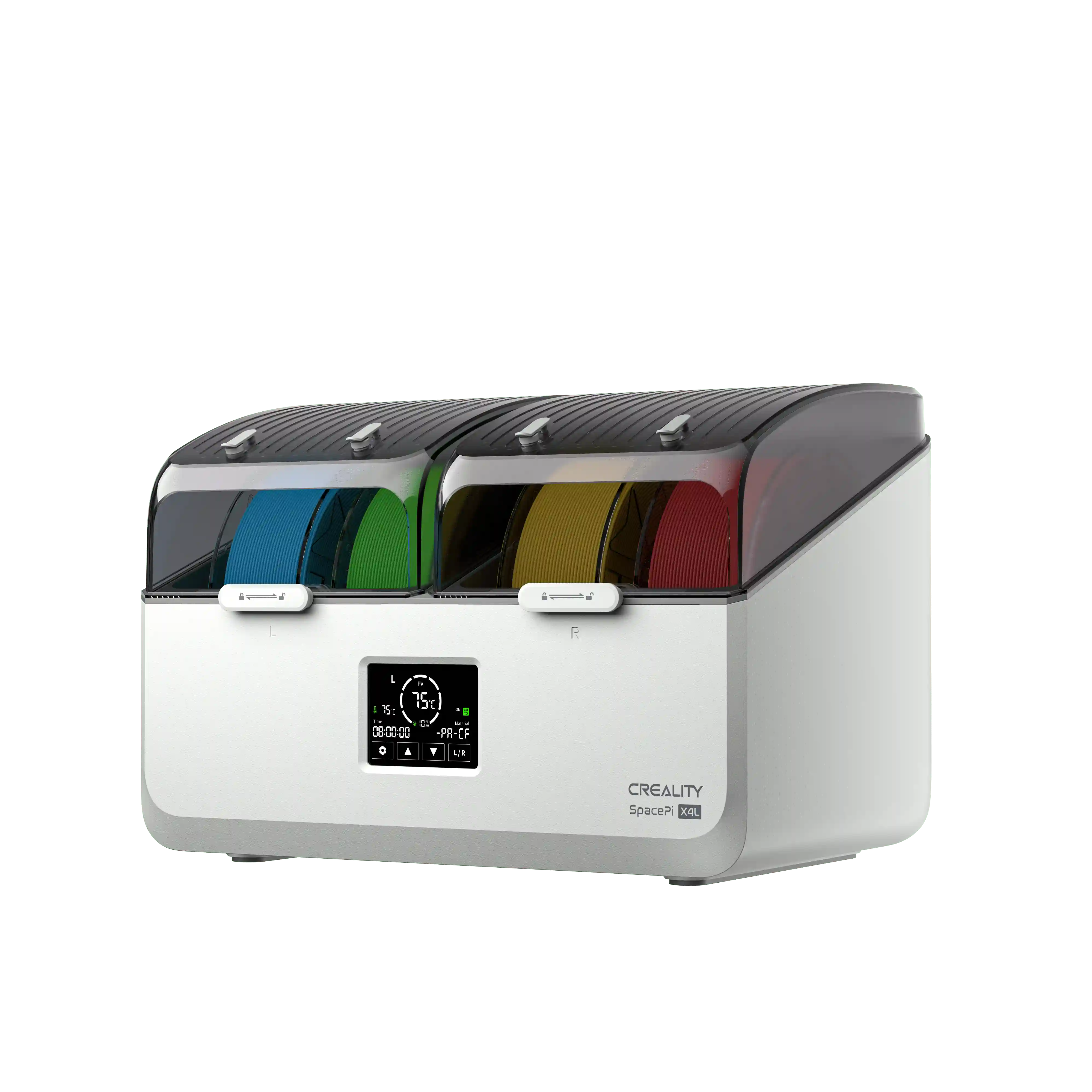
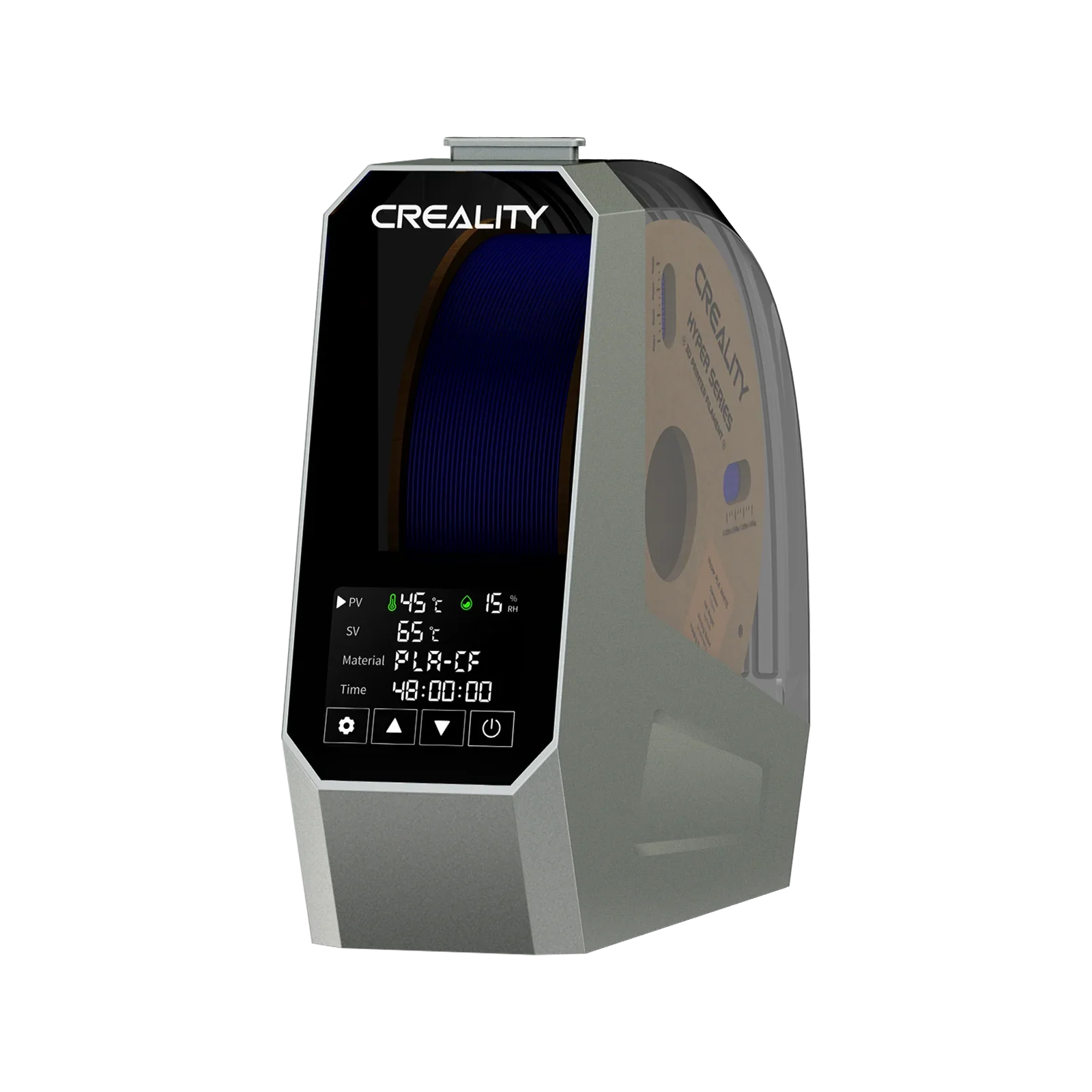
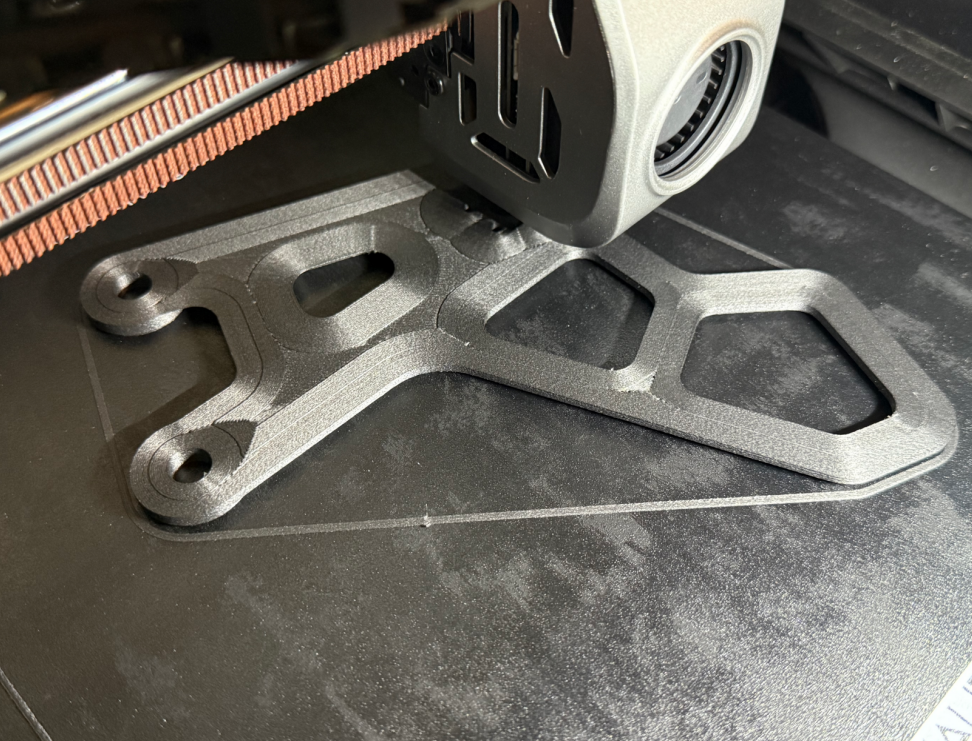
Creality supports the team with a digital manufacturing setup featuring 3D printer the K2 Plus Combo, 3D scanner the Raptor Pro, and filament dryer the Space Pi Plus, alongside engineering materials including PPA-CF, PETG, and PLA.
The workflow connects 3D scanning, digital design, and additive manufacturing. When a component needs to be recreated, the Raptor Pro helps capture its geometry for reverse engineering in advance. The reversed digital model can then be adjusted and printed on-site, greatly shortening the time between design modification and trackside testing.
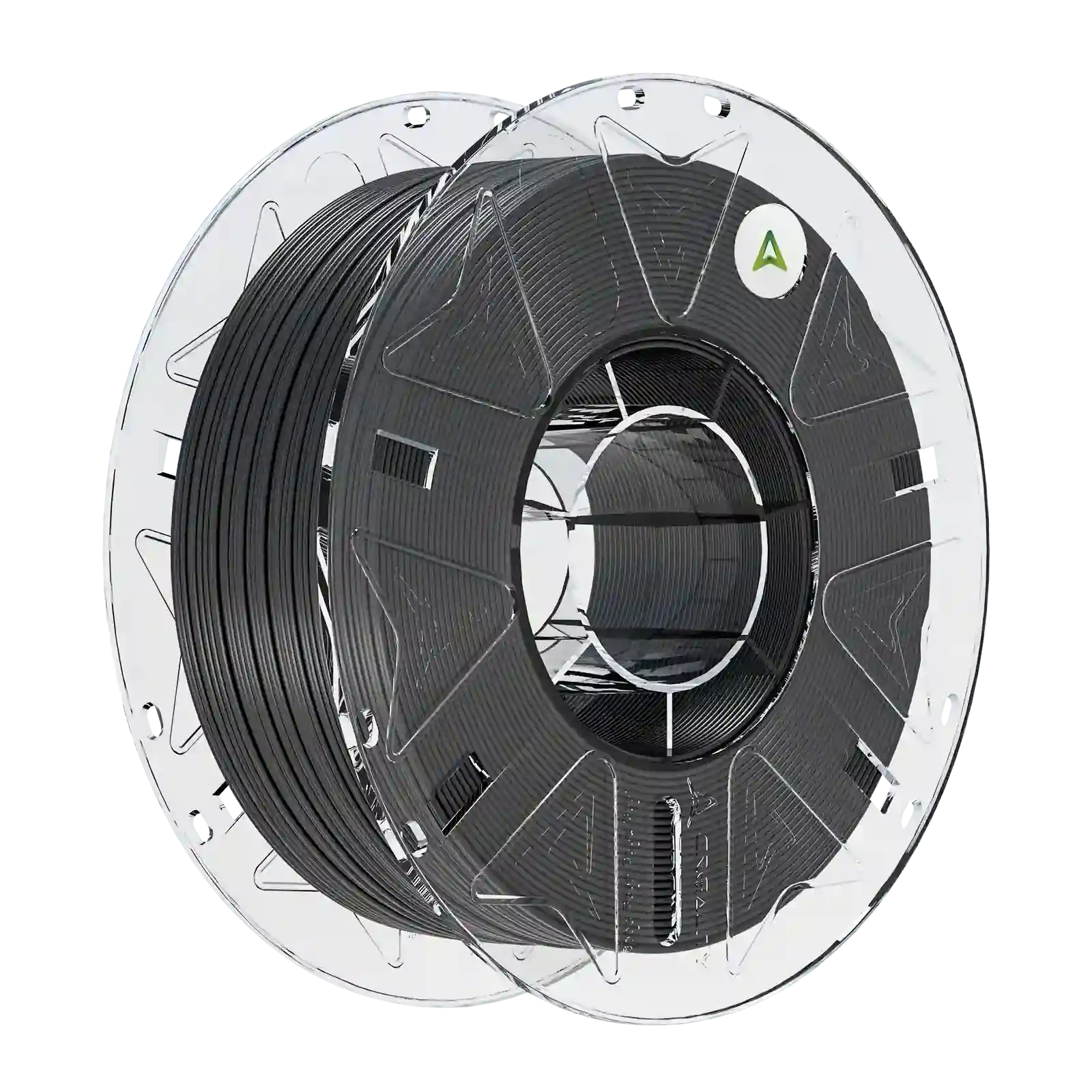
For functional applications, carbon fiber-reinforced materials such as PPA-CF provide another option for producing customized components. Together, these products give Hart Racing greater flexibility to develop, test, and refine parts around its specific racing requirements.
Faster Iteration, More Flexible Parts Production
For Hart Racing, the value of 3D printing goes beyond producing replacement parts.
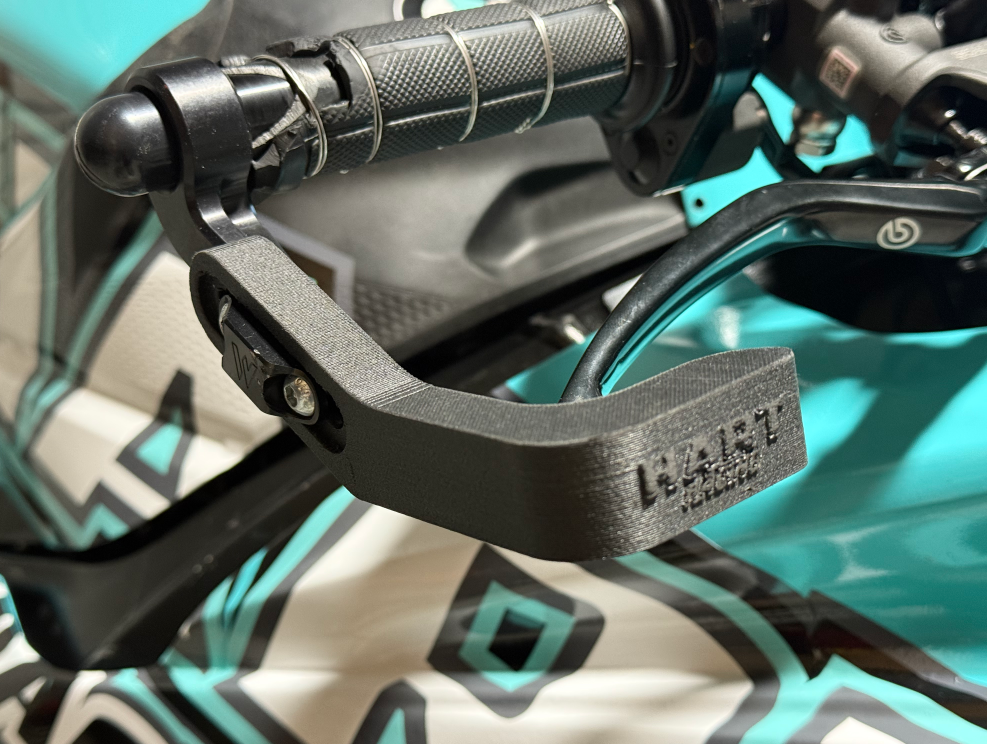
The team has produced more than 30 customized parts for its race bikes, including mounting brackets, aerodynamic accessories, and cockpit components. The easy access to these applications allows the team to explore design adjustments without committing to expensive manufacturing for every iteration.
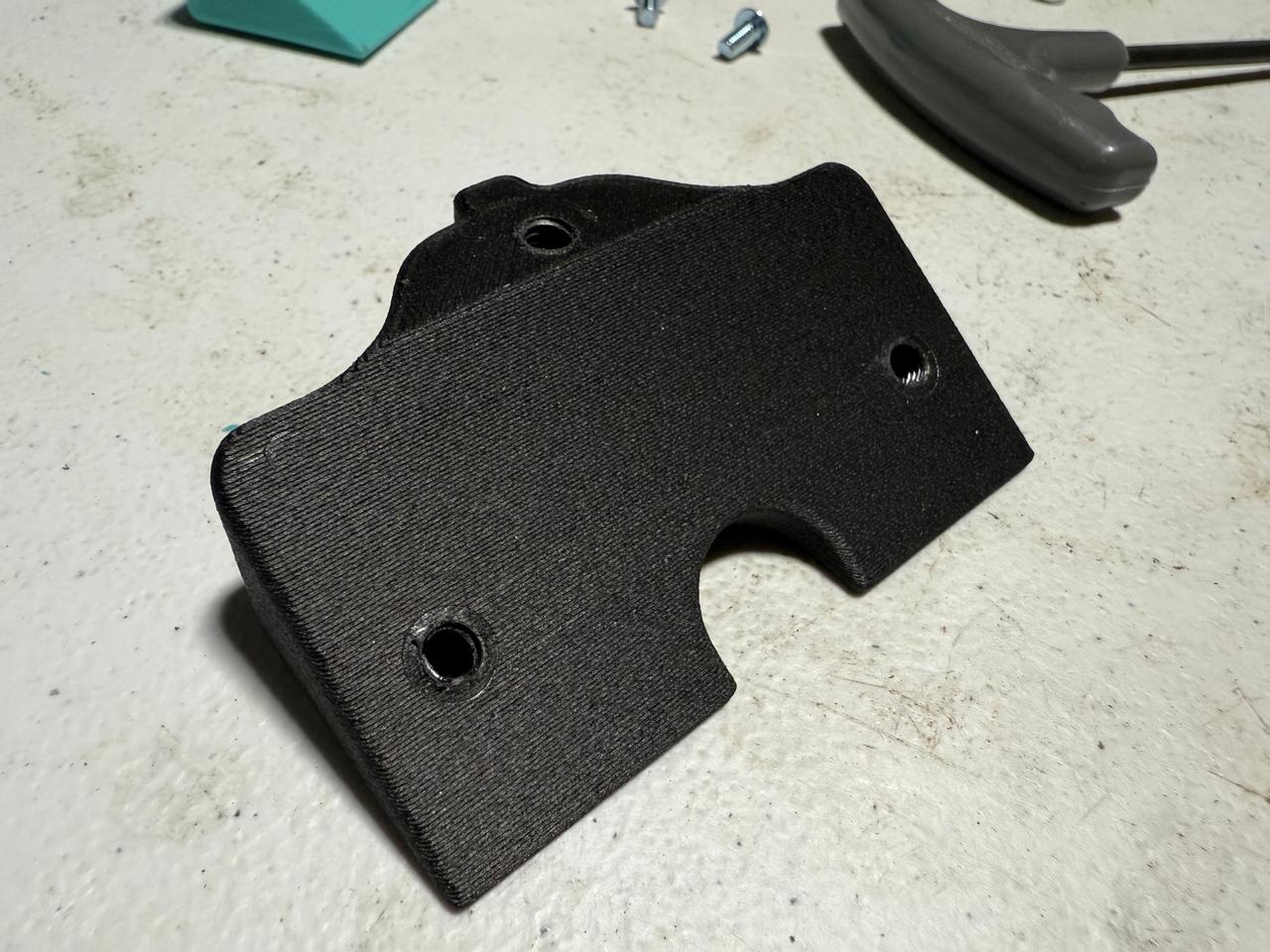
According to the team’s results, in-house 3D printing has reduced part development time by approximately 70%. During the 2024–2025 racing season, the team also saved an estimated $2,000 or more in prototyping and carbon fiber component preparation.
The ability to scan, modify, and reprint components also supports a more practical approach to problem-solving. Instead of treating each design change as a separate manufacturing project, the team can incorporate digital fabrication into its ongoing engineering process.
While every printed component must be evaluated for its intended loads, operating conditions, and safety requirements, this workflow gives Hart Racing a flexible solution for prototyping and developing suitable parts.
Beyond the Track
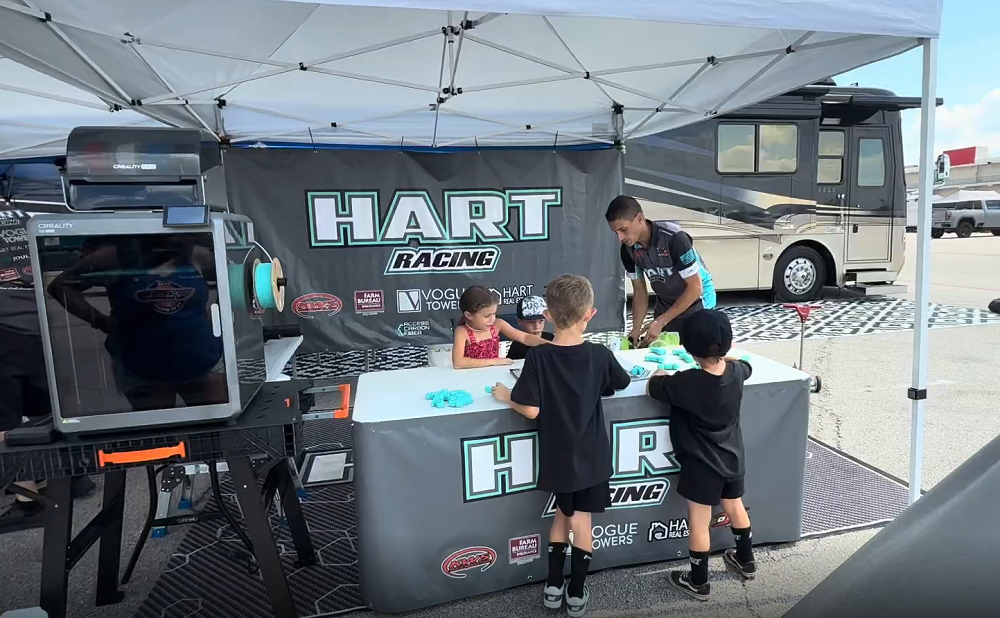
Hart Racing reports reaching more than 15,000 racing enthusiasts through trackside activities and distributing gifts to over 200 fans and teams. Media coverage, including a feature in Roadracing World, has further expanded its visibility.
The project demonstrates how 3D printing and scanning solutions can support the technical needs of motorsports. By bringing digital manufacturing closer to the point of use, Hart Racing reduces development cycles, cuts prototyping costs, and explores customized solutions with greater flexibility.
For Hart Racing, digital fabrication becomes a part of the racing process itself—from capturing a component’s geometry to producing a new part and testing the result at the track.