


When an Artifact Is Too Precious to Touch, Scanning Comes First
In cultural preservation, one of the biggest challenges is also the most fundamental: the more valuable an artifact is, the less you can afford to touch it.
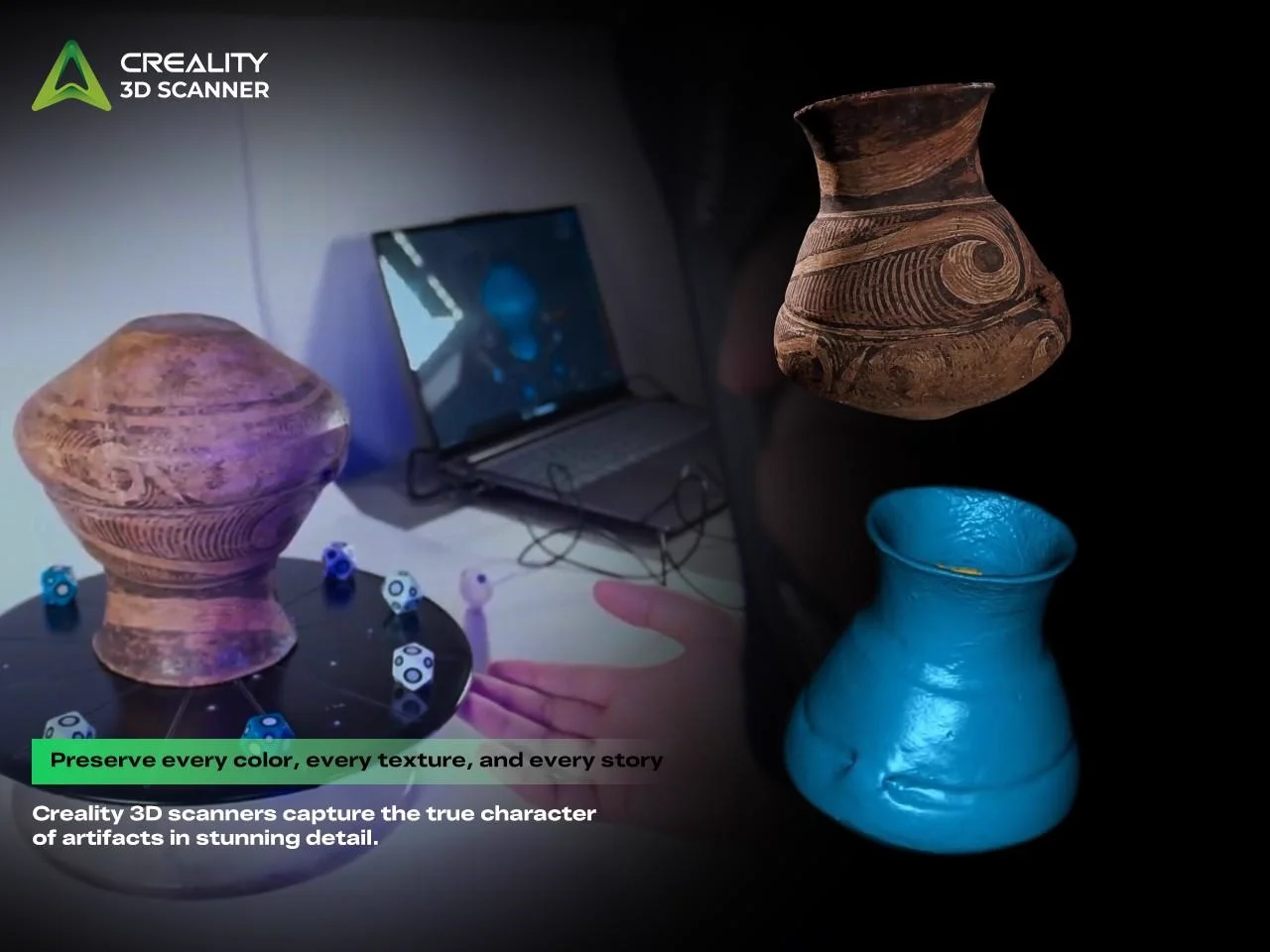
When an Artifact Is Too Precious to Touch, Scanning Comes First
For museums and restoration teams, this creates a constant dilemma. How do you study, preserve, and share ancient objects without increasing the risk of damage? This is where 3D scanning becomes essential.
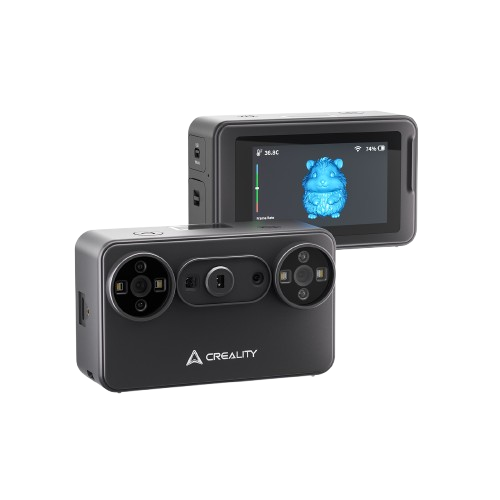
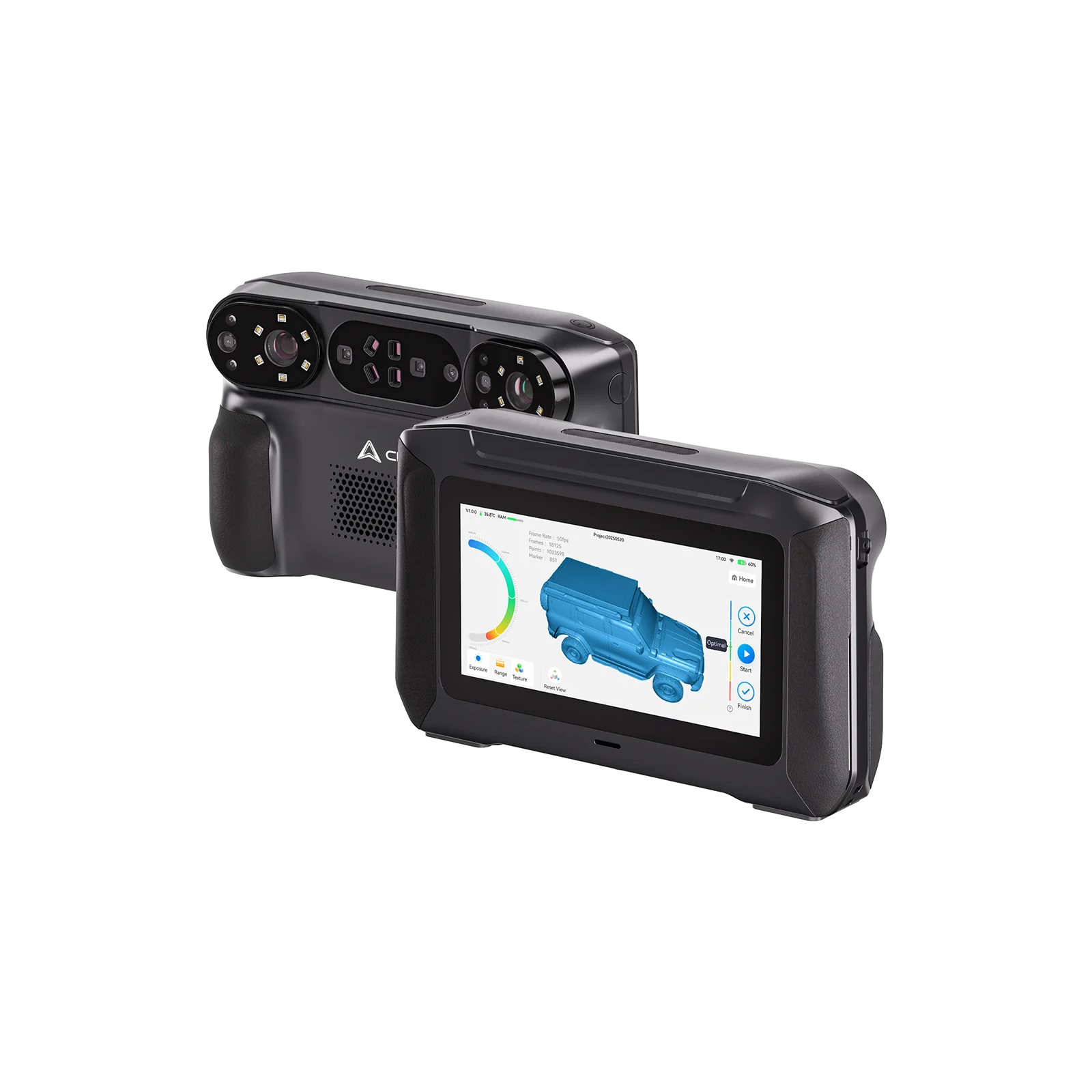
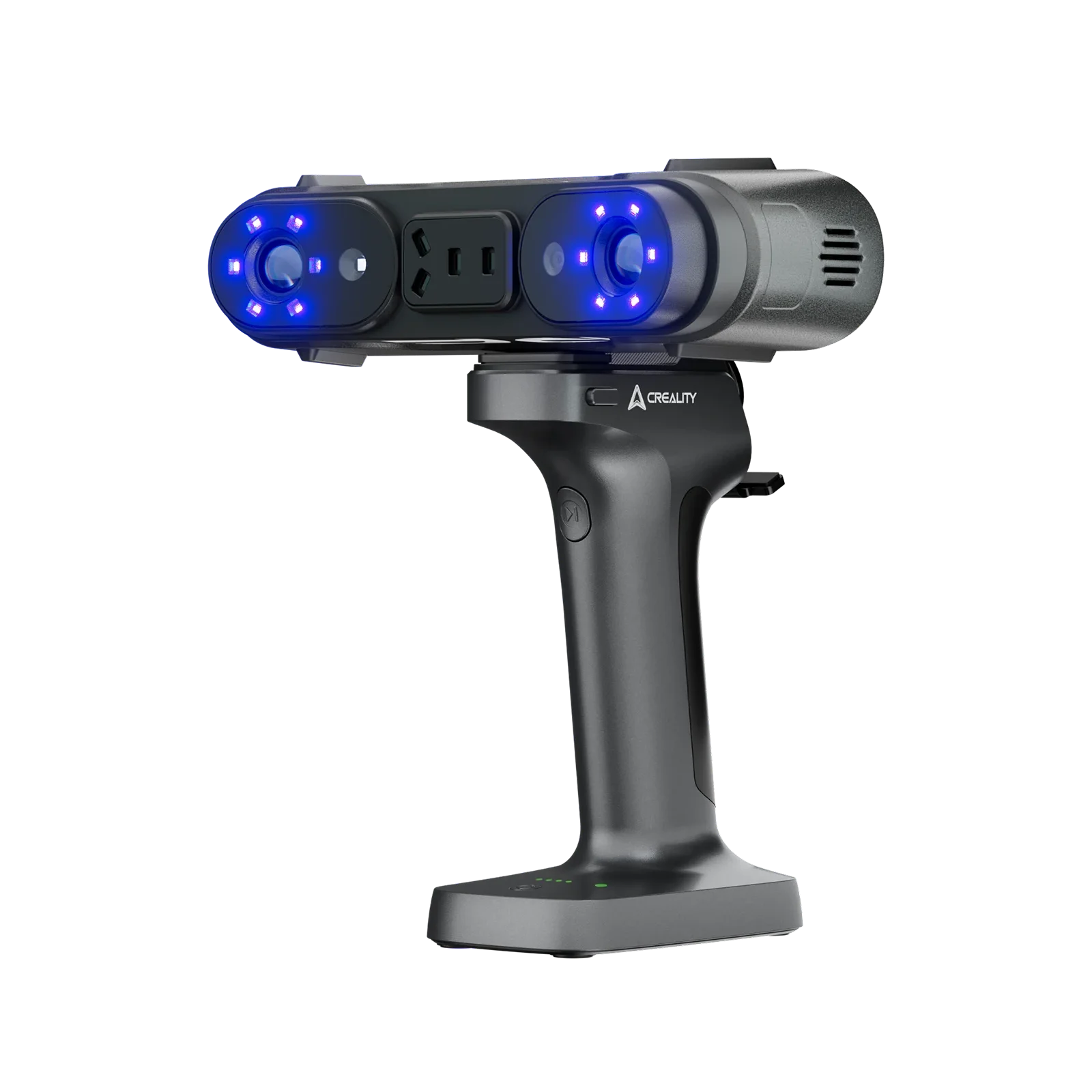
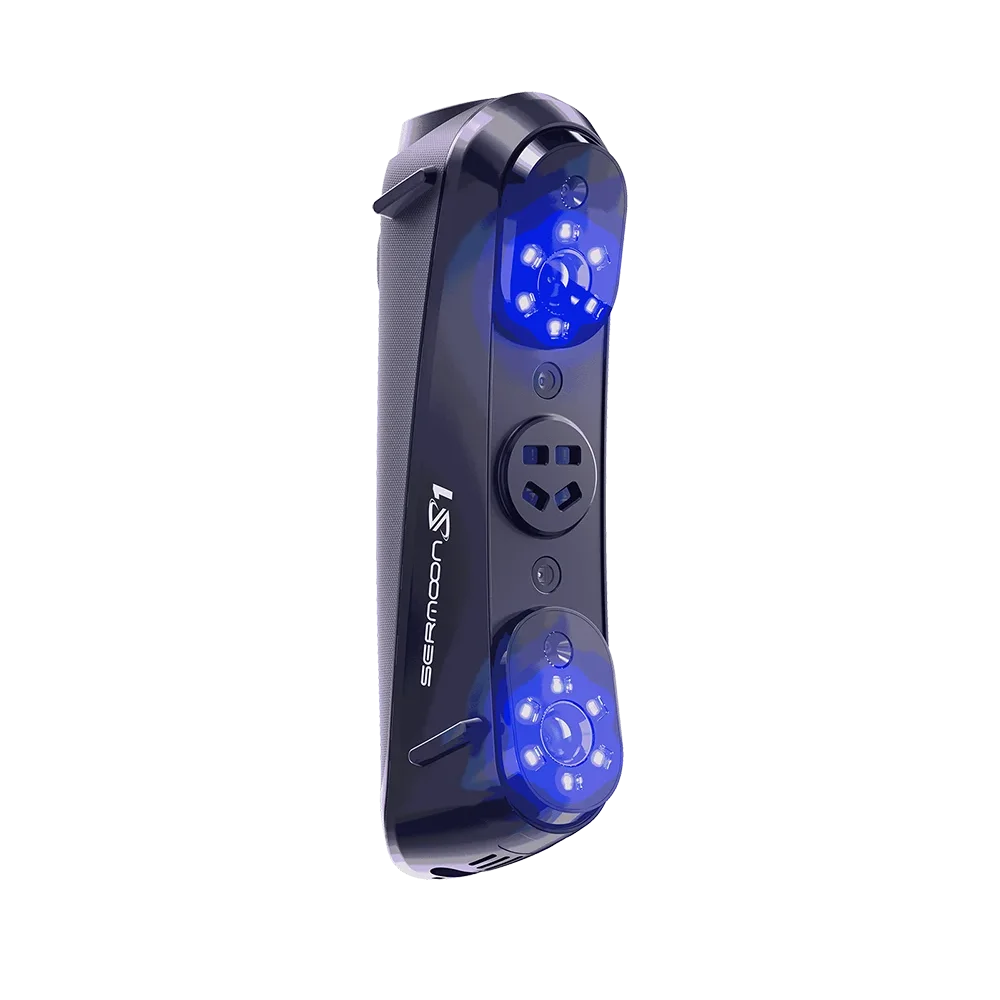
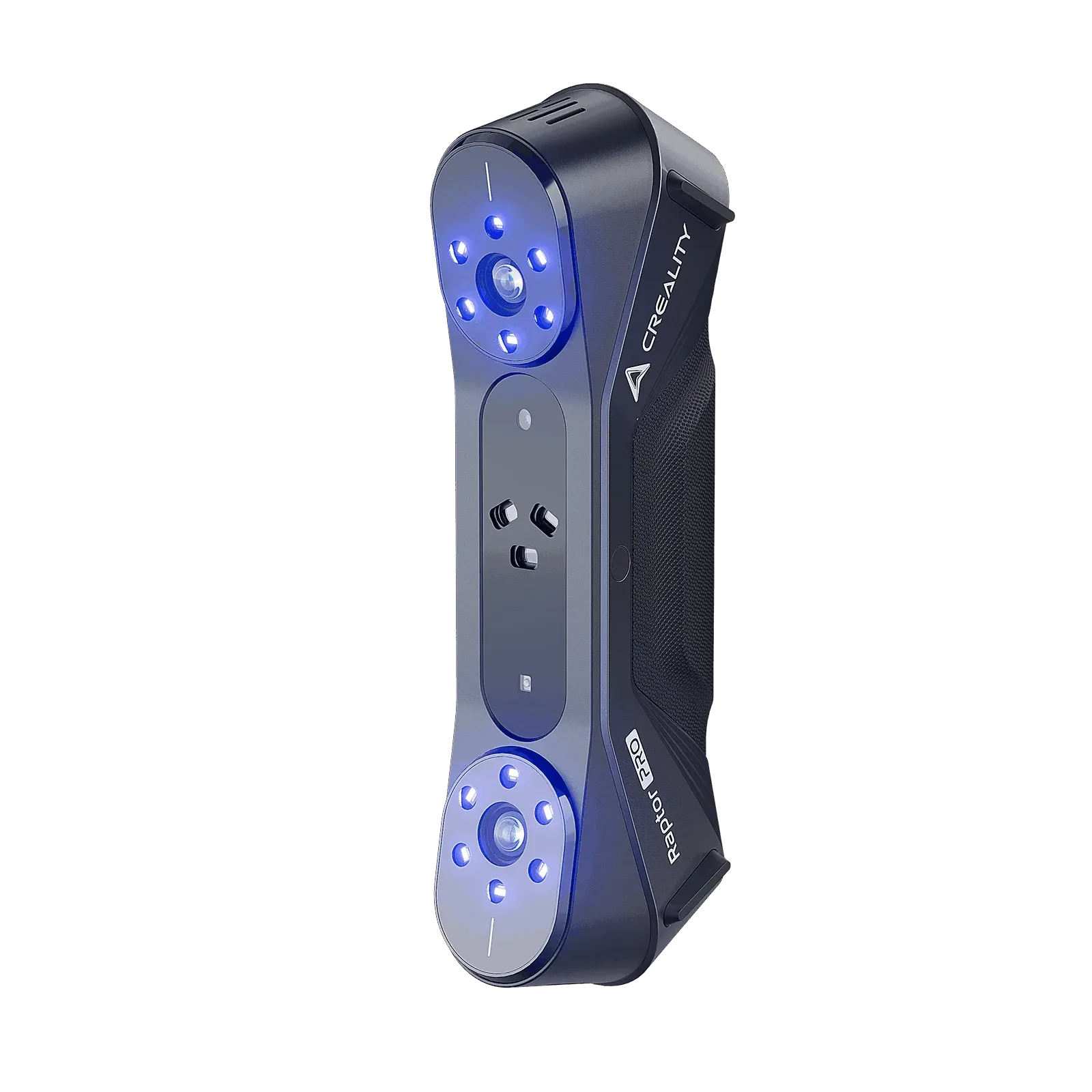
Before restoration begins, before deeper research happens, and before artifacts can be made more accessible to the public, the first step is often accurate digital capture. With high-precision devices like the RaptorX, teams can record geometry, texture, and surface condition without repeated handling.
For fragile cultural relics, this is not just useful — it is critical.
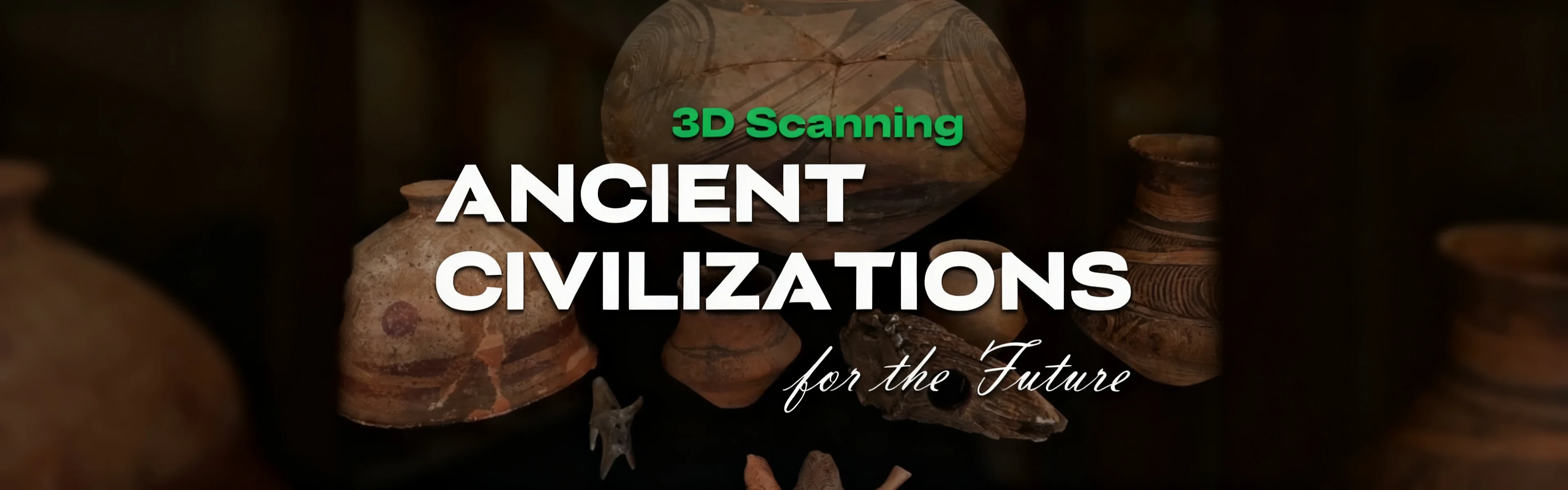
A recent pilot project by the Vatrion team at the Târgu Neamț History and Ethnography Museum demonstrates this clearly. Using 3D scanning and photogrammetry, they are digitizing artifacts from the Cucuteni civilization — one of Europe’s most fascinating prehistoric cultures — and transforming them into long-term digital assets.
These objects have survived for 7,000 years. Now, they are being prepared to survive in digital form as well.
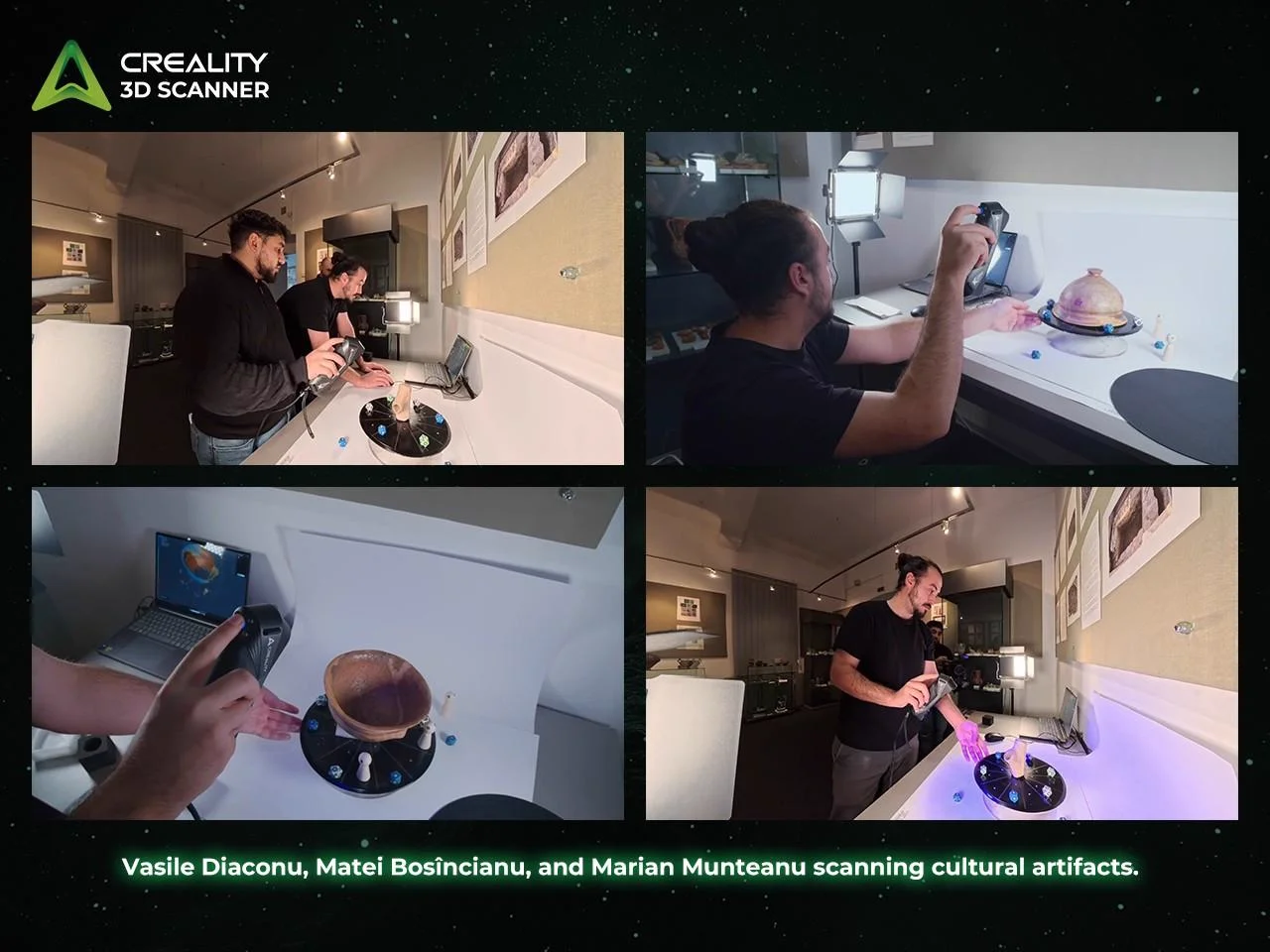
From Scan to Restoration: How the Process Works
In projects like this, 3D scanning is more than documentation — it is the foundation of preservation and restoration.
-
High-precision capture Raptor X records detailed point cloud data, preserving even the smallest surface features.
-
3D model reconstruction Scan data is converted into accurate 3D models with both geometry and texture.
-
Digital analysis Experts inspect, measure, and analyze artifacts digitally, reducing physical handling.
-
Restoration reference Scans provide a reliable baseline for future conservation and repair.
In this way, 3D scanning does not just record history — it actively supports its protection and restoration.
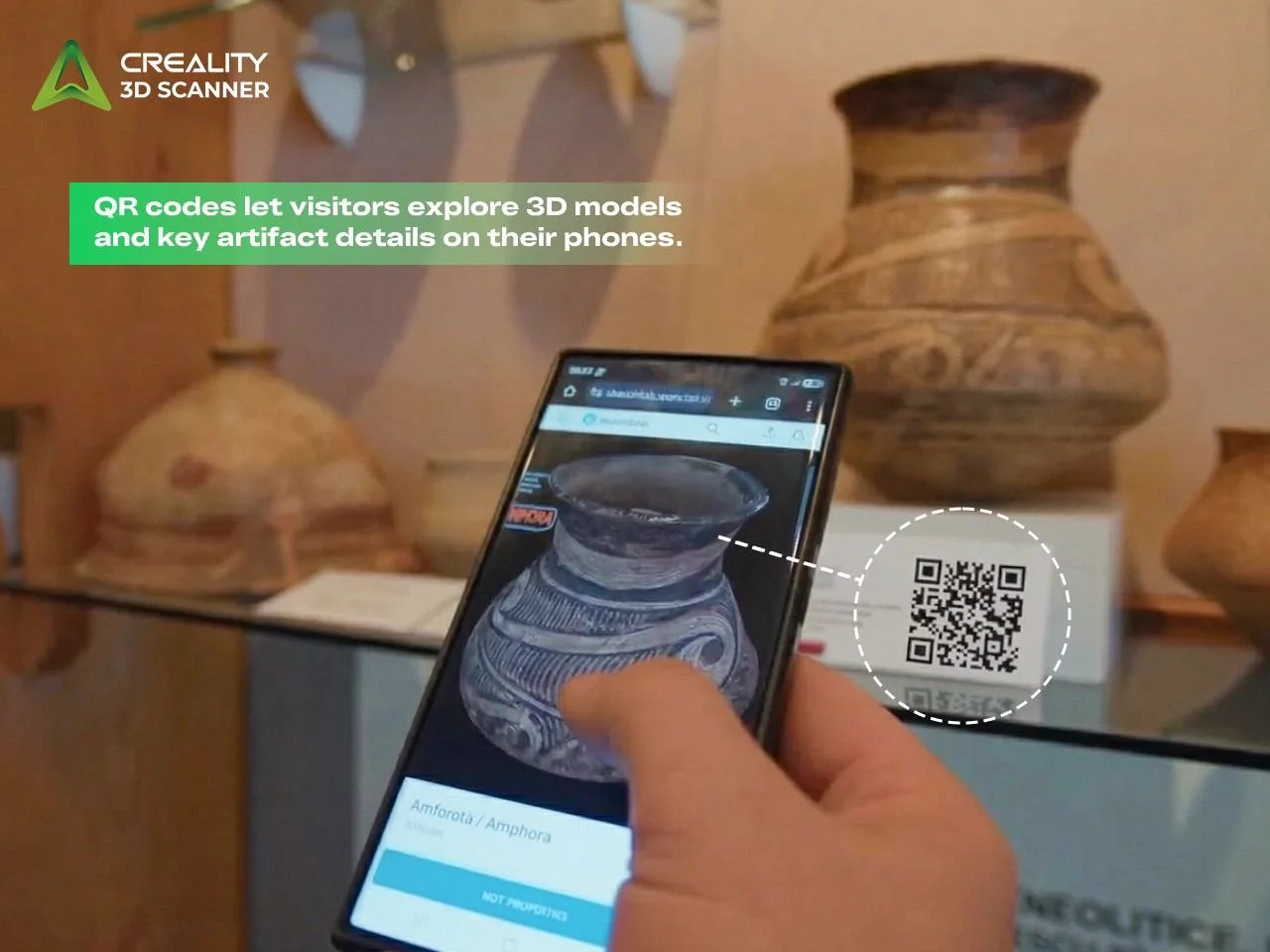
Beyond Preservation: Why Digital Capture Matters
Once an artifact becomes a high-quality 3D model, its value extends far beyond documentation.
It can make museum experiences more interactive, allowing visitors to explore artifacts through their phones with simple tools like QR codes. It can also expand research access, enabling scholars, students, and conservators around the world to study the same object without being limited by geography.
At the same time, these digital assets create new opportunities for virtual exhibitions, AR and VR experiences, and future educational applications. More importantly, they serve as a form of protection — preserving an artifact’s shape, texture, and condition in a stable digital record that can support conservation for years to come.
For institutions working with fragile and irreplaceable objects, digitalization is not just about efficiency. It is about protection, accessibility, and continuity.
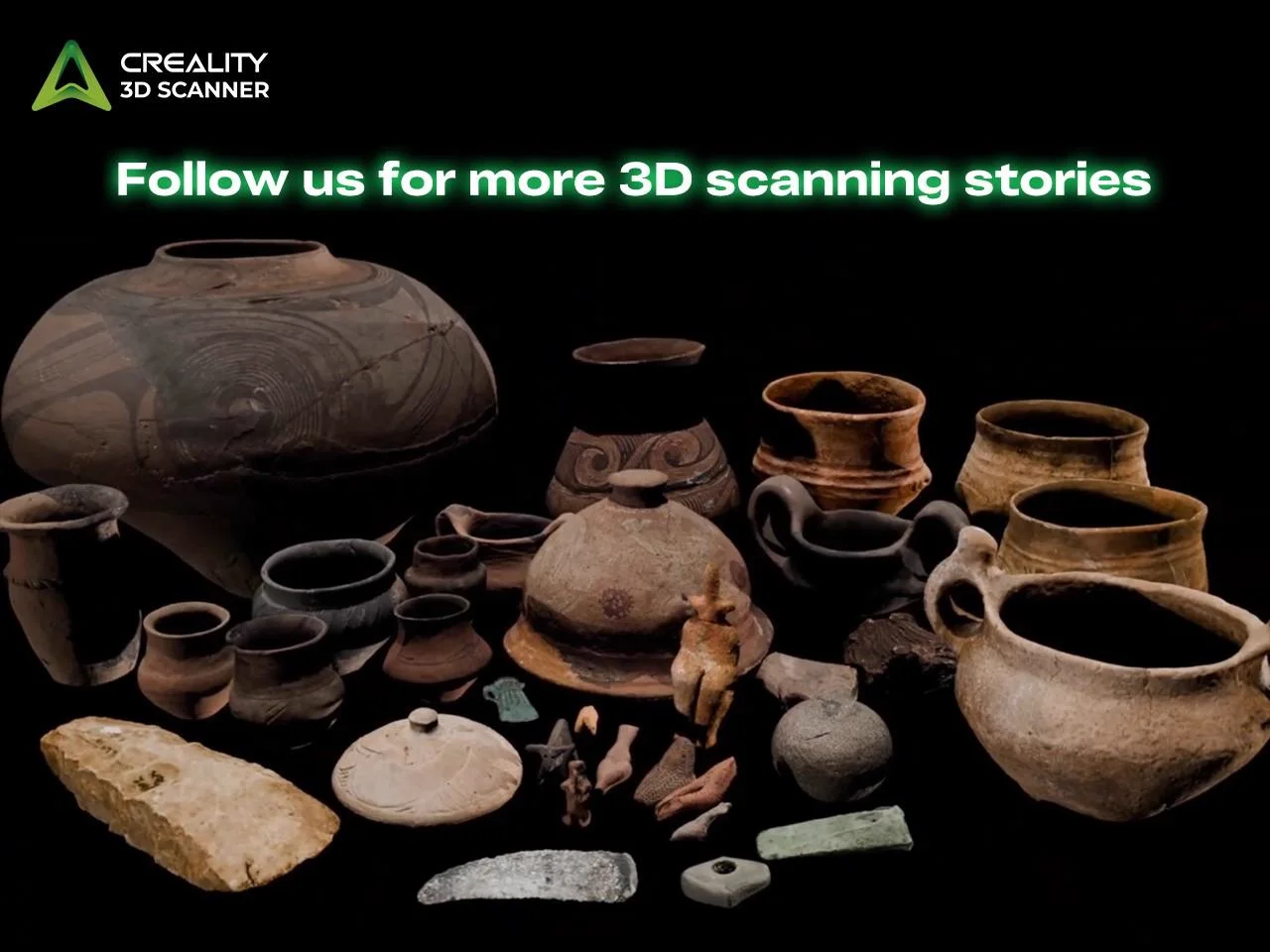
Preserving the Past for the Future
Artifacts from the Cucuteni civilization have already survived for seven millennia, but preserving them today requires more than physical protection alone. 3D scanning helps safeguard not just the objects themselves, but also the information and stories they carry. By creating accurate digital twins, projects like this ensure cultural heritage can continue to be studied, shared, and experienced by future generations. Sometimes, the best way to protect the past is to scan it for the future.
Follow us for more insights into the latest developments in the 3D scanning industry.