


Why 3D Scanning Matters in Automotive Workflows
In automotive modification, precision is everything. Whether the goal is to restore a damaged part, recreate a discontinued component, or develop a custom upgrade, the quality of the final result depends on how accurately the real vehicle can be understood. This is where Creality3D scanning becomes increasingly valuable. By capturing real geometry directly from the vehicle or component, it provides a reliable digital foundation for design, validation, and production.
Real Automotive Use Case
Applications: Exterior Fitment, Mounting Design, and Interior Integration
-
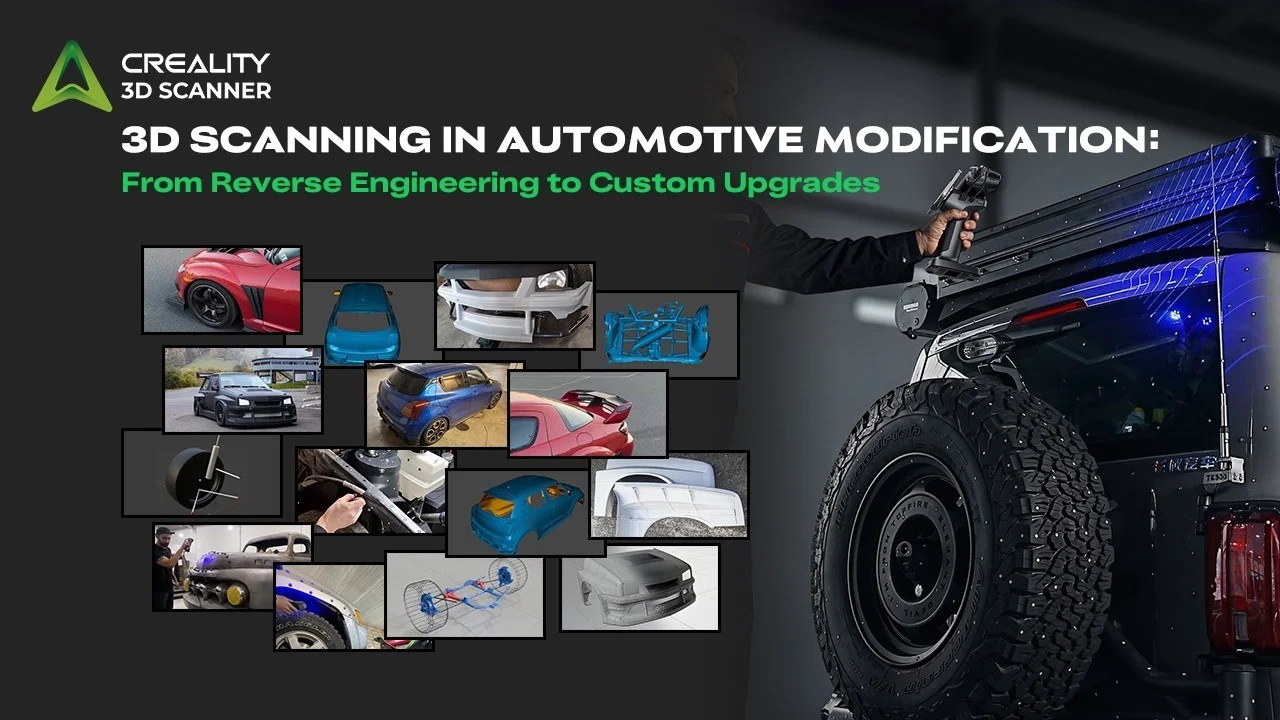
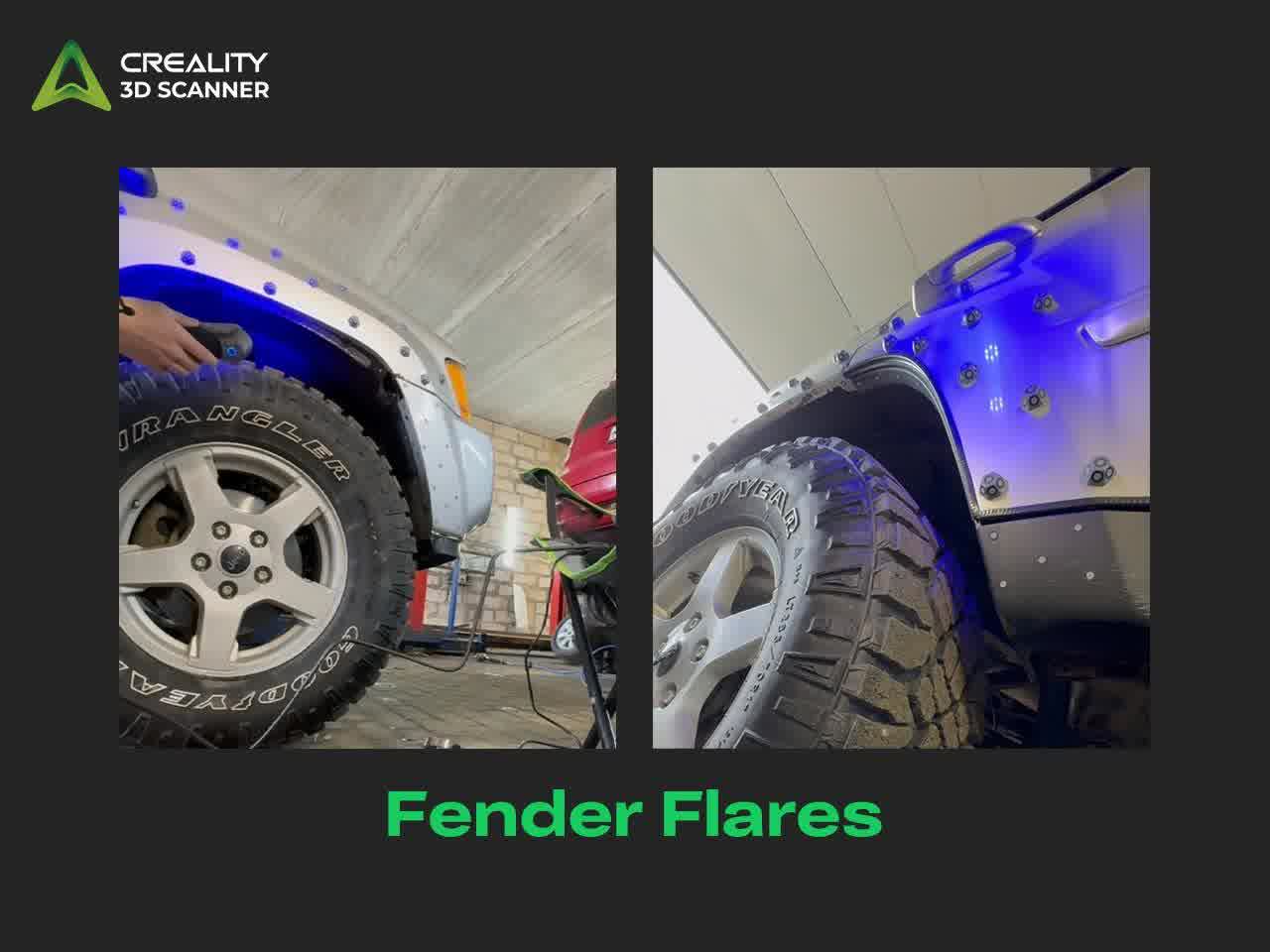
For fender flares, scanning helps capture the exact body lines of the car, making it easier to design parts that follow the vehicle naturally and sit correctly.
-
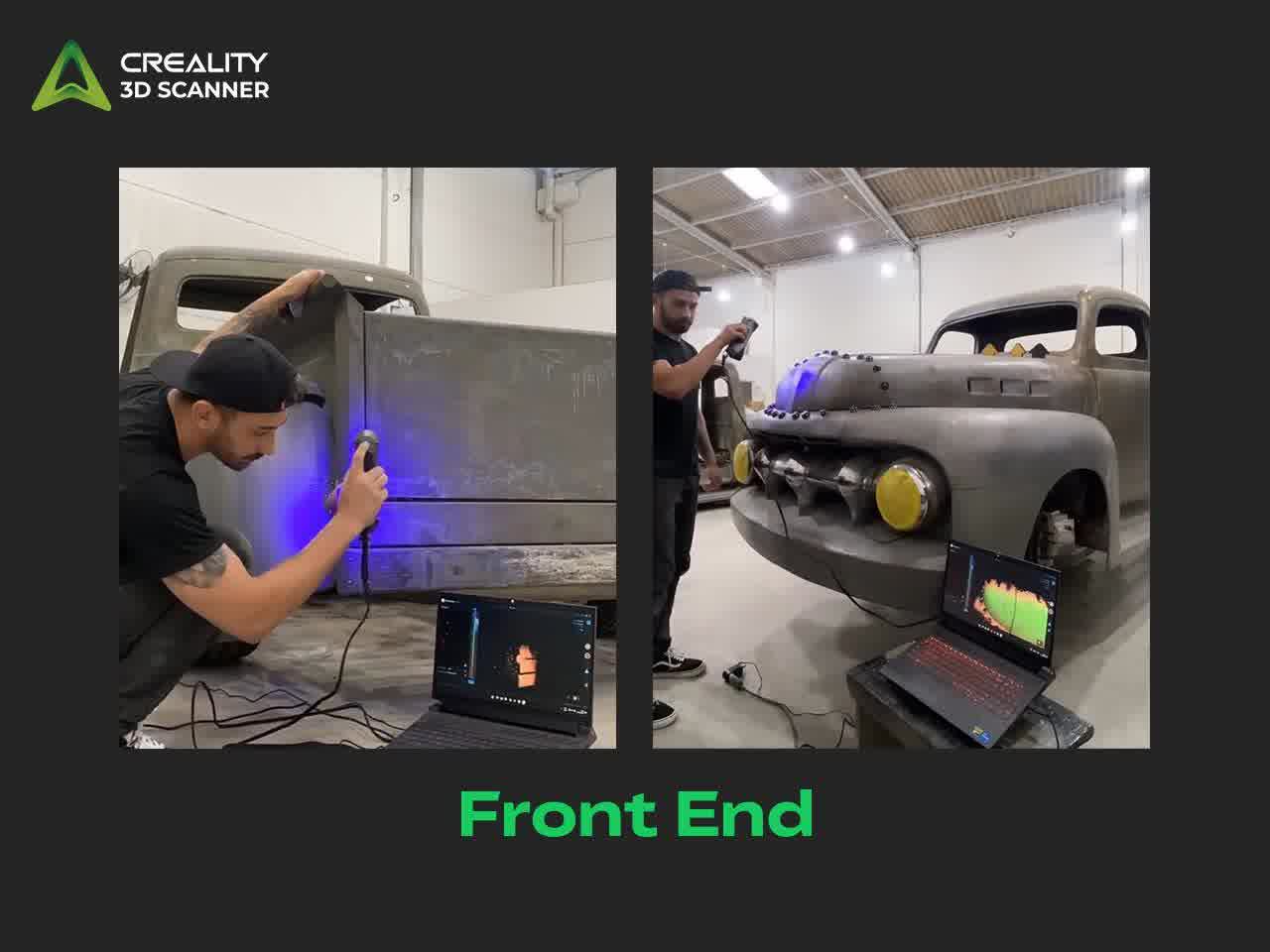
For front-end parts such as bumpers, lips, and splitters, 3D scanning records complex curves and mounting points that are difficult to measure manually, improving design confidence and reducing unnecessary iteration.
-
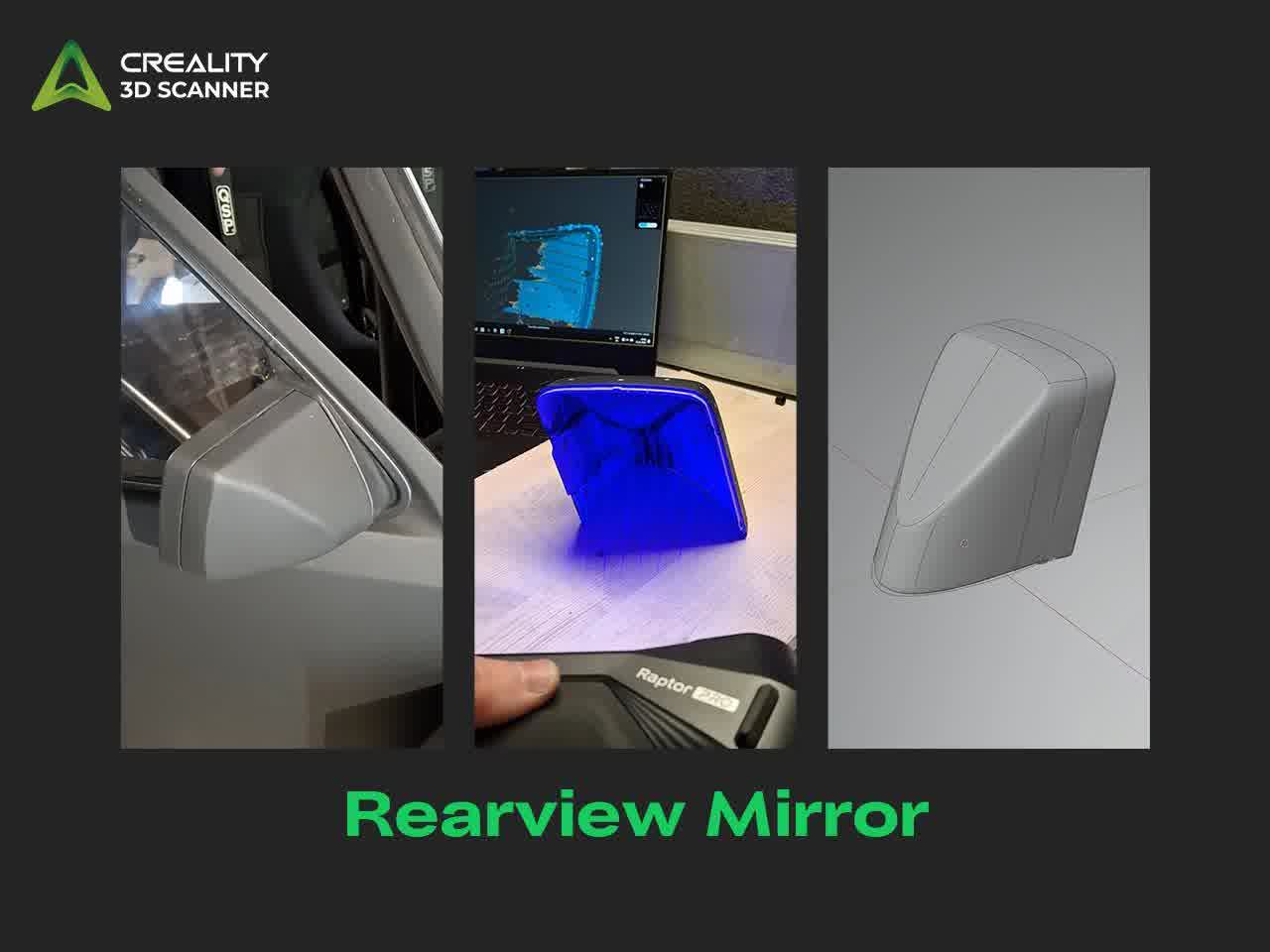
For rearview mirror mounts, scanned geometry supports cleaner custom mounting solutions, helping users achieve a precise fit while avoiding unnecessary drilling or permanent modification.
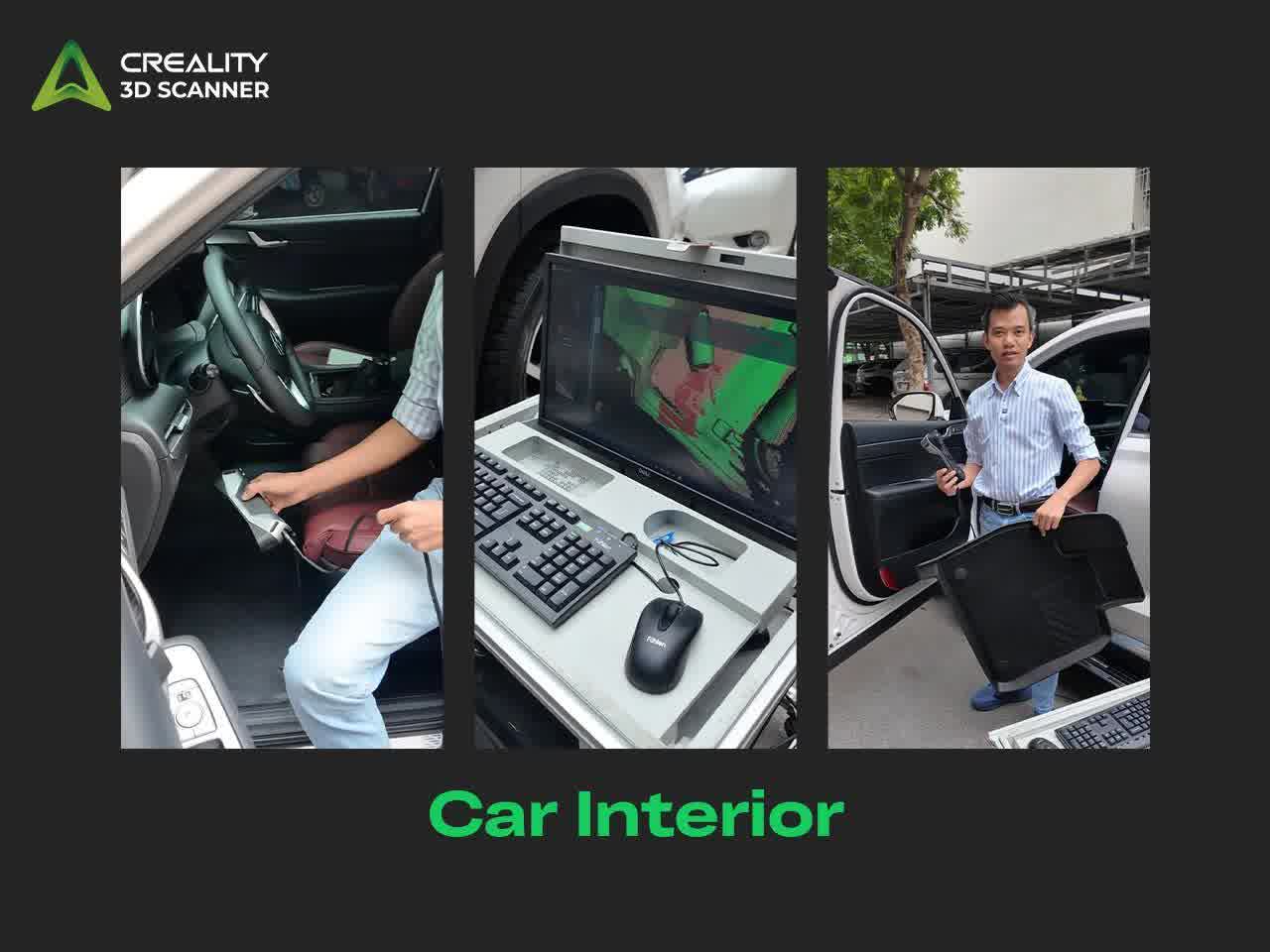
- For dashboard and interior trim applications, scanning improves alignment and integration, making interior upgrades look more refined and professionally built.
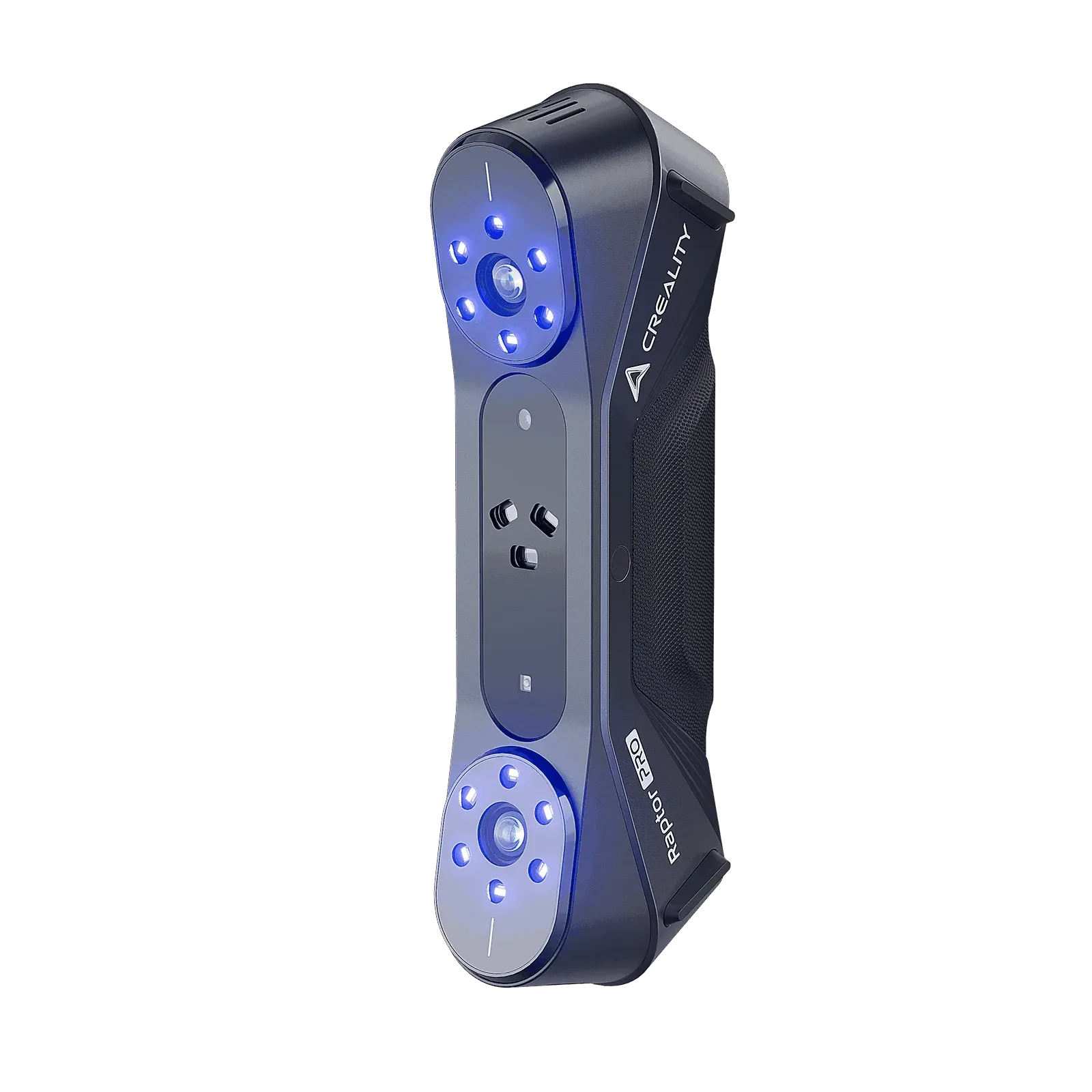
Why Raptor Pro Fits This Workflow
The real strength of 3D scanning is that it replaces assumption with reality. Instead of estimating dimensions, users can work from the actual shape of the part and the real structure of the vehicle. This improves fitment, reduces repeated test fitting, and makes custom development more efficient.
That advantage becomes even more important in reverse engineering, where original CAD data often does not exist. Starting from scanned geometry gives users a practical way to rebuild design intent, adapt components, and develop upgrades with greater accuracy.
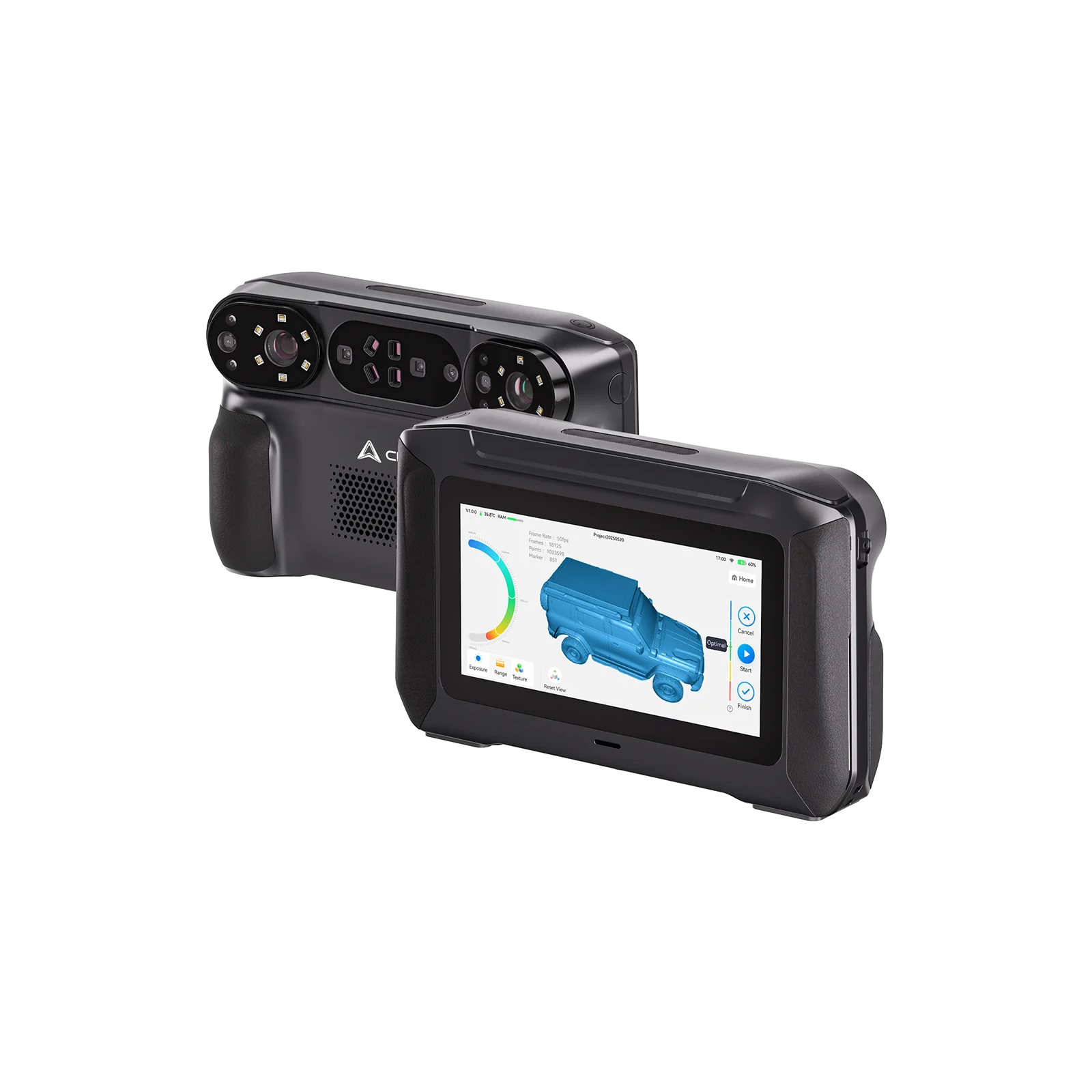
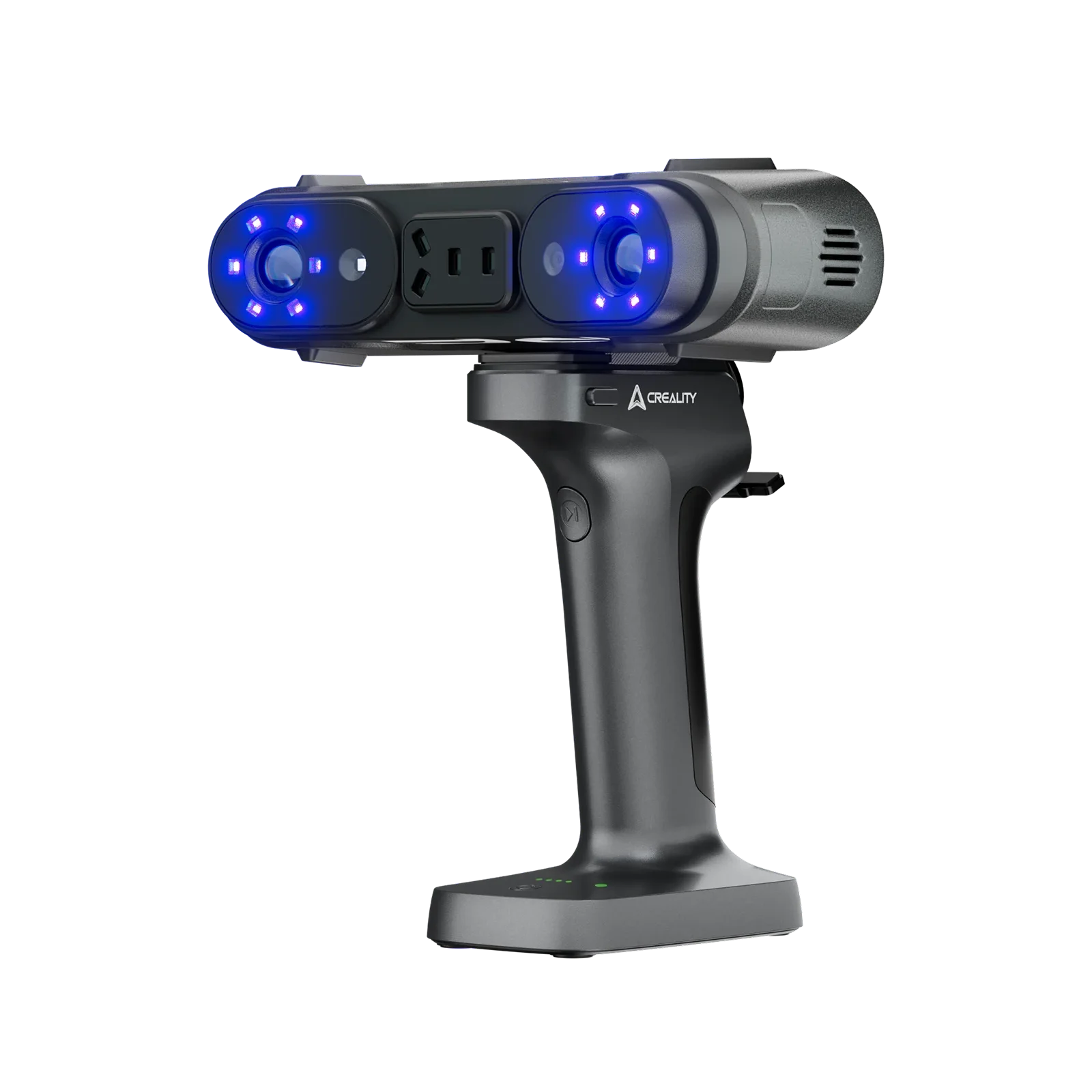
For automotive professionals, makers, and modders, Raptor Pro supports this workflow from the very beginning. It helps turn physical parts into reliable digital references, making it easier to recreate damaged components, redesign discontinued parts, and build custom upgrades with better fit. From reverse engineering to final installation, the value lies in working from real geometry rather than rough approximation.
What Is Reverse Engineering?
Reverse engineering is the process of turning a physical object into usable digital design data. In traditional manufacturing, the workflow usually starts with a CAD model and ends with a finished part. Reverse engineering works in the opposite direction: it starts with a real object and converts it into a digital model.
In automotive applications, this is especially useful when a part is broken, rare, modified, or no longer available. Instead of relying on incomplete drawings or rough manual measurements, users can scan the existing part or surrounding structure, rebuild its geometry digitally, and use that data for repair, reproduction, or upgrade. This makes reverse engineering an important bridge between restoration and customization.
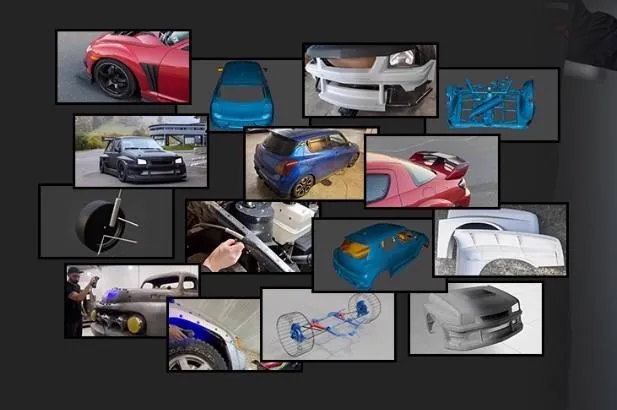
The Reverse Engineering Workflow: From Physical Part to Upgrade
In automotive projects, reverse engineering is more than simply copying a part. It is a practical workflow that begins with scanning the original part or vehicle area to capture real geometry, surface details, and mounting relationships. That scan data then becomes a digital reference for rebuilding or redesigning the component.
From there, users can recreate damaged or missing features, optimize the original design, or develop a custom-fit solution for a new purpose. Because the workflow starts from real-world geometry rather than approximation, the final part is more likely to fit correctly, reducing trial and error during production and installation.
With solutions like Raptor Pro, automotive professionals can move from physical parts to digital precision with greater confidence. Follow our page for more real-world 3D scanning applications, and let us know in the comments what kind of 3D scanning case you'd like to see next.