

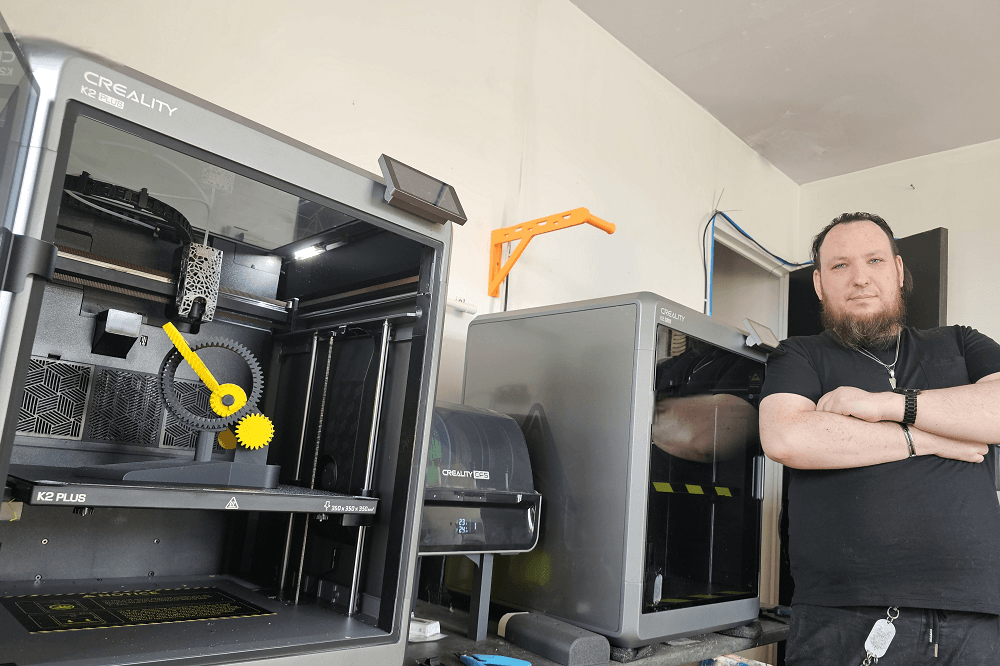
Steven Couchouron, founder of Spike Tech 3D, represents a growing wave of makers turning passion into profession via 3D printing. Not only does he use 3D printers, but he has also integrated 3D scanners and laser engravers to his entire workflow. That enables him to provide a wide range of digital fabrication solutions supported by a various product portfolio—an approach to growing his small business. Steven's journey exemplifies how even a small studio can effectively leverage 3D printing and build an efficient and integrated ecosystem across both hardware and software.
Let's walk into his story.
A Small Studio Seeking to Create
Steven used to work in a precision metal processing company where he introduced 3D printing to the R&D department and successfully reduced production time and costs. With over a decade of experience in 3D printing, Steven has grown to be adept at making things. To gain profits with his own skills, he started Spike Tech 3D, which is dedicated to delivering customized parts, rapid prototyping, designs and modeling, object repair, etc. During the process of creation, he also envisions finding a way to rebuild confidence and resilience since he was once diagnosed with anxiety disorder.
Steven's operation goals are very clear to meet client expectations: reduce production costs while ensuring stable and reliable throughput by improving operating efficiency.
An Efficient Integrated Ecosystem
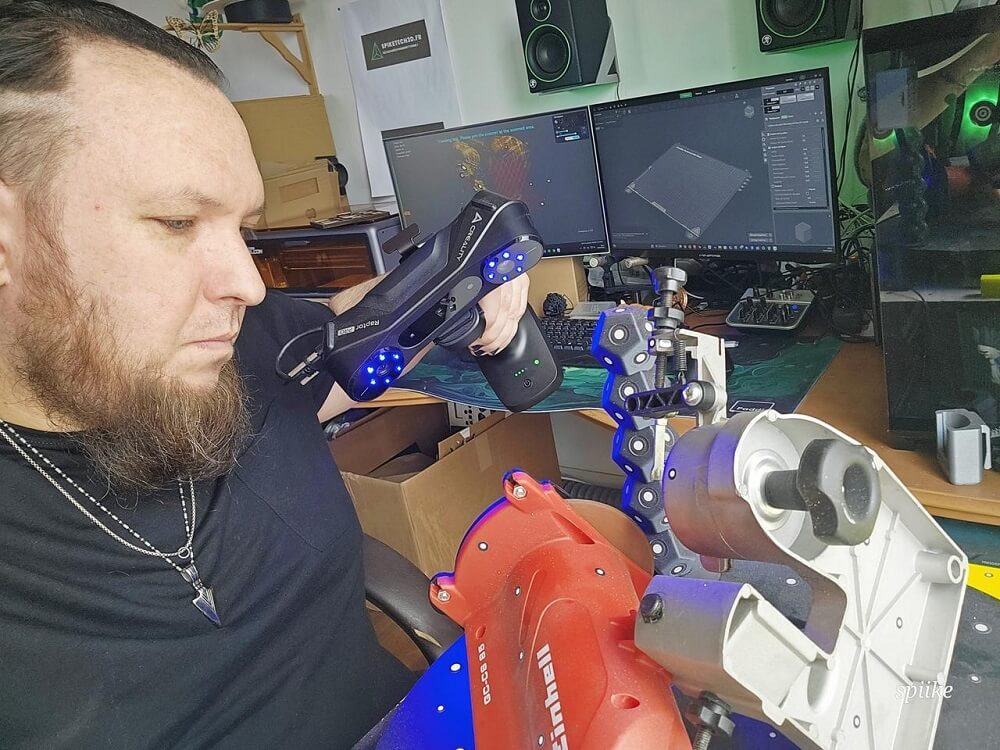
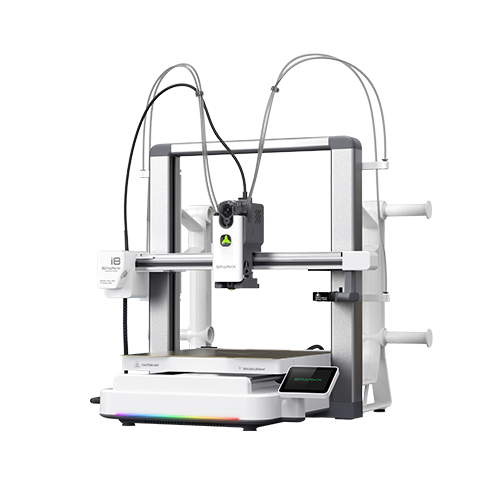
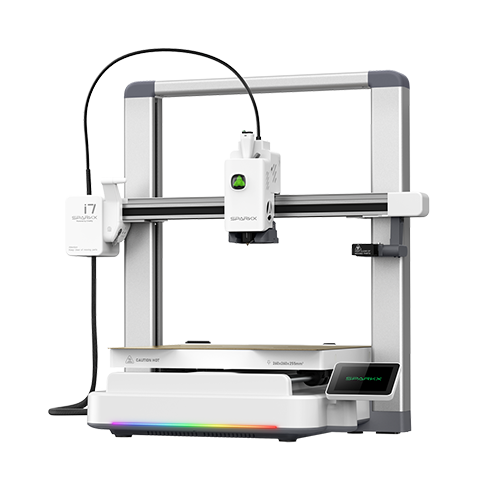
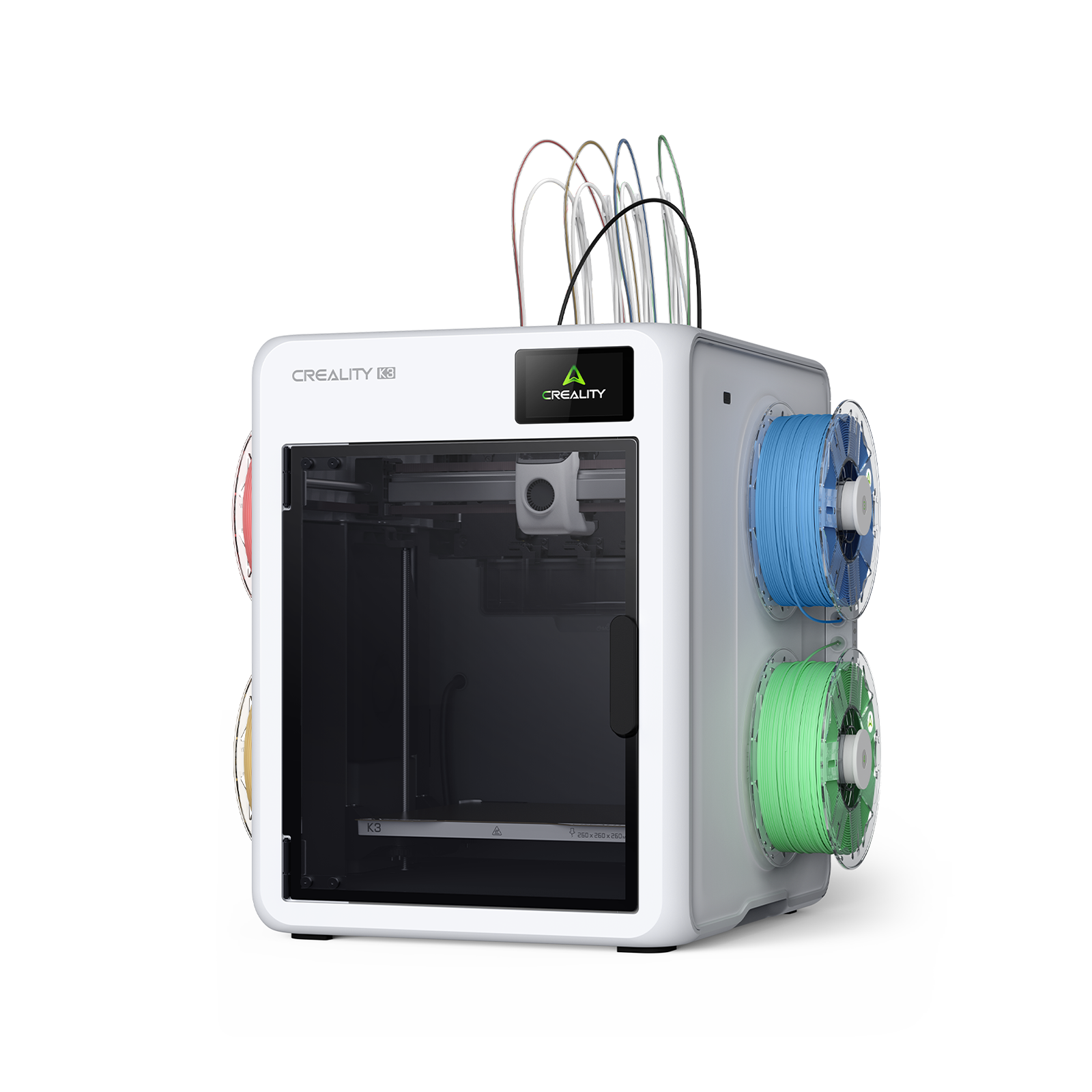
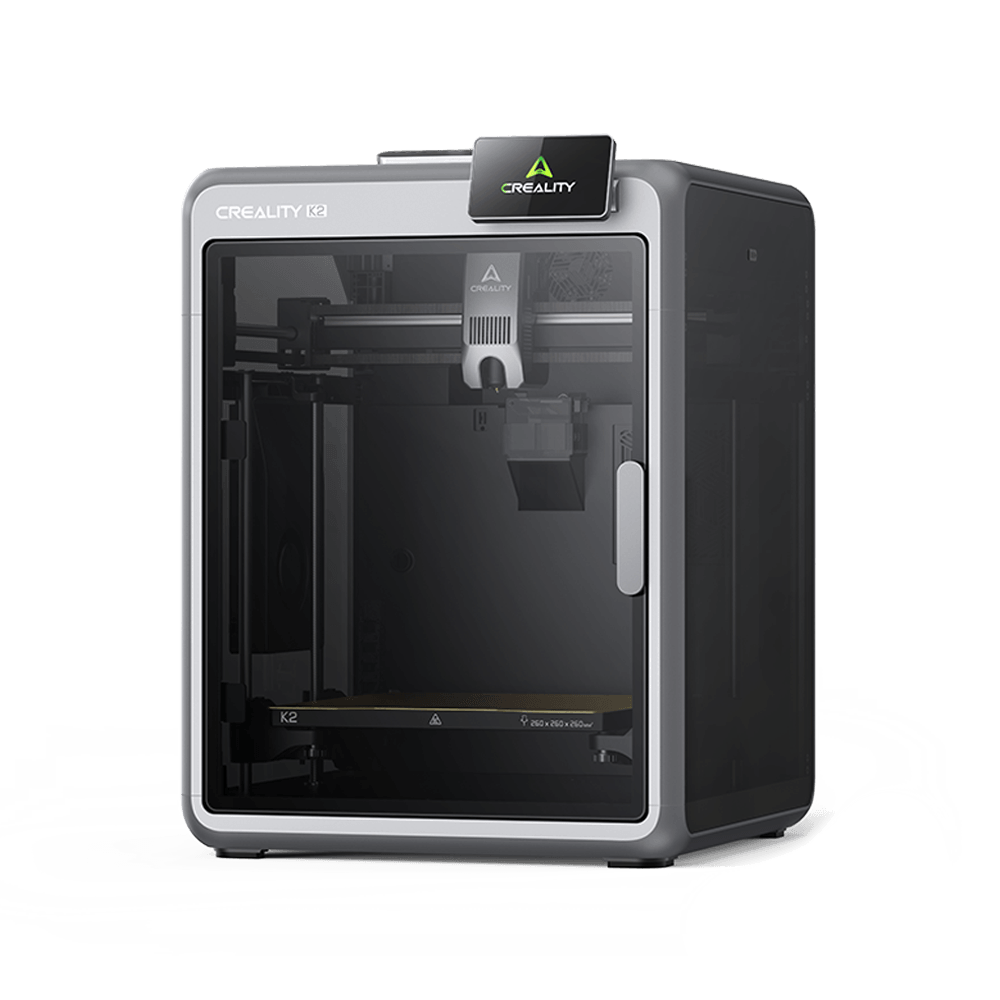
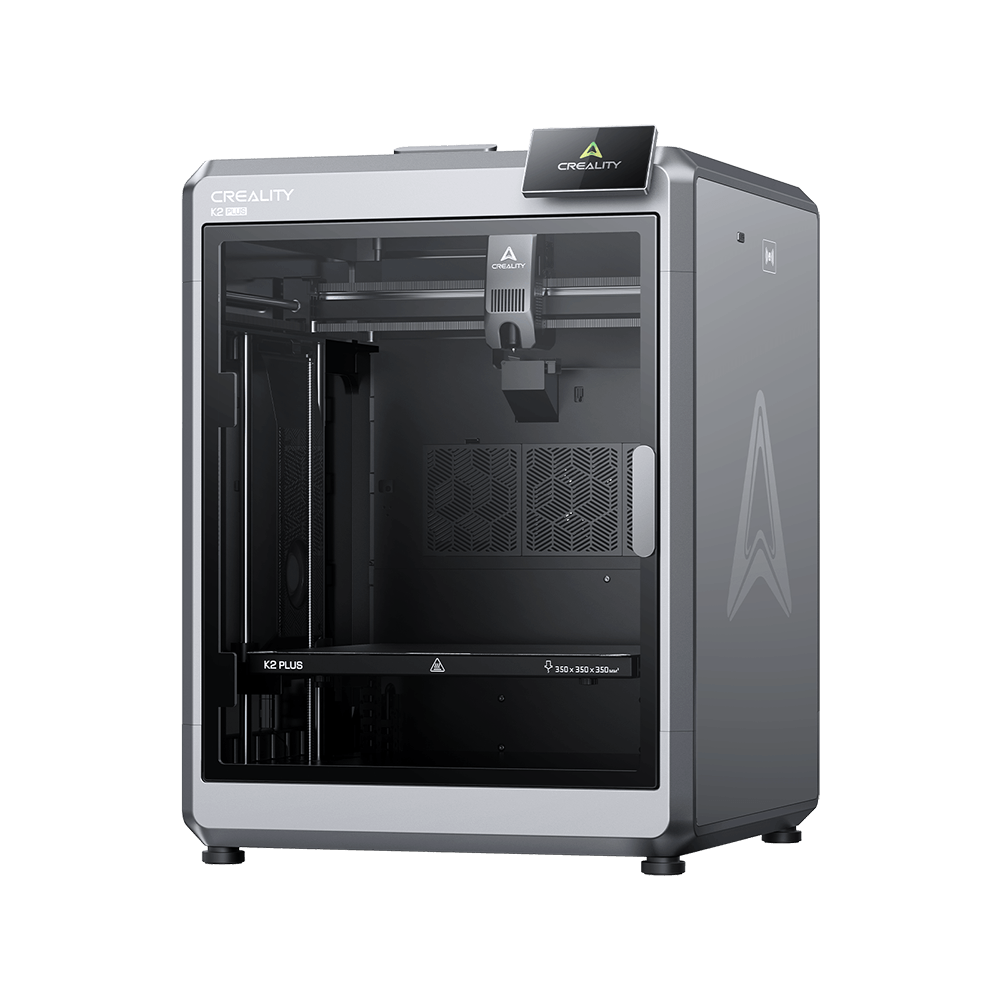
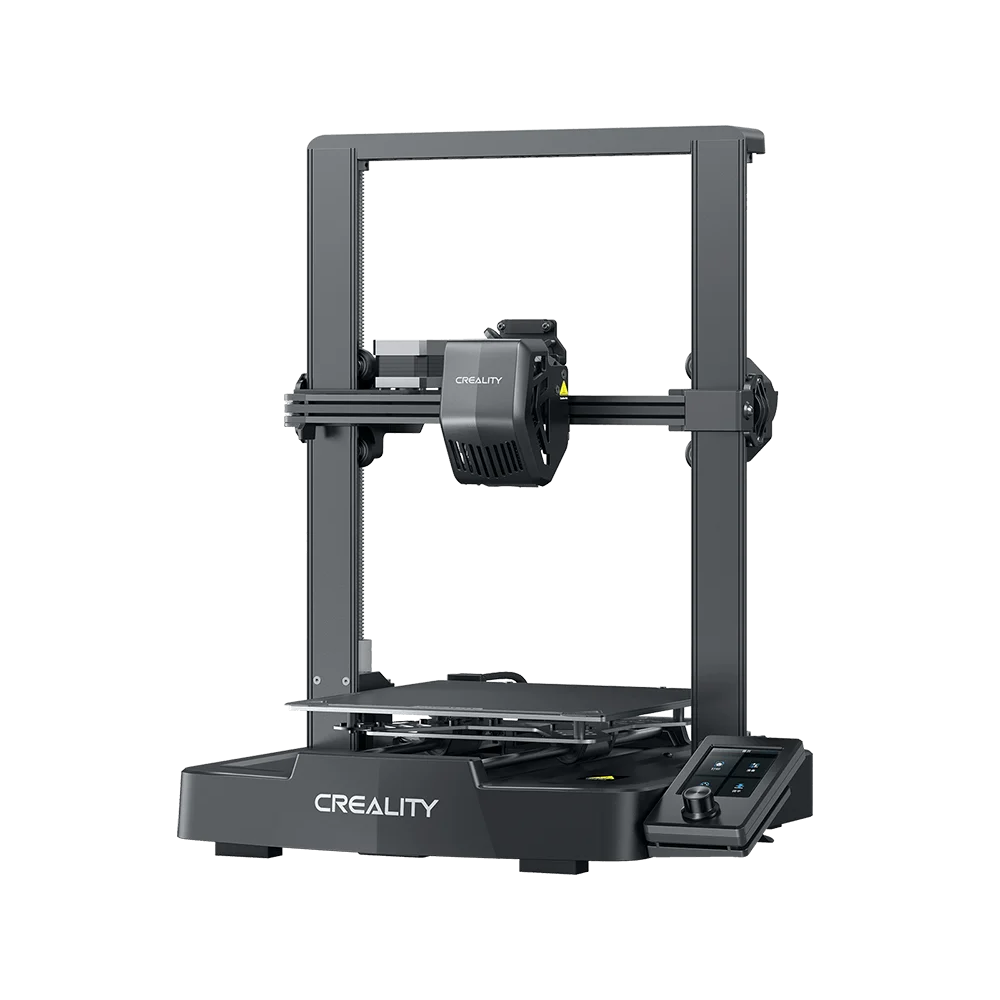
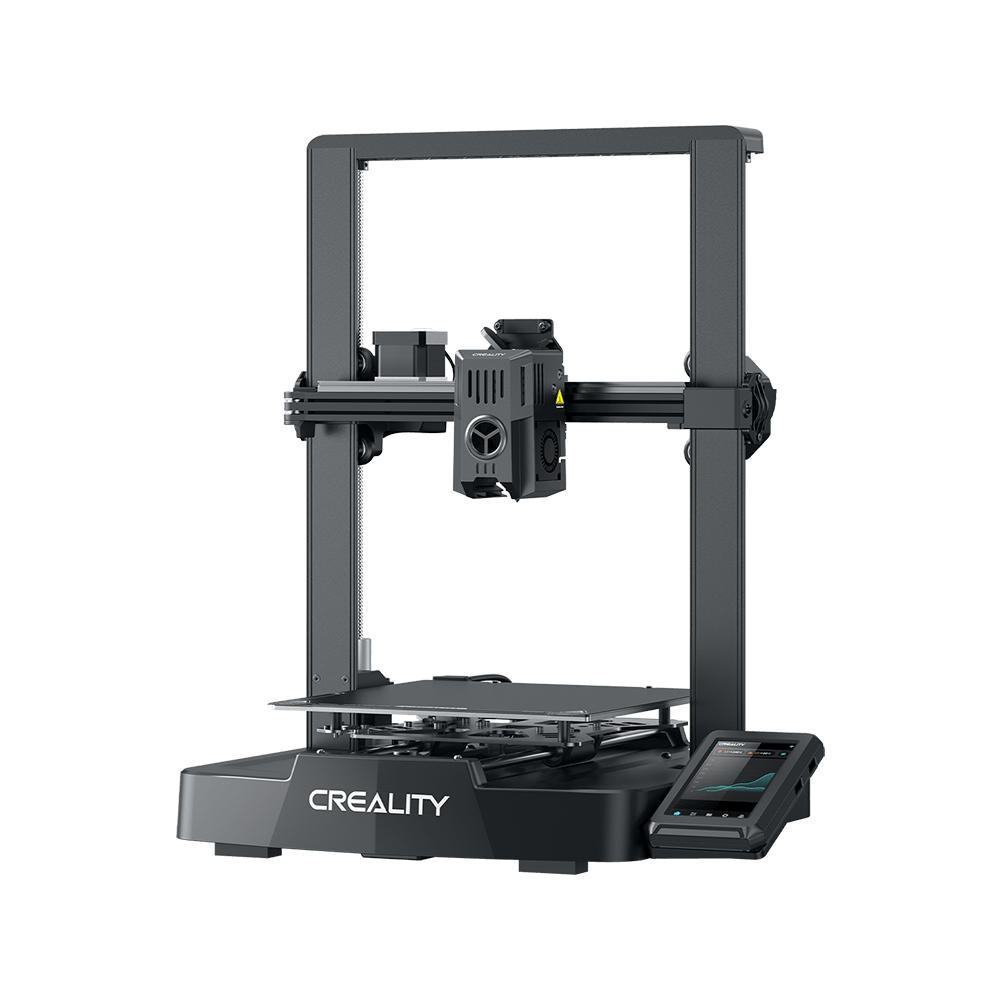
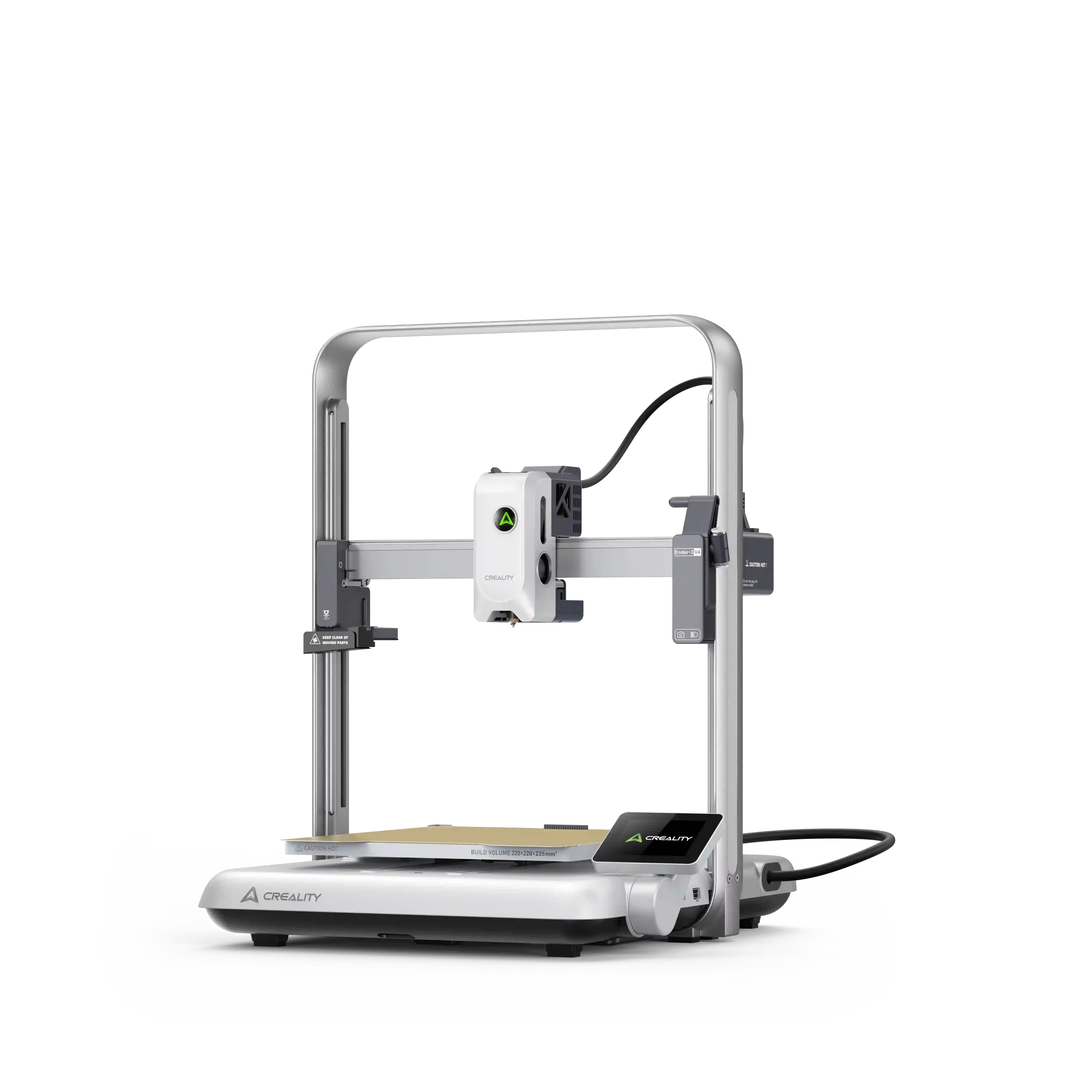
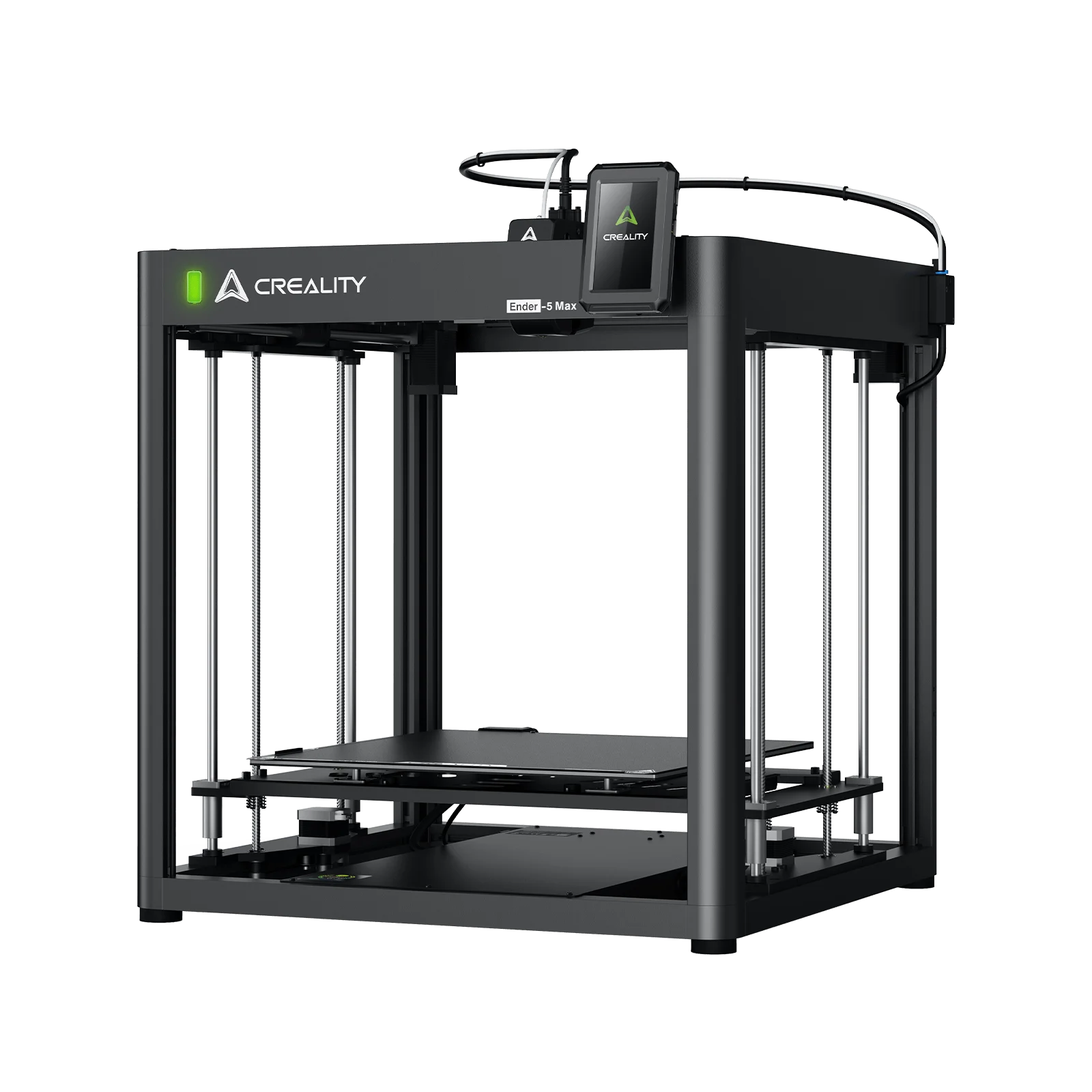
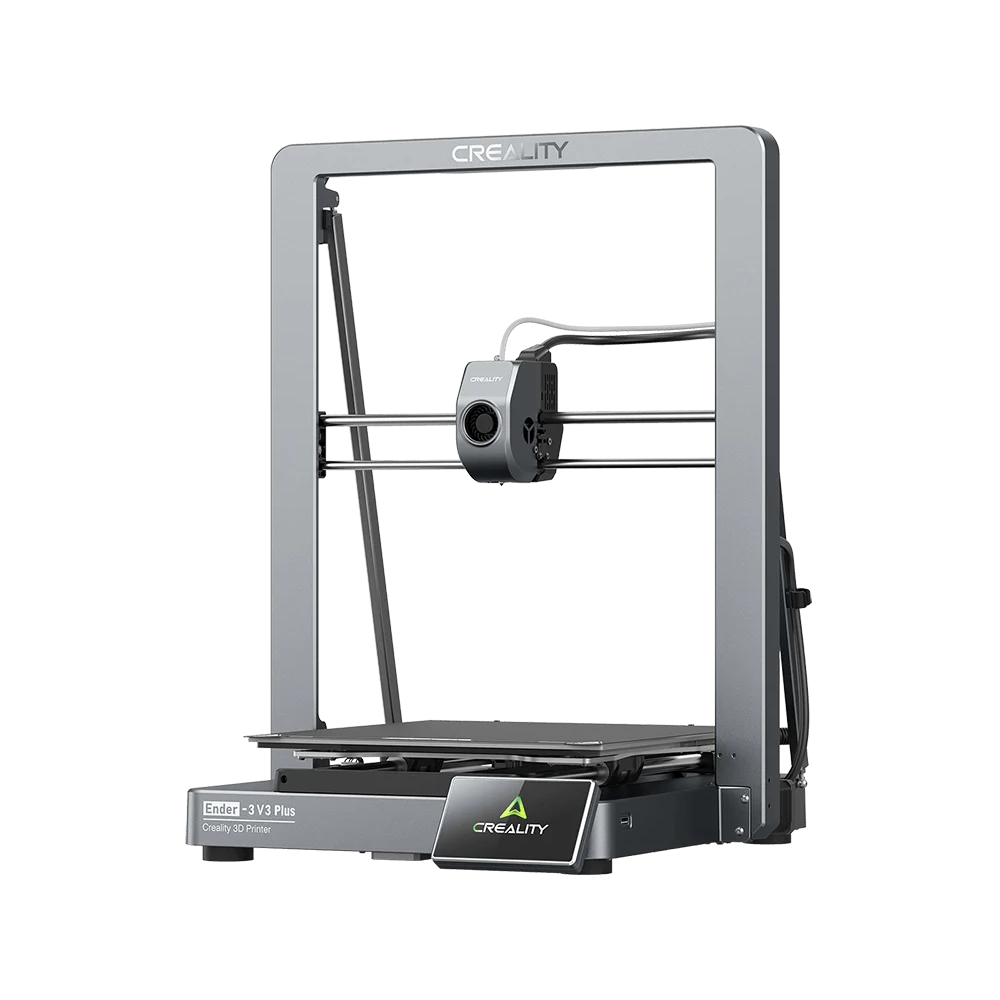
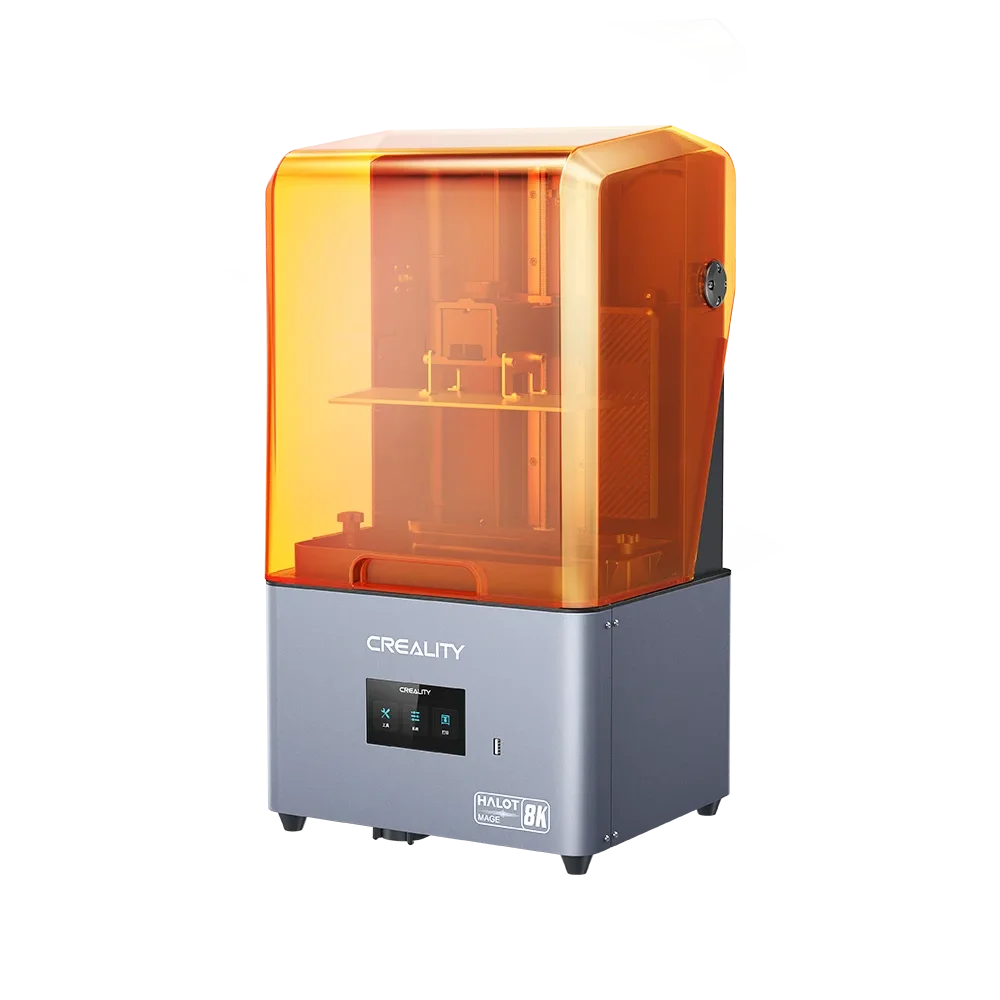
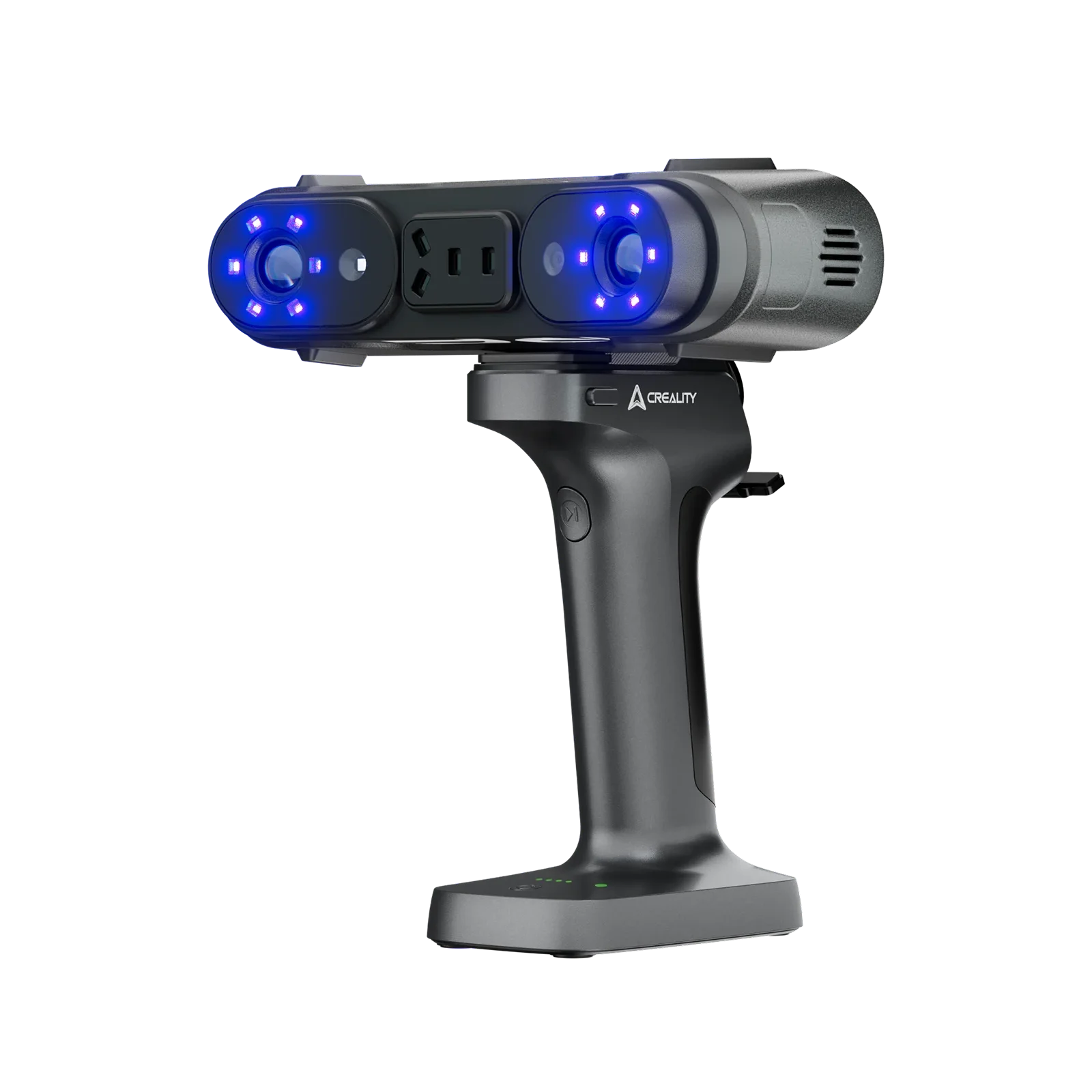
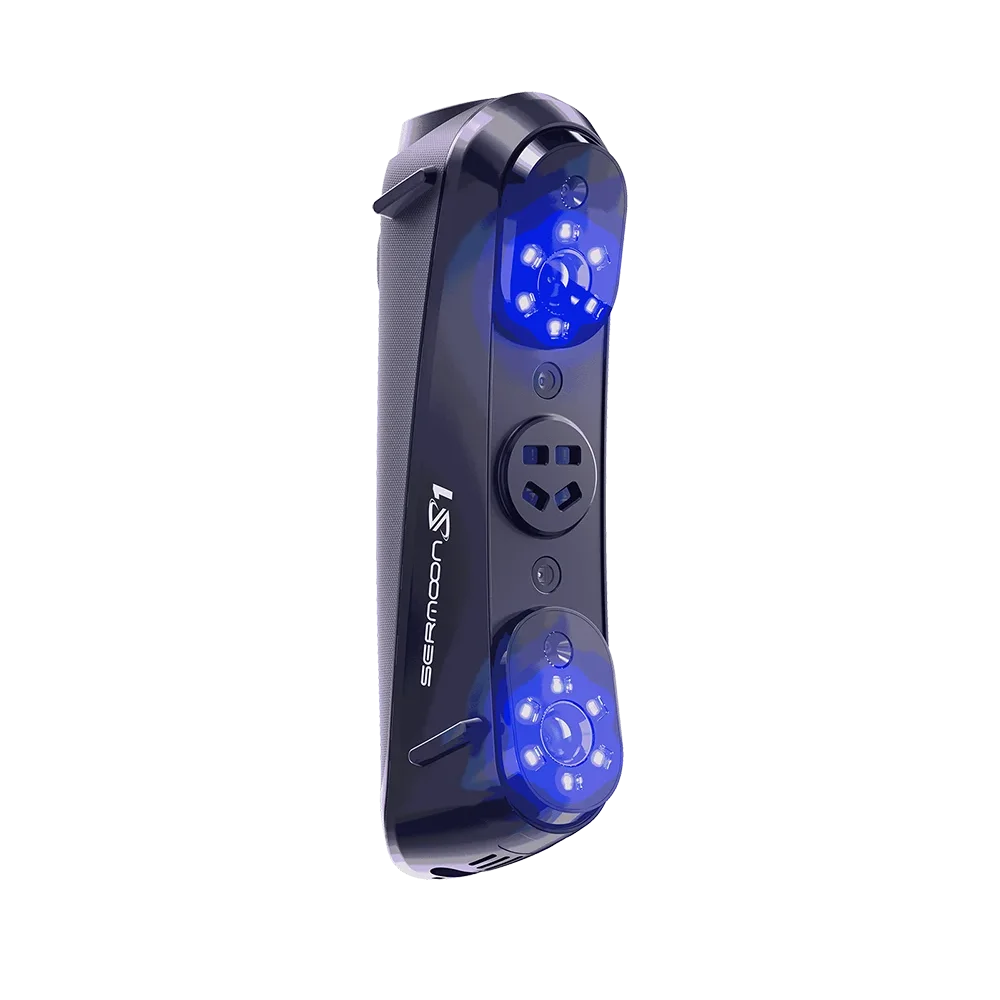
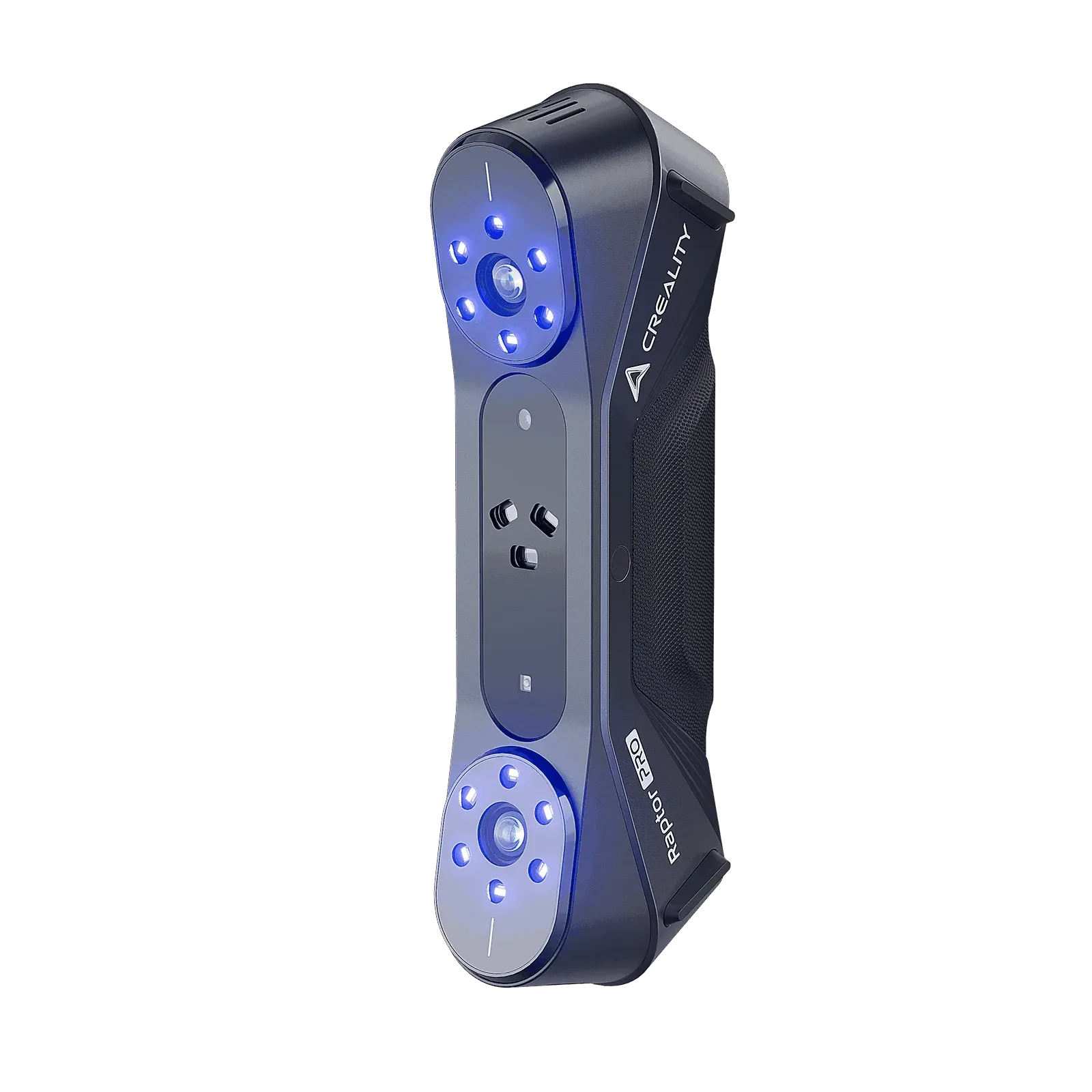
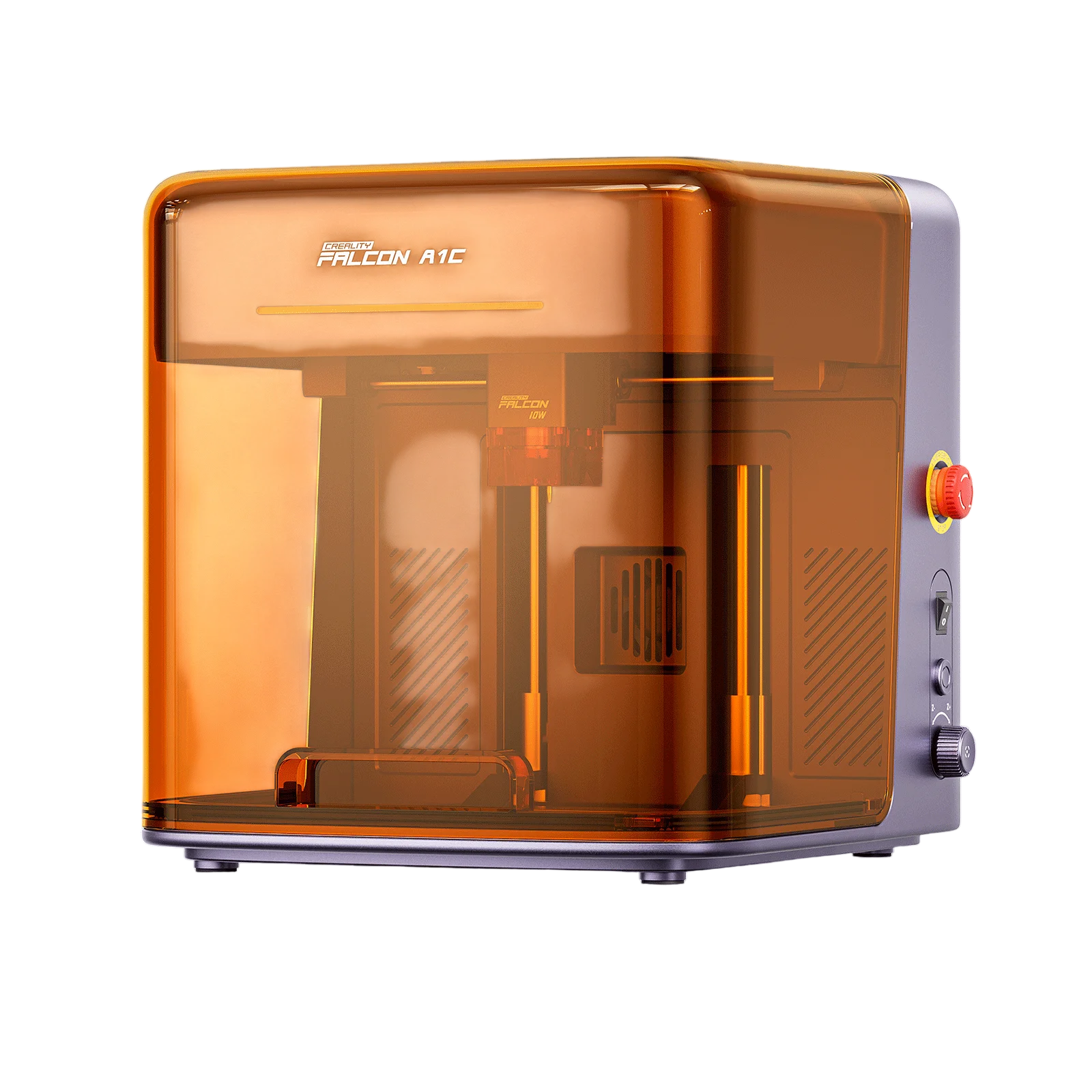
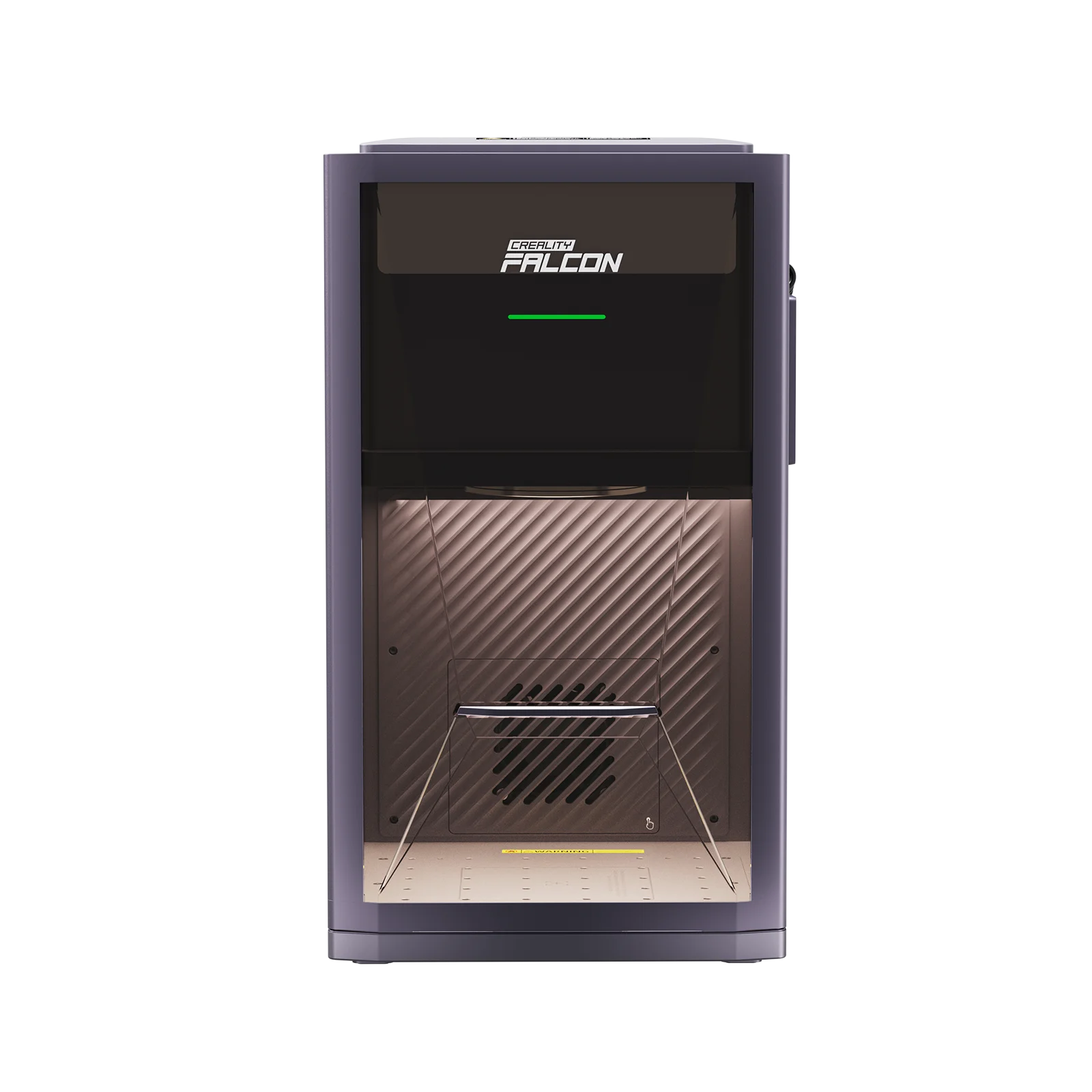
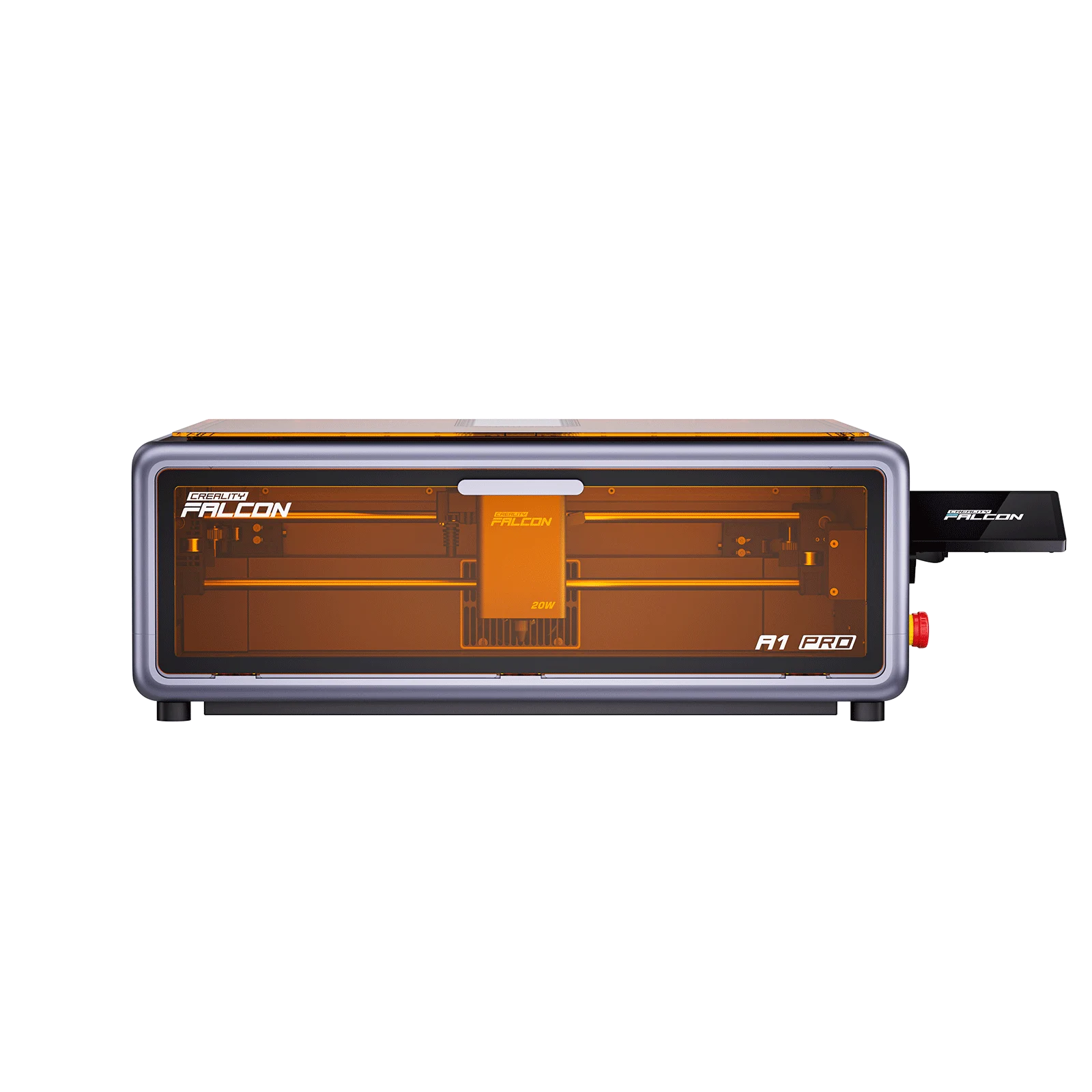
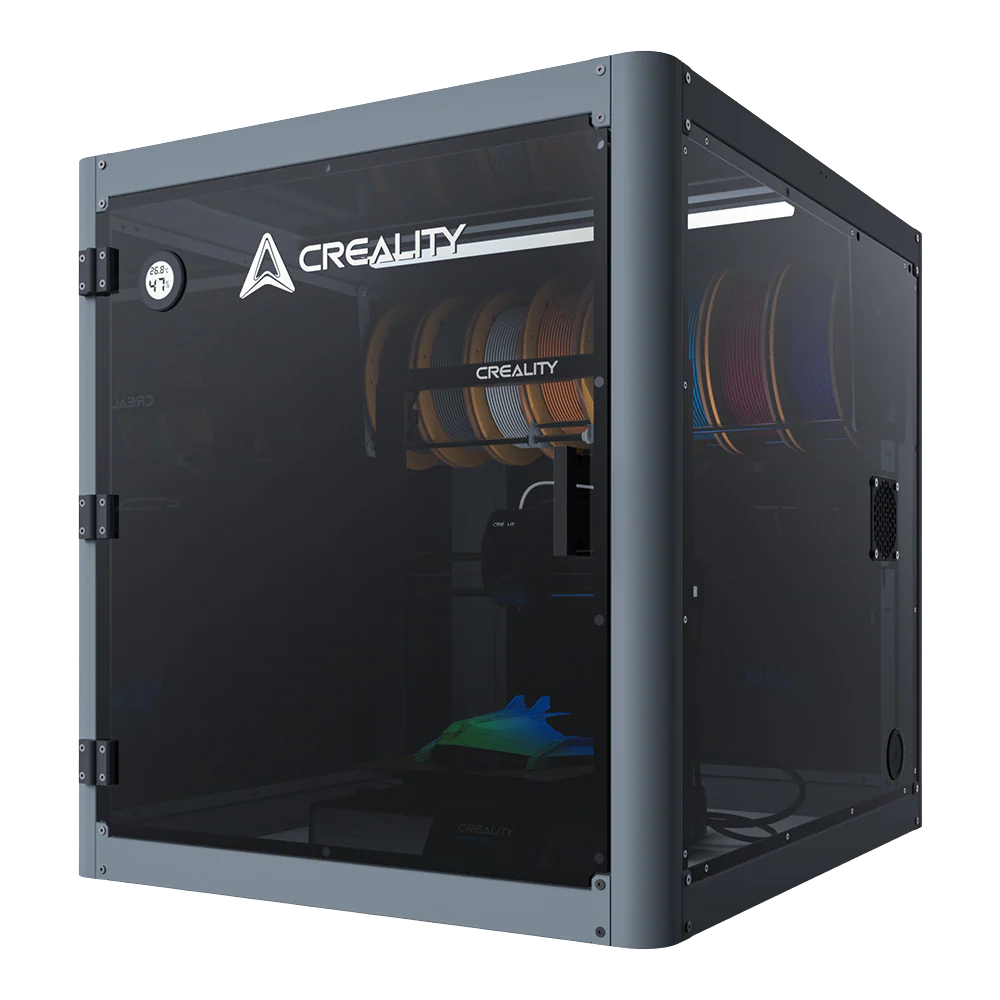
To meet these demands, Steven has built a fully integrated ecosystem. At its core are 3D printers such as the Creality K2 Plus Combo, Ender 3 and CR-10, Raptor Pro 3D scanners, Falcon A1 laser engravers, etc., all running on a daily basis.
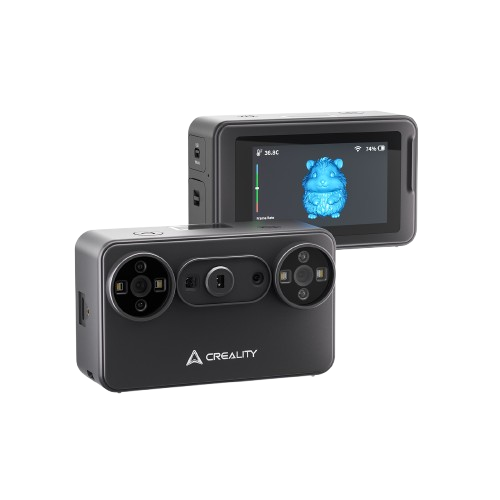
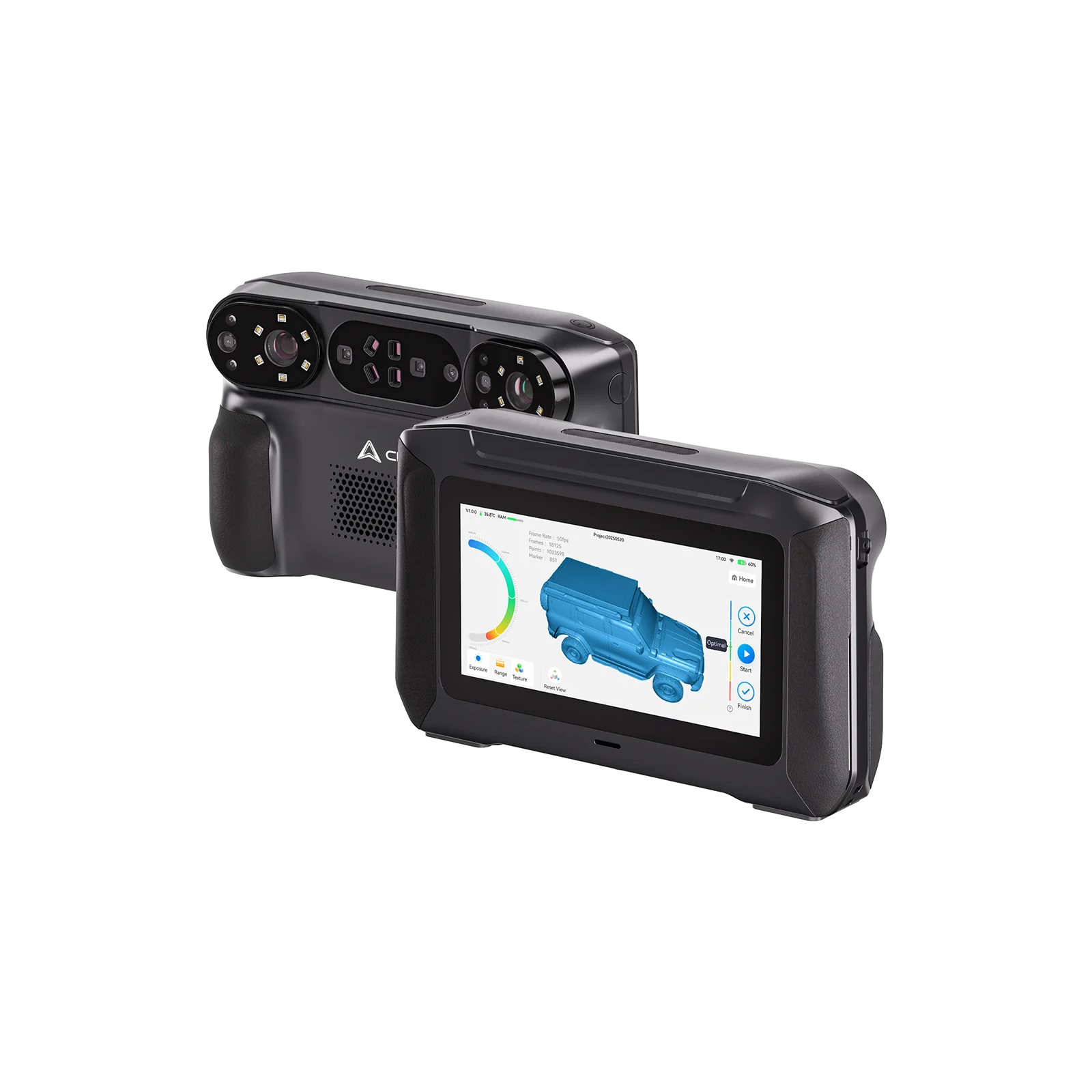
Steven integrates 3D scanning and 3D printing to form a workflow from reverse engineering, design to fabrication. For instance, by scanning electronic components like hard drives and Raspberry Pis, he designs perfectly fitted enclosures and produces them in batches. He also makes robotic parts, auto parts and working tools applying the same workflow, significantly improving customization precision and reducing prototyping time.
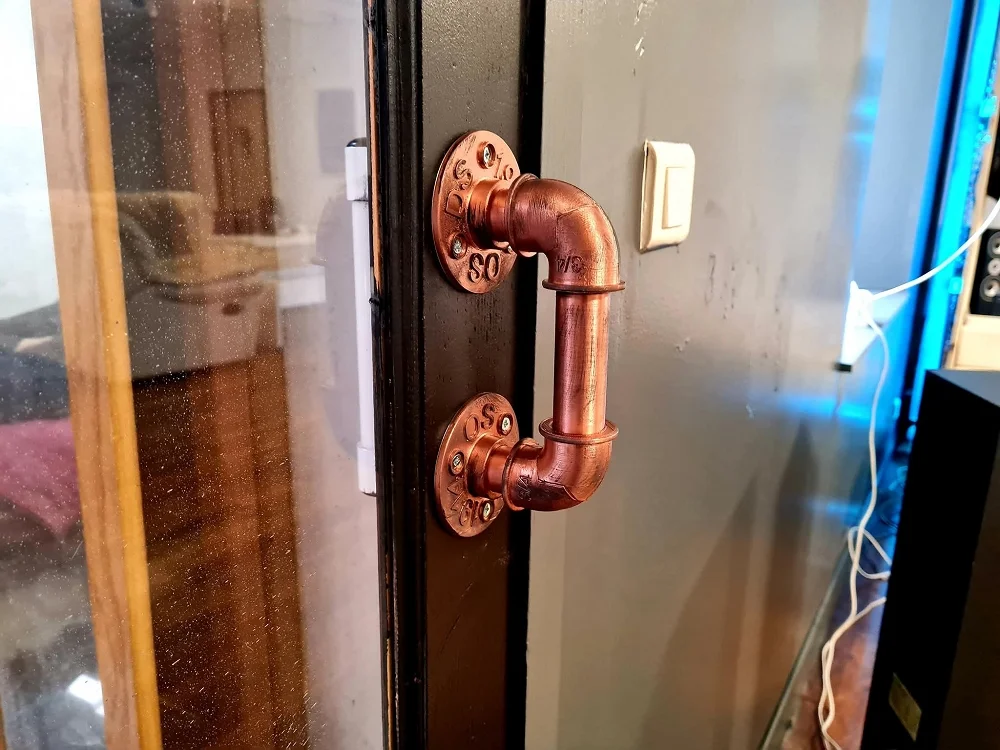
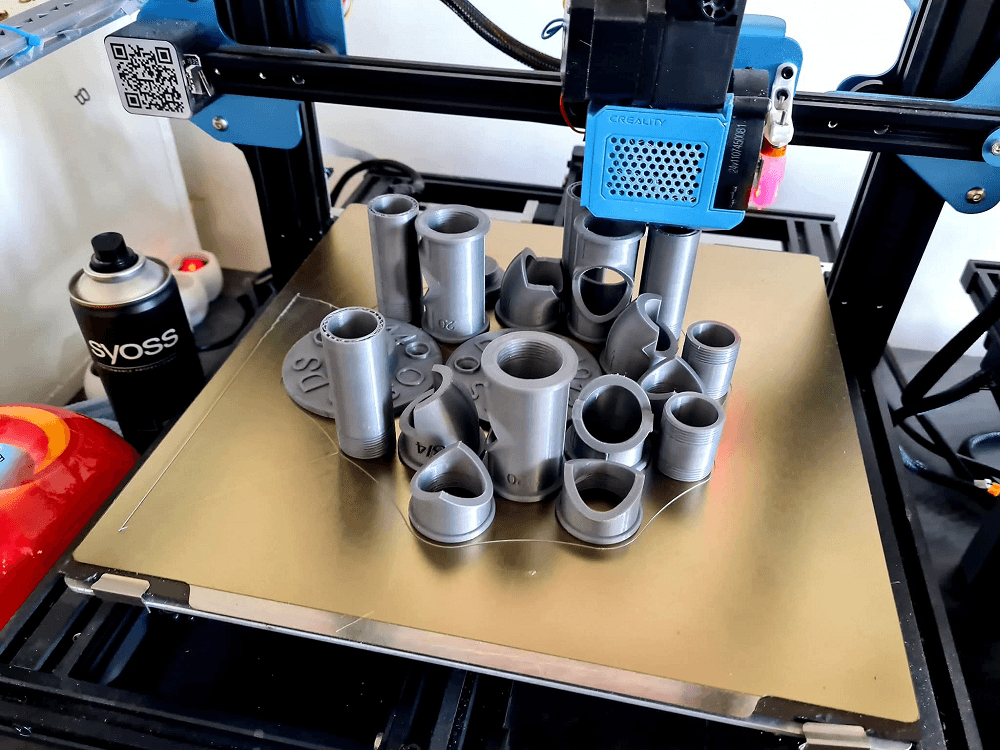
Meanwhile, supporting software is indispensable to this process. Steven uses Creality Scan 4 to achieve clean scans and optimize models and Creality Print to slice files and monitor printing processes in real time.
For laser engraving, he often works with different materials such as plywood or painted glass to create special patterns or characters which match different scenes or vibes according to client needs. Falcon A1 and Falcon Design Space are applied together in the process to deliver detailed, high-quality finishes.
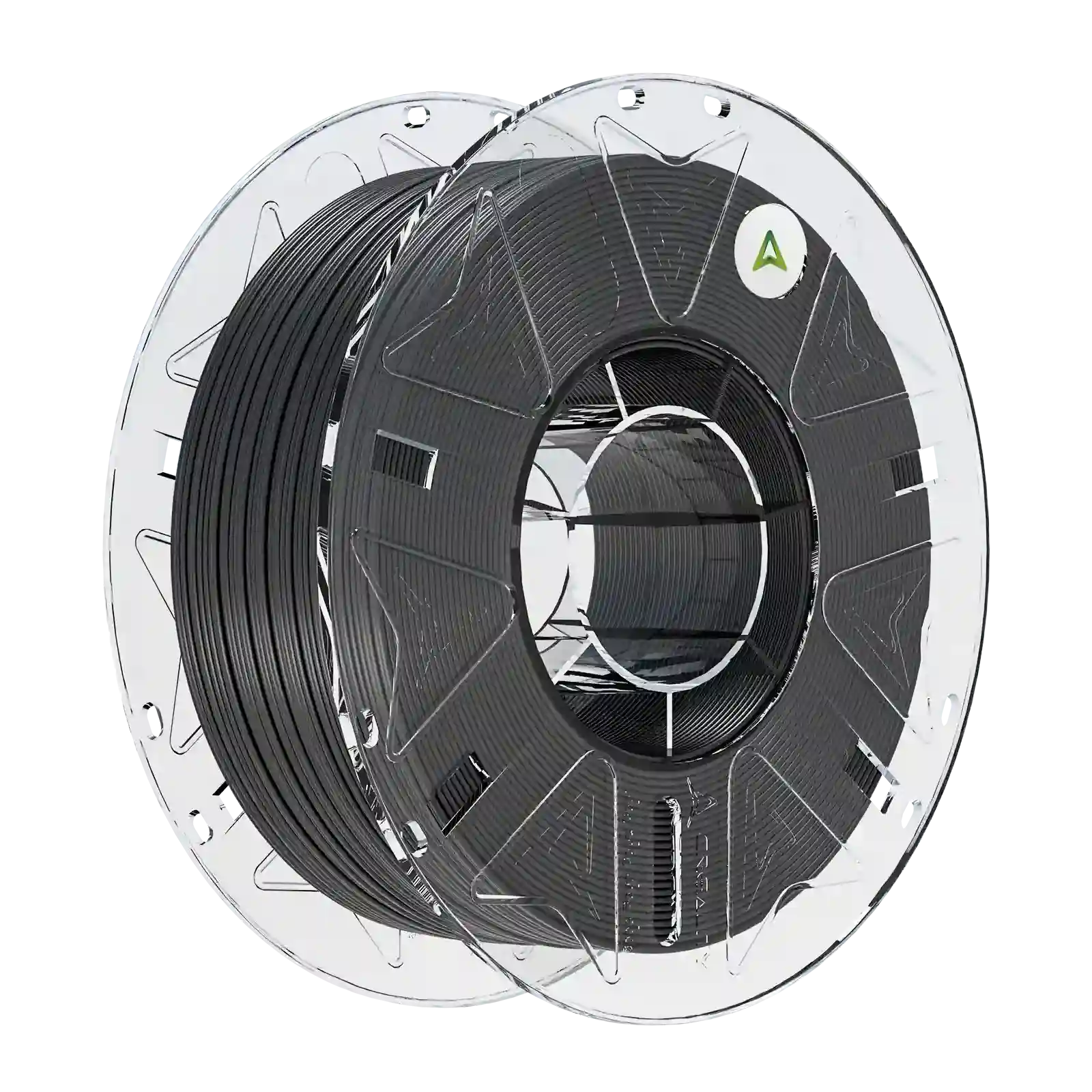
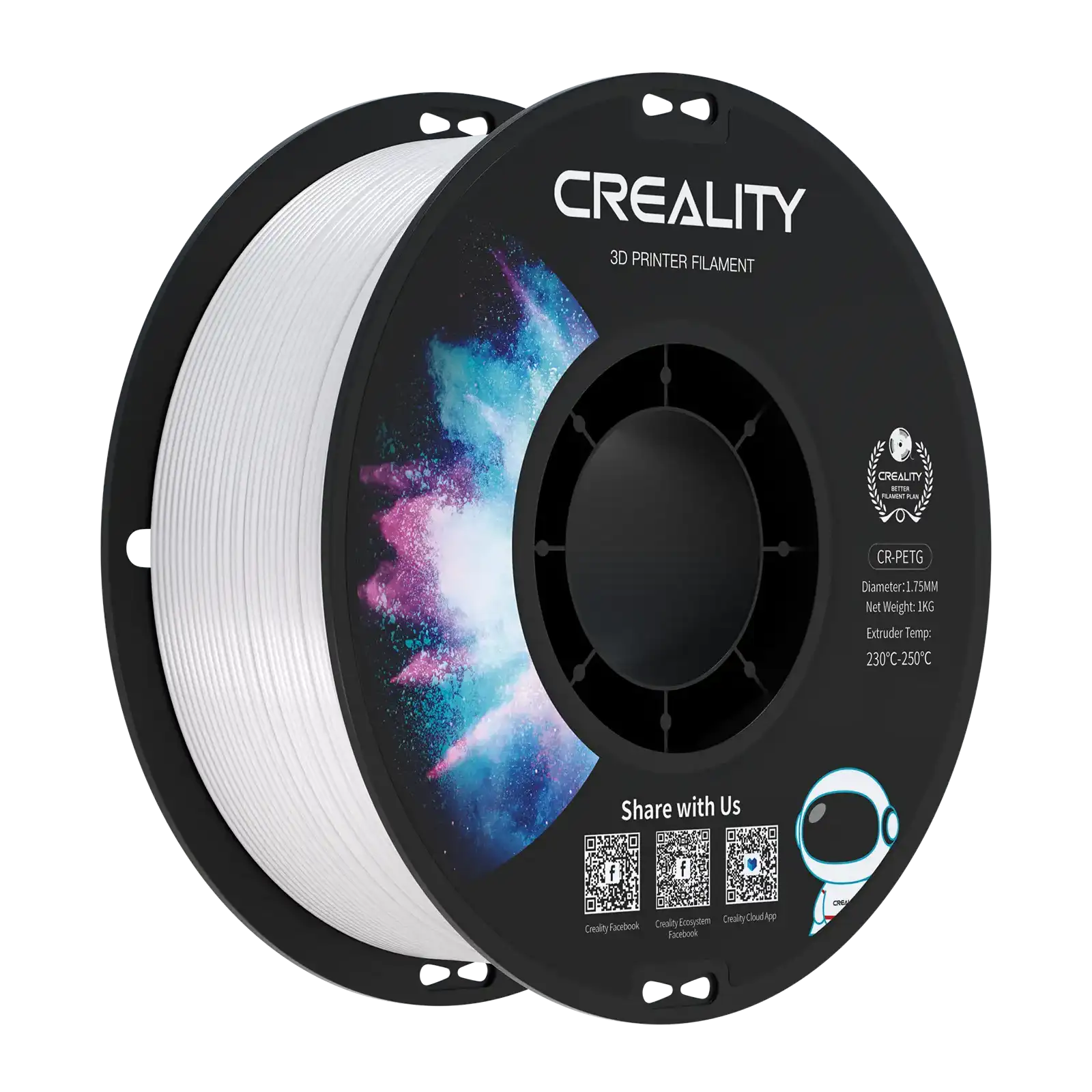
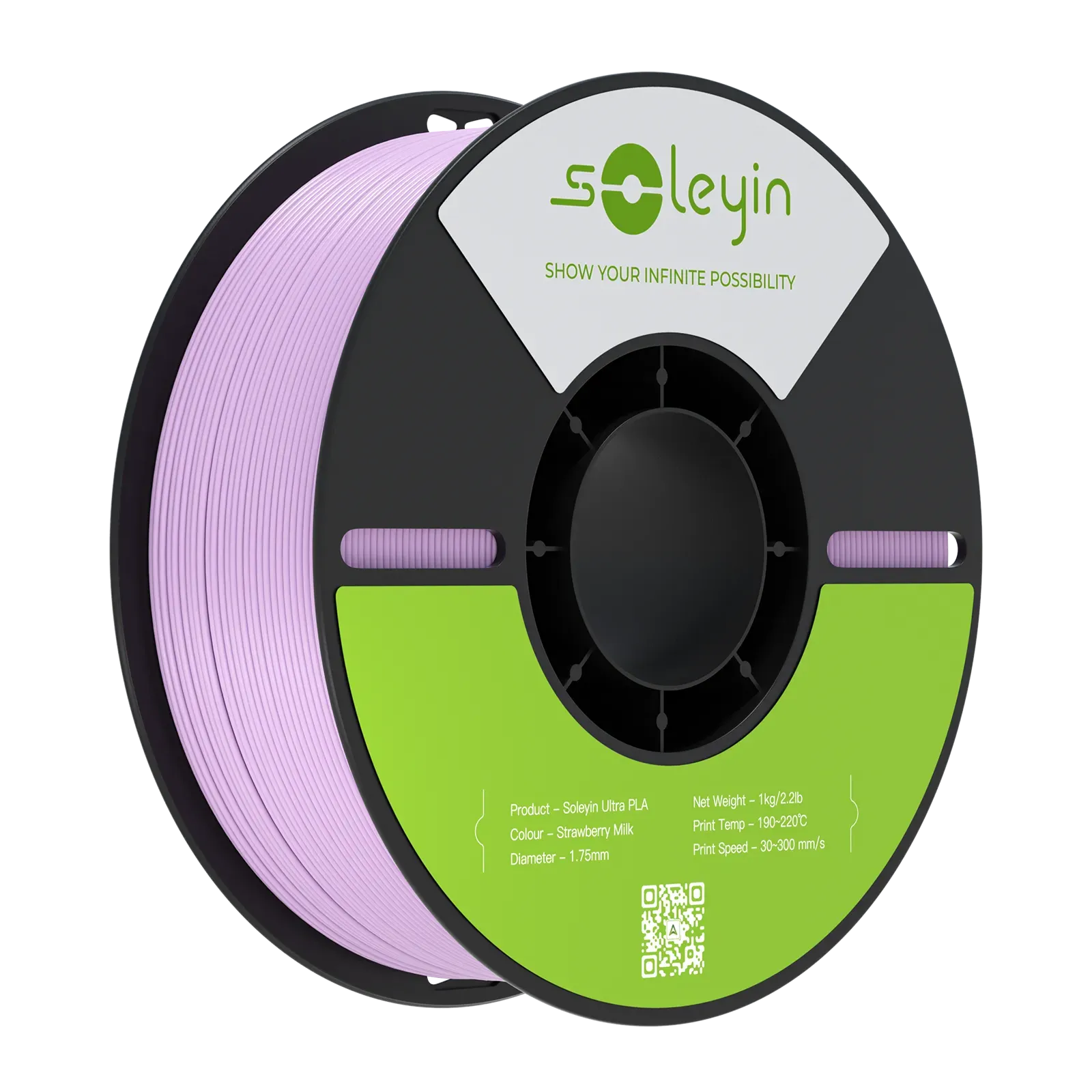
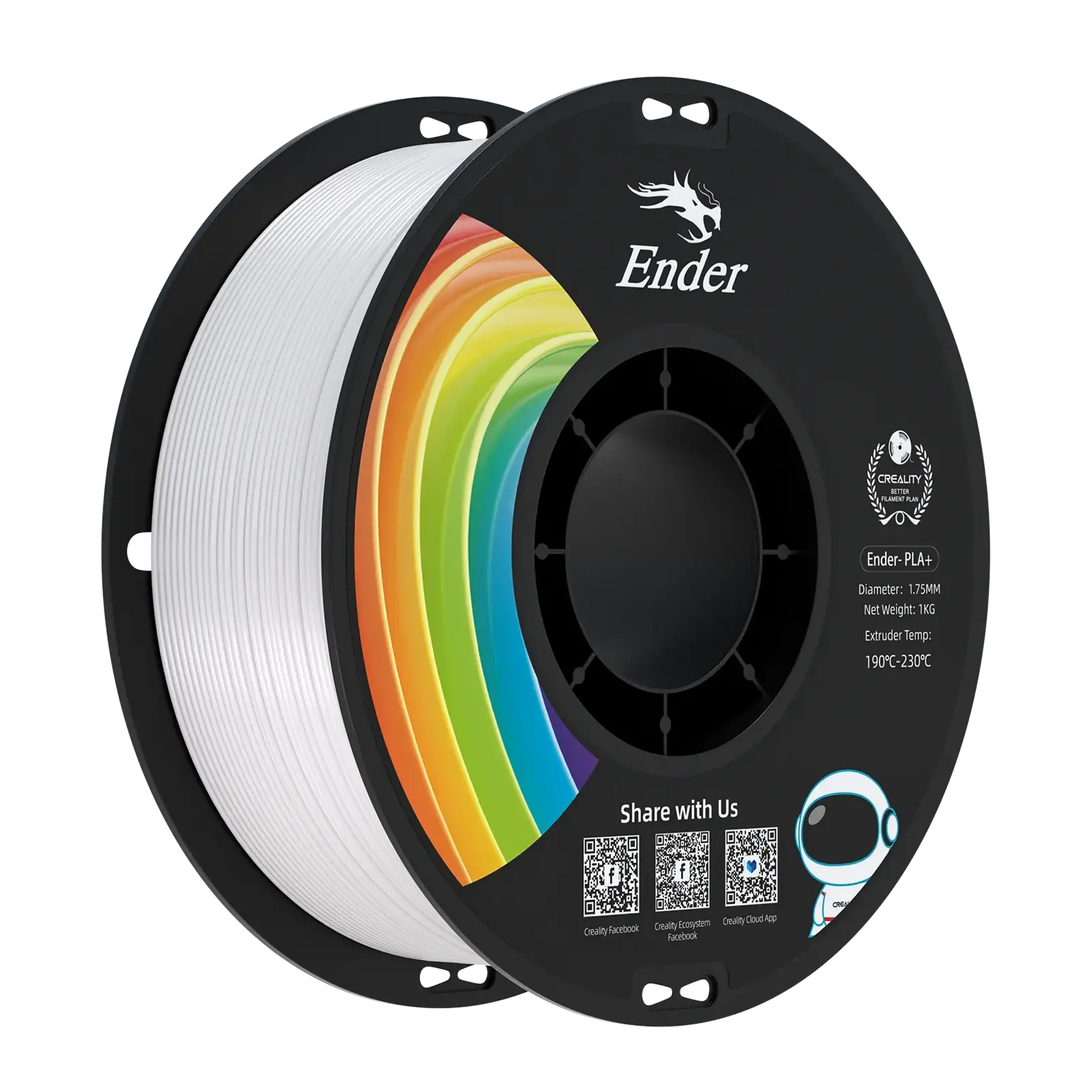
Futhermore, material selection plays a critical role because it highly affects the output quality. Steven chooses PLA for decorative items, PETG for durable and humidity-resistant parts like a ham radio antenna rotor that has endured outdoors for two years, as well as carbon fiber-filled filaments for precision components that require minimal deformation.
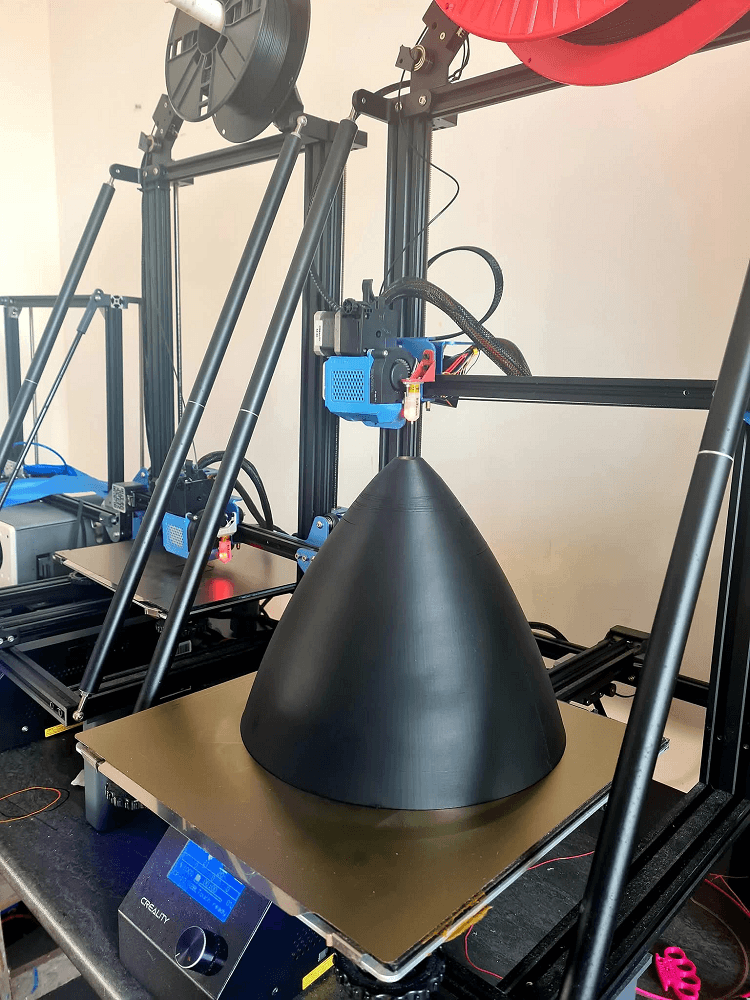
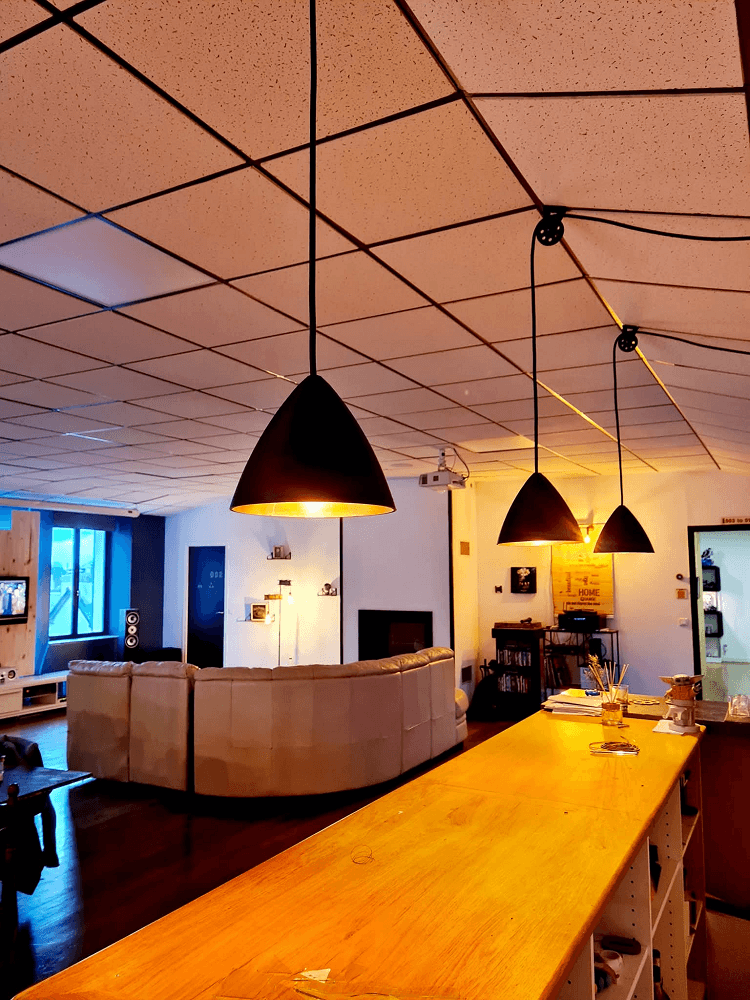
"I chose Creality for its strong modifiability, and well-developed ecosystem, including Creality Cloud and its Wiki resources. The K2 Plus Combo 3D Printer particularly stood out to me for its multi-material capabilities, high precision, and ease of maintenance—for example, I can disassemble the extruder in just 30 seconds." —Steven
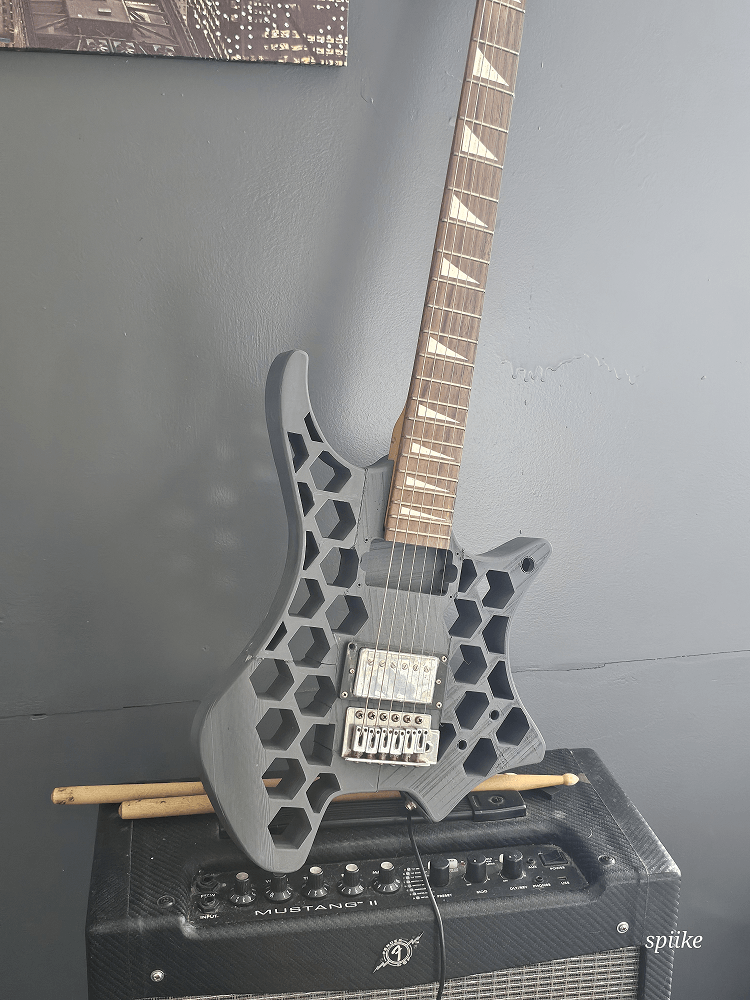
Empowering Makers to Build Careers
This integrated ecosystem of additive manufacturing, scanning, and engraving allows Spike Tech 3D to offer end-to-end solutions for custom design, modeling and production with precision and efficiency, paving the way for a more scalable business. This demonstrates how individuals can be empowered to build sustainable businesses around 3D printing customization and creativity.
As Steven continues to grow his studio, his focus is already shifting toward new possibilities, including metal-particle filaments on his K2 printers. Exploration never stops.