



The global market for 3D printed shoes is valued at about $4.95 billion in 2026 and is expected to exceed $13 billion by 2032, which is a clear indication that additive manufacturing has moved far beyond prototyping and into shoes that people actually purchase and wear every day. If you've ever wondered whether a "3D printed shoe" is a real product or just a conceptual design-school experiment, the short answer is it's real, it's growing fast, and the tech behind it is more specific than most people realise. Here's how it actually works.
Can You 3D Print Shoes?
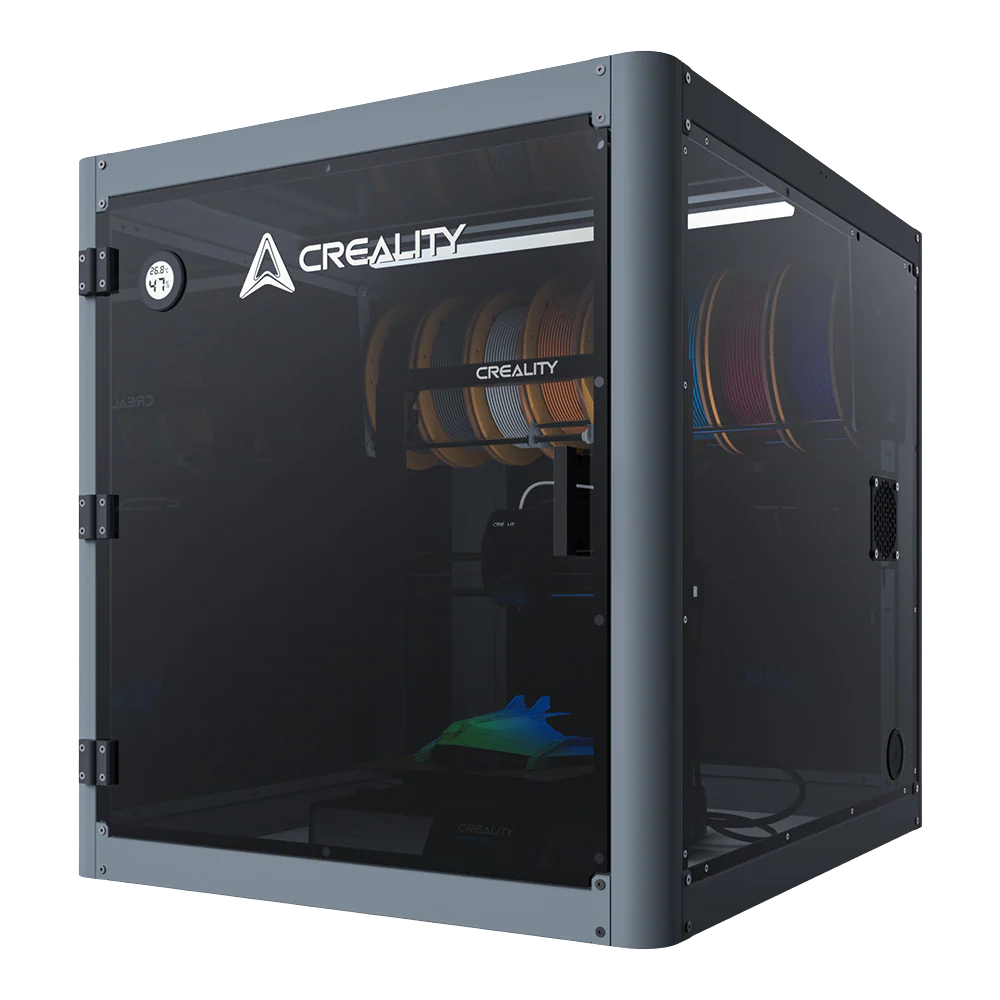
Yes, and not as a novelty. Major athletic brands, orthotics makers, and direct-to-consumer footwear companies are already selling 3D printed shoes at a commercial scale, using industrial-grade printers, not desktop machines. The technology isn't restricted to one part of the shoe either; different components are printed based on the design goal:
● 3D printed outsoles use a lattice structure that provides traction, flex, and energy return in ways that a moulded rubber sole cannot easily replicate.
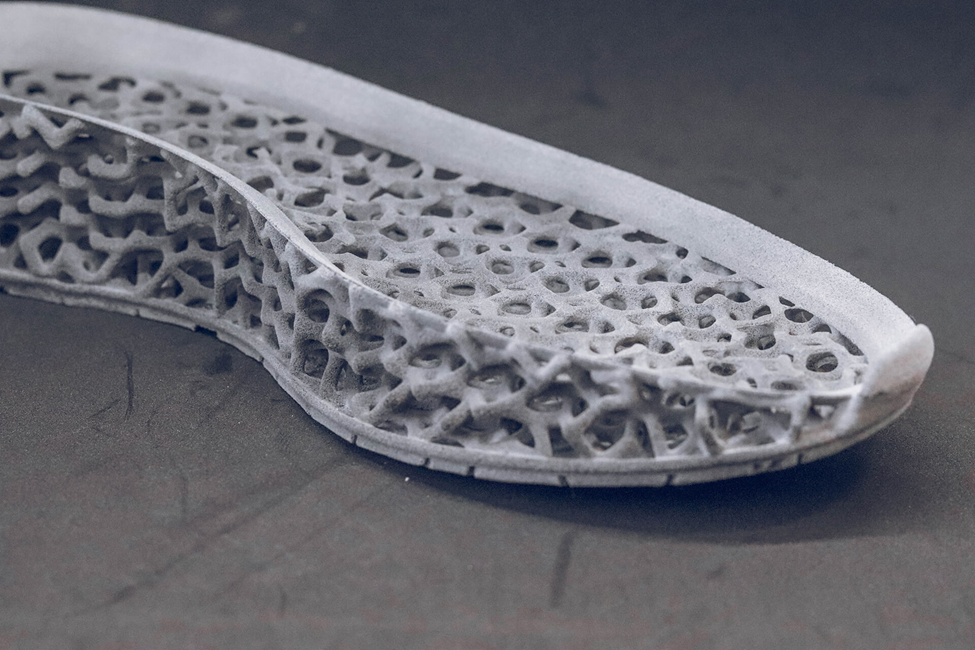
● The most common application is in midsoles, where a printed lattice can take the place of the cushioning usually provided by foam.
● The insoles are printed from a 3D scan of the wearer's foot, so the fit is based on an individual's shape and not a standard size chart.
● Uppers can be printed as a single lattice or knit-like piece, so the shoe has a sock-like fit with no stitched panels.
Common Technologies Used
Shoe manufacturers utilise a small selection of industrial 3D printing processes, each of which is appropriate for different shoe parts:
● SLS (Selective Laser Sintering): A laser bonds a powdered polymer (typically TPU) together layer by layer; it's popular for lattice midsoles as it doesn't require support structures for complex forms.
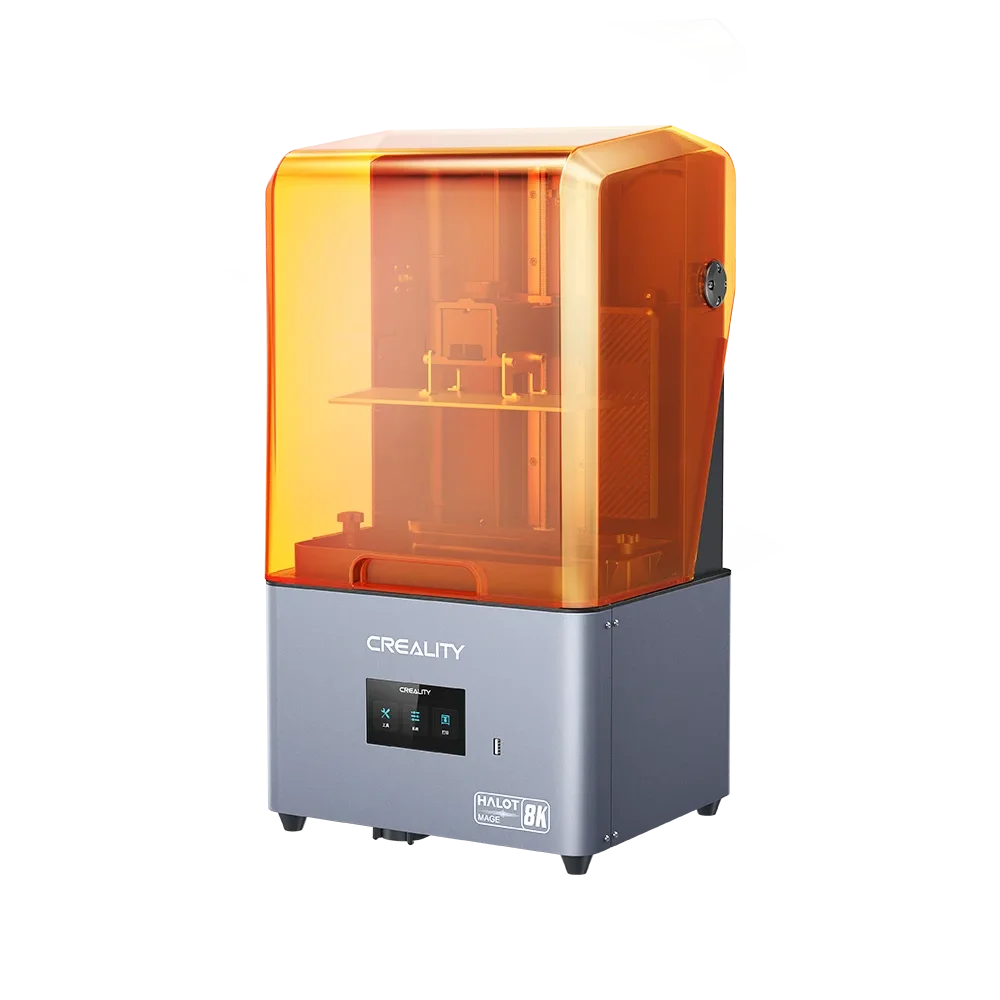
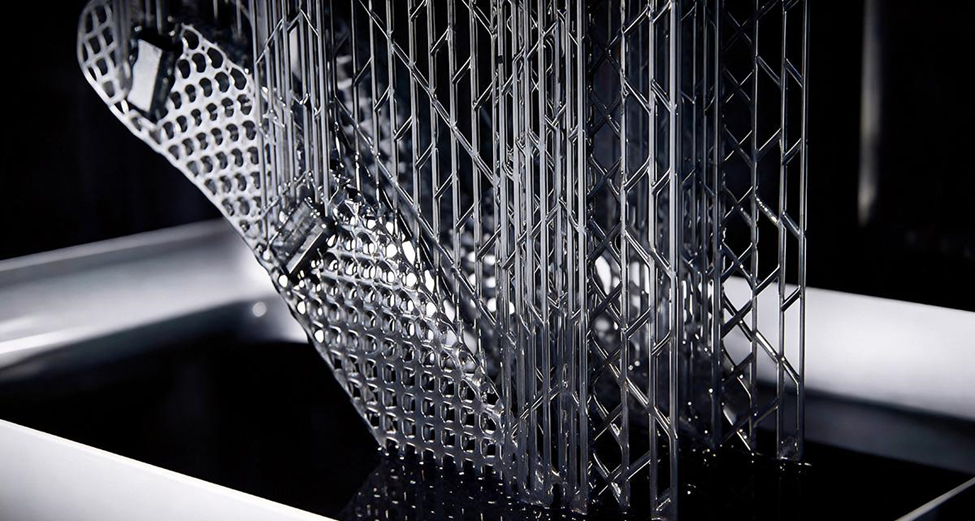
● DLP (Digital Light Processing): Uses a projected light source to cure liquid resin in layers; produces fine detail and smooth surfaces; common for elastomer midsoles and 3D printed insoles.
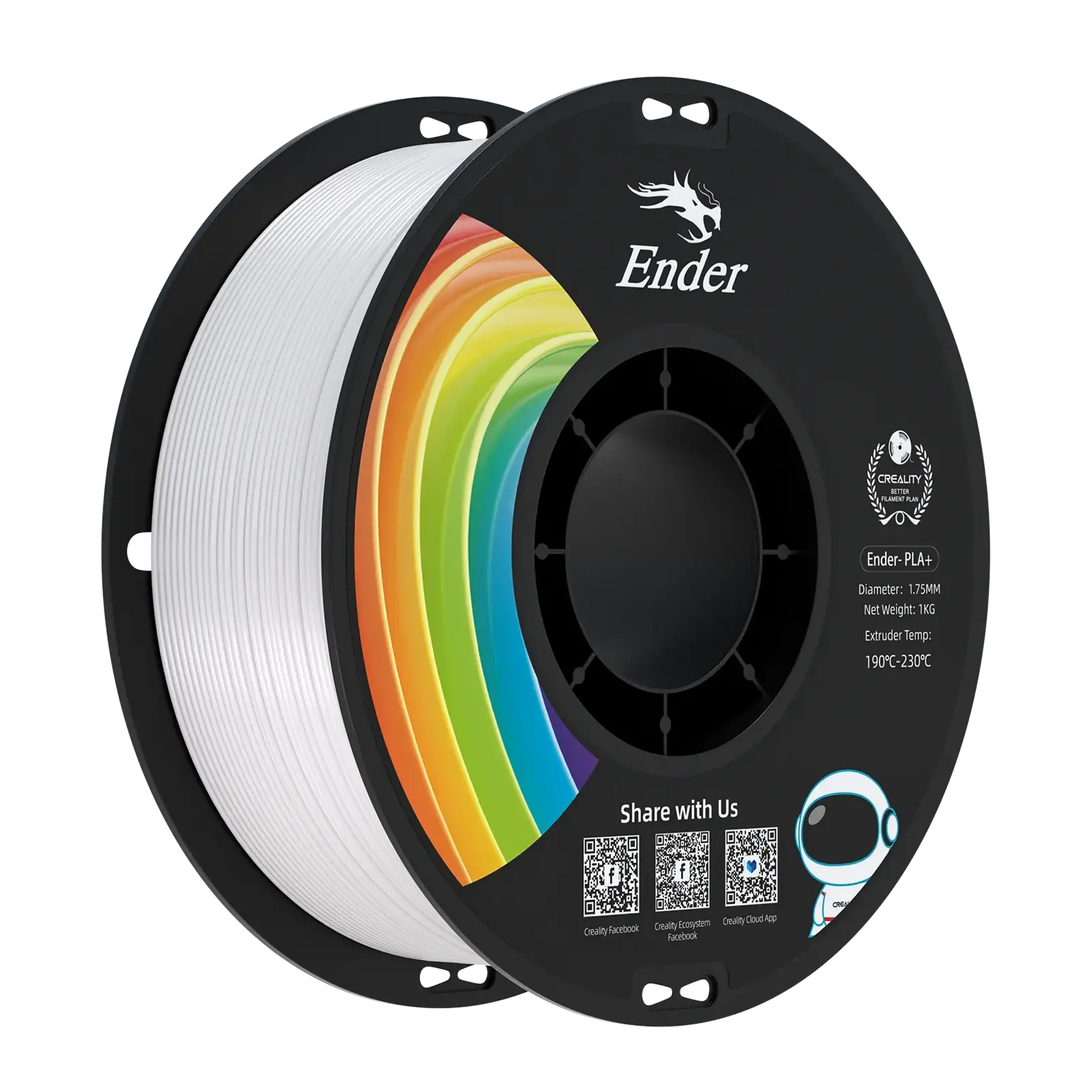
● FDM (Fused Deposition Modelling): Melts and extrudes filament through a nozzle; common for prototyping and desktop projects using standard 3D printed shoes filament, though less common for high-performance cushioning at industrial scale.
Common Materials Used
Depending on which part of the shoe you are printing and how much flex, rebound, or rigidity is needed, the material choice is
● TPU (Thermoplastic Polyurethane): The main material for midsoles and lattices, valued for its elasticity and energy return.
● TPE (Thermoplastic Elastomer): Similar flexibility profile to TPU, sometimes blended for cost or performance tuning.
● Nylon (PA11/PA12): Used in the SLS process for more rigid structural components.
● Photopolymer resins: Proprietary elastomeric resins used in DLP systems, specifically formulated for rebound and durability under repeated compression.
● Recycled or bio-based polymers: A growing share of the market, driven by sustainability positioning.
How Are Shoes 3D Printed?
Whatever the printer or material a brand chooses to use, the production process for industrial 3D printed shoes is generally as follows:
● Digital design: Engineers model the shoe (or just the midsole/lattice) in CAD software, often generating lattice geometry algorithmically to control the cushioning zones, arch support, and flex points across different areas of the foot.
● Printing: The design is sliced and printed on an industrial machine (SLS, DLP, or MJF), building the part layer by layer, typically without the assembly-line moulds and tooling traditional shoemaking requires.
● Post-processing: Printed parts are cleaned of excess powder or uncured resin and then cured to obtain final mechanical properties.
● Assembly: If printed separately, the sole and upper are bonded or mechanically joined. Some designs minimise this step by printing the sole and part of the upper as one piece.
● Quality control and finishing: Parts are inspected for tolerances, then finished with laces, branding, or coatings prior to packaging.
Because the sole geometry is created digitally, brands can alter cushioning density, arch support, or ventilation without having to retool a mould, which is why 3D printing has found a foothold in performance and orthotic footwear.
3D Printed Shoes Example: Nexbie 3D Printed Shoes
Nexbie's Aeroraise 3D printed sneakers make a useful commercial reference point, since the spec sheet is public, not theoretical. Aeroraise is made using HALS 3D Printing, a DLP-based system built on Creality's industrial printing platform, and printed in ELASTO 1000, a proprietary elastomer material instead of standard EVA or PVC foam. The shoe is constructed as a single-piece lattice structure, with the sole and midsole geometry generated and cured together as one unit, rather than being moulded, cut, and glued together, and it is EU REACH and US CP65 certified for material compliance.

Key features of the Aeroraise:
● 3D lattice arch support: Denser lattice under the arch and more open elsewhere, tuning support without additional foam bulk.
● Elastic impact cushioning: ELASTO 1000 is designed for repeated compression rebound and has been tested for tens of thousands of cycles.
● Quick-drain design: The open-air lattice lets water drain through rather than pool or absorb like foam.
● Breathable and odour-resistant: The same lattice that drains water also allows airflow, reducing heat and moisture buildup.
● All-terrain performance: The lattice sole provides traction and structure for a variety of surfaces beyond the indoor setting.
● One-piece printed construction: Sole and midsole print as one unit, with no glued seams to fail.
FAQs About 3D Printed Shoes
Can you make shoes with a 3D printer?
Yes. Desktop FDM printers can print basic outsoles or novelty designs. But the wearable, durable 3D printed shoes on the market today are made on industrial SLS, DLP, or MJF machines using elastomer materials like TPU or speciality resins.
How much do 3D printed shoes cost?
Commercial 3D printed trainers generally cost between $100 and $250, depending on the brand, materials used, and whether they are a fully custom fit. That's roughly the same 3D printer shoes price range as premium traditional athletic shoes.
How long do 3D printed shoes last?
3D printed shoes are made with engineered elastomer lattices and are often rated for tens of thousands of compression cycles in testing. The real-world lifespan still depends on the material, the use of the shoe, and the quality of the manufacturing.
Are 3D printed shoes actually good?
Yes, for everyday wear – many 3D printed shoes now equal or surpass traditional cushioning and support because lattice geometry can be tuned more finely than moulded foam. They are not automatically better in every respect (cost and material recyclability are trade-offs), but the performance gap that used to separate 3D printed footwear from traditional shoes has largely closed for consumer products.
Conclusion
3D printed shoes have moved from a manufacturing curiosity to a real, wearable product category, with soles, midsoles, and even entire uppers. They are made through SLS, DLP, and MJF processes. The core trade-off is straightforward: a more accurate, customised, and often greener build, at the expense of a higher price and a production process that is still catching up with traditional manufacturing in terms of speed and scale. If you want to see what this looks like in practice, 3D printed shoes from Nexbie are among some of the best 3D printed shoes to try today, letting you feel the technology.