

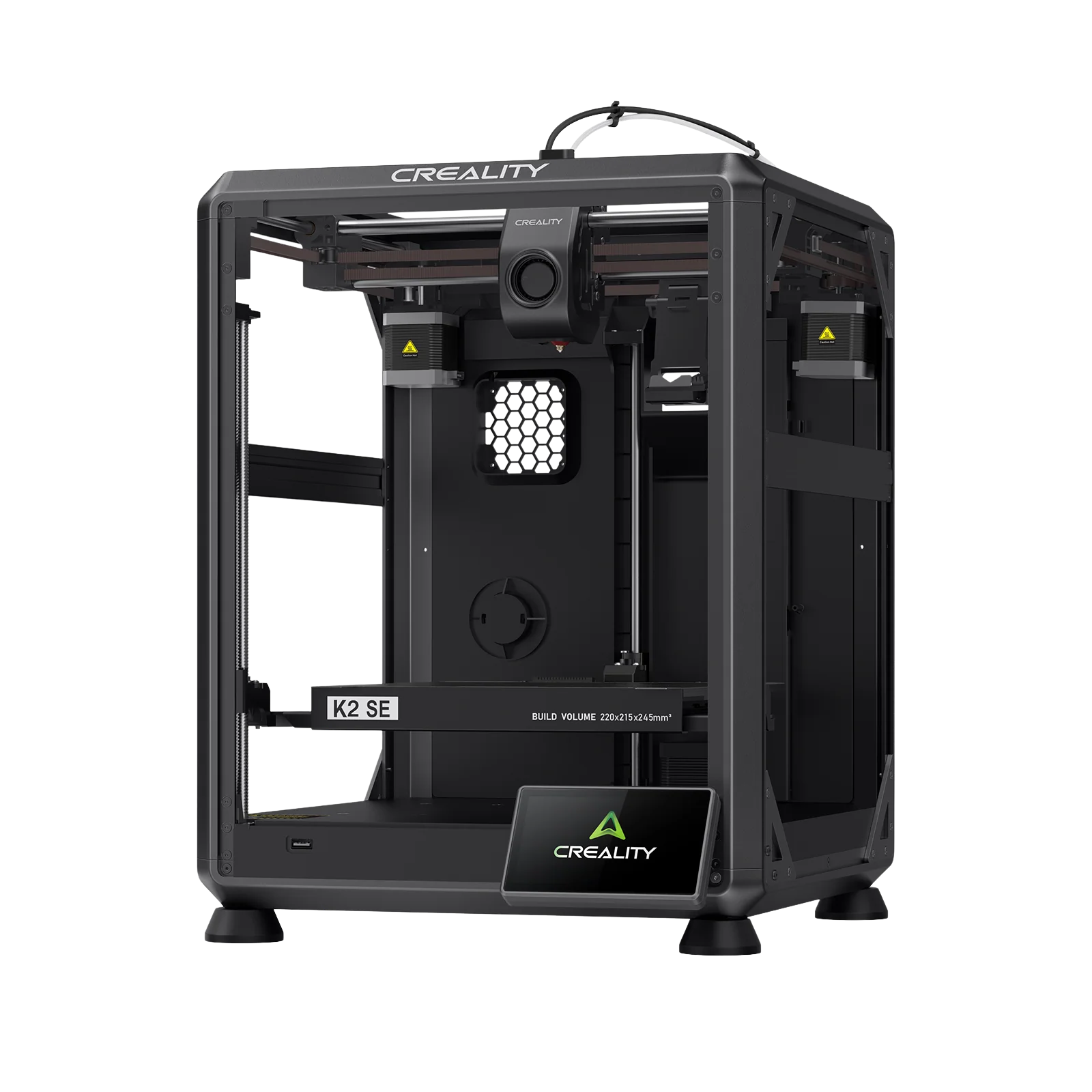
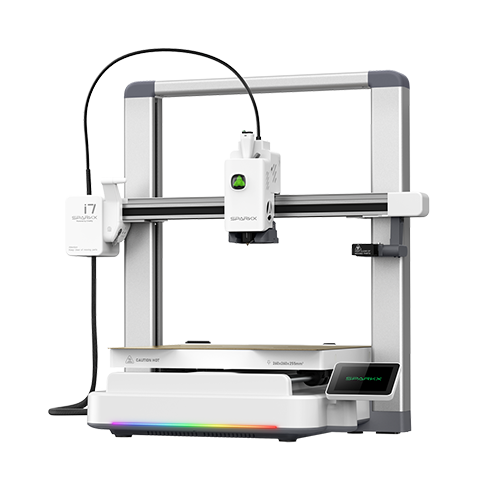
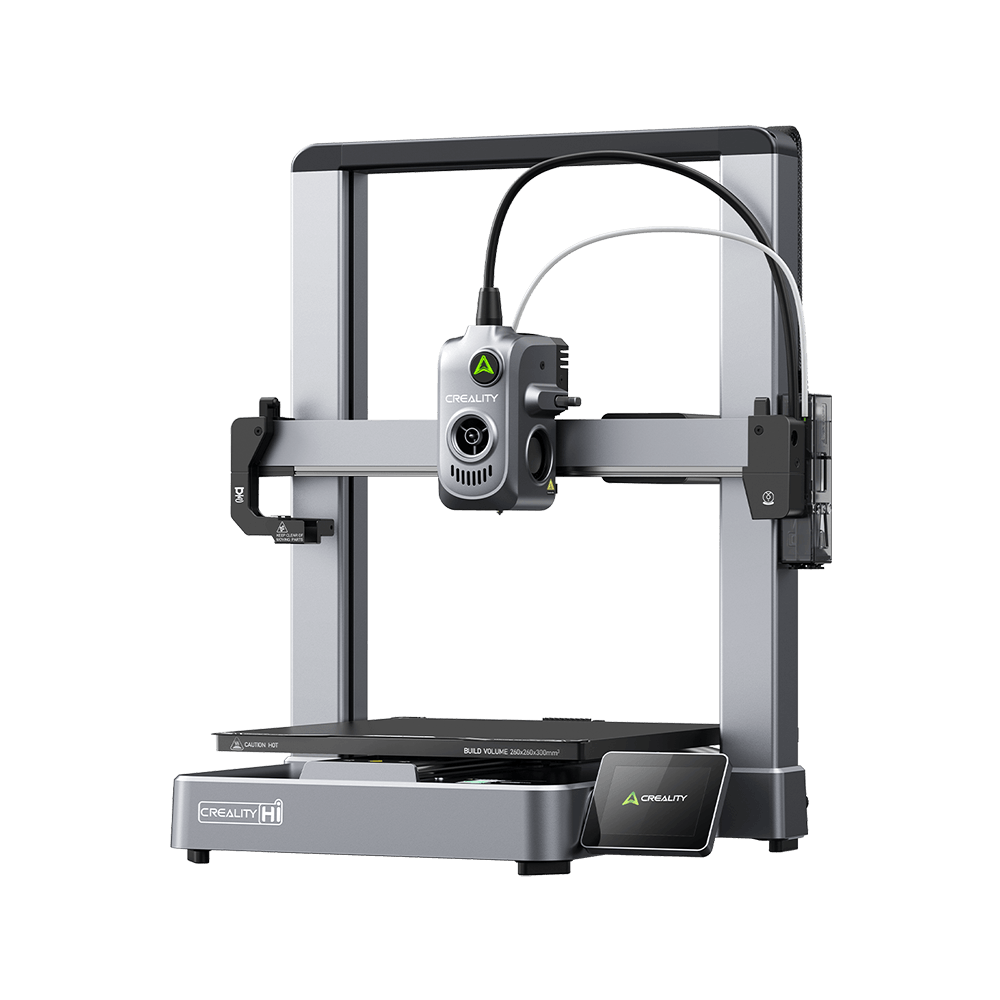
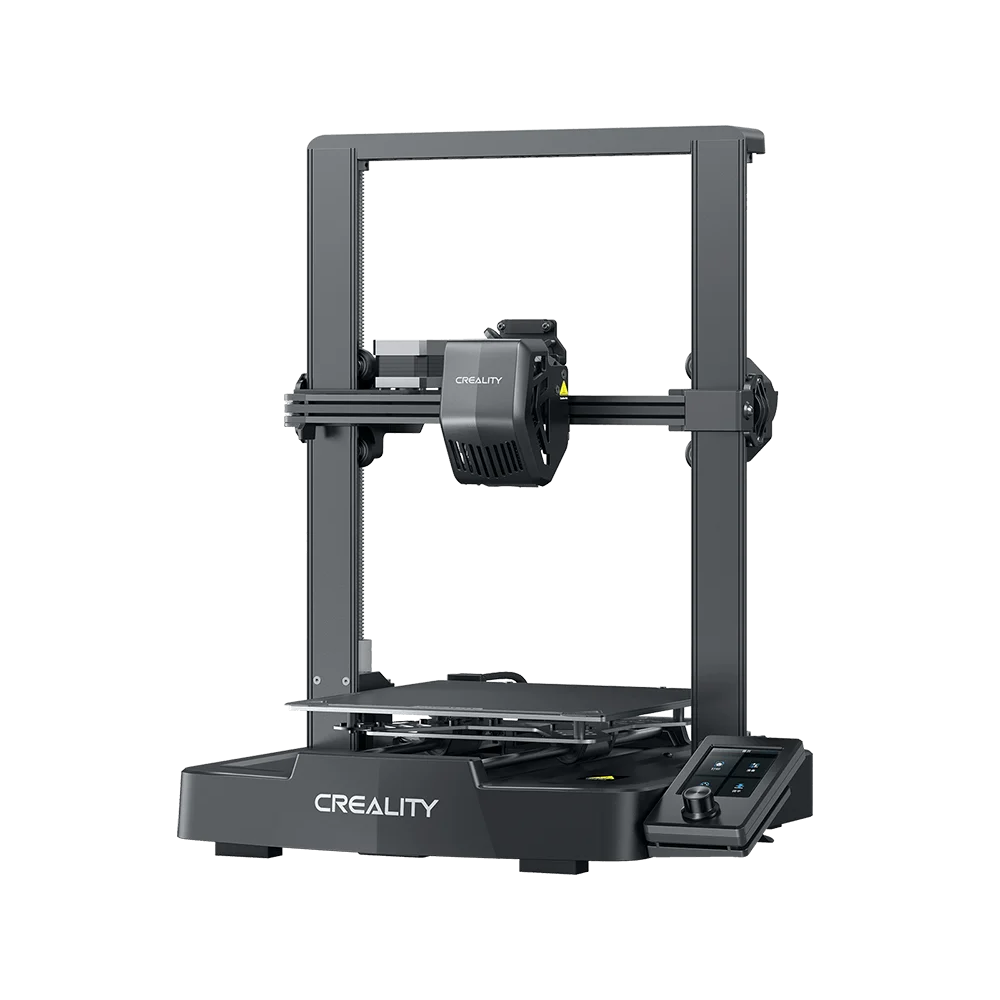
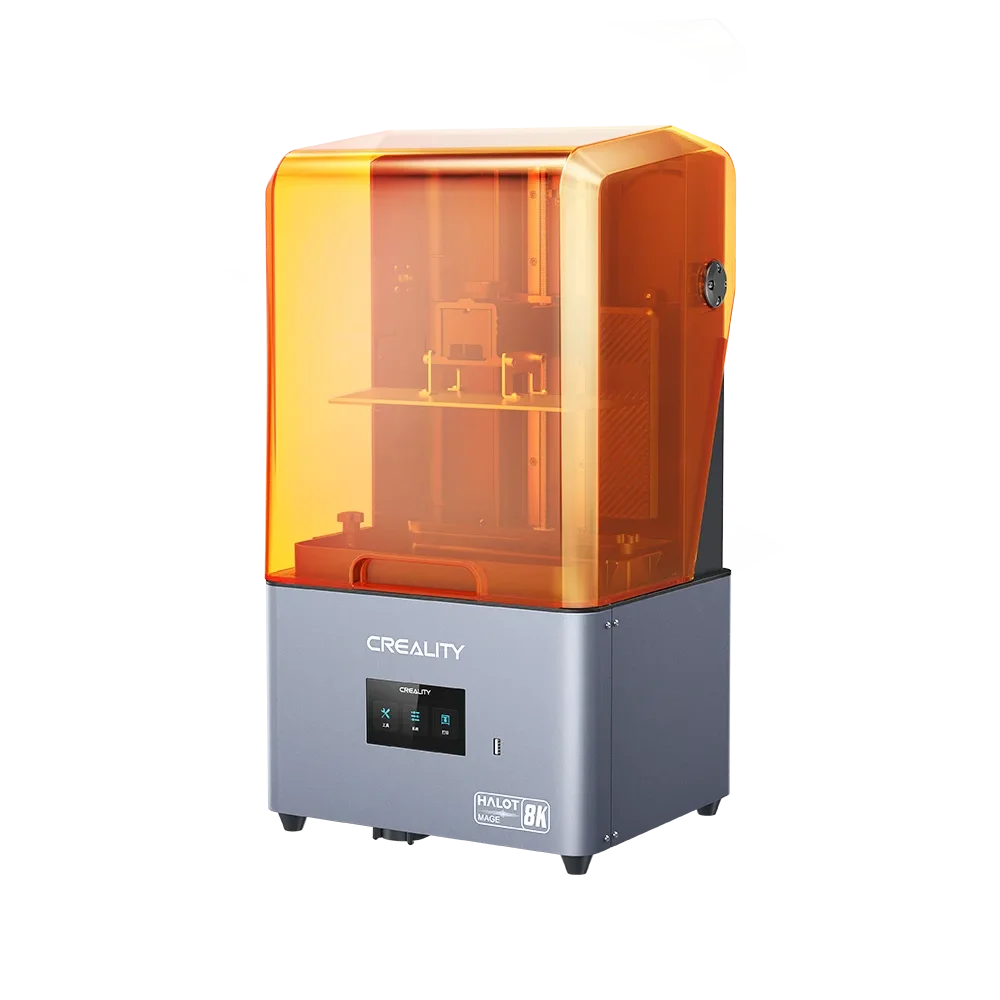

Making your own toys with a 3D printer is way more fun than buying the same ones everyone else has from a store. There are lots of free files online that work great right out of the box, so you don't need any fancy design skills to get going. There are tons of things you can print too, from 3D printed fidget toys to a posable dragon toy. Whether you're printing for a kid, for yourself, or just getting into 3D printer making toys as a hobby, this guide covers the best 3D printed toys out there. We'll also talk about the practical stuff, like safety, water resistance, and a few tips for better prints.
3D Printed Toy Ideas
Here are some 3D printed toys for kids worth printing here:
Fidget Toys
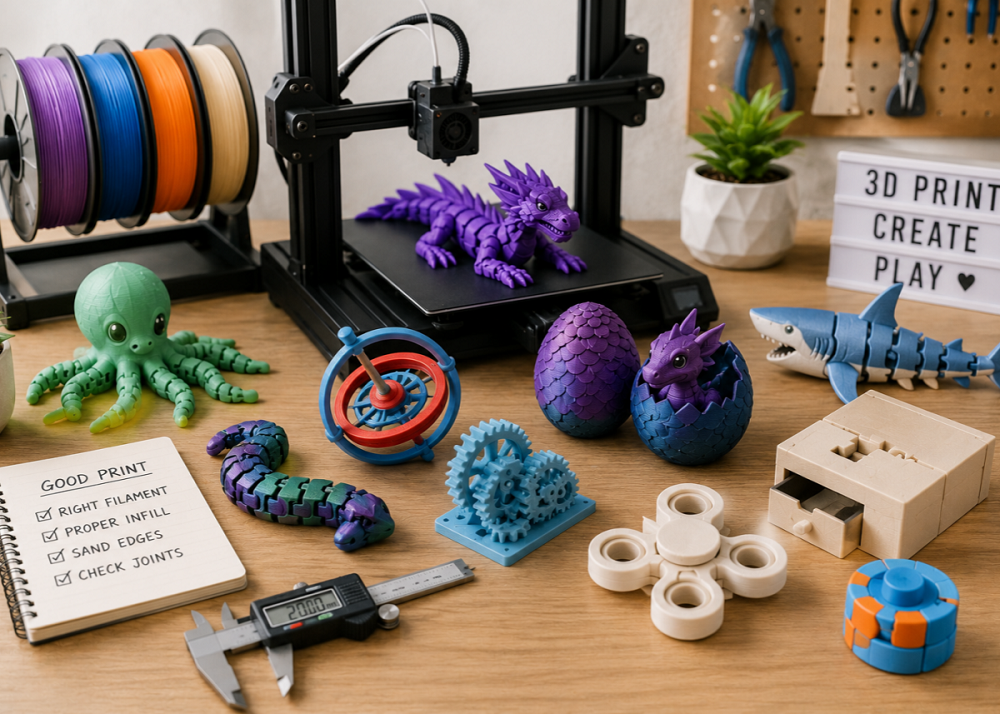
3D printed fidget toys are one of the easiest wins if you're new to 3D printing. Most designs print in one piece straight off the bed and need no assembly.
A few good ones to try:
● Gyroscopes. Fun to spin, and satisfying to watch once they're printed.
● Twisty puzzles. Good for older kids who like figuring things out.
● Gear toys. Interlocking gears that rotate together, printed as one piece.
● Spinner rings. Easy, quick prints that use minimal filament.
Most of these designs are free to download and don't take much filament to print. That makes them a good choice if you want to try a few ideas without wasting material.
Articulated Animals and Dragons
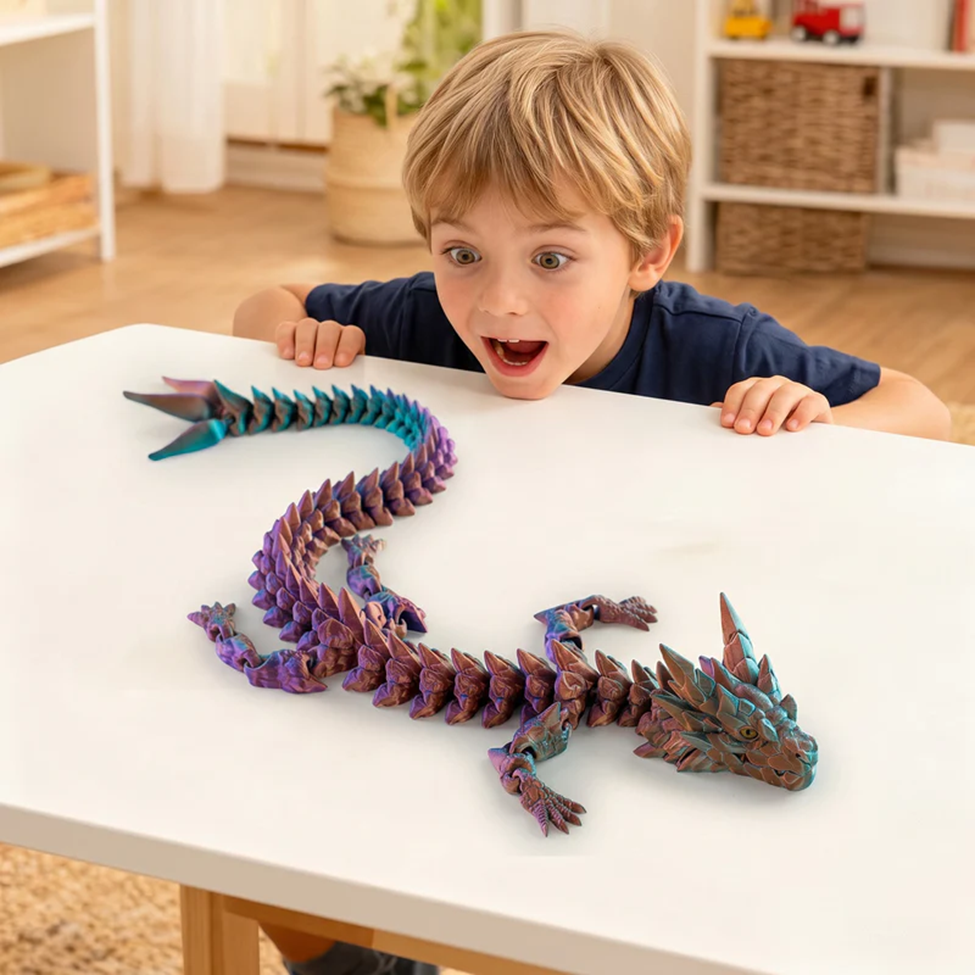
Articulated figures are probably the most popular category in 3D printed toys right now. They print in place, so by the time the print finishes, the joints are already connected.
A few favourites:
● Dragons. By far the most searched-for 3D printed dragon toy design, with dozens of free versions online.
● Dragon eggs. A fun twist on the classic dragon egg toy, where the figure sits inside a matching 3D printed dragon egg.
● Snakes. Simple segments, generally quick to print and beginner-friendly.
● Dinosaurs. Fun for kids, with a good variety of size and detail.
● Sea creatures. Flexed octopuses and fish move in a satisfying way once posed.
These prints take a little longer than a basic fidget toy, since the segments need to line up properly. But the payoff is worth it, because a well-printed articulated dragon feels genuinely satisfying to hold and bend.
Puzzle Boxes
Puzzle boxes are a nice step up once you've printed a few easier toys. They usually have sliding panels, secret compartments, or a small trick to get them open.
Kids tend to enjoy the challenge, and the box makes decent storage too once it's solved. Most files are designed to print without much support material, so cleanup is easy. If you want to see some finished examples before picking a design, the 3D printed toys collection has a few similar puzzle-style pieces worth checking for inspiration.
Mechanical Models
Mechanical models are less about playing and more about how things work. A few popular builds include small motors, gearboxes, wind-up vehicles and rubber band cars.
These prints have more parts, so they take longer to put together than a single-piece toy. They're a good choice if you or your kid likes figuring out how pieces fit together, and some designs even explain how each part works once assembled.
Board Game Pieces and Expansions
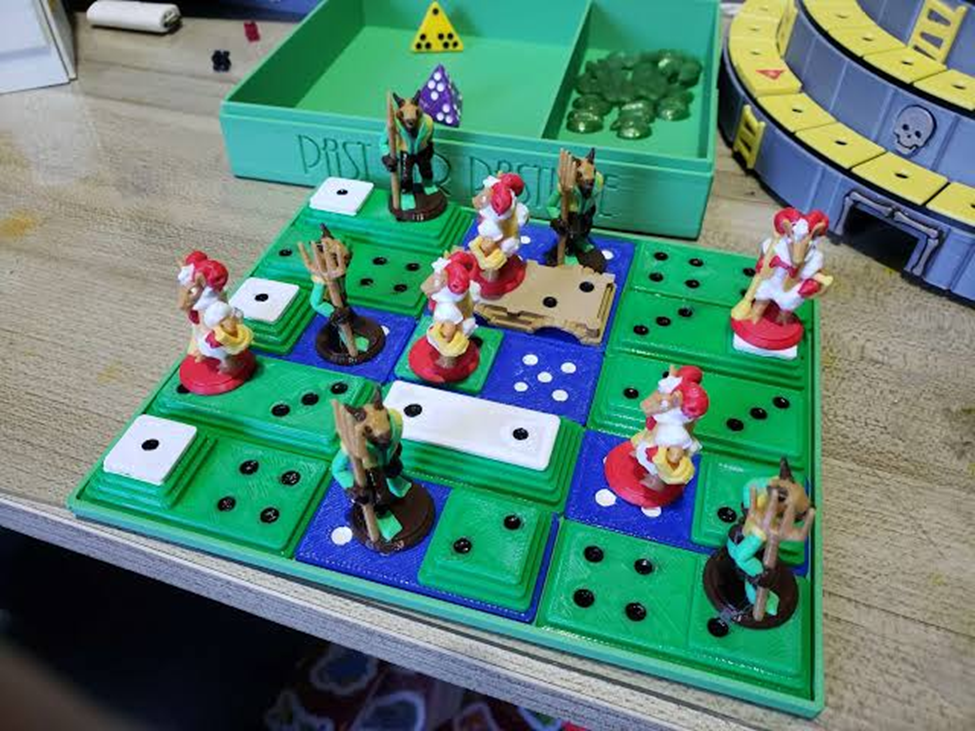
If you're a fan of board games, this is a simple way to get more out of your printer.
A few things worth printing:
● Replacement pieces. Helpful if you've lost something from your original set.
● Custom tokens. A nice upgrade from the plain pieces that came in the box.
● Fan-made expansions. Extra content for games you already own, usually free.
● Organiser inserts. Keeps pieces sorted and easier to store.
A lot of designers make expansion files for popular games, sometimes even for free. This works well if a piece goes missing, or if you just want a nicer set than what came in the box.
Tips for 3D Printing Toys
A few practical things help before you start printing:
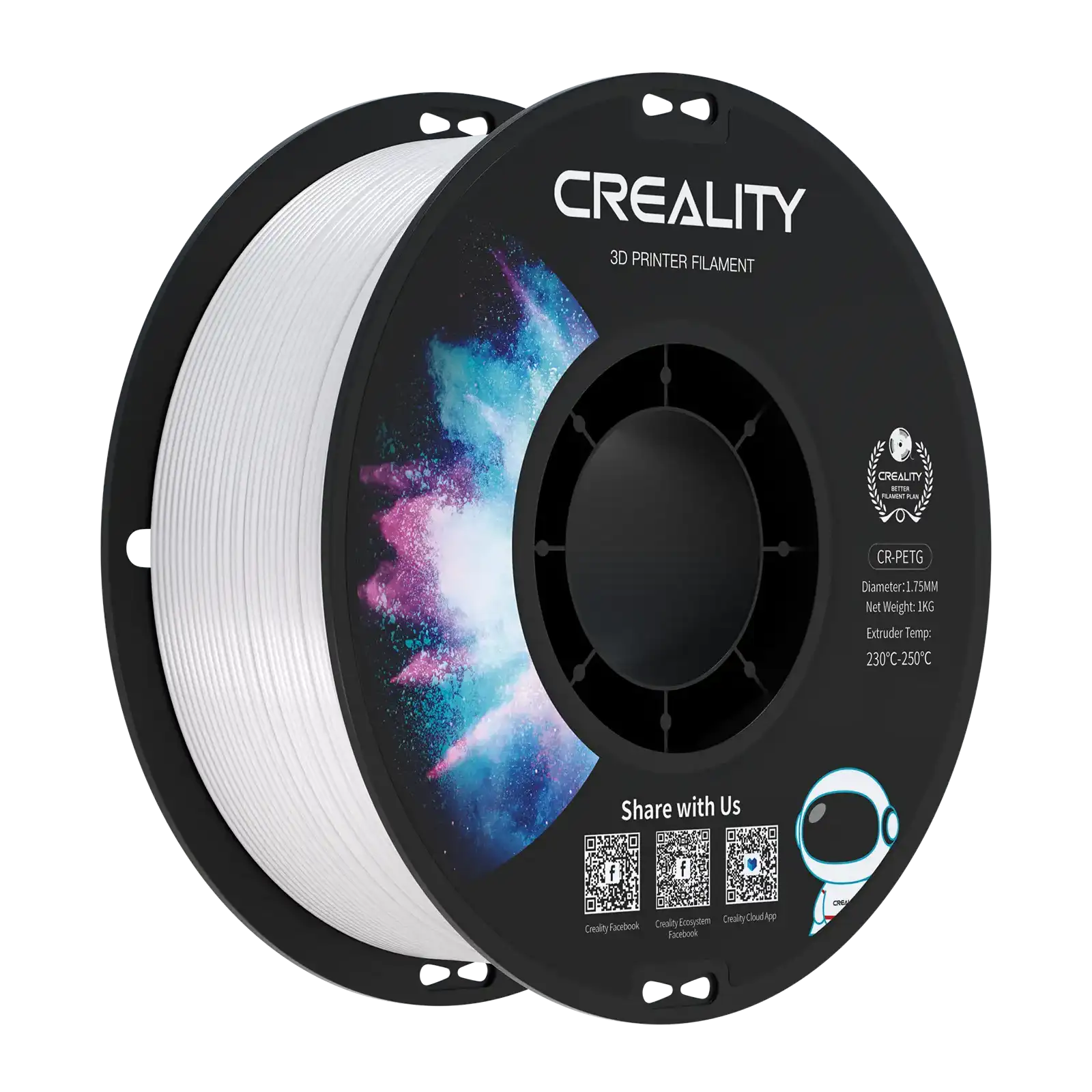
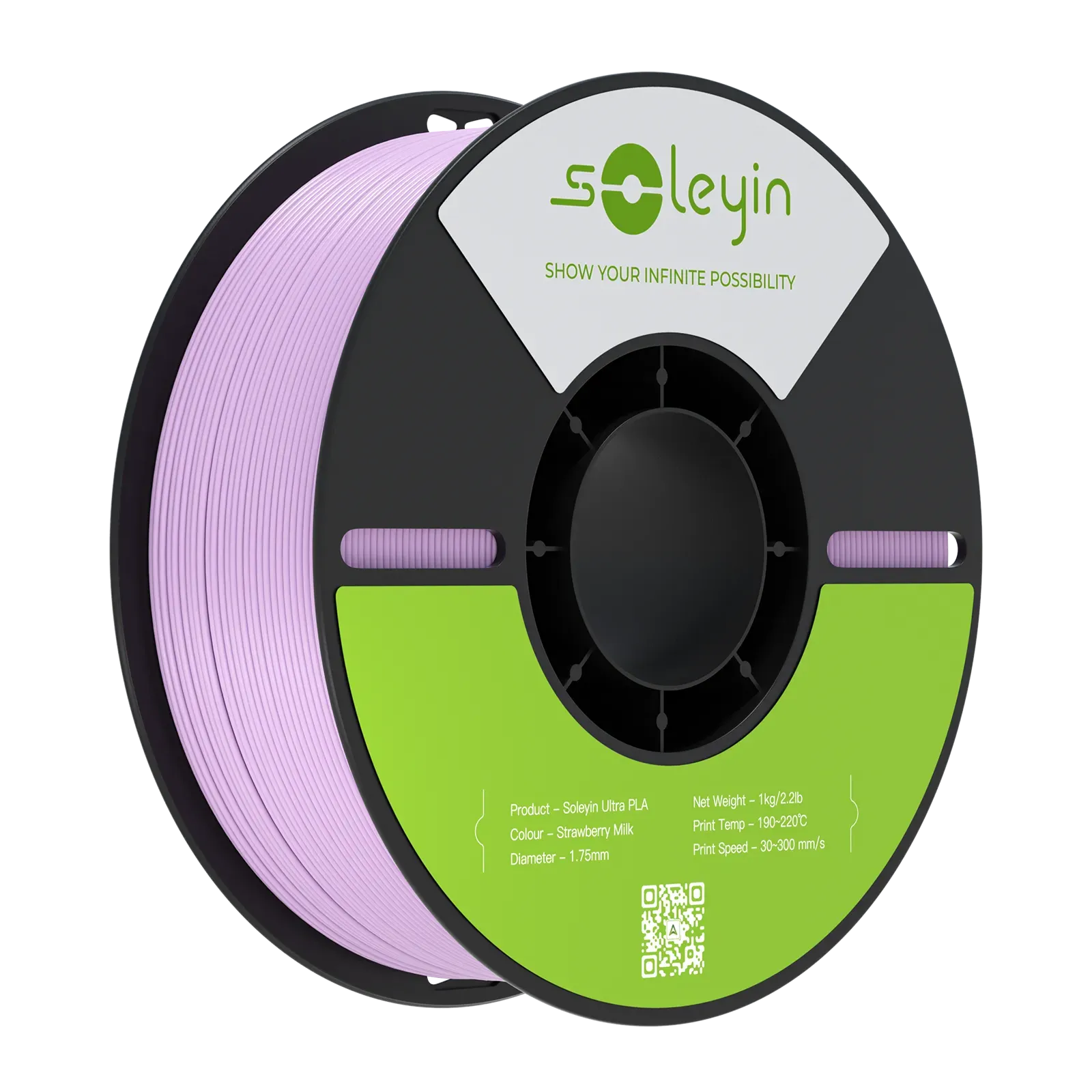
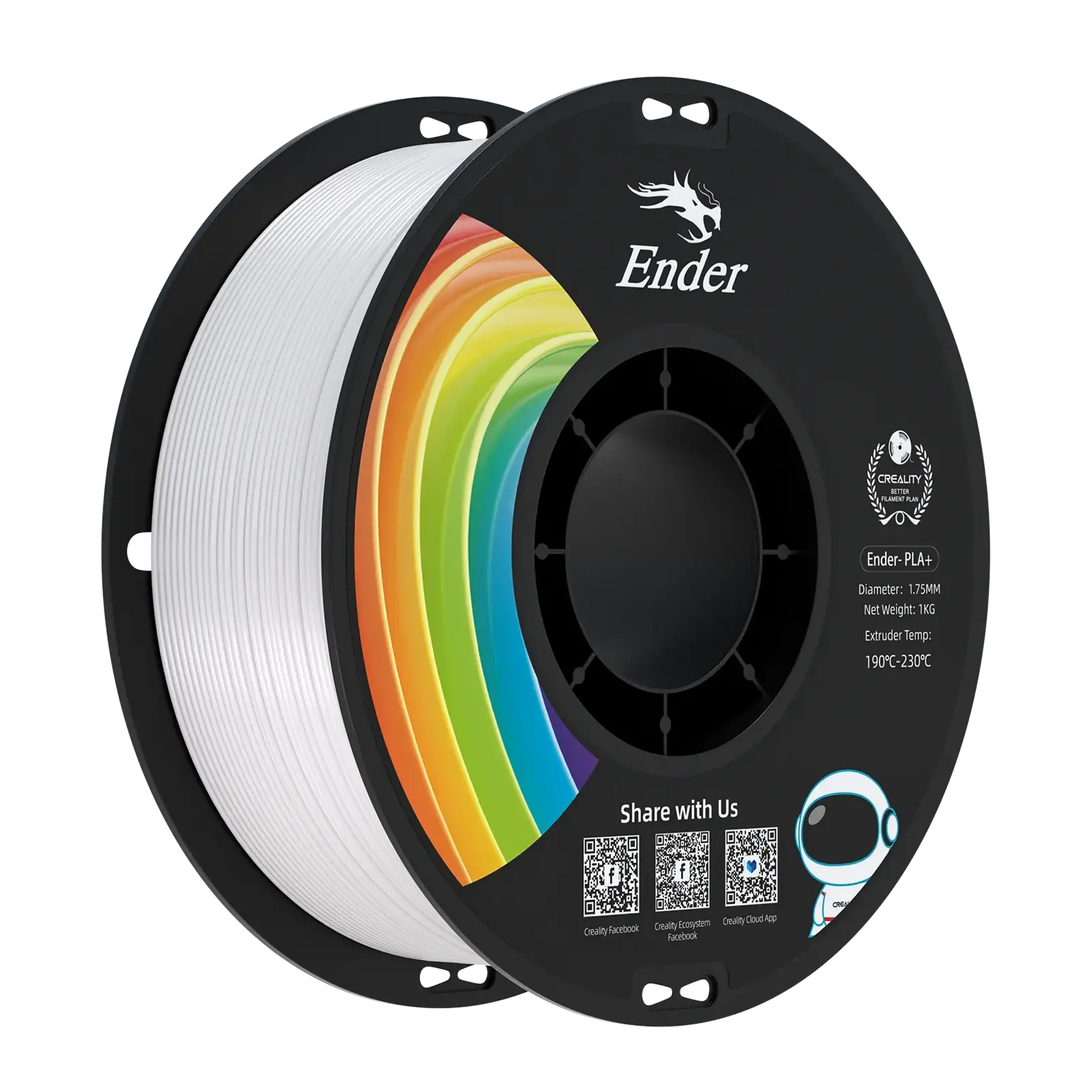
● Pick the right filament. PLA is the easiest to print with and works fine for most toys. PETG holds up better for toys that get a lot of play. ABS isn't recommended for kids' toys, since it needs higher temperatures and proper ventilation to print safely.
● Watch the infill. More infill makes a toy sturdier, but it also uses more filament. Most toys only need around 15-20% infill.
● Mind part size for young kids. Avoid small, removable parts if the toy is for a child under three. Choking is the biggest safety concern with printed toys.
● Sand down rough edges. Layer lines can feel a bit rough right off the printer. A quick sand with fine-grit paper makes handling much more comfortable.
● Test articulated joints before gifting. Print a small test piece first if you're trying a new articulated design. Every printer has different joint tolerances, so a joint that works fine on one machine might be too tight on another.
● Use non-toxic filament for anything kids chew on. Most PLA is safe, but always check if the brand lists food-safe or non-toxic certification.
None of this requires expensive equipment. Just a bit of care with settings, and a quick check before handing the toy over.
FAQ's About 3D Printing Toys
Can 3D printed toys go in water?
Not really. PLA can take a quick splash, but it isn't waterproof. Extended exposure to water can weaken the print or cause it to warp. If a toy is meant for the bath, look for one printed with water-resistant settings, or made from a different material entirely.
Are 3D printed toys safe?
Most are, as long as they're printed in the right filament. PLA is generally considered non-toxic and safe to handle. Part size is usually the bigger safety concern, especially for children under three. Always check for small, removable parts before giving a toy to a young child.
How much does it cost to print 3D printed toys?
It depends on the size and filament used, but most small toys cost just a few dollars in materials. A standard 1kg spool of PLA costs around $15-$25 and can print dozens of small toys.
What are the most popular 3D printed toys?
Articulated animals and dragons are by far the most popular, but fidget toys and puzzle boxes are close behind. Surprise-style toys are popular too, since they add a bit of unboxing fun. Nexbie's 3D printed surprise eggs and 3D printed advent calendar are good examples of that format done well, if you want a sense of what finished designs look like.
How do you make 3D printed toys?
All you need is a 3D printer, some filament, and a design file, usually in STL format. Most toy types listed here have free files readily available online. Once you have a file, it's mostly a matter of loading it into slicing software and printing.
Conclusion
Printing toys is one of the most rewarding things you can do with a 3D printer. There's something for everyone, from simple 3D printed toys for kids to detailed articulated dragons for adults. It's cheaper than buying most toys, and a lot more fun to make yourself. Just keep an eye on filament choice and part size, especially with younger kids. Once you get the hang of it, you'll probably keep coming back to print more.