




Over the last few years, the footwear industry has been quietly undergoing a revolution. What started as an experiment in high-end athletic labs is turning into a major market shift. Traditional shoe sales grow at a modest 3% to 4% a year, but the 3D printed footwear market is expanding at nearly 18% annually. Industry reports project the market will pass $5 billion in the coming years as major brands invest heavily in additive tech. This represents a fundamental change in how shoes are designed and built.
In this article, we’ll look at how the 3D printing process works, the benefits it offers, real examples from current brands, and where the industry goes next.
How 3D Printing Is Used in Shoe Manufacturing
Making a 3D-printed shoe is very different from traditional production. Instead of cutting out flat materials and assembling them, the shoe is built additively from a digital blueprint. Here is how that process actually works across five distinct stages.
Digital Design
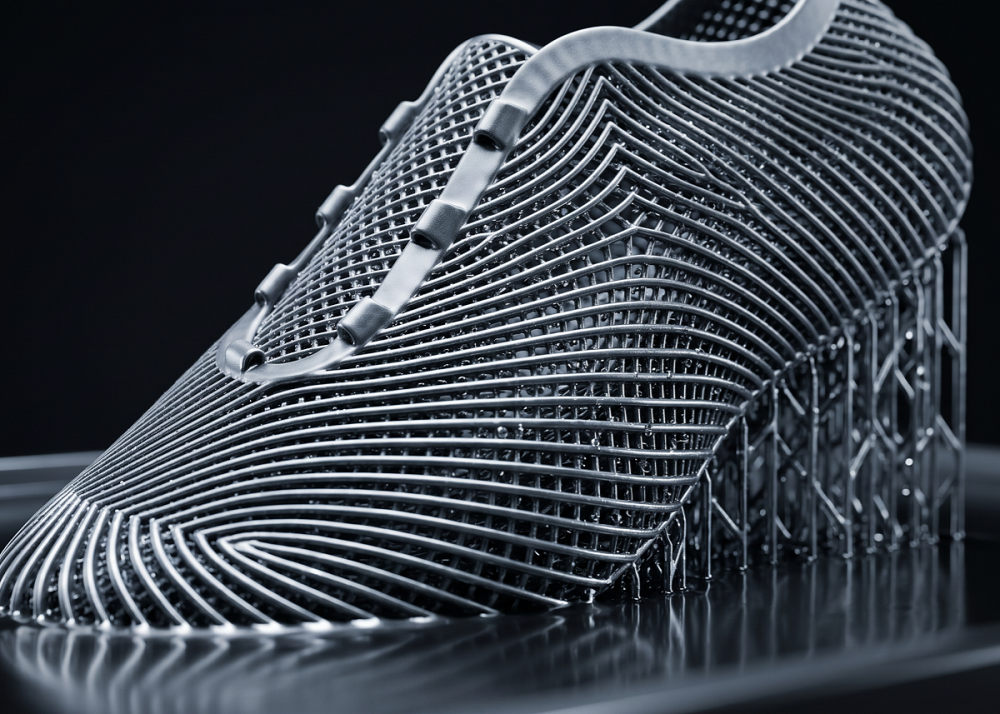
Everything starts on a computer screen. Designers use software to construct the shoe, focusing heavily on what are called lattice structures.
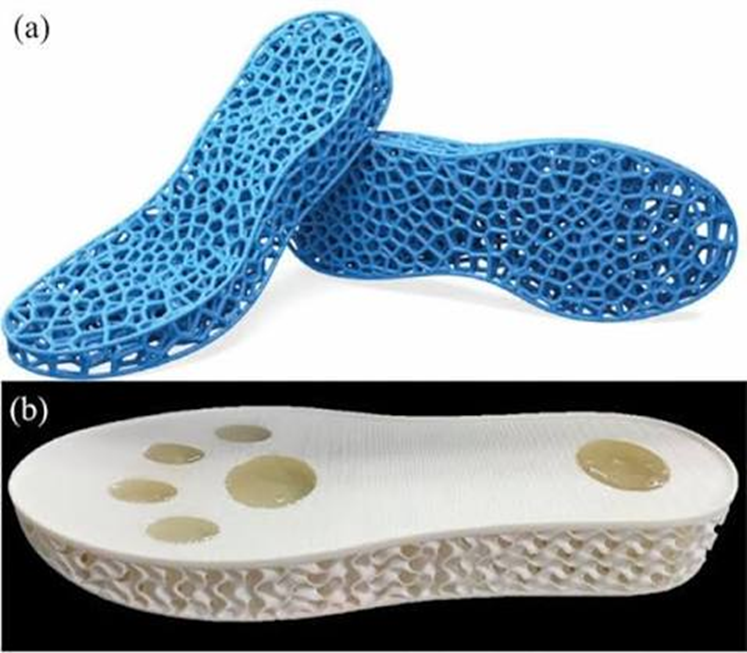
A lattice is essentially an open, geometric web instead of a solid block of material. The real advantage here is flexibility: a designer can make the lattice dense under the arch to provide firm support, or open it up under the heel to absorb impact. You get to control how soft or stiff different parts of the shoe feel before anything is actually printed.
Material Selection
Shoes take a beating, so the materials have to handle constant flexing, weight, and friction without breaking down. Manufacturers rely on a few specific flexible polymers:
● TPU (Thermoplastic Polyurethane): A rubber-like plastic that is tough, flexible, and holds up well against outdoor wear.
● Liquid Photopolymers: Resins that harden under light, often used when high energy return and bounce are needed.
● Nylon: Tougher and stiffer, usually used in specific areas where a shoe needs structure or torsional stability.
Printing Technologies
Not all 3D printers work the same way, and brands pick a method based on what part of the shoe they are making:
● Selective Laser Sintering (SLS): A laser fuses powdered TPU or Nylon layer by layer. Because the unfused powder supports the part while it prints, this method is great for making complex lattices without needing extra support structures.
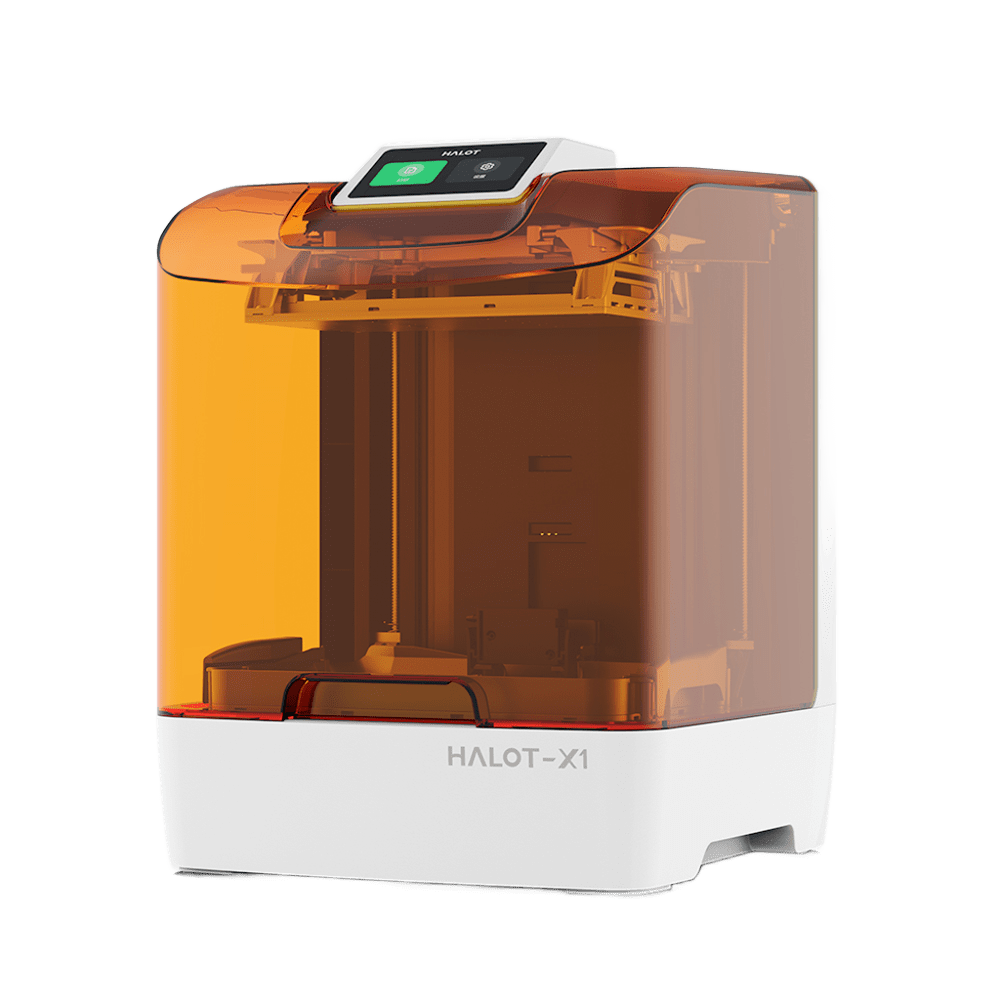
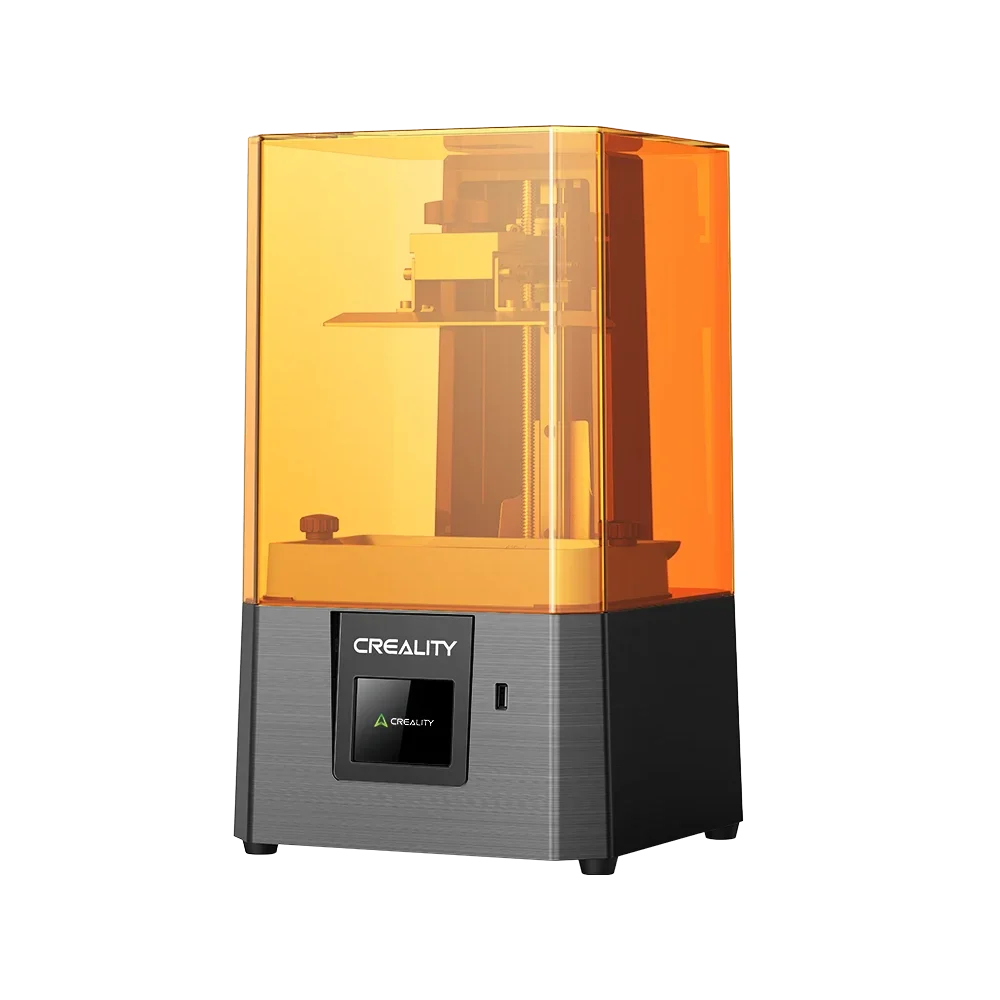
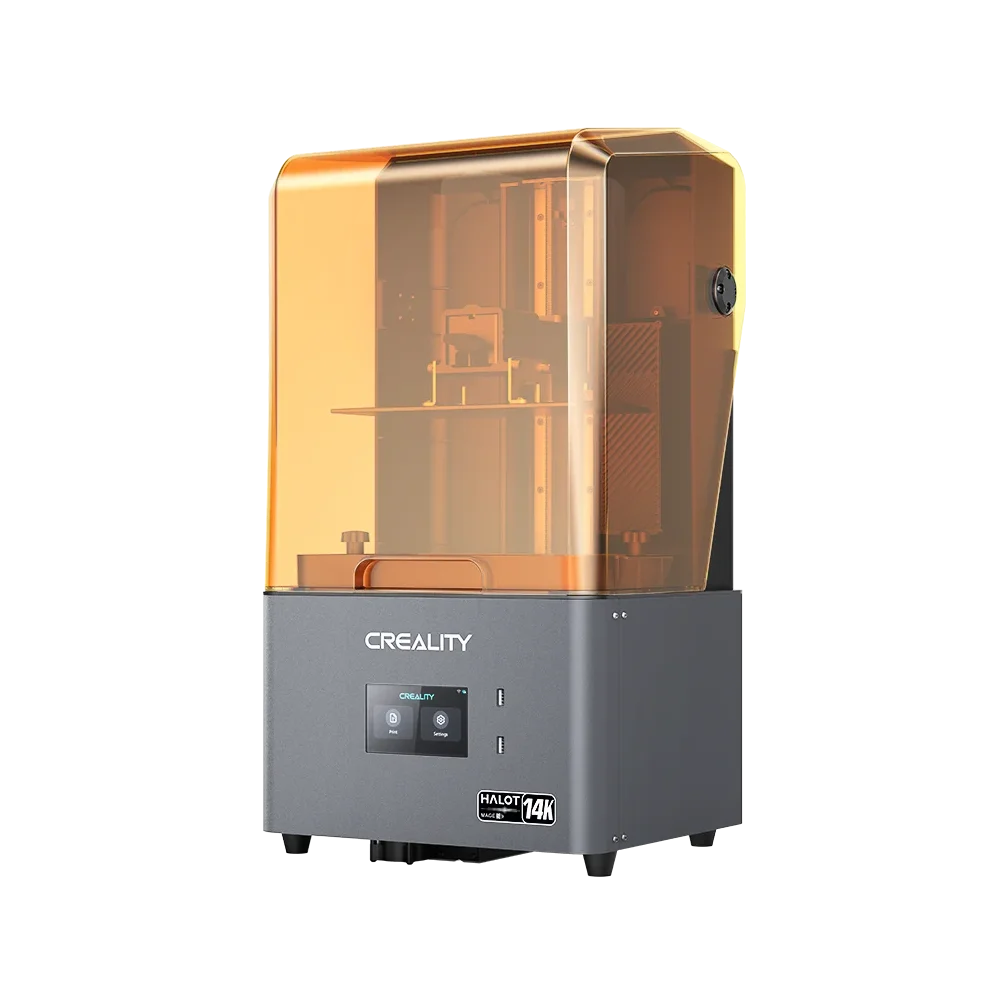
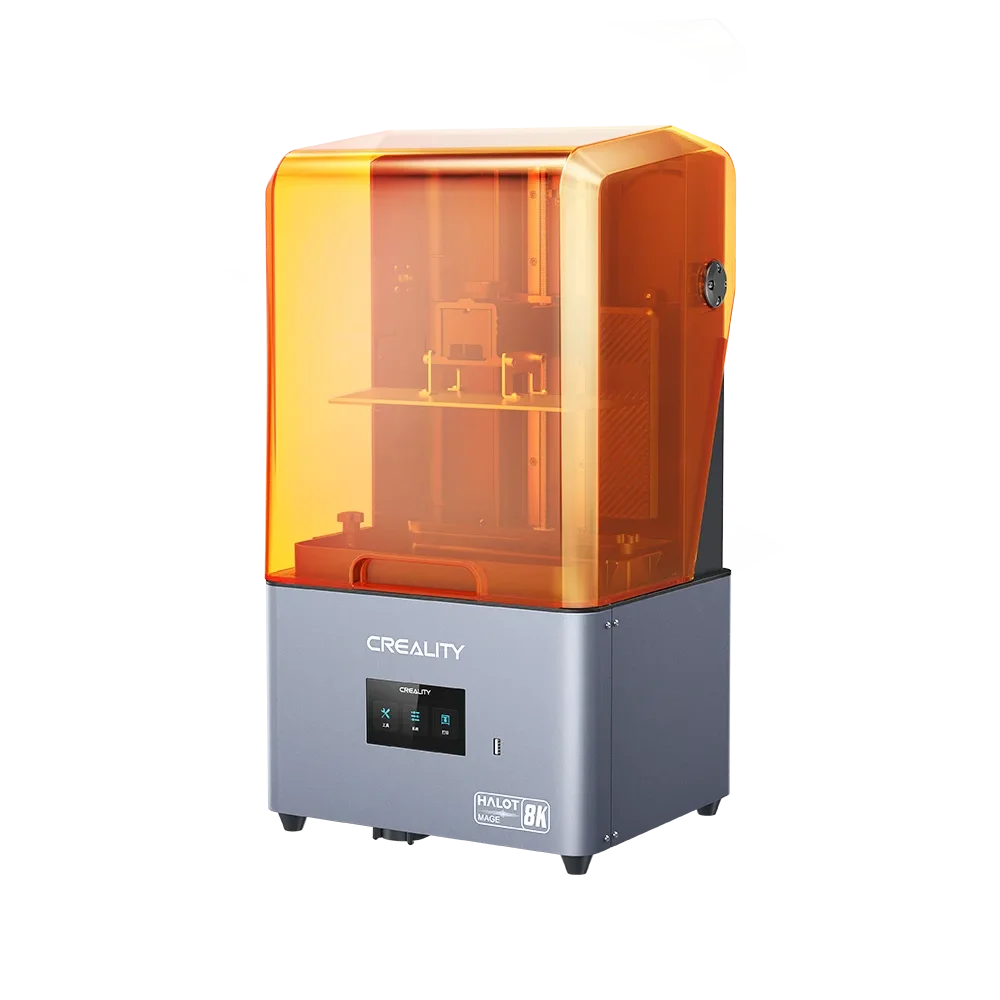
● Vat Polymerization (DLS/SLA): Uses liquid resin cured by light projection. It prints quickly and yields very precise, springy midsoles.
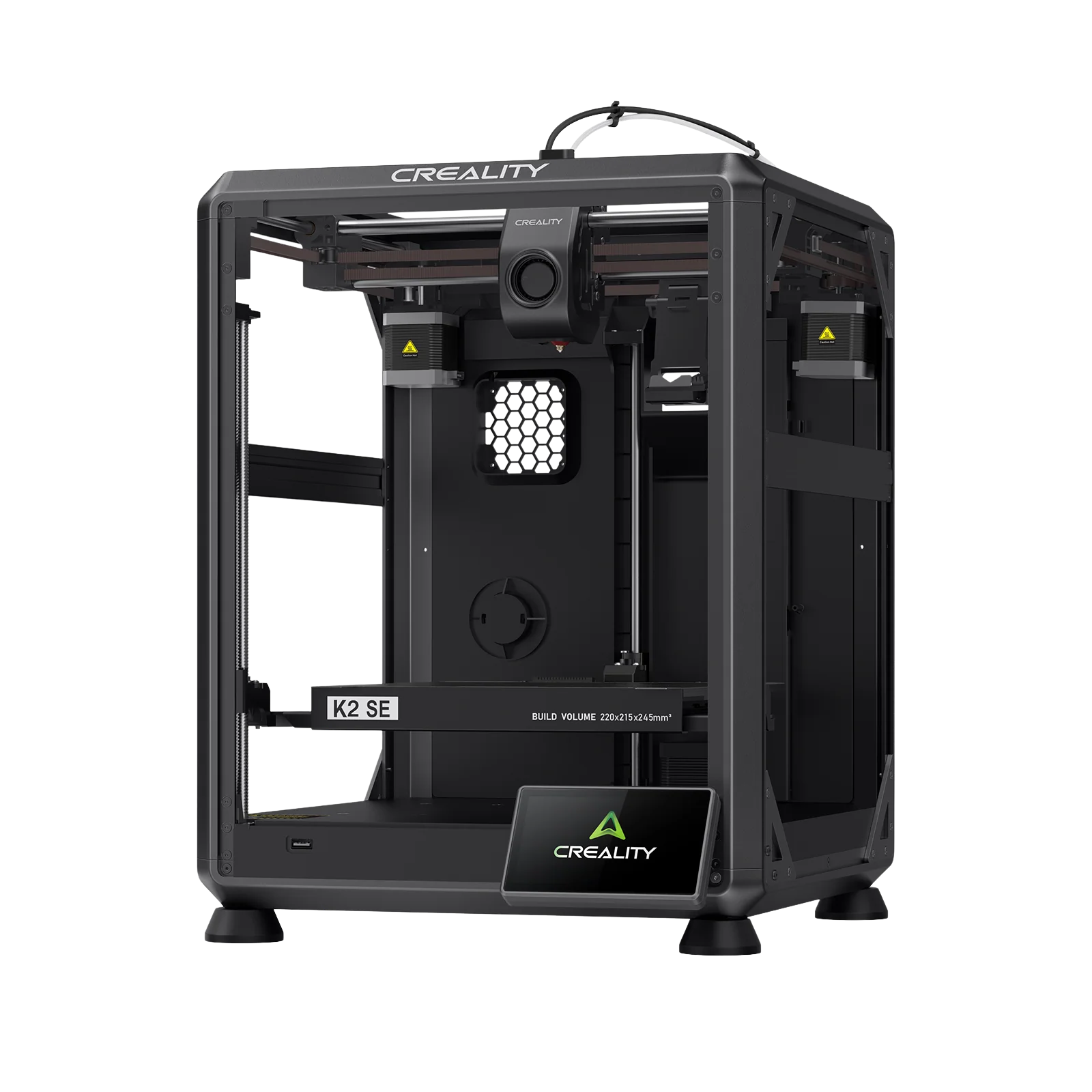
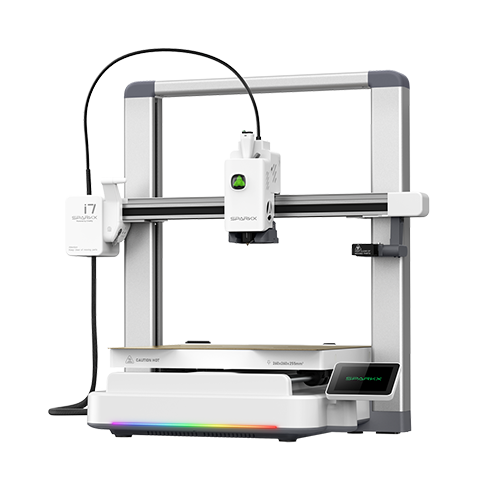
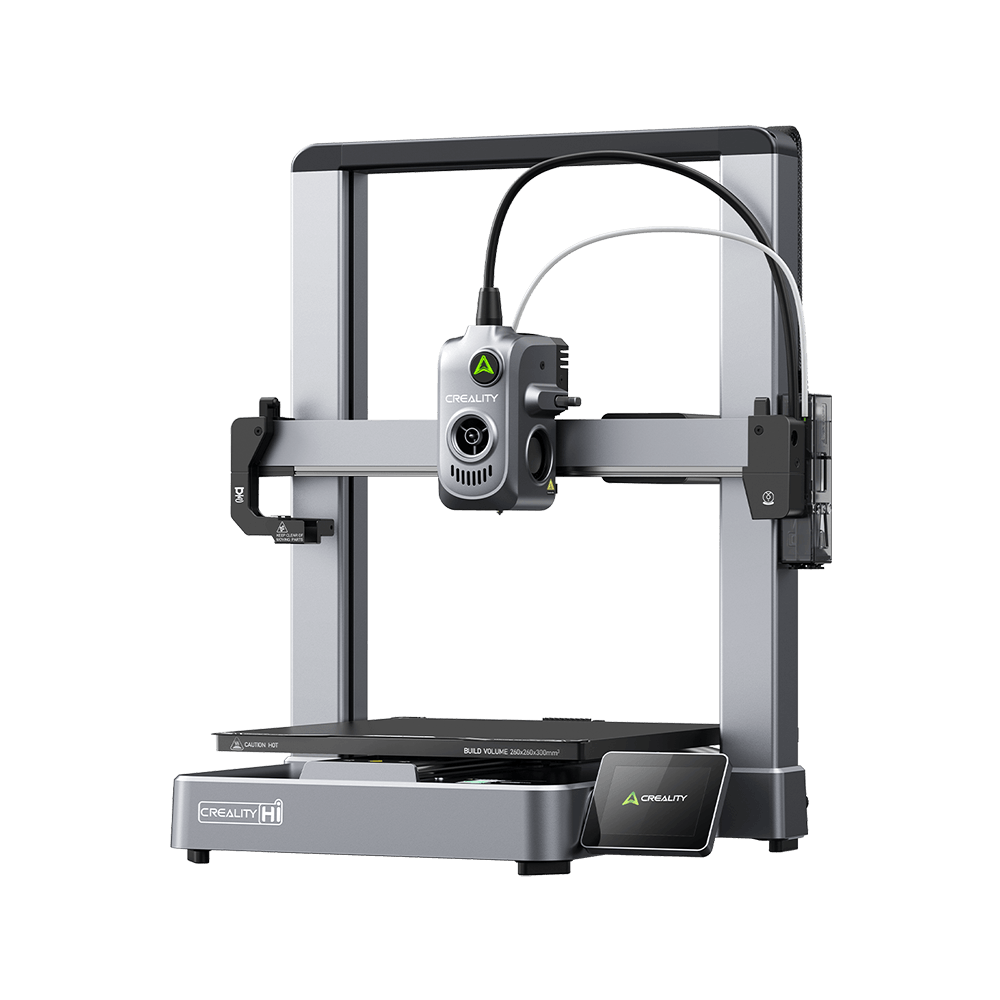
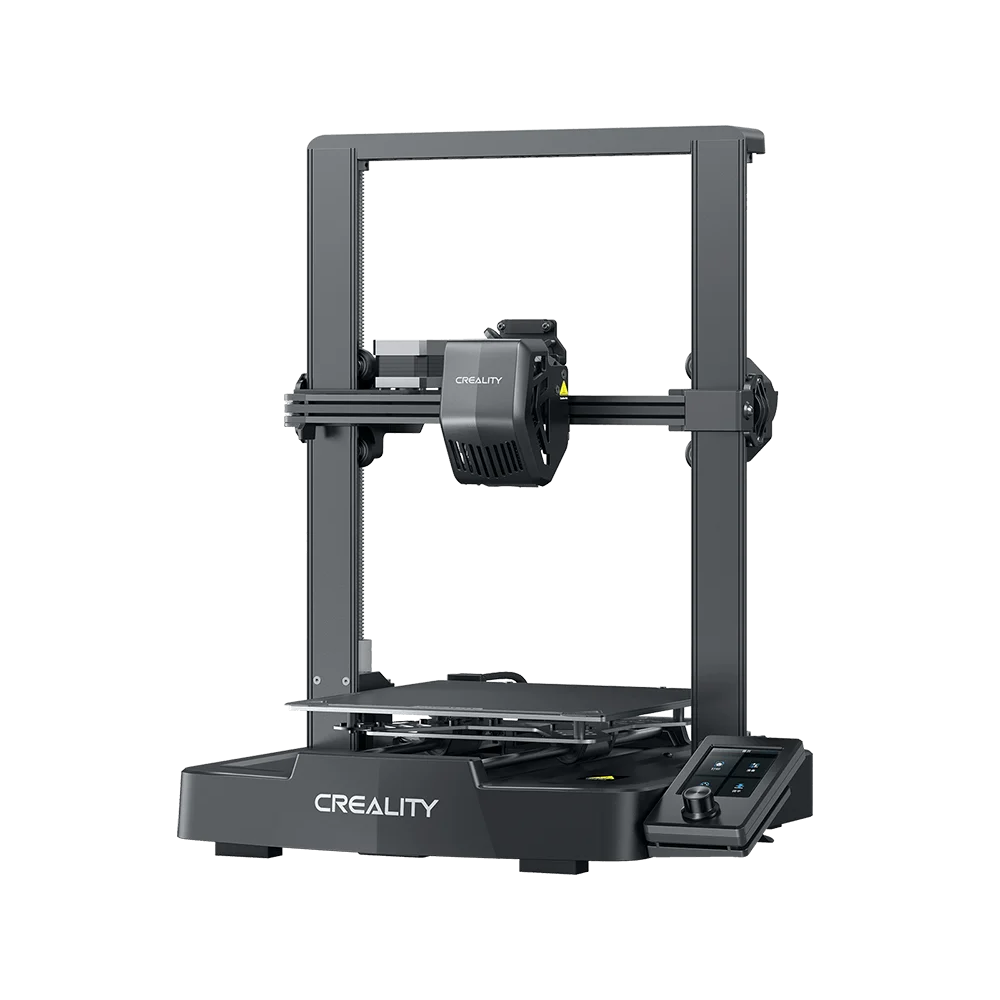
● Fused Deposition Modeling (FDM): Extrudes heated TPU filament through a nozzle. This is the most accessible method and is frequently used for printing entire single-piece shoes at once.
Post-Processing
When a shoe comes off the printer, it isn't ready to wear immediately. It has to go through post-processing:
● Cleaning: Powder-bed prints need excess powder blasted away, while resin prints need liquid residue washed off.
● Curing: Resin parts often go into a UV oven to fully harden and reach their maximum strength.
● Surface Polish & Color: Parts are often vapor-smoothed to clean up layer lines, then dyed, as most raw materials print in basic grey, white, or clear.
Assembly
Once the printed parts are cleaned up, the shoe gets put together in one of two ways:
● The Hybrid Approach: The printed lattice serves as the midsole, which is then attached to a traditional fabric upper and a thin rubber outsole for grip.
● Monolithic (Single-Piece) Builds: The entire shoe—upper, midsole, and outsole—is printed in one continuous run using a single flexible material. This creates a seamless product with zero glue lines.
Advantages of 3D Printing Shoes
Switching to 3D printing gives shoe designers options that simply aren't possible with standard manufacturing. Here are the biggest advantages it brings to everyday footwear.
Zone-Specific Mechanical Performance
Standard shoe foam has the exact same firmness across the entire sole. 3D printing fixes this by using open lattice geometries:
● Firmer Support: Designers pack the lattice nodes closely together under the arch to create a dense, stable wall that prevents your foot from rolling inward.
● Softer Cushioning: Under the heel, the lattice struts are spread farther apart, giving the material room to compress and absorb heavy shock.
● Forward Bounce: Lattices can be angled so that when you step down, the vertical impact force gets redirected forward into your next step.
Sustainability
Trimming out traditional shoe patterns leaves behind a lot of wasted fabric and foam. Because 3D printing is an additive process, it only uses the exact amount of material needed to build the shoe.
Single-material TPU shoes also skip the extra glues, stitching, and metal eyelets. When the shoe eventually wears down, it can be ground up, melted, and processed straight back into fresh printing material.
Superior Lifespan
Regular foam midsoles feel great out of the box, but they break down over time because the tiny air bubbles trapped inside the foam eventually collapse. 3D-printed lattices rely on physical geometric shapes rather than trapped air. The flexible TPU material bounces back to its original shape over and over, keeping its cushioning longer.
Industry Example: Nexbie 3D Printed Shoes
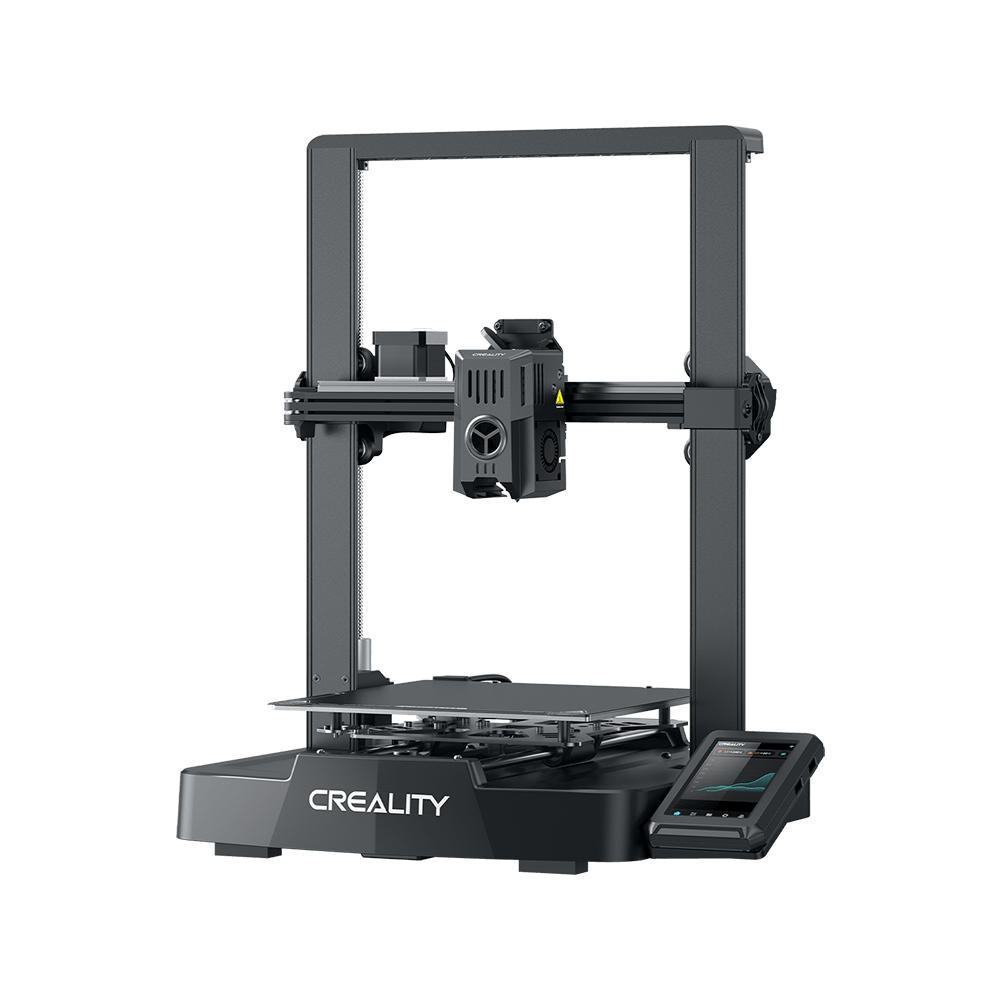
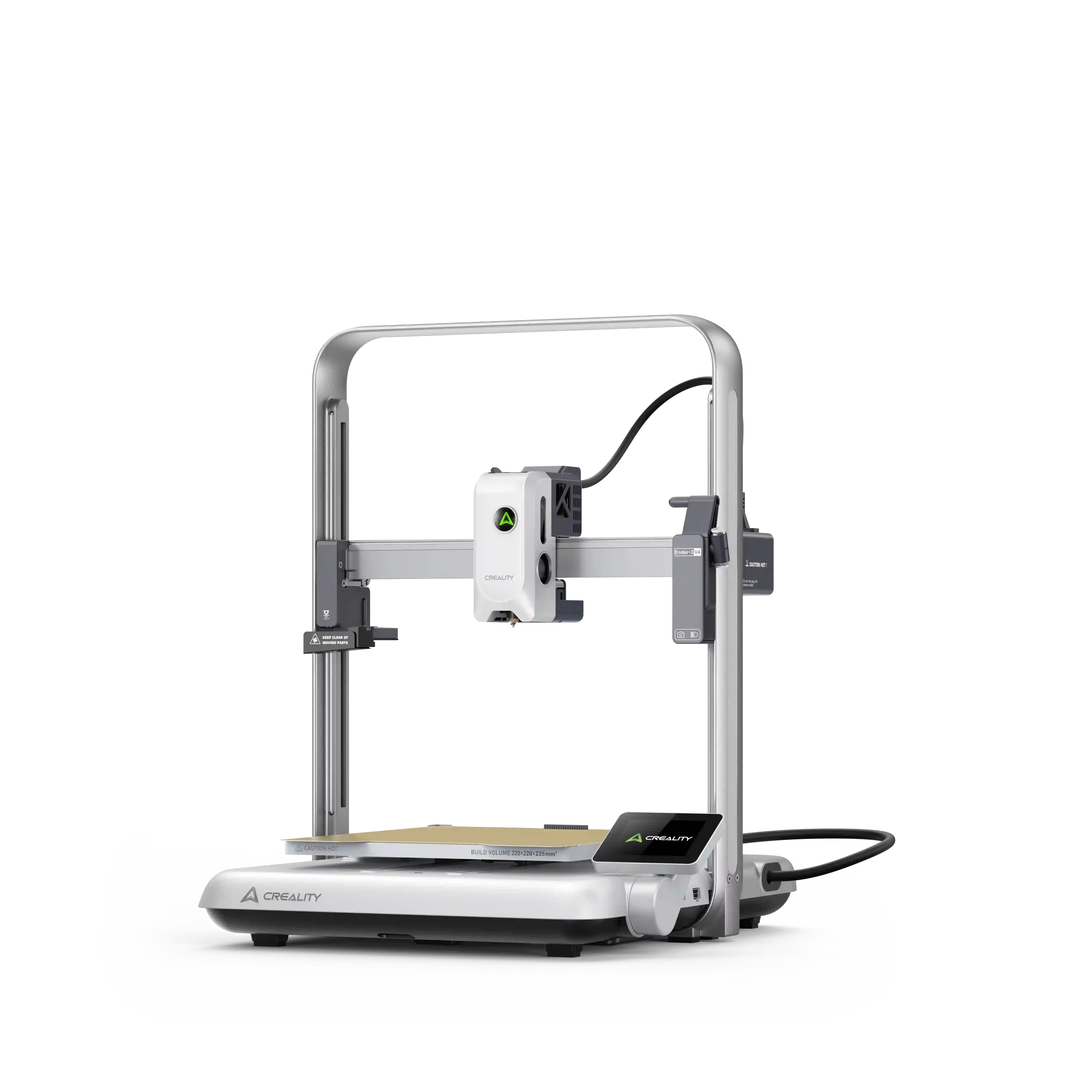
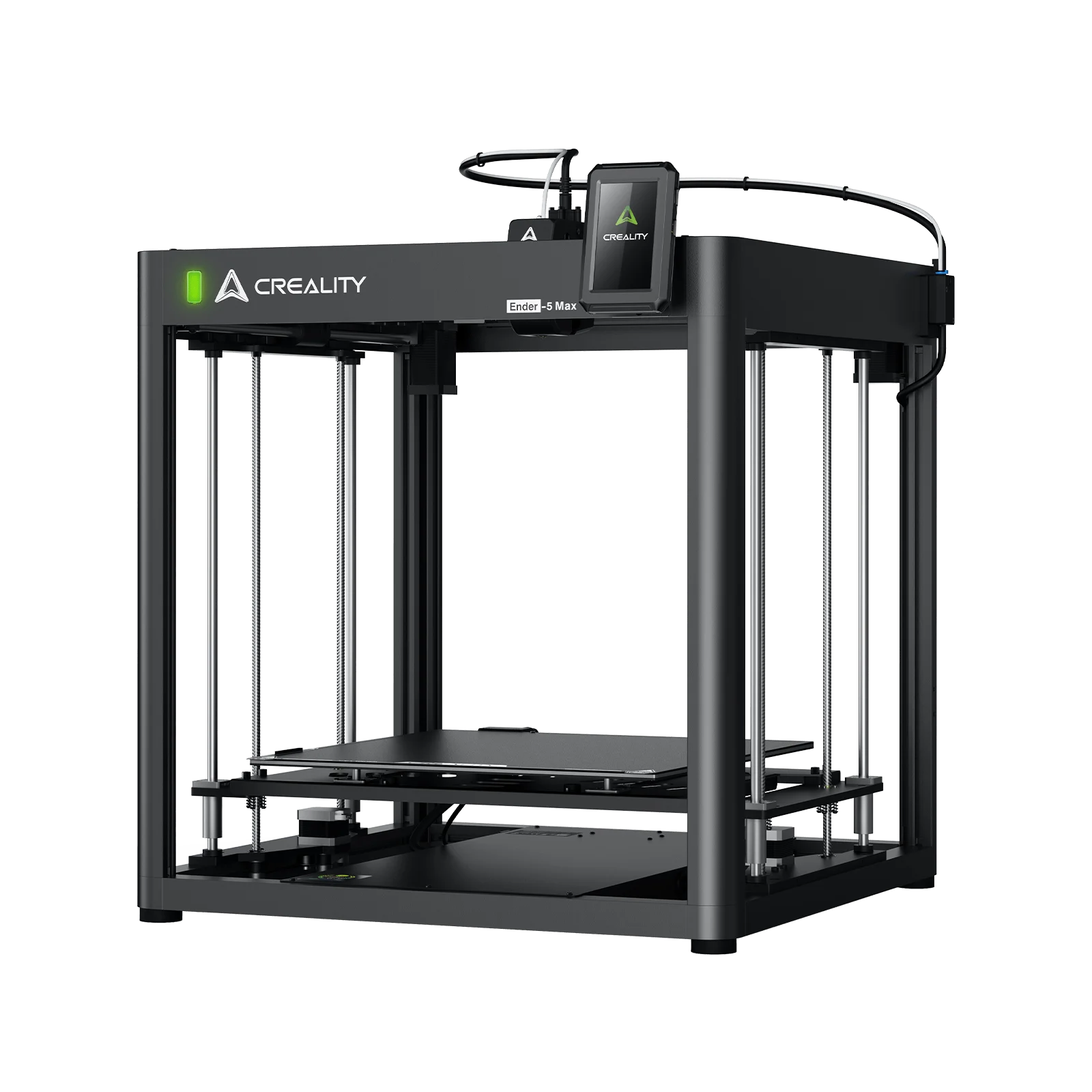
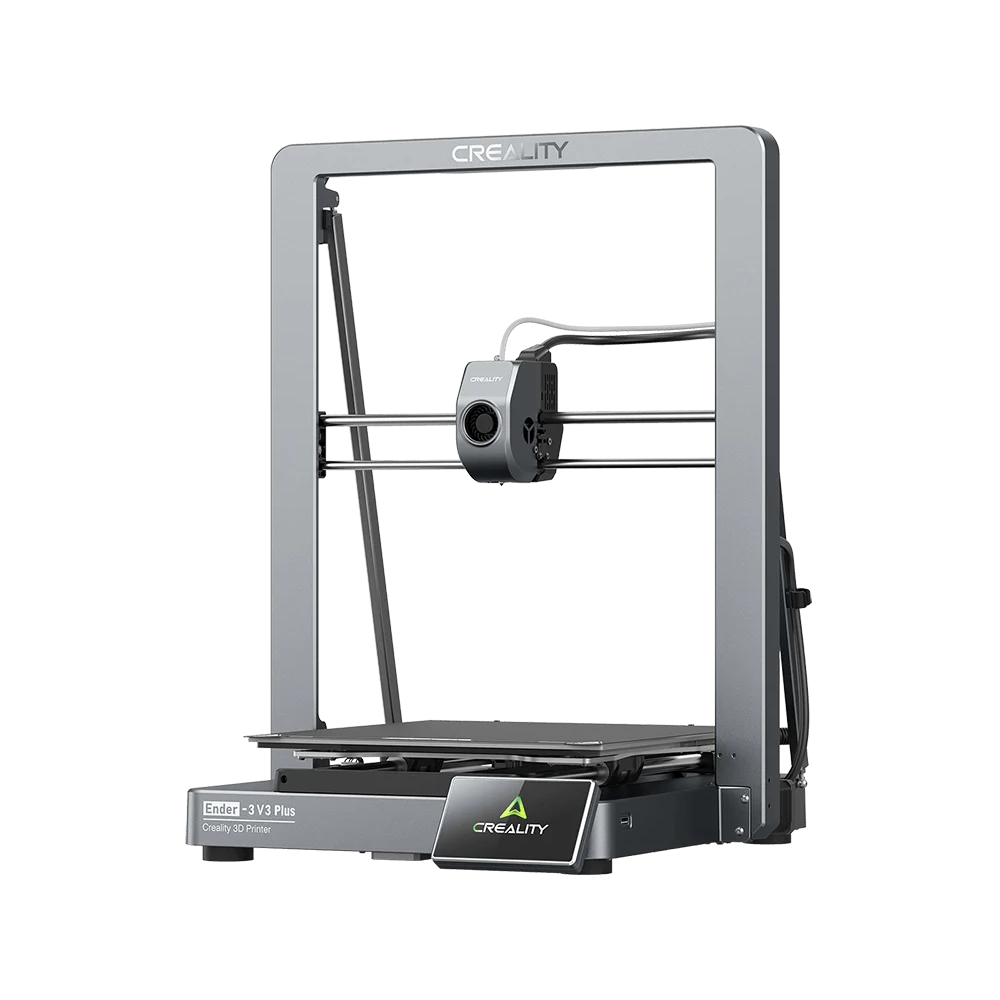
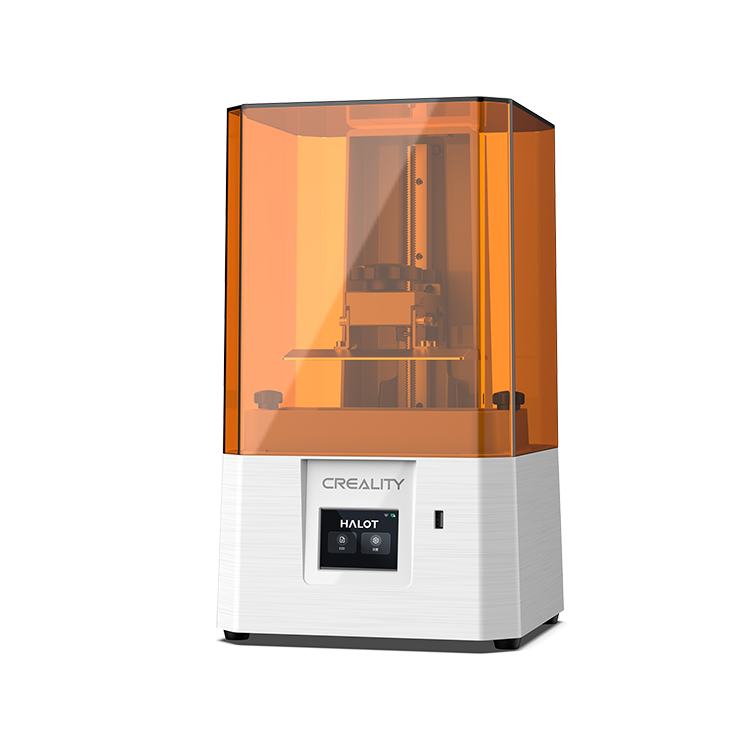
A real-world example of this tech in action is Nexbie, a brand operating on 3D printing hardware from Creality. Models like their Aeroraise and Aeriscape show how printed shoes work as daily lifestyle footwear.
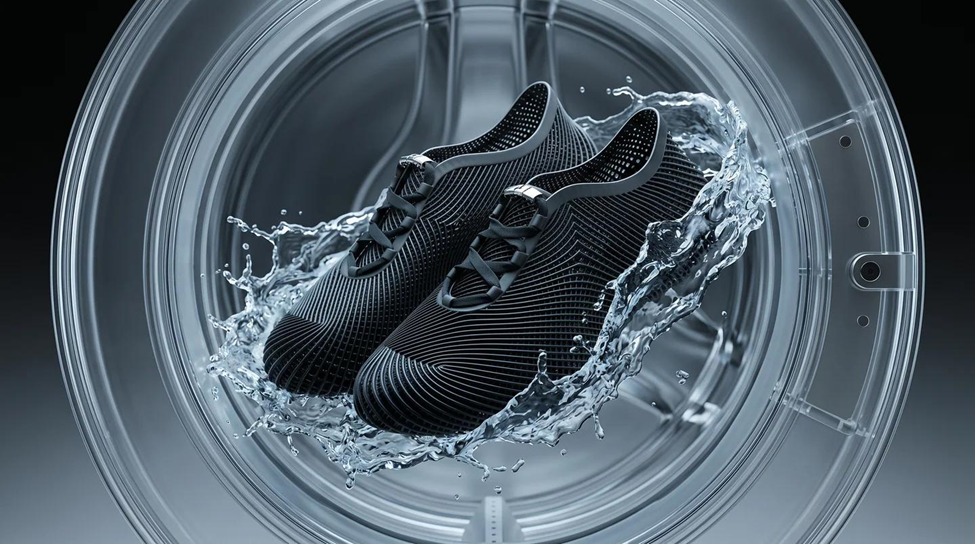
Instead of assembling multiple layers, Nexbie uses high-speed photopolymer resin printing to manufacture seamless, single-piece shoes. Their designs feature an 80% hollow lattice design. This hollow setup allows air to flow freely around the foot while keeping the shoe lightweight and bouncy. Because there are no glued seams to tear or foam layers to crush, the shoes resist creasing and can be rinsed clean directly under water.
Future Trends in 3D Printed Footwear
As printing equipment gets cheaper and faster, a few clear trends are emerging:
● Scan-to-Print Sizing: Phone camera sensors are getting precise enough to take a detailed 3D scan of your foot at home. In the near future, you could send your foot scan to a brand and get a shoe printed specifically to match your arch height and pressure points.
● Local Micro-Factories: Instead of shipping shoes in cargo containers across the world, brands can move toward local print hubs. Shoes can be printed on demand right in your region, cutting down on warehouse storage and shipping emissions.
● AI-Generated Lattices: Designers are starting to feed runner gait data into AI tools. The software then automatically calculates the exact lattice shape needed for an individual's weight and running style.
● Multi-Material Printing in One Pass: Printer nozzles are evolving to handle different stiffness levels in a single print run. That means a printer could output a stiff, tough outsole on the bottom, a springy midsole in the center, and a soft, flexible upper on top all in one continuous build.
FAQ’s About 3D Printing in Shoes
Are 3D-printed shoes comfortable for everyday wear?
Yes. The open lattice structures spread your body weight evenly across the foot without creating hard pressure points. They are also naturally breathable because air moves right through the open mesh.
How long do 3D-printed shoes last?
They generally outlast standard foam shoes. Because flexible materials like TPU rely on geometric struts rather than air pockets, they don't pack down or flatten out as quickly after repeated use.
Can 3D-printed shoes be washed?
Yes, especially single-material TPU or resin shoes. Since they don't absorb water like cloth or foam, you can rinse them off in a sink or under a hose, and they dry off in a short time.
Conclusion
3D printing has moved well past the stage of being a simple prototyping gimmick. By swapping out flat foam blocks for engineered lattice patterns, footwear brands can dial in precise cushioning, cut down on scrap waste, and make shoes that last longer.
Traditional factories will still produce the bulk of low-cost shoes for a long time. However, as brands like Nexbie prove that single-piece printed sneakers are ready for everyday wear, additive manufacturing is securing its place as a core part of the footwear industry's future.