
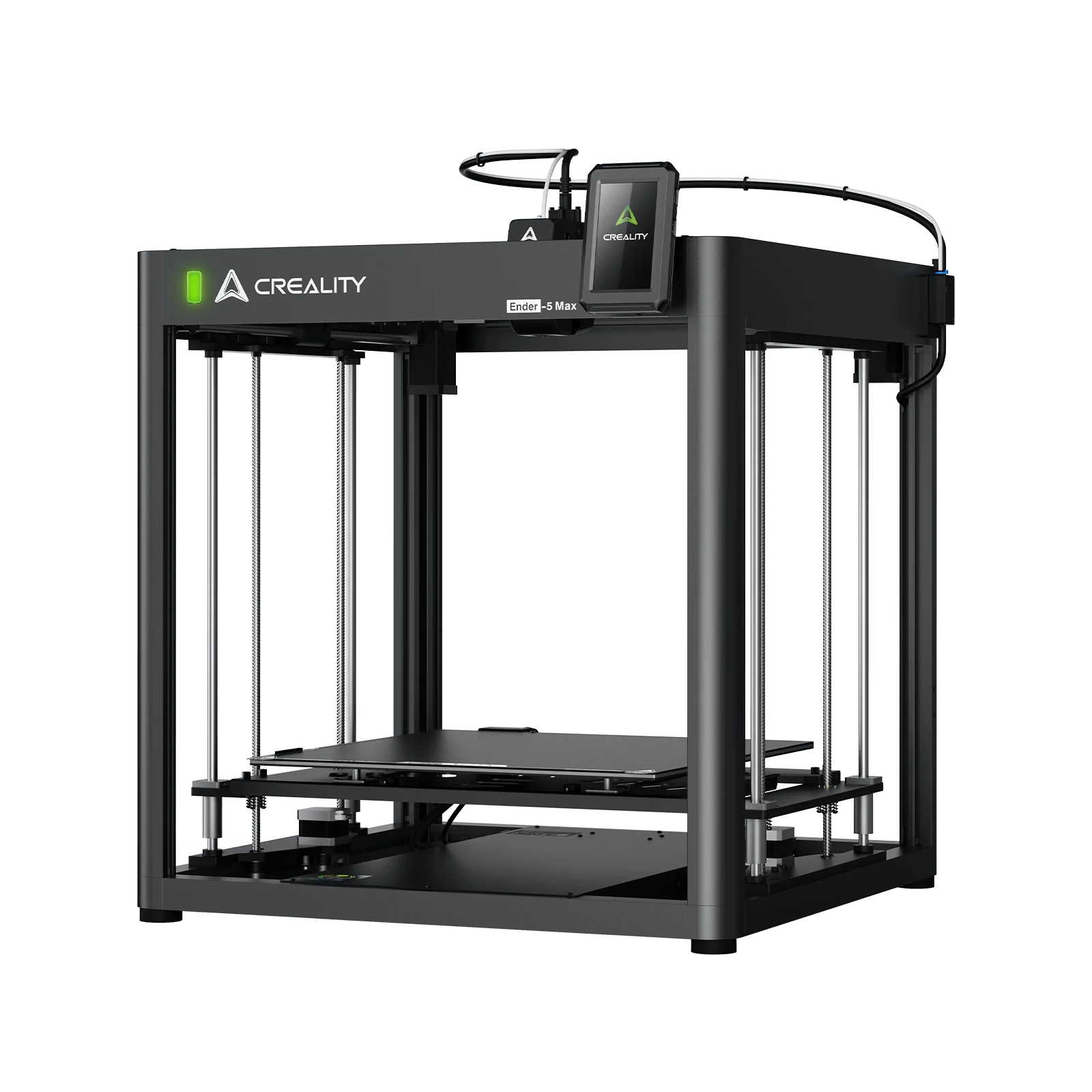
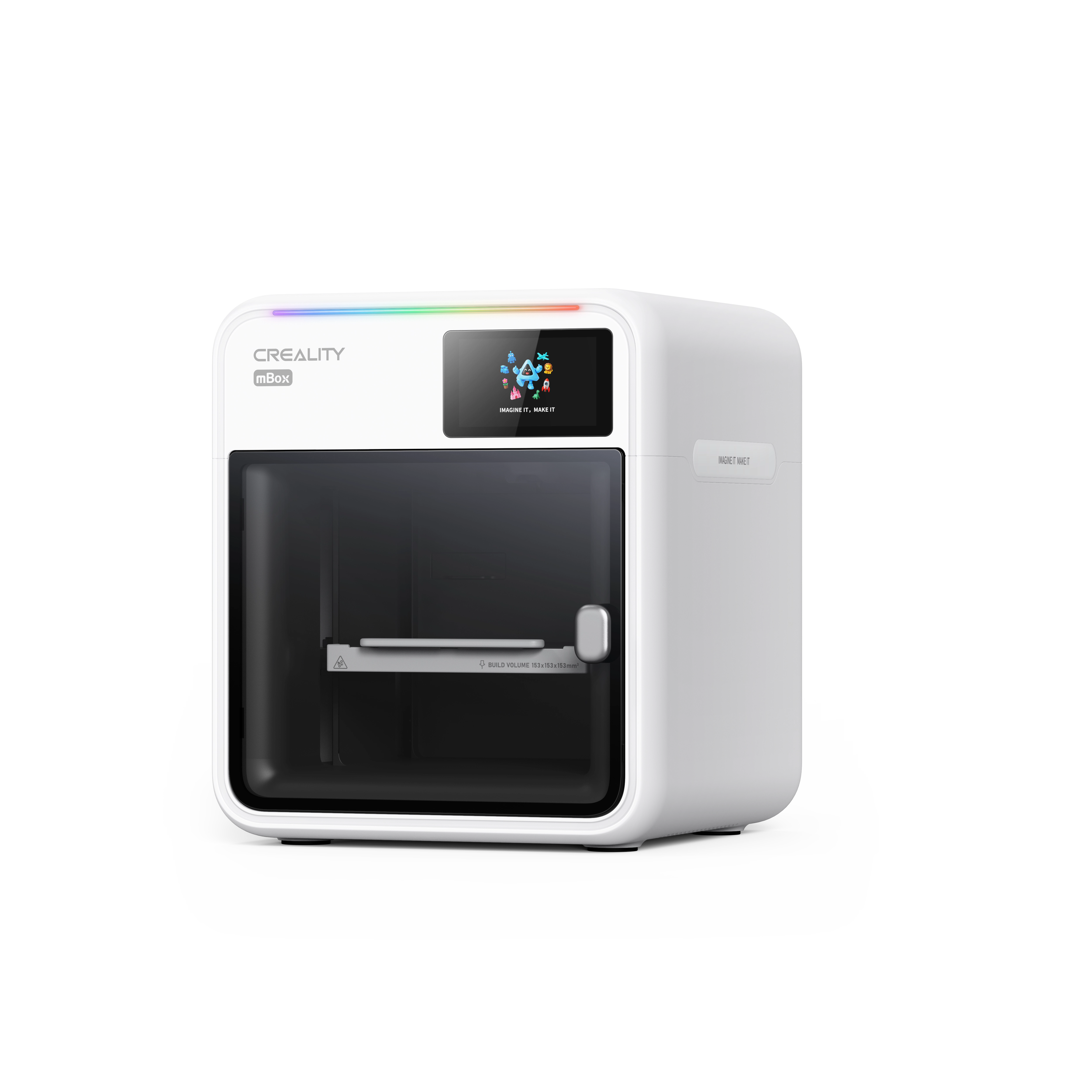
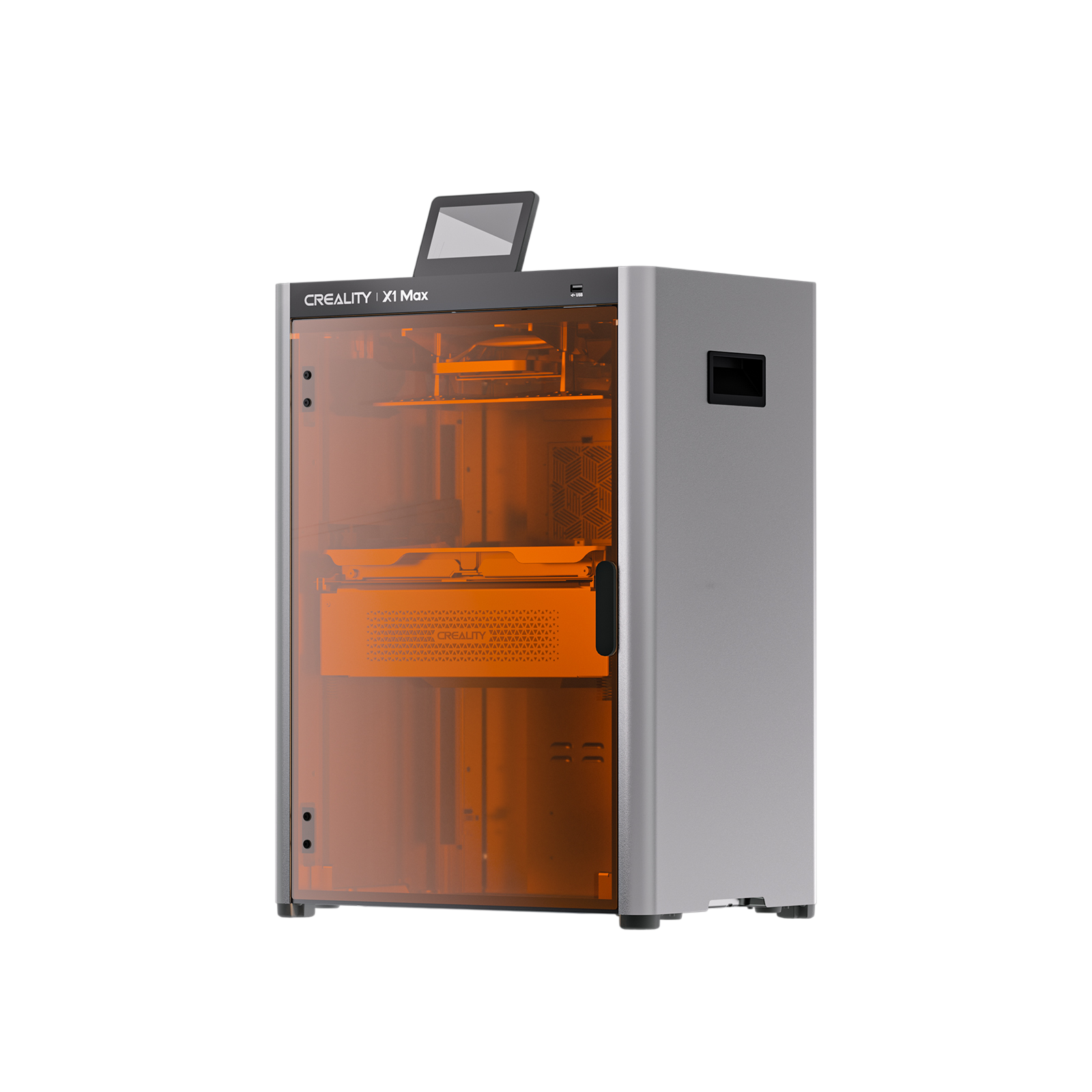
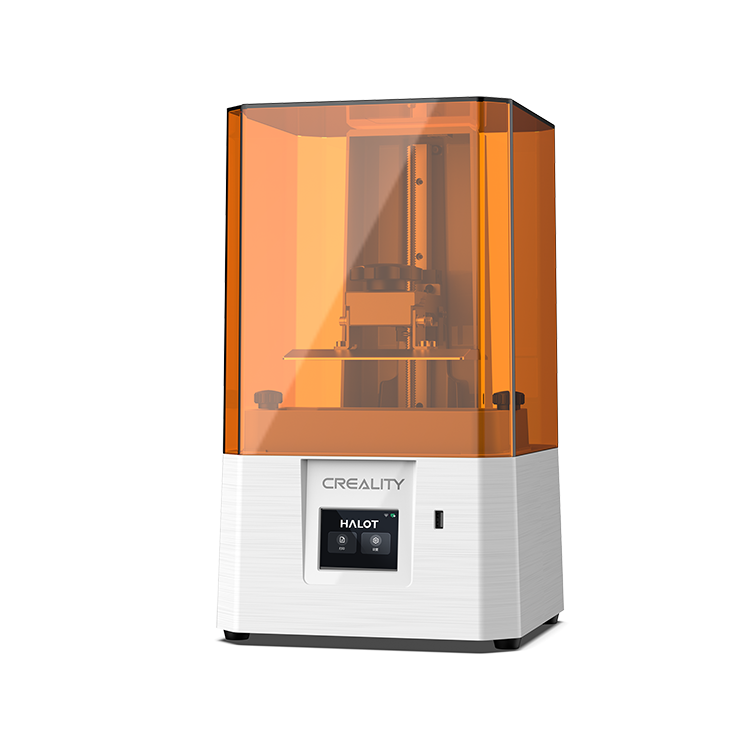
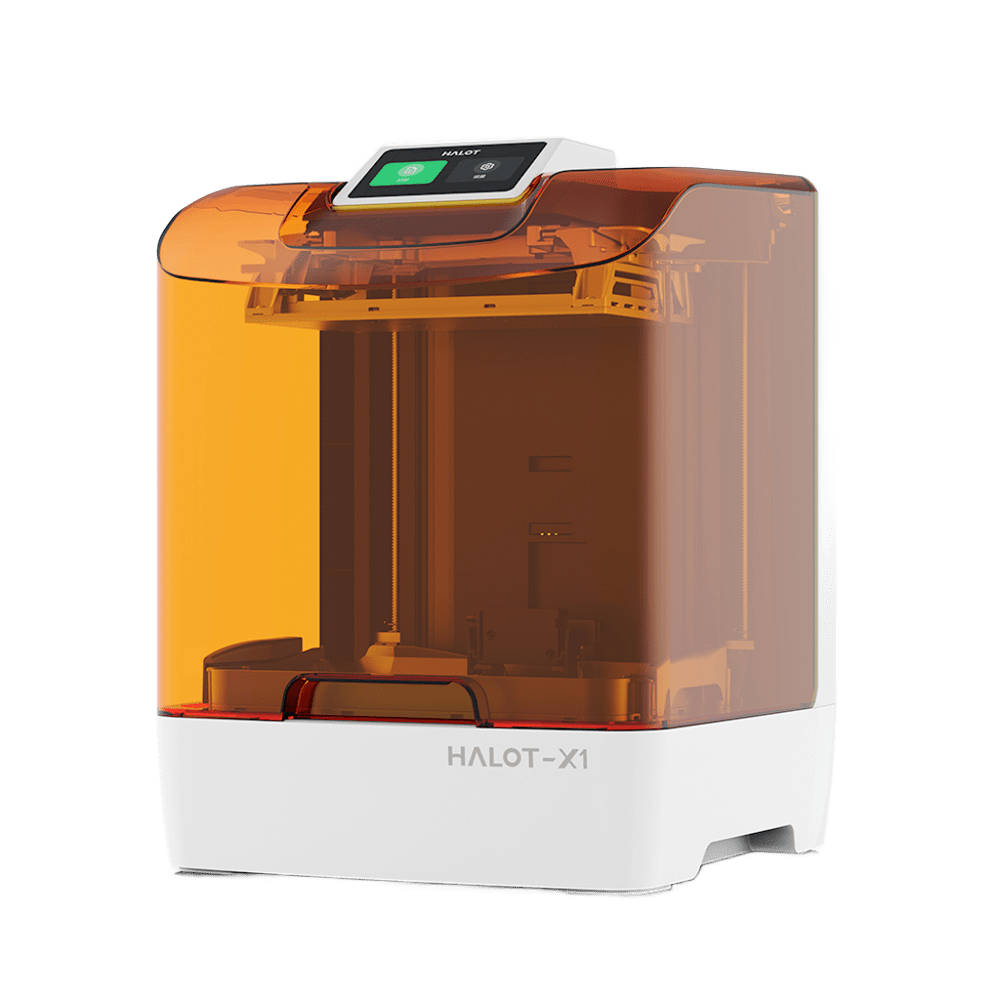
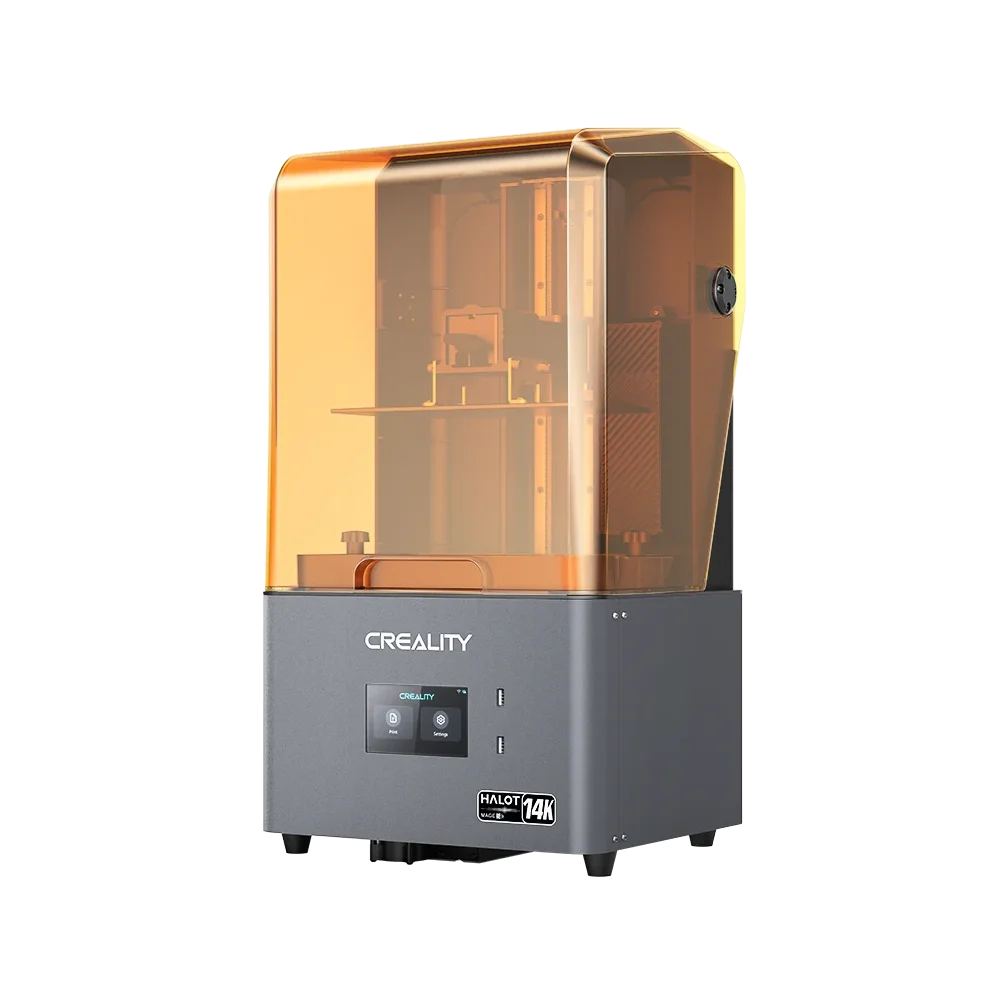
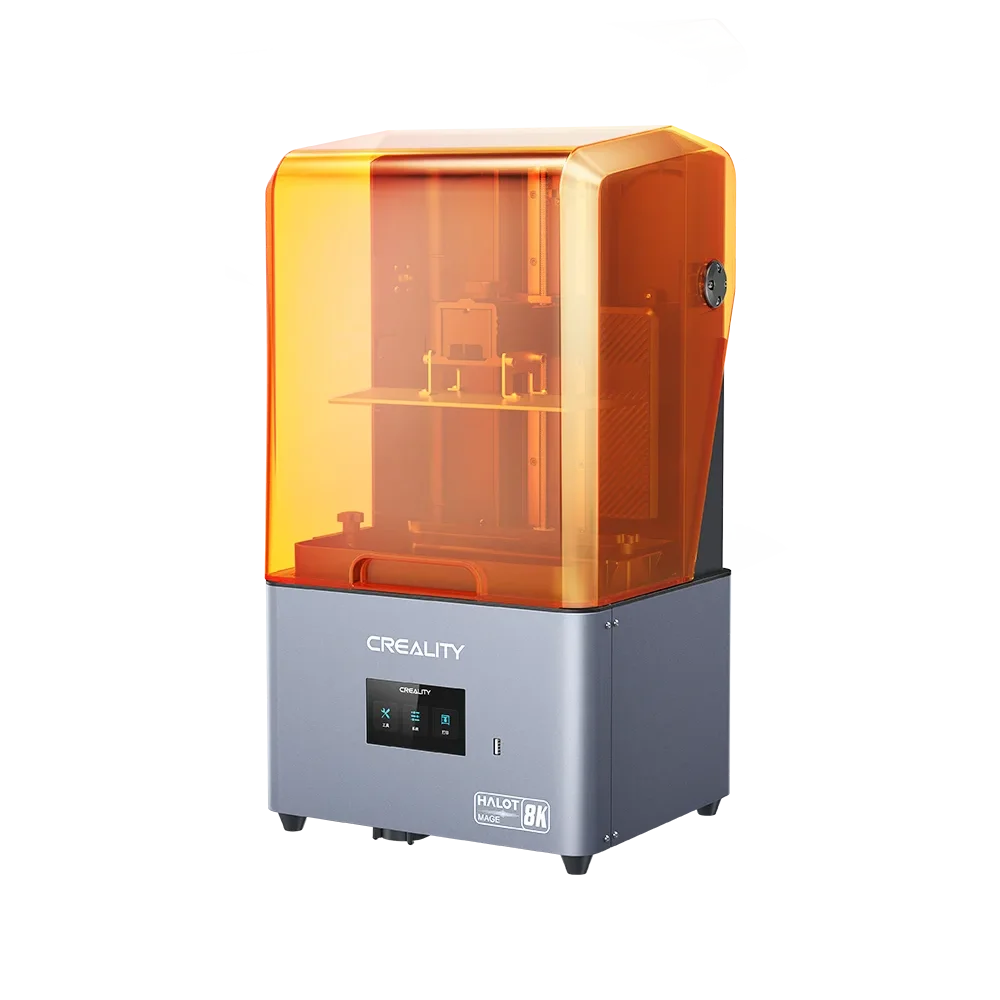
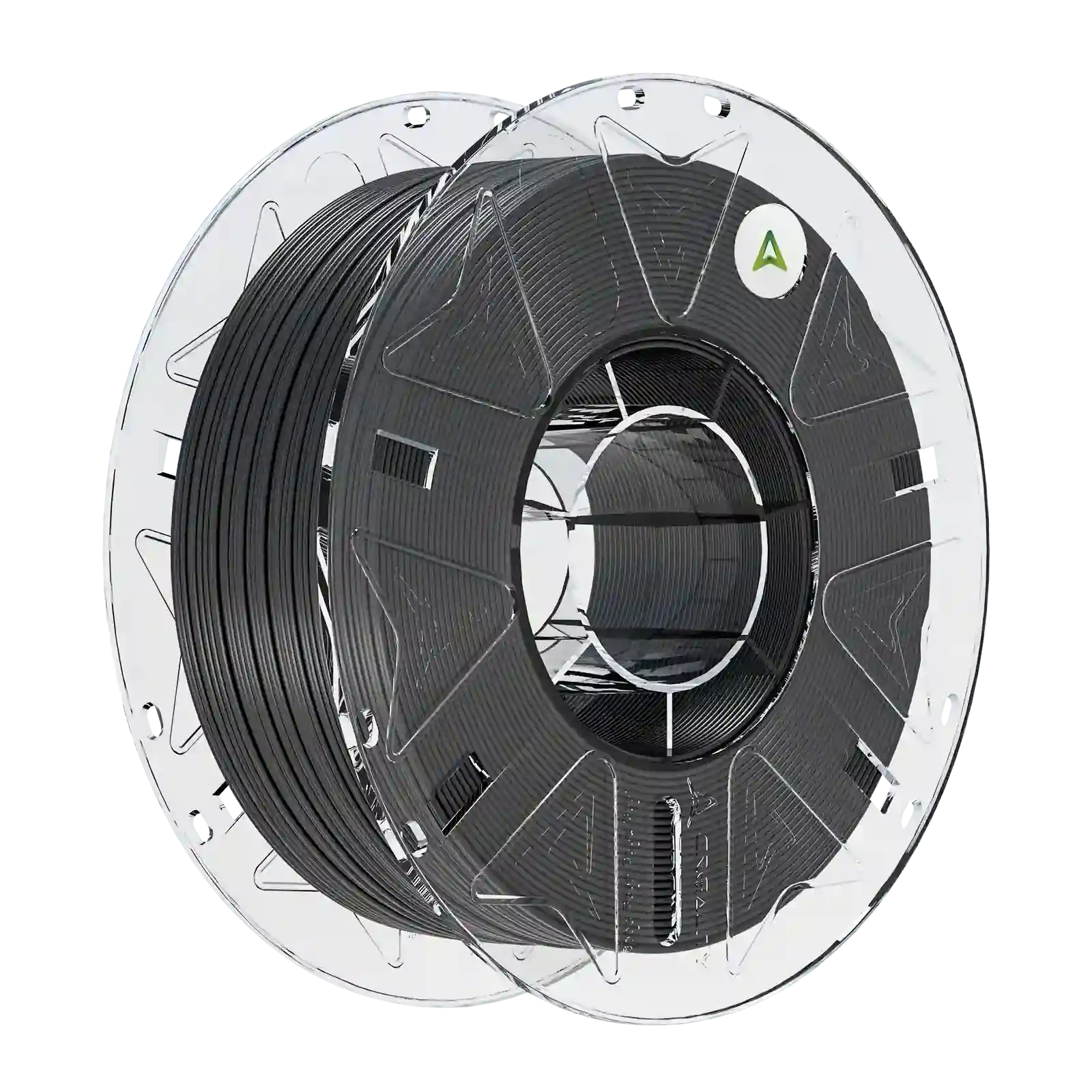
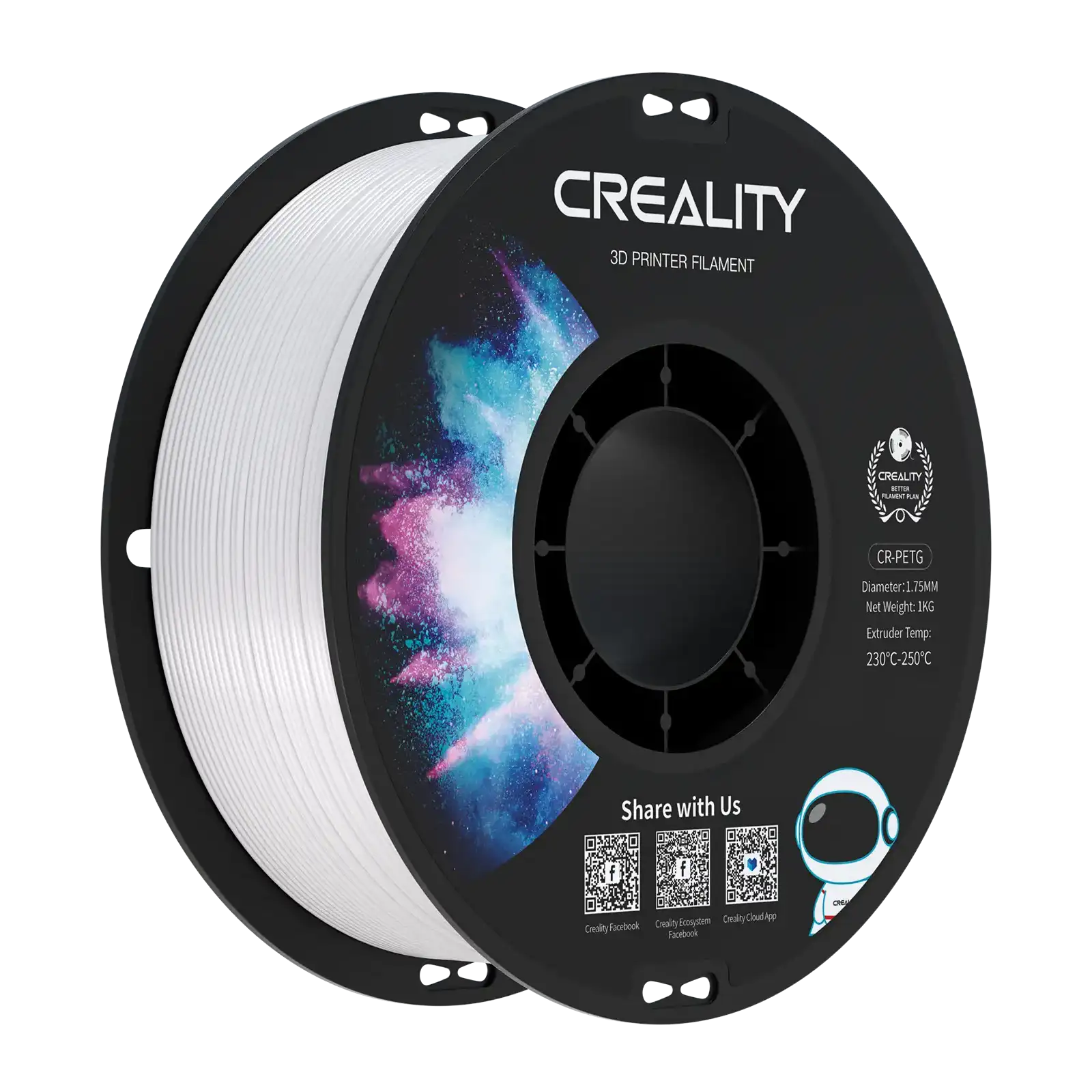
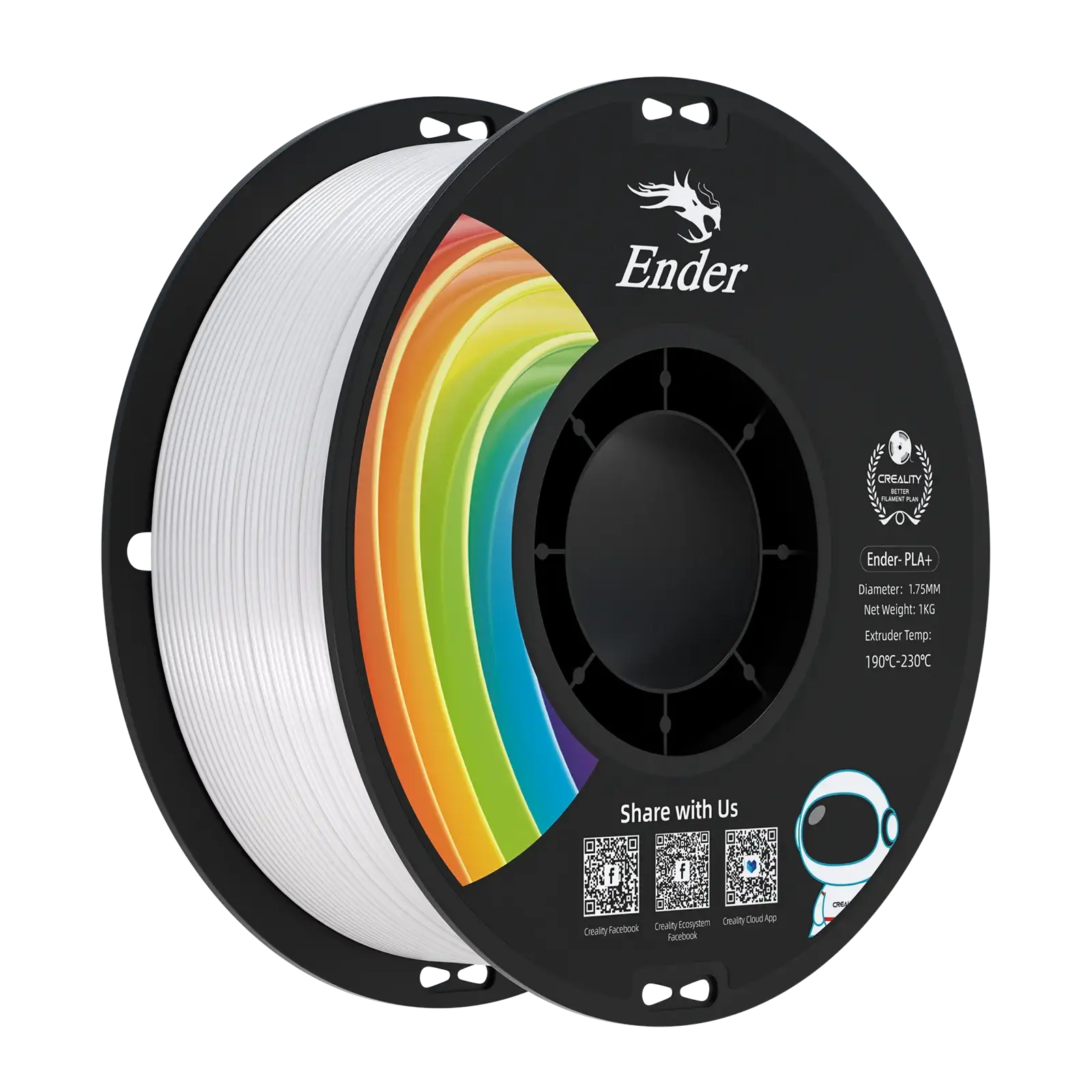

Choosing between FDM and DLP 3D printing comes down to one question: what does the finished part actually need to do? Both technologies build objects layer by layer, but they get there through very different materials and equipment. FDM melts and extrudes thermoplastic filament along a toolpath. DLP projects a full image of light into a vat of liquid photopolymer resin, curing an entire layer at once. The right choice between FDM vs DLP 3D printing depends on how much fine detail the part needs, how large it is, how it will perform, how many you're printing, and how much hands-on finishing you're willing to do.
FDM generally suits accessible prototyping, functional parts, larger models, and a broad range of thermoplastics, making it a forgiving choice for iterative design and everyday workshop use. DLP, on the other hand, is better suited to small parts that require very fine surface detail, such as miniatures, jewelry patterns, and dental models. It can also process a densely packed build plate of small parts efficiently. Each process involves different trade-offs in material handling, support removal, post-processing, and workspace requirements.
How FDM and DLP 3D Printing Work
FDM feeds solid filament through a heated nozzle, which deposits melted thermoplastic in a pattern that builds the object one layer at a time. Wall count and infill are set directly, while layer adhesion is influenced by temperature, cooling, and material choice.
DLP is a vat-photopolymerization process: a projector flashes a complete cross-sectional image into the resin, curing an entire layer at the build interface. This differs from laser-based SLA, which traces each layer point by point with a moving beam, and from LCD/MSLA, which uses an LCD panel as a mask instead of a projector's digital micromirror array (a technology originally developed by Texas Instruments). Because DLP cures a whole layer at once, build time scales more with layer count than with how many parts sit on the plate, making it useful for batches of small items. FDM's build time instead scales with total path length and part volume, and it typically needs supports only for significant overhangs, while DLP resin parts almost always need some support and post-cure work.
FDM vs DLP 3D Printing at a Glance
The table below summarizes how the two processes typically compare on the factors that matter most for a real project. Note, however, that actual results depend on the specific machine, material, geometry, and settings used.
|
Factor
|
FDM
|
DLP
|
|
Materials
|
Photopolymer resins formulated for detail, tough/engineering use, or castable patterns
|
|
|
Detail / resolution
|
Set by nozzle diameter and layer height; fine detail is possible but limited by extrusion width
|
Set by projector pixel size and Z-step; can resolve very fine features on small parts
|
|
Accuracy
|
Depends on machine calibration, material shrinkage, and geometry
|
Depends on optical calibration, resin shrinkage, and support placement
|
|
Surface finish
|
Visible layer lines unless post-processed
|
Smoother surface finish directly after printing, especially on curved surfaces
|
|
Strength behavior
|
Layer adhesion and infill are operator-set; many engineering filaments available
|
Cured resin is often more brittle; strength varies widely by resin formulation
|
|
Build volume
|
Typically larger practical volumes, especially on flagship FDM machines
|
Usually smaller, limited by the projector's image area
|
|
Supports
|
Often needed only for significant overhangs
|
Almost always needed; removal affects surface finish
|
|
Speed (single part)
|
Scales with path length and part volume
|
Scales mainly with layer count, not part count on the plate
|
|
Batch efficiency
|
Multiple parts add proportional print time
|
Full build plate can cure in about the same time as one part
|
|
Post-processing
|
Support removal, optional sanding
|
Washing, support removal, UV post-cure
|
|
Workspace needs
|
Minimal; ventilation helpful for ABS/ASA
|
Ventilation, wash station, and resin storage needed
|
|
Safety / handling
|
Hot nozzle and bed; standard fume caution
|
Uncured resin, solvents, and UV exposure need gloves, eye protection, and manufacturer-directed disposal
|
|
Waste
|
Failed prints, support material, minimal liquid waste
|
Uncured resin, wash liquid, and used vat films require proper disposal according to manufacturer instructions and local regulations
|
|
Cost drivers
|
Filament, nozzles, occasional enclosure filters
|
Resin, solvent, vat films, UV curing supplies
|
|
Best-fit applications
|
Prototypes, fixtures, functional and larger parts, education
|
Miniatures, jewelry patterns, dental/medical models, casting patterns
|
Print Quality, Materials, and Part Performance
DLP's projected-light exposure can resolve very fine features and smooth curved surfaces, since curing isn't limited by nozzle diameter the way extrusion is. XY resolution is set by the projector's pixel size and lens, and layer height by the Z-axis step; both can be quite fine on capable machines. That detail comes with trade-offs: many engineering resins are more brittle than common FDM thermoplastics, and part orientation and support placement directly affect surface quality on the finished piece.
FDM offers a wider range of functional materials from PLA, PETG, ABS, ASA, and nylon to carbon-fiber-reinforced blends. As a result, parts can be tuned for impact resistance, heat resistance, or flexibility. Wall count, infill percentage, print orientation, and layer adhesion all affect part strength. Layer adhesion also depends on factors such as nozzle temperature, cooling, and material choice. It’s worth noting that these are settings the operator can adjust directly rather than fixed material properties. FDM also handles larger parts more practically, since its build volume isn't capped by a projector's usable image area the way most DLP machines are.
Speed, Cost, Workflow, and Safety
A single small DLP part can cure quickly because the projector exposes a whole layer at once, but the workflow doesn't end at the printer. Parts need washing in isopropyl alcohol or a similar solvent, support removal, and UV post-curing before they're usable, plus ongoing vat maintenance and PPE (gloves, eye protection, ventilation) for handling liquid and uncured resin. A full DLP build plate of many small parts can be efficient, but preparation and cleanup time still add up.
FDM print jobs typically need less supervision once started, and finishing is usually simpler: removing the part from the bed, clipping supports, and light sanding if needed. There's little liquid handling and no solvent-based cleanup, though enclosed printers add filtration for ABS/ASA fumes. Ongoing costs differ too; FDM consumables are mainly spools of filament and occasional nozzles, while DLP requires resin, wash solvent, vat films, and curing supplies. Comparing printer price or single-part exposure time alone misses this total workflow cost; a fair comparison accounts for prep, supervision, cleanup, consumables, and maintenance across a full job, not just the machine's spec sheet.
When to Choose FDM or DLP
Favor FDM when:
-
You're iterating on a design and need functional prototypes quickly
-
The part is larger than a typical DLP build plate
-
You need a specific thermoplastic (ABS, nylon, carbon-fiber blends) for strength or heat resistance
-
You're teaching, learning, or running a shared workshop where simple cleanup matters
-
You're printing many functional parts rather than a few highly detailed ones
Favor DLP when:
-
The part is small with fine surface detail, such as miniatures, jewelry masters, dental or medical models
-
You need a casting pattern with a smooth, low-layer-line surface
-
You can arrange many small parts densely on one build plate
-
The resin workflow (washing, curing, ventilation, disposal) fits your space and process
Where Creality FDM Fits
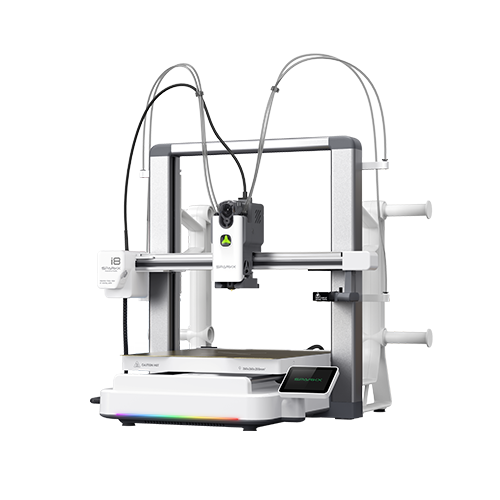
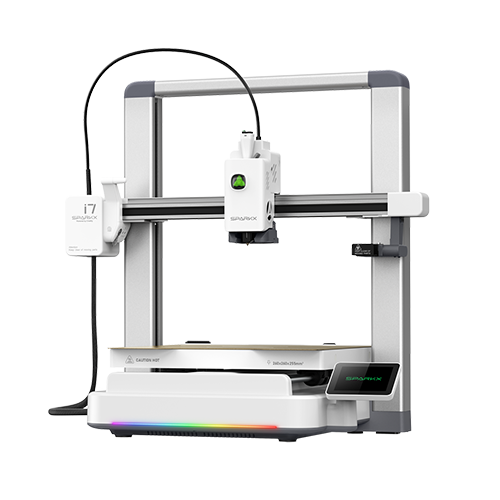
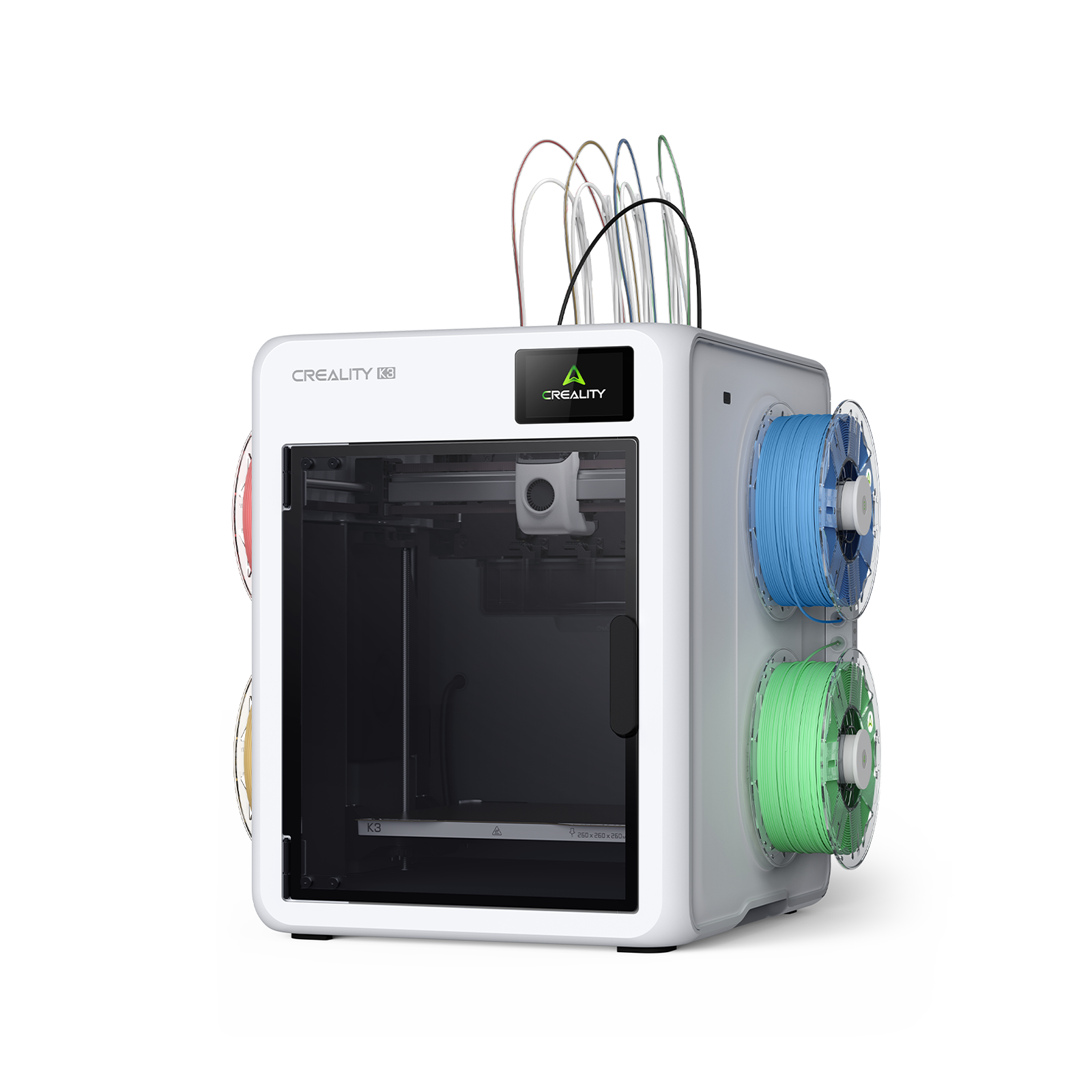
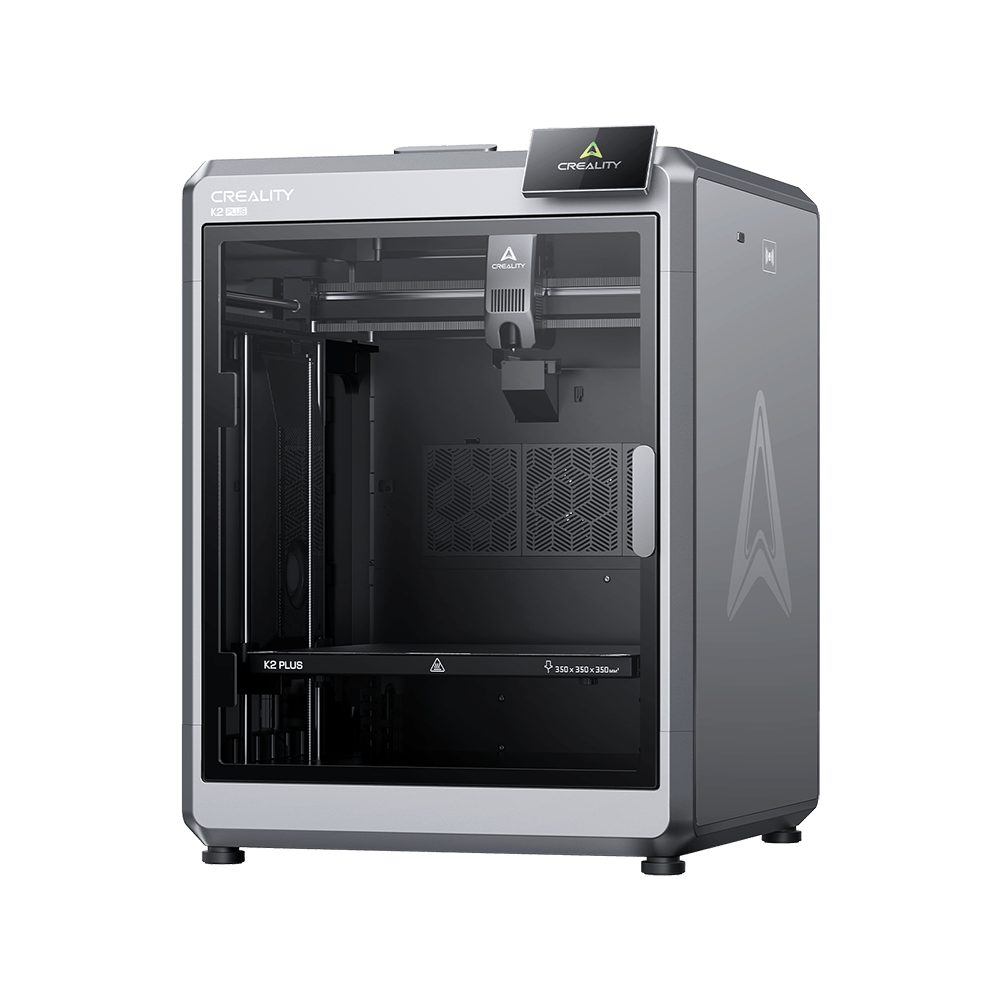
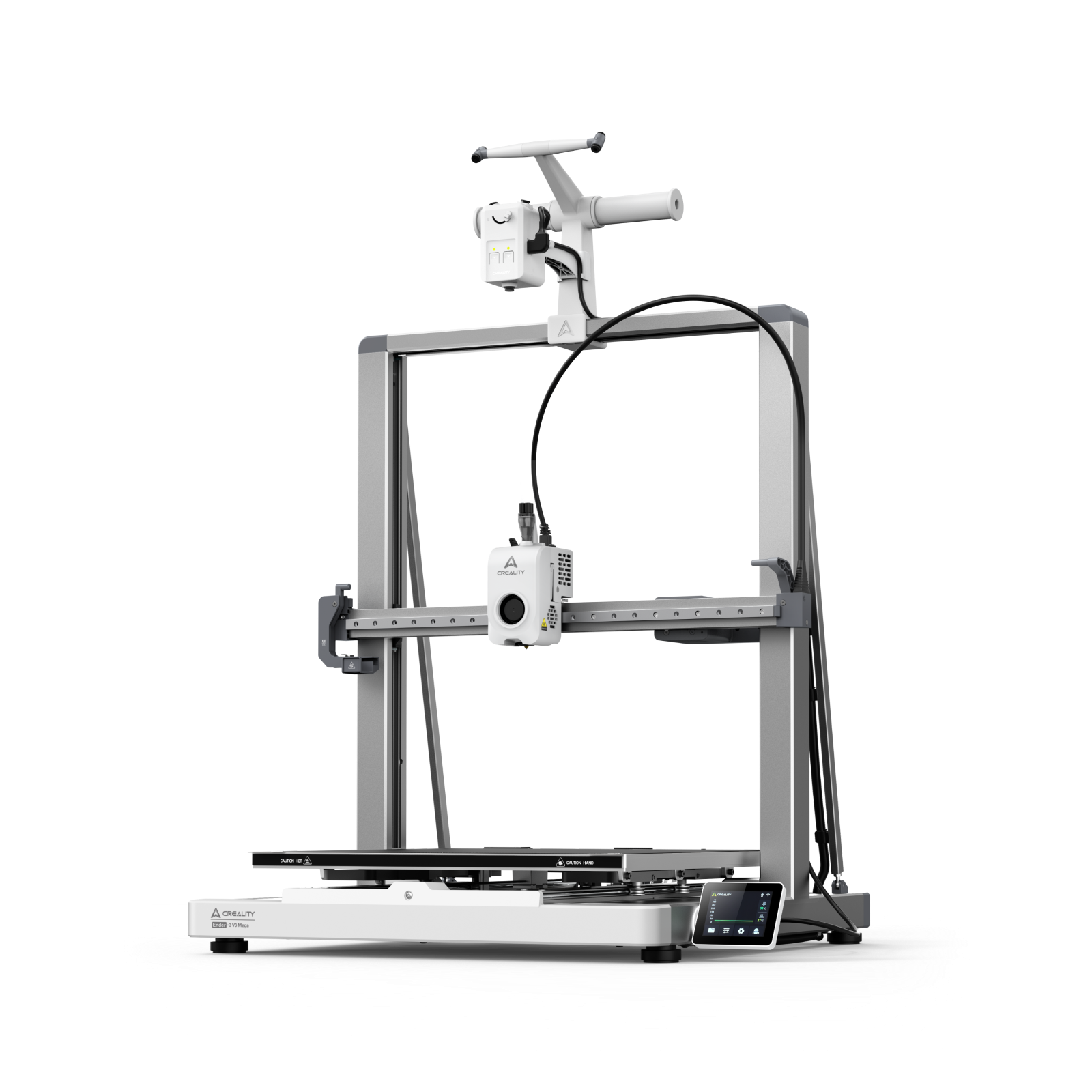
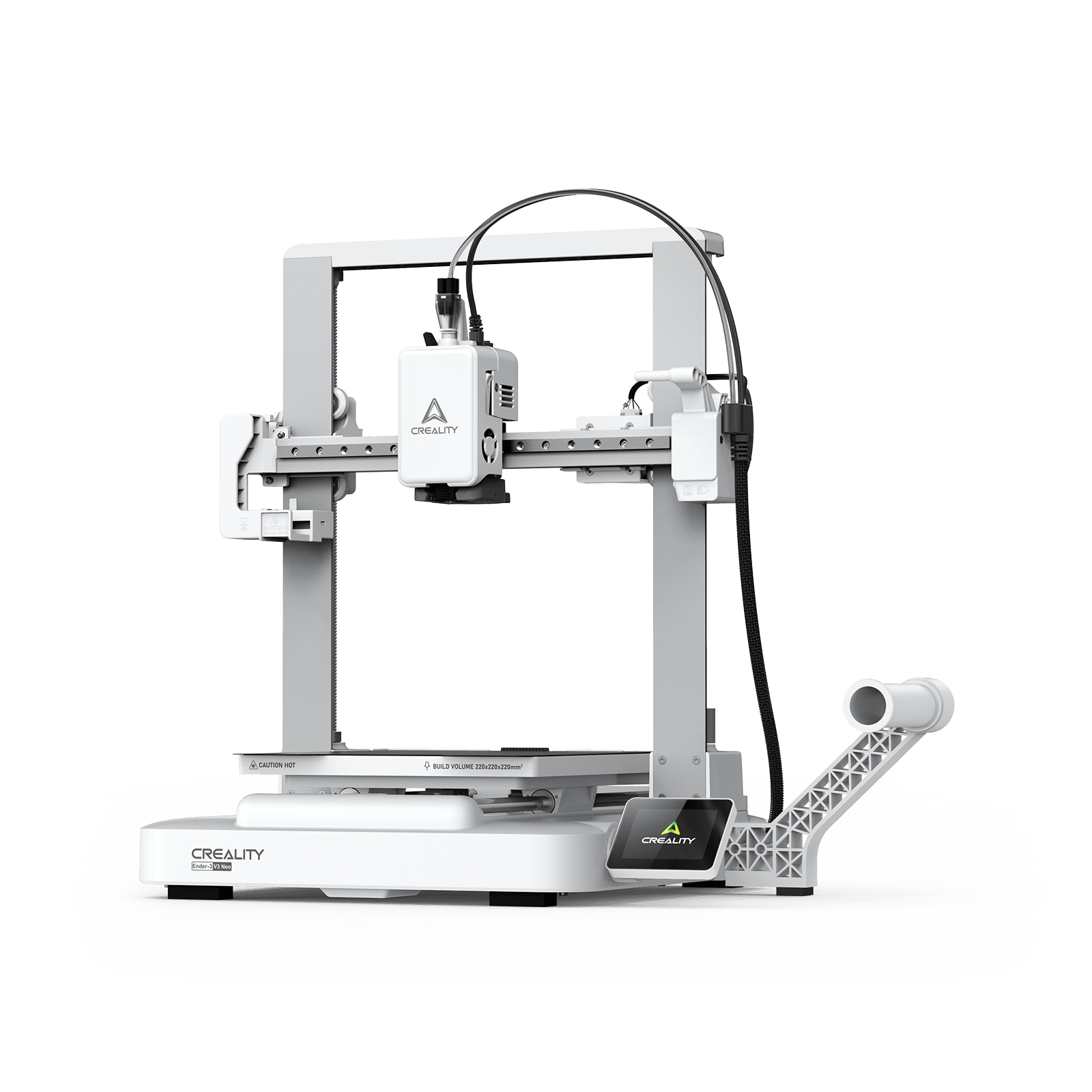
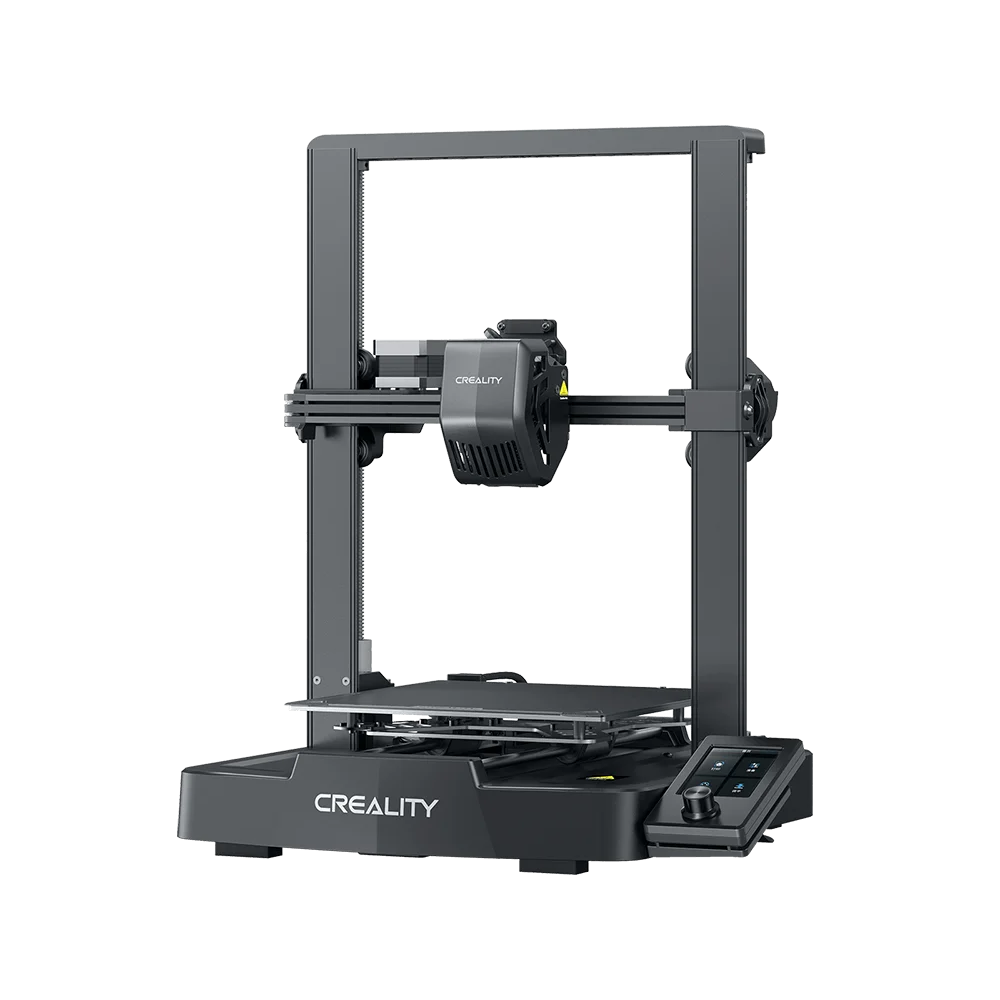
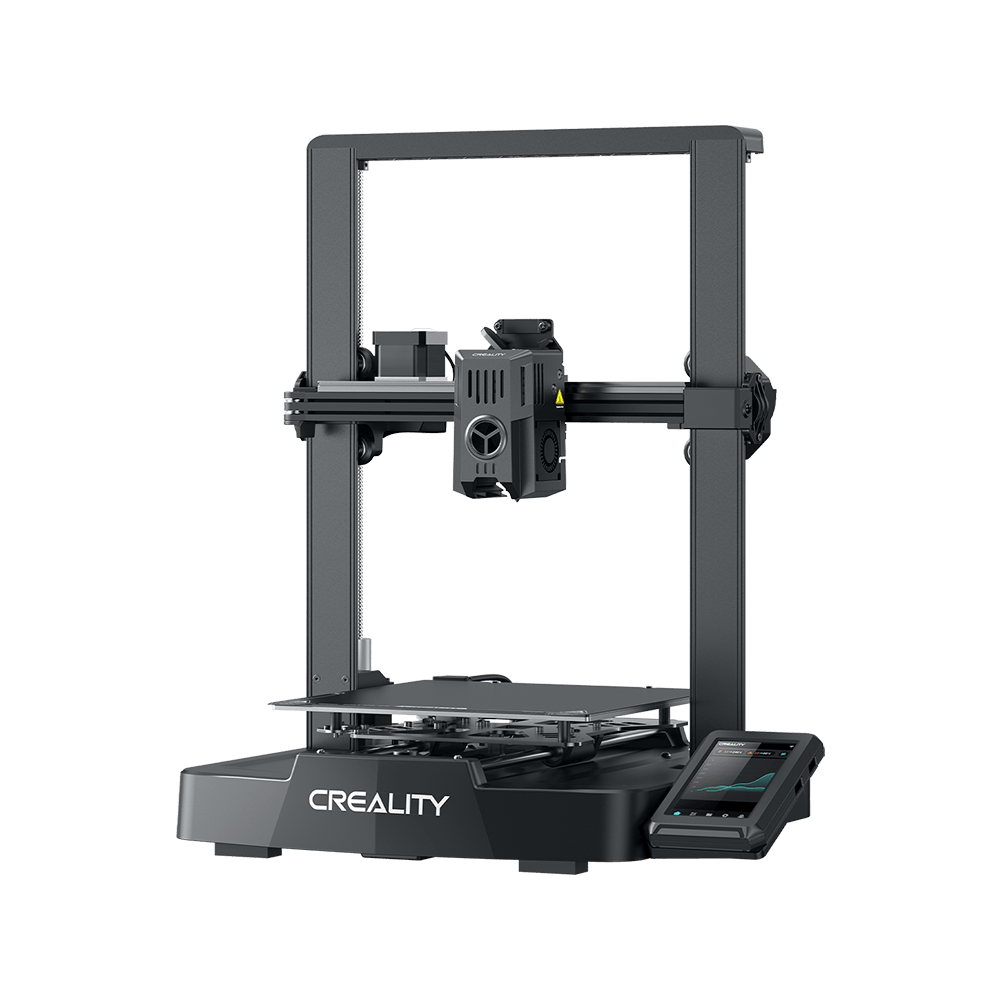
For workshops centered on FDM, machine choice usually comes down to build volume and material range. The Creality K1C 2025 is a fully enclosed, CoreXY printer built for fast iteration: it supports ABS, ASA, PA-CF, and other engineering filaments, includes an AI camera for print monitoring, and suits makers who need functional parts without a large footprint. The Creality K2 Plus steps up to a larger build volume with an actively heated chamber, suited to bigger single-piece parts, batch printing multiple items at once, and broader engineering material support including PA-CF and PET-CF. Creality Print software handles slicing, job preparation, and print management across both machines.
Neither model, however, is meant to replicate DLP's finest surface detail on small, intricate geometry. They're built for accessible, versatile, repeatable production of functional and larger-format parts, which is where FDM's strengths lie.
Conclusion
FDM favors accessible, versatile, and repeatable production, especially for larger parts, a wide range of functional thermoplastics, and a simpler day-to-day workflow. DLP favors small parts that need very fine surface detail, at the cost of a more involved wash-and-cure process. Neither is universally better in the FDM vs DLP 3D printing debate. The right pick, therefore, depends on your part's size, detail requirements, material needs, and how much post-processing you want to manage. If your projects call for functional parts, larger builds, and repeatable in-house printing, it's worth exploring where a Creality FDM printer and Creality Print fit into your workflow.