

Bienvenue chez Creality  Découvrez la K3 🔥

Creality
Tous les produitsÉcosystèmeTéléchargerAssistanceCreality CloudBlog
Série PhareSérie SPARKXSérie Ender Série HiSérie HALOT
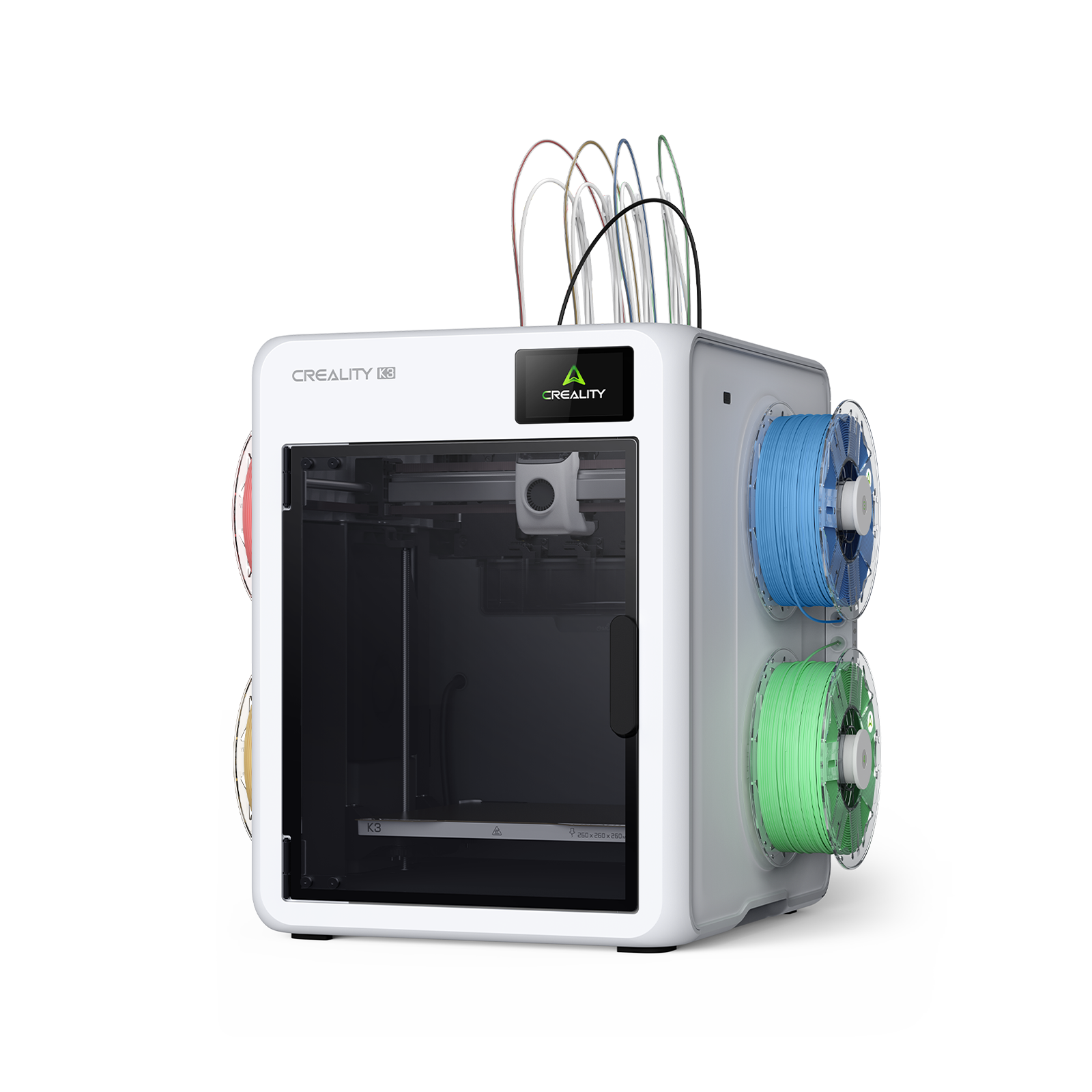
K3
Nouveau
K3
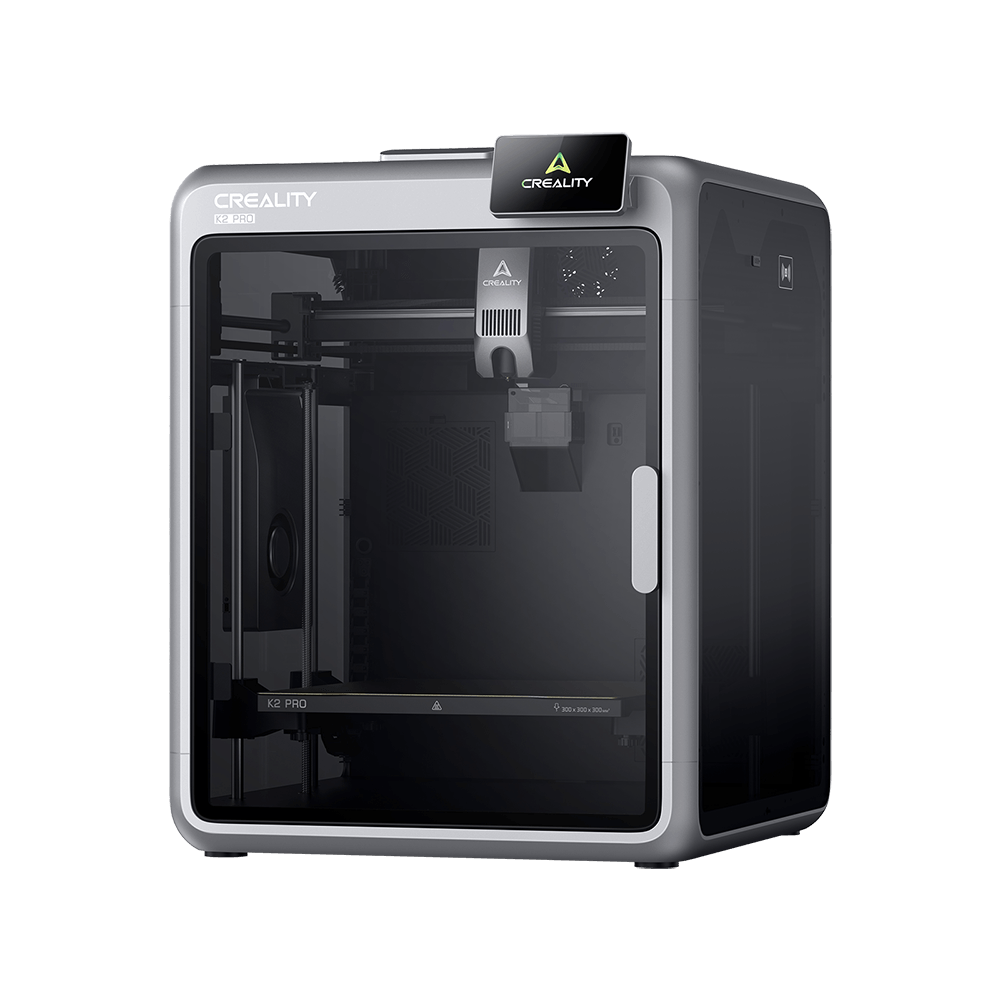
K2 Pro
K2 Pro
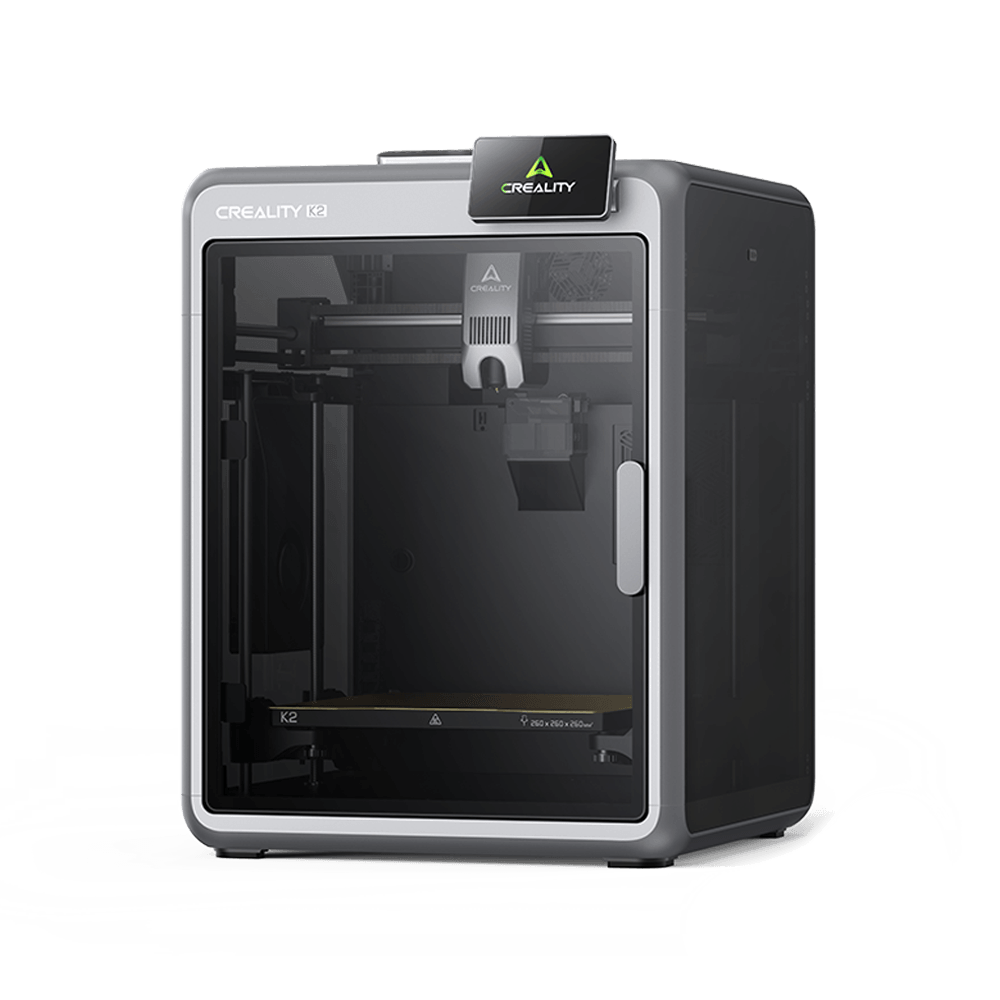
K2
K2
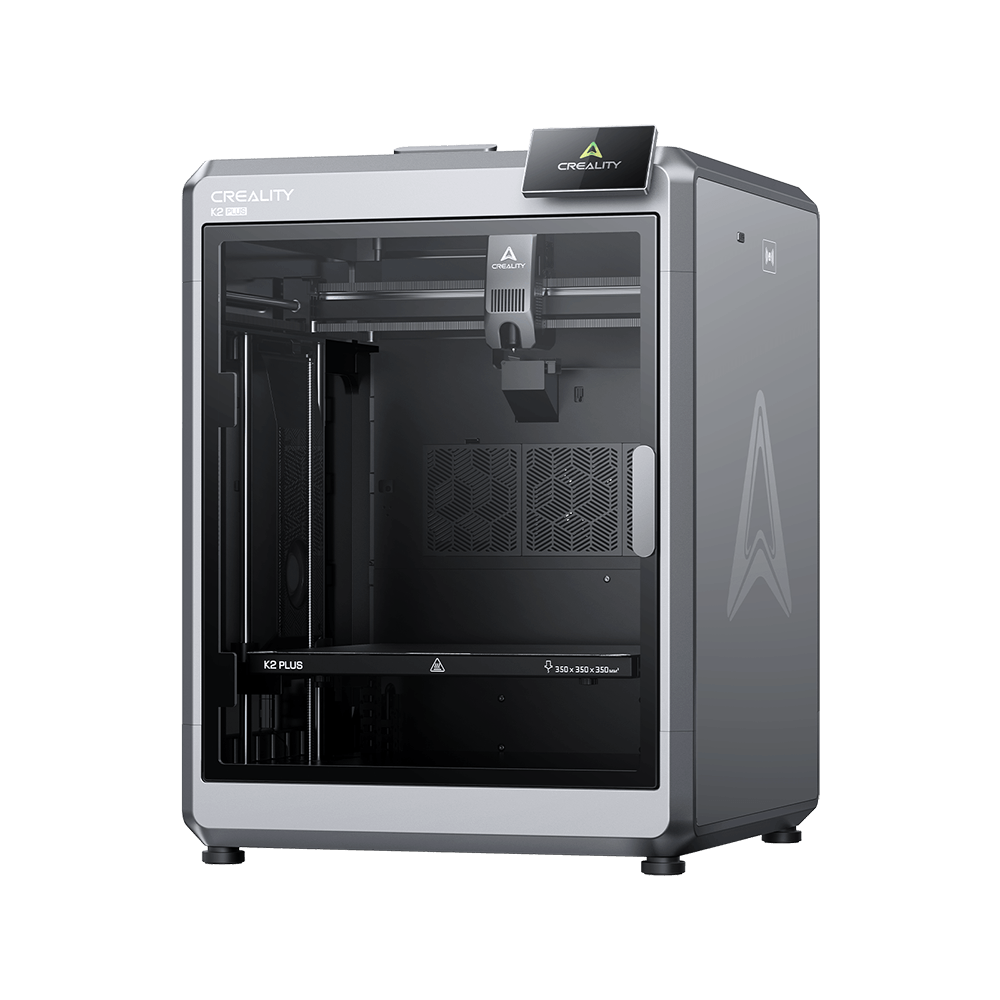
K2 Plus
K2 Plus
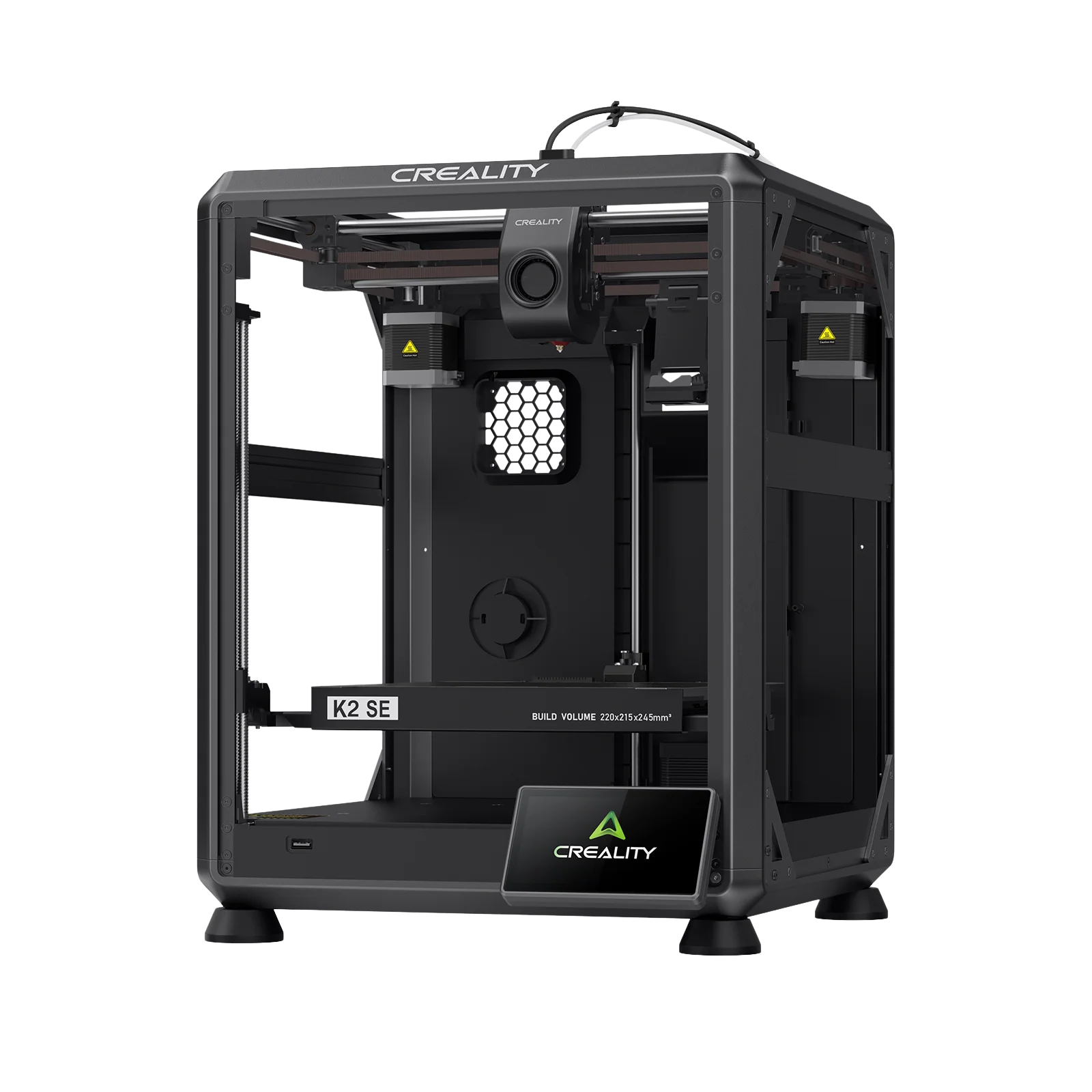
K2 SE
K2 SE
Plus de produits
Comparer
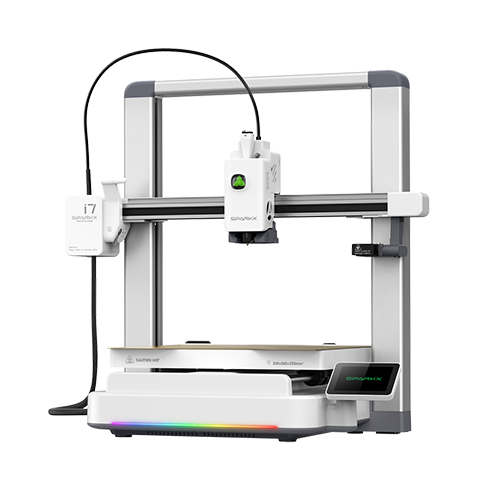
SPARKX i7
Nouveau
SPARKX i7
Plus de produits
Comparer
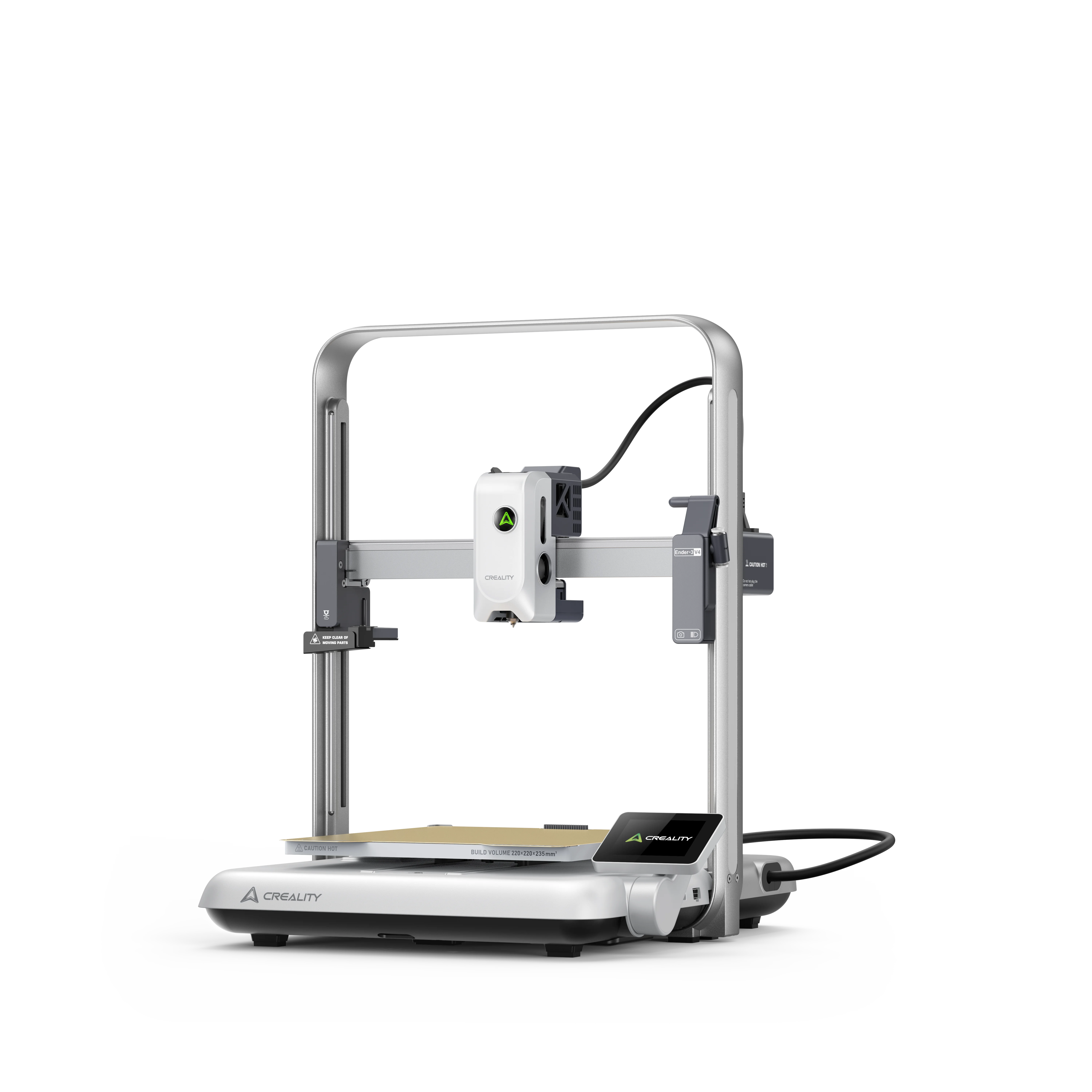
Ender-3 V4
Ender-3 V4
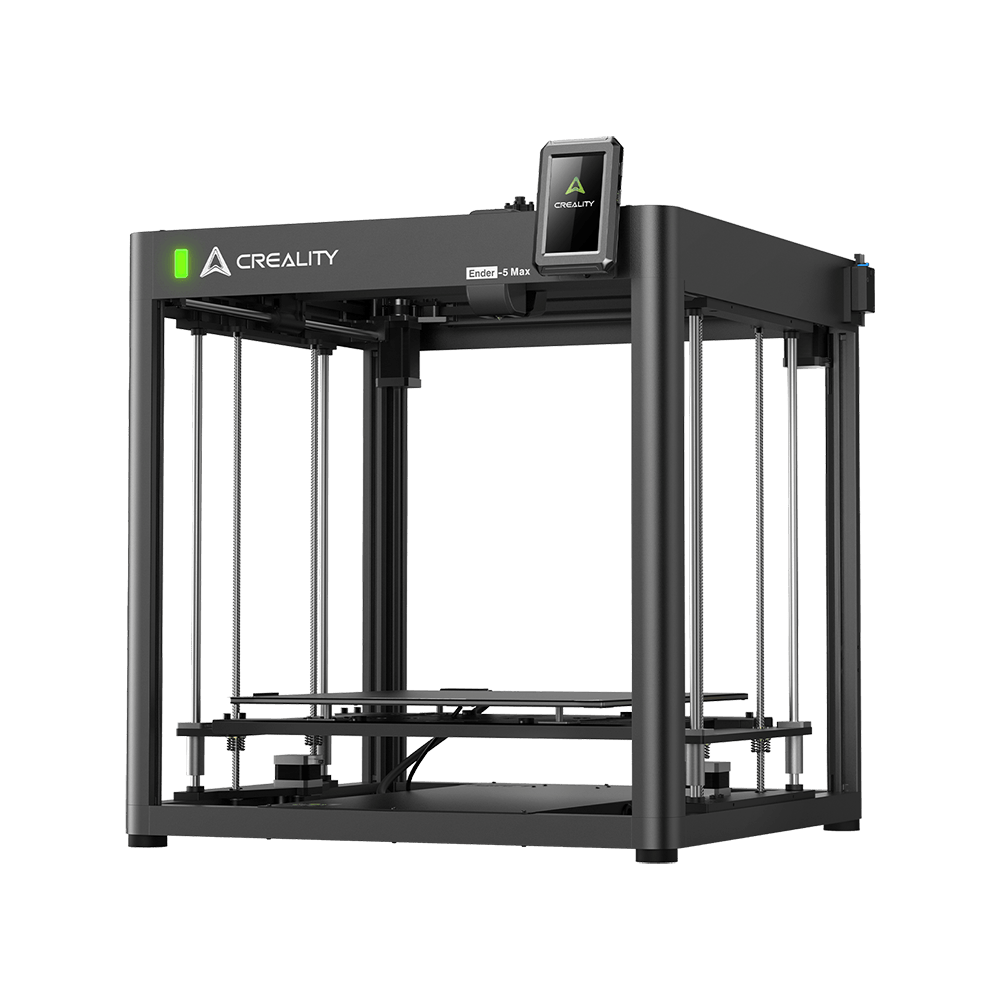
Ender-5 Max
Nouveau
Ender-5 Max
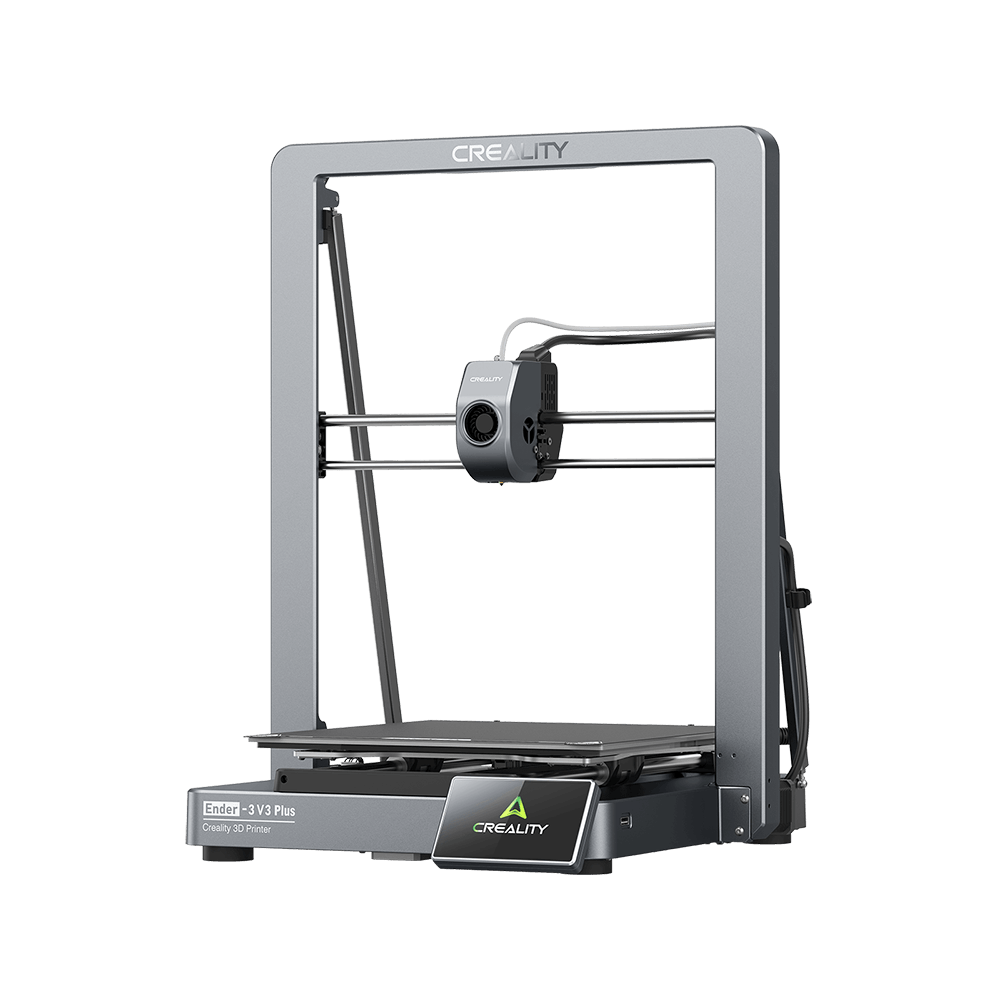
Ender-3 V3 Plus
Ender-3 V3 Plus
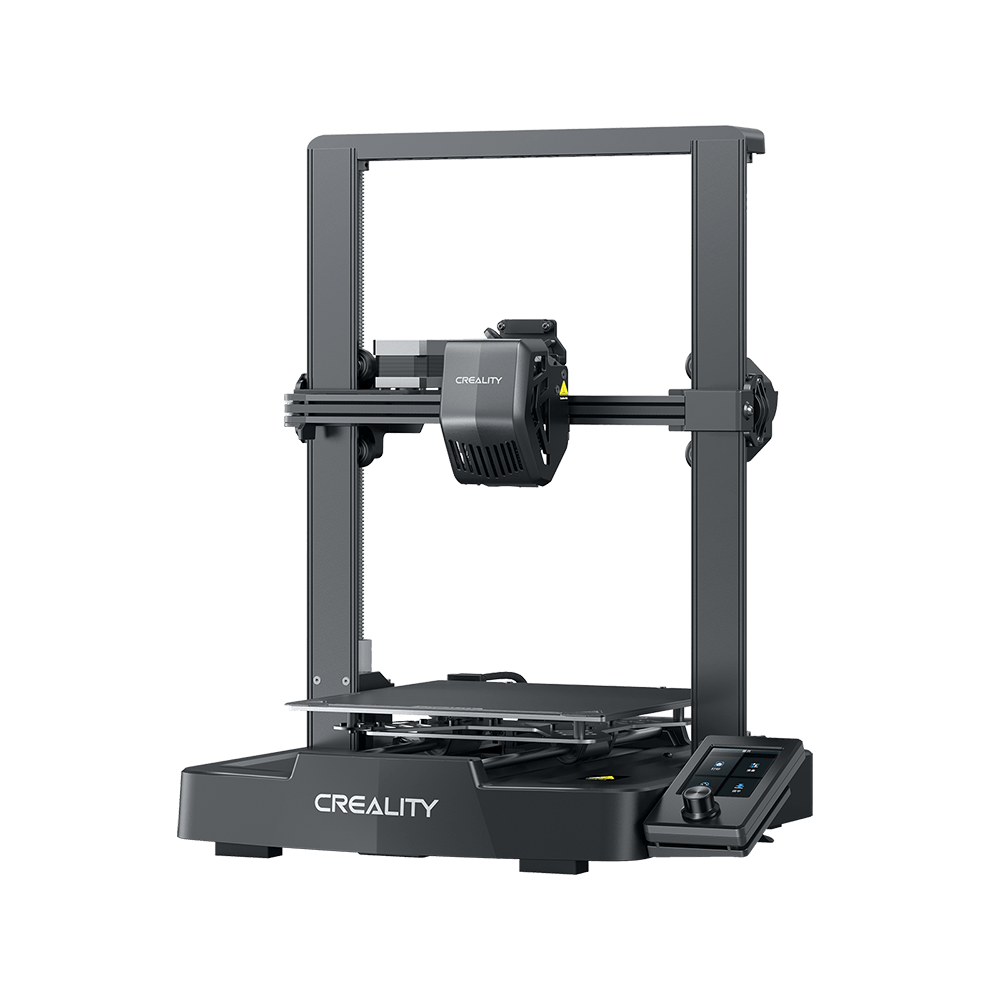
Ender-3 V3 SE
Ender-3 V3 SE
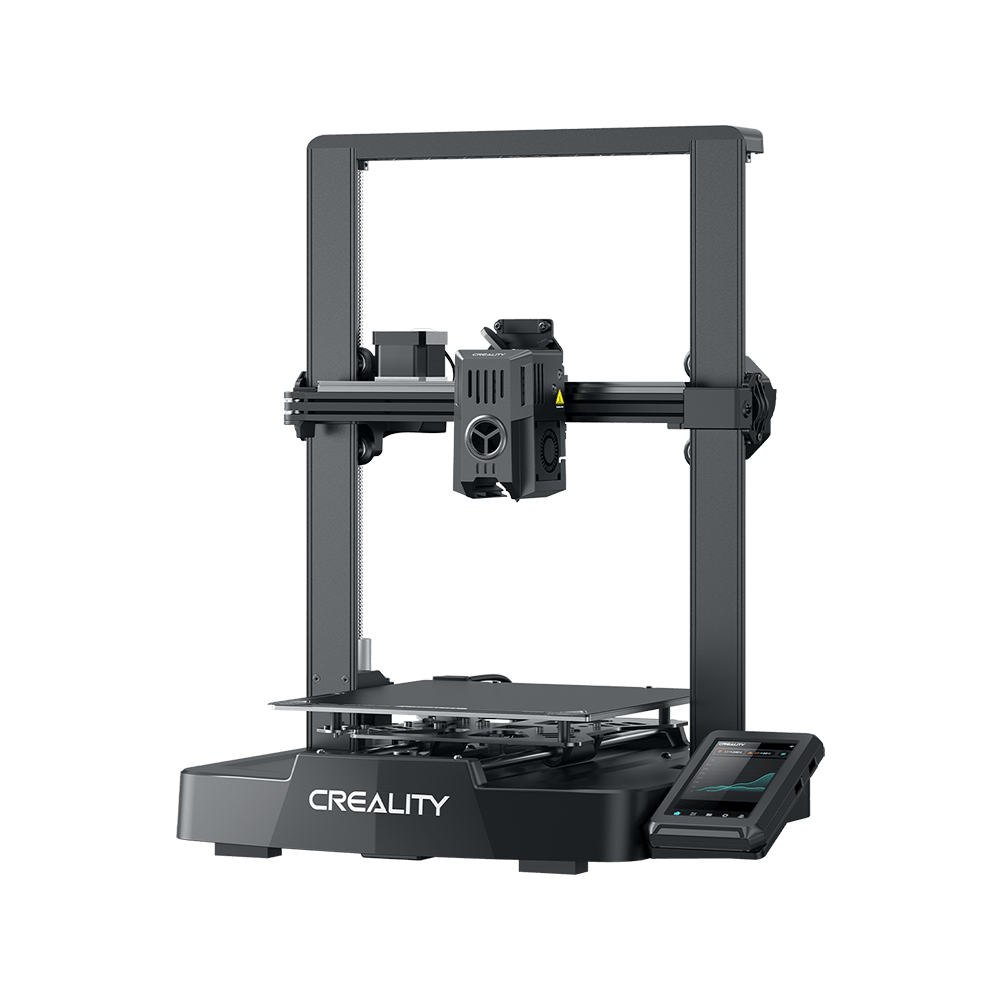
Ender-3 V3 KE
Ender-3 V3 KE
Plus de produits
Comparer
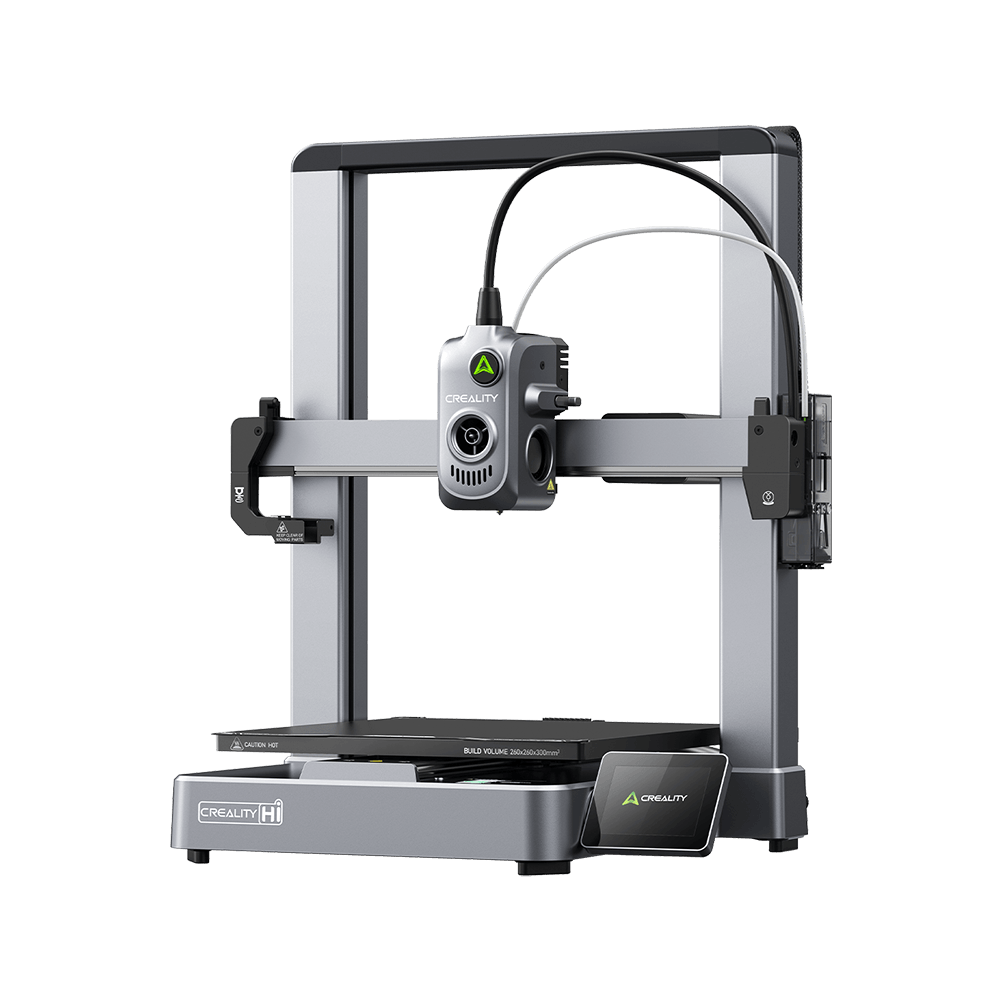
Creality Hi
Creality Hi
Plus de produits
Comparer
HALOT-X1 Max
HALOT-X1 Max
HALOT X1-Neo
Nouveau
HALOT X1-Neo
HALOT-X1
HALOT-X1
HALOT-MAGE S
HALOT-MAGE S
HALOT-MAGE
HALOT-MAGE
Plus de produits
Graveur laserScanner 3D
Falcon A1C
Nouveau
Falcon A1C
Creality Falcon T1
Nouveau
Creality Falcon T1
Creality Pika
Nouveau
Creality Pika
Creality SpacePi X4
Creality SpacePi X4
CR-Laser Falcon Laser Engraver (10W)
Plus de produits
Creality Raptor Pro Max
Nouveau
Creality Raptor Pro Max
Creality Pika
Nouveau
Creality Pika
Plus de produits
Centre de téléchargement
Logiciels et micrologiciels
Modèles
Creality Cloud App
Centre de services
Centre d'aide
Wiki officiel
Assistance produit
Télécharger
Vidéo
Paramètres
En savoir plus
À propos de nous
Contactez-nous
Assistance après-vente
Centre de Blog / 3D Printer 8-bit Motherboard VS 32-bit Motherboard: Differences

Abonnez-vous à notre newsletter

Recevez des conseils sur l'impression 3D, des guides étape par étape et l'inspiration pour votre prochaine aventure d'impression 3D.

En vous abonnant, vous acceptez nos Conditions et Politique de confidentialité.

Réseaux Sociaux

  • YouTube
  • Facebook
  • Instagram
  • Tiktok
  • Twitter
  • Reddit
  • Discord

3D Printer 8-bit Motherboard VS 32-bit Motherboard: Differences

Jul 30, 2020 14:36:35
What is the controller board?

In a 3D printer, the motion controller, namely the 3D printer motherboard, is a core part responsible for the electronic functioning, such as parsing g-code files, regulating temperature, and moving motors. The motion controller is so essential like a brain inside the 3D printer that keeps track of a lot of things. Without a motion controller board, the 3D printer can barely do anything except for turning certain components on or off via manual click of a switch.

8-bit motherboard VS 32-bit motherboard: Differences

In 3D printing communities, there are mainly two camps, namely the 8-bit motherboard camp, and the 32-bit motherboard camp. The major difference lies in the internal architecture of the chip.

The number of bits tells you the size of the registers (8 bits per register), number of memory addresses (only 2^8 = 256 addresses), and the largest numbers they can process (again, 2^8 = 256 integers, or integers 0 through 255). In this way, the 8-bit can processes 8-bits of data at any particular time. The 32-bit can theoretically handle numbers reaching 2^32. In general, this means that a 32-bit can handle quadruple the amount of data, making it technically more data-efficient.

One primary of the primary advantages of a 32-bit microcontroller over an 8-bit microcontroller is its superior processing speed. A typical 8-bit microcontroller usually runs at 8 Mhz while a 32-bit microcontroller can be clocked up to hundreds of Mhz.

The Advantages of 32-bit Motherboard for 3D Printers:

1. Speed – 32-bit motherboard can process more date than the 8-bit motherboard during the same time period. However, the differences on 3D printer is merely not big, because the speed and acceleration are static, and dynamic acceleration is not used, so there is no significant difference between 8-bit and 32-bit processors

2. Print Quality – The 8-bit motherboard and the 32-bit motherboard doesn’t affect too much on the print resolution. Normally, the slicing software will compensate for slow and complex calculations by reducing resolution, so as not to introduce overextrusion and zits.

3. Avoiding firmware problems – Many software-based hacks have been created to compensate for the lack of hardware floating point in 8 bit processors. Firmware updates can completely bog down an 8 bit processor if they have not been tested under a variety of conditions.

4. Upgradability: On the currently used 8-bit controllers, upgradability is limited, mainly limited to data processing capabilities, but when using 32-bit processors, relative upgradability is better.

ACHETEZ ET APPRENEZ

  • Boutique
  • Où Acheter
  • Série Hi
  • Série Ender
  • Série K2

COMMUNAUTÉ

  • Creality Cloud
  • Forum
  • Discord
  • Reddit
  • Open Source

SOUTIEN

  • Assistance Produit
  • Centre de Téléchargement
  • Centre d’Aide
  • Centre Vidéo
  • Service Après-Vente
  • Wiki Officiel

À PROPOS

  • À propos de nous
  • Contactez-nous

Soyez les premiers informés

Recevez les dernières actualités de Creality.

En vous abonnant, vous acceptez nos Conditions et Politique de confidentialité.

  • YouTube
  • Facebook
  • Instagram
  • Tiktok
  • Twitter
  • Reddit
  • Discord
Politique de confidentialitéConditions générales de ventePolitique d'expédition
France(Français)

Droits d'auteur © 2026 Creality 3D Technology Co., Ltd. Tous droits réservés.